PurposeThis research aims to investigate the development of travel anxiety, examine its variations across several stages of tourism and explore its impact on tourists.Design/methodology/approachThis study explored the phenomenon of travel anxiety using the grounded theory methodology. Interview transcripts from 22 travelers and 1,629 social media posts from Xiaohongshu and Sina Weibo were analyzed with NVivo 11.0. Through data saturation testing, five core categories were ultimately identified: stressors, primary appraisal, secondary appraisal, appraisal outcomes and coping strategies, revealing the key factors influencing travel anxiety and their interrelationships.FindingsGrounded in stress and coping theory, the findings indicate that travel anxiety fluctuates across different stages of travel, shaped by tourists' appraisals and coping strategies. Travel anxiety typically peaks during the preparation phase, declines initially during the trip, fluctuates throughout and rises briefly before subsiding posttrip. Notably, mild and transient travel anxiety was generally found to be beneficial.Research limitations/implicationsThe relationship between travel, tourism and mental health often begins with positive emotions, framing tourism as an enjoyable activity that fosters mental well-being. However, travel can also induce stress, leading to travel anxiety - an emotion commonly associated with negative outcomes. Interestingly, travel anxiety can also produce positive effects.Originality/valueThis study adopts an interdisciplinary framework bridging psychology and tourism, advocating for a more integrated approach to emotional research in tourism. While recent scholarship has been dominated by marketing-driven perspectives, often at the expense of psychological depth, this study contributes robust psychological insights to enrich the understanding of tourists' emotional experiences and to inform future research in this vital area. (sic)(sic)(sic)(sic)(sic)(sic)(sic)(sic)(sic)(sic)(sic)(sic)(sic)(sic):(sic)(sic)(sic)(sic)(sic)(sic)(sic)(sic)(sic)(sic)(sic)(sic)(sic)(sic)(sic)(sic)(sic)(sic)(sic)(sic)(sic)(sic)(sic)(sic)(sic)(sic)(sic)(sic), (sic)(sic)(sic)(sic)(sic)(sic)(sic)(sic)(sic)(sic)(sic)(sic)(sic)(sic), (sic)(sic)(sic)(sic)(sic)(sic)(sic)(sic)(sic)(sic)(sic)(sic)(sic)(sic)(sic).(sic)(sic)(sic)(sic)(sic)(sic)(sic)(sic)(sic)(sic)(sic)(sic), (sic)(sic)NVivo 11.0 (sic)(sic)(sic)22(sic)(sic)(sic)(sic)(sic)(sic)(sic)(sic)(sic)(sic)(sic)(sic)(sic)(sic)(sic)(sic)(sic)(sic)(sic)(sic)(sic)1629(sic)(sic)(sic)(sic)(sic)(sic)(sic)(sic)(sic)(sic)(sic)(sic)(sic)(sic).(sic)(sic)(sic)(sic)(sic)(sic)(sic)(sic)(sic)(sic)(sic), (sic)(sic)(sic)(sic)(sic)(sic)(sic)(sic)(sic)(sic):(sic)(sic)(sic),(sic)(sic)(sic)(sic),(sic)(sic)(sic)(sic),(sic)(sic)(sic)(sic)(sic)(sic)(sic)(sic)(sic), (sic)(sic)(sic)(sic)(sic)(sic)(sic)(sic)(sic)(sic)(sic)(sic)(sic)(sic)(sic)(sic)(sic)(sic)(sic)(sic).(sic)(sic)(sic)(sic)(sic)(sic)(sic)(sic)(sic)(sic)(sic)(sic)(sic), (sic)(sic)(sic)(sic)(sic)(sic)(sic)(sic)(sic)(sic)(sic)(sic)(sic)(sic)(sic)(sic)(sic)(sic)(sic)(sic)(sic)(sic)(sic), (sic)(sic)(sic)(sic)(sic)(sic)(sic)(sic)(sic)(sic)(sic)(sic)(sic)(sic)(sic)(sic)(sic)(sic).(sic)(sic)(sic)(sic)(sic)(sic)(sic)(sic)(sic)(sic)(sic)(sic)(sic)(sic), (sic)(sic)(sic)(sic)(sic)(sic)(sic)(sic)(sic)(sic)(sic)(sic)(sic)(sic)(sic), (sic)(sic)(sic)(sic)(sic)(sic)(sic)(sic)(sic), (sic)(sic)(sic)(sic)(sic)(sic).(sic)(sic)(sic)(sic)(sic)(sic), (sic)(sic)(sic)(sic)(sic)(sic)(sic)(sic)(sic)(sic)(sic)(sic)(sic)(sic)(sic)(sic)(sic)(sic)(sic)(sic)(sic)(sic).(sic)(sic)(sic)(sic)(sic)(sic)(sic)(sic)(sic)(sic)(sic)(sic)(sic)(sic)(sic)(sic)(sic)(sic)(sic)(sic)(sic), (sic)(sic)(sic)(sic)(sic)(sic)(sic)(sic)(sic)(sic)(sic)(sic)(sic)(sic)(sic).(sic)(sic), (sic)(sic)(sic)(sic)(sic)(sic)(sic)(sic)(sic), (sic)(sic)(sic)(sic)(sic)(sic)((sic)(sic)(sic)(sic)(sic)(sic)(sic)(sic)(sic)).(sic)(sic)(sic)(sic), (sic)(sic)(sic)(sic)(sic)(sic), (sic)(sic)(sic)(sic)(sic)(sic)(sic)(sic)(sic)(sic)(sic)(sic)(sic)(sic)(sic)(sic).(sic)(sic)(sic)(sic)(sic)(sic)(sic)(sic)(sic)(sic)(sic)(sic)(sic)(sic)(sic)(sic)(sic)(sic)(sic)(sic)(sic)(sic)(sic)(sic).(sic)(sic)(sic)(sic)(sic)(sic)(sic)(sic)(sic)(sic)(sic)(sic)(sic)(sic)(sic)(sic)(sic)(sic)(sic)(sic)(sic)(sic)(sic)(sic)(sic)(sic)(sic)(sic)(sic), (sic)(sic)(sic)(sic)(sic)(sic)(sic)(sic)(sic)(sic)(sic)(sic)(sic)(sic)(sic)(sic)(sic).(sic)(sic)(sic)(sic)(sic)(sic)(sic)(sic)(sic)(sic)(sic)(sic)(sic)(sic)(sic)(sic)(sic)(sic)(sic)(sic)(sic)(sic)(sic), (sic)(sic)(sic)(sic)(sic)(sic)(sic)(sic)(sic)(sic)(sic), (sic)(sic)(sic)(sic)(sic)(sic)(sic)(sic)(sic)(sic)(sic)(sic)(sic)(sic), (sic)(sic)(sic)(sic)(sic)(sic)(sic)(sic)(sic)(sic)(sic)(sic)(sic)(sic)(sic)(sic)(sic)(sic)(sic)(sic). Impacto de la ansiedad generada por viajar en la experiencia global del viaje: una perspectiva psicol & oacute;gicaResumenObjetivo de la investigaci & oacute;nEl objetivo de esta investigaci & oacute;n es estudiar c & oacute;mo se desarrolla la ansiedad generada por viajar, analizar sus variaciones a lo largo de las diferentes etapas del turismo y explorar su impacto en la experiencia del turista.M & eacute;todo de investigaci & oacute;nEl estudio abord & oacute; el fen & oacute;meno de la ansiedad por viajar mediante la metodolog & iacute;a de la teor & iacute;a fundamentada. Se analizaron con NVivo 11.0 las transcripciones de 22 entrevistas a viajeros y de 1.629 publicaciones en las redes sociales Xiaohongshu y Sina Weibo. A trav & eacute;s de pruebas de saturaci & oacute;n de datos, se identificaron cinco categor & iacute;as centrales: factores estresantes, valoraci & oacute;n primaria o inicial, valoraci & oacute;n secundaria, resultados de la valoraci & oacute;n y estrategias de adaptaci & oacute;n o afrontamiento, lo que revel & oacute; los factores clave que influyen en la ansiedad por viajar y sus interrelaciones.ResultadosBas & aacute;ndonos en la teor & iacute;a del estr & eacute;s y el afrontamiento, nuestros hallazgos indican que la ansiedad producida por viajar fluct & uacute;a a lo largo de las diferentes etapas del viaje, y est & aacute; influenciada por las valoraciones de los turistas y sus estrategias de adaptaci & oacute;ns. La ansiedad por viajar suele alcanzar su punto & aacute;lgido durante la fase de preparaci & oacute;n del viaje, desciende inicialmente durante el viaje, fluct & uacute;a a lo largo del mismo y aumenta brevemente antes de remitir tras el viaje. Cabe destacar que, en general, se ha observado que una ansiedad leve y transitoria puede resultar beneficiosa.ImplicacionesLa relaci & oacute;n entre los viajes, el turismo y la salud mental suele comenzar con emociones positivas, lo que enmarca el turismo como una actividad agradable que fomenta el bienestar mental. Sin embargo, viajar tambi & eacute;n puede generar estr & eacute;s, lo que conduce a la ansiedad por viajar, una emoci & oacute;n com & uacute;nmente asociada a resultados negativos. Curiosamente, la ansiedad por viajar tambi & eacute;n puede producir efectos positivos.OriginalidadEste estudio adopta un marco interdisciplinar que conecta la psicolog & iacute;a y el turismo, y aboga por un enfoque m & aacute;s integrado de la investigaci & oacute;n emocional en el turismo. Si bien la literatura reciente ha estado dominada por perspectivas orientadas al marketing, a menudo a expensas de la profundidad psicol & oacute;gica, este trabajo aporta s & oacute;lidos conocimientos psicol & oacute;gicos para enriquecer la comprensi & oacute;n de las experiencias emocionales de los turistas y fundamentar futuras investigaciones en este campo.
Critical thinking is essential for individual creativity, professional competence, and the competitive advantage of graduate students. While supervisors are recognized as pivotal in cultivating this skill, the mechanisms underlying their influence remain unclear. Grounded in social information processing theory, this study examines the direct effect of supervisor support on graduate students’ critical thinking, as well as the sequential mediating roles of academic passion and academic engagement. Survey data from 494 graduate students, analyzed using hierarchical regression, reveal that supervisor support positively enhances critical thinking. Moreover, academic passion and engagement sequentially mediate this relationship, whereby supervisor support fosters greater academic passion, which in turn strengthens academic engagement, ultimately improving critical thinking. These findings contribute to theoretical understanding of the pathways linking supervisory support to critical thinking and offer practical implications for enhancing graduate education through targeted supervisory strategies.
Shared housing has become an increasingly common housing option worldwide in response to the global housing affordability crisis. It remains unclear whether shared housing, despite its acknowledged trade-offs, ultimately discourages or encourages migrants' settlement intentions. Additionally, there is an on-going debate within housing studies about whether shared housing serves as a long-term strategy or merely a temporary solution within the housing system. Using data from the 2019 Migrant Housing Survey in Guangzhou, China, this article examines the relationship between shared housing and migrants' settlement intentions while also exploring the underlying mechanisms and spatial differences in this relationship. The findings indicate that shared housing may not be effective in supporting migrants' long-term settlement goals in mega cities. Moreover, the study shows that geographic location can influence the connection between shared housing and settlement intentions. Lastly, the research reveals that although cost savings from shared housing can ease short-term financial pressures, they do not improve expectations for future homeownership. At the same time, the drawbacks of shared housing are linked to lower housing satisfaction, which can discourage migrants' settlement plans. Therefore, while shared housing is not a sustainable solution for promoting migrant settlement, it should be recognized as a transitional housing option within current housing systems. These insights offer valuable implications for policymakers and planners working toward creating inclusive housing strategies.
While numerous studies highlight the positive effects of parent–child travel interactions on individual behavior, few explore these experiences from the parents' perspective, particularly with respect to the formation of pro-environmental behavior and its relevance to promoting broader societal green transformation. This study applies intersubjectivity theory, using natural tourist sites in China as a case study, with parents as research subjects. Data were collected via questionnaires and analyzed using PLS–SEM and fsQCA. The PLS–SEM results indicate the following. (1) Except for the lack of a significant positive impact of emotional experience in parent–child interactions on ecological reflexivity, all the other hypothesized paths are validated. (2) Cognitive experiences influence ecological reflexivity differently on the basis of travel decision-making styles. The fsQCA results revealed three distinct patterns driving parents' PEB, with ecological reflexivity as a key determinant. This study provides theoretical insight into the link between interpersonal interactions and tourist behavior, refines parent–child tourism research, and provides empirical evidence to promote PEB within families.
Although research has established cross-scale emotions, limited attention has been given to the cross-scale emotional processes of migrant volunteers. This study employed survey research with migrant volunteers in Shenzhen, China, to collect data on their role identity, place attachment, job crafting, perceived institutional support, and social capital. Drawing on identity process theory and place embeddedness theory, the findings revealed a cross-scale relationship from role identity to place attachment. Specifically, the emotional transition of migrant volunteers from personal to place was mediated by job crafting. And the macro-sociocultural environment emerged as a boundary condition influencing individual behavior and emotions, with the perceived institutional support and social capital strengthening the relationship between job crafting and place attachment. By elucidating how urban migrant volunteers' emotions transfer from personal social roles to geographic spaces across scales, this study enriches place attachment theory through the incorporation of micro-social foundations. (sic)(sic)(sic)(sic)(sic)(sic)(sic)(sic)(sic)(sic)(sic)(sic)(sic)(sic)(sic)(sic)(sic), (sic)(sic)(sic)(sic)(sic)(sic)(sic)(sic)(sic)(sic)(sic)(sic)(sic)(sic)(sic)(sic)(sic), (sic)(sic)(sic)(sic)(sic)(sic)(sic).(sic)(sic)(sic)(sic)(sic)(sic)(sic)(sic)(sic), (sic)(sic)(sic)(sic)(sic)(sic)(sic)(sic)(sic)(sic)(sic)(sic)(sic)(sic)(sic)(sic)(sic)(sic)(sic), (sic)(sic)(sic)(sic)(sic)(sic)(sic)(sic),(sic)(sic)(sic)(sic),(sic)(sic)(sic)(sic),(sic)(sic)(sic)(sic)(sic)(sic)(sic)(sic)(sic)(sic)(sic)(sic)(sic)(sic)(sic)(sic)(sic).(sic)(sic)(sic)(sic)(sic)(sic)(sic)(sic)(sic)(sic)(sic)(sic)(sic)(sic)(sic)(sic)(sic), (sic)(sic)(sic)(sic)(sic)(sic)(sic)(sic)(sic)(sic)(sic)(sic)(sic)(sic)(sic)(sic)(sic)(sic)(sic)(sic)(sic)(sic)(sic).(sic)(sic)(sic)(sic), (sic)(sic)(sic)(sic)(sic)(sic)(sic)(sic)(sic)(sic)(sic)(sic)(sic)(sic)(sic)(sic)(sic)(sic)(sic)(sic)(sic)(sic), (sic)(sic)(sic)(sic)(sic)(sic)(sic)(sic)(sic)(sic)(sic).(sic)(sic)(sic)(sic)(sic)(sic)(sic)(sic)(sic)(sic)(sic)(sic)(sic)(sic)(sic)(sic)(sic)(sic)(sic)(sic)(sic)(sic)(sic)(sic)(sic);(sic)(sic)(sic)(sic)(sic)(sic)(sic)(sic)(sic)(sic)(sic)(sic)(sic)(sic)(sic)(sic)(sic)(sic)(sic)(sic)(sic)(sic)(sic)(sic)(sic)(sic)(sic)(sic).(sic)(sic)(sic)(sic)(sic)(sic)(sic)(sic)(sic)(sic)(sic)(sic)(sic)(sic)(sic)(sic)(sic)(sic)(sic)(sic)(sic)(sic)(sic)(sic)(sic)(sic)(sic)(sic)(sic)(sic)(sic)(sic)(sic)(sic)(sic)(sic), (sic)(sic)(sic)(sic)(sic)(sic)(sic)(sic)(sic)(sic)(sic), (sic)(sic)(sic)(sic)(sic)(sic)(sic)(sic)(sic)(sic)(sic)(sic).
This study investigates emotional labor's influence on hotel employees' emotional memory, focusing on their tolerance levels. We invited 603 participants interning at hotels to participate in a four-wave survey, which revealed two distinct groups: Emotional Labor Susceptibility (ELS) and Emotional Labor Resilience (ELR). From this cohort, we selected participants for a recognition task, comprising 52 subjects from the ELS group, 67 from the ELR group, and 40 from a control group of subjects in the same institution who had no prior hotel internship experience. Emotional pictures for the experiment were obtained from the Chinese Affective Picture System. We utilized a mixed experimental design featuring 3 (categories of emotional images: positive, neutral, negative) x 3 (groups of hotel employees: ELS, ELR, control group). The findings reveal that emotional labor differently impacts emotional memory among individuals with different emotional labor tolerances. Specifically, individuals with low emotional labor tolerance experience a decline in emotional memory, whereas no such decline is observed in individuals with high emotional labor tolerance.
Enhancing volunteer tourist service performance in protected area is significantly important. While the majority of studies have concentrated on the influence of external factors, the role of internal factors, particularly self-efficacy, on volunteering service performance has not been sufficiently elucidated. This study aims to examine the influence of volunteer tourists' self-efficacy and volunteering service performance, including the mediating effect of environmental passion and pro-environmental behaviour, as well as the moderating effect of work autonomy. A survey was conducted with 309 volunteer tourists engaged in science popularization and environmental protection in a protected area in Guangdong Province. The results showed that volunteer tourist self-efficacy fostered their environmental passion, which in turn promotes pro-environmental behaviour and consequently enhanced volunteering service performance. Moreover, work autonomy enhanced the positive influence of volunteer tourist self-efficacy on volunteering service performance.
This study investigates the viability of using ChatGPT 3.5 to produce smoking cessation messages featuring different emotional appeals. The effect of source attribution to Artificial Intelligence (AI) vs. human experts is also examined. A sample of current smokers (N = 480) was recruited from Prolific and randomly assigned to read one of five ChatGPT-generated messages reflecting a 2 (appeal: threat vs. humor) × 2 (source: AI vs. human experts) factorial design plus an irrelevant message control condition. Exposure to the smoking cessation messages led to a pattern of cognitive and emotional responses largely consistent with expectations based on previous research. Compared to control, the smoking cessation messages generated greater risk perceptions on the featured health effects but did not produce significantly stronger intentions to quit. Human experts as the source produced greater perceived source credibility than AI, but there was no source effect on other outcomes. No interaction between message appeals and source attribution was observed. Implications of the findings for tobacco education campaigns are discussed.
This study used the Emotional Dissonance Theory and the Conservation of Resources Theory to investigate how emotional labor affects new hotel employees' anxiety over time. 534 employees were involved in the study, participating in three rounds of data collection. A latent class growth model and a repeated-measure analysis of variance were utilized to analyze the data. Study 1 identified two distinct groups of employees; one group exhibited a low initial level of anxiety, which was subsequently followed by a significant increase. In contrast, the other group displayed low anxiety levels in three rounds of investigation. Study 2 discovered that employees adapted their emotional labor strategies in response to occupational chronic stress. Specifically, a combination of lower surface acting, higher deep acting, and natural emotional expression positively impacted the employees' psychological well-being. The findings offer valuable insights for the hospitality management, guiding how to support the mental health of their employees.
Although home studies have received academic attention for many years, previous research has focused on immigrants by employing qualitative methods while ignoring the increase of short-term residents and their needs for homes. The current study explores home perceptions of foreign residents living in Shenzhen, China, and employs rigorous scale development procedures to develop a reliable and valid scale of home. Five dimensions of home, including bodily, material, vibrant, imaginative, and emotional homes, were identified and confirmed. The findings of the study confirm several traditional constitutive concepts and reveal a new constitutive concept vibrant home. This study provides a pioneering measurement tool for quantitatively assessing home and expands the theoretical understanding of home. Theoretical and practical implications are also offered.
PurposeThe purpose of this paper is to investigate the role of food in tourism as a means of creating an interactive experience between tourists, chefs and the cultural atmosphere of destinations. This interaction is aimed at enhancing tourists’ satisfaction and the attractiveness of the destination. Drawing on Lugones’ concept of “world-traveling,” this study examines the collaborative efforts of food enthusiasts and chefs in elevating food appreciation and overall allure. Design/methodology/approachThis study uses autoethnography as its methodology, with a focus on reflexivity to explore cultural practices and personal emotions. It examines the researcher’s 32-day dining experiences to gain insight into the cultural significance of food as a form of communication. These experiences include daily family meals, social gatherings with friends and festive celebrations during the Spring Festival, providing a rich and varied data set to underpin the thesis. FindingsThrough the lens of autoethnography, this study delves into the realm of food travel, wherein food takes on the mantle of art. The findings highlight that conceiving of food as art paves the way for the creation of a “new world,” turning dining into a transformative “world-traveling” experience that encompasses self-discovery and cultural enlightenment. Within this realm, chefs can hone their skills and gain recognition, while diners broaden their horizons and cultivate an appreciation for local cultures. The interplay of culture and environment is central to this “world-traveling,” and food, as a universal language, serves to bridge the gap between different environments and cultures, fostering cross-cultural interaction and communication. Originality/valueThis study introduces a new approach by blending food with the idea of “world-traveling,” providing fresh insights into human social interactions and experiences. It reframes the notion of success in “world-traveling,” giving importance to harmony and mutual growth, stimulating discussions on food as a social connector. Additionally, this study has extended the application of “world-traveling” to everyday life, expanding the research perspectives of this concept and enriching the dynamic understanding of human and societal communication. The practical implications present strategies to improve culinary tourism experiences and community involvement, emphasizing the potential of food as a conduit for spiritual communication and memory.
Place attachment is becoming more closely associated with the sustainable development of tourism destinations as tourists increasingly seek quality, unique, and authentic experiences. Numerous empirical studies have explored the antecedents and outcomes of tourist place attachment. However, few studies have reviewed the literature systematically. A meta-analysis of the antecedents and outcomes of tourist place attachment based on 228 empirical studies was conducted. The results show that destination environment, tourist psychology, experience and involvement, and place perception and evaluation can influence place attachment. Place attachment can affect tourist attitudes and behaviors. All antecedents and outcomes included were positively associated with place attachment, but there were variations in the overall associations.
This study applies the Knowledge-Attitude-Practice framework to investigate the influence of environmental knowledge on residents' pro-environmental behaviors in a tourism destination context. Utilizing a survey of 243 residents from Nanling National Forest Park (NNFP), the study reveals several key findings. First, there is a positive relationship between residents' environmental knowledge and their environmental attitudes, which subsequently predict greater engagement in pro-environmental behaviors. Second, environmental attitudes mediate the relationship between environmental knowledge and pro-environmental behavior. Third, residents' place identity strengthens the effect of environmental knowledge on public pro-environmental behavior while mitigates the impact of environmental attitudes on private pro-environmental behavior. These results offer theoretical insights and practical implications for promoting sustainable management of tourism destinations, particularly national forest parks in China.
The research aims to explore the predictors of impulsive travel intention and to unveil the underlying mechanism based on the information gap theory. We conducted three experiments, collecting data from 533 tourists. The research results indicate that the perceived amount of information positively influences impulsive travel intention, and this effect is mediated by curiosity. Furthermore, the information gap and need for cognition moderate the indirect effect of perceived amount of information on impulsive travel intention via curiosity. The research offers new theoretical insights into how the perceived amount of information affects impulsive travel intention. It also provides practical implications for tourism managers and practitioners in marketing strategies for impulsive travel.
Children's perspectives have often been overlooked in tourism memory research. This study employs the Mental Time Travel Theory to explore the rich landscape of children's travel imaginations and their tourism memories. Conducted in two comprehensive stages, we collected 121 travel drawings by children and analyzed them with Panofsky's Three Steps of Iconology method. Our research explains the development of a theoretical model that includes a broad spectrum of characteristics, experiences, and outcomes associated with children's tourism memories. This framework emphasizes vital elements of children's travel recollections, including vivid imagery, emotional depth, coherence, and the mechanisms through which memories are formed. Additionally, it underlines experiences that relate to landscapes, social interactions, educational opportunities, and creative expression. Our findings suggest that these experiences encourage responsible behaviors and positively impact psychological well-being. By adopting a child-centered perspective on tourism memory and conducting a comprehensive analysis of visual materials, this study highlights the importance of children actively perceiving and interpreting their travel experiences. This understanding not only deepens our insight into the complex effects of tourism on children's mental health, but also highlights the necessity of amplifying children's voices within the broader tourism narrative.
This introductory and editorial article emerges from a series of shortfalls of the extant migration studies in China's urban migrants. Particularly, the approach to the current debates on China's urban migrants is generally lacking dialogues with existing theoretical paradigms. Moreover, the current literature mainly concentrates on the labour migration with homogenous identity background concerning socio-economic aspects at the macro-level, situating itself in a relatively narrow discipline of urban and migration studies. Therefore, we identify three gaps in current Chinese urban migration studies, namely, insufficient theoretical contributions, inadequate in terms of the diversification of the research objects and lack of attention for migration to less developed regions. Collecting eight interesting and innovative articles that focus on broader aspects of migration trajectories, this introductory and editorial essay first presents a holistic and updated scheme of migrants' integration and settlement intentions in urban China. It then moves to the theoretical debates that problematise and innovate the existing analytical approach in migration studies and contribute to capitalist urbanisation and everyday urbanism. Next, it turns to the complicated relationship between migration and development in China's less developed regions. Finally, it examines various forms of migration and their socio-economic and socio-institutional consequences. In sum, this issue attempts to bring current Chinese migration studies into conversation with each other and, through the case studies, to suggest practical frameworks for policymakers to promote urban governance that makes cities more inclusive places not only for locals but also for newcomers.
Mobility has been an important area of academic thinking about the material turn in recent years.This paper takes the South China National Botanical Garden(SCNBG)as the re-search object,uses translocality theory,and uses semi-structured interviews,participatory obser-vation,and text collection to understand the translocality practice process of plant relocation and conservation in the SCNBG,specifically examining how translocality practices of plant re-location conservation are realized through the interactions between humans and plants,and how translocality practices shape the operational system of relocation conservation in botanical gar-dens.The study concludes that:(1)Mobility practice is the driving force of plant relocation con-servation,and its process plays out the matrix of power relations formed by the discourse of ecological conservation,the discourse of market economy,and the discourse of politics.(2)The role of agency is an important basis for the translocality practice of plants.Plants are based on their climatic characteristics and environmental adaptations in different spaces,plants shape a flexible plant care system,and exhibit the Plant-Human-Place interaction in botani-cal gardens.(3)Connectivity is an essential feature of plant translocality practice,which re-veals the potential roles of relocated and conserved plants in constructing the social relationship and the connectivity of the natural space.The study opens the black box of translocality practic-es of plants as a living non-human actor from a geographic perspective,theoretically comple-menting and refining the theory of translocality practices,and practically providing a gover-nance pathway for the spatial practice of relocated conservation in national botanical gardens.
This investigation focused on the antecedents and impacts on volunteer pro-environmental behavior, and explored the effects of meaningfulness through pride and environmental passion according to the cognitive appraisal theory of emotions. A mixed method research design was used, consisting of interviews, observations, and surveys with volunteers. The research was conducted at Danxia Mountain in Guangdong Province, China, a protected area, UNESCO World Heritage List site, and Geopark. Based on a survey of 302 volunteers, a sequential mediating model was tested through bootstrapping. It was found that perceived volunteering meaningfulness improved sustainable pro-environmental behavior, and pride and environmental passion played sequential mediating roles between meaningfulness and pro-environmental behavior. Compared with pride, environmental passion was the more significant and proximal antecedent of pro-environmental behavior. In addition, awe of the place strengthened the effects of pride and environmental passion on pro-environmental behavior. Theoretical and managerial implications for sustainable development practices in protected areas are outlined.
 MeiXin Liu (刘美新)合作论文数18
 Wei Xiong (熊伟)合作论文数School of Tourism Management, South China Normal University14
 Chen Liu (刘晨)合作论文数School of Geography and Planning, Sun Yat-sen University11Xiaobo Su合作论文数10Hong Zhu (朱竑)合作论文数9
 Huang Meijiao合作论文数8
 Bendegul Okumus合作论文数3812 Town Place Square Boulevard, Apartment 422 Orlando, FL 32837, USA8
 Bo Zhang合作论文数7
 Justin Li (李军)合作论文数School of Tourism Management, South China Normal University7HanLin He (何瀚林)合作论文数6GuoJun Ceng (曾国军)合作论文数5Situ Shang-ji (司徒尚纪)合作论文数4Zou Xiaodan (邹小丹)合作论文数4
 Zhao Xiaoquan合作论文数Dept Commun, George Mason Univ4
 Xi Yu Leung合作论文数Department of Hospitality, Event & Tourism Management, College of Merchandising, Hospitality and Tourism, University of North Texas4
 Chaozhi Zhang (张朝枝)合作论文数The Department of Tourism, Fudan University4
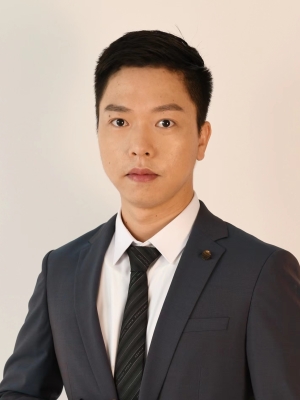 Quan Gao (高权)合作论文数School of Geography and Planning, Sun Yat-sen University3Zhenjie Yuan合作论文数3Xingxing Peng合作论文数2WU Yongqi (吴泳琪)合作论文数2Qian Dong合作论文数2
 Xiaoru Xie合作论文数Dept Earth & Environm Sci, Katholieke Univ Leuven2Qian-jing LI (李倩菁)合作论文数2LAI Zheng-jun (赖正均)合作论文数2LIN Jiahui (林家惠)合作论文数2Jie He合作论文数2
 Orlando Woods合作论文数Sch Social Sci, Singapore Management Univ2JinHong Jiang (蒋锦洪)合作论文数2WuJun Ding (丁武军)合作论文数2QiaoLin Gan (甘巧林)合作论文数2Mei Liu (刘梅)合作论文数2
 Biao He (何彪)合作论文数College of International Tourism and Public Administration, Hainan University2
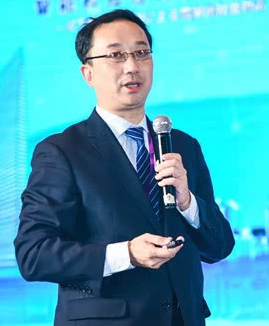 Ning An (安宁)合作论文数School of Computer Science and Information Engineering, Hefei University of Technology2Bo Liu (刘博)合作论文数2
 Jigang Bao (保继刚)合作论文数School of Tourism Management, Sun Yat-sen University2
 Guoqing Ma (麻国庆)合作论文数School of Ethnology and Sociology, Minzu University of China2Xianghong FENG (丰向红)合作论文数1Won Seok Seo合作论文数1
 Jun Wen合作论文数Faculty of Hospitality and Tourism Management, The Macau University of Science and Technology1Yi Ouyang合作论文数1Xuemei Tian合作论文数1Chen Congying (陈聪颖)合作论文数1He Zhaocong (何兆聪)合作论文数1
 Jie Li合作论文数1Jie li合作论文数1Wenjia Jasmine Ruan合作论文数1Jian Huang合作论文数1




