纵观人类发展史,我们在认识和改造自然、社会与生命的进程中不断实现新的突破.探究人体自身的奥秘,解密人体疾病的产生与演化,进而对人体疾病进行精准治疗,是关系人类生命与健康的重大医学问题. 重大的医学问题突破,当前信息技术起着重要的推动作用.从技术迭代看,医学问题的解决有赖于科学技术的发展,特别是人工智能、虚拟现实等新兴信息技术的快速发展,借助智能计算与虚拟仿真系统,为疾病的诊断与治疗提供了全新的手段与方法.从创新范式看,医学问题的解决正日益依赖于信息科学、基础医学与临床医学等多学科的融合,特别是实验观察、数学模型、计算机仿真模拟、大数据等研究方法的深度结合,通过数据与仿真驱动的新范式,大大缩短了创新的周期、降低了创新的实验代价.
21世纪被称为"脑研究世纪",伴随着脑科学和认知科学的兴起与发展,特别是神经科学与各种工程技术的多元融合发展,脑与机的界限被逐步打破,进而推动产生了新型智能形态,即脑机智能.这一新型智能形态使得信息科学与生命科学得以相互渗透、相互融合.脑机接口技术的出现,在计算机与生物脑之间建立了一条直接交流的信息通道,这意味着既可以将假肢等外部设备的信号直接传输给大脑,也可以通过计算机解读脑部信号,进而直接控制外部设备,为实现脑与机的双向交互、协同工作及一体化奠定了基础.
A service ecosystem is an increasingly popular service organization form, where participants, services, data, resources, and capital of different domains are integrated. It can empower business systems to consider the exchanged values and creations in a certain context. How to manage the participants’ cooperation and arrange the elements in the service ecosystem, namely service pattern, have become an important factor to influence the competitiveness of enterprises. However, at present, most of the relevant researches stay in the description of business model and qualitative analysis stage. The design and application of service pattern is still blind and risky. In this article, a service pattern-oriented computing architecture is proposed. It can systematically design and innovate new service patterns and comprehensively assess and simulate them.
This article proposes a facial expression removal method to recover a 3D neutral face from a single 3D expressional or non-neutral face. We treat a 3D non-neutral face as the sum of its neutral one and the residual. This can be satisfied if the correspondence between 3D vertices of expressional faces and those of neutral faces is established. We propose a non-rigid deformation method to establish the correspondence between 3D faces. Then, according to algebra inequality, the minimization of a neutral face model can be replaced by the minimization of its upper bound, i.e., the errors of an expressional face model and a residual model. Thus, we co-optimize the representation errors of the latter two models and build the relationship between the representation coefficients of the two models. Given an expressional face as the input, its corresponding neutral face can be inferred by the associative representation parameters in these two models. In the testing stage, we use an iterative joint fitting scheme to obtain a more accurate recovery. Extensive experiments are conducted to evaluate our method. The results show that our method obtains considerably better performance than existing methods in terms of average root mean square errors and recognition rates, and also better visual effects.
With the reduction of the semiconductor process size, the problems of “memory wall” and “power wall” in von Neumann architectures are becoming increasingly prominent. To solve these problems, brain-inspired computing unifies computing and storage.
Smartphones are changing humans' lifestyles. Mobile applications (apps) on smartphones serve as entries for users to access a wide range of services in our daily lives. The apps installed on one's smartphone convey lots of personal information, such as demographics, interests, and needs. This provides a new lens to understand smartphone users. However, it is difficult to compactly characterize a user with his/her installed app list. In this article, a user representation framework is proposed, where we model the underlying relations between apps and users with Boolean matrix factorization (BMF). It builds a compact user subspace by discovering basic components from installed app lists. Each basic component encapsulates a semantic interpretation of a series of special-purpose apps, which is a reflection of user needs and interests. Each user is represented by a linear combination of the semantic basic components. With this user representation framework, we use supervised and unsupervised learning methods to understand users, including mining user attributes, discovering user groups, and labeling semantic tags to users. Extensive experiments were conducted on three data subsets from a large-scale real-world dataset for evaluation, each consisting of installed app lists from over 10 000 users. The results demonstrated the effectiveness of our user representation framework.
在新发展阶段,数据要素化和社会经济数字化已成为必然趋势,数字技术革命加速推动人类经济活动向多元经济空间拓展,数字治理是新发展理念指导下实现区域一体化的关键路径.系统性、整体性、协同性、智治性是数字治理驱动的区域一体化发展战略的主要特征.可以从规划编制、城市大脑、城市群安全防控、中心城市决策体系、中小城市场景开发等方面推进区域一体化发展,从建设数字政府、发展数字经济、数据驱动创新、打造高品质数字社会等方面加快建设数字区域一体化发展体系.
The human brain is a biological organ, weighing about three pounds or 1.4 kg, that determines our behaviors, thoughts, emotions and consciousness. Although comprising only 2% of the total body weight, the brain consumes about 20% of the oxygen entering the body. With the expensive energy demand, the brain enables us to perceive and act upon the external world, as well as reflect on our internal thoughts and feelings. The brain is actually never at ‘rest’. Brain activities continue around the clock, ranging from functions enabling human–environment interactions to housekeeping during sleep, including processes such as synaptic homeostasis and memory formation. Whereas one could argue that sciences in the last century were dominated by physics and molecular biology, in the current century one of our major challenges is to elucidate how the brain works. A full understanding of brain functions and malfunctions is likely the most demanding task we will ever have.
Crossover service networks have become a trend promoting cross-enterprise, field, and -industry cooperation. As an innovation process for enterprises, crossover services can provide users creative, novel, and amalgamated services by breaking traditional organization, business, and domain boundaries. However, business and interface inconsistencies in today's crossover service ecosystems make crossover cooperation difficult and time-consuming. We designed a crossover service ecosystem-oriented network that provides a sound framework for efficiently deploying, publishing, discovering, composing, monitoring, and optimizing access on crossover services to fully deliver the potential of them. Furthermore, a prototype of the service network, namely JTangYdrail, is introduced, where service switches and service routers are designed to provide the transparency between the complex crossover service environment and the convenient user service access.
The ADMAS 2020 conference details original research, case study results, and experienced-based insights into advanced data mining and applications.
类脑研究是世界各大国间竞争博弈的战略重点,正进一步促成脑科学与计算机等多种学科的交叉融合,带动新一轮的科技革命,以信息手段加速人类对大脑的认知、模拟及融合,有望为人类构建能力强大的"超级大脑".
Program Committee Amani Abu Jabal, Purdue University Jacky Akoka, CEDRIC-CNAM & IMT-TEM Mohsen Amini Salehi, University of Louisiana Lafayette Rui Araujo, University of Coimbra Claudio Ardagna, Universita' degli Studi di Milano Mohan Baruwal Chhetri, CSIRO Paolo Bellavista, University of Bologna Nik Bessis, Edge Hill University Frank Blaauw, University of Groningen Luca Cagliero, Politecnico di Torino Jian Cao, Shanghai Jiao Tong University Chia-Hui Chang, National Central University Feng Chen, Louisiana State University Tao Chen, Loughborough University Yong Chen, Tianjin University Shizhan Chen, Tianjin University Lisi Chen, Hong Kong Baptist University Bo Cheng, Beijing University of Posts & Telecommunications Lizhen Cui, Shandong University Edward Curry, NUI Galway Harshad Deshmukh, Google Sheng Di, ANL Zhijun Ding, Tongji University Weilong Ding, North China University of Technology Mario Jose Divan, UNLPam Schahram Dustdar, Vienna University of Technology Nabil El Ioini Kenneth Fletcher, University of Massachusetts Boston Matthew Forshaw, Newcastle University Mohamed Gaber, Birmingham City University Mikel Galar, Universidad Pública de Navarra Mengmeng Ge, Deakin University
Forecasting price trend of bulk commodities is important in international trade, not only for markets participants to schedule production and marketing plans but also for government administrators to adjust policies. Previous studies cannot support accurate fine-grained short-term prediction, since they mainly focus on coarse-grained long-term prediction using historical data. Recently, cross-domain open data provides possibilities to conduct fine-grained price forecasting, since they can be leveraged to extract various direct and indirect factors of the price. In this article, we predict the price trend over upcoming days, by leveraging cross-domain open data fusion. More specifically, we formulate the price trend into three classes (rise, slight-change, and fall), and then we predict the specific class in which the price trend of the future day lies. We take three factors into consideration: (1) supply factor considering sources providing bulk commodities,
As the most frequent wound complication, infection has become a major clinical challenge in wound management. To overcome the "Black Box" status of the wound-healing process, next-generation wound dressings with the abilities of real-time monitoring, diagnosis during early stages, and on-demand therapy has attracted considerable attention. Here, by combining the emerging development of bioelectronics, a smart flexible electronics-integrated wound dressing with a double-layer structure, the upper layer of which is polydimethylsiloxane-encapsulated flexible electronics integrated with a temperature sensor and ultraviolet (UV) light-emitting diodes, and the lower layer of which is a UV-responsive antibacterial hydrogel, is designed. This dressing is expected to provide early infection diagnosis via real-time wound-temperature monitoring by the integrated sensor and on-demand infection treatment by the release of antibiotics from the hydrogel by in situ UV irradiation. The integrated system possesses good flexibility, excellent compatibility, and high monitoring sensitivity and durability. Animal experiment results demonstrate that the integrated system is capable of monitoring wound status in real time, detecting bacterial infection and providing effective treatment on the basis of need. This proof-of-concept research holds great promise in developing new strategies to significantly improve wound management and other pathological diagnoses and treatments.
As more business workflow systems are being deployed in modern enterprises and organizations, more employee-activity log data are being collected and analyzed. In this paper, we develop a latent ability model (LAM) as a generative probabilistic learning framework for workforce analytics over employee-activity logs. The LAM development is novel in three aspects. First, we introduce the concept of latent ability variables to model hidden relations between employees and activities in terms of job performance, such as the set of skills provided by an employee and the set of skills required by an activity, and how well they matchup in employee-activity assignment. Second, we construct the latent ability model by learning latent ability parameters from the employee-activity log data using expectation-maximization and gradient descent. Finally, we leverage LAM to build inference and prediction models for employee performance prediction, employee ability comparison, and employee-activity matchup quality estimation. We evaluate the accuracy and efficiency of our approach using real log datasets collected from a workflow system deployed in the government of the city of Hangzhou, China, which consists of 5,287,621 log records over two years involving 744 activities and 1,725 employees. We show that LAM approach outperforms existing representative methods in both accuracy and efficiency.
With the explosive growth of services, including Web services, cloud services, APIs and mashups, discovering the appropriate services for consumers is becoming an imperative issue. The traditional service discovery approaches mainly face two challenges: 1) the single source of description documents limits the effectiveness of discovery due to the insufficiency of semantic information; 2) more factors should be considered with the generally increasing functional and nonfunctional requirements of consumers. In this paper, we propose a novel framework, called SMS, for effectively discovering the appropriate services by incorporating social media information. Specifically, we present different methods to measure four social factors (semantic similarity, popularity, activity, decay factor) collected from Twitter. Latent Semantic Indexing (LSI) model is applied to mine semantic information of services from meta-data of Twitter Lists that contains them. In addition, we assume the target query-service matching function as a linear combination of multiple social factors and design a weight learning algorithm to learn an optimal combination of the measured social factors. Comprehensive experiments based on a real-world dataset crawled from Twitter demonstrate the effectiveness of the proposed framework SMS, through some compared approaches.
 Gang Pan (潘纲)合作论文数College of Computer Science and Technology, Zhejiang University;State Key Lab of Brain-Machine Intelligence, Zhejiang University108
 Shuiguang Deng (邓水光)合作论文数College of Computer Science and Technology, Zhejiang University87
 Huajun Chen (陈华钧)合作论文数College of Computer Science and Technology, Zhejiang University78
 Jian Wu (吴健)合作论文数School of Medicine, Zhejiang University53
 Yingchun Yang (杨莹春)合作论文数College of Computer Science and Technology, Zhejiang University46
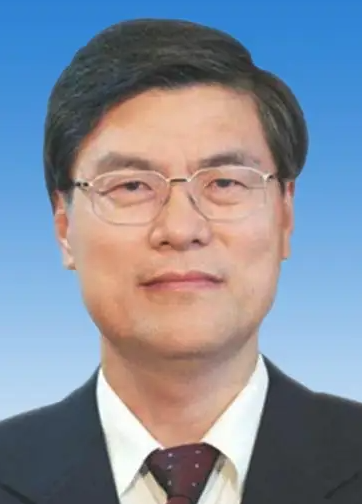 Yunhe Pan (潘云鹤)合作论文数Gaoling School of Artificial Intelligence, Renmin University of China36
 Jianwei Yin (尹建伟)合作论文数Center for Data Science, Zhejiang University;College of Computer Science and Technology, Zhejiang University;School of Software Technology, Zhejiang University;Zhejiang Provincial Key Laboratory of Digital Intelligent Services Technologies, Zhejiang University35
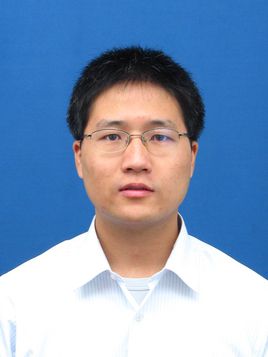 Shijian Li (李石坚)合作论文数College of Computer Science and Technology, Zhejiang University32
 Yueming Wang (王跃明)合作论文数College of Computer Science and Technology, Zhejiang University31
 Yuxin Mao (毛郁欣)合作论文数浙江工商大学计算机与信息工程学院28
 Nenggan Zheng (郑能干)合作论文数College of Computer Science and Technology, Zhejiang University;Qiushi Academy for Advanced Studies, Zhejiang University20
 Min Yao (姚敏)合作论文数College of Computer Science and Technology, Zhejiang University17
 Xiaoxiang Zheng (郑筱祥)合作论文数Institute of Brain-machine Interface, Zhejiang University;College of Biomedical Engineering & Instrument Science, Zhejiang University15
 Xiaohong Jiang (姜晓红)合作论文数College of Computer Science and Technology, Zhejiang University15
 Kougen Zheng (郑扣根)合作论文数College of Computer Science and Technology, Zhejiang University15
 Xuezhong Zhou (周雪忠)合作论文数School of Computer and Information Technology, Beijing Jiaotong University14Zengwei Zheng合作论文数College of Computer Science and Technology, Zhejiang University13Yi Feng (易峰)合作论文数13
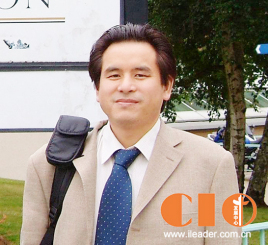 Lican Huang (黄理灿)合作论文数Zhejiang Sci-Tech University13
 Li Kuang (邝砾)合作论文数School of Computer Science and Engineering, Central South University13
 Ying Li合作论文数Regeneron Pharmaceuticals, Inc.13
 Zhigang Gao合作论文数College of Medicine -
Copyright Zhejiang University All Rights Reserved. Zhejiang University All Rights Reserved
Supported by Networking Center of Zhejiang University Developed by Apex Team of Zhejiang University13Zhen Yu合作论文数12
Zhigang Gao合作论文数College of Medicine -
Copyright Zhejiang University All Rights Reserved. Zhejiang University All Rights Reserved
Supported by Networking Center of Zhejiang University Developed by Apex Team of Zhejiang University13Zhen Yu合作论文数12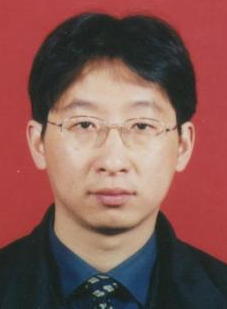 Jianhua Yang (杨建华)合作论文数Institute of Advanced Technology, Zhejiang University12
 Guoqing Yang (杨国青)合作论文数College of Computer Science and Technology, Zhejiang University;Wuxi Taiji Brain Intelligent Technology Co., Ltd.;Jiangsu Radish Transportation Technology Co., Ltd.12
 Man Lin合作论文数St Francis Xavier Univ, Dept Math Stat & Comp Sci, Antigonish, NS, Canada11
 Xiaoqing Zheng (郑骁庆)合作论文数School of Computer Science, Fudan University11
 Liang Chen (陈亮)合作论文数School of Computer Science and Engineering, Sun Yat-Sen University11Zhongmei Zhou合作论文数11
 Jiefeng Xu合作论文数11
 Laurence Tianruo Yang (杨天若)合作论文数School of Computer and Artificial Intelligence, Zhengzhou University;School of Computer Science and Technology, Huazhong University of Science and Technology10Wei Shi合作论文数9
 Dongdong Li (李冬冬)合作论文数School of Information Science and Engineering, East China University of Science and Technology9
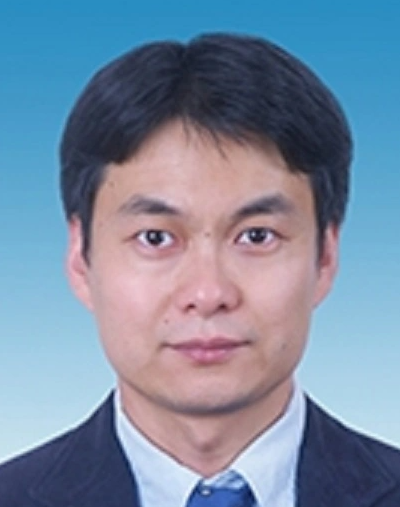 Qing Wu (吴卿)合作论文数School of Computer Science and Technology, Hangzhou Dianzi University9
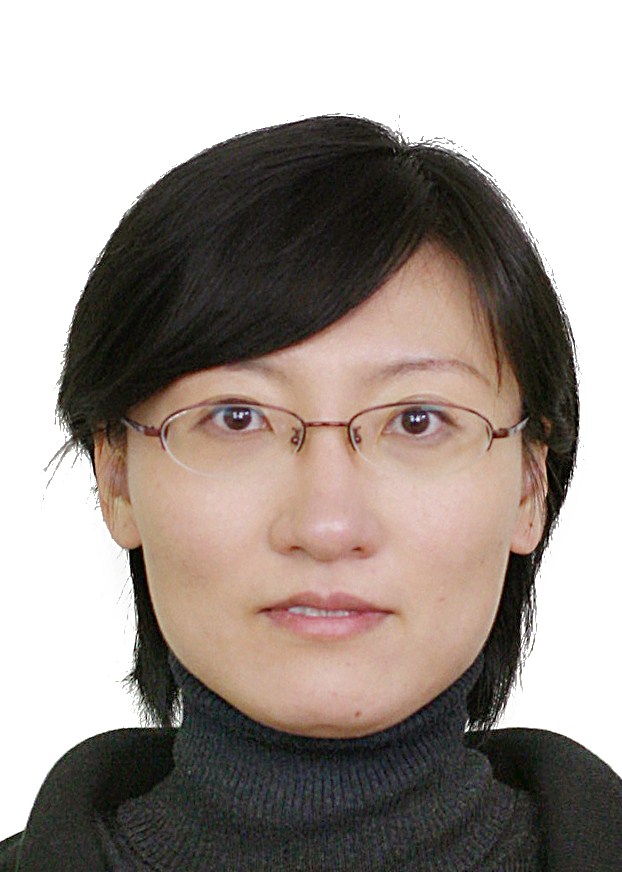 Haifeng Liu (刘海风)合作论文数Institute of Computer System Architecture and Network Security, College of Computer Science and Technology, Zhejiang University9Yu Zhang合作论文数8
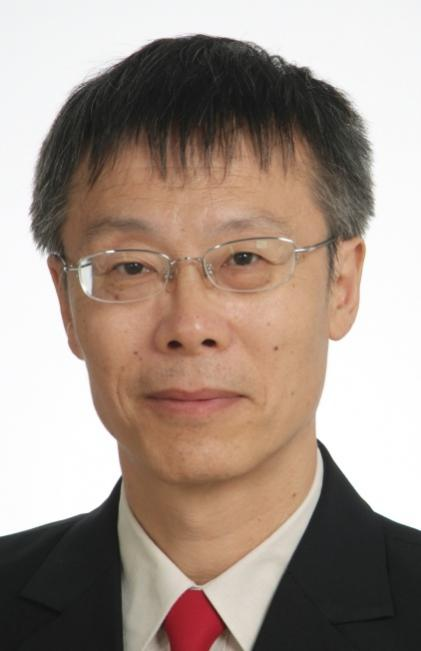 Meng Cui (崔蒙)合作论文数Institute of Information on Traditional Chinese Medicine, China Academy of Chinese Medical Sciences8
 Lei Wang (王磊)合作论文数School of Automation Science and Electrical Engineering, Beihang University8Congfu Xu (徐从富)合作论文数Institute of Artificial Intelligence8
 Daqing Zhang (张大庆)合作论文数Institute of Software, School of Computer Science, Peking University8
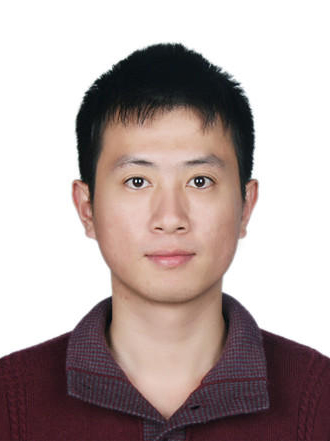 Longtao Huang (黄龙涛)合作论文数Institute of Information Engineering, Chinese Academy of Sciences;University of Chinese Academy of Sciences8
 Yanfei Liu合作论文数Dept Comp Sci & Technol, Zhejiang Sci Tech Univ7
 Yu Qi (祁玉)合作论文数School of Medicine, Zhejiang University7
 Li Pei Tao (黎沛濤)合作论文数Department of Electrical and Electronic Engineering,The University of Hong Kong7
 Wei Lo合作论文数7
 Chang Huang (黄畅)合作论文数Horizon Robotics Inc.7Minde Zhao合作论文数7Zhenchun Lei合作论文数7




