Major Depressive Disorder (MDD) is a globally widespread mental health disorder that frequently remains underdiagnosed and inadequately treated. Recent advancements in circular RNAs (circRNAs) have illuminated their potential as biomarkers for a variety of diseases, including MDD. This review emphasizes the advantages of circRNA enrichment methodologies over traditional techniques, particularly isotachophoresis. Furthermore, the intricate role of circRNAs in the pathophysiological processes underlying MDD, as well as their integration with biosensor technology to improve diagnostic accuracy and efficiency, are synthesised. However, the clinical translation of circRNA-based diagnostics faces significant challenges, including the low abundance of circRNAs in bodily fluids, the need for highly sensitive and rapid detection platforms, and the lack of standardized, point-of-care compatible methods. A comprehensive overview of current circRNA detection methods, delineating their similarities and differences, is discussed. Insights for the anticipated advancements in quantitative and rapid circRNA detection is proposed. This review not only presents a thorough assessment of emerging trends in circRNA detection but also elaborates on primary techniques, traditional approaches, and recent innovations within the field of biosensor-based MDD diagnostics.
Digital hydraulic technology is an emerging field in fluid power systems. It requires pilot valve spools with exceptional surface integrity to ensure high response speed and reliability. However, for valve spools with complex geometries, conventional electrochemical polishing struggles to achieve simultaneous burr elimination, superior surface finish, and dimensional accuracy due to non-uniform material removal caused by electric field edge effects and limited electrolyte solution access. To bridge this gap, a novel electrochemical approach that integrates polishing and deburring into a single process is presented. The fundamental mechanisms of burr removal and surface evolution were first elucidated through experiments and electric field simulations on flat samples, establishing an optimal parameter window. Subsequently, a specialized rotary electrochemical machining (RECM) device was developed for valve spools. Crucially, the process was optimized through coupled electric-flow field simulations, guiding the use of rotation to control hydrodynamic conditions, counteract edge effects, and ensure uniform dissolution. The RECM-processed valve spools exhibited remarkable improvement: the low-frequency surface roughness was reduced from Sa 1.258 μm to 0.252 μm, and the high-frequency surface roughness from Sa 0.702 μm to 0.055 μm, while maintaining dimensional uniformity and eliminating burrs. This work provides a practical and efficient solution for the high-performance surface finishing of complex hydraulic components, demonstrating a strategy of multi-physics field coupling for electrochemical manufacturing.
Ceramic additive manufacturing (AM) has advanced considerably over the past few decades, enabling the reliable fabrication of dense components with complex geometries. As the field shifts from densification toward performance-oriented microstructural design, grain refinement has become central to reducing defects and improving mechanical performance. However, a systematic review dedicated to this topic is still lacking. This work therefore reviews grain refinement with primary emphasis on currently dominant indirect AM routes, while also discussing direct melting-based routes as emerging approaches. It first analyzes route-dependent microstructure formation mechanisms to establish a basis for microstructural control, and then critically evaluates the major refinement strategies, including compositional design, external-field assistance and post-processing, with emphasis on their effectiveness and limitations. Grain size-property relationships, particularly those related to mechanical performance, are also discussed, and key knowledge gaps and research priorities are identified to guide future progress in ceramic AM for microstructural control and performance optimization.
Abstract High-performance temperature sensors are critical components for emerging Internet-of-Things and biomedical-electronics platforms. However, simultaneously achieving high sensitivity, mechanical compliance, and user-defined integrability remains a formidable materials-and-device challenge. Here, we report a continuous graphene fiber (GF) thermocouple technology where multiple p–n thermocouples are created in situ along a single, unbroken fiber while preserving its structural integrity. By periodically modulating surface charge-transfer doping with polyethyleneimine (PEI) and FeCl 3 , we formed an array of ten p–n pairs that delivered an exceptional thermocouple sensitivity of 452.32 µV K −1 . The device retained ~97.8% of its initial sensitivity after 10,000 bending cycles at a 5-mm radius, confirming robustness under repeated mechanical deformation. When deployed on skin, the sensor tracked dynamic body temperature variations with a measurement error of 0.64%, validating its practical value for real-time, non-invasive health monitoring. These results establish all-carbon GF thermocouples as a high-precision and mechanically adaptable temperature-sensing platform for next-generation wearable electronics and personalized healthcare systems.
The profile accuracy of arc grinding wheels directly affects the precision of complex optics during grinding. However, existing studies have yet to systematically elucidate the distinct effects of wheel profile errors across different frequency bands on workpiece form errors. In this study, the generation mechanism of workpiece form error during the arc-envelope grinding process is revealed, considering the influence of wheel profile error across different frequency bands through kinematic simulation. The mapping relationship between profile errors and form errors is further analyzed, showing that the mapping coefficient is governed by both amplitude and frequency. The effects of neglecting wheel profile errors on the compensation effectiveness are analyzed for the conventional form error reverse compensation methods, revealing that conventional approaches cannot achieve complete convergence of error profiles and magnitudes. To address this issue, what we believe to be a novel compensation method considering profile errors of arc grinding wheels is proposed. Experimental results demonstrate that the cylindrical workpiece form error was significantly reduced from 8.8 µm PV to 2.1 µm PV after only a single compensation iteration, achieving a 38.2% improvement in compensation accuracy compared to the conventional shape-correction compensation method after two iterations. This method effectively enhances the grinding precision of complex optics while reducing iteration cycles of grinding-measurement-compensation processes.
Real-time lactate monitoring is essential for clinical diagnostics, sports physiology, and industrial bioprocessing, yet conventional enzymatic sensors suffer from limited stability, narrow operational temperature range, and complex fabrication protocols. Herein, we report a robust non-enzymatic electrochemical sensor based on graphene fibers (GFs), featuring a GF/Au/Ni(OH)2 composite electrode with controllable structure fabricated via sequential electrodeposition. Systematic optimization of deposition parameters established a quantitative relationship between surface architecture and electrochemical response, revealing a critical trade-off between active site density and charge transport efficiency. The sensor achieved optimal performance when both Au and Ni(OH)2 were deposited for 900 s, exhibiting a high sensitivity of 1.24 mA mM−1 cm−2 and a remarkably broad operational temperature range of 0–100 °C. Moreover, the sensor demonstrates excellent repeatability, superior anti-interference capability against common electroactive species, and outstanding long-term durability with 97.8% response retention after 14 days. This work provides a rational design strategy for balancing catalytic activity and transport properties in metal–metal oxide composites, offering a reliable platform for advanced applications in next-generation wearable health-monitoring systems.
Partial discharge (PD) is an important early indicator of insulation degradation in high-voltage equipment, and its reliable detection is of great significance for equipment condition monitoring and fault warning. Ultrasonic detection offers favorable electrical isolation and strong immunity to electromagnetic interference; however, conventional bulk piezoelectric transducers remain limited in miniaturization, array implementation, and system integration. Piezoelectric micromachined ultrasonic transducers (PMUTs) provide a promising solution for ultrasonic PD detection because of their high-level miniaturization, batch-fabrication compatibility, and capability for multi-source localization. However, the existing PMUTs detection circuits still encounter limitations in bandwidth, noise performance, and multi-channel scalability, causing their insufficient acquisition of the weak PD signals. This paper presents a wideband four-channel analog front-end (AFE) interface circuit for PMUTs-array-based ultrasonic PD detection. The proposed circuit converts weak PMUTs output signals into differential outputs. Simulation results show that the circuit achieves a -6 dB bandwidth from 20 kHz to 3 MHz and an average input-referred noise density of $4.78 \text{nV} / \sqrt{ } \text{Hz}$. The experimental measurement of a printed circuit board prototype matched with the simulated performance and demonstrated a single-channel gain of approximately 42.17 dB. Furthermore, a PD detection platform is established to realize synchronized acquisition of PMUTs ultrasonic signals, thereby verifying the feasibility of the proposed AFE circuit for ultrasonic PD localization and detection.
Grazing-incidence X-ray mirrors constitute the pivotal optical elements for next-generation space-based astronomical observation and synchrotron radiation facilities; their manufacturing accuracy directly governs the focusing efficiency and imaging resolution of high-energy radiation. Consequently, extremely stringent specifications are imposed on both the surface figure (peak-to-valley, PV < 1 μm) and the surface roughness (Ra < 1 nm). To address the high cost and limited flexibility of conventional large-scale gantry optical machining platforms, as well as the insufficient stiffness and challenging force regulation associated with industrial robots, this work develops a pneumatic constant-force polishing system based on a robotic manipulator that integrates “macroscopic trajectory generation” with “microscopic contact-force sensing and active control.” The proposed system exhibits excellent and stable material removal performance in the polishing of single-crystal silicon. Beyond mitigating the longstanding force–position coupling issue in robotic polishing, this study provides an enabling theoretical foundation and a practical technological paradigm for the deterministic fabrication of large-aperture, freeform optical surfaces.
Although arrayed waveguide gratings (AWGs) are widely applied in fiber Bragg grating (FBG) interrogation systems, conventional dual-feature spectral power ratio methods still suffer from an inherent trade-off between resolution and interrogation range. Here, we developed an AWG-based demodulation chip with optimized waveguide widths, which modifies the spectral shape of the AWG transmission and features strong overlap among multiple transmission spectra, significantly enhancing resolution without compromising the interrogation range of a single FBG. Based on this chip, a miniaturized FBG interrogator with a size of 160 mm x 100 mm x 80 mm was constructed and subjected to multiple laboratory verification tests. The results show that it achieves an interrogation range of 6.76 nm, a resolution of 0.28 pm, a minimum detectable temperature change of 0.03 degrees C, a dynamic response of 10 kHz, and a wavelength demodulation accuracy of up to 8.52 pm, outperforming existing commercial devices and, to our knowledge, ranking among the best reported. Moreover, this work demonstrates, for the first time, reliable FBG wavelength interrogation using a silicon AWG photonic chip under extreme thermal and dynamic conditions of a turbine engine exhaust. Unlike conventional interrogators limited to laboratory environments, the developed system maintains high reliability in rapidly varying temperature fields, highlighting its potential for FBG sensing applications in harsh environments.
Polycrystalline diamond (PCD) has attracted increasing attention for power device applications. However, mechanical polishing often introduces surface scratches and amorphous carbon layers, limiting surface quality improvement. In this work, thermal oxygen micro-etching (TOME) is proposed as a post-treatment method to achieve atomic-level surface flattening and smoothing. The TOME behaviors of PCD under different gas atmospheres and temperatures are investigated through combined experimental characterization with molecular dynamics (MD) simulations. Under identical oxygen atmospheres, TOME at 500 degrees C selectively removes polishinginduced surface irregularities and subsurface damage, leading to reduced surface roughness and suppressed sp2amorphous carbon while preserving the diamond structure. In contrast, at temperatures >= 600 degrees C, oxidation preferentially initiates at grain boundaries, inducing microcracks that evolve into severe surface degradation and structural damage. MD simulations provide atomistic insight into these observations. At 773 K, oxidation remains surface-confined with limited O2 consumption and CO2 formation, largely preserving C-C bonding and sp3 coordination. At 973 K, sustained oxidation-desorption causes continuous C-C bond loss, sp3-to-lower-coordination conversion, increased CO2 formation with minor CO, and internal low-density and damaged regions, particularly near grain boundaries. This study provides a novel approach to obtain atomically smooth and damage-free PCD surfaces with low cost, promoting the application of diamond devices.
The increasing burden of chronic diseases globally and the accelerated process of population aging have created an urgent need for a shift in medical monitoring paradigms from passive treatment to active prevention. Currently, wearable sensors coupled with artificial intelligence have established a multi-modal fusion innovation paradigm. In specific applications of disease monitoring, wearable sensors coupled with AI have demonstrated their potential to encompass comprehensive life-cycle health management. This paper systematically reviews the latest research advancements of wearable sensors coupled with artificial intelligence in the field of disease monitoring, focusing on their innovative applications in cardiovascular diseases, metabolic disorders, and geriatric health management. It also explores the challenges faced in technological breakthroughs and clinical translation, aiming to provide theoretical references and practical guidance for the development of next-generation intelligent medical devices.
Fixed-abrasive electrochemical mechanical polishing (FA-ECMP) has emerged as a promising, green, and costeffective technique for achieving high-quality finishing of silicon carbide (SiC). To further enhance its performance, this study systematically investigates the anodic oxidation behavior and FA-ECMP mechanisms of 4H-SiC (0001) in five non-polluting inorganic salt electrolytes (0.1 mol/L K2SO4, KCl, KNO3, KHCO3, and K2CO3 aqueous solutions). Comprehensive characterization-including nanoindentation, Raman spectroscopy, XRD, AFM, and cross-sectional SEM-reveals pronounced electrolyte-dependent differences in oxide-layer properties. Among all conditions, the K2CO3 electrolyte produces an oxide layer that is smoother, denser, harder, and exhibits a slight degree of crystallinity, yielding the highest interfacial uniformity. However, the compact layer significantly suppresses further oxidation, resulting in the lowest anodic current and the thinnest oxide layer. FA-ECMP experiments on 4-inch 4H-SiC wafers demonstrate that K2CO3 uniquely enables both a high oxide-generation rate and a high oxide-removal rate during polishing. Consequently, superior post-polishing performance is achieved, with surface roughness (Sa) reduced from 26.033 nm to 0.238 nm and a material removal rate of 3.588 mu m/h. The material removal mechanisms in different electrolytes were revealed through nanoscratch experiments and the quartz FA-CMP results. This study establishes a non-polluting electrolyte strategy that significantly improves the FA-ECMP performance of 4H-SiC, providing systematic theoretical and practical support for developing green, high-efficiency ultra-precision SiC polishing and accelerating the industrial adoption of ECMP technologies.
This study employed a conventional solid-state sintering method to prepare a series of Bi-Li co-doped (1-x) (Ba0.94Ca0.06)(Ti0.93Sn0.07)O3-x(Bi0.5Li0.5TiO3)(x = 0-0.003) lead-free piezoelectric ceramics using the conventional solid-phase sintering process. The effects of Bi and Li elements on the microstructure and piezoelectric properties of the ceramics were investigated. Experimental results indicate that Bi and Li doping enhances the ceramic's relaxation characteristics and effectively improves the electrical properties of the ceramic matrix. At x = 0.002, the ceramic exhibits optimal comprehensive properties: the piezoelectric constant d33 = 230 pC/N, the Curie temperature Tc = 69 degrees C, the radial electromechanical coupling coefficient kp = 0.25, the thickness vibration electromechanical coupling coefficient kt = 0.25, and the sound velocity c = 5470 m/s. A planar 10 MHz ultrasonic transducer was fabricated using BCTS-0.002BLT, exhibiting the peak-to-peak pulse-echo signal Vpp of 78.67 mV, the center frequency fc of 12 MHz, the -6 dB bandwidth of 34.2%, and the lateral resolution Rlateral of 1.06 mm, which generally matched simulation results. After focusing, the transducer's Vpp increased to 175.3 mV, the center frequency fc rose to 11.2 MHz, the -6 dB bandwidth expanded to 37.7%, and lateral resolution Rlateral improved to 0.74 mm. Coin and porcine eyeball imaging tests demonstrated clear coin edge delineation with well-preserved digital details. In biological imaging of a pig eyeball specimen, the internal structures (including the conjunctiva, cornea, and lens) were well-visualized, demonstrating its potential applications in non-destructive testing and bioimaging.
The manufacturing of optical components is typically carried out using direct machining or mold processing. Compared with direct machining, mold processing offers superior efficiency and shape consistency, providing irreplaceable advantages, particularly in the mass production of microlens arrays and complex shaped optical components. Materials such as silicon carbide and tungsten carbide are widely used in the fabrication of optical molds because of their excellent material properties, including high temperature resistance, exceptional wear resistance, and thermal shock resistance. To ensure that optical components meet high standards of shape accuracy, transparency, and ultrasmooth, nearly flawless surface quality, optical molds must meet extremely stringent demands, including nanometer level shape accuracy and surface roughness. However, these materials present significant challenges in processing because of their high hardness, brittleness, and chemical stability, making them a major challenge in both academia and industry. This study systematically reviews the development history of optical molds, the performance characteristics of commonly used materials, and the latest advancements in manufacturing technologies, with a particular focus on ultra-precision polishing techniques for optical molds. This paper classifies polishing techniques into three categories according to the machining method used: contact, non-contact, and composite ultra-precision polishing. It thoroughly explores their machining principles, equipment structures, material removal mechanisms, and improvements, while analyzing the advantages, disadvantages, and applicability of each technique. And then, the current technical bottlenecks in ultra-precision polishing technology for optical molds, including the limitations of improving machining accuracy, the feasibility of manufacturing complex structural molds, and the trade-offs between production efficiency and cost, are summarized. It also identifies key areas that need to be addressed in future research.
Solute addition effectively suppresses cracking in laser additive manufacturing (LAM) of ceramics, but it may also introduce shrinkage porosity as a competing defect during late-stage solidification, which compromises structural homogeneity and mechanical integrity of final products. Despite its practical importance, this critical defect remains largely unexplored in LAM-fabricated ceramics. To address this, a microstructure-resolved framework is established for Al2O3-ZrO2 ceramic system to evaluate shrinkage porosity susceptibility by correlating experimental characterization with a modified Niyama model that accounts for microstructure-dependent permeability. The results demonstrate that increasing ZrO2 solute content promotes a progressive cellular-to-dendritic transition, which degrades mushy zone permeability and impairs liquid feeding. Moreover, the onset of a columnar-to-equiaxed transition at high solute levels introduces topological obstructions to the feeding paths, thereby further exacerbating shrinkage porosity. The increased porosity susceptibility at high solute content can be mitigated by increasing energy input, which coarsens the dendritic structure and eliminates equiaxed grain bands. Overall, this study establishes a mechanistic link between shrinkage porosity and solidification microstructure in LAM ceramics, providing a basis for defect mitigation through integrated composition-process design.
Xuan paper (also known as Chinese rice paper), traditionally used for calligraphy and painting, has rarely been explored as a functional material. In this study, Xuan paper is repurposed for the first time as a humidity-sensitive material, exhibiting state-of-the-art sensitivity over a wide humidity range. A humidity sensor with a thickness below 0.09 mm and a mass below 0.012 g was fabricated using only Xuan paper, sodium chloride (NaCl) aqueous solution, and conductive carbon ink through a simple three-step process. Characterization of the sensor shows that NaCl crystals are combined with sparse cellulose fibers, facilitating moisture absorption and forming an electrochemical sensing system. To investigate the electrochemical properties of the sensor, electrochemical impedance spectroscopy was measured. The results reveal a transition in the conduction mechanism across a wide relative humidity range (11–97
Thermoelectric generators convert heat directly into electricity and require different material and engineering strategies across operating temperatures. This review organizes thermoelectric materials and representative generators into low-, medium-, and high-temperature regimes and evaluates their performance using material-, device-, module-, and system-level evidence. Low-temperature systems are dominated by limited temperature differences, heat-source coupling, contact resistance, and mechanical compliance. Medium-temperature technologies depend on high average zT, p-n compatibility, diffusion barriers, and segmented architectures. High-temperature systems increasingly require oxidation resistance, suppression of elemental volatilization, stable low-resistance interfaces, thermomechanical compatibility, reliable joining and packaging, and scalable manufacturing. Half-Heusler alloys, skutterudites, SiGe, Cu2X compounds, Zintl-related materials, and thermoelectric oxides are compared in this framework. Progress toward practical deployment will depend on translating material performance into durable modules validated under realistic thermal, mechanical, and environmental conditions.
ABSTRACT Freestanding functional oxide membranes combine the ferroic, dielectric, magnetic, and optoelectronic properties of complex oxides with the mechanical compliance required for wearable and bioelectronic devices. By removing substrate clamping, these membranes enable large elastic deformation and domain responses that are difficult to access in conventional substrate‐bound heterostructures. This review discusses recent fabrication methods, including chemical lift‐off, laser‐induced interfacial decomposition, mechanical spalling, and epitaxy on 2D templates, and compares their effectiveness for defect‐sensitive and large‐area applications. We then discuss how the freestanding state supports functions ranging from piezoelectric sensing and energy harvesting to curvature‐driven magnetoelectric coupling and electro‐optic modulation. Reported conformal devices show the potential of freestanding oxide membranes to combine mechanical adaptability with high functional performance. Finally, we discuss remaining problems in scalable manufacturing, standardized fatigue assessment, encapsulation, and long‐term stability in physiological environments, and outline practical routes toward their integration into wearable electronics and biomedical devices.
 Libo Zhao (赵立波)合作论文数School of Instrument Science and Technology, Xi'an Jiaotong University301
 Qijing Lin (林启敬)合作论文数School of Instrument Science and Technology, Xi'an Jiaotong University182
 Yulong Zhao (赵玉龙)合作论文数Institute of Precision Engineering, Xi'an Jiaotong University;School of Mechanical Engineering, Xi'an Jiaotong University156
 Weixuan Jing (景蔚萱)合作论文数School of Instrument Science and Technology, Xi'an Jiaotong University140
 Bian Tian (田边)合作论文数School of Mechanical Engineering, Xi'an Jiaotong University136
 Chenying Wang (王琛英)合作论文数School of Instrument Science and Technology, Xi'an Jiaotong University88
 Pingxiong Yang (杨平雄)合作论文数82
 Shuming Yang (杨树明)合作论文数School of Mechanical Engineering, Xi'an Jiaotong University78
 Ming Liu (刘明)合作论文数Faculty of Electronic and Information Engineering, Xi'an Jiaotong University;Electronic Materials Research Laboratory, Key laboratory of the Ministry of Education, Xi'an Jiaotong University;Grdauate School, Xi'an Jiaotong University76
 Zhikang Li (李支康)合作论文数School of Instrument Science and Technology, Xi'an Jiaotong University76
 Wei Ren (任巍)合作论文数Xi’an Jiaotong University72
 Xueyong Wei (韦学勇)合作论文数School of Instrument Science and Technology, Xi'an Jiaotong University67
 Hairong Wang (王海容)合作论文数School of Mechanical Engineering, Xi'an Jiaotong University63
 Na Zhao (赵娜)合作论文数School of Instrument Science and Technology, Xi'an Jiaotong University56
 Guoxi Luo (罗国希)合作论文数School of Mechanical Engineering, Xi'an Jiaotong University;School of Instrument Science and Technology, Xi'an Jiaotong University;State Key Laboratory for Manufacturing System Engineering, Xi'an Jiaotong University56
 Feng Han (韩枫)合作论文数School of Instrument Science and Technology, Xi'an Jiaotong University56
 Zhongkai Zhang (张忠凯)合作论文数Centre for Artificial Intelligence and Robotics, Hong Kong Institute of Science & Innovation, CAS49
 Dejiang Lu (卢德江)合作论文数School of Mechanical Engineering, Xi'an Jiaotong University;Bright Stone Industrial Technology Research Institute47
 Zhou Ziyao (周子尧)合作论文数Xi`an Jiaotong University46
 Jianjun Ding (丁建军)合作论文数School of Mechanical Engineering, Xi'an Jiaotong University42
 Bing Li (李兵)合作论文数Institute of Precision Engineering, School of Mechanical Engineering, Xi'an Jiaotong University;Collaborative Innovation Center of High-end Manufacturing Equipment, Xi'an Jiaotong University41
 Xudong Fang (方续东)合作论文数Institute of Precision Engineering, School of Mechanical Engineering, Xi'an Jiaotong University38
 Kun Yao合作论文数36
 Ryutaro Maeda (前田龙太郎)合作论文数School of Instrument Science and Technology, Xi'an Jiaotong University;School of Mechanical Engineering, Xi'an Jiaotong University36
 Zuo-Guang Ye合作论文数Department of Chemistry, Simon Fraser University;4D Labs, Simon Fraser University36
 Yihe Zhao (赵一鹤)合作论文数School of Instrument Science and Technology, Xi'an Jiaotong University35
 Tingzhong Xu合作论文数35
 Lin Sun (孙林)合作论文数School of Mechanical Engineering, Xi'an Jiaotong University34
 Jiuhong Wang (王久洪)合作论文数School of Ingtrument Science and Technology, Xi'an Jiaotong University32
 Qi Mao (毛琦)合作论文数School of Instrument Science and Technology, Xi'an Jiaotong University30
 Xiangguang Han (韩香广)合作论文数School of Instrument Science and Technology, Xi'an Jiaotong University29
 Mingzhi Yu (于明智)合作论文数School of Instrument Science and Technology, Xi'an Jiaotong University28
 Zhongqiang Hu (胡忠强)合作论文数School of Electronic Science and Engineering, Faculty of Electronic and Information Engineering, Xi'an Jiaotong University26
 Fan Zhou合作论文数26Dan Xian合作论文数25
 Yijun Zhang (张易军)合作论文数School of Electronic Science and Engineering, Faculty of Electronic and Information Engineering, Xi'an Jiaotong University25
 Yunyun Luo合作论文数24Yong Xia合作论文数23
 Chen Jia合作论文数23Peng Shi (史鹏)合作论文数School of Electronic Science and Engineering, Xi'an Jiaotong University22
 Lu Wang (王路)合作论文数School of Instrument Science and Technology, Xi'an Jiaotong University22
 Zhaochu Yang合作论文数22
 Gang Niu (牛刚)合作论文数School of Electronic Science and Engineering, Faculty of Electronic and Information Engineering, Xi'an Jiaotong University21Chen Wu合作论文数20
 Liu Zhaojun合作论文数State Key Lab Mech Mfg Syst Engn, Xi An Jiao Tong Univ20
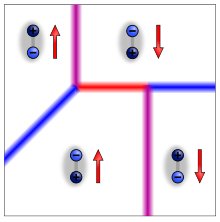 Zhiguang Wang合作论文数Virginia Polytechnic Institute and State University, State University20
 Changsheng Li (李常胜)合作论文数School of Mechanical Engineering, Xi'an Jiaotong University20
 Xiangyang Zhou (周向阳)合作论文数School of Instrumentation and Optoelectronic Engineering, Beihang University20
 Min Li (李敏)合作论文数School of Instrument Science and Technology, Xi'an Jiaotong University19




