目的 探讨在妇产科临床见习中线上线下混合式教学模式的应用.方法 以2016级临床医学专业见习医学生为对照组,采用传统线下教学模式;以2017级为实验组,采用线上与线下相结合的教学模式.结果 两组学生见习结束后的出科考试中,理论学习和技能操作成绩比较,差异无统计学意义(P>0.05),但是实验组学生的学习积极性、自学能力、分析解决问题的能力、信息资料的管理能力明显提高(P<0.05).结论 在妇产科临床见习中,线上线下混合式教学模式能提高学生的学习兴趣,培养学生的自学能力和解决问题能力,是值得推广的临床见习教学模式.
Objective Arsenic trioxide (ATO) has been effectively used for the treatment of hematological malignancies and some solid tumors, while ATO effects were not tested clinically in epithelial ovarian cancer (EOC). Methods Patients with primary or secondary platinum-resistant EOC were enrolled from October 2015 to December 2019. Patients were mainly treated with ATO-based combined sequential chemotherapy as follows: Regimen 1 (ATO combined taxanes weekly therapy); Regimen 2 (ATO + taxanes + 5-fluorouracil + adriamycin ± bevacizumab sequential chemotherapy), for 5 patients platinum-free interval >12 months, added oxaliplatin). Prespecified end points in this cohort included confirmed best overall response rate (ORR), disease control rate (DCR), progression-free survival (PFS), overall survival (OS), and safety. Results A total of 33 patients were enrolled in this study. After a median follow-up time of 22.1 months (range 5.5–42.9 months), ORR was 42% and DCR was 85%. The overall PFS was 9.5 months (range 1–38.4 months). The main side effect was myelosuppression. Conclusions ATO-based sequential combined chemotherapy is effective for primary and recurrent drug-resistant EOC patients in clinical phase II trials. The associated side effects could be controlled, while further study is needed.
In the background of observation practice as a mainstream, in order to promote the institution-based learning and professional development of medical students in a real clinical environment, the reflective teaching method was applied in the training at Obstetrics and Gynecology. By analyzing the survey data of 426 eight-year program students who participated in clerkship of Obstetrics and Gynecology in Peking University People's Hospital from 2010 to 2019, this paper expounds the process of clinical training in teaching clinic with reflective teaching methods. The author summarizes the effect of this method. The results showed that the score of the students' satisfaction with the teaching affairs was (96.00±3.38). It is suggested that the implementation of reflective teaching method in Obstetrics and Gynecology clerkship by eight-year program students has a good teaching effect. It provides students with learning opportunities to fully participate in clinical practice.
To the Editor: The liver is one of the most vulnerable organs of metastatic tumors. A metastatic tumor of the liver is about 18 to 40 times more common than a primary liver tumor (LM). There are approximately 50,000 new ovarian cancer patients in China each year, and the annual mortality rate is approximately 40%.[1] At present, the treatment for LM in malignant tumors includes surgical treatment and nonsurgical treatment. Nonsurgical treatment mainly includes systemic chemotherapy, radiofrequency ablation (RFA), transarterial chemoembolization (TACE), etc. Our study retrospectively analyzed the curative effect and prognosis of liver metastases in 43 patients with epithelial ovarian cancer (EOC) who were treated at Peking University People's Hospital between January 2013 and July 2018. All patients were followed up until June 2019 or until they were lost to follow-up. All patients received systemic chemotherapy. The medical ethics committee of Peking University People's Hospital approval was obtained for this retrospective study (No. 2019-105). Oligometastasis was defined as the number of LMs ≤ 5, and nonoligometastasis was defined as the number of LMs > 5.[2] LMs found at the time of diagnosis of the primary tumor or before diagnosis were defined as simultaneous LMs, while LMs found after surgery were defined as metachronous metastases.[3] Data analysis was performed using IBM SPSS Statistics, version 22.0 (IBM Corp., Armonk, NY, USA). The Kaplan–Meier method was used to calculate the survival curve, and a univariate analysis was performed. Cox regression analysis was performed on the statistically significant factors in the univariate analysis to calculate the independent prognostic factors of OS. P < 0.05 indicates statistical significance. The general clinical data of 43 patients are shown in Table 1, with a median age of 54 years. A total of three patients had LM in the left lobe of the liver, 35 patients had LM in the right lobe of the liver, and five patients had bilobular involvement. The average diameter of the metastases was 2.7 ± 1.2 (range: 1.0–5.3) cm. Table 1 - General information of 43 patients with liver metastases from ovarian cancer. Characteristics Patients (n) Median survival time (months) P values Age 0.662 ≤60 years 28 25.3 >60 years 15 22.6 Residual tumor lesion 0.032 ≤1 cm 31 25.5 >1 cm 12 13.4 Histologic subtype 0.073 Serous 33 28.4 Nonserous 10 22.4 Tumor grade 0.048 Low 7 19.7 High 36 28.3 Stage (FIGO) 0.074 I–II 4 28.4 III–IV 39 20.5 Detection time of metastases 0.502 Simultaneous 17 27.4 Metachronous 26 21.6 No. of liver metastases 0.033 Oligometastasis 40 26.6 Nonoligometastasis 3 12.2 Maximum diameter of LM 0.038 ≤3 cm 25 27.3 >3 cm 18 18.8 Site of liver metastases 0.770 Unilobular 38 25.8 Bilobular 5 23.5 Treatment procedure 0.026 Hepatectomy 27 28.6 RFA 14 19.3 TACE 2 9.5 FIGO: International Federation of Gynecology and Obstetrics; LM: Liver tumor; RFA: Radiofrequency ablation; TACE: Transarterial chemoembolization. Among the 17 patients with simultaneous LMs, 14 received local resection of LMs (82.4%, 14/17) and the remaining three received RFA (17.6%, 3/17). Among the 26 patients with metachronous LMs, 13 received hepatectomy (50.0%, 13/26), 11 received RFA (42.3%, 11/26), and the remaining two received TACE (7.7%, 2/26). The median progression-free survival was 11 months, the 5-year OS rate was 36.5%, and the median OS time was 24.6 months. There was a significant difference in survival between the oligometastasis and nonoligometastasis groups (P = 0.033). The maximum diameter of metastasis was 3 cm, and the survival difference between the two groups was statistically significant (P = 0.038). There was also a statistically significant difference in survival with three LMs treatment (hepatectomy, RFA, and TACE), with OS times of 28.6, 19.3, and 9.5 months, respectively (P = 0.026). There was no significant difference in age, pathological type, time of metastasis diagnosis, or the location of metastasis. Five patients underwent BRCA testing, including three patients who received hepatectomy, two cases with BRCA mutation, and two cases underwent RFA, one with BRCA mutation. The OS of the two was 29.4 and 23.4 months, respectively. But statistical analysis was not performed because of the small number of cases (Supplementary Figure 1, https://links.lww.com/CM9/A441). The single-factor analysis of prognosis showed statistically significant differences in OS according to the size of residual lesions, tumor grade, number of LMs, maximum diameter of LMs, and treatment procedure. In the multifactor analysis, the size of residual lesions represented a combination of the number and diameter of LMs, so it was excluded. The Cox regression analysis showed that the number of LMs > 5, a maximum diameter of LM > 3 cm, and the treatment procedure are independent factors affecting prognosis. Approximately 75% of EOC were diagnosed at an advanced stage, and 12% to 33% diagnosed at stage IV.[4] Therefore, early diagnosis and standardized treatment are of great clinical significance in the treatment for LM of EOC. It has been reported that among all treatment methods, hepatectomy results in the longest survival of patients. Some scholars have adopted the definition of oligometastasis and believe that more than five metastases should be considered unresectable. In our study, 40 patients had oligometastasis, 27 received surgical resection, and 13 received RFA. The OS of patients who received surgical resection were higher than that of the patients who received RFA (28.6 months vs. 19.3 months). For patients with advanced EOC, optimal cytoreduction is the key factor affecting prognosis. The prognosis of recurrent EOC depends mainly on the location, size, and chemosensitivity of the recurrent tumor, such as whether the relatively isolated and resectable tumor can achieve optimal cytoreduction, and other factors can significantly improve patient prognosis.[5] In our study, 27 patients underwent optimal cytoreduction includes hepatectomy, the OS time was 25.5 months, and 13.4 months in patients who received suboptimal cytoreduction includes hepatectomy. This result suggests that hepatectomy with optimal cytoreduction can prolong the total survival period and improve the prognosis of patients LM of EOC. Patients with unresectable LMs usually accept nonsurgical treatment, includes systemic chemotherapy, RFA, TACE, etc. RFA is usually used as an effective supplement for patients with LM.[6] In addition to RFA, TACE is also a minimally invasive treatment for LM. Vogl reported the curative effect and survival rate of 65 ovarian cancer patients with unresectable LMs treated with TACE. The median and average survival times were 14 and 18.5 months, respectively. The 1-year survival rate was 58% and the 2-year survival rate was 19%.[7] In our study, the OS times of the patients received RFA and TACE were 19.3 and 9.5 months, respectively. Compared with the resectable group, the OS of the unresectable group who received nonsurgical treatment was significantly shorter. After conversion treatment, potentially resectable LMs are expected to be transformed into resectable lesions. It has been reported that after TACE combined with systemic chemotherapy, the response rate to metastasis can reach from 74% to 92%, and the conversion resection rate can reach from 25% to 47%.[7] In our study, there were two patients received liver section after RFA, the OS were 19 and 23 months. Therefore, through this study and a review of the literature, we established the following treatment protocol for the patients with LMs of EOC. The patients were divided into three groups: (1) the resectable group: the metastatic tumor can be completely resected via R0 resection, and the purpose is to completely remove the tumor; (2) the potentially resectable group: the metastasis cannot be removed, but after conversion treatment (e.g., systemic chemotherapy, RFA, and TACE), R0 resection can be performed, and the purpose is to minimize the tumor and create opportunities for surgery; (3) the unresectable group: LM cannot be removed completely, the tumor may progress rapidly and have corresponding symptoms, and the purpose is to reduce the tumor as possible or at least control disease progression (Supplementary Figure 2, https://links.lww.com/CM9/A441). In summary, for resectable LM, the OS is significantly improved after surgical resection, while nonsurgical treatment has a certain effect on LM of EOC, especially for unresectable lesions or patients, and can be used as a relatively conservative palliative treatment. Moreover, for some patients with potentially resectable metastasis, prognosis could be improved by conversion treatment and be transformed into resectable lesions. However, there are some limitations to our study. Firstly it designed retrospectively and there may be treatment bias. Secondly, a few patients are tested for BRCA mutations, which is an important factor affecting the prognosis. Finally, the number of patients who received TACE is too small to explain the limitations of this treatment. Therefore, the established treatment protocol for LMs of EOC still needs further study. Funding This work was supported by grants from the Ministry of Science and Technology of China (Nos. 2016YFC1303100, 2016YFC1303103, and 2013YQ030595). Conflicts of interest None.
一、病例摘要 患者58岁.绝经4年,因绝经后阴道出血,检查发现盆腔肿物就诊.2018年3月无诱因出现阴道出血,B超示:右卵巢包块.2018年6月15日就诊于北京大学人民医院妇科.自发病以来无接触性阴道出血,排液.孕5产3,未避孕,无冶游史,未定期查体.妇科检查:外阴阴道充血,子宫前位,萎缩,质中,宫颈光滑,无压痛,子宫右侧可及直径10 cm肿物,表面呈结节状,活动可,无压痛,左侧附件未及异常.TCT:ASCUS.HPV16(+).2018年6月25日阴道镜示:(宫颈6点活检、ECC):破碎黏膜组织呈高级别鳞状上皮内病变(HSIL/CIN3).(阴道后穹窿):黏膜慢性炎.免疫组化:p16(+),Ki-67(40%+).彩超示:右附件多房隔非纯囊肿物9.3 cm×9.3 cm×5.5 cm,非纯囊区直径2.8 ~5.9 cm,隔厚0.5 cm,壁厚0.9 cm,彩色多普勒血流显像:右附件非纯囊肿物血流信号RI 0.61 PI 0.97,右非纯囊肿囊壁上血流信号RI 0.43 PI 0.54.CT示;右附件区可见囊实性病变8.2 cm×6.8 cm,内见多发分隔,粗细不均匀.与子宫、肠管分界清,应鉴别卵巢交界性或恶性肿瘤.
目的:寻找妇产科住院医师临床规范化培训中的不足,建立合理的妇产科住院医规培方法.方法:对在北京大学人民医院妇产科的39名住院医师进行内外科基本操作及妇产科专科技能竞赛,对培训时间和基本、专科操作及总成绩之间进行Pearson相关分析,比较培训年份2年以下(A组)和3年(B组),3年以上组(C组)的内外科、妇科及总成绩.并比较统招研究生、住院医师基地培训和八年制的外科、妇科及总成绩.结果:(1)培训时间和基本操作、专科及总成绩之间呈正相关(r=0.573,r=0.308,r=0.571).C组在基本操作和总成绩上高于A组,差异有统计学意义(P< 0.05),妇科成绩两组没有差异.(2)学制分组中,八年制组的专科成绩和总成绩均优于统招研究生组和基地培训组,差异有统计学意义(P<0.05).结论:对于低年住院医师要加强内外科基本操作的培训,统招研究生和基地培训住院医师要加强专科操作的培训.根据年资和学历实行个性化的培训将能提高妇产科住院医师临床技能培训效率.
目的 探索扩散加权成像(DWI)体素内不相干运动模型(IVIM)参数在卵巢肿瘤良恶性鉴别中的价值,以及IVIM-DWI与动态增强核磁共振(DCE-MRI)的相关性.方法 采用诊断性研究方法,搜集卵巢占位性病变且经手术、病理证实的患者共66例,其中良性肿瘤32例,恶性肿瘤34例.应用3.0T核磁共振仪和8通道心脏相控阵线圈对患者进行盆腔MRI扫描.寻找最具有良恶性卵巢肿瘤鉴别价值的IVIM参数,计算各参数的诊断界值,敏感性与特异性,应用Pearson相关性分析检验IVIM的灌注参数与DCE-MRI定量参数间的相关性.结果 表观扩散系数(ADC)、慢扩散系数(Dslow)、f*Dfast、速率常数(Kep)、Ve值在卵巢良性与恶性肿瘤之间具有统计学差异,其中ADC、Ve值敏感度较高但特异性偏低,f*Dfast、容积转运常数(Ktrans)和Kep值特异性高但敏感度极低,Dslow、Dfast和f值的特异性和敏感度都为中等.Dfast与Kep、f与Kep之间存在相关关系,但仅为弱相关(r=0.225,r=-0.317).结论 该研究所测试IVIM-DWI系数与DCE-MRI部分定量参数在卵巢良恶性肿瘤鉴别中有应用价值,其中ADC和Ve值敏感度较高,而f*Dfast和Kep值特异性较高,可以在临床诊断中作为参考指标.
Objective: To observe the clinicopathological characteristics of patients with membranous nephropathy (MN) and crescents. Methods: Fifty-eight patients with biopsy-proven MN and crescents, in the absence of immunologic and clinical etiologic factors, were enrolled in this retrospective study. Another 100 MN patients without histological crescents were used as a control group. The clinicopathological features, treatment response and outcome were analyzed and compared between groups. Results: The 58 patients with crescents accounted for 1.4% of a total of 4,200 patients with biopsy-proven MN. The mean age was 50.2 +/- 14.3 years. The rates of hypertension (51.7% vs 19.0%, P=0.000) and decreased eGFR (25.9% vs 4.0%, P=0.000) were higher than those in the control group. Circulating autoantibodies against M-type phospholipase A(2) receptor (PLA(2)R) were found in 32 of 50 (64.0%) patients. Glomeruli showed on average 4.6% (range, 1.8%-35.3%) involvement of crescents. Lesions of segmental glomerulosclerosis (48.3% vs 16.0%, P=0.000), capillary loops necrosis (10.3% vs 0.0%, P=0.002), interstitial fibrosis/tubular atrophy (IFTA) (87.9% vs 54.0%, P=0.000) and afferent arterial lesions (89.7% vs 65.0%, P=0.001) were more common. The outcomes of the patients with crescentic MN did not differ from those in the control group. Conclusions: MN with crescents is rare, and secondary MN and crescentic glomerulonephritis should be considered. Crescentic MN usually presents with hypertension and renal dysfunction clinically and with, severe segmental and global glomerulosclerosis, capillary loops necrosis and IFTA histologically, and the condition has a favorable prognosis.
目的:评估改进后的产科生产实习临床教学质量评估标准的实用性.方法:旧标准改进后形成新标准,分别评估学生20例(旧标准组)、17例(新标准组),分析两组得分或扣分情况.结果:两组总体得分情况差异无统计学意义.主要症状、产科特殊检查、诊断和鉴别诊断、产科处理扣分比例高.结论:新标准可以客观评估产科生产实习临床教学质量,能更详细地反映出教学过程中存在的问题.
目的:了解复杂医疗环境下长学制医学生心理、认知及择业情况.方法:对北京大学医学部2008级八年制临床专业学生行问卷调查,内容主要包括:学生一般情况,学习、生活状态,职业认知及未来择业情况.结果:大部分学生有理想,在繁重学习压力下能积极面对学习及生活;职业认知和择业上,大部分学生表现成熟.但调查也显示,学生们理想与现实存在落差.结论:现行的医学教育是值得充分肯定的,但确实还存在一系列问题,医疗环境有待改善,卫生资源有待合理化.
目的:探讨PBL教学法在妊娠期高血压疾病临床实习教学中的应用效果.方法:随机分组为PBL教学法或传统的以教师授课为主的讲课法,课后通过调查问卷及小测验来比较两组的教学效果.结果:PBL教学法更有助于培养学生的临床思维、提高系统知识学习的能力及文献查阅、讲演辩论的能力,并能增强团队协作精神.结论:PBL教学法具有独特的教学优势,值得进一步改进并推广.
医学教育理论授课方式的变革急需一种考核方式的评价.为适应妇产科教学的特殊性,同时借鉴全国大学生临床技能竞赛的经验,利用妇产科教学模具改革的成果,在妇产科生产实习考试中推行情景模拟考核模式,以此检验学生对基础知识的掌握,提高学生主动分析、应用知识的能力,健全临床思维和临床技能,以便顺利过度到合格的妇产科医生.
Objective To investigate the effects of different anesthesia on deep venous thrombosis(DVT) after orthopedic surgery.Methods Charts from consecutive patients who underwent orthopedic surgery from January 1,2008,to December 31,2010,at a large Chinese teaching hospital were reviewed using standardized case report forms.The incidence of DVT after orthopedic surgery in general anesthesia,spinal-epidural anesthesia and regional block anesthesia were compared.Results This investigation included 4892 patients and 204 patients developed DVT(incidence= 4.17%).The incidence of DVT in the group of general anesthesia was higher than in those of spinal-epidural anesthesia,regional block anesthesia and no anesthesia(P0.01).The incidence of DVT in the group of spinal-epidural anesthesia was higher than in that of regional block anesthesia(P0.05).There was no statistically significant in the incidence of DVT between spinal-epidural anesthesia and no anesthesia(P0.05).The counts of white blood cell,neutrophil and monocyte of the group after general anesthesia were higher than those of spinal-epidural anesthesia and regional block anesthesia(P0.05).Conclusion The incidence of DVT in the group of general anesthesia is higher than spinal-epidural anesthesia.In addition,regional block anesthesia and no anesthesia were similar.Inflammatory cell in the group of general anesthesia are higher than that in group of spinal-epidural anesthesia,regional block anesthesia and no anesthesia.
Background: Idiopathic membranous nephropathy (IMN) is a representative form of nephrotic syndrome in China. Although IMN is thought to run a more benign course in Asian patients than in the Caucasian population, there has been no persuasive study to determine the long-term prognosis and risk factors for IMN in the Chinese population. Methods: A retrospective chart review. All patients admitted to Nanjing Institution of Nephrology from January 1985 to December 2007 with biopsy-proven IMN were enrolled. The primary outcome was the renal survival rate and risk factors at renal biopsy. Result: A total of 217 patients were included in the study, and the overall renal survival rates were 96.9%, 93.5%, and 86.6% at 5, 10, and 15 years after renal biopsy, respectively. When the clinical features at biopsy were evaluated, patients with hypertension (p = 0.023), decreased eGFR (p <0.001), nephrotic-range proteinuria (p = 0.047), elevated urinary NAG (p = 0.045) and RBP (p = 0.007) had a worse prognosis. Cox multivariate analysis showed that decreased eGFR and chronic tubulointerstitial lesion were independent risk factors for ESRF (end-stage renal failure). Conclusion: IMN is a disease with a comparatively good prognosis in the Chinese population, with a renal survival rate of more than 90% at 10 years after renal biopsy. Decreased eGFR at biopsy and chronic tubulointerstitial lesion are independent risk factors of ESRF. Partial or complete remission of proteinuria improved the prognosis.
Because of the legal regulations restriction and the patients' awareness of rights protection,the current clinical practice for the students of obstetrics and gynecology has encountered unprecedented resistance.To ensure the quality of the medical students' clinical practice,as well as,to cultivate the ability of their clinical operation,simulation education has become an effective way to step out of this dilemma.Nevertheless,the clinical teaching model of obstetrics and gynecology used originally was not very effective.In this respect,we' d conducted a special research and improvement.After two years' teaching practice,it' s proved that the clinical skills of students of obstetrics and gynecology had been improved effectively,meanwhile,it had also laid a solid foundation for the training of qualified doctors as well as for reducing medical disputes.
Modern information technology was used to establish the simulating interview question bank which includes the parts of medical history,physical examination,primary diagnosis,lab test, treatment,confirmed diagnosis and the final case abstract according to the clinical management process. Results of the application in gynecology and obstetrics teaching assessment among the medical probation showed that the simulating interview question bank had some advantages in assessing the student's ability of the knowledge comprehensive evaluation,self-thinking and synthetic analyzing. It could also make au-tomatic analysis after the examination and provide teaching feedback. This novel teaching assessment could be optimized and applied extensively.
The new medical model makes medical education more emphasis on improving skills and qualities of medical students.Our obstetrics and gynecology department assures the teaching quality of eight-year program student' s clinical training by setting appropriate teaching content,reasonable delivery mode and training master teachers.Moreover,we' 11 continuously improve the teaching quality of eightyears program students through exploration and innovation.
Systematic teaching is a transitional phase between basic teaching and clinical practice and its quality has direct impact on the effect of student clerkship.In the current health care environment actively exploring new systematic teaching model is necessary for training high-quality medical talents.new systematic teaching model of obstetrics and gynecology is investigated in this paper.Through highlighting the small-class teaching,simulating clinical practice teaching and model teaching the new teaching model gained students' recognition.
Objective To construct cyclic clinical skill training system and to evaluate its application effect in clinical practice in department obstetrics and gynecology.Methods Cyclic clinical skill training system was established in department obstetrics and gynecology.Totally 104 eight-year program clinical medicine students of grade 2005 and 2006 in people's hospital of Peking university were enrolled as the research object and were divided into control group ( n =54,grade 2005) and experimental group (n =50,grade 2006 ).Students of control group were taught by normal teaching method and contacted with patients in clinical practice while those in experimental group were taught by cyclic clinical skill training system. (theoretical test before practice-simulated training-real practicetheoretical test after practice).Results of theoretical test after practice were compared between the two groups,using statistical t test.Results At the end of internship,students in experimental had higher scores in theoretical test than those in control group,with statistical differences (88.70 vs.85.02,P <0.05).Students' skill test scores were (77.04 ± 10.35 ) and (45.61 ± 14.42) before practice while (84.59 ± 10.10) and (68.78 ± 10.83) after practice,with statistical differences ( P < 0.01 ).Conclusions Cyclic clinical skills training system can promote students' skills of obstetrics and gynecology,therefore worth promoting.
 Jianliu Wang (王建六)合作论文数Peking University People's Hospital25
 Shanmi Wang (王山米)合作论文数Department of Obstetrics and Gynecology,Peking University People's Hospital,Beijing ,China13
 Zhenyu Huang (黄振宇)合作论文数北京清华长庚医院妇产科13
 Zhihong Liu (刘志红)合作论文数Medical School of Nanjing University9
 Lihui Wei (魏丽惠)合作论文数Peking University People′s Hospital8
 Ke Zuo合作论文数7
 Honglan Zhu (祝洪澜)合作论文数Peking University People's Hospital6
 Shijun Li (李世军)合作论文数Medical School, Nanjing University5
 Yang Zhao (赵旸)合作论文数Arion Cancer Center5
 Leishi Li (黎磊石)合作论文数The Medical School of Nanjing University4WeiFan Li (李蔚范)合作论文数3
 Yi Li (李艺)合作论文数Peking University People's Hospital3
 Guoli Liu (刘国莉)合作论文数Department of Obstetrics, Peking University People's Hospital3zhangji li (李长吉)合作论文数2Yan Wang (王雁)合作论文数2CaiHong Ceng (曾彩虹)合作论文数2
 Heng Cui (崔恒)合作论文数Peking University People's Hospital2
 Caihong Zeng (曾彩虹)合作论文数National Clinical Research Center of Kidney Diseases, Jinling Hospital, Nanjing University School of Medicine2
 Xudong Liang (梁旭东)合作论文数Department of Gynecology, People's Hospital,Peking University2
 Chao Zhao (赵超)合作论文数Peking University People's Hospital2
 Qun Lu (鹿群)合作论文数Peking University People's Hospital2
 Weixin Hu (胡伟新)合作论文数Medical School, Nanjing University2
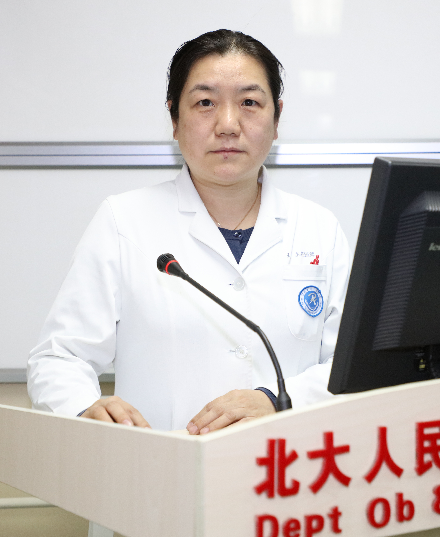 Yue Wang (王悦)合作论文数Peking University People's Hospital2
 Xiaoping Li (李小平)合作论文数Peking University People's Hospital2
 Huan Shen (沈浣)合作论文数Peking University People's Hospital2Dandan Liang (梁丹丹)合作论文数1Yingchao YANG (杨莹超)合作论文数1Huina Su合作论文数1Yujun Qian (钱玉珺)合作论文数1Hui-Ci Zhu合作论文数1Fumei Gao合作论文数1Changsheng Zhou合作论文数1Xiaoyan Shen合作论文数1Y. Zhao合作论文数1Li-zhi XIE (解立志)合作论文数1di bo (波蒂)合作论文数1Xiaomei Li合作论文数1HaoXia Ceng (曾浩霞)合作论文数1ZiHeng Zhang (张子衡)合作论文数1JinHua Hou (侯金花)合作论文数1NingHai Cheng (成宁海)合作论文数1YuChao Zhou (周玉超)合作论文数1JinHai Meng (孟尽海)合作论文数1DaXi Ji (季大玺)合作论文数1Jun Wei (魏俊)合作论文数1Lin Dai (戴林)合作论文数1XiaoDan Yao (姚小丹)合作论文数1ChunLan Liu (刘春兰)合作论文数1




