K2FeO4-modified biochar (KFB) has shown potential for chromium (Cr) immobilization, but its effects on Cr transformation and translocation within the soil-rice continuum remain poorly understood. We synthesized KFB from vinasse-derived biochar and conducted a pot experiment with Cr-spiked soil (300 mg·kg−1) under four treatments: control (CK), 1
Converting CO2 into valuable chemicals is an effective way to alleviate the high level of global CO2. The cycloaddition reaction of CO2 and propylene oxide (PO) has atomic economy and has the advantage of environmental friendliness compared with the traditional phosgene method of propylene carbonate (PC). Due to the chemical inertness of CO2, catalysts are needed to make the reaction proceed smoothly. Through rational design, a multifunctional catalyst that combines the activation sites and attack sites of PO and the adsorption sites of CO2 can be formed. At the same time, the use of harmful substances can be reduced by catalyst design, making the catalytic process more environmentally friendly. In this work, we discuss the research progress of the synthesis of PC from CO2 and PO. Starting from the reaction mechanism, the catalytic system of the reaction is summarized from the perspective of catalyst design. In homogeneous catalysts, the focus is on the effect of catalyst composition on catalytic performance. In heterogeneous catalysts, the focus is on the process of heterogenization (preparation methods), including supported, confined, and polymerized heterogeneous catalysts. In addition, the promising photocatalysis and biomass catalysis are especially introduced. Finally, in order to make the experimental results move toward industrial production, several problems existing in the industrialization are discussed, including production equipment, the influence of the CO2 source, and product/catalyst separation.
The objective of this study was to conduct a comparative analysis of the performance of hydrogels prepared from two distinct raw materials and to identify the hydrogels with the optimal overall capacity for dry farming applications. Ten grafted polymer hydrogels were prepared from melon peel (MP) and orange peel (OP). A comparative analysis of the degree of swelling, water absorption time, pH range, reusability, and soil water retention and water-holding capacity of the two hydrogels revealed that the MP-based hydrogels exhibited superior performance in all evaluated parameters when compared to their OP-based counterparts. The treatment group of hydrogels prepared from MPs exhibited the highest degree of swelling, with an absorptive capacity of up to 765.6 g/g in ultrapure water. The optimum absorption ratio at pH = 8.1 was 606.8 g/g, as determined by Gaussian distribution modeling. The treatment group with the best reusability demonstrated an average absorption ratio of 445.0 g/g. The degree of swelling was 84.0 g/g when the process was repeated seven times. After the MP-gels were applied to the soil, it was observed that the gels enhanced the water retention and holding capacity of the sandy soil. The water retention ratio of the sandy soil was increased by 271.0% by the addition of MP-gel, and the growth of wheat was found to be normal when 1.5% to 2.0% of MP-gel was added under drought-stress conditions. In light of the necessity to reuse agricultural waste, the preparation of MP-gel can facilitate the improvement of dry farming and address the issue of water scarcity in agriculture. This offers a viable solution for the growth and management of crops under conditions of drought stress.
The viability and tolerance of individual ureolytic bacteria are a bottleneck in the remediation of cadmium (Cd) by microbially induced carbonate precipitation (MICP) technology. To solve this issue, strains of Bacillus thuringiensis (B. thuringiensis, BT) and Citrobacter freundii (C. freundii, CF) were isolated from soil and studied for their growth characteristics and metabolism. A cooperation system (BT+CF, 1:1, v/v) was constructed and exposed to 20 mg/kg Cd2 + for 7 days, compared with individual bacteria. The synergistic mechanism of strains that immobilize Cd2+ was explored using characterization techniques. Results showed that the main metabolic pathways leading to urea up-regulation were pyrimidine metabolism, urea cycle, and lysine degradation by metabolomic analysis. The cooperation system can effectively remove Cd2+ with an efficiency of 97.68 %, which is higher than BT (66.66 %) and CF (88.61 %). The SEM-EDS, TEM, and XPS results revealed that the calcium carbonate polycrystals (vaterite and calcite) were formed during the MICP process, and the XRD and FTIR confirmed that the BT+CF produces more stable carbonate crystals. The BT+CF cooperation system was efficient at immobilizing Cd2+ by synergizing the molecular mechanisms of ureolytic bacteria. These results provide a novel perspective for the application of MICP.
Microbially induced calcite precipitation (MICP) offers a promising strategy for the remediation of cadmium (Cd) contamination; however, the molecular mechanisms underlying Cd immobilization during this process remain unclear. This study aimed to uncover the biomineralization mechanisms of Klebsiella michiganensis NT-27, a Cd-resistant and ureolytic bacteria. To achieve this, we conducted integrated genomic, transcriptomic, and metabolomic analyses. Results showed that K. michiganensis NT-27 effectively removed 70.97 % of Cd2 + from a 20 mg/L solution in 7 days. Genomic analysis identified Cd2+ resistance genes (czcD, 945 bp; zntA, 2205 bp) and the complete urease gene cluster (ureABCDEFG), with ureC being the longest (1704 bp). Transcriptomic analysis identified 25 upregulated and 22 downregulated genes during the MICP process, primarily related to transmembrane transport, the TCA cycle, and glutamate metabolism. Metabolomic profiling showed significant changes in ABC transporters, arginine biosynthesis, biosynthesis of cofactors, and nucleotide metabolism. SEM-EDS, TEM, FTIR, XRD, and XPS analyses confirmed that Cd2+ was immobilized via co-precipitation with CaCO3, while 3D-EEM analysis further indicated that tyrosine- and tryptophan-containing extracellular polymeric substances contributed to Cd2+ immobilization. These findings provide a comprehensive understanding of the molecular mechanisms driving Cd immobilization during the MICP process, offering valuable insights for the development of effective bioremediation strategies.
In order to meet the demand for coordinated development of agricultural waste utilization and water-saving agriculture, this study utilized waste celery tailings (CT) to make a super-absorbent hydrogel by chemical cross-linking. The hydrogel was optimized and screened. The study demonstrated the optimal CT-gel synthesis method: 7.5 wt% CT, 0.05 wt% MBA cross-linker, and 70 °C for 2 h. The optimized gel had a water absorption of 708 g/g and a water retention of more than 20% at 25 °C on day 10. The soil water retention of the CT-gel increased with time and dosage. In sandy soils, 0.6% CT-gel was most effective. The pot experiment showed that 2% of the gel significantly increased the height and growth rate of radish seedlings. This study effectively utilized various components of CT and provided a scalable approach for converting agricultural waste into functional materials, which is valuable for arid soil improvement and sustainable agriculture.
Resource recovery of phosphorus (P) from incinerated sewage sludge ash (ISSA) was achieved by wet chemical leaching and selective adsorption of biochar material. Sulfuric acid was used to extract P from ISSA to obtain a Prich solution with a leaching rate of 96.56 %. Zirconium-modified reed biochar (Zr-RB) was prepared by impregnation method, which could efficiently and selectively recover P from acid leaching solution with high adsorption efficiency of more than 99 %. Three adsorption kinetic models and four adsorption isotherm models were fitted to the batch adsorption experimental data, and it was found that the quasi-second kinetic model and the Freundlich model as well as the Redlich-Peterson model could better describe the adsorption of P by Zr-RB. It showed that the adsorption of P by Zr-RB was an easily occurring adsorption process dominated by multilayer adsorption and nonuniform adsorption, supplemented by monolayer and uniform adsorption. Calculations of surface adsorption energy, molecular electrostatic potential and spin-polarized molecular orbitals based on material characterization and density functional theory (DFT) were carried out to explore the interaction mechanism of Zr-RB adsorption on P involving surface precipitation, pore filling and ligand exchange. In addition, Ca5(PO4)3(OH) product with a P bioavailability rate of 80.17 % was generated from the recovered P. In conclusion, the effective recovery of P from ISSA and the use of Zr-RB as an efficient P adsorbent have broad application prospects.
Straw returning has an effective strategy for improving soil carbon sequestration and aggregate stability, as well as promoting sustainable agricultural development. Although in recent years, predecessors have conducted in-depth studies on the impact of tillage patterns and straw returning levels on soil organic carbon (SOC) and aggregate stability, we remain unclear on which tillage modes and straw return levels were the most suitable combinations in the study area. In view of this, we examined the influence of two tillage modes (tillage with straw returning, TS; no-tillage with straw mulching, NTS) and four straw addition levels (one-time treatment, 3500 kg/ha; two-time treatment, 7000 kg/ha; three-time treatment, 10,500 kg/ha; four-time treatment, 14,000 kg/ha) to soil aggregate size distribution, stability, SOC content, and carbon fractions content by split-plot experiment. The results showed that NTS3 enhanced the proportion of middle macro-aggregates fraction (MM) and unstable macro-aggregates fraction (UM), as well as SOC and hot-water extraction C (HWC) content with NTS mode. TS3 enhanced the proportion of MM, small macro-aggregates fraction (SM) with TS mode. Pearson correlation analysis suggested that the effect of straw input level on SOC and soil aggregates is greater for NTS than TS. In conclusion, considering the aspects of not affecting soil aggregate stability and improving SOC content, we think that NTS plays a significant role in promoting and enhancing the capacity of farmland soil to retain organic carbon in the research area; particularly, NTS3, HWC, and dissolved organic carbon (DOC) serve as indicative indices for SOC changes.
Silicon (Si) and selenium (Se), two environmental protection materials, which are beneficial to plant growth and stress resistance, can also alleviate crop stress induced by heavy metals. However, the effects of Si, Se and their interactions in reducing cadmium (Cd) toxicity and the related mechanisms require further elucidation. Hence, this study implemented a foliar application of Si and Se on soybean (Glycine max L.) that subjected to Cd-induced stress with four treatments (sole/combined application of Si, Se, no fertilizer treatment). The results demonstrated that Si and Se showed effective mitigation of Cd toxicity on soybeans mainly by promoting growth, enhancing photosynthesis, maintaining root vigor, improving antioxidant capacity, alleviating oxidative damage, altering the storage form, subcellular distribution of Cd in soybeans, and was more noticeable when combined overall (Si + Se>Se>Si). Si + Se increased root activity by 28% and CAT activity in leaves by 130.65%. Overall, the combined application of Si and Se exhibited a pronounced synergistic effect in enhancing the healthy growth of soybean plants under Cd pollution, with a more prominent impact observed following the second fertilization.
Under the increasing severity of drought issues and the urgent need for the resourceful utilization of agricultural waste, this study aimed to compare the soil water retention properties of hydrogels prepared from Chinese cabbage waste (CW) and banana peel (BP) using grafting techniques with acrylic acid (AA) and acrylamide (AAm). Free radical polymerization was initiated with ammonium persulfate (APS), and N, N′-methylene bisacrylamide (MBA) served as the crosslinking agent to fabricate the grafted polymer hydrogels. The hydrogels were subjected to detailed evaluations of their water absorption, reusability, and water retention capabilities through indoor experiments. The optimal hydrogel was identified and its applicability in wheat seedling growth was assessed. The findings revealed that the CW-gel, with an equilibrium swelling ratio of 551.8 g/g in ultrapure water, demonstrated remarkable performance and sustained a high water retention of 57.6% even after drying, which was markedly superior to that of the BP-gel. The CW-gel with the best comprehensive properties significantly improved water retention in sandy soil by 78.2% and prolonged the retention time by five days, indicating its potential for long-term irrigation management. In contrast, the BP-gel showed better performance in clay soil, with an increased water-holding capacity of 43.3%. The application of a 1.5% CW-gel concentration under drought stress significantly improved wheat seedling growth, highlighting the role of hydrogels in agriculture and providing a new path for sustainable water resource management in dryland farming.
Biochar might improve ciprofloxacin (CIP) removal in soil, but little was known about how it goes on in purple soil. Thus, we investigated the variations of CIP in soil amended with pig manure (PM) derived biochar generated at 300degree celsius and 600degree celsius (PMC3 and PMC6). Compared with CK, PM, PMC3 and PMC6 decreased residual CIP by 42.3%, 48.8%, and 46.1%, respectively, confirming the enhancement of PM, PMC3 and PMC6 on CIP dissipation and indicating a higher performance of PMC3 and PMC6 in CIP removal than that of PM. Signal of persistent free radicals (PFRs) was observed in PMC3 and PMC6, which was contributed to the formation of O-2(-) and H2O2. Compared to PM, the secretion of H2O2 by microbe in PMC3 and PMC6 were enhanced by 71.5%-97.5% and 57.4%-79.5%, respectively. Meanwhile, catalase contents in PMC3 and PMC6 were reduced by 18.7%-68.6% and 8.4%-59.7%, respectively. These results suggested that H2O2 accumulated much easily in PMC3 and PMC6 than that in CK, which was benefited to the OH formation through the reaction between H2O2 and PFRs. Pearson correlation analysis identified that OH was the major contributor for 72.2%-80.2% of CIP removal in soil. In addition, degradation products were identified using UPLC-Q-TOF analysis. The results showed that the quinolone ring and piperazinyl ring were the main CIP degradation products. Under the action of OH, the piperazinyl ring in the CIP was completely destroyed. The phytotoxicity analysis was evaluated by bioreporter and Estimation Programs Interface (EPI) Suite. This study implies that biochar is a useful material for controlling CIP contamination through forming catalytic system with endogenous H2O2. These process insights have important implications for the pathway for CIP dissipation by biochar.
How energy saving and emission reduction measures influence the interrelationship between carbon emissions and environmental sustainability of cement industry is not very clear, and this could lead to trade-off. This study investigates effects of three representative energy saving and emission reduction measures (steam Rankine cycle power generation (SRC), organic Rankine cycle power generation (ORC) and carbon capture and utilization (CCU)) on environmental performance of cement production using an improved emergy analysis and carbon emissions amounting. The proposed approach can investigate resource efficiency and emissions' impact as well as carbon footprint of a system in study simultaneously. A cement enterprise, in Jilin Province in China, as a case, is explored using the proposed combined approach based on scenario analysis. The results illustrate that combination of SRC + ORC can promote environmental sustainability of cement production and carbon emission reduction by 4.61 % and 4.28 % respectively, mainly derived from SRC application (by 4.06 % and 3.81 %), (2) CCU can promote carbon emission reduction by 3.97 % but weaken the environmental sustainability by 2.10 % due to enhancing share of purchased nonrenewable electricity, and (3) combination of SRC + ORC + CCU can promote the environmental sustainability (by 2.43 %) and carbon emission reduction by 8.25 %. In addition, due to strong dependence on nonrenewable resources, combination of SRC + ORC + CCU is still limited in improvement of environmental performance of the industry. In the future, China's cement industry should further enhance environmental performance of CCU and efficiency of ORC, as well as improve the resource structure of this industry.
In rice systems, microbial reduction of iron (Fe) has been recognized as a crucial biogeochemical process that regulates Fe and chromium (Cr) translocation; however, the underlying processes are unknown. Here, maize straw-biochar was applied at 1% (w/w) to paddy soil spiked with 300 mg kg-1 Cr under two phosphorus (P) levels (0 or 90 mg kg-1), aiming to investigate the impact of biochar on the biochemical cycle of Fe and Cr and their toxicity to rice. The key microbial groups affecting Fe dissimilatory reduction and their environmental drivers were explored. Biochar inhibited Cr uptake of roots by 36%, owing to a higher iron plaque (IP) level on the rice root surface. According to correlation analysis, pore water-Fe concentration was strongly linked to the abundances of Geobacter (r = 0.81~0.94, p < 0.05) and Clostridium (r = 0.83~0.95, p < 0.05), indicating that Geobacter and Clostridium played essential roles in Fe reduction. Redundancy analysis showed that labile carbon and pore water P concentrations were the key determinants influencing Fe-reducing bacterial abundances, accounting for 42% and 32% of their variation in community composition, respectively. Besides, biochar increased Fe and P in the root cell wall, which retained more Cr. Overall, Cr stress in rice under biochar treatment was relieved through increasing IP formation and altering subcellular distribution. These mechanistic insights have important implications for reducing Cr uptake by rice.
Oxidation technologies based on peroxymonosulfate (PMS) have been effectively used for the remediation of soil organic pollutants due to their high efficiency. However, the effects of advanced PMS-based oxidation technologies on other soil pollutants, such as heavy metals, remain unknown. In this study, changes in the form of heavy metals in soil after using PMS and the risk of pollution to the ecological environment were investigated. Furthermore, two risk assessment methods, the mung bean germination toxicity test and groundwater leaching soil column test, were employed to evaluate the soil before and after PMS treatment. The results showed that PMS has a strong ability to degrade complex compounds, enabling the transformation of heavy metals, such as Cd, Pb, and Zn, from stable to active states in the soil. The risk assessments showed that PMS treatment activated heavy metals in the soil, which delayed the growth of plants, increased heavy metal content in plant tissues and the risk of groundwater pollution. These findings provide a new perspective for understanding the effects of PMS on soil, thus facilitating the sustained and reliable development of future research in the field of advanced oxidation applied to soil treatment.
Copper (Cu) is recognized as an essential trace elements for the body; However, excessive levels of Cu can lead to toxic effects. We investigated the effects of Cu2+(75 μg/L, 150 μg/L, and 300 μg/L) on the rainbow trout liver. Combination of transcriptome and metabolome analyses, the regulatory mechanisms of the liver under Cu stress were elucidated. The results showed that Cu affected the antioxidant levels, leading to disruptions in the normal tissue structure of the liver. Combined transcriptome and metabolome analyses revealed significant enrichment of the insulin signaling pathway and the adipocytokine signaling pathway. Additionally, Cu2+ stress altered the amino acid metabolism in rainbow trout by reducing serine and arginine levels while increasing proline content. Apoptosis is inhibited and autophagy and lipid metabolism are suppressed; In summary, Cu2+ stress affects energy and lipid metabolism, and the reduction of serine and arginine represents a decrease in the antioxidant capacity, whereas the increase in proline and the promotion of apoptosis potentially serving as crucial strategies for Cu2+ resistance in rainbow trout. These findings provided insights into the regulatory mechanisms of rainbow trout under Cu2+ stress and informed the prevention of heavy metal pollution and the selection of biomarkers under Cu pollution.
Biochar has been utilized to reduce ciprofloxacin (CIP) residues in soil. However, little is known about the effect of biochar-derived dissolved organic matter (DOM) on residual CIP transformation. Thus, we analyzed the residual soil CIP as influenced by biochar generated from rice straw (RS3 and RS6), pig manure (PM3 and PM6), and cockroach shell (CS3 and CS6) at 300 °C and 600 °C. The three-dimensional excitation-emission matrix (3D-EEM), parallel factor analysis (PARAFAC) and two-dimensional correlation spectral analysis (2D-COS) were used to describe the potential variation in the DOM-CIP interaction. Compared with CK, biochar amendment increased the water-soluble CIP content by 160.7% (RS3), 55.2% (RS6), 534.1% (PM3), 277.5% (PM6), 1160.6% (CS3) and 703.9% (CS6), indicating that the biochar feedstock controlled the soil CIP release. The content of water-soluble CIP was positively correlated with the content of dissolved organic carbon (r = 0.922, p < 0.01) and dissolved organic nitrogen (r = 0.898, p < 0.01), suggesting that the major influence of the water-soluble CIP increase was DOM. The fluorescence quenching experiment showed that the interaction between DOM and CIP triggered static quenching and the creation of a DOM complex. The mean log K of protein-like material (4.977) was higher than that of terrestrial humus-like material (3.491), suggesting that the protein-like material complexed CIP was more stable than the humus-like material. Compared with pyrolysis at 300 °C, pyrolysis at 600 °C decreased the stability of the complex of protein-like material and CIP by 0.44 (RS), 1.689 (PM) and 0.548 (CS). This result suggested that the influence of temperature change was more profound on PM biochar-derived DOM than on RS and CS. These insights are essential for understanding CIP transportation in soil and controlling CIP contamination with biochar.
Enhancing soil stability through the incorporation of straw and biochar is well documented. Nevertheless, the combined impact of straw, biochar, and nitrogen supplementation on soil aggregates and organic carbon still needs to be explored, with limited attention given to various sieving methods in the existing literature. Therefore, the current experiment used four sieving methods—routine wet sieving (RoutW), fast-wetting sieving (FastW), slow-wetting sieving (SlowW), and wetting–stirring sieving (WetS)—to investigate the effects of adding straw (0 or 4.5 t ha−1), biochar (from maize straw, 0 or 15 t ha−1), and N (0 or 100 kg ha−1) on soil aggregate stability and soil organic C in silt–loam soil of rainfed farmland in northwest China. The field experiment was started in 2014; soil samples were collected in 2021. The results revealed that straw returned, biochar, and N addition significantly increased soil mean weight diameter (MWD) and soil organic C (SOC). Compared to CN0 (zero-amendment) plots, straw returned with nitrogen addition (SN100) significantly increased the MWD of aggregates by 130.3% (RoutW), 121.66% (FastW), 73.94% (SlowW), and 91.78% (WetS) in the 0–30 cm soil layer. The addition of biochar and nitrogen (BN100) treatment showed the most significant effects on the relative slaking index (RSI), relative mechanical breakdown index (RMI), and SOC; compared with CN0 treatment, BN100 plots can reduce RSI and RMI by 42.90% and 54.66% and increase SOC by 53.27% for all soil layers. Therefore, adding organic materials with N can enhance the stability of soil aggregates and SOC of silt–loam soils in northwest China. Integrating biochar as an organic soil amendment in the agricultural practices of northwest China presents a multifaceted solution that addresses soil health, crop productivity, and environmental sustainability. The current study provides valuable insights that support adopting this innovative approach, paving the way for future sustainable agricultural practices that can benefit both the region and the global community.
Cadmium (Cd) contamination threatens human health and plant growth due to its accumulation in edible parts. The sole application of phosphorus-solubilizing bacteria (PSB), biochar (BC), and phosphorus (P) effectively mitigates Cd’s adverse effects in contaminated agricultural systems. However, further investigation into their combined impacts on Cd toxicity and maize (Zea mays) production is essential. This study evaluates the synergistic effects of PSB (10 g kg−1 of Bacillus megaterium), BC (5% w/w), and P (0.8 g kg−1) on soil properties and the morphological and physiological traits of maize cultivated in agricultural soil contaminated with Cd (20 mg kg−1). The study revealed that Cd toxicity negatively impacts soil properties, reducing shoot and root biomass, lowering chlorophyll content, and heightening oxidative stress levels. Conversely, the combined use of P, PSB, and BC markedly improved soil properties, increasing the organic matter by 175.94%, available K by 87.24%, and available P by 306.93% compared to the control. This combination also improved maize growth metrics, with increases in aboveground dry biomass (92.98%), root dry biomass (110.33%), chlorophyll a (28.20%), chlorophyll b (108.34%), and total chlorophyll (37.17%). Notably, the treatment reduced Cd concentrations in maize leaves by 61.08% while increasing soil Cd levels by 31.12% compared to the control group. Overall, the synergistic effect of P-BC-PSB is an eco-friendly strategy for mitigating Cd toxicity in contaminated soil. However, further studies are required to explore its effects and molecular mechanisms on other crops.
The terrestrial environment is significantly impacted by global warming. Uncertainty exists on how the Bashania faberi ecosystem, which contains the staple-food bamboo for giant pandas, respond to climate change. A two years OTC (open-top chamber) experiment was conducted in the Bashania faberi ecosystem to measure the impact of warming on soil properties and composition of bacterial community across four different warming levels in surface (0-10 cm) and subsurface (10-20 cm) soil. In 0-10 cm soil layer, warming had significant impact on nitrate nitrogen (NO3--N). In 10-20 cm soil layer, warming significantly increased the soil organic carbon (SOC), total nitrogen (TN), and soil carbon to phosphorus ratio (C/P), while reduced bacterial diversity and nitrification. The nitrate nitrogen concentration in surface soil first decreased and then increased with increasing temperature, whereas it exhibited the opposite trend in subsurface soil. Warming significantly reduced bacterial alpha diversity and nitrification function in the subsurface soil. pH, SOC, C/N, and C/P were the main factors affecting the bacterial community, according to redundancy analysis (RDA). Overall, our research revealed that warming altered soil properties and bacterial community, with subsurface soil being more strongly affected than surface soil in terms of these changes, which further impacted the Bashania faberi ecosystem functions.
 Xiaohong Zhang (张小洪)合作论文数College of Environment Sciences, Sichuan Agricultural University39
 Min Xu (徐敏)合作论文数College of Environmental Sciences, Sichuan Agriculura University33
 Yanzong Zhang (张延宗)合作论文数College of Environmental Sciences, Sichuan Agricultural University28
 Lulu Long (龙琭璐)合作论文数College of Environmental Sciences, Sichuan Agriculura University26
 Yinlong Xiao (肖银龙)合作论文数College of Environmental Sciences, Sichuan Agriculura University18
 Shihuai Deng (邓仕槐)合作论文数College of Environmental Sciences, Sichuan Agriculural University14
 Hong Peng (彭宏)合作论文数College of Environmental Sciences, Sichuan Agriculura University13
 LiQun Cai (蔡立群)合作论文数9
 Fei Shen (沈飞)合作论文数College of Environmental Sciences, Sichuan Agriculura University9
 Chun Song (宋春)合作论文数College of Environmental Sciences, Sichuan Agriculura University9
 Xiaoyu Yu (余小玉)合作论文数College of Environmental Sciences, Sichuan Agriculura University9Hui Qi (漆辉)合作论文数College of Environmental Sciences, Sichuan Agriculura University8
 Lilin Wang (王莉淋)合作论文数College of Environmental Sciences, Sichuan Agriculura University7
 Hong Xiao (肖鸿)合作论文数College of Environmental Sciences, Sichuan Agriculura University7
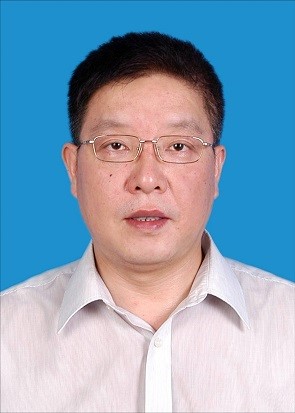 Gang Yang (杨刚)合作论文数College of polymer science and engineering, Sichuan University7Baiye Sun合作论文数7
 Peng Gao合作论文数6
 Shirong Zhang (张世熔)合作论文数College of Environmental Sciences, Sichuan Agriculura University6
 Hengyu Pan (潘恒宇)合作论文数College of Environmental Sciences, Sichuan Agricultural University6
 Chang-Lian Xu (徐昌连)合作论文数College of Environmental Sciences, Sichuan Agriculura University6
 Lili Lin (蔺丽丽)合作论文数College of Environmental Sciences, Sichuan Agriculura University6
 Xiangdong Yang (杨相东)合作论文数5
 Ya Tang (唐亚)合作论文数College of Architecture&Environment, Sichuan University5
 Fasih Ullah Haider合作论文数University of Edinburgh4
 Wenjie Liao (廖文杰)合作论文数College of Carbon Neutrality Future Technology, Sichuan University;Institute of New Energy and Low-Carbon Technology, Sichuan University4
 Chao Chen (陈超)合作论文数School of Environment, Tsinghua University4Liu Yan合作论文数4
 Wei Shui (税伟)合作论文数College of Environment & Safety Engineering, Fuzhou University4Na Huang合作论文数3
 Yuan Zhong (钟源)合作论文数3Han Pang合作论文数3Feng Wei合作论文数3
 Yanfeng Lyu合作论文数3Yang Xian合作论文数3YaTing Wang (王亚婷)合作论文数3
 Qihong Zhu (朱奇宏)合作论文数Institute of Subtropical Agriculture, Chinese Academy of Sciences;University of Chinese Academy of Sciences3
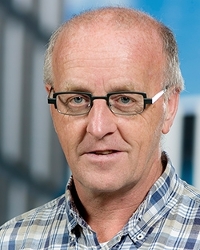 Willie Peijnenburg合作论文数Center Environmental Sciences, Faculteit der Wiskunde en Natuurwetenschappen, Universiteit Leiden;Center for Safety of Substances and Products, National Institute for Public Health and the Environment;School of Human and Environmental Sciences, University of Reading3
 Hongbing Luo (罗鸿兵)合作论文数Department of Municipal Engineering, School of Civil Engineering, Sichuan Agricultural University3
 Guiyin Wang (王贵胤)合作论文数College of Environmental Sciences, Sichuan Agriculura University3
 Ling Luo (罗玲)合作论文数College of Environmental Sciences, Sichuan Agricultural University3
 Yuanwei Li (李远伟)合作论文数College of Environmental Sciences, Sichuan Agriculura University3
 Jinsong He (何劲松)合作论文数College of Environmental Sciences, Sichuan Agricultural University3
 Yingjun Wang (王应军)合作论文数College of Environmental Sciences, Sichuan Agricultural University3Renzhi Zhang (张仁陟)合作论文数3
 Ricardo Amils合作论文数2




