The electrical manipulation of magnetization is appealing to the relevant experiment and spintronic device. In this paper, we focus on the electrical and magnetic properties of a thin film cleaved from the nonmagnetic half-Heusler compound CoTiSb. By means of the first-principles calculations, we find that the surface of TiSb termination possesses ferrimagnetism with a magnetic moment of 0.35 (0.49) μB per unit cell without (with) Hubbard U, which can persist below the Curie temperature of 48 (54) K. What is more, such a surface magnetism can be tuned to nonmagnetism by gate-induced hole doping with a concentration of 2.83 × 10¹⁴ (3.55 × 10¹⁴) cm-2. This magnetic tunability of the CoTiSb slab provides a platform to realize the pseudo-spin valve with both the magnetic electrodes and nonmagnetic space layer made of the same material without hetero-interfaces.
We propose a theoretical model for an all-Heusler magnetic tunnel junction that uses two Heusler compounds: Fe$_2$CrSi and Fe$_2$TiSi, both of which can be experimentally synthesized. Fe$_2$CrSi is a half-metallic ferromagnet, making it a promising material for efficient spin injection in magnetic random access memories and other spin-dependent devices. While, Fe$_2$TiSi is a nonmagnetic semiconductor that has the same lattice structure and comparable lattice constant with Fe$_2$CrSi, as it can be obtained by substituting the $Y$-site atoms in Fe$_2$CrSi. By using Fe$_2$TiSi as a tunneling barrier sandwiched by two pieces of semi-infinite Fe$_2$CrSi to construct an all-Heusler magnetic tunnel junction, the interface disorder is naturally reduced. Our calculations demonstrate that this magnetic tunnel junction can exhibit a giant tunneling magnetoresistance of up to 10$^{9}$\% and remains robust under finite bias voltage. These characteristics suggest that Fe$_2$CrSi/Fe$_2$TiSi/Fe$_2$CrSi MTJ will be an ideal candidate for future spintronic applications. More importantly, such a device model can keep such a giant tunneling magnetoresistance at and beyond room temperature due to the high Curie temperature of Fe$_2$CrSi.
Labor relations depend on the corresponding coordination mechanism to maintain the operation and keep it stable and orderly. Since the founding of New China, the labor relations coordination mechanism has undergone transmutation from a planned economy to a market economy, showing significant logical tensions. In terms of dynamic composition, it follows the evolutionary logic of unifying government-led compulsory changes with market-induced induced changes. In terms of generative variables, it runs through the evolutionary logic of combining exogenous embedding and endogenous evolution. In terms of structural form, it is an evolutionary logic of constructive remodeling and iterative evolution. The evolutionary logic of these three aspects is the coordinate system for understanding the evolution of the coordination mechanism of labor relations in the new China. In order to improve, optimize and perfect the coordination mechanism of labor relations in the new era, it is necessary to look at the logical framework accumulated in history and grasp it as a benchmark, so as to continuously promote the coordination mechanism of labor relations to become more mature and more definite.
Human capital is the foundation and driving force behind rural revitalization. With the rapid advancement of industrialization and urbanization since the reform and opening up, rural human capital has faced a number of dilemmas, including sluggish accumulation, incremental loss, structural imbalance, and low quality. A large human capital gap exists in rural revitalization. Promoting the flow of urban human capital to rural areas is a critical step toward closing the rural human capital gap. As a result, policies must be developed from the top down. We must improve the system and mechanisms for smoothing the return of human capital, create a global and whole-process policy framework system that runs through the flow of human capital to rural areas, investigate the best path to promote the flow of human capital to rural areas, ensure that human capital can “flow in, have a career, stay, and settle down”, realize the transformation of rural human capital from “exogenous” to “endogenous” and provide solid talent support for rural revitalization.
In this study, a cost-effective and environmentally friendly composite system for the remediation of Cr (VI)-polluted groundwater was developed. The system of simultaneous reduction of Cr (VI) and precipitation of Cr (III) was innovatively constructed, using corncob extract as electron donor and Fe (III) as strengthening reagent. In the process of the total chromium removal, the addition of alkaline substances was not required, when pH ≤ 4 it showed an optimal reduction of Cr (VI). In addition, the removal rate of total chromium reached 88% within 120 min. To understand the mechanism of this system, we characterized the corn extract and particulate matter before and after the reaction. Fourier transform infrared spectroscopy and gas chromatography–mass spectrometry suggested that alcohols, phenols, and aldehydes provided the electrons that were required to reduce Cr (VI). As an electron shuttle, Fe (III) improved the efficiency of electron transfer, and Fe (II) and nano-zerovalent iron (nZVI) particles were formed during this process. X-ray diffraction and transmission electron microscopy analyses showed that FeOCl was formed under the action of the plant extract and adsorbed Cr (III), thus reducing total chromium. Both nZVI and FeOCl were covered with a layer of paste cap, which maintained the stability of their physical and chemical properties. The regulation of pH during the repair process was not required, and the cost of the process was significantly reduced. Therefore, this technology provides a new strategy for the in situ remediation of Cr (VI) pollution in groundwater.
农业农村现代化是新时代党在农村工作的战略部署.农业农村现代化是由农业现代化和农村现代化两个方面构成的有机整体.农业现代化与农村现代化共同联系的是生产方式的两个方面,农业现代化联结的是农村的生产力,农村现代化联结的是农村的生产关系,农业现代化与农村现代化在生产力与生产关系的交互作用规律支配下历史演进.一体推进农业现代化和农村现代化是新时代农业农村现代化的现实进路,要在农业现代化和农村现代化一体设计上系统谋划,在补齐农业现代化和农村现代化短板方面集中发力,在一体推进农业农村现代化治理体系和治理能力上夯实基础,充分释放农业现代化和农村现代化耦合互促的乘数效应.
Diesel fuel contamination of aquifers is a global environmental problem. In recent years, in situ thermal remediation (ISTR) has attracted much attention owing to its advantages of high removal rate and rapid remediation. In this study, the treatment of a diesel-contaminated aquifer with thermal conduction heating (TCH) was studied. And for the purpose of making full use of the TCH residual heat, its combination with in situ chemical oxidation (ISCO) was also investigated. Results show that a maximum total petroleum hydrocarbon (TPH) removal of 70.3% or 81.73% was observed for the TCH treatment of the solid or water phase, respectively, highlighting the possibility of successfully and simultaneously remediating both aquifer phases. The effect of evaporation/boiling plays a major role in final contaminant removal processes. And the water-diesel mixture started co-boiling at 100.3℃ theoretically according to Antoine equation and Raoult’s law. The higher the temperature is, the higher the initial TPH concentration and the larger the removal rate of pollutants. The dosage of persulfate (PS) required by the system became lower with the temperature increasing, and the contribution of oxidation to the pollutant removal became greater, with the proportion of oxidation increasing from 29.05 to 66.87% from 40 to 80 °C. In the 2-D remediation experiment, the area of the heated zone above 80℃ accounted for 71.0% of the whole tank. At the heating time of 180 min, the average aqueous TPH concentration in the tank was about 248.7 mg/L and a lowest concentration of 73.1 mg/L was found around the heating resistance. During the cooling process after TCH, 97.9% of the heated area of the tank was above 30 °C when the heating resistance was turned off for 6 h, which was sufficient to activate PS for removing pollutants. Hence, TCH treatment could be an optimal method for the rapid remediation of diesel-contaminated aquifers, and the combination of TCH and ISCO can not only expand the treatment zone, but also reduce the cost of remediation.
全面建成小康社会以经济发展为物质支撑,以民生改善为目标抓手和目的导向,经济发展与民生改善共同构成了全面建成小康社会的核心内容.经济发展与民生改善交互循环,协同推动全面建成小康社会按照预设目标有序推进,成为贯穿全面建成小康社会历史演进的一条主线,为理解全面建成小康社会何以可能提供了分析框架.其中,在发展中保障和改善民生是全面建成小康社会的必要条件,抓民生也是抓发展构成全面建成小康社会的内需动力.经济发展与民生改善交互作用构成全面建成小康社会的推进机理,全面建成小康社会在经济发展与民生改善循环进阶过程中渐进达成.
In situ thermal remediation can rapidly remove volatile organic pollutants, regardless of permeability or heterogeneity in the subsurface, which has received more attention in recent years. This study aims at investigating the heat transfer during thermal conduction heating (TCH), a heating method of in situ thermal remediation. The experiments were performed in a 134.5-cm tall × 107.5-cm wide × 7.5-cm thick tank containing a heating resistance to heat the aquifer and 62 thermocouples to measure temperature. The temperature of the points was recorded in real time through a multi-channel temperature patrol instrument. Then, isotherms were drawn, which were quantitatively analyzed from the aspects of temperature distribution, heated zone area, heat transfer distance, and influencing radius. The influence of groundwater velocity, aquifer medium, and heating resistance power was investigated. The results show the following: (1) The quantitative analysis proved that the higher the groundwater velocity, the faster the heated zone reaches a stable state. (2) The heated zone area in a coarse/fine sand aquifer is larger than that in a medium sand aquifer, and the stable time of the heated zone is in the order of fine sand < coarse sand < medium sand. (3) The greater the heating resistance power is, the more rapidly the heated zone reaches a stable state. (4) It has been quantitatively concluded that the V-shaped distribution of the heated zone is more obvious at a high groundwater velocity or with a high-power heating resistance. These findings are significant for the practical application of Thermal conduction heating.
The geological conditions of the contaminated sites will affect the migration of microorganisms in the underground environment. In order to study the effect of low-permeability lens on bacterial transport, green fluorescent protein labeling combined with light transmission method was used to reveal the bacterial transport in the heterogeneous aquifer. The experiment has the advantages of real-time monitoring and no disturbance. The results showed that the bacteria gave priority to bypass the lens to flow away. The lens had a significant effect on hindering the bacterial transport due to adsorption and straining. The larger permeability coefficient ratio between the bulk media and the low-permeability lens was, the more obvious the obstruction was. AN-1 cannot enter the lens until the ratio decreased to the order of 102. With the increase of the flow velocity, the bacterial plume changed a lot. The higher flow velocity reduced the adsorption and retention of AN-1 to the media, resulting in some microorganisms remaining in the pores washed down. When the flow came to 2.0 m·d-1, AN-1 cannot adhere to the media due to the excessive fluid shear stress.
文化是最公平的扶贫公共品,发挥文化在扶贫中的功能和作用是我国扶贫开发事业的一条基本经验.文化扶贫是文化之于扶贫实践的术语表达,文化扶贫首先是作为政策性话语出场而后发展演化为学术性术语.文化扶贫的本质是文化要素和文化要素禀赋的“转化”,通过“以文化人”“以文化物”两种运行机理释放文化的生产力红利.当前,我国文化扶贫进入了文化精准扶贫阶段,深入推进文化扶贫要着力构建文化扶贫产品供给的“最大公约数”,打通文化扶贫产品供给的“最后一公里”,延展完善贫困地区文化产业发展链条,不断拓展贫困群体参与分享文化红利渠道.
高校思想政治理论课具有保障和促进意识形态安全的职能和使命,高校思想政治理论课话语体系本身属于意识形态的重要内容和范畴.建设高校思想政治理论课话语体系必须在意识形态安全的框架下有序推进,要紧紧抓住意识形态安全的政治方向,坚持以马克思主义意识形态理论为指引,牢牢把握高校思想政治理论课话语体系建设的意识形态领导权、主导权和话语权,把意识形态安全思想贯穿于高校思想政治理论课话语体系建设全过程,确保建构的高校思想政治理论课话语体系充分反映意识形态安全的需要.
产业瓶颈从根本上制约了东北经济的发展以及东北的全面振兴.推进东北产业转型升级要立足于东北独立、完整的经济地理单元,坚持东北区域经济一体化的整体性,沿着“打包”转型和渐进式发展的思路整体推进.既要把握产业转型升级基本规律,瞄准产业前沿,建立和完善产业政策的制度安排,做好产业转型升级的顶层设计;又要利用好东北亚产业资源互补优势,在“一带一路”国家战略框架下,拓宽东北地区产业转移和移植的国际空间.
人民群众日益增长的民生需要与滞后的民生供给是当前民生建设的主要矛盾,把发展成果更多、更公平地惠及到民生改善上来是当前中国社会建设的主要任务.党的十八届五中全会审议通过的《中共中央关于制定国民经济和社会发展第十三个五年规划的建议》指出,"坚持共享发展,着力增进人民福祉","必须坚持发展为了人民、发展依靠人民、发展成果由人民共享,作出更有效的制度安排,使全体人民在共建共享发展中有更多获得感".共享发展是党中央在审慎把握民生发展的阶段性特征,以及有序推进"十三五"规划目标前提下对发展理念作出的调整和改进,不仅进一步强化和凸显了发展的民生导向,同时也指出了民生改善的新理念、新机制和新路径.
美丽乡村建设是新时期农村工作的一项系统性、全局性重大战略工程.应从生态文明建设、社会主义新农村建设等维度综合定位美丽乡村建设,扭转和克服美丽乡村建设进程中的规划误区、模式误区和试点误区.坚持系统性思维和顶层设计理念,把美丽乡村建设纳入农村社会建设的整体框架.统筹兼顾试点先行与全面推进的逻辑关系,推进美丽乡村建设由点到面转换.理顺政府与农民的行为边界,走内生型美丽乡村建设路径.
所有制性质从根本上规定了民生的本质、样态及运动规律.资本主义私有制下的剥削、分化及异化等加剧了民生问题的产生及矛盾的恶化,社会主义公有制是实现共享式、普惠式民生的理想形态.新中国成立后,我国施行的社会主义公有制保障了民生的全民共享,但民生水平相对较低;改革开放后的民生问题不是公有制本身的问题,而是公有制运行层面的问题.因此,需要进一步全面深化民生导向下的公有制改革.
发展21世纪中国的马克思主义显示了中国成就基础上的理论自信.创新21世纪中国的马克思主义要坚定马克思主义理论的基本立场、观点和方法,要立足时代弘扬中华优秀传统文化,把握世界大局贡献中国智慧,在回答重大理论问题和解决重大实践问题过程中涵养和建构21世纪中国化马克思主义.
用法治保障和改善民生是社会的普遍共识,建设和发展中国特色社会主义民生事业必须强化法治的功能和作用.民生的实践品格及权利属性是民生法治化的逻辑基础,全面推进依法治国的重点和关键是推进民生法治化.我国民生法治化建设取得了重大进展,但发展与问题并存的客观现实依然存在.切实改变民生法治建设滞后的面貌,需要加强民生法制体系建设的总体谋划和顶层设计,从民生立法、民生法治服务、民生法治实施等维度构建系统化的、科学化的、符合中国国情而又具有中国特色的民生法治化体系,为保障和改善民生提供完备的法治保障.
保障和改善民生是我国社会建设的重要任务。发展和建设有中国特色的社会主义民生事业,必须以清晰的、科学的、系统的马克思主义民生观作指导。这就需要在理论上彻底澄清“民生问题是近年来出现的事情,过去没有民生问题或民生问题解决的很好”;“民生问题是严重的社会问题,不是经济问题”;“保障和改善民生是政府应该解决的事情,不能引入市场机制”;“保障和改善民生的实现程度越高越好,社会主义必须坚持高福利民生”等四大误区,剔除干扰我国民生事业的错误思想观念,从而推动我国民生问题的有效解决以及民生事业的快速发展。
农村正规金融部门是农村金融体系框架下支农、扶农主导力量.然而“三农”天然硬伤客观上促使其“避”农民而“就”与农村、农业相关的企业和政府.通过对由信贷对象和影响因子构成矩阵的分析,得出农村正规金融部门信贷对象偏好排序图谱和信贷对象半径理论.综合其对农户福利的挤出效应、信贷结构异化效应和农村金融市场寻租效应的消极影响,提出政府应在顶层设计上切断信贷对象排序的逻辑基础,并从技术、价值和制度维度提出改进对策.
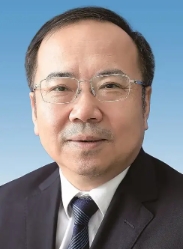 Xiping Han (韩喜平)合作论文数School of Marxism, Jilin University8
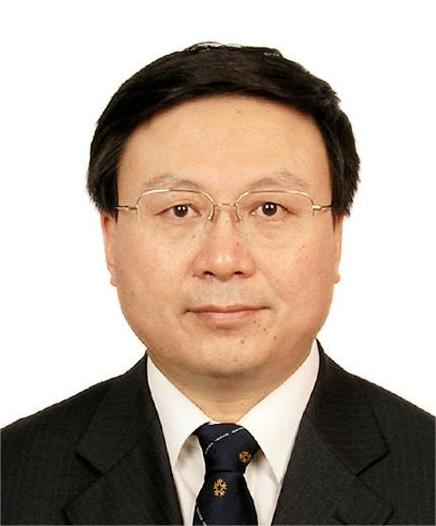 Yongsheng Zhao (赵勇胜)合作论文数College of New Energy and Environment, Jilin University4
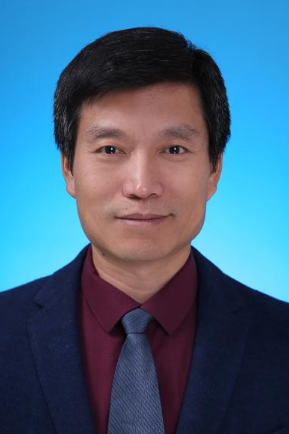 En Li (李恩)合作论文数College of Biological and Agricultural Engineering, Jilin University3
 Xueming Qin合作论文数2Jiayin Xie合作论文数2Xinru Yang合作论文数2
 Liwei Jiang (姜立伟)合作论文数College of Physics, Jilin University2
 Yisong Zheng (郑以松)合作论文数College of Physics, Jilin University2Xiaoyu Li合作论文数1BEN Fang (贲放)合作论文数1
 Zhe Qu (屈哲)合作论文数University of Chinese Academy of Sciences;Hefei Institutes of Physical Science, Chinese Academy of Sciences1
 Fei Li (李飞)合作论文数School of Public Policy and Administration, Xi'an Jiaotong University1Zizhuang Lang (郎子壮)合作论文数1
 Hong Pan (潘鸿)合作论文数College of Biological and Agricultural Engineering, Jilin University1




