With the widespread application of ionizing radiation in animal diagnostics, therapeutic practices, and environmental sciences, the potential impacts of radiation on ecosystems and non-human species have gradually become a global concern. Dogs serve as important animal models in human disease research, and accurate dosimetric evaluation is essential for assessing radiation effects on specific organs and tissues. To achieve efficient dose calculations while preserving realistic anatomy, mesh-type models integrated with Monte Carlo methods provide a novel solution for complex anatomical configurations. In this study, a high-precision mesh-type model of Canis familiaris was constructed using veterinary imaging data and 3D modeling techniques. Monte Carlo simulations with the Particle and Heavy Ion Transport Code System (PHITS) were performed to calculate absorbed fractions and specific absorbed fractions for monoenergetic photons and electrons in the energy range of 0.01-15 MeV, establishing a dosimetric database for Canis familiaris. Results indicate that self-absorption fractions decrease with increasing energy, while organ mass significantly influences specific absorbed fractions, with the testes exhibiting the highest values and large tissues such as muscle and bone the lowest. This mesh-type model overcomes the limitations of traditional voxel and stylized models in terms of anatomical fidelity and flexibility. Overall, these findings provide reliable radiation dose assessment tools for veterinary medicine and environmental protection and support the advancement of radiation risk assessment frameworks for non-human species.
OBJECTIVE:This study was designed to explore the toxic effects of Transferrin a(tfa)-mediated uranium exposure on the hematopoietic system. METHODS:Zebrafish embryos were subjected to uranium nitrate solutions at concentrations of 50, 100, 250, and 500 μg/L for a defined period, followed by sample collection. The impact of uranium on hematopoietic system development in zebrafish was evaluated through hemoglobin staining, qRT-PCR, and in situ hybridization. RNA-Seq was utilized to detect differentially expressed genes (DEGs) in embryos exposed to 100 μg/L uranium, with subsequent bioinformatics analysis to confirm these DEGs. Furthermore, blood samples from patients with hematological disorders and impaired hematopoietic function were collected, and RNA-Seq was applied to identify DEGs. RESULTS:Uranium exposure in zebrafish embryos led to reduced hemoglobin expression, with key transcription factors for primitive and definitive hematopoiesis being significantly downregulated at 100 μg/L uranium exposure. Overexpression of tfa resulted in a marked increase in hemoglobin content and upregulation of GATA1, a key factor in primitive hematopoiesis. Patients with hematopoietic dysfunction exhibited abnormalities in the tfa signaling pathway. CONCLUSION:tfa plays a role in mediating the inhibitory effects of uranium on hematopoietic function.
As socioeconomic development progresses, nuclear energy and technology advance rapidly. Concurrently, nuclear accidents may result in the release of additional radioactive isotopes into the environment. Groundwater and oceans are key pathways for radioactive nuclides in the environmental cycle, with aquatic organisms being particularly vulnerable to radiation exposure. Aquatic model organisms are essential for studying radiation effects on non-human species in aquatic environments and for extrapolating dose-response relationships to humans. However, current models for calculating radiation doses in the aquatic model organism zebrafish remain underdeveloped. To better elucidate the mechanisms of radiation damage effects, integrating Micro-CT and 3D modeling techniques, a series of zebrafish mesh-type models (including adults and larvae, named zebrafish-mesh family: ZF-mesh family) with multiple internal organs are established in this study. The Monte Carlo software PHITS is used to simulate and calculate the Absorbed Fractions (AFs) and S-values for singleenergy electrons ranging from 0.001 to 10 MeV, single-energy photons from 0.001 to 5 MeV, and eight radioactive nuclides commonly found in nuclear power plant liquid effluents: 3H, 14C, 90Sr, 106Ru, 134Cs, 137Cs, 60Co, 131I, across various source-target organ configurations. The results indicate that the mesh-type models of zebrafish at multiple developmental stages can be used for radiation dosimetry calculations. Analysis of the dosimetry parameter database, established through Monte Carlo calculations with this series of mesh-type models, shows that the maximum difference in self-AFs between the geometric and curved models reaches 52.8%. Comparisons between models at different developmental stages show that the impact of radioactive nuclides on internal organs depends on both the decay properties of the nuclides and the organ volumes. For adult fish, the dose contribution from 90Sr is most significant, reaching up to 1.81 x10- 5 mGy center dot MBq- 1 center dot s- 1 in the heart of male fish. In larvae fish, 14C has the most notable impact, with a dose rate of 4.38 x10- 3 mGy center dot MBq- 1 center dot s- 1 in the heart at 48 h post-fertilization (hpf). Comparisons of yolk mass changes at various developmental stages in larvae fish reveal that organ location is a key factor influencing self-AFs. This influence is often more significant than the variations caused by changes in organ volume. Due to the small size of zebrafish organs, the increase in energy deposition caused by secondary electrons is not evident in adult fish. In the smallest larvae hearts, no increase in energy deposition is observed. In summary, detailed surface modeling of model organisms across multiple developmental stages and the establishment of a comprehensive dosimetric parameter database are crucial. This approach significantly improves the reliability of radiation impact assessments for non-human species.
A new method for determining low-energy neutrons(below 100keV)with a solid state nuclear track detector was presented in this study.Monte Carlo simulation and experiments were applied to analyze the response characteristics of the BN+CR-39 detector to low-energy neutrons, which is consisting of a natural boron nitride converter sheet and a CR-39 track detector.The results show that the irradiated BN+CR-39 can be etched under specific conditions to read the number of effective tracks from low-energy neutrons, while avoiding the interference of fast neutron tracks.Consequently, the dose equivalent caused by low-energy neutron can be measured separately.The optimal etching condition for the TASTRAK PADC (trade name of the CR-39 type) used in this work is 1h etching in 6.25mol/L NaOH solution. There is a good linear relationship between the track density and the ambient dose equivalent of low-energy neutrons.The calibration factor was found to be 0.0366μSv·tr-1·cm2.The BN+CR-39 detector has a high response sensitivity to low-energy neutrons, which can be applied to evaluating the low-energy neutron dose equivalent in a simple and effective manner.
The method combining Monte Carlo (MC) simulation and mesh-type cell models provides a way to accurately assess the cellular dose induced byβ-emitters. Although this approach allows for a specific evaluation of various nuclides and cell type combinations, the associated time cost for obtaining results is relatively high. In this work, we propose a Microdosimetric assessment method for Internal exposure ofβ-emitters based on Mesh-type Cell cluster models (abbreviated as MIMC-β). This approach is applied to evaluate the dose in various types of cells (human bronchial epithelial cells, BEAS-2B; normal human liver cells, L-O2; and normal human small intestine epithelial cells, FHs74Int) exposed toβ-emitters. Furthermore, microdosimetric quantity based on the cell cluster model are employed to estimate the relative biological effectiveness (RBE) ofβ-emitters. The results indicate that this method can accurately and rapidly predict cellular doses caused by different types ofβ-emitters, significantly mitigating the efficiency challenges associated with directly employing MC to estimate the overall dose of the mesh-type cell cluster model. In comparison with results obtained from direct simulations of uniform administration ofβ- sources using PHITS for validation, the cellular cluster overallS-values obtained through MIMC-βshow discrepancies mostly below 5%, with the minimum deviation reaching 1.35%. Small sampling sizes within the cell nucleus led to larger average lineal energies. In comparison to C-14, the differences in cellular cluster average lineal energy for Cs-134, Cs-137, and I-131 are negligible, resulting in close numerical estimations of RBE based on lineal energy. The MIMC-βcan be extended to diverse cell types andβ-emitters. Additionally, the RBE assessment based on the cell cluster model offers valuable insights for predicting radiobiological damage resulting from internal exposure byβ-emitters. This method is expected to find applicability in various realistic scenarios, including radiation protection and radioligand therapy.
After decades of research, the biological effects of tritium have been basically clear. Compared with many studies on tritium biology and RBE value, the research on the toxicity mechanism is relatively lacking. Previous research on the mechanism of tritiated water toxicity focused on oxidative stress, cell apoptosis, and DNA damage, but the specific molecular mechanism is lacking. With the development of molecular biology technology, it has become possible to elucidate the molecular mechanism of internal tritium radiation damage at multiple levels. In this paper, we reviewed our studies over the past ten years to clarify the mechanism of tritium toxicity from different aspects such as miRNA, DNA methylation, and gene expression changes. Some key target molecules were found and tried to be used to evaluate the tritium toxicity.
Objective To determine the radioactive enrichment level in marine biological media around Qinshan Nuclear Power Plant and to evaluate the impact of effluent on marine biological media in the surrounding sea area based on the discharge of effluent from the nuclear power plant over the years and the monitoring level of surrounding marine media.Methods The monitoring data of ~3H, 14 C, 90 Sr, 137 Cs,and 110m Ag in the environmental media monitored in Qinshan Nuclear Power Plant from 2008 to 2017 were collected,and the data were processed and analyzed by IBM SPSS Statistics 26.Results The activity concentrations of tritium in mullet and oyster in the sea area around Qinshan Nuclear Power Plant were 0.5-2.9 Bq/kg and 0.55-8.2 Bq/kg,respectively,and the activity concentrations of tritium in both increased generally under the influence of effluent from the nuclear power plant.The activity concentrations of 14 C, 137 Cs,and 90 Sr in the monitored organisms were lower than the background values.The results of correlation analysis showed that the effluent from the nuclear power plant had almost no effect on 14 C.The activity level of 110m Ag decreased significantly year by year in oyster,and remained below the background level in mullet.Conclusion Qinshan Nuclear Power Plant is the longest operating nuclear power plant in mainland China.Most of the nuclides in biological media in the surrounding sea area are lower than the background levels,and the effluents from the nuclear power plant have little influence on marine biological media in the surrounding sea area.
Radon exposure is significantly associated with lung cancer. Radon concentration is currently reduced mainly by physical methods, but there is a lack of protective drugs or biochemical reagents for radon damage. This study aimed to explore the protective effect of polydatin (PD) on the radon-exposed injury. The results showed that PD can significantly reduce ROS level, raise SOD activity, weaken the migration ability, increase E-cad, and decrease mesenchymal cell surface markers (FN1, Vimentin, N-cad, α-SMA, and Snail) in radon-exposed epithelial cells. In vivo, PD increased the mice weight, promoted SOD activity, and decreased MDA content, the number of bullae, pulmonary septum thickness, lung collagenous fibers, and mesenchymal cell surface markers. Furthermore, PD inhibited p-PI3K, p-AKT, and p-mTOR expression. Compared with directly adding PD on radon-exposed cells, adding PD before and after radon exposure could more obviously improve the adhesion of radon-exposed cells, significantly alleviate the migration ability, and more significantly reduce mesenchyme markers and p-AKT and p-mTOR. These results indicate that PD can reduce oxidative stress, weaken epithelial-mesenchymal transition (EMT) and lung fibrosis in radon-exposed cells/mice, and have good radiation protection against radon injury. The mechanism is related to the inhibition of the PI3K/AKT/mTOR pathway.
Abstract Background Both 177Lu and 225Ac are suitable for radio-ligand therapy (RLT) in metastatic castration-resistant prostate cancer (mCRPC) as tumor-targeted radio-ligands when labeled with prostate-specific membrane antigen (PSMA). However, their microdosimetric distribution in prostate cancer tissue can differ, leading to varying therapeutic outcomes. Methods In this study, a three-dimensional mesh-type cell cluster model was constructed using realistic tomography images of a prostate cancer cell line to investigate the combination ratio of two nuclides for combination therapy of mCRPC, and the specific energy distributions of cell nucleus and the macroscopic dose levels resulting from varying activities of 177Lu and 225Ac were compared using Geant4 simulations. Various factors were taken into account such as the source region (cell surface, cytoplasm, and nucleus), the activity range (104-1.2×10⁵ Bq for 225Ac and 6×10⁶-1.2×10⁸ Bq for 177Lu), and the cellular model type (concentric sphere simple geometry-type model and mesh-type model). A link was established between tumor control probability (TCP) and several parameters, like radionuclide activities, cell nucleus specific energy distributions, and average doses of the cell cluster. Results Despite having a similar average nucleus absorbed dose within the cluster, 225Ac exhibited a more dispersed nucleus-specific energy distribution, indicating a higher degree of dispersion than 177Lu. In order to achieve a therapeutic effect of 90% TCP, it is crucial that the cell nucleus absorbs an adequate dose of radiation, while considering the proportion of PSMA internalization in each compartment of the cell. The required activity of 177Lu was approximately 417 times that of 225Ac to reach the same effect. A certain amount of 225Ac can be mixed into 177Lu for combination therapy to increase TCP and minimize the dose inhomogeneity. For example, 4.6×10⁴ Bq and 5.8×10⁴ Bq of 225Ac can be mixed into 5×10⁶ Bq of 177Lu to achieve TCPs of 90% and 98%, respectively. Conclusion A microdosimetric simulation was performed coupled with the realistic mesh-type cell cluster model, and the microdosimetric distribution characteristics of 177Lu and 225Ac in the prostate cancer cell clusters were evaluated in this work. The outcome of combination therapy for 177Lu and 225Ac was predicted, which can serve a dose reference for clinical therapy of mCRPC.
Through the integration of experimental data and literature, this study examines whether complete elimination of contact shielding during CT examination is warranted, with a particular focus on potential impacts to children's thyroid and pregnant women, as well as limitations associated with contact shielding. Methods: The thermoluminescent dosimeter (TLD) tablets were inserted into the phantom's five organs and tissues. Select fixed exposure, automatic exposure control (AEC), and use contact shielding combined into four experimental modes, with scanning of the phantom's four parts. Obtain the absorbed dose measurements within or outside the FOV. Statistical analysis was conducted using SPSS software. Results: (1) The AEC significantly reduces dose within and outside the FOV, with a dose reduction of 40%-60%. (2) The application of contact shielding outside the FOV significantly reduced the dose adjoin the FOV. (3) Both the use of AEC mode and contact shielding can effectively minimize the dose, with a reduction of 50-80%. (4) The shielding within the FOV may introduce image artifacts or interfere with AEC, the implementation of contact shielding outside FOV provides little reduction in radiation exposure risk through previous literature. (5) Contact shielding exhibits certain drawbacks in all aspects. Conclusion: The utilization of AEC mode in clinical CT should be widely adopted to minimize patient radiation exposure. In general, contact shielding both inside and outside the FOV should be avoided during exposure. However for children under 12 years old with thyroid gland examination, contact shielding could maximally reduce external radiation and may be appropriate. Pregnant women require careful evaluation when considering the use of contact shielding. Contact shielding should not be entirely abandoned.
In the current international situation, there is the possibility of nuclear war and nuclear terrorism. The nuclear and radiological emergency in the event of an accident should be enhanced. The World Health Organization (WHO) issued a publication on January 27, 2023, updating the list of drugs recommended for stockpiling in response to radiation and nuclear emergencies, which was the first update since 2007. The list of recommended drug stocks in the publication includes drugs to prevent or reduce the effects of radiation, as well as drugs used to treat injuries after exposure. Based on the list of drugs, this article reviews the emergency response to nuclear and radiological accidents, the general situation of emergency drug stockpiles, drug reserves in some countries, and current considerations, with a view to providing references for emergency medical rescue in nuclear and radiological accidents in China.
Ionizing radiation can cause changes in nervous system function. However, the underlying mechanism remains unclear. In this study, Caenorhabditis elegans (C. elegans) was irradiated with 75 Gy of 60Co whole-body γ radiation. Behavioral indicators (head thrashes, touch avoidance, and foraging), and the development of dopaminergic neurons related to behavioral function, were evaluated to assess the effects of ionizing radiation on nervous system function in C. elegans. Various behaviors were impaired after whole-body irradiation and degeneration of dopamine neurons was observed. This suggests that 75 Gy of γ radiation is sufficient to induce nervous system dysfunction. The genes nhr-76 and crm-1, which are reported to be related to nervous system function in human and mouse, were screened by transcriptome sequencing and bioinformatics analysis after irradiation or sham irradiation. The expression levels of these two genes were increased after radiation. Next, RNAi technology was used to inhibit the expression of crm-1, a gene whose homologs are associated with motor neuron development in other species. Downregulation of crm-1 expression effectively alleviated the deleterious effects of ionizing radiation on head thrashes and touch avoidance. It was also found that the expression level of crm-1 was regulated by the nuclear receptor gene nhr-76. The results of this study suggest that knocking down the expression level of nhr-76 can reduce the expression level of crm-1, while down-regulating the expression level of crm-1 can alleviate behavioral disorders induced by ionizing radiation. Therefore, inhibition of crm-1 may be of interest as a potential therapeutic target for ionizing radiation-induced neurological dysfunction.
Water pollution and control are important issues of our lasting concern. Environmental media often contains a variety of compounds. Tritium is widely present in nature due to human activities. As an endocrine disruptor, genistein is widely found in water body. Will it cause damage when combined with tritiated water and genistein? In this study, Zebrafish embryos were randomly divided into 4 groups: blank control group (simple E3 medium), tritiated water exposure group (tritiated water with a final concentration of 3.7*102Bq/mL in the medium), and genistein exposure group (the final concentration of 1.4 mg/L genistein in the medium) and the combined exposure group of tritiated water and genistein (3.7*102 Bq/mL tritium water +1.4 mg/L genistein). The results show that tritiated water with 3.7*102 Bq/ml exposure alone did not affect the development of zebrafish embryos. However, the survival rate, hatching rate and heart rate of zebrafish larvae decreased combined exposure with genistein, and the abnormality rate and apoptotic cells in the embryos and the level of oxidative stress increased. The results of RNA sequencing showed that the combined exposure of tritiated water and genistein affected the gene expression of zebrafish embryos. Differential genes were mainly enriched in many pathways, such as p53 signaling pathway, steroid hormone biosynthesis, PPAR signaling pathway, metabolism of xenobiotics by cytochrome P450. The results of qRT-PCR and gene knockout experiment showed that cyp19a1b gene may plays an important role in the toxic effects of combined exposure.
The health of radiation workers has always been our focus. Epidemiological investigation shows that long-term exposure to low-dose ionizing radiation can affect human health, especially cancer and cardiovascular disease, and there are many studies on it. However, up to now, there have been few reports on the research of blood and biological samples from radiation workers. In this study, radiation workers and healthy control groups were strictly screened, and the transcriptome of mRNA and circRNA was sequenced by extracting their peripheral venous blood. At the same time, appropriate data sets were selected in the GEO database for bioinformatics analysis, and circRNA-miRNA-mRNA network was constructed. We identified 9 different circular ribonucleic acids, 3 tiny ribonucleic acids, and 2 central genes (NOD 2 and IRF 7). These differentially expressed genes and non-coding RNA are closely related to ionizing radiation damage, and play an important role as biological markers. In conclusion, this study may provide new insights into the role of the circRNA-miRNA-mRNA regulatory network in the health of radiation workers, and provides a new strategy for the future study of radiation biology.
Proton therapy is becoming increasingly popular worldwide, and its shielding must be considered. The cathode ray tube (CRT) material is a glass containing heavy metal elements, these materials have become a good choice for the production of radiation-proof concrete. In this study, the ability of concrete containing CRT fragments as shielding materials for proton therapy rooms is evaluated in terms of neutron shielding ability, neutron reflection ability, ambient dose equivalent rate, and induced radioactivity. In addition, this concrete is compared with commonly used ordinary concrete, boron-containing concrete, and barite concrete. The results show that with the increase of CRT content (10%-90%), the transmitted neutron fluence decreases continuously (5.06 x 10(-10) - 1.77 x 10(-10) cm(-2)/particle), and the reflection of neutrons gradually increases (2.64 x 10(-9) - 3.20 x 10(-9) cm(-2)/particle), resulting in an increased potential to patients. When 50% CRT concrete is used, the ambient dose equivalent rate is below 3.80 mu Sv/h/nA, and 90% CRT concrete is below 3.11 mu Sv/h/nA. The trend of radio-nuclide activity of induced radioactivity from 0 to 60 min after irradiation for concrete with different CRT contents is 2.74(-5).38 x 10(-3) Bq/cm(3), and the maximum photon fluence is 8.13 x 10(2) cm(-2). In conclusion, the optimization model of the three-layer shielding structure of ordinary concrete, high CRT content concrete, and boron-containing concrete is proposed with ambient dose equivalent rate less than 1.88 mu Sv/h/nA, minimizing the reflected neutrons to which the patient is exposed. This study shows the protection performance of CRT concrete is better than ordinary concrete and barite concrete.
木黄酮是一种主要存在于大豆等豆类植物中的雌激素类似物,在预防和治疗一些与代谢综合征及癌症相关的疾病,如更年期综合征、糖尿病、乳腺癌、前列腺癌,发挥着重要作用.近年来,其在工业、农业、水产养殖业等方面应用越来越广泛,排放到环境中的木黄酮也越来越多,它在环境中的作用以及对环境中生物的影响也逐渐得到关注.由于木黄酮通常与废水一起排入水体中,因此受到影响的主要是以鱼类为代表的水生生物.木黄酮对鱼类的毒性作用主要表现在生殖系统,具体表现为抑制性腺发育、影响生殖细胞形成,改变性激素水平等,同时对其他器官和系统也会有不同程度的影响.水体中的木黄酮由于具有比人类饮食中更低的生物利用度和更高的浓度而成为一种环境内分泌干扰物,会对水生生物,尤其是各种鱼类的生存和繁殖产生不利影响.本文拟从生殖发育、心血管形成、神经功能、肝脏代谢等方面,综合阐述木黄酮对鱼类的生物毒性效应,并重点关注其对生殖系统的毒性效应.
一流的高校需要一流的学科,一流的学科需要一流的课程。课程的质量决定人才培养的质量,高校工作的根本标准 就是立德树人。要想建设一批适应新时代要求又蕴含丰富思政元素的优质课程,就需要深化教学改革,提高课程质 量,加强人才培养力量,构建高水平人才培养体系。一流课程的建设,可以提高教育教学水平、推进人才培养机制 的创新。基于此,本文根据江苏省首批省级一流课程《放射卫生学》建设实践,梳理总结经验,以期为后续相关专 业的课程建设提供新的思路。
The reproductive system is vulnerable to ionizing radiation, which is a hot research topic at present. We tested the effect of polydatin on spermatocytes(GC-1 cells) after X-ray irradiation. The reproductive damage model of C.elegans was established by 60Coγ-ray, and the protective effect of polydatin on reproductive damage caused by ionizing radiation was evaluated. We quantified the ROS levels of GC-1 cells and C.elegans after irradiation with polydatin and evaluated the anti-apoptosis effect of polydatin at proper concentration. Differential genes of C.elegans reproductive damage were screened out from transcriptome sequencing results and comparable GEO datasets. It was proved that 100μM polydatin significantly reduced the apoptosis of GC-1 cells induced by 2 Gy X-ray. In addition, the longevity, reproductive capacity, germ cell apoptosis and spawning and hatching capacity of polydatin were tested. The results showed that 100 μM polydatin content significantly increased the influence of 50 Gy 60Coγ-ray on reproductive capacity of C.elegans. Quantitative analysis of mRNA and protein levels of apoptosis-related genes and reproductive-related genes by qRT-PCR and Western blotcon firmed that polydatin with appropriate dosage had good protective effects on reproductive damage caused by radiation, which laid a foundation for the application research of polydatin in radiation protection.
目的 评估防护用品与自动曝光控制(AEC)对受检者扫描与非扫描区域内器官组织的吸收剂量的情况,总结出CT检查过程中最优化的防护方法.方法 将热释光剂量片分别置于体模的眼球、甲状腺、肺、小肠、睾丸的五个点的孔洞中.将固定曝光模式,AEC曝光模式和使用防护用品组合成一组对照条件与三组干预条件,对体模头、胸、上腹、下腹CT扫描,获得扫描和非扫描区域五个检测点的吸收剂量值DT.结果 在AEC曝光条件下,扫描区域内敏感组织器官的吸收剂量降低40% ~60%,不同部位使用防护用品减少的吸收剂量比率均大于使用AEC条件下的比率,同时使用AEC模式和个人防护用品,能降低50% ~80%的吸收剂量.对照组与干预组组间差异明显(P<0.001).结论 接触屏蔽优于自动曝光控制,为降低毗邻扫描区域检测点吸收剂量的最佳方法.同时使用AEC模式和防护用品是CT检查过程中最优化的防护方法.
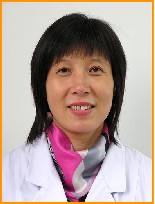 Juying Zhou (周菊英)合作论文数Dept of Radiation Oncology,the First Hospital Affiliated to Soochow University,Jiangsu Suzhou ,China47
 Fengmei Cui (崔凤梅)合作论文数School of Radiation Medicine and Protection, Soochow University;State Key Laboratory of Radiation Medicine and Protection, Soochow University43XiaoTing Xu (徐晓婷)合作论文数25SongBing Qin (秦颂兵)合作论文数23
 Liang Sun (孙亮)合作论文数School of Radiation Medicine and Protection, Soochow University21
 Na Chen (陈娜)合作论文数State Key Laboratory of Radiation Medicine and Protection, School of Radiation Medicine and Protection, Soochow University19LiLi Wang (王利利)合作论文数17Jun Wan (万骏)合作论文数Soochow University17Jin Gao合作论文数13
 Qiu Chen (陈秋)合作论文数State Key Laboratory of Radiation Medicine and Protection, School of Radiation Medicine and Protection, Soochow University12Li Liu (刘犁)合作论文数11Bo Tang (唐波)合作论文数10HuiYuan Xue合作论文数9Han Gao合作论文数8Yidi WANG (王一迪)合作论文数8RongSheng Yu (俞荣生)合作论文数8
 Bingbo Zhang (张兵波)合作论文数Laboratory of Molecular Diagnostics and Molecular Imaging, School of Medicine, Tongji University8ZhiYing Yu (俞志英)合作论文数7Shugen Qu合作论文数6Qixuan Zhang合作论文数6Shengri Li (李圣日)合作论文数6Fajian Luo合作论文数5Yue Xi合作论文数5Wenwei WU (巫文威)合作论文数5ShengYan Huang (黄圣雁)合作论文数5JiWei Chen (陈基炜)合作论文数5
 Qisheng Jiang (江其生)合作论文数中国人民解放军第二炮兵总医院5Guoqian Xu (徐国千)合作论文数5
 Yulong Liu (刘玉龙)合作论文数The Second Affiliated Hospital of Soochow University5Huiqiang Long合作论文数4xumin zong (宗旭敏)合作论文数4WANG Li-li合作论文数4Tianzi Wang (王天姿)合作论文数4Wentao Yu合作论文数4XiangHui Kong合作论文数4Weiye Yuan (袁炜烨)合作论文数4
 Weisheng Guo (郭伟圣)合作论文数School of Pharmaceutical Sciences, Guangzhou Medical University;State Key Laboratory of Respiratory Disease;The Second Affiliated Hospital of Guangzhou Medical University4ChangShao Xu (许昌韶)合作论文数4ChenYing Ma (马辰莺)合作论文数4ZhiJuan Lu (卢志娟)合作论文数4
 Yueping Shen (沈月平)合作论文数School of Public Health, Suzhou Medical College of Soochow University4Meng Zhang合作论文数4
 Jin Chang (常津)合作论文数Tianjin University4Liangqin Nie合作论文数3Zuo Xueyong合作论文数3Jianfang Han合作论文数3YuChen Yin合作论文数3Yaozu Xiong合作论文数3




