Objectives This study aimed to evaluate the efficacy and safety of AngioJet rheolytic thrombectomy with the adjunctive use of glycoprotein IIb/IIIa inhibitors (GPI) in the setting of ST-segment elevation myocardial infarction (STEMI). Methods We conducted a retrospective cohort study of 877 consecutive patients with STEMI. Propensity score matching (PSM) was employed to balance the baseline characteristics between the group receiving AngioJet rheolytic thrombectomy plus GPI (the AT + GPI group) and those receiving routine treatment (the RT group). The primary endpoint was major adverse cardiovascular and cerebrovascular events (MACCE) at 1 year. Safety endpoints comprised any bleeding and major bleeding events. Results Ninety-seven patients received AngioJet rheolytic thrombectomy and GPI. No significant differences were observed between the two groups regarding in-hospital mortality, reinfarction, stent thrombosis, stroke, or bleeding. After propensity-score matching, the cumulative incidence of MACCE at 1 year did not differ significantly between the AT + GPI group and the RT group (8.2% vs 9.3%; hazard ratio, 0.894; 95% CI, 0.345 to 2.318; p = 0.818). The incidence rates of all individual safety endpoints—including stroke and bleeding—showed no significant differences between the two groups. Conclusions In this observational cohort of STEMI patients, the strategy of combining AngioJet rheolytic thrombectomy with GPI was not associated with improved 1-year outcomes compared to routine treatment, though it did not increase bleeding or stroke risk.
Objectives This study aimed to identify clinical predictors of initial TIMI thrombus grade 5 (TG 5) and to evaluate its association with one‑year major adverse cardiovascular and cerebrovascular events (MACCE) in patients with ST‑segment elevation myocardial infarction (STEMI). Methods This single‑center retrospective cohort study enrolled 823 consecutive STEMI patients between October 2014 and April 2019, of whom 554 presented with initial TG 5 and 269 did not. Inverse probability of treatment weighting (IPTW) was applied to balance baseline covariates. Multivariable logistic regression was used to identify predictors of TG 5, and Cox proportional hazards models were fitted to assess the association between TG 5 and one‑year clinical outcomes. Results Delayed PCI (> 12 hours) (OR: 4.219; 95% CI: 2.915–6.098; P < 0.001), smoking history (OR: 1.606; 95% CI: 1.177–2.190; P = 0.003), and higher BMI (OR per 1 kg/m² increase: 1.070; 95% CI: 1.021–1.121; P = 0.004) were independently associated with initial TG 5. After IPTW adjustment, there were no significant differences between the TG 5 and non‑TG 5 groups in one‑year MACCE (adjusted OR: 0.782; 95% CI: 0.501–1.220; P = 0.278) or all‑cause mortality (adjusted OR: 0.797; 95% CI: 0.473–1.341; P = 0.393). Although the TG 5 group had a higher crude incidence of heart failure, the difference was attenuated after adjustment (P = 0.054). Rehospitalization for ischemic events was significantly lower in the TG 5 group after adjustment (adjusted OR: 0.395; 95% CI: 0.184–0.850; P = 0.018). Initial Killip class ≥ II (HR: 5.099; 95% CI: 3.509–7.408; P < 0.001), delayed PCI (HR: 1.697; 95% CI: 1.025–2.810; P = 0.040), and older age (HR: 1.038; 95% CI: 1.021–1.056; P < 0.001) were independently associated with MACCE, whereas TG 5 was not (HR: 0.765; 95% CI: 0.507–1.156; P = 0.204). Conclusions Delayed PCI, smoking, and higher BMI are strong independent predictors of initial TG 5 in STEMI patients. Although this angiographic phenotype reflects severe coronary occlusion, it is not independently associated with increased one‑year MACCE or all‑cause mortality after rigorous adjustment.
Background: Mechanical circulatory support may facilitate high-risk percutaneous coronary intervention (PCI). This study aimed to assess the feasibility, safety and effectiveness of high-risk PCI under the support of venoarterial extracorporeal membrane oxygenation (VA-ECMO) combined with intra-aortic balloon pump (IABP). Methods: We enrolled patients who received VA-ECMO plus IABP-assisted PCI procedures at our center from April 2012 to June 2018. Major adverse cardiac events (MACEs) included all-cause death, myocardial infarction, and target vessel revascularization. Results: A total of 10 patients were included, with a mean age of 71 years, EuroSCORE II of 19.9%, and SYNTAX score of 39.8. Procedural success was achieved in nine (90%) patients. The mean duration of ECMO support was 1.5 hours, and 2.6 stents were implanted per patient. Major complications included contrast-induced nephropathy needing hemodialysis in one (10%) patient, significant hemoglobin drop requiring blood transfusion in two (20%) patients, pulmonary infection in one (10%) patient, and local surgical incision infection in one (10%) patient. The accumulative mortality rates for the nine patients with procedural success were 0, 22.2%, and 44.4% at 1, 3, and 5 years follow-up, respectively. However, cardiac death occurred in only one (11.1%) patient. In addition, two patients received repeat PCI or coronary artery bypass grafting within two years following the index procedure. The overall incidence rates of MACEs were 11.1%, 44.4%, and 66.7% at 1, 3, and 5 years follow-up, respectively. Conclusions: VA-ECMO plus IABP-assisted high-risk PCI was feasible in patients with complex coronary disease, with a high procedural success rate and acceptable mid-term clinical outcomes.
The safety and effectiveness of remote guidance of percutaneous coronary interventions (PCI) have not been fully appraised in controlled studies. We hereby presented the results of a study on remote guidance (vs on-site guidance) of PCI to explore its feasibility, safety, and effectiveness. Patients were recruited from those who received PCI procedures from January 2018 to June 2019 in a secondary hospital (Jincheng, Shanxi, China), in collaboration with a tertiary medical center (Beijing, China) approximately 680 km away. According to the type of guidance during the procedure, the patients were assigned to two groups: the remote guidance group and the on-site guidance group. Remote guidance was assisted with an advanced commercial telemedicine system. Interventional strategies, procedural success rate, peri-procedural complications, procedural duration, radiation doses, and the amount of contrast medium were compared between the two groups. A total of 352 patients were included in this study, with a total of 411 PCI procedures and 446 target lesions. The baseline clinical characteristics, as well as the distribution and characteristics of coronary artery lesions, did not differ significantly between the two groups. No significant differences were noticed in procedural success rate, peri-procedural complications, procedural duration, radiation dose, and in-hospital major adverse cardiovascular events. However, the amount of contrast medium was slightly higher in the remote guidance group. The results of the present pilot study showed the feasibility of remotely guided PCI, with safety and effectiveness measures at acceptable levels comparable to the traditional on-site guidance. Randomized studies with long-term follow-up are warranted to further confirm our findings.
Objective This study aimed to evaluate predictors for adverse cardiovascular outcomes in patients with atrial fibrillation (AF) undergoing coronary stenting. Methods We retrospectively recruited consecutive patients with previously documented non-valvular AF who underwent coronary stenting between January 2010 and June 2015 in 12 hospitals of Beijing, China. Major adverse cardiac/cerebrovascular events (MACCE) were a composite of all-cause death, non-fatal myocardial infarction, repeat revascularization, and ischaemic stroke/systemic thromboembolism (IS/STE). Major bleeding referred to grade 2 or higher of Bleeding Academic Research Consortium criteria. Results A total of 2394 patients (men: 72.3% vs. women: 27.7%, median age: 67 years) were included. The CHA(2)DS(2)-VASc and HAS-BLED were 3.6 +/- 1.6 and 1.9 +/- 0.7, respectively. The median follow-up duration was 36.2 months. There were 230 (9.6%) deaths, 96 (4.0%) IS/STE, 426 (17.8%) MACCE, and 72 (3.0%) major bleeding. Multivariate Cox regression yielded predictive models for (1) all-cause death: diabetes, prior myocardial infarction, chronic kidney disease (CKD), ST-segment elevation myocardial infarction (STEMI) at presentation, heart failure, no use of angiotensin-converting enzyme inhibitors/angiotensin receptor blockers, and statins; (2) IS/STE: advanced age, prior history of ischaemic stroke and intracranial haemorrhage; (3) MACCE: prior history of myocardial infarction and ischaemic stroke, CKD, STEMI, heart failure, and no statin use; (4) major bleeding: prior major bleeding, prior myocardial infarction, CKD and use of oral anticoagulants. Conclusion Chinese patients with AF and coronary stenting had high mortality and incidence of MACCE. We compiled separate predictive models for all-cause death, IS/STE, MACCE, and major bleeding.
The aim of this study was to evaluate the effectiveness and safety of AngioJet rheolytic thrombectomy among patients with high thrombus burden. Routine manual thrombus aspiration in patients with ST-segment elevation myocardial infarction (STEMI) does not improve clinical outcomes and was associated with an increased rate of stroke. However, the safety of mechanical thrombus aspiration is still unknown. This was a retrospective, single-center study involving 621 patients with Thrombolysis In Myocardial Infarction thrombus grade 5. The primary outcome was the composite of major adverse cardiovascular events (MACE) within 12 months. The safety outcome was stroke within 1-year. Propensity matching score was calculated due to the significant baseline differences between the AngioJet rhelytic thrombectomy group and the routine treatment group. AngioJet rheolytic thrombectomy was performed in 117 patients. After propensity-score matching, there was no significant difference both in the incidence of MACE (11.1% vs 17.9%, hazard ratio, 1.641; 95% confidence interval [CI] 0.822 to 3.277, p = 0.161) and the incidences of stroke (1.7% vs 2.6%, hazard ratio 1.522; 95% confidence interval [CI] 0.254 to 9.107, p = 0.646) between two groups at 1-year follow-up. In patients with Thrombolysis In Myocardial Infarction thrombus grade 5, AngioJet rheolytic thrombectomy did not improve clinical outcomes at 1 year. However, AngioJet rheolytic thrombectomy did not increase the risk of stroke in patients with high thrombus burden.
Background/aim: Patients with atrial fibrillation (AF) and coronary stenting had a poor prognosis. This study aimed to assess the accuracy of CHA2 DS2 -VASc score for predicting and grading adverse clinical outcomes in this population. Materials and methods: We reviewed the clinical data of all patients with previously documented nonvalvular AF who underwent coronary stenting between January 2010 and June 2015 in 12 hospitals of Beijing, China. The study population was divided into three groups: 1) Low CHA2 DS2 -VASc score, ≦ 2 points, 2) Intermediate score, 3-4 points, and 3) High score, ≧ 5 points. Major adverse cardiac/cerebrovascular events (MACCE) were defined as a composite of all-cause death, nonfatal myocardial infarction, repeat revascularization and ischemic stroke/systemic thromboembolism (IS/SE). Results: A total of 2394 patients (men: 72.3% vs. women: 27.7%, median age: 67 years) were included, with the CHA2 DS2 -VASc score of 3.6 ± 1.6. The median follow-up duration was 36.2 months. All-cause mortality increased 3 folds from the low score (4.8%) to the high score group (15.8%). The high score group had more IS/SE (7.4%) and MACCE (26.3%). The CHA2 DS2 -VASc score ≧ 5 points was independently associated with all-cause death (hazard ratio [HR]: 2.303, 95% confidence interval [CI]: 1.492- 3.555), IS/SE (HR: 4.169, 95% CI: 2.216-7.845) and MACCE (HR: 1.468, 95% CI: 1.113-1.936) on multivariate Cox proportional hazards regression. The area under the receiver operating characteristic curve of the CHA2 DS2 -VASc score was 0.644 (95% CI: 0.624-0.663) for all-cause death, 0.647 (95% CI: 0.627-0.666) for IS/SE, and 0.592 (95% CI: 0.572-0.611) for MACCE. Conclusion: CHA2 DS2 -VASc score was a reliable prognostic indicator in patients with AF and coronary stenting.
BACKGROUND Venoarterial extracorporeal membrane oxygenation (VA-ECMO) offers hemodynamic support for patients undergoing high-risk percutaneous coronary interventions (PCIs). However, long-term outcomes associated with VA-ECMO have not previously been studied. AIM To explore long-term outcomes in high-risk cases undergoing PCI supported by VA-ECMO. METHODS In the present observational cohort study, 61 patients who received VA-ECMO-supported high-risk PCI between April 2012 and January 2020 at the Sixth Medical Center of Chinese People’s Liberation Army General Hospital were enrolled. The endpoint characteristics such as all-cause mortality, repeated cardiovascular diseases, and cardiac death were examined. RESULTS Among 61 patients, three failed stent implantation due to chronic total occlusions with severely calcified lesions. One patient showed VA-ECMO intolerance because of high left ventricular afterload. PCI was successfully performed in 57 patients (93.4%). The in-hospital mortality was 23.0%, and the overall survival was 45.9%, with a median follow-up period of 38.6 (8.6-62.1) mo. CONCLUSION VA-ECMO can be used as a support in patients undergoing high-risk PCI as it is associated with favorable long-term patient survival.
目的 探讨胸主动脉腔内修复术(TEVAR)后持续疼痛对B型主动脉夹层患者中长期预后的影响.方法 回顾性分析2012年1月至2016年12月解放军总医院第六医学中心连续收治并进行TEVAR的B型主动脉夹层患者的临床资料32例,并进行随访.按照术后是否出现疼痛分为疼痛组和非疼痛组.结果 30例患者完成了平均5.25年随访,疼痛组13例,非疼痛组17例.两组患者的性别、年龄、合并疾病、住院天数、住院费用及发病至手术间隔时间比较,差异均无统计学意义(均P>0.05).疼痛组手术所用时间短于非疼痛组[(83.46±10.37)min比(92.59±9.36)min,P=0.017],支架平均直径大于非疼痛组[(37.62±3.93)mm比(33.35±2.50)mm,P=0.001],差异均有统计学意义.疼痛组患者支架平均长度虽较非疼痛组偏长,但差异无统计学意义[(183.38±31.25)mm比(172.00±28.10)mm,P=0.304].疼痛组死亡1例,再发夹层1例;非疼痛组死亡2例,再发夹层1例,再次介入治疗1例.疼痛组与非疼痛组患者复合终点事件发生率比较,差异无统计学意义[2(2/13)比4(4/17),P=0.655].结论 尚无法得出TEVAR术后持续疼痛对B型主动脉夹层长期预后是否产生不利影响.
目的 探讨性别对老年急性心肌梗死(AMI)患者住院病死率的影响.方法 选择在解放军总医院第六医学中心心血管内科住院的老年AMI患者605例,男性382例,女性223例,收集入选者基线资料、院内结局等临床资料,以院内死亡为终点构建多因素logistic回归模型.结果 老年AMI患者住院病死率为9.1%.女性住院心源性死亡、高血压、糖尿病、甲状腺功能减退比例明显高于男性,血红蛋白、血肌酐、血尿酸、估算肾小球滤过率(eGFR)水平明显低于男性,TG、TC、LDL-C、HDL-C、随机血糖水平明显高于男性(P<0.05,P<0.01).性别、年龄、KillipⅢ~Ⅳ级、血钾>5.5 mmol/L、血钾<3.5 mmol/L、血尿酸>357 μmol/L、eGFR<60 ml/(min·1.73 m2)、PCI及冠状动脉旁路移植术为老年AMI患者院内心源性死亡的独立危险因素(P<0.05,P<0.01).ST段抬高型心肌梗死、血运重建是影响老年女性AMI患者院内死亡的独立危险因素(95 %CI:1.037~13.914,P=0.044;95%CI :0.058~0.708,P=0.012).结论 性别是影响老年AMI患者住院病死率的独立危险因素.
目的 分析年龄≥60岁女性左主干病变血运重建患者5年生存情况.方法 收集解放军总医院第六医学中心2013年1月~2015年12月收治的年龄≥60岁连续女性左主干病变患者46例,根据血运重建方法分为PCI组14例和冠状动脉旁路移植术(CABG)组32例,收集入选者一般临床资料,观察主要不良心血管事件(MACE)发生情况.结果 PCI组2例死亡,1例因脑梗死卧床,3例偶有心悸、胸闷,口服药物好转,不影响日常生活.CABG组2例失访,3例随访到2018年,3例术后院内死亡,1例随访期间乳腺癌死亡,1例术后5年行PCI.PCI组与CABG组MACE发生率及生存时间比较,无统计学差异[21.4% vs 20.0%,P=0.955;(75.3±3.1)个月vs (81.2±5.5)个月,P=0.974].结论 对于左主干病变患者,CABG仍是首选的血运重建方式,对于经过选择的老年女性左主干病变患者,PCI是一种可接受的血运重建方式.
BACKGROUND Venous thromboembolism is a common vascular syndrome presenting as deep vein thrombosis and/or pulmonary embolism. Thrombus has the possibility of migrating into the left circulation via patent foramen ovale in certain extreme circumstances. Thrombus straddling a patent foramen ovale is a direct evidence of this scenario. However, the confirmed cases of thrombus in transit are still rare. CASE SUMMARY A 32-year-old man suffered from recurrent syncope and intermittent dyspnea for 1 wk. Transthoracic echocardiography confirmed a thrombus straddling the patent foramen ovale, and thrombi were also found in the bilateral pulmonary artery by computed tomography. The man underwent inferior vena cava filter placement and thrombolysis with alteplase. Echocardiography showed the absence of thrombi in both the right atrium and left atrium 2 d after hospitalization. The man was discharged to home on warfarin without any complications 2 wk later. CONCLUSION Scrutinizing intracardiac thrombi provides measurable value in pulmonary embolism as closure of patent foramen ovale may be considered in certain patients. Early intervention plays a critical role in thrombus straddling a patent foramen ovale. A sedentary lifestyle may predispose young adults to thromboembolism, even if there are no other risk factors.
Case 1 In June 2010, a 7-month-old boy was admitted because of heart failure. He experienced feeding intolerance since birth and was diagnosed with dilated cardiomyopathy at his local hospital. At admission, a grade 3/6 systolic murmur was heard at the cardiac apex. His electrocardiogram (ECG) showed deep and wide Q waves in leads I, aVL and V3–V5 (Fig. 1), raising suspicion of anomalous left coronary artery from the pulmonary artery (ALCAPA). Echocardiography demonstrated markedly dilated left ventricle (LV) and atrium with preserved LV ejection fraction and severe mitral regurgitation. Color Doppler imaging showed the
目的 比较国产雷帕霉素与依维莫司或佐他莫司药物洗脱支架治疗冠状动脉左主干开口及体部病变的效果.方法 选取本院2014年5月~2015年12月收治的44例冠状动脉左主干开口及体部病变行药物洗脱支架介入治疗的患者作为研究对象,按支架的类型分为国产雷帕霉素药物洗脱支架组(雷帕霉素支架组,FIREWARK、NANO)16例和依维莫司或佐他莫司药物洗脱支架组(依维莫司、佐他莫司支架组,Promus element、Xince V、Resolute)28例并随访观察.对比两组的心因性死亡(无明确的其他原因的死亡)情况,靶血管血运重建的事件发生率.结果 所有患者平均随访33个月,雷帕霉素支架组的事件发生率为6.25%,依维莫司、佐他莫司支架组的事件发生率为7.14%,两组的事件发生率比较,差异无统计学意义(x2=0.01,P=0.922).结论 国产雷帕霉素药物洗脱支架治疗左主干开口及体部病变的效果不劣于依维莫司或佐他莫司药物洗脱支架.
目的 探讨西藏不同海拔高度地区生活的儿童,先天性心脏病患病率及患病种类的差别.方法 选择2012年10月至2016年10月在西藏自治区不同海拔地区进行先心病筛查的年龄在3~17岁的12878例藏族儿童,根据居住地海拔不同分为3组:L组、H组、VH组.由临床医生进行体格检查和听诊筛选出疑似病例,再由心脏专科医生进行全面超声心动图检查确诊,最后将患病数据进行统计分析.结果 随着海拔的升高,先心病的患病率从4.37/1000升高至13.35/1000;女性与男性患病率的比值从1.3升高至3.1.其中,PDA的患病率升高7倍,ASD的患病率升高1.5倍,ASD是海拔<4200 m最常见的先天性心脏病(56.3%),而PDA是海拔>4200 m最常见的先心病(60.9%).结论 显示西藏地区先心病的患病率因海拔的不同而存在很大差异(4.37/1000~13.35/1000).而且提示ASD是海拔<4200 m最常见的先心病,而PDA是>4200 m最主要的先心病类型.随着海拔的升高,女性患病率的升高更加显著.
Background: The long-term mortality, thrombotic risk and bleeding complications of very old patients (>= 80 years) with atrial fibrillation (AF) and coronary stenting were less studied.Methods: We enrolled 1504 patients >= 65 years with nonvalvular AF undergoing coronary stenting between January 2010 and June 2015 from 12 hospitals in Beijing, China.Results: 164 patients (10.9%) had ages >= 80 years. Very old patients had higher prevalence of cardiac dysfunction, renal dysfunction (RD, creatinine clearance < 60 ml/min), anemia and acute ST segment elevation myocardial infarction (STEMI) than younger patients. The mean follow-up duration was 39.0 +/- 18.7 months. Complete follow-up data was obtained for 94.3% of the whole cohort. Very old patients had higher mortality (22.8% vs. 10.6%, p < 0.001), more major adverse cardiac/cerebro-vascular events (MACCE, 33.6% vs. 18.5%, p < 0.001), and major bleeding events (MB) (5.4% vs. 2.8%, p = 0.150) than younger controls. For very old patients, multivariate Cox regression identified cardiac dysfunction (HR: 2.564, 95% CI: 1.279-5.139, p = 0.008), RD (HR: 4.001, 95% CI: 1.518-10.546, p = 0.005) and STEMI (HR: 2.529, 95% CI: 1.275-5.013, p = 0.008) as independent predictors for all-cause death; cardiac dysfunction (HR: 2.590, 95% CI: 1.470-4.565, p = 0.001) and RD (HR: 4.204, 95% CI: 1.865-9.476, p = 0.001) as independent predictors for MACCE; cardiac dysfunction (HR: 2.417, 95% CI: 1.399-4.176, p = 0.002), RD (HR: 4.278, 95% CI: 1.997-9.164, p < 0.001) and STEMI (HR: 1.767, 95% CI: 1.008-3.097, p = 0.047) as independent predictors for the composite endpoint of MACCE and MB.Conclusion: Very old patients with AF and coronary stenting had a poor long-term prognosis, with cardiac dysfunction and RD as independent risk factors. Copyright (C) 2019, Taiwan Society of Geriatric Emergency & Critical Care Medicine.
BACKGROUND:To analyze the cardio-protective effects of ticagrelor in patients with acute coronary syndrome with S-T segment elevation.METHODS:The sample was 200 patients who had been diagnosed with acute coronary syndrome accompanied by diabetes Mellitus type II. Only patients having ST segment elevation before the treatment were included. Then, the subjects were further randomly divided into an observation group and a control group. The control group of 100 patients received clopidogrel; the observation group of 100 patients of ticagrelor. The serous creatine kinase CK-MB, functional cardiac indexes of left ventricular end diastolic diameter (LVDD), cardiac troponin I, ventricular ejection fraction, and relevant major adverse cardiovascular events (MACE) were compared between the two groups.RESULTS:One month after a percutaneous coronary intervention (PCI) the observation group showed better results against angina, stent thrombosis, and all-cause mortality compared with those of the control subjects. Six months after treatment, both groups suffered adverse reactions. The number of patients who suffered adverse reactions in respiratory tract in the observation group was higher than in the control group. The inhibition of platelet aggregation IPA of ticagrelor was found to be significantly higher than clopidogrel, having a significant p value.CONCLUSION:Ticagrelor can effectively protect myocardial function for patients with ST-segment elevation acute coronary syndrome accompanied by diabetes and can reduce the incidence of adverse reactions..
目的探讨体外膜肺氧合(ECMO)联合主动脉内球囊反搏(IABP)预防性应用于高危经皮冠状动脉介入治疗(HR-PCI)患者的短期临床疗效。方法选择2018年5–8月10例HRPCI患者,术中应用ECMO联合IABP循环支持。结果 10例患者中男性8例,女性2例,年龄51~84(70.3±11.1)岁,平均左心室射血分数(35.7±10.2)%。10例患者均为严重三支病变,左主干病变7例,其中合并右冠状动脉(RCA)慢性完全闭塞(CTO)病变5例,前降支CTO病变2例;剩余3例中2例为RCA和左前降支(LAD)近/中段CTO病变,1例为RCA CTO病变合并LAD/左回旋支(LCX)严重狭窄。在ECMO联合IABP支持下7例左主干病变中先处理左主干病变6例,1例处理了RAC CTO病变和LAD重度狭窄;剩余3例中2例RCA和LAD近/中段CTO病变均先处理了LAD CTO病变,另1例RCA CTO病变合并LAD/LCX严重病变患者先处理了RCA CTO病变。术中ECMO平均灌注流量(1.80±0.30)L/min,总运转时间(3.4±0.7)h。PCI平均手术时间(2.2±0.5)h。1例PCI术中发生血流动力学崩溃,ECMO灌注流量提高到3.0 L/min维持血流动力学,直到循环正常。术后所有患者ECMO均成功撤机。2例患者IABP穿刺部位血肿,其中1例术后发现假性动脉瘤;1例术后于ICU发生室性心动过速和心室颤动;无ECMO管道机械性问题、下肢缺血和感染并发症发生。结论对不适合行外科血管重建术的HR-PCI术患者,ECMO联合IABP循环支持下行PCI术是可行的。
Objective To assess the feasibility,safety and efficacy of primary PCI in elderly patients with AMI.Methods Three hundred and sixty-four AMI patients were divided into ≥75 years old group (n=90) and <75 years old group (n=274).The successful operation rate,preoperative complication rate,mortality and incidence of major adverse cardiovascular events (MACE) were recorded during their hospital stay time.Results The successful operation rate was 94.4%,the postoperative TIMI 3 blood flow rate was 87.8%,and the preoperative complication rate was 10.0 % in ≥75 years old group.The mortality and incidence of MACE were significantly higher in ≥75 years old group than in<75 years old group during the hospital stay time (12.2% vs 2.9%,P =0.001;16.7 % vs 5.1%,P =0.000).Conclusion Transradial primary PCI is a safe,feasible and effective therapy for ≥75 years old AMI patients.
Objective To review the effect of ivabradine on heart rate (HR) controlling during computerized tomography (CT) of coronary artery by applying Meta-analysis. Methods The databases of PubMed, CENTRAL, EMbase, CBM, CNKI and WanFang Database were retrieved, and eligible randomized controlled trials (RCT) were given Meta-analysis after quality reviewing and data extracting. Results There were 8 RCT included involved 1298 cases, and 765 in intervention group and 533 in control group. The results showed that HR was significantly decreased in intervention group (MD=-8.92, 95%CI: -10.24~ -7.59, P<0.0001) compared with control group, and the effect of decreasing HR was more significant in intervention group than that in β-receptor blocker group (MD=-5.16, 95%CI: -8.54~ -1.78, P=0.003). There was no significant difference between 10 mg ivabradine and 15 mg ivabradine in decreasing HR (MD=4.87, 95%CI: -5.81~15.55, P=0.37). The systolic blood pressure was slightly elevated in intervention group compared with that in control group, and diastolic blood pressure was slightly elevated in intervention group compared with β-receptor blocker group. The percentage of achieving target HR was higher in intervention group than that in blank control group (MD=3.78, 95%CI: 2.79~5.13, P<0.0001), and the difference was not significant between intervention group and β-receptor blocker group. The adverse reactions were mainly transient nodal bradyarrhythmia, photopsy, blurred vision and photopsia. There were no severe life-threatening adverse reactions observed. Conclusion During CT of coronary artery, ivabradine (10 mg~15 mg) can be used to replace β-receptor blocker and/or non-dihydropyridines calcium channel blocker for controlling HR.
 Tianchang Li (李田昌)合作论文数The Sixth Medical Center of PLA General Hospital32
 Yi Cao (曹毅)合作论文数The Sixth Medical Center of PLA General Hospital21
 Jianyong Zheng合作论文数19
 DongTao Li (李东韬)合作论文数12XianFeng Li (李贤峰)合作论文数12YiXiong Huang (黄毅雄)合作论文数11ZhengMing Xu (徐争鸣)合作论文数11JiangChun He (何疆春)合作论文数10
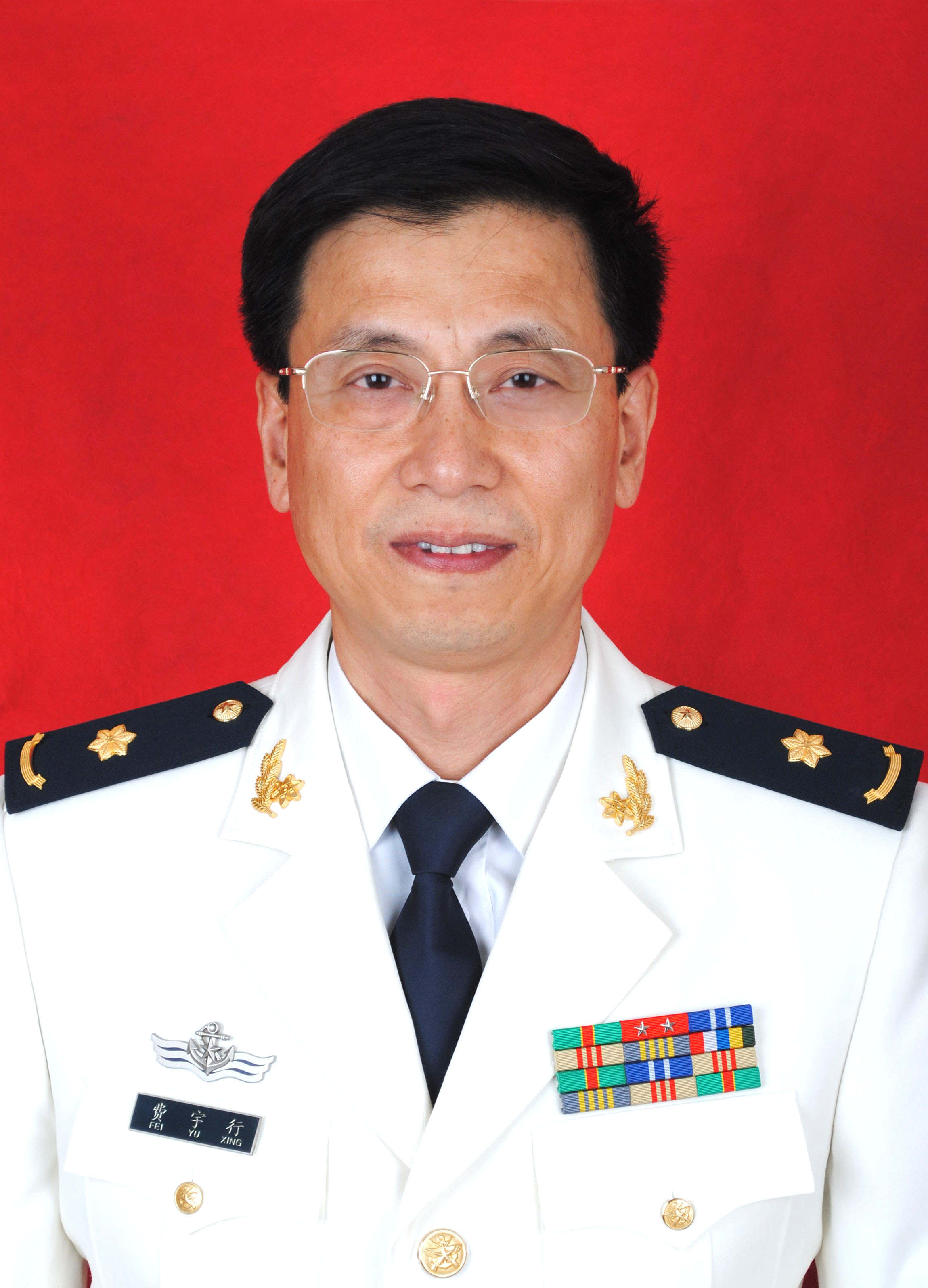 Yuxing Fei (费宇行)合作论文数海军总医院心脏中心9YingMing Liu (刘英明)合作论文数8Zhichao Wang (王志超)合作论文数8Yu Chen合作论文数8HaiTao Tian (田海涛)合作论文数The Sixth Medical Center of PLA General Hospital6Yu CHEN (陈宇)合作论文数4ZhiGuo Wang (王志国)合作论文数4Li Zhao (赵力)合作论文数4Jing Li (李晶)合作论文数4Rong Zhang (张蓉)合作论文数4
 Zhiming Zhu (朱智明)合作论文数中国人民解放军海军总医院心脏中心4Wang Zhi-Chao合作论文数4Na XING (邢娜)合作论文数3Ning Xue合作论文数3Changcun Pan合作论文数3Zhi-Min Ma合作论文数3Zheng-Ming Xu合作论文数3BoYang Zhang (张博阳)合作论文数3HaiTao Chi (迟海涛)合作论文数3
 Baiquan Su (苏柏泉)合作论文数School of Intelligent Engineering and Automation, Beijing University of Posts and Telecommunications3
 Yongquan Wu (吴永全)合作论文数Beijing Friendship Hospital, Capital Medical University3Dongtao Li合作论文数3Guo Cheng-jun合作论文数3
 Yida Tang (唐熠达)合作论文数Peking University Third Hospital3Zhaojun Wang (王兆君)合作论文数3
 Chuzhong Tang (汤楚中)合作论文数Affiliated Hospital of Chengde Medical University3Yuhao Li合作论文数2mengjiao lv (吕梦娇)合作论文数2Jingyi Hu合作论文数2Xu Pan合作论文数2Yue Wu合作论文数2Yi Gong合作论文数2Xiaolong LI (李小龙)合作论文数2ZhaoJun Wang (王兆君)合作论文数2Han Li (李寒)合作论文数2
 Shaolong Kuang (匡绍龙)合作论文数School of Health and Environment, Shenzhen Technology University2Xiaopei Chen (陈笑培)合作论文数2




