花青素又称花色素,结构不稳定,在自然界中通常以花色苷的形式存在,作为天然抗氧化剂在自然界中广泛存在,营养价值高,资源丰富,具有抗氧化、抗肿瘤、改善视力、保护心血管、调节血糖、抗菌、抗炎、调节免疫等多种生物活性.总结了花青素类成分的药理作用,为花青素的深入研究提供参考.
恶心、呕吐是消化系统十分常见的两种临床症状,看似简单,但仔细分析起来,却颇有学问.本文就不同程度的腹胀、恶心,甚至反复呕吐等症状,向大家作详细解读.
那么什么是重金属中毒呢? 重金属一般来讲是密度较大的金属,包括铅、汞、铊、钒、锑、金、银、铜等.部分重金属物质如锰、铜、锌等重金属是生命活动所需要的微量元素,但是大部分重金属如汞、铅、镉等并非生命活动所必须.重金属在人体内能和蛋白质及酶等发生作用,造成蛋白质或酶失去生理活性,当达到影响人体器官功能时,就称之为重金属中毒.
Therapeutic hypothermia initiated during cardiopulmonary resuscitation (CPR) in pre-clinical studies appears to be highly protective against sudden cardiac arrest injury. Given the challenges to implementing CPR cooling clinically, insights into its critical mechanisms of protection could guide development of new CPR drugs that mimic hypothermia effects without the need for physical cooling. Here, we used Akt1-deficient mice that lose CPR hypothermia protection to identify hypothermia targets. Adult female C57BL/6 mice (Akt1+/+ and Akt1+/-) underwent 8 min of KCl-induced asystolic arrest and were randomized to receive hypothermia (30 ± 0.5°C) or normothermia. Hypothermia was initiated during CPR and extended for 1 h after resuscitation. Neurologically scored survival was measured at 72 h. Other outcomes included mean arterial pressure and target measures in heart and brain related to contractile function, glucose utilization and inflammation. Compared to northothermia, hypothermia improved both 2h mean arterial pressure and 72h neurologically intact survival in Akt1+/+ mice but not in Akt1+/- mice. In Akt1+/+ mice, hypothermia increased Akt and GSK3β phosphorylation, pyruvate dehydrogenase activation, and NAD+ and ATP production while decreasing IκBα degradation and NF-κB activity in both heart and brain at 30 min after CPR. It also increased phospholamban phosphorylation in heart tissue. Further, hypothermia reduced metabolic and inflammatory blood markers lactate and Pre-B cell Colony Enhancing Factor. Despite hypothermia treatment, all these effects were reversed in Akt1+/- mice. Taken together, drugs that target Akt1 and its effectors may have the potential to mimic hypothermia-like protection to improve sudden cardiac arrest survival when administered during CPR.
e14100 Background: Biliary tract cancer (BTC) is highly aggressive with poor prognosis and few treatment options following progression on gemcitabine-based chemotherapy. Disappointing results from clinical trials for refractory BTC highlight the need for more effective therapies. Immune checkpoint inhibitor (ICI) has been hailed as a major breakthrough for cancer treatment. However, evidence for the efficacy of immunotherapy in biliary tract cancer (BTC) is limited and unsatisfactory. KEYNOTE-158 trial has merely shown a 5.8% of overall response rate with pembrolizumab monotherapy in advanced BTCs. Thus, combining other therapies with ICIs is becoming the researching focus. Herein, we constructed a cohort to evaluate the efficacy and safety of ICIs combined with chemotherapy in advanced BTCs. Methods: Chinese BTC patients receiving PD-1 inhibitors with chemotherapy, PD-1 inhibitors monotherapy or chemotherapy alone were retrospectively analyzed. The primary outcome was overall survival (OS). The key secondary outcome were progression-free survival (PFS) and safety. Patients previously treated with any agent targeting T-cell co-stimulation or immune checkpoints were excluded. Results: The study included 77 patients (PD-1 inhibitors plus chemotherapy, n = 38; PD-1 inhibitors monotherapy, n = 20; chemotherapy, n = 19). Median OS was 14.9 months with PD-1 inhibitors plus chemotherapy, 4.1 months with PD-1 inhibitors and 6.0 months with chemotherapy, with significantly longer for anti-PD-1 combination therapy than monotherapy (HR 0.37, 95% CI 0.17-0.80, P= 0.001) or chemotherapy (HR 0.63, 95% CI 0.42-0.94, P= 0.011). Median PFS was 5.1 months with PD-1 inhibitors plus chemotherapy, 2.2 months with PD-1 inhibitors and 2.4 months with chemotherapy, with significant difference for anti-PD-1 combination therapy versus anti-PD-1 monotherapy (HR 0.59, 95% CI 0.31-1.10, P= 0.014) or chemotherapy (HR 0.61, 95% CI 0.45-0.83, P= 0.003). Grade 3 or 4 treatment-related adverse events were similar between anti-PD-1 combination group and chemotherapy group (34.2% and 36.8%). Conclusions: PD-1 inhibitors plus chemotherapy is effective and tolerable for advanced BTC.
e14103 Background: Pancreatic cancer (PC) is a highly lethal disease and characterized by a strong resistance to current radiotherapy and chemotherapy. As PC has the presence of a microenvironment filled with immunosuppressive mediators and a dense stroma which involved in immune system control, the immune system has been hypothesized to play an important role in PC. However, there was no response in patients who received immune checkpoint inhibitors (ICIs) monotherapy. Though small sample studies revealed that ICIs combined with chemotherapy is effective, a head-to-head comparison of ICIs plus chemotherapy and chemotherapy is limited. Methods: Advanced PC patients treated with chemotherapy alone or plus ICIs were retrospectively screened for eligibility. Patients previously treated with any agent targeting T-cell co-stimulation or checkpoint pathways was excluded. The primary outcome was overall survival (OS). Secondary outcomes were progression-free survival (PFS), overall response rate (ORR) and safety. Results: In total, 58 patients were included (combination, n = 22; chemotherapy, n = 36). Combination group presented significantly longer OS than chemotherapy group (median, 18.1 vs 6.1 months, HR 0.46 [0.23-0.90], P = 0.021). Median PFS was 3.2 months in the combination group and 2.0 months in the chemotherapy group (HR 0.57 [0.32-0.99], P = 0.041). The ORR was similar between the combination group and the chemotherapy group with no significant difference (18.2% vs 19.4%, P = 0.906). And all the patients, who reached partial response, accepted a two-chemotherapic-drugs regimen regardless of combinating with ICIs. Adverse events of grade 3 or higher occurred in 31.8% of the patients in the combination group and in 16.9% of those in the chemotherapy group. Though the incidence rate of serious treatment-related adverse events (TRAEs) was higher in the combination group than the chemotherapy group, no statistical significance existed (P = 0.183). Conclusions: Combination of ICIs plus chemotherapy is effective and tolerable for advanced PC. Accepting ICIs combined with a two-drug chemotherapy regimen might be the better choice.
Background Evidence for the efficacy of immunotherapy in biliary tract cancer (BTC) is limited and unsatisfactory. Methods Chinese BTC patients receiving a PD-1 inhibitor with chemotherapy, PD-1 inhibitor monotherapy or chemotherapy alone were retrospectively analyzed. The primary outcome was overall survival (OS). The key secondary outcomes were progression-free survival (PFS) and safety. Patients previously treated with any agent targeting T cell costimulation or immune checkpoints were excluded. Results The study included 77 patients (a PD-1 inhibitor plus chemotherapy, n = 38; PD-1 inhibitor monotherapy, n = 20; chemotherapy alone, n = 19). The median OS was 14.9 months with a PD-1 inhibitor plus chemotherapy, significantly longer than the 4.1 months with PD-1 inhibitor monotherapy (HR 0.37, 95% CI 0.17–0.80, P = 0.001) and the 6.0 months with chemotherapy alone (HR 0.63, 95% CI 0.42–0.94, P = 0.011). The median PFS was 5.1 months with a PD-1 inhibitor plus chemotherapy, significantly longer than the 2.2 months with PD-1 inhibitor monotherapy (HR 0.59, 95% CI 0.31–1.10, P = 0.014) and the 2.4 months with chemotherapy alone (HR 0.61, 95% CI 0.45–0.83, P = 0.003). Grade 3 or 4 treatment-related adverse events were similar between the anti-PD-1 combination group and the chemotherapy alone group (34.2% and 36.8%, respectively). Conclusions Anti-PD-1 therapy plus chemotherapy is an effective and tolerable approach for advanced BTC.
目的 探讨我院肺癌患者临床病理特征并分析其病死率.方法 回顾分析我院2014年1月-2018年11月收治的6 006例肺癌患者的临床资料,分析其临床病理特征及对病死率的影响.结果 6 006例肺癌患者中,男性居多,占64.87%;大于60岁人群占66.43%;腺癌占比56.43%,其次为鳞癌(16.86%)和小细胞肺癌(13.39%).2014-2018年医院肺癌收治人数呈现增加趋势,但院内肺癌死亡率呈现下降趋势(Plinear by linear association<0.001).腺癌院内死亡率高于小细胞肺癌和鳞癌,差异无统计学意义,但均显著低于其他未明确类型的肺癌(P<0.05).结论 近5年我院肺癌住院患者人数逐年增加,但院内死亡率逐渐下降.肺癌患者中,老年、男性相对较多.
Abstract Immune checkpoint blockade‐related pneumonitis is a rare but potentially life‐threatening adverse effect, but its risk factors are not completely understood. This case‐control study was conducted to identify pneumonitis risk factors in patients treated with anti‐PD1 monoclonal antibodies (mAbs), including all the patients who developed pneumonitis after anti‐PD‐1 mAbs treatment in the Cancer Center of the Chinese People's Liberation Army from September 2015 to September 2017. Two controls per case were matched according to a propensity‐score matching algorithm to account for confounding effects caused by individual baseline variables. Demographic and clinical information was obtained from medical records. In total, 55 cases and 110 controls were included in the study. No association was observed between smoking status or primary lung cancer and risk of pneumonitis. Significant risk factors for pneumonitis related to anti‐PD‐1 mAbs were prior thoracic radiotherapy, prior lung disease and combination therapy with odds ratios of 3.34 (1.51‐7.39), 2.86 (1.45‐5.64) and 2.73 (1.40‐5.31), respectively. The associations remained significant in the multivariable logistic regression model. The risk of pneumonitis induced by anti‐PD‐1 mAbs is associated with prior thoracic radiotherapy, prior lung disease, and combination therapy. Clinicians should monitor these features in patients receiving anti‐PD‐1 therapy to optimize clinical safety and efficacy.
e15132 Background: Despite its great efficacy in patients with solid tumors, immune checkpoint blockade (ICB) might also lead to a series of inflammatory effects known as immune-related adverse events (irAEs) as results of imbalance of immune system homeostasis. Of these, ICB-related pneumonitis may be infrequent but potentially life-threatening. Previous studies have clarified the clinical features, diagnosis and management of ICBs related-pneumonitis thoroughly, nevertheless, the risk factors of ICBs-related pneumonitis are poorly studied directly. Methods: This case-control study was proposed to describe the clinical features and identify the risk factors for ICB-related pneumonitis in patients undergoing anti-PD1 therapy. All patients who developed pneumonitis during the treatment in the Cancer Center of the Chinese People’s Liberation Army from September 2015 to September 2017 were included. Two controls per case were matched in accordance with a propensity-score matching algorithm that accounted for confounding effects of individual baseline variables. Demographic and clinical features were extracted from their medical records. Results: In total, 55 cases and 110 controls were included in this study. The onset time of pneumonitis ranged from 2 to 277 days (median: 85 days). Of these, 85.7% of patients were resolved/improved via steroid therapy (12 of 14). No association was observed between risk of pneumonitis and smoking status or primary lung cancer. Significant risk factors for the pneumonitis induced by anti-PD-1 therapy contained: prior thoracic radiotherapy, underlying lung condition and combination therapy with odds ratios of 3.34 (1.51-7.39), 2.86 (1.45-5.64) and 2.73 (1.40-5.31) respectively. In multivariate logistic regression analysis, prior thoracic radiotherapy, combination therapy and underlying lung condition were significantly related to the risk of pneumonitis. Conclusions: Risk of anti-PD-1-related pneumonitis is associated with prior thoracic radiotherapy, underlying lung condition and combination therapy. Clinicians should beware of these characteristics in patients receiving anti-PD-1 immunotherapy to optimize clinical safety and efficacy.
Objective To investigate clinically atypical manifestations of adult-onset Still's disease (AOSD) to decrease misdiagnosis and mistreatment.Methods Clinical data of 3 patients with AOSD associated by abnormal liver function was retrospectively analyzed, and related literature was reviewed.Results All the 3 patients visited doctors for fever of undetermined origin and abnormal liver function, and were misdiagnosed as having drug-induced liver injury and (or) acute hepatitis and (or) liver abscess, but the patients' conditions did not improve after using lots of antibiotics and hepatic protectant medicines.After being transferred to our hospital, AOSD was confirmed according to clinical symptoms and medical examination results.Patients' conditions turned better after glucocorticoid treatment.All patients had no fever again with normal liver function during follow-up.Conclusion The abnormal liver function can be one of the features of part of the ASOD patients.Clinicians should consider possibility of AOSD for patients with the clinical manifestations of fever, joint pain, rash, sore throat, liver spleen lymphadenovarix, increased blood leukocytes, neutrophil granulocytes and ferroprotein and abnormal liver function have no effect after lots of antibiotics treatment, and the possibilities of infection, tumour or rheumatic immunologic diseases are excluded.
Objective To study the defects and loopholes of emergency medical records which under observation,and formulate scientific management countermeasures,in order to improve quality and management level of medical records,as well as to strengthen the medical sffety.Methods Check randomly 300 medical records of one hospital from January 2014 to January 2016,and find out the defects,analyze the causes,find the problems and put forward the countermeasures.Results The emergency medical records' quality defects that under observation mainly contain 14 kinds,including the the writing of history inaccurate account for 39.3%,the writing of chief complaint irregular account for 25%,the physical examination incomplete account for 24.3%,and the key point unclear account for 23%,etc.Conclusions It very urgent to improve the quality of emergency underobservation in medical record,and to develop a comprehensive control measures for the cause of defects,in order to improve the emergency under observation in medical record quality,and prevent the medical disputes.
Objective To study the seasonality and route of admission for inpatients with socialized medicine coverage in Chinese PLA General Hospital,and improve the hospital performance.Methods Altogether 12 236 inpatients with socialized medicine coverage from 2013 to 2015 were included in this study,and their medical data were analyzed retrospectively.Results The inpatient volumes of different departments varied obviously.Respiratory,cardiology,orthopedics,oncology,obstetrics,gastroenterology departments ranked the top 6 in patient volume ranking,and respiratory department and cardiology department accounted for 30% of the total volume of the hospital.The inpatient volumes in summer season or winter season were higher than those in the other two seasons,and seasonality of inpatient admissions also varied among different departments.For respiratory,cardiology,and gastroenterology departments,admission volumes peaked in spring and winter seasons,whereas they peaked in summer and autumn seasons in orthopedics,oncology and obstetrics departments.Outpatient route accounted for 63.55% of the total volume of in patients with socialized medicine coverage.However,for obstetrics,cardiology,neurology and gastroenterology departments,emergency admission was the main route.Conclusion Understanding the seasonality,department variation and routes of hospital admission for inpatients with socialized medicine coverage can help us improve the health care planning.
Introduction: Induction of intra-arrest cooling (IC) improves cardiac, neurological and survival outcomes in preclinical models of cardiac arrest. Previous studies demonstrate that IC protection is mediated by Akt1 activation through initiating survival signaling. Hypothesis: We hypothesize that IC-induced Akt1 activation modulates protective calcium cycling proteins, metabolic, and inflammatory pathways. Methods: Adult female Akt1 +/- underwent 8 min of KCl-induced asystolic arrest and were randomized to receive IC (30 ± 0.5°C) or normothermia (NT) before CPR (n = 10 per group). 72 h survival and mean blood pressure (MAP) were measured. Indicators of glucose utilization, inflammatory responses and contractile function in heart and brain of Akt1 +/+ and Akt1 +/- mice were assessed (n=5 per group). Results: No difference on survival was seen for IC and NT treated Akt1 +/- mice. IC induced transient improvement in MAP at 30 min following resuscitation (53.6 ± 2.2 vs 71.2 ± 2.6 mmHg p<0.05) and increased phospholamban phosphorylation in the heart of Akt1 +/+ mice which were not seen in Akt1 +/- mice. Compared to IC-treated Akt1 +/+ , pyruvate dehydrogenase phosphorylation and sorbitol accumulation were significantly increased, and NAD and ATP contents were markedly reduced in the hearts and brains of Akt1 +/- mice. IC significantly inhibited IκBα degradation and NF-κB nuclear translocation, and reduced concentrations of blood lactate and Pre-B cell Colony Enhancing Factor in Akt1 +/+ mice, but not Akt1 +/- mice. Conclusion: Akt1 is a critical mediator for TH protection during early post resuscitation in heart and brain through regulating calcium regulatory proteins, enhancing glucose utilization and downregulating inflammatory responses.
Checkpoint kinase 2 (CHK2) and cell division cycle 25C (CDC25C) are two proteins involved in the DNA damage response pathway, playing essential roles in maintaining genome integrity. As one of the major hallmarks of abnormal cellular division, genomic instability occurs in most cancers. In this study, we identified the functional expression of pCHK2-Thr68 and pCDC25C-Ser216 in breast cancer, as well as its association with breast cancer survival. Tissue microarray analysis using immunohistochemistry was constructed to identify the expression of pCHK2-Thr68 and pCDC25C-Ser216 in 292 female breast cancer patients. The relationship among protein expression, clinicopathological factors (e.g., human epidermal growth factor receptor 2 (HER 2), tumor size, tumor-node-metastasis (TNM) classification), and overall survival of the breast cancer tissues were analyzed using Pearson’s χ-square (χ2) test, Fisher’s exact test, multivariate logistic regression and Kaplan–Meier survival analysis. Significantly higher expressions of pCHK2-Thr68 and pCDC25C-Ser216 were observed in the nucleus of the breast cancer cells compared to the paracancerous tissue (pCHK2-Thr68, 20.38% vs. 0%; pCDC25C-Ser216, 82.26% vs. 24.24%). The expression of pCHK2-Thr68 and pCDC25C-Ser216 in breast cancer showed a positive linear correlation (p = 0.026). High expression of pCHK2-Thr68 was associated with decreased patient survival (p = 0.001), but was not an independent prognostic factor. Our results suggest that pCHK2-Thr68 and pCDC25C-Ser216 play important roles in breast cancer and may be potential treatment targets.
Scenarios Simulation-based Teaching (SST) is a new teaching method by creating similar clinical scenarios including diagnosis and treatment which can help students to experience the real clinical situation and grasp the whole clinical process. SST also helps students to understand the clinical course and improve their practice abilities in treating patients. SST has been used in emergency room clinical teaching and has been proved helpful. With elaborate SST trainings, students are more interested in the lessons which wil enhance their understanding and memory of the clinical work. Studies showed that SST in emergency clinical teaching has good results in long-term ef ect for students, and leading them to work more ef iciencies as a team. Some hospitals can try SST in their clinical teachings.
Sudden cardiac arrest (SCA) is a leading cause of death in the United States. Despite return of spontaneous circulation, patients die due to post-SCA syndrome that includes myocardial dysfunction, brain injury, impaired metabolism, and inflammation. No medications improve SCA survival. Our prior work suggests that optimal Akt activation is critical for cooling protection and SCA recovery. Here, we investigate a small inhibitor of PTEN, an Akt-related phosphatase present in heart and brain, as a potential therapy in improving cardiac and neurological recovery after SCA. Anesthetized adult female wild-type C57BL/6 mice were randomized to pretreatment of VO-OHpic (VO) 30 min before SCA or vehicle control. Mice underwent 8 min of KCl-induced asystolic arrest followed by CPR. Resuscitated animals were hemodynamically monitored for 2 h and observed for 72 h. Outcomes included heart pressure-volume loops, energetics (phosphocreatine and ATP from 31P NMR), protein phosphorylation of Akt, GSK3β, pyruvate dehydrogenase (PDH) and phospholamban, circulating inflammatory cytokines, plasma lactate, and glucose as measures of systemic metabolic recovery. VO reduced deterioration of left ventricular maximum pressure, maximum rate of change in the left ventricular pressure, and Petco2 and improved 72 h neurological intact survival (50% vs. 10%; P < 0.05). It reduced plasma lactate, glucose, IL-1β, and Pre-B cell colony enhancing factor, while increasing IL-10. VO increased phosphorylation of Akt and GSK3β in both heart and brain, and cardiac phospholamban phosphorylation while reducing p-PDH. Moreover, VO improved cardiac bioenergetic recovery. We concluded that pharmacologic PTEN inhibition enhances Akt activation, improving metabolic, cardiovascular, and neurologic recovery with increased survival after SCA. PTEN inhibitors may be a novel pharmacologic strategy for treating SCA.
目的:探讨超声在纵隔脓肿中的诊断价值.方法:回顾性分析1995-01-2013-09期间21例纵隔脓肿患者的超声图像,并与CT扫描及临床随访结果进行比较.结果:2位超声图像的解读者之间的一致性非常好(κ=0.91),超声诊断纵隔脓肿的显示率与CT结果无差异.90.5%(19/21)患者的纵隔脓肿主要表现为:①纵隔病变处胸壁肌层增厚,回声不均匀,肌纹理结构模糊;②由壁层胸膜、生理性胸膜腔液体和脏层胸膜线状结构模糊,代之以增厚不均的软组织回声;③增厚的软组织层内可见散在无回声区或呈“蜂窝状”;④纵隔内大血管旁可见脓肿呈类圆形无回声,内透声性欠佳,可见密集点状和絮状回声;⑤纵隔软组织血流信号增多;⑥常伴有不同程度胸腔积液和/或心包积液.结论:纵隔脓肿是临床急症,超声是其首选的影像学诊断技术之一,可在患者床旁及时诊断前中纵隔脓肿,为临床治疗提供有价值的信息.
In the present study, the effect of initial body temperature changes on myocardial enzyme levels and cardiac function in acute myocardial infarction (AMI) patients was investigated. A total of 315 AMI patients were enrolled and the mean temperature was calculated based on their body temperature within 24 h of admission to hospital. The patients were divided into four groups according to their normal body temperature: Group A, <36.5°C; group B, ≥36.5°C and <37.0°C; group C, ≥37.0°C and <37.5°C and group D, ≥37.5°C. The levels of percutaneous coronary intervention, myocardial enzymes and troponin T (TNT), as well as cardiac ultrasound images, were analyzed. Statistically significant differences in the quantity of creatine kinase at 12 and 24 h following admission were identified between group A and groups C and D (P<0.01). A significant difference in TNT at 12 h following admission was observed between groups A and D (P<0.05), however, this difference was not observed with groups B and C. The difference in TNT between the groups at 24 h following admission was not statistically significant (P>0.05). Significant differences in lactate dehydrogenase at 12 and 24 h following admission were observed between groups A and D (P<0.05), however, differences were not observed with groups B and C (P>0.05). Significant differences in glutamic-oxaloacetic transaminase at 12 and 24 h following admission were observed between groups A and D (P<0.05), however, differences were not observed in groups B and C (P>0.05). However, no significant differences were identified in cardiac function index between all the groups. Therefore, the results of the present study indicated that AMI patients with low initial body temperatures exhibited decreased levels of myocardial enzymes and TNT. Thus, the observation of an initially low body temperature may be used as a protective factor for AMI and may improve the existing clinical program.
Introduction: Pre-B-cell colony-enhancing factor or nicotinamide phosphoribosyltransferase (PBEF/Nampt) is critical for NAD + biosynthesis and metabolism. Given the important role of early metabolic recovery to sudden cardiac arrest (SCA) survival, we hypothesized that PBEF/Nampt deficient mice would demonstrate worse SCA outcomes after cardiopulmonary resuscitation (CPR). Methods: C57BL6 wild type and PBEF/Nampt +/- mice underwent 8 min of KCl-induced SCA and were monitored for 4 h survival after CPR. Heart, brain and blood PBEF/Nampt concentrations were measured by Western blot and ELISA. Tissue NAD + concentrations and blood markers of metabolic recovery including plasma lactate, glucose and insulin were measured. Results: At baseline, heart and brain tissue levels of PBEF/Nampt were significantly decreased by 50% in PBEF/Nampt +/- mice with no change of NAD + concentrations. By 4 h after CPR PBEF/Nampt +/- mice had worse survival, with 83% dead of cardiovascular collapse (n=18) compared to 45% of WT mice (n=11) ( p < 0.05). At 4 h after CPR, heart NAD + concentration were significantly decreased by more than 50% in PBEF/Nampt +/- mice versus WT mice (p < 0.05). Blood PBEF/Nampt was significantly increased in both WT and PBEF/Nampt +/- mice compared to sham controls, with PBEF/Nampt +/- mice demonstrating lower blood PBEF/Nampt concentrations and higher plasma glucose, insulin and lactate concentrations. Conclusion: PBEF/Nampt tissue deficiency decreases successful cardiovascular resuscitation within 4 h after SCA and CPR. Early survival after SCA is related to tissue NAD + concentrations in the heart and blood PBEF/Nampt concentrations by 4 h after CPR. The role of tissue PBEF/Nampt as a possible therapeutic target after SCA warrants further study.
 QingYi Meng (孟庆义)合作论文数Chinese PLA General Hospital70
 Yong Ma (马勇)合作论文数13SuQin Ren (任素琴)合作论文数12XiaoQiu Yang (杨晓秋)合作论文数12Xianyong Huang (黄先勇)合作论文数Chinese PLA General Hospital11ZhiZhong Wang (王志忠)合作论文数9
 Tanshi Li (黎檀实)合作论文数Chinese PLA General Hospital;School of Medicine, Nankai University9Hong Shen (沈洪)合作论文数7Ma Jinling合作论文数6
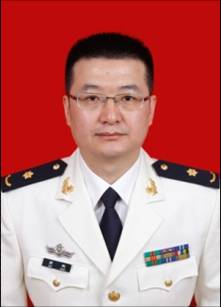 Gang Liu (刘刚)合作论文数Chinese PLA General Hospital6Shangli Cai合作论文数5
 Sun Danyang合作论文数5Xuan Zheng合作论文数5Pengfei Cui合作论文数5Chun Han合作论文数5Da Ji (计达)合作论文数5YingJuan Nie (聂英娟)合作论文数5Yi Hu (胡毅)合作论文数School of Medicine, Nankai University;Chinese PLA General Hospital5Junxun Ma合作论文数5
 Jie Liu (刘杰)合作论文数Chinese PLA General Hospital5Chaoying PENG (彭超英)合作论文数4AiLi Hou (侯爱利)合作论文数4QiLin Yu (于启林)合作论文数4YunZhong Wang (王云中)合作论文数4JianJun Wu (武建军)合作论文数4
 Wang Huashan合作论文数4
 Xiangdong Zhu (朱向东)合作论文数College of Biomedical Engineering, Sichuan University4Terry L. Vanden Hoek合作论文数4Chunpei Lee合作论文数3Wushuang Du合作论文数3Zhichao Yue合作论文数3Ryan Bunney合作论文数3
 Zhaozhen Wu合作论文数3Guangying Chen合作论文数3Shixue Chen合作论文数3
 Lin Xue (薛林)合作论文数Division of Life Sciences and Medicine, University of Science and Technology of China3Jia Song合作论文数3
 Jinliang Wang (汪进良)合作论文数Chinese People's Liberation Army General Hospital3Li Jing合作论文数3
 Zhongbin Chen (陈忠斌)合作论文数3
 Hua Jiang (江华)合作论文数College of Chemistry, Beijing Normal University3
 Sibing Zhang (张思兵)合作论文数武汉火神山医院3Syjou Chen合作论文数3David G. Beiser合作论文数Emergency Resuscitation Center and Section of Emergency Medicine, University of Chicago Hospitals3
 Yaping Long合作论文数2Fan Zhang合作论文数2Juan Zhang合作论文数2Ye Li合作论文数2Guoqiang Wang (王国强)合作论文数Burning Rock Biotech2




