Immunity-and-matrix-regulatory cells (IMRCs) derived from human embryonic stem cells have unique abilities in modulating immunity and regulating the extracellular matrix, which could be mass-produced with stable biological properties. Despite resemblance to mesenchymal stem cells (MSCs) in terms of self-renew and tri-lineage differentiation, the ability of IMRCs to repair the meniscus and the underlying mechanism remains undetermined. Here, we showed that IMRCs demonstrated stronger immunomodulatory and pro-regenerative potential than umbilical cord MSCs when stimulated by synovial fluid from patients with meniscus injury. Following injection into the knees of rabbits with meniscal injury, IMRCs enhanced endogenous fibrocartilage regeneration. In the dose-escalating phase I clinical trial (NCT03839238) with eighteen patients recruited, we found that intra-articular IMRCs injection in patients was safe over 12 months post-grafting. Furthermore, the effective results of magnetic resonance imaging (MRI) of meniscus repair and knee functional scores suggested that 5 × 10⁷ cells are optimal for meniscus injury treatment. In summary, we present the first report of a phase I clinical trial using IMRCs to treat meniscus injury. Our results demonstrated that intra-articular injection of IMRCs is a safe and effective therapy by providing a permissive niche for cartilage regeneration.
Background:The ultra-short wave diathermy (USWD) is widely used to ameliorate inflammation of bacterial pneumonia, however, for COVID-19 pneumonia, USWD still needs to be verified. This study aimed to investigate the efficacy and safety of USWD in COVID-19 pneumonia patients.Methods:This was a single-center, evaluator-blinded, randomized controlled trial. Moderate and severe COVID-19 patients were recruited between 18 February and 20 April 2020. Participants were randomly allocated to receive USWD + standard medical treatment (USWD group) or standard medical treatment alone (control group). The negative conversion rate of SARS-CoV-2 and Systemic Inflammatory Response Scale (SIRS) on days 7, 14, 21, and 28 were assessed as primary outcomes. Secondary outcomes included time to clinical recovery, the 7-point ordinal scale, and adverse events.Results:Fifty patients were randomized (USWD, 25; control, 25), which included 22 males (44.0%) and 28 females (56.0%) with a mean (SD) age of 53 ± 10.69. The rates of SARS-CoV-2 negative conversion on day 7 (p = 0.066), day 14 (p = 0.239), day 21 (p = 0.269), and day 28 (p = 0.490) were insignificant. However, systemic inflammation by SIRS was ameliorated with significance on day 7 (p = 0.030), day 14 (p = 0.002), day 21 (p = 0.003), and day 28 (p = 0.011). Time to clinical recovery (USWD 36.84 ± 9.93 vs. control 43.56 ± 12.15, p = 0.037) was significantly shortened with a between-group difference of 6.72 ± 3.14 days. 7-point ordinal scale on days 21 and 28 showed significance (p = 0.002, 0.003), whereas the difference on days 7 and 14 was insignificant (p = 0.524, 0.108). In addition, artificial intelligence-assisted CT analysis showed a greater decrease in the infection volume in the USWD group, without significant between-group differences. No treatment-associated adverse events or worsening of pulmonary fibrosis were observed in either group.Conclusion:Among patients with moderate and severe COVID-19 pneumonia, USWD added to standard medical treatment could ameliorate systemic inflammation and shorten the duration of hospitalization without causing any adverse effects.Clinical Trial Registration: chictr.org.cn, identifier ChiCTR2000029972.
目的:探讨基于团队学习(TBL)结合标准化病人(SP)的教学方法在康复医学科临床见习带教中的应用价值及意义。方法:本研究历时2个学年完成,选取华中科技大学同济医学院2014级临床医学8年制学生作为对照组(58名),2015级临床医学8年制学生作为实验组(55名)。对照组采用传统教学模式,实验组实行TBL联合SP的教学模式,总学时均为4个学时。教师采用问卷星软件对两组学生进行随堂测试及教学满意度问卷调查,见习结束后1周进行期末理论考试,记录学生的成绩,比较TBL联合SP教学与传统教学模式的差异。结果:与对照组比较,实验组随堂测试成绩[(88.23±4.56)分]分数较高( P<0.05)。在教学满意度问卷调查方面,实验组对带教老师的评价、团队协作意识、学习主动性、对重点知识的理解、交流表达能力较对照组好( P<0.05),期末理论考试成绩也较为优异( P<0.05)。 结论:TBL联合SP可以有效提升康复医学科临床见习带教的教学效果,激发学生学习兴趣、增进团队意识、提高知识理解能力和交流表达能力,是康复医学教学的有效方法。
随着人们平均寿命的提高,骨关节炎(Osteoar-thritis,OA)作为一种慢性退行性疾病在人群中的发病率越来越高,已成为全球第四大致残原因[1],OA甚至会引起脑卒中的发病率升高[2].目前的治疗以对症处理为主,除了非甾体抗炎镇痛药和手术外,尚缺乏十分有效的干预手段[3].尤其是膝关节骨关节炎(Knee osteoarthritis,KOA),病情常反复发作,严重时可导致关节畸形和肢体活动障碍[4],对生活质量造成极大影响[5,6].康复治疗作为KOA治疗的重要一环越来越受到关注,近几年取得了很大的发展.本文主要介绍KOA的康复评定、物理治疗、关节腔内注射、矫形器、针灸、干细胞疗法等方面的最新研究进展.
Spinal interneurons (INs) form intricate local networks in the spinal cord and regulate not only the ascending and descending nerve transduction but also the central pattern generator function. They are therefore potential therapeutic targets in spinal cord injury and diseases. In this study, we devised a reproducible protocol to differentiate human pluripotent stem cells (hPSCs) from enriched spinal dI4 inhibitory GABAergic INs. The protocol is designed based on developmental principles and optimized by using small molecules to maximize its reproducibility. The protocol comprises induction of neuroepithelia, patterning of neuroepithelia to dorsal spinal progenitors, expansion of the progenitors in suspension, and finally differentiation into mature neurons. In particular, we employed both morphogen activators and inhibitors to restrict or "squeeze " the progenitor fate during the stage of neural patterning. We use retinoic acid (RA) which ventralizes cells up to the mid-dorsal region, with cyclopamine (CYC), an SHH inhibitor, to antagonize the ventralization effect of RA, yielding highly enriched dI4 progenitors (90% Ptf1a(+), 90.7% Ascl1(+)). The ability to generate enriched spinal dI4 GABAergicINs will likely facilitate the study of human spinal IN development and regenerative therapies for traumatic injuries and diseases of the spinal cord.
Moyamoya disease (MMD) is an idiopathic and chronic steno-occlusive cerebrovascular disease. Genetic studies identified RNF213 as a principal susceptibility gene of MMD. In this study, peripheral blood mononuclear cells (PBMCs) were obtained from an MMD patient with RNF213 p. R4810K mutations, and the PBMCs were then reprogrammed to induced pluripotent stem cells (iPSCs) by the transfection of non-integrated episomal vectors. The iPSC line shows pluripotency markers and has the potential for in vitro differentiation into three germ layers, and will be valuable for elucidating the underlying cellular mechanisms of MMD, selecting therapeutic targets, and developing drugs.
Background COVID-19 patients have severe lung injury. The USWD could play a supportive role in relieving lung injury and enhance clinical recovery. Methods and findings The design was a single-center, evaluator blinded; 2-arm parallel design superiority randomized controlled clinical trial. Moderate and severe coronavirus-2 (SARS-CoV-2) positive patients with acute respiratory syndrome, Fifty patients were randomized (USWD, 25; control, 25) between February 18/2020 and April 20/2020. There were male 22 (44.0%) and female 28 (56.0%) with mean (SD) age 53(10.69). Time to clinical recovery (USWD 36.84 vs control 43.56, P = 0.03) was significantly shortened with a between-group difference of 6.72 days. The median SIRS score at day 28 was 0 (0-1) in the USWD group, while 0 (0-2) in the control group ( P = 0.011), and the seven-point scale at day 28 showed significant improvement in the USWD group (P = 0.003). While the rate of RNA negative conversion at day 7 (2/25 vs 7/25, p=0.054), day 14 (14/25 vs 18/25 p=0.239), day 21 (22/25 vs 18/25 p=0.279), and day 28 (25/25 vs 22/25 p=0.730) did not show statistical significance. Similarly, no significant differences were observed in the AI-assisted CT analysis. No treatment-associated adverse events or worsening of pulmonary fibrosis were found. Conclusions Among the 50 moderate and severe COVID-19 patients, the USWD as an adjunctive therapy to standard therapy could shorten the recovery course and enhance clinical improvement without aggravating pulmonary fibrosis. However, the study did not report statistical significance in the negative conversion rates of SARS-CoV-2 nucleic acid due to the small sample size and early termination, the findings of this study are limited.
干细胞是一种具有自我更新和多向分化潜能的细胞,在再生医学等多个领域有着良好的应用前景,目前国外已注册的干细胞临床研究已达5000余项.从2015年开始,国家卫健委对干细胞的临床研究和应用进行了更加科学、有效的管理,先后出台了《干细胞临床研究管理办法(试行)》[1]、《干细胞制剂质量控制及临床前研究指导原则(试行)》[2]、《干细胞临床试验研究基地管理办法(试行)》以及《关于开展干细胞临床研究机构备案工作的通知》文件,不仅对于细胞研究基地进行了规范和要求,强化了伦理委员会和学术委员会的独立审查制度,同时规定,所有临床应用的干细胞研究必须向国家卫生计生委与国家食品药品监管总局备案后方可实施.国内的干细胞临床研究在以上文件的指导下有序开展.为促进干细胞科学地临床应用,华中科技大学同济医学院附属同济医院多个领域的专家联合起来,根据干细胞的特性,为了安全、有效地推动干细胞的临床转化作以下的评价.
目的:分析自身免疫性脑炎(AE)的临床特点及影响预后的危险因素.方法:收集40例AE患者临床资料,分析该病的发病特点,并采用Logistic回归分析影响预后的危险因素.结果:本研究纳入5类AE患者,共40例(男19,女21),年龄2~68岁,高峰期16~30岁,中位确诊时间达24.5d,合并肿瘤者5例(12.5%),主要临床症状包括精神行为异常(55%)、痫性发作(65%)、头痛(35%)、认知功能下降(32.5%)、意识模糊(27.5%)等.治疗方面,14例仅使用小剂量激素,10例采用单纯激素冲击,16例采用激素冲击+丙种球蛋白/免疫抑制剂的联合方案.血清和脑脊液致病抗体滴度均与初始病情严重程度有关(P=0.014、0.043).出院时,26例(65%)患者短期预后良好.随访结束时,30例(75%)患者长期预后良好.脑脊液异常、进ICU、脑脊液抗体滴度升高是短期预后不佳的独立危险因素(P =0.024、0.037、0.047),而年龄>60岁、认知功能下降、气管插管是影响长期预后的独立危险因素(P=0.027、0.026、0.017).结论:AE以青少年为主,临床表现多样,致病抗体滴度与初始病情严重程度有关.脑脊液抗体滴度是反映短期预后的重要因素,与长期预后无关.
近年来,缺血性脑血管病的血管内治疗取得了长足的进展,其中最主要的是支架辅助的血管内机械取栓治疗,现已成为一种新的脑卒中急性期治疗方式,并获得了国内外指南的一致推荐[1,2].但所有技术的推进和发展都不是一帆风顺的,其发展过程经历了从失败到成功的曲折历程,熟悉血管内治疗的发展历程,准确掌握其当前阶段的临床适用范围,具有重要的实际意义.而血管内治疗的未来将何去何从,亦值得我们每一位认真思考.
Coronavirus is an RNA virus, which attacks the respiratory system causing complications including severe respiratory distress and pneumonia and many other symptoms. Recently, a novel coronavirus (COVID-19) outbreak emerged in Wuhan, which caused a significant number of infections in China and resulted in a global pandemic. The main aim of this study is to review and summarize the evidence regarding the supportive role of physical rehabilitation techniques in managing COVID-19-associated pneumonia. In this review, we also emphasize the use of rehabilitation techniques in the management of pneumonia in COVID-19-infected patients. Based on the evidence presented, we conclude that certain physical rehabilitation techniques and modalities could be of great support in the management of COVID-19-associated pneumonia. The safety of staff and patients when applying rehabilitation intervention requires attention. The combination of physical rehabilitation and medical treatment would result in improved treatment outcomes, faster recovery, and shorter hospital stay. Many rehabilitation techniques are safe and feasible and can be easily incorporated into the management protocol of COVID-19 victims. Decisions of early rehabilitation induction should be based on the patient’s medical condition and tolerability.
目的:探讨脑血管重建术与保守治疗相比是否能更好地预防成人烟雾病患者的再卒中及提高生存率.方法:纳入成年烟雾病患者279例,收集全部临床及回访资料,进行回顾性分析.结果:本组纳入血管重建组133例,纳入保守治疗组146例.血管重建组的平均年龄略低于保守治疗组(P<0.05).血管重建组围手术期并发症15例(11.8%).随访终点血管重建组mRS>2分、再卒中及死亡的患者数均少于保守治疗组(P<0.05).血管重建组较保守治疗组再卒中发生率低(P=0.016).血管重建组无卒中生存时间较保守治疗组长(P=0.014).对于出血型患者,血管重建组中的无卒中生存时间明显长于保守治疗组(P=0.036);对于缺血型患者,2种治疗方式的无卒中生存时间差异无统计学意义(P>0.05).结论:血管重建治疗组可改善烟雾病患者预后、降低卒中复发率,尤其在出血型患者中效果更为显著;对于缺血型患者,血管重建未观察到明显优势.
Background Human adipose-derived Mesenchymal stem cells (HADMSCs) have proven their efficacy in treating osteoarthritis (OA), in earlier preclinical and clinical studies. As the tissue repairers are under the control of mechanical and biochemical signals, improving regeneration outcomes using such signals has of late been the focus of attention. Among mechanical stimuli, low-intensity pulsed ultrasound (LIPUS) has recently shown promise both in vitro and in vivo. This study will investigate the potential of LIPUS in enhancing the regeneration process of an osteoarthritic knee joint. Methods This study involves a prospective, randomized, placebo-controlled, and single-blind trial based on the SPIRIT guidelines, and aims to recruit 96 patients initially diagnosed with knee osteoarthritis, following American College of Rheumatology criteria. Patients will be randomized in a 1:1:1 ratio to receive Intraarticular HADMSCs injection with LIPUS, Intraarticular HADMSCs injection with shame LIPUS, or Normal saline with LIPUS. The primary outcome is Western Ontario and McMaster Universities Index of OA (WOMAC) score, while the secondary outcomes will be other knee structural changes, and lower limb muscle strength such as the knee cartilage thickness measured by MRI. Blinded assessments will be performed at baseline (1 month prior to treatment), 1 month, 3 months, and 6 months following the interventions. Discussion This trial will be the first clinical study to comprehensively investigate the safety and efficacy of LIPUS on stem cell therapy in OA patients. The results may provide evidence of the effectiveness of LIPUS in improving stem cell therapy and deliver valuable information for the design of subsequent trials. Trial registration This study had been prospectively registered with the Chinese Clinical Trials Registry. registration number: ChiCTR1900025907 at September 14, 2019.
1 病例介绍 患者女性,60岁,右利手.因"突发右侧肢体无力、麻木2小时"于2017年7月8日入当地医院.患者于2017年7月8日15:00左右打完麻将回家时突发右侧肢体无力,表现为右手开门拧钥匙困难,伴有颈部、后背部及右侧肋部疼痛,合并小便失禁.送至当地医院急查头颅CT提示"脑白质病变".初步诊断"急性缺血性卒中",给予尿激酶100万IU溶栓治疗.患者症状好转不明显,同时头痛加重,次日复查头颅CT提示"侧脑室少许出血或积血,蛛网膜下腔少许出血".且患者出现发热,最高达39 ℃,为求进一步诊治,遂于2017年7月10日转诊来我院.入院时疑诊为"急性缺血性卒中伴出血转化".
Objectives To evaluate the therapeutic effects of ultra-short-wave diathermy (SWD) on COVID-19 pneumonia. The hypothesis is that SWD may minimise pneumonic inflammation and shorten the duration of the time to positive-to-negative conversion of COVID-19 nucleic acid test. Trial design This is a single centre, 2-arm (1:1 ratio), evaluator blinded, parallel group design superiority randomised, controlled clinical trial. Participants The inclusion criteria were: (1) Age 18-65 years, (2) COVID-19 nucleic acid test is positive, (3) Lung CT showed multiple patchy ground glass shadows or other typical manifestations of both lungs. The exclusion criteria were: (1) Patients who need ICU management, (2) Positive tests for other pathogens such as Tuberculosis, Mycoplasma, (3) Patients with respiratory failure or requiring mechanical ventilation, (4) Patients with metal implants or pacemakers, (5) Those with shock (6) Those that have bleeding tendency or active bleeding in the lungs, (7) Patients with multiple organ failure who need ICU monitoring and treatment, (8) Cancer patients and those with severe underlying diseases, (9) Pregnant or lactating women, (10) Patients with severe cognitive impairment who cannot follow the instructions to complete the treatment, (11) Those without signed informed consent and (12) Those with other contraindications to short wave. This study will be conducted in Tongji Hospital, Caidian, Wuhan, People’s Republic of China. Intervention and comparator The experimental group will be given the nationally recommended standard medical treatment + ultra-short-wave diathermy treatment. Ultra-short-wave therapy treatment will be performed through application of ultra-short-wave therapy machine electrodes on the anterior and posterior parts of the trunk for 10 minutes, twice a day for 12 consecutive days. The comparator will be the control, not receiving ultra-short-wave therapy, and will be given only the nationally recommended standard medical treatment. Main outcomes The primary outcome measures will be time to positive-to-negative conversion of COVID-19 nucleic acid test by pharyngeal swab, in days assessed at 7 th , 14 th ,21 st and 28 th days. The secondary outcome measures include nucleic acid test rate and recovery from symptoms, Vital signs assessment, Computed Tomography, Complete blood count, serum analysis and SIRS scale scores. Blinded evaluation will be at baseline (the day of starting ultra-short-wave diathermy) and after 28 days following the interventions. Randomisation A Randomization plan will be generated online on www.randomization.com using permuted blocks method, by a statistician who will not be part of the study. Small blocks of various sizes will be used. Patients will be randomized (1:1) between the experimental and control groups Blinding (masking) This will be an evaluator blinded study. Due to the nature of the intervention, blinding of patients and healthcare workers is not possible. Numbers to be randomised (sample size) A total of 410 patients will be randomised in 1:1 ratio to two groups: experimental group (n=205) and control group (n=205). Trial Status Protocol version 1 was approved on 02/12/2020. Recruitment for this trial began on 02/18/2020 and will be ongoing till the required sample size is reached. The analysis deadline is August 2020. Trial registration This randomised controlled trial has been prospectively registered with the Chinese Clinical Trials ( ChiCTR2000029972 ) on 17 February 2020. Full protocol The full protocol is attached as an additional file, accessible from the Trials website (Additional file 1 ). In the interest in expediting dissemination of this material, the familiar formatting has been eliminated; this Letter serves as a summary of the key elements of the full protocol.” The study protocol has been reported in accordance with the Standard Protocol Items: Recommendations for Clinical Interventional Trials (SPIRIT) guidelines (Additional file 2 ).
Objective: To compare the clinical features and prognosis of Guillain-Barré syndrome(GBS)related to in-fection and trauma,in order to reveal the characteristics of trauma-related Guillain-Barré syndrome(tGBS).Methods: Sev-enteen tGBS patients and 34 infection-related GBS patients were enrolled as tGBS group and infection GBS group respectively in recent four years.The clinical data of general information,anti-ganglioside antibodies,cerebrospinal fluid examination,e-lectroencephalography and prognosis were collected and compared between tGBS group and infection GBS group.Results:There were 17 cases of tGBS,containing 12 men and 5 women with the average age being 54.7 ± 13.3 years old,and the median incubation time from trauma to the onset of disease being 10 days.Ten patients had respiratory paralysis,and 8 pa-tients were subjected to the anti-ganglioside antibodies screening and positive results were obtained in 5 cases.Electroen-cephalography indicated there were 13 cases of nerve axon damage.After active immunotherapy,only 2 patients recovered well,and 15 patients recovered poorly,including one death.Compared with infection GBS,the patients in tGBS group were older [(54.7 13.3)vs(44.5 17.1),P=0.036],respiratory paralysis occured more [58.8%(10/17)vs.11.8%(4/34),P=0.001],nerve axon damage was more common[76.5%(13/17)v 26.5%(9/34),P=0.002],the rate of entry into intensive care was even higher [52.9%(9/17)vs 14.7%(5/34),P=0.004],the hospital stay was longer [27(14,38)vs 17(12,21),P=0.030],and the probability of good prognosis was lower [11.8%(2/17)vs 70.6%(24/34),P=0.000].There was no significant difference in positive rate of anti-ganglioside antibodies between the two groups.Conclusion: GBS could happen after different trauma or surgery.Compared with the infection GBS,tGBS has the characteristics of older age,high proportion of axonal damage,worse symptoms and prognosis.Furthermore,there was no ad-ditional correlation between anti-ganglioside antibody and tGBS.
Objective To analyze hematoma characteristics of hemorrhagic moyamoya disease,and report a familial moy-amoya disease pedigree.Methods In total,110 patients with hemorrhagic moyamoya disease were retrospectively re-searched.The general clinical data and morphological characteristics of hematoma were collected.The bleeding characteristics of cerebral hemorrhage caused by this special cause were explored.Meanwhile,morbidity of a Han moyamoya family with a muta-tion of the ring finger protein(RNF)213 was reported.Results There were 50 males and 60 females,with a ratio of 1:1.2,and the average age was(38.65 ± 7.85)years.The main symptoms were headache,consciousness and hemiplegia.There were 82 (74.5%)cases of hemorrhage in the basal ganglia,33(30.0%)cases with lobar hemorrhage and 81(73.6%)cases with hemor-rhages in the ventricular/subarachnoid space.Sixty-seven cases(60.9%)had the irregular hematoma,15 cases(13.6%)aneu-rysms.Recurrent bleeding occurred in 21 cases(19.1%),of which 6 patients had re-bleeding in acute stage,and the other 15 pa-tients re-bleed in the recovery period.Univariate analysis showed that age and irregular hematoma were related to repeated hem-orrhage(t=2.149,P=0.034;χ2=4.379,P=0.047).In addition,there were 7 patients in the familial moyamoya disease pedi-gree of four generations.Genetic testing found the RNF213 p.R4810K(rs112735431:G> A)mutation,the most common type included ventricular hemorrhage and cerebral infarction;among them,sudden death happened in 3 patients.Symptoms onset in early age and the disease was recurrent frequently.Bypass revascularization surgery reduced frequency of attacks.Conclusion Hemorrhagic moyamoya disease is characterized by typical hematoma and high risk of re-bleeding.Older age and irregular hema-toma were related to re-bleeding.Identifying the characteristics of hematoma could contribute to early diagnosis.At the same time,RNF213 p.R4810K mutation is a potential pathogenic factor in Han population of familial moyamoya disease.
Objective:To summarize the clinical characteristics of anti-NMDA receptor (anti-NMDAR) encephalitis induced by infection.Methods:The clinical data and treatment process of 5 cases of anti-NMDAR encephalitis induced by infection were collected and analyzed retrospectively.The literatures about infection-related NMDAR encephalitis were reviewed.The clinical characteristics of NMDAR encephalitis induced by infection were analyzed.Results:Five cases (4 males and one female) of NMDAR encephalitis after pulmonary infection were treated,with an average age of 23.4 years.Tumors were not found in all patients after screening,and the duration from the infection to onset was (5.2 ± 2.8) days.Main symptoms included fever,psychiatric disorder,seizures,urinate disturbance.The average diagnosis time was (40.6 ± 25.4) days.The titer of NMDAR antibody in serum and cerebrospinal fluid reached (++).Cerebrospinal fluid examination revealed mild increases in cells and (or) proteins.Four cases had abnormal head MRI scanning and EEG examination.Two cases were treated in ICU.Three patients had good recovery,while rest two patients recovered poorly after immunotherapy.Five cases had repeated onset druing the disease duration,and total number of relapse was 11 times within 2 years.Conclusion:Infection could induce anti-NMDA receptor encephalitis,mostly within 1 week after infection.The main clinical manifestations were fever and psychiatric disorder,while the symptoms were serious and early diagnosis was difficult.It is easy to misdiagnose as viral encephalitis.The antibody examination in cerebrospinal fluid is vital to diagnosis.The prognosis is relatively poor and there is high recurrence rate after the immune treatment.
Objective To explore the clinical characteristics of neuromyelitis optica combined with antiN-methyl-D-aspartate (NMDA) receptor encephalitis.Methods A case of neuromyelitis optica combined with anti-NMDA receptor encephalitis was reported,and the diagnosis and treatment were analyzed.The related literatures of this disease were reviewed.Results A 21-year-old woman suffered from sudden lower limb numbness and weakness,lethargy and blurred vision after diarrhea.MRI revealed multiple abnormal signals in bilateral basal ganglias,hippocampus,pontine arm,dentate gyrus and dorsalis medulla oblongata.Many abnormal long T2 signals were found in cervical cord.The antibody of NMDA receptor was positive in cerebrospinal fluid,and aquaporin-4 antibody was also positive in blood and cerebrospinal fluid.Bradycardia was also found in this patient without tumors.Impulsive therapy with steroid and immunotherapy with gammaglobulin achieved a good clinical outcome.Conclusion Neuromyelitis optica combined with anti-NMDA receptor encephalitis can occur after intestinal infection,and the symptoms and imaging characteristics are presented with the two clinical syndromes of neuromyelitis optica and anti-NMDA encephalitis.Bradycardia can also occur in this disease,and timely immunotherapy is effective.
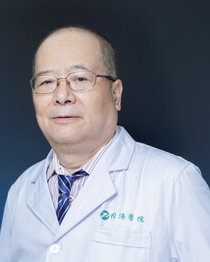 Suming Zhang (张苏明)合作论文数Tongji Hospital, Tongji Medical College, Huazhong University of Science and Technology15
 Hong Chen合作论文数7
 Yongjie Xiong合作论文数6
 Sayed Shah合作论文数5
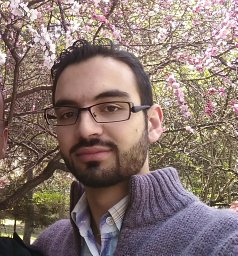 Mohammad Nasb合作论文数Dept Phys Therapy, Albaath Univ5
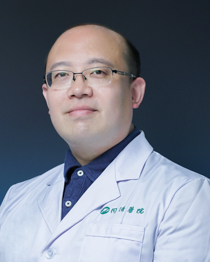 Xiaojiang Huang (黄晓江)合作论文数Tongji Hospital, Tongji Medical College, Huazhong University of Science and Technology4Jiling Zhu合作论文数3Yawei Yan合作论文数3LingFeng Xie (谢凌锋)合作论文数3Chen-Zi Gong合作论文数2Yongpei He合作论文数2Yunjie Li合作论文数2Zhijuan Mao合作论文数2Ya-Jie Li合作论文数2Dayong Li合作论文数2chunchu deng (邓春初)合作论文数2Qian Li合作论文数2Hongmei Luo合作论文数2Yun-Qiang Chen合作论文数2Yu Fang (方瑜)合作论文数2Yi Xiyan合作论文数2
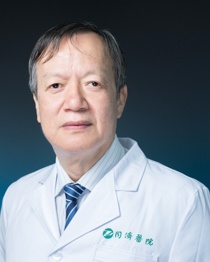 Bin Chen (陈斌)合作论文数Tongji Hospital, Tongji Medical College, Huazhong University of Science and Technology2Zhandong Qiu (邱占东)合作论文数2Xin Sheng (盛鑫)合作论文数2
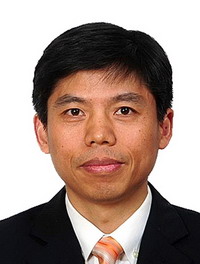 Jianxin Song (宋建新)合作论文数Tongji Hospital, Tongji Medical College, Huazhong University of Science and Technology2
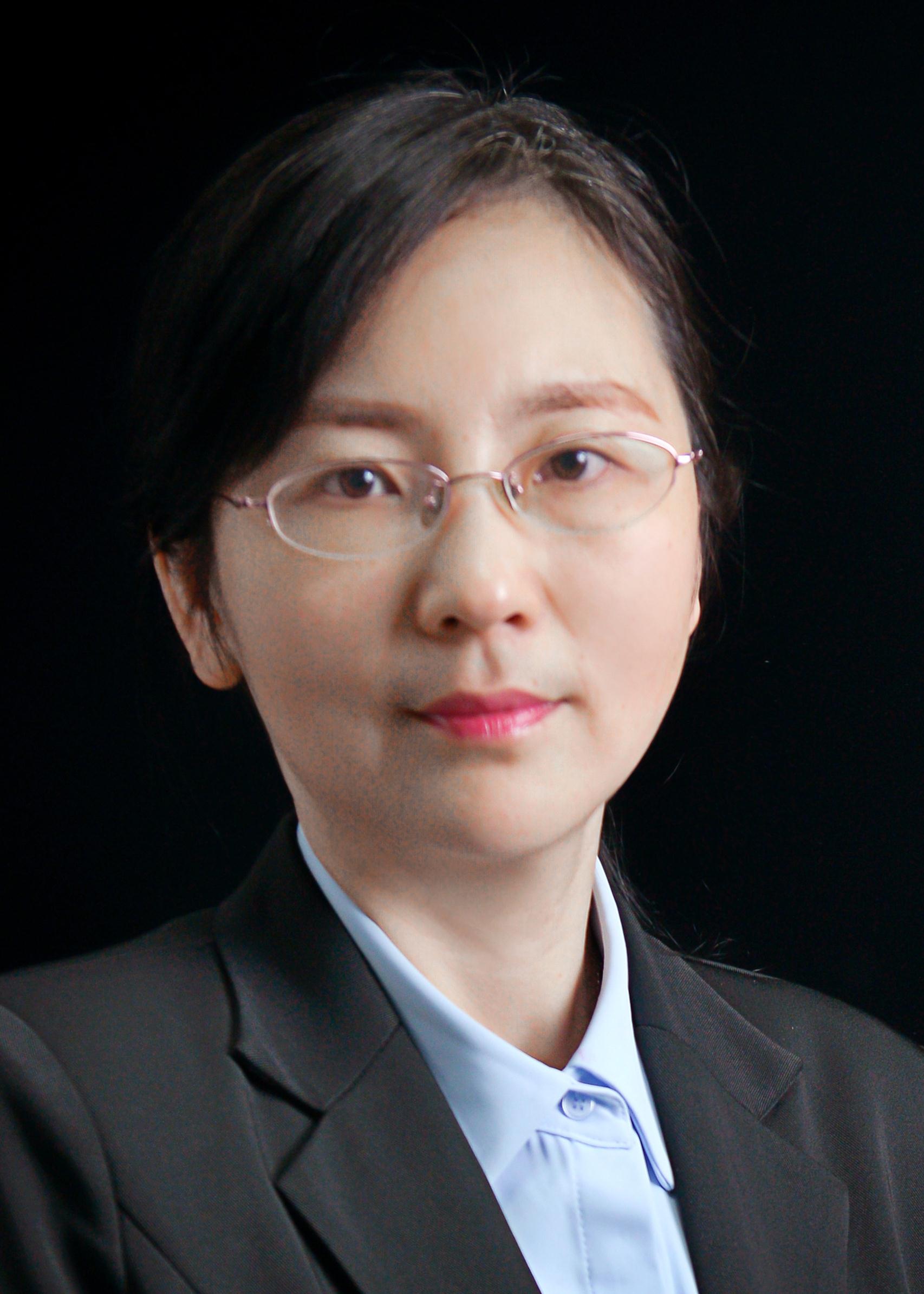 Min Lu (陆敏)合作论文数Tongji Hospital, Tongji Medical College, Huazhong University of Science and Technology2
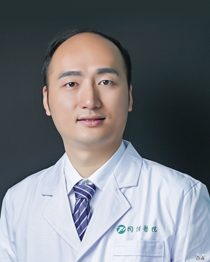 Zhengyu Fang (方征宇)合作论文数Tongji Hospital, Tongji Medical College of Huazhong University of Science and Technology2
 Wentao Hu (胡文韬)合作论文数School of Civil and Resources Engineering, University of Science and Technology Beijing2Bo Zhu合作论文数1Baojie Guo合作论文数1Yujuan Li合作论文数1Yani Xiao合作论文数1
 Iftikhar Ali合作论文数1Jia Xu合作论文数Tongji Medical College
Huazhong University of Science and Technology1Gao-tan KE (柯高潭)合作论文数1Wenjing Liu合作论文数1Yao Tian合作论文数1Tingting Gao合作论文数1Zhongwen Li合作论文数1Xiaoxu Yang合作论文数1Sheng Yao合作论文数1Cai-Feng Zheng (郑彩凤)合作论文数1Yun-jie LI (李云杰)合作论文数1Jiaqi Fan合作论文数1
Iftikhar Ali合作论文数1Jia Xu合作论文数Tongji Medical College
Huazhong University of Science and Technology1Gao-tan KE (柯高潭)合作论文数1Wenjing Liu合作论文数1Yao Tian合作论文数1Tingting Gao合作论文数1Zhongwen Li合作论文数1Xiaoxu Yang合作论文数1Sheng Yao合作论文数1Cai-Feng Zheng (郑彩凤)合作论文数1Yun-jie LI (李云杰)合作论文数1Jiaqi Fan合作论文数1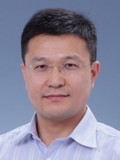 Baoyang Hu (胡宝洋)合作论文数State Key Lahoratory of Stem Cell and Reproductive Biology, Institute of Zoology, Chinese Academy of Sciences;University of Chinese Academy of Sciences1
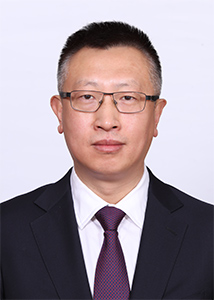 Qi Zhou (周琪)合作论文数State Key Laboratory of Organ Regeneration and Reconstruction, Institute of Zoology, Chinese Academy of Sciences;University of Chinese Academy of Sciences1
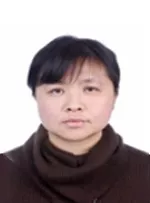 Yan Huo (霍艳)合作论文数TriApex Laboratories Co., Ltd.1
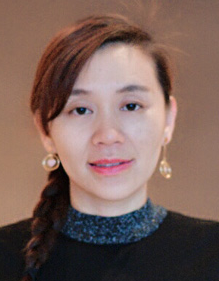 Jie Hao (郝捷)合作论文数National Stem Cell Resource Center, Institute of Zoology, Chinese Academy of Sciences;University of Chinese Academy of Sciences1
 Guihai Feng (冯桂海)合作论文数Institute for Stem Cell and Regeneration, Chinese Academy of Sciences;Institute of Zoology, Chinese Academy of Sciences1




