Peduncle, the uppermost internode in cereals, connects the stem to the inflorescence and is critical for the transport of water, nutrients and photosynthetic assimilates. While peduncle length associates with plant height and its elongation is primarily regulated by phytohormones, we report a previously unrecognized mechanism involving the spatial distribution of silicon (Si). We identified a barley mutant, sheathed spike 2 (ss2), characterized by a specifically shortened peduncle that traps the spike within the flag leaf sheath. Positional cloning and analysis of allelic mutants revealed that the wild-type SS2 gene encodes a putative silicon efflux transporter. SS2 is expressed throughout the lifecycle, with higher transcriptional levels in the rachis and stem internodes, and its encoded protein localizes to the plasma membrane. We demonstrate that SS2 is required for polarized Si partitioning. Unlike wild-type plants, which ultimately deposit Si in spikes, the ss2 mutant exhibits an 8-fold increase in Si accumulation in the peduncle and a significant increase in the flag leaf. Hydroponic experiments without Si supply restored normal peduncle elongation in the ss2 mutant, demonstrating that local Si hyper-accumulation directly inhibits elongation. The conserved role of SS2 was supported by diversity analysis across barley and common wheat, as well as by the similar sheathed spike phenotype in tetraploid wheat lines carrying non-functional SS2 homologues. Collectively, our findings uncover an evolutionarily conserved, silicon-dependent mechanism that regulates peduncle elongation and spike emergence in Triticeae crops like barley and wheat.
BackgroundThe rice node is a critical hub for the distribution of mineral nutrients, mediated by transporters. Manganese (Mn) is an essential micronutrient for plant growth. However, the precise cell types and the cell-type-enriched transporter genes in rice node, and the molecular mechanisms underlying the translocation and distribution of Mn in rice remain poorly understood.ResultsWe characterize 11 distinct cell types using multiple cluster-enriched genes in rice node I through single-nucleus RNA sequencing (snRNA-seq), systematically profile the expression patterns of putative 1,144 transporter genes within 11 cell types, and identify six candidate transporter genes linked to the tissue-specific deposition of six elements through combining spatial ionomics in node, respectively. Furthermore, we functionally characterize OsMTP7 that is highly expressed in phloem cells in node, as well as in root stele cells and anther. OsMTP7 is localized to plasma membrane in rice and shows efflux activity for Mn. OsMTP7 knockout inhibites Mn uptake and xylem-mediated Mn translocation in root and Mn distribution in node, leading to decreased Mn concentration in various organs and root xylem sap, resulting in reduced biomass and yield. We reveal that OsMTP7 knockout alters expression of genes for multiple biological processes in spikelets using bulk RNA-seq, resulting in increased oxidative stress in anther and low fertility.ConclusionsOur study reveals the precise cell types and the cell-type-enriched transporter genes in node, identifies candidate transporters for elements deposition in node, and demonstrates a novel and critical Mn efflux transporter mediating Mn uptake, translocation and distribution for improving growth and yield in rice.
Rice plants accumulate essential elements to sustain physiological processes during growth and development and to ensure the nutritional quality of the grain as a food source. However, the genetic basis of elemental accumulation and the interrelationships among elemental concentrations across different tissues remain poorly understood. To conduct breeding aimed at improving the absorption characteristics of multiple interrelated elements, genetic analysis using experimental populations that retain diversity while sharing the genetic background of cultivated varieties is effective. Here we show genetic variations in the concentrations of 13 elements (P, K, Ca, Mg, As, Cd, Cr, Cu, Fe, Mo, Mn, Ni, and Zn) in rice straw at the flowering stage and grain at the mature stage using a multi-parent advanced generation inter-cross (MAGIC) population that derived from eight cultivars including both Japonica and Indica. Comprehensive evaluation of the correlation coefficients revealed divergences in the association between grain and straw for several combinations of elements. Haplotype-based genome-wide association studies (GWAS) identified 51 and 53 quantitative trait loci (QTLs) in straw and grain, respectively. In total, the 104 QTLs were grouped into 19 clusters and 60 independent QTLs. By leveraging the haplotype information from the MAGIC population, 52 candidate genes associated with the accumulation of Ca, Mg, Cd, Cu, Fe, and Mo were efficiently predicted from these QTLs, including both previously reported and novel genes. Among them, OsMOT1;1 encoding a molybdenum transporter, was predicted to be within a QTL associated with Mo accumulation in grain on chromosome 8. OsACA9, a homolog of autoinhibited Ca²⁺-ATPases, was predicted within a QTL related to Ca accumulation in straw on chromosome 2. In addition, an unidentified gene, OsCML6, which is presumed to be involved in calcium signaling, was predicted to be a candidate for a Ca-accumulation QTL on chromosome 11. These findings offer insights into haplotypes and putative genes associated with element accumulation and trait interrelationships, providing valuable information for optimizing plant growth and enhancing grain nutritional quality in rice breeding programs.
As a staple food for half the world's population, rice is an important dietary source of magnesium (Mg), an essential mineral for human health. Enhanced Mg accumulation in rice grains has also been linked to eating quality. However, the mechanisms underlying Mg transport to the grains remains poorly understood. Here, we report that OsMGR2, a member belonging to Magnesium Release (MGR) family, is required for Mg accumulation in rice grains. OsMGR2 encodes a plasma membrane-localized transporter that mediates Mg efflux. OsMGR2 is constitutively and highly expressed in the stele tissues of roots, the phloem region of both enlarged and diffused vascular bundles in nodes, and the ovular vascular trace of caryopses. Knockout of this gene results in decreased root-to-shoot translocation and altered distribution of Mg to different organs; less Mg is allocated to the second newest leaf with high Mg requirement for active photosynthesis. The osmgr2 mutants exhibit decreased Mg accumulation in the grain, which are smaller, lighter, and shriveled, but show increased accumulation in the husk. The eating quality of the mutant grains is significantly decreased compared with the wild-type rice. These results indicate that OsMGR2 plays multiple roles within the rice; facilitating the root-to-shoot Mg translocation, mediating phloem-to-xylem Mg transfer at nodes for preferential distribution to the most active leaf, and exporting Mg from maternal vascular tissues of the caryopsis to the grains, processes essential for grain development and eating quality in rice.
Cadmium (Cd) is a toxic and carcinogenic heavy metal, and rice, as a staple food, is a major source of dietary Cd intake. Therefore, limiting the transfer of Cd from soil to rice grain without compromising grain yield is a critical issue for human health. In this study, through base-editing-mediated mutagenesis screening targeting OsNramp5, a major transporter gene for manganese (Mn) and Cd uptake, we identified a single amino acid substitution at position 441 (Ile to Thr) that significantly reduced Cd accumulation in both shoots and grains without affecting the accumulation of other essential metals. Functional analysis revealed that this point mutation did not alter gene expression, protein abundance, subcellular localization, or Cd and Mn transport activity in yeast. However, we found that OsNramp5 also transports zinc (Zn), and the point mutation increased its selectivity for Zn. It is likely that elevated Zn levels in root cells competitively inhibit Cd release into the xylem, thereby reducing root-to-shoot Cd translocation. A field trial confirmed that the mutated OsNramp5 did not affect grain yield or essential micronutrient concentration but significantly decreased Cd accumulation in grains. Our findings suggest that precise editing of this key residue in OsNramp5 offers an effective strategy to reduce Cd transfer from soil to rice grain without yield penalty.
Chloroplasts are a sensitive target of arsenic (As) toxicity. How chloroplasts are protected against As toxicity remains unclear. We isolated an As-hypersensitive Arabidopsis thaliana mutant, aic2 cad1-3, from an ethyl methanesulfonate-mutagenized cad1-3 background defective in phytochelatin synthase. This double mutant displayed enhanced leaf chlorosis, reduced chloroplast number, impaired chloroplast structure, and larger growth inhibition under As stress compared with cad1-3. Map-based cloning identified the causal gene for the mutant phenotype as DJA4 belonging to the J-protein family. DJA4 protein was localized to the chloroplast stroma. The aic2 single mutant and DJA4 knockout mutants were also more sensitive to As than wild-type. Microscale thermophoresis analysis showed that the recombinant DJA462-403 protein binds arsenite. Genetic analyses demonstrated that double knockout of DJA4 and TOC132 (Translocon at the Outer envelope membrane of Chloroplasts) resulted in greater As sensitivity compared with single-gene knockouts. Chloroplast proteomic analysis identified nine proteins commonly altered in both dja4 and toc132 mutants under As stress, many of which are involved in chloroplast metabolism and redox homeostasis. These results show that DJA4 plays a crucial role in maintaining chloroplast function under As stress by binding with arsenite and protecting the chloroplast protein import machinery.
Rice has developed an efficient system for manganese (Mn) uptake, mediated by two distinct transporters, OsNramp5 and OsMTP9. These transporters exhibit polar localization at the root exodermis and endodermis; however, the mechanisms underlying their polar localization and their role in Mn uptake remain unclear. Here, we identified key amino acid residues critical for the polar localization of OsNramp5 at the distal side. Through analysis of chimeric proteins between OsNramp5 and its non-polar homologues, we found that the C-terminal cytosolic region of OsNramp5 is essential for its polar localization. Site-directed mutagenesis further revealed that aspartate 500 and four valine residues at positions 494, 495, 498 and 506 are crucial for polarity. Substitution of these valine residues with isoleucine, leucine, phenylalanine, or threonine partially or fully maintained polar localization, whereas substitution with alanine, serine, or asparagine resulted in loss of polarity. These findings suggest that β-branching and high hydrophobicity of amino acid side chains are likely required for OsNramp5 polarity. Furthermore, we found that adaptor protein 2-dependent clathrin-mediated endocytosis is not involved in the polar localization of OsNramp5. Finally, we provided experimental evidence showing the significant role of OsNramp5 polarity in efficient Mn uptake in rice; plants expressing non-polarly localized OsNramp5 exhibited reduced Mn uptake compared to those with polarly localized OsNramp5. In addition, we found that cadmium accumulation in shoots could be reduced by manipulating OsNramp5 polarity in combination with its overexpression, without a growth penalty.
This study reveals that the vacuolar membrane transporter OsNRAMP2 is essential for manganese (Mn) homeostasis in rice. It facilitates the export of Mn from vacuoles in roots and nodes, enabling the remobilization and preferential distribution of Mn to young leaves and grains. Loss of OsNRAMP2 function disrupts this process, leading to Mn accumulation in roots and nodes, severe Mn deficiency in developing tissues and significantly reduced yield.
Rice roots are characterized by having two Casparian strips (CSs) at the exodermis and endodermis, where transporters for mineral nutrients are expressed. However, the exact role of the CS in expression of the transporters and subsequent nutrient uptake is poorly understood. Here, we first investigated the role of the CS in manganese (Mn) uptake by using a rice mutant (oscasp1) defective in formation of the endodermal CS. Knockout of OsCASP1 resulted in decreased Mn uptake under limited Mn conditions, but increased Mn uptake at high Mn concentration. Immunostaining revealed that knockout of OsCASP1 did not affect the cell specificity of localization of two transporters (OsNramp5 and OsMTP9) required for Mn uptake, but decreased the protein abundance of these transporters at the endodermis regardless of Mn concentrations tested. Furthermore, we found that overaccumulation of suberin at the endodermis of the mutants suppressed the expression of two transporters; the expression of the two transporters was only observed in the endodermal cells without suberin deposition, but not in the cells with suberin deposition. Taken together, our results indicate that there are two roles for the CS in Mn uptake; maintaining normal expression of the transporters at limited Mn concentration and preventing Mn diffusion to the stele at high Mn concentration.
Silicon (Si) is highly accumulated in both the leaf blade and sheath of rice, but the transporter mediating the local distribution of Si between these two tissues remains unidentified. We investigated the role of an aquaporin, OsLsi6, in the local distribution of Si in rice leaves. We also examined the interrelations between vascular structure and OsLsi6 function in xylem unloading of Si for its local distribution. OsLsi6 is polarly localized at the xylem parenchyma cells of both the large and small vascular bundles of the leaf blade and sheath. OsLsi6 was downregulated by Si supply at the leaf sheath but not in the leaf blade. The knockout of OsLsi6 increased the distribution of Si and germanium (Ge) to the leaf blade while reducing their distribution to the leaf sheath. The mestome sheath surrounding the vascular bundle was suberized in leaf sheaths and in large vascular bundles of leaf blades, but not in small vascular bundles of leaf blades. Our results indicate that there are two pathways for xylem unloading of Si for its local distribution: the OsLsi6-dependent symplastic pathway in the leaf sheath and large vascular bundles of the leaf blade, and the apoplastic pathway in the small vascular bundle of the leaf blade.
Silicon (Si), the most abundant mineral element in soil, functions as a beneficial element for plant growth. Higher Si accumulation in the shoots is required for high and stable production of rice, a typical Si-accumulating plant species. During the last two decades, great progresses has been made in the identification of Si transporters involved in uptake, xylem loading and unloading as well as preferential distribution and deposition of Si in rice. In addition to these transporters, simulation by mathematical models revealed several other key factors required for efficient uptake and distribution of Si. The expression of Lsi1, Lsi2 and Lsi3 genes is down-regulated by Si deposition in the shoots rather than in the roots, but the exact mechanisms underlying this down-regulation are still unknown. In this short review, we focus on Si transporters identified in rice and discuss how rice optimizes Si accumulation (“homeostasis”) through regulating Si transporters in response to the fluctuations of this element in the soil solution.
Iron (Fe) is an essential micronutrient for plant growth and development. It plays crucial roles in various organs and tissues of plants, but the molecular mechanisms governing its distribution to the above-ground parts after root uptake remain unclear. In this study, we identify OsIET1 (Oryza sativa Iron Efflux Transporter 1), a rice gene highly expressed in the nodes. OsIET1 encodes a plasma membrane-localized protein, which shows efflux transport activity for ferrous iron. It is predominantly expressed in the xylem regions of diffuse vascular bundles, and its expression is upregulated under high Fe conditions. Disruption of OsIET1 impairs Fe allocation, reducing Fe transport to developing tissues (young leaves and grains), while increasing accumulation in nodes and older leaves. This misdistribution causes chlorosis in young leaves and decreases grain yield, especially under Fe-deficient conditions. Furthermore, we detect excessive Fe deposition around the xylem of diffuse vascular bundles in the nodes. Given the pivotal role of nodes in mineral distribution, our results indicate that OsIET1 mediates inter-vascular Fe transfer by facilitating Fe loading into the xylem of diffuse vascular bundles. This process ensures preferential Fe delivery to developing tissues, thereby promoting optimal plant growth and productivity.
center dot Plant apoplast represents an essential compartment for the proper function of certain mineral solutes, and vasculature acts as a long-distance system to distribute them between different parts of the continuous apoplast. Guttation occurs at the distal end of the vasculature, but how it adds to ion homeostasis has received scant attention. center dot Through genomic-scale ionomic profiling of apoplast fluids, guttation fluid, and xylem sap from 184 core accessions of paddy-grown rice, we identified novel ionomic constitution and dynamics. The most unique finding is that boron concentration jumps to a peak level at the distal end of the leaf blade. This phenomenon is conserved in other plants performing guttation. Boron concentration at leaf tips oscillates diurnally depending on guttation. center dot Tissue-specific gene expression analysis revealed that the boron influx-transporter gene OsNIP3;1 is prominent in leaf tips and oscillates in synchronization with boron. Disruption of OsNIP3;1 decreased amplitudes of boron oscillation and the ratios of [Boron]guttation fluid/xylem sap. center dot Our findings reveal that OsNIP3;1 mediates boron oscillation at the distal end of the leaf blade during guttation.
Sedum alfredii (Sa) is known as a Cd/Zn hyperaccumulator, which usually grows in soil with high Mn in its natural habitat. However, it is unclear how S. alfredii copes with high Mn at both physiological and molecular levels. In this study, we characterized the Mn accumulation and tolerance in the hyperaccumulating ecotype (HE) of S. alfredii by comparing it with a non-hyperaccumulating ecotype (NHE). HE and NHE accumulated similar Mn in the leaves after exposure to high Mn, but the young leaves of NHE showed toxicity symptoms (brown spot), whereas no such symptom was observed in HE. Functional characterization of SaMTP8.1 showed that SaMTP8.1 from both HE and NHE was localized to the tonoplast and showed similar transport activity for Mn in yeast. However, SaMTP8.1 from HE showed a higher expression level and increased genomic copy number compared with NHE. Ectopic expression of SaMTP8.1 in rice osmtp8.1 mutant complemented the mutant phenotype of Mn sensitivity, while overexpression of SaMTP8.1 in Arabidopsis enhanced tolerance to high Mn. Taken together, our results suggest that higher expression of SaMTP8.1 is involved in enhanced Mn tolerance through increased vacuolar sequestration of Mn in the leaves of HE S. alfredii.
Low silicon (Si) rice 1 (OsLsi1) is a key transporter mediating Si uptake in rice (Oryza sativa). It is polarly localized at the distal side of the root exodermis and endodermis. Although OsLsi1 is also permeable to other metalloids, such as boron (B), germanium (Ge), arsenic (As), antimony (Sb), and selenium (Se), the role of its polar localization in the uptake of these metalloids remains unclear. In this study, we investigated the role of OsLsi1 polar localization in metalloid uptake by examining transgenic rice plants expressing polarly or nonpolarly localized OsLsi1 variants. Loss of OsLsi1 polar localization resulted in decreased accumulation of Ge, B, and As in shoots but increased Sb accumulation, while Se accumulation remained unaffected under normal conditions. Experiments with varying B concentrations revealed that B uptake is significantly lower at low B concentrations (0.3 to 3 μm) but higher at high B concentrations (300 μm) in plants expressing nonpolarly localized OsLsi1, despite the similar B permeability of both OsLsi1 variants in Xenopus oocytes and their comparable protein abundance in roots. Additionally, the loss of OsLsi1 polarity did not affect the abundance, localization, or high B-induced degradation of the borate transporter 1 (OsBOR1), an efflux transporter that cooperates with OsLsi1 for B uptake. Taken together, our findings demonstrate that the polar localization of OsLsi1 plays a critical role in regulating metalloid uptake, depending on the presence or absence of efflux transporters cooperating with OsLsi1.
HvAACT1 is a major aluminum (Al)-tolerance gene in barley, encoding a citrate transporter that belongs to the multidrug and toxic compound extrusion (MATE) family. This transporter facilitates citrate secretion from the roots, thereby detoxifying external Al ions-a major constraint of crop production on acidic soils. In this study, we present the outward-facing crystal structure of HvAACT1, providing insights into a citrate transport mechanism. The putative citrate binding site consists of three basic residues-K126 in transmembrane helix 2 (TM2), R358 in TM7, and R535 in TM12-creating substantial positive charges in the C-lobe cavity. Proton coupling for substrate transport may involve two pairs of aspartate residues in the N-lobe cavity, one of which corresponds to the essential Asp pair found in prokaryotic H+-coupled MATE transporters belonging to the DinF subfamily. Structural coupling between proton uptake in the N-lobe and citrate extrusion in the C-lobe can be enabled by an extensive, unique hydrogen-bonding network at the extracellular half of the N-lobe. Mutation-based functional analysis, structural comparisons, molecular dynamics simulation, and phylogenic analysis suggest an evolutionary link between citrate MATE transporters and the DinF MATE subfamily. Our findings provide a solid structural basis for citrate transport by HvAACT1 in barley and contribute to a broader understanding of citrate transporter structures in other plant species.
Soil salinity significantly limits rice productivity, but it is poorly understood how excess sodium (Na+) is delivered to the grains at the reproductive stage. Here, we functionally characterized OsHAK4, a member of the clade IV HAK/KUP/KT transporter subfamily in rice. OsHAK4 was localized to the plasma membrane and exhibited influx transport activity for Na+, but not for K+. Analysis of organ- and growth stage-dependent expression patterns showed that very low expression levels of OsHAK4 were detected at the vegetative growth stage, but its high expression in uppermost node I, peduncle, and rachis was found at the reproductive stage. Immunostaining indicated OsHAK4 localization in the phloem region of node I, peduncle, and rachis. Knockout of OsHAK4 did not affect the growth and Na+ accumulation at the vegetative stage. However, at the reproductive stage, the hak4 mutants accumulated higher Na(+ )in the peduncle, rachis, husk, and brown rice compared to the wild-type rice. Element imaging revealed higher Na+ accumulation at the phloem region of the peduncle in the mutants. These results indicate that OsHAK4 plays a crucial role in retrieving Na+ from the phloem in the upper nodes, peduncle, and rachis, thereby preventing Na+ distribution to the grains at the reproductive stage of rice.
Plants accumulate silicon to protect them from biotic and abiotic stresses. Especially in rice (Oryza sativa), a typical Si-accumulator, tremendous Si accumulation is indispensable for healthy growth and productivity. Here, we report a shoot-expressed signaling protein, Shoot-Silicon-Signal (SSS), an exceptional homolog of the flowering hormone "florigen" differentiated in Poaceae. SSS transcript is only detected in the shoot, whereas the SSS protein is also detected in the root and phloem sap. When Si is supplied from the root, the SSS transcript rapidly decreases, and then the SSS protein disappears. In sss mutants, root Si uptake and expression of Si transporters are decreased to a basal level regardless of the Si supply. The grain yield of the mutants is decreased to 1/3 due to insufficient Si accumulation. Thus, SSS is a key phloem-mobile protein for integrating root Si uptake and shoot Si accumulation underlying the terrestrial adaptation strategy of grasses.
 Naoki Yamaji (山地直樹)合作论文数Institute of Plant Science and Resources, Okayama University168
 Namiki Mitani-Ueno合作论文数41Yokosho Kengo合作论文数41
 Renfang Shen (沈仁芳)合作论文数Institute of Soil Science, Chinese Academy of Sciences33Daisei Ueno合作论文数31Sheng Huang合作论文数Okayama Univ, Inst Plant Sci & Resources, Chuo 2-20-1, Kurashiki, Okayama 7100046, Japan30
 Fangjie Zhao (赵方杰)合作论文数College of Resources and Environmental Sciences, Nanjing Agricultural University30
 Jing Che (车景)合作论文数Institute of Soil Science, Chinese Academy of Sciences23Namiki Mitani合作论文数19Hideaki Matsumoto合作论文数19Takashi Iwashita合作论文数18
 Masahiro Yano (矢野昌裕)合作论文数Research Center for Agricultural Information Technology, National Agriculture and Food Research Organization17
 Feng Xu (许凤)合作论文数College of Materials Science and Technology, Beijing Forestry University16Kyosuke Nomoto合作论文数14
 Ji Feng Shao (邵继锋)合作论文数The Nurturing Station for the State Key Laboratory of Subtropical Silviculture, Zhejiang A & F University14Kazuhiro Sato合作论文数13Miho Fujii-Kashino合作论文数13Konishi Noriyuki合作论文数13
 Jixing Xia (夏继星)合作论文数College of Life Science and Technology, Guangxi University13
 Zhichang Chen (陈志长)合作论文数College of Resources and Environment, Fujian Agriculture and Forestry University11
 Steve McGrath合作论文数Rothamsted Research11Sasaki Akimasa合作论文数10
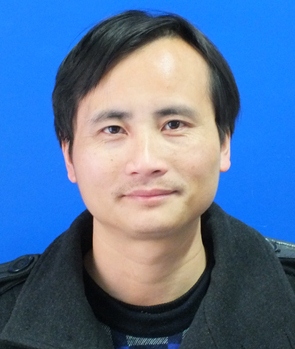 Chaofeng Huang (黄朝锋)合作论文数CAS Center for Excellence in Molecular Plant Sciences10
) Shao-Jian Zheng (郑绍建)合作论文数Institute of Plant Biology, College of Life Sciences, Zhejiang University9K Tamai合作论文数8
Shao-Jian Zheng (郑绍建)合作论文数Institute of Plant Biology, College of Life Sciences, Zhejiang University9K Tamai合作论文数8 Gui Jie Lei合作论文数8
 Fenglin Deng (邓锋林)合作论文数National Key Laboratory of Crop Genetic Improvement, Huazhong Agricultural University8
 Wang Peitong合作论文数7N Mitani合作论文数7
 Luqing Zheng (郑录庆)合作论文数College of Life Sciences, Nanjing Agricultural University7
 Maki Katsuhara (且原真木)合作论文数Institute of Plant Science and Resources, Okayama University7Kazuyoshi Takeda合作论文数7Kōzō Iwasaki合作论文数7J.-I. Furukawa合作论文数7S Konishi合作论文数6En Yu合作论文数6Zhe JI (吉喆)合作论文数6Yoshiaki Nagamura合作论文数6Takaaki Miyaji合作论文数6Tomokazu Tsutsui合作论文数5
 Zhong Tang (唐仲)合作论文数College of Resources and Environmental Sciences, Nanjing Agricultural University5
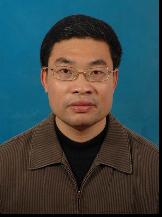 Zhiheng Zhang (张志恒)合作论文数Zhejlang Academy of Agricultural Sciences5
 Xun Zhang (张逊)合作论文数College of Materials Science and Technology, Beijing Forestry University5
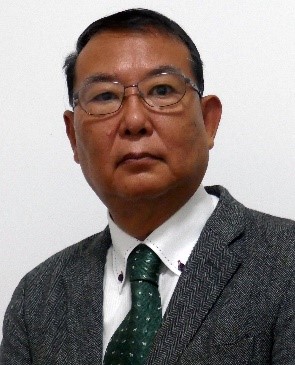 Eiichi Takahashi (高桥荣一)合作论文数Guangzhou Institute of Geochemistry, Chinese Academy of Sciences5Tomoaki Horie合作论文数5
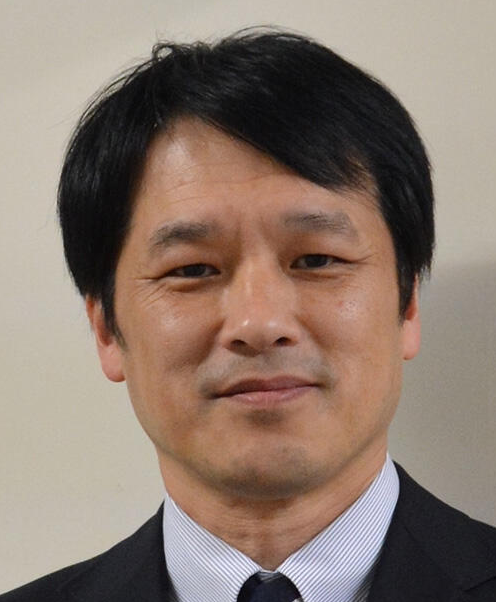 Toshinori Kinoshita合作论文数Laboratory of Plant Physiology, Nagoya University;Division of Biological Science, Graduate School of Science, Nagoya University;Institute of Transformative Bio-Molecules, Nagoya University5
 Huixia Shou (寿惠霞)合作论文数College of Life Sciences, Zhejiang University;International Campus, Zhejiang University5 Syuntaro Hiradate (平舘俊太郎)合作论文数Division of Bioproduction Environmental Sciences, Department of Agro-environmental Sciences, Faculty of Agriculture, Kyushu University5




