Drought-rehydration cycles are key drivers of soil biogeochemical processes in arid agroecosystems, yet the mechanisms regulating soil-microbe-plant interactions under such conditions remain insufficiently understood. We hypothesized that mild drought imposed at critical phenological stages could stimulate soil biochemical processes and microbial functional activity, thereby supporting spring wheat productivity and economic return. To test this hypothesis, a two-year split-plot field experiment was conducted using a drought-tolerant variety (Xinchun 6, XC 6) and a drought-sensitive variety (Xinchun 22, XC 22), with drought applied at the tillering (T) and jointing (J) stages. Three irrigation regimes were established based on field capacity (FC): normal irrigation (75-80 % FC, CK), mild drought (60-65 % FC, T1 and J1), and moderate drought (45-50 % FC, T2 and J2), each maintained for 7 days followed by rehydration. Mild drought at the tillering stage (T1) produced the most pronounced positive effects after rehydration. Compared with CK, T1 significantly improved soil chemical properties, enhanced key enzyme activities related to carbon and nitrogen cycling, and increased microbial biomass. Microbial alpha diversity was also elevated under T1, suggesting improved community stability and functional redundancy. Following rehydration, enhanced microbial activity likely accelerated nutrient mineralization, thereby supporting dry matter recovery and allocation to grain. As a result, grain yield increased by 1.89-2.32 %, while net revenue increased by 10.19-12.07 %. The drought-tolerant variety XC 6 consistently showed greater agronomic and economic benefits than XC 22, indicating that variety selection can amplify the positive effects of mild drought-rehydration management. Overall, mild drought at the tillering stage followed by rehydration represents a water-efficient irrigation strategy that maintains yield and profitability while enhancing soil biochemical functioning and system resilience. This approach offers a practical pathway for sustainable spring wheat production in arid regions, although long-term monitoring is required to assess the persistence of these ecological benefits.
In arid regions, relay-intercropped soybean often experiences concurrent drought and nitrogen stress during reproduction, which disrupts carbon-nitrogen metabolism. However, the physiological mechanisms underlying enhanced stress resilience through optimized water-nitrogen management remain unclear. We hypothesized that coupling moderate deficit irrigation with reduced nitrogen fertilization would stabilize yield by coordinately optimizing plant water status, stomatal conductance, and nitrogen allocation to seeds. A two-year field experiment tested three irrigation (W1: 3360; W2: 4200; W3: 5040 m3 ha-1) and four nitrogen (N1: 0; N2: 105; N3: 150; N4: 195 kg N ha-1) regimes. The W2N3 regime (4200 m3 ha-1 + 150 kg N ha-1) achieved yields equivalent to the high-input regime (W3N4) but 35% greater inter-annual stability (as indicated by a lower coefficient of variation, CV: 5.3% vs. 8.2% for W3N4). Crucially, W2N3 maintained favorable leaf water status, as indicated by leaf water content (WC), at the critical R5 stage. This favorable water status was associated with a coordinated physiological response: it optimized stomatal regulation, maintaining net photosynthesis (Pn) despite a 15% reduction in stomatal conductance (Gs), thereby significantly increasing intrinsic water use efficiency (iWUE). This was coupled with an 11.2% increase in nitrogen allocation efficiency to seeds, indicating enhanced source-sink coordination. Consequently, W2N3 improved irrigation water productivity by 22.3% and nitrogen recovery efficiency by 17.3%, while reducing nitrate leaching risk. We conclude that moderate water-nitrogen coupling enhances drought resilience by synchronously improving plant water status, which co-optimizes stomatal behaviour and nitrogen partitioning, thereby stabilizing carbon gain and nitrogen use under stress. This physiological synergy provides a mechanistic foundation for sustainable intensification of soybean in arid relay-intercropping systems.
Frequent and severe drought events strongly threaten plant survival. Non-structural carbohydrates (NSC) act as essential “buffers” for maintaining plant function under drought conditions. Therefore, understanding NSC metabolic patterns in wheat stems and clarifying how drought influences NSC metabolism are crucial for improving yield stability and stress tolerance. In this study, two spring wheat cultivars [Xinchun 6 (XC 6, drought-tolerant) and Xinchun 22 (XC 22, drought-sensitive)] were subjected to two-year field experiments under normal irrigation (75–80% field capacity, CK), 7-day mild drought (60–65% FC; T1 at tillering and J1 at jointing), and 7-day moderate drought (45–50% FC; T2 at tillering and J2 at jointing), resulting in a total of 10 treatment combinations. We investigated the effects of drought on stem hormone content, NSC related enzyme activity, NSC accumulation and reactivation, and grain yield. The results showed that hormone contents, NSC enzyme activities, NSC accumulation and remobilization, and yield across internodes were most favorable under T1, with the other internodes exhibiting the best performance. Compared with CK, these physiological changes were associated with 1.03–17.43% higher grain yield. Correlation analysis and variable importance in projection (VIP) scores further indicated that stem dry matter (SDM), indole-3-acetic acid (IAA), and sucrose phosphate synthase (SPS) made the greatest contributions to yield. In conclusion, maintaining 7-day mild drought (60–65% FC) at the tillering can promote hormonal balance, enhance NSC metabolism, and stabilize yield, which can serve as an effective water management strategy for the sustainable production of spring wheat under drip irrigation in arid regions.
Context: Nitrogen-efficient fertilization on marginal sandy lands is crucial for enhancing agricultural productivity in degraded soils while promoting global food and oil security. However, the relationships between nitrogen (N) regimes, root-soil interactions, and tuber quality remain poorly understood. Objective: This study aims to elucidate how N fertilization modulates root adaptive strategies, soil nutrient availability, and extracellular enzyme activity, thereby influencing tuber yield and quality in tiger nut (Cyperus esculentus L.) grown on sandy farmland. Methods: The experiment was conducted in sandy farmland with five nitrogen (N) application treatments: no nitrogen (N0), 100 (N100), 200 (N200), 300 (N300) and 400 (N400) kg N ha(-1). We systematically investigated: root functional traits, soil properties (total nitrogen, inorganic nitrogen, and organic matter), extracellular enzyme (beta-glucosidase (beta G), beta-D-cellobiosidase (CBH), beta-1,4-N-acetylglucosaminidase (NAG), beta-1,4-xylosidase (XYL), L-leucine aminopeptidase (LAP)) and tuber parameters (yield, crude fat, protein and starch). Partial least squares structural equation modeling (PLS-SEM) was employed to analyze the relationships between soil properties and plant performance. Results: Our results revealed divergent root adaptation strategies across nitrogen (N) gradients. Under N0, tiger nut plants prioritized resource allocation toward thinner, elongated roots, significantly increasing specific root length (24.24 % - 372.63 %) and area (35.73 % - 385.22 %). Conversely, nitrogen-sufficient regimes (N300-N400) promoted denser root architectures, with root area and length densities increasing by 18.27 % - 57.42 %. This morphological shift coincided with significant soil enrichment; N300-N400 levels elevated soil inorganic nitrogen, total nitrogen, and organic matter, while stimulating beta G and NAG activities. However, soil pH and CBH declined, and XYL activity peaked specifically at N300. Consequently, tuber yield reached a maximum at N300 before plateauing at N400. High nitrogen levels further improved quality by boosting crude protein (35.41 % - 42.47 %) and oil content (10.37 %-11.56 %), despite a concurrent reduction in starch content. Conclusions: This study demonstrates the synergy between root morphological plasticity and soil biochemical health in boosting tiger nut productivity. Strategic nitrogen management stimulates adaptive root architecture and enhances soil enzymatic activity and nutrient availability in nutrient-poor environments. A critical threshold of 300 kg N ha(-1) was identified, providing a framework to transform marginal sandy soils into productive, high-quality systems. These findings offer a sustainable pathway for cultivating climate-resilient crops, strengthening food security, and restoring degraded farmlands.
Water scarcity is becoming increasingly severe, while the demand for stable and high-yield wheat production continues to rise. Under these circumstances, achieving the dual objectives of water conservation and yield enhancement through precise water management represents a critical challenge for sustainable agriculture, particularly in arid oasis regions.In this study, we investigated the dynamics of endogenous hormones and carbon metabolism in the basal first and second internodes (I1 and I2) of wheat stems under drip irrigation conditions. Special attention was given to the roles of non-structural carbohydrates (NSC) and structural carbohydrates (SC) in regulating stem development. The objective was to elucidate how variations in hormonal regulation and carbon allocation contribute to improvements in wheat grain yield as well as stem lodging-related traits. Two wheat cultivars differing in water sensitivity (XC6 and XC22) were assigned to the main plots. Subplots were subjected to regulated deficit irrigation at two stages (tillering, T and jointing, J) with two levels of water: mild deficit (60-65% FC, FC is field water holding capacity, T1, J1) and moderate deficit (45-50% FC, T2, J2). Following the completion of deficit irrigation, we rehydrated to 75-80% FC. A fully irrigated treatment (75-80% FC, CK) served as the control. Relationships among these physiological indicators, yield components, and stem lodging-related traits were analyzed. The results showed that the T1 treatment significantly enhanced endogenous hormone concentrations and hormonal ratios (gibberellins, GA; zeatin + zeatin riboside, Z + ZR; gibberellin/indole-3-acetic acid, GA/IAA, and zeatin + zeatin riboside/abscisic acid, (Z + ZR)/ABA). Moreover, T1 markedly stimulated the activities of key enzymes involved in sucrose and fructan metabolism, thereby promoting the accumulation of NSC in wheat stems. Consequently, T1 promoted greater grain yield (1.79%-14.01%). In addition, T1 achieved the highest productivity while maintaining superior water-saving efficiency. The endogenous hormones of I1 and the promotion of NSC metabolism were more effective. In contrast, the J1 treatment predominantly activated enzymes associated with lignin biosynthesis and cellulose synthesis, thereby promoting the deposition of SC in the stems. This process significantly enhanced stems filling degree and breaking strength (28.12%-164.86%). And the strengthening effect was more pronounced in I1 than in I2. XC6 exhibited superior hormonal balance, carbon metabolic capacity, and lodging-related stem properties compared with XC22. Correlation and variable importance in projection (VIP) analyzed further revealed that grain number per spike, thousand-kernel weight, gibberellin (GA) in both basal internodes (I1 and I2) and sucrose fructosyltransferase (SST) activity, the hormonal ratio (Z + ZR)/ABA of I1 were the major contributors to yield formation. In contrast, sucrose content (Suc) in both I1 and I2, along with cinnamyl alcohol dehydrogenase (CAD), phenylalanine ammonia-lyase (PAL), and cellulose content (CC) in I1 had the greatest influence on stem filling degree and breaking strength. Overall, the T1 treatment enhanced endogenous hormone accumulation, improved hormonal coordination. And T1 also enhanced stems NSC metabolism. These led to increase yield. In contrast, the J1 was linked to improved stem lodging-related traits, corresponding to increased lignin and cellulose metabolism. Collectively, these findings provide a physiological basis for achieving both water conservation and high yield in wheat production through precise irrigation management in arid oasis regions.
Climate change affects crop production globally, and cash crops are particularly vulnerable, which may threaten human livelihoods. However, limited attention has been paid to building climate-resilient systems, especially for smallholders producing cash crops such as apples, which account for 13% of the global fruit consumption. In this study, we developed a smallholder-adapted climate-resilient system (SA-CRS) conceptual framework and applied this in an empirical assessment of the adaptation of smallholder apple farmers (SAFs) to the risk of low temperature during flowering (LTF) in China. The results show that average daily minimum temperatures have decreased by 1.77 degrees C, and the LTF hazard probability has increased by 6.1% from 1999 to 2018. Approximately 96.4% of the SAFs in the study regions reported LTF impacts in 2018, and 29.8% experienced apple yield losses averaging 16.43 t/ha. Notably, most SAFs in the Loess Plateau region with poor SA-CRS reported apple yield reduction. Such adverse effects lowered economic returns and further prevented SAFs from adopting adaptive measures, resulting in a vicious circle. By contrast, an effective SA-CRS in the Bohai Bay region has greatly reduced the risks, and a positive economic return further incentivizes the adoption of further adaptive measures, creating a virtuous circle. Our study showed that to achieve an effective SA-CRS, a market-oriented nexus approach is required that integrates an institutional price-enhancing mechanism (contributing 84% to smallholder decision-making), an organizational production-support system, and a public extension system tailored to the needs of SAFs.
The cultivation of tiger nut (Cyperus esculentus L.) on marginal lands is a feasible and effective way to increase food production in Northern China. However, the specific influence of nitrogen fertilizer application on the growth dynamics, tuber expansion, overall yield, and nitrogen use efficiency (NUE) of tiger nuts cultivated on these sandy lands is yet to be fully elucidated. From 2021 to 2022, we conducted a study to determine the effect of N fertilizers on the leaf function morphology, canopy apparent photosynthesis (CAP), tuber yield, and NUE of tiger nut. The results indicate that the tuber yield and NUE are closely related to the specific leaf area (SLA), leaf area index (LAI), leaf nitrogen concentration per area (NA), CAP, and tuber expansion characteristics. Notably, significant enhancements in the SLA, LAI, NA, and CAP during the tuber expansion phase ranging from the 15th to the 45th day under the 300 kg N ha−1 treatment were observed, subsequently leading to increases in both the tuber yield and NUE. Moreover, a maximum average tuber filling rate was obtained under the N300 treatment. These improvements led to substantial increases in the tuber yield (32.1–35.5%), nitrogen agronomic efficiency (NAE, 2.1–5.3%), nitrogen partial factor productivity (NPP, 4.8–8.1%), and nitrogen recovery efficiency (NRE, 3.4–5.7%). Consequently, 300 kg N ha−1 of N fertilizers is the most effective dose for optimizing both the yield of tiger nut tubers and the NUE of tiger nut plants in marginal soils. Structural equation modeling reveals that N application affects the yield and NUE through its effects on leaf functional traits, the CAP, and the tuber filling characteristics. Modeling indicates that tuber expansion characteristics primarily impact the yield, while CAP predominantly governs the NUE. Above all, this study highlights the crucial role of N fertilizer in maximizing the tiger nut tuber yield potential on marginal lands, providing valuable insights into sustainable farming in dry areas.
Drought and salt stress are important limiting factors that affect crop growth and yield. As a newly recognized plant hormone, melatonin can participate in the regulation of plant stress tolerance and enhance the tolerance of plants to adversity. In this study, the effects of melatonin (150 µmol·L−1) on agronomic traits, osmotic adjustment substances, antioxidant enzyme activities, and reactive oxygen species content in C. esculentus under different salt (0 and 200 mmol·L−1 NaCl), drought (70% field capacity, 50% field capacity), and salt–drought (200 mmol·L−1 NaCl + 50% field capacity) stress conditions were determined using a pot experiment. Spraying with 150 µmol·L−1 of melatonin effectively improved the plant height, number of blades, biomass, and root growth of C. esculentus seedlings under salt, drought, and combined stress. In addition, this treatment also increased the relative water content, superoxide dismutase, peroxidase, and catalase activities, and soluble sugar content of the blades and decreased the relative electroconductivity conductivity and proline, malondialdehyde, hydrogen peroxide, and superoxide anion contents. A comprehensive analysis showed that spraying the plants with exogenous melatonin could increase the activity of antioxidant enzymes and the accumulation of osmotic adjustment substances in C. esculentus blades under salt and drought stress, effectively remove excessive reactive oxygen species, alleviate oxidative damage, and enhance the ability of C. esculentus to resist salt and drought stress.
Drought at the flower and pod stage, which is the most moisture-sensitive stage of soybean development, is the main cause of yield loss in soybean. Nitrogen is a vital nutrient for soybeans. The objective of this study was to assess the potential of post-drought nitrogen fertilization at the soybean (Heihe 45) pod stage to (1) reduce pod shedding and increase yield, and (2) elucidate the mechanisms by which nitrogen fertilization regulates soybean growth under drought stress. The pot experiment was designed with two moisture levels and three nitrogen levels, resulting in a total of six treatments. The results show that nitrogen reduces cellular oxidation by regulating key enzymes of sucrose metabolism, such as sucrose synthase and sucrose phosphate synthase; and regulates cellulase to reduce shedding and mitigate drought. Comparison of low and high nitrogen conditions under drought conditions showed that the number of flowers and pods in soybean increased by 30% and 32.94%, respectively, malondialdehyde content decreased by 24%, cellulase activity in flowers and pods decreased by 15.07% and 12.31%, respectively, and yields increased by 29.98% under high nitrogen conditions. The high nitrogen treatment performed optimally and the differences between treatments reached the significant level.
Nitrogen (N) is an essential element both affecting rhizosphere microorganisms within soil and supporting plant nutrition; however, little is known about how the rhizosphere microbial community composition of tiger nut in sandy soil responds to nitrogen addition. In this study, high-throughput sequencing technology is employed to analyze the shifts in composition and co-occurrence networks of rhizosphere microbial communities in tiger nut after nitrogen addition in sandy farmland. Results reveal that nitrogen addition significantly increases several soil parameters, including total organic matter (SOC, 32.2%), total nitrogen (TN, 46.2%), alkali-hydro nitrogen (AN, 92.7%), β-1,4-glucosidase (BG, 12.6%), L-leucine aminopeptidase (LAP, 8.62%), β-1,4-xylosidase(XYL, 25.6%), and β-1,4-N-acetylglucosaminidase (NAG, 32.3%). Meanwhile, bacterial α-diversity decreases with nitrogen addition, while fungi remain unaffected. Network analysis indicates a reduction in connections between microorganisms; however, increasing stability is observed in the interaction network after nitrogen addition. Importantly, nitrogen addition leads to the enhancement of rhizosphere soil multifunctionality, with fungal diversity identified as the primary driver of soil multifunctionality. The positive impact of microbial diversity on soil multifunctionality outweighs the relative negative effects. This study sheds light on the nuanced effects of nitrogen addition on rhizosphere microbial diversity and its consequent impact on soil multifunctionality, with Acidobacteria, Proteobacteria and Ascomycota having positive effects, providing a comprehensive understanding of the complex environmental–plant–soil–microbe interactions in sandy farmland ecosystems.
新疆土壤盐碱化严重影响棉花种子的萌发及幼苗生长,本试验通过分析外源褪黑素对盐碱胁迫下棉花幼苗生长指标的影响,了解褪黑素对盐碱胁迫下棉花幼苗的调控效应;通过盆栽试验,分析了盐碱胁迫下喷施外源褪黑素对棉花幼苗生长、抗氧化酶活性及有机酸含量的影响.结果发现,在盐碱胁迫下,棉花幼苗的生长受到了抑制,过氧化氢与丙二醛含量显著增加,过氧化氢酶、超氧化物酶活性降低,有机酸含量提高.在盐碱胁迫下,施用外源褪黑素可缓解棉花幼苗的盐碱毒害症状,增加植株生物量.SOD、CAT的活性显著提高,H2O2与MDA的积累减少,从而减轻了盐碱胁迫对棉花的损害,提高了棉花苗期对盐碱胁迫的耐受性.
为探究不同水平混合盐碱胁迫对油莎豆光合生理指标的影响,揭示油莎豆在混合盐碱胁迫下的耐盐碱机制与能力,以'中油莎1号'品种为试验材料,以总盐量为1.18 g·kg-1的农田土壤作对照,选择2种中性盐(NaCl、Na2SO4)和2种碱性盐(NaHCO3、Na2CO3),按照NaCl∶Na2SO4∶NaHCO3∶Na2CO3为12∶9∶8∶1的摩尔比配成混合盐碱,设置3.0、4.0、5.0、7.5、10.0 g·kg-1共5个水平混合盐碱处理,在全生育期对油莎豆进行盐碱混合胁迫处理,于油莎豆分蘖期、结豆期和成熟期分别测定其叶绿素和光合荧光等指标.结果表明,分蘖期盐碱胁迫对油莎豆叶片叶绿素含量的增加有一定促进作用,但随着生育期的推移,成熟期时表现为抑制作用;净光合速率(net photosynthetic rate,Pn)、气孔导度(stomatal conductance,Gs)、蒸腾速率(transpiration,Tr)均随着盐碱胁迫程度的增加在分蘖期表现为先升后降的趋势,成熟期则表现为下降趋势;随盐碱胁迫程度的增加各时期下,荧光参数中初始荧光(initial fluorescence,F0)、调节性能量耗散[regulatory energy dissipation,Y(NPQ)]、非调节性能量耗散[non regulatory energy dissipation,Y(NO)]和非光化学荧光淬灭系数(non photochemical quenching coefficient,qN)均表现为上升趋势,最大光化学效率(maximal photochemical efficiency,Fv/Fm)、PSⅡ实际化学效率(actual photochemical efficiency,ΦPSⅡ)和光化学猝灭系数(photochemical quenching coefficient,qP)则表现为下降趋势.结果表明油莎豆可通过增加调节性能量耗散,减少植物因光能过剩所造成的损伤;油莎豆产量随盐碱胁迫程度的增加显著降低,并且对5 g·kg-1的混合盐碱具有一定的适应能力.该研究为油莎豆在新疆干旱区盐碱地种植提供了理论依据.
为探究褪黑素对棉花盐旱胁迫下的缓解效应,采用盆栽试验,以棉花品种惠远720为材料,测定不同盐(0、8 g·kg-1 NaCl)、干旱(70%田间持水量、50%田间持水量)和盐旱复合(8 g·kg-1 NaCl+50%田间持水量)胁迫条件下褪黑素(150 μmol·L-1)处理对棉花生物量、抗氧化酶活性、渗透调节物质及过氧化氢(H202)含量影响.结果表明:喷施150 μmol·L-1褪黑素使棉花植株生物量有不同程度增加,较未喷施褪黑素组显著提高了盐旱复合胁迫下棉花叶片超氧化物歧化酶(SOD)活性、过氧化物酶(POD)活性及过氧化氢酶(CAT)活性,分别为14.91%、6.07%、33.74%;盐与褪黑素处理下可溶性糖、可溶性蛋白质和脯氨酸含量较未喷施褪黑素下的盐处理分别提高了17.17%、6.37%和14.10%;干旱胁迫下经褪黑素处理后降低了 MDA和H202的含量,分别为3.98%、19.59%.综合分析认为喷施外源褪黑素可提高盐和干旱胁迫下棉花叶片抗氧化酶活性和渗透调节物质积累量,并有效清除过量的活性氧,缓解氧化损伤,增强棉花抵抗盐和干旱胁迫能力.
研究旨在明确减施氮肥与有机肥替代部分化肥对连作棉田土壤氮素分布、氮肥利用效率与棉花产量的影响,结合农田现状为优化施肥方案提供理论依据.本试验于2021年在石河子大学二连农试场多年连作棉田上进行,设置常规施氮量(CF,360kg/hm2)、减少常规施氮量8%、16%、24%(CF-8%、CF-16%、CF-24%)、施用有机肥等量替代常规施氮量8%、16%、24%(8%OF、16%OF、24%OF)与不施肥(CK)8个处理.结果表明:氮肥贡献率、氮肥农学利用率、干物质积累量、产量构成及产量随化肥的减施与有机肥替代比例的增大先增加后下降,CF-16%氮肥农学利用率、氮肥偏生产力较CF显著提高,增产率达6.22%;除单株结铃数外有机肥替代处理各项指标均显著高于CF,16%OF增产率最高,为17.96%.CF-16%与CF-24%残留在0~60 cm土层中的铵态氮与硝态氮含量较CF显著减少,20~60 cm土层中硝态氮含量随着有机肥替代比例的增大显著降低,其中16%OF 0~20 cm硝态氮含量与24%OF 0~20 cm铵态氮含量较CF显著增加.综上,优化施氮量CF-16%表现最优;从减少深层土壤氮素累积与提高棉株氮肥利用来看,16%OF为最佳有机肥替代比例.
Intercropping is widely used as an important means to promote crop productivity; but the underpinning mechanisms of rhizosphere soil microbial processes in shaping soil phosphorus (P) bioavailability under cotton -based intercropping systems have not been investigated in arid northwest China. Therefore, taking cotton-maize intercropping as an example, biologically based P (BBP) and metagenomics methods were used to investigate changes of soil P bioavailability, microbial community and functional P-cycling genes in the rhizosphere. Three treatments were cotton monoculture, maize monoculture and cotton-maize intercropping. We found that rhizosphere soils from cotton-maize intercropping exhibited higher soil organic matter (SOM), available P (AP), and alkaline phosphatase (ALP) than those of crop monocultures (p < 0.05). The change of bioavailable-P fractions in the order HCl-P > Citrate-P > Enzyme-P > CaCl2-P, and higher mount of CaCl2-P, Citrate-P and Enzyme-P were observed in soil samples from cotton-maize intercropping. These results indicated that P bioavailability were improved after two crops intercropping. The dominate soil microbial community from all treatments belonged to the phyla Proteobacteria, Actinobacteria, Acidobacteria, Chloroflexi and Gemmatimonadetes. In addition, we observed that the expression of functional genes which involved in soil microbial inorganic phosphate transportation (phoR), inorganic phosphate solubilization (phoD, glpA, glpK, glpQ), phosphate ester mineralization (gcd, ppk, ppx), and phosphate ester mineralization (pstABC, pit) were also up-regulated in cotton -maize intercropping (p < 0.05). Redundancy analysis showed that SOM, CaCl2-P and AP significantly correlated genes gcd, ppx, pstABC, pit, and phoD, suggesting that SOM, CaCl2-P and available P are important factors in influencing expression of these P-cycling functional genes. It is concluded that cotton-maize intercropping increased P bioavailability via changing rhizosphere soil microbial composition and functional genes.
将Na2 SO4:NaCl和Na2 CO3:NaHCO3均按1:2混合,模拟不同浓度的盐、 碱处理对油莎豆幼苗在生长、 渗透调节物质含量及抗氧化酶活性方面的胁迫作用.结果表明,随着盐、 碱胁迫浓度的升高,油莎豆幼苗的苗长、 根长等生物量相比CK均呈降低趋势.其中,盐、 碱胁迫处理组的苗长、 根长在高浓度时分别比对照降低71.39%、58.03%与44.12%、36.73%;叶片中脯氨酸(Pro)、 可溶性糖含量与超氧化物歧化酶(SOD)、过氧化氢酶(CAT)活性相比对照均升高,随处理浓度的增加,除SOD活性外均呈增加趋势.Pro、 可溶性糖含量与CAT活性在高浓度盐、 碱胁迫下分别较对照增加288.03%、490.00%、72.61%和151.01%、119.67%、170.75%.碱胁迫对油莎豆幼苗生长及生理代谢指标影响的敏感性均大于盐胁迫,表明油莎豆幼苗对碱性盐耐受能力低于中性盐,在低浓度盐碱胁迫下,油莎豆对盐碱具有一定的耐受性.
探究油莎豆在不同浓度自然盐碱胁迫下的生长及生理响应,揭示油莎豆在盐碱胁迫的耐盐碱机制与能力.本试验以'中油莎1号'品种为供试材料,通过采集自然盐碱土和农田土,分别按0%、25%、50%、75%、100%的盐碱土比例进行胁迫,观测油莎豆的生长发育、渗透调节物质、丙二醛及保护酶活性等生理代谢指标.结果表明:随着盐碱胁迫强度的增大,油莎豆叶绿素合成受阻,其株高、分蘖数、结豆数、总粒重及生物量均显著下降;脯氨酸、可溶性糖、可溶性蛋白及丙二醛含量均呈上升趋势,且在75%盐碱土比例下均显著上升;SOD活性呈先上升,在50%盐碱土处理下达到最大后下降.油莎豆在自然盐碱胁迫下生长受到抑制,出苗和分蘖期均显著延后,随盐碱胁迫程度的升高细胞膜脂过氧化逐渐加重,而油莎豆可通过提高体内SOD活性来缓解盐害,同时盐碱胁迫下油莎豆可通过调节脯氨酸与可溶性糖的积累,从而增强植株从环境中的保水能力,以提高植株对盐碱胁迫的适应能力.
为了研究棉花长期连作及秸秆还田处理下土壤活性有机氮组分的变化,探讨棉田土壤活性氮库对长期连作和秸秆还田的响应机制,本研究以连作棉田土壤为研究对象,对比研究秸秆还田下连作8、13、18、23、28年和秸秆不还田下连作8、18年共计7个处理土壤中的全氮及土壤活性有机氮组分的变化.结果表明:在秸秆还田处理下,土壤中全氮、POM-N(颗粒有机氮)、SMBN(微生物量氮)、DON(可溶性有机氮)的含量随着连作年限的增加而增加,而LFOM-N(轻组有机氮)的含量随着连作年限的增加先下降后上升.在无秸秆还田的处理中,连作8~18年,土壤中全氮和活性有机氮组分含量均呈下降趋势.与无秸秆还田连作8年和18年相比,在0~20 cm 土层,秸秆还田下连作 8 年和 18 年的全氮、POM-N、DON、SMBN、LFOM-N 含量分别增加了 55.75%、84.53%,24.31%、124.40%,16.27%、131.67%,34.72%、93.39%和48.36%、104.09%.活性有机氮各组分在连作28年时含量达到最高,其含量随土层深度增加而降低.在耕层中活性有机氮组分的分布趋势为LFOM-N>POM-N>SMBN>DON.连作棉田土壤中活性有机氮各组分含量受到秸秆还田的影响,长期的秸秆还田可以增加连作棉田土壤中活性有机氮各组分和全氮的含量,增强了土壤的供氮能力.
本文以研究盐胁迫和碱胁迫对油莎豆苗期植株及根系生长的影响、探讨油莎豆对盐碱胁迫的适应特点为目的,以油莎豆种子为供试材料,将2种中性盐Na2SO4和NaCl及两种碱性盐Na2CO3和NaHCO3按1︰2的比例混合,分别设置盐胁迫(浓度为80、160、320mmol·L-1)和碱胁迫(浓度为40、80、120mmol·L-1)处理.结果表明,盐胁迫和碱胁迫均可降低油莎豆株高、植株生物量,提高根冠比,降低油莎豆的根系活力和叶绿素含量,并随着处理浓度增加胁迫作用增强.油莎豆幼苗不同部位对盐、碱胁迫的敏感程度不同,盐胁迫对地上部的影响要大于地下部,而碱胁迫对地下部的影响大于地上部.
对油莎豆幼苗在不同浓度盐胁迫和碱胁迫下的光合生理响应进行研究,揭示其耐盐机制以及抗盐碱能力阈值,为油莎豆在新疆大面积种植及合理划分种植区域提供理论基础.试验选用2种中性盐(NaCl,Na2SO4)和2种碱性盐(NaHCO3,Na2CO3),分别按2:1的比例配成相应溶液进行胁迫处理,盐、碱胁迫处理低、中、高浓度分别为80、160、320 mmol·L-1和40、80、120 mmol·L-1,培养于室内光温培养箱中,在出苗15 d后,测量叶绿素含量,光合参数,荧光参数等指标.结果表明:在盐、碱胁迫下随胁迫程度的增加叶绿素a含量(Chl a)、叶绿素b含量(Chl b)、总叶绿素含量(Chl T)、类胡萝卜素含量(Car)、光合速率(Pn)、气孔导度(Gs)、蒸腾速率(Tr)呈下降趋势,最大荧光(Fm)、实际光化学效率(ΦPSⅡ)、最大光化学效率(Fv/Fm)、光化学猝灭系数(qP)被抑制,非调节性能量耗散(Y(NO))升高.其中Pn与Gs、Tr、Chl a,呈极显著正相关(P<0.01),与Car、Chl T、Fm、ΦPSⅡ、qP(P<0.05)成显著正相关,与Y(NO)表现为显著负相关.因此油莎豆在盐、碱胁迫下光合速率下降主要与Gs、Tr、Chl a的降低有关.且油莎豆在盐碱胁迫下可通过降低Gs、Tr、叶片含水量(WC)和提高水分利用效率(WUE)以及启动热耗散机制来维持水分的供给和光合系统的动态平衡.在不同盐成分处理中表现为同浓度下碱胁迫抑制程度均大于盐胁迫.
 Luhua Li (李鲁华)合作论文数22
 Guiying Jiang (蒋桂英)合作论文数Agricultural of College of Shihezi University21
 Wei Zhang (张伟)合作论文数石河子大学农学院农学系耕作教研室20
 Jiangli Wang (王江丽)合作论文数Agricultural of College of Shihezi University17
 Junhua Li (李俊华)合作论文数石河子大学农学院11
 ZhiXin Dong (董志新)合作论文数9TANG Rong (唐榕)合作论文数8Jun Liu (刘军)合作论文数8
 Xin Lv (吕新)合作论文数Agricultural College, Shihezi University8WANG Teng-fei (王腾飞)合作论文数7LIANG Pei-xin (梁培鑫)合作论文数7HE Huang-cheng (何皇成)合作论文数7XianQi Lai (赖先齐)合作论文数7Fei Wei (魏飞)合作论文数7
 Wangfeng Zhang (张旺锋)合作论文数石河子大学农学院7GUO Rui (郭睿)合作论文数6
 Jiaping Wang (王家平)合作论文数Agricultural of College of Shihezi University6
 Yalong Kang合作论文数5yonggang yang (杨勇刚)合作论文数5GUO Chen-li (郭晨荔)合作论文数5ShaoZhang Li (李绍长)合作论文数5Feng Jing (景峰)合作论文数5JingJing Cao (曹晶晶)合作论文数5YanYan Sun (孙艳艳)合作论文数5JinHua Huang (黄金花)合作论文数5
 Guixin Chu合作论文数5cheng yao (姚成)合作论文数4Jian-xin TAN (谈建鑫)合作论文数4Zhilan YANG (杨志兰)合作论文数4FangZhi Zhou (周芳芝)合作论文数4ZhenHe Li (李振河)合作论文数4
 Zhibo Cheng (程志博)合作论文数Agricultural of College of Shihezi University4
 Yaqin Qi (祁亚琴)合作论文数石河子大学农学院4Yanbin Li (李彦斌)合作论文数4
 Ke-Ru Wang (王克如)合作论文数Institute of Crop Sciences, Chinese Academy of Agricultural Sciences4CHEN Mingyuan (陈明媛)合作论文数3Xu Zheng合作论文数3Cheng-zang GUO (郭成藏)合作论文数3tijiang maimai (买买提江)合作论文数3MengRu Di (翟孟如)合作论文数3GongShe Xu (徐公赦)合作论文数3YuXing Zhang (张煜星)合作论文数3DongSheng Zhang (张东升)合作论文数3
 Dengwei Wang (王登伟)合作论文数石河子大学农学院3
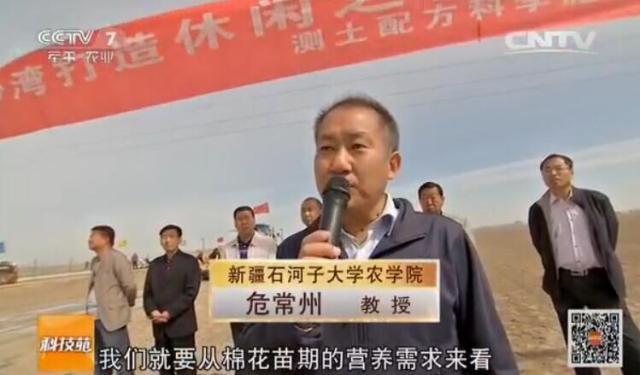 Changzhou Wei (危常州)合作论文数石河子大学农学院3Jianjun Wei (魏建军)合作论文数3jianzhong dun (顿建中)合作论文数2Yiru Ma合作论文数2




