The near-Earth asteroid Kamo‘oalewa, a quasi-satellite of the Earth and the first target for sample return by China’s Tianwen-2 mission, exhibits distinctive spectral characteristics. This study reanalyzes the visible and near-infrared reflectance spectrum of Kamo‘oalewa published by B. N. L. Sharkey et al. This study analyzes the visible and near-infrared reflectance spectrum of Kamo‘oalewa, obtained using the Large Binocular Telescope, to infer its mineral composition and space-weathering characteristics. Spectral similarity analysis is performed, by comparing the spectrum of Kamo‘oalewa to mean spectra of various types in the Bus–DeMeo taxonomy, to make a preliminary constraint on the combined characteristics of surface mineralogy and space-weathering effects. To further characterize the mineral composition, a detailed analysis of the 1 μ m band center is conducted, based on spectral data below 1.25 μ m that have higher signal-to-noise ratios and more bands. Empirical models for normalized spectra are developed to estimate the Is/FeO content. The results suggest that asteroid Kamo‘oalewa has a higher olivine abundance than typical S-type asteroids and the Moon, exhibiting an immature to submature degree of space weathering. These findings enhance our understanding of the evolution of similar quasi-satellites and provide important implication for the future explorations of the Tianwen-2 mission.
Although lunar surface roughness was studied extensively above micrometer scales before, it has not been investigated at smaller scales. In this study, we used an atomic force microscope to measure surface elevations of the Chang'E-6 lunar samples at submicrometer scales and collected other topographic data of the Chang'E-6 landing site at larger scales, which allowed us to calculate lunar surface roughness parameters across unprecedented 11 orders of magnitude from submicrometers to kilometers. The goal of this study is to investigate how surface roughness is linked to geological processes on the Moon and influences lunar remote sensing observations. The rms deviation increases with spatial scale and exhibits a scale-dependent behavior characterized by the Hurst exponent. The Hurst exponent peaks at 42 m, where impact cratering dominates, and exhibits the lowest value at 4 mm where rock fragmentation and regolith formation prevail. The Hapke's mean slopes revealed that the lunar photometric response is sensitive to roughness scales of 100 mu m. The rms slopes showed that the lunar thermal infrared (TIR) data are sensitive to roughness scales of 100 mu m to 5 cm, and the rms heights indicated that the absorption band depth measured for an individual particle in the TIR wavelengths may change by 17% when considering micrometer-scale roughness. The rms height and autocorrelation length suggested that the Chang'E-6 landing site is radar rough at a wavelength of 12.6 cm, and that the radar echoes can be modeled by the Kirchhoff Approximation or the Improved Integral Equation Model.
Although lunar surface roughness was studied extensively above micrometers before, it has not been investigated at smaller scales. In this study, we measured the surface topography of the Chang'E-5 and Chang'E-6 lunar samples by using atomic force microscopy. The obtained elevation datasets have a resolution of 117 nm pix-1, and their power spectral densities were calculated to evaluate the surface roughness. The resulting topographic power decreases with increasing wavevector, indicating the surface becomes smoother at smaller scales. Depending on the distribution of strength weakness and impact condition, fragmentation processes can produce surfaces with various roughness, whereas melt cooling can produce smooth, curved surfaces. Surface roughness does not vary significantly among different crystalline minerals, but is systematically lower for glasses. Self-similarity of the sample surfaces was then examined by the Hurst exponent of topographic powers. Flat surfaces show the least self-similar pattern due to their smooth texture, whereas surfaces with rectangular features are the most self-similar linked to their highly ordered weakness planes. Notably, lunar grains can exhibit Hurst exponents greater than 1, which indicates a strength-dominated fragmentation regime rarely seen on larger-scale lunar surfaces. In the visible wavelengths, the single-scattering albedo decreases and the depolarization effect increases from spherical to prolate and rough grains. In the thermal infrared wavelengths, the absorption band depths of the selected samples may vary by 6%-21% due to different surface roughness. This study offers new insights into the microscopic processes shaping the Moon and contributes to a more accurate interpretation of lunar remote sensing data.
Apart from positive ions and electrons, negative ions are expected in various astrophysical environments. However, they have never been detected on the Moon until the Chang'E-6 mission. The NILS instrument onboard Chang'E-6 lander is the first dedicated instrument for detecting negative ions beyond Earth and has successfully obtained H- spectra on the lunar surface, providing an unprecedented opportunity to investigate their origin and distribution. Here, we present a positive correlation between the H- spectra and solar wind parameters, which provides direct evidence for the generation of negative ions from solar wind-surface interaction. Combined with Monte Carlo simulations, we predict a thin dayside H- layer and a long nightside H- tail, which can contribute to the lunar plasma environment, especially during an extreme solar wind density event. These findings greatly improve our understanding of the generation and distribution of negative ions on the Moon and other airless bodies.
Context. The Navigation and Terrain Camera (NaTeCam) on board the Zhurong rover acquired extensive imaging data of the landing site under a wide range of phase angles, providing a unique opportunity to investigate the photometric properties of this area. Aims. We aim to retrieve the photometric and microphysical properties of the widely distributed soil units in the landing area, assess their implications for surface scattering behavior, and provide new ground-truth photometric constraints for this region. Methods. We extracted phase curves from five Martian-day datasets, corrected them for diffuse skylight using the DISORT (DIScrete Ordinates Radiative Transfer) radiative transfer model, and inverted the photometric parameters by coupling the Hapke radiative transfer model with a parallel Monte Carlo approach. Results. The soils exhibit backscattering-dominated behavior, relatively high particle porosity and/or heterogeneous size distributions, and low macroscopic roughness. The phase reddening effect is also observed, with a maximum near 60°. Conclusions. These photometric properties provide key ground-truth constraints for surface scattering models and enable more reliable quantitative spectral analyses of the Zhurong landing site and adjacent regions.
The candidate landing region for China’s Chang’E-7 (CE-7) lunar exploration mission is near Shackleton crater at the lunar south pole, and the CE-7 mission will perform in situ detection of water ice. We model the thermal stability of water ice in Shackleton crater and its surroundings at higher resolutions than previous remote sensing observations, considering the thermophysical properties of lunar regolith suitable for low-temperature conditions at the south pole. The effects of regolith thermal properties, influenced by different packings of lunar regolith, on the thermal stability of water ice in both permanently shadowed regions (PSRs) and non-PSRs are analyzed. Most of the surface of lunar regolith inside Shackleton crater is favorable for the stable preservation of water ice. For the PSRs inside the crater, more loosely packed lunar regolith results in lower annual mean temperatures at depths shallower than ∼0.03 m below the surface than those for densely packed regolith, suggesting that water ice could be more easily preserved in the shallow layers of loosely packed regolith in PSRs. Cold traps for some volatiles that require lower temperatures than water to persist over geological timescales are also identified; these cold traps, however, are noncontiguous due to the variation in local topography. Outside Shackleton crater, there are numerous cold traps with sizes down to ∼100 m. The identified cold traps could preserve a rich history of volatile accumulation and serve as targets for in situ exploration of water ice during the CE-7 mission.
The Moon Insight conceptual framework aims to map lunar lava tubes and understand their shapes and internal structures. It will use these natural underground spaces to study the Moon’s interior and volcanic history, improve our understanding of how the Moon formed and evolved, and support future lunar bases, long-term human stays, scientific research, and resource use.
Quantitative spectral unmixing is essential for identifying and characterizing mineral assemblages on planetary surfaces. The Hapke and Shkuratov models are the most widely used radiative transfer models (RTMs) for interpreting reflectance spectra, yet their quantitative accuracy remains largely untested due to limited laboratory validation. In this study, both models are applied to binary and ternary laboratory powder mixtures composed of phyllosilicates, including nontronite and saponite, sulfates represented by hexahydrite, and basaltic analogs relevant to Martian surface materials. The effects of endmember variability, spectral noise, and spectral sampling interval on unmixing performance are systematically evaluated. The results show both models reproduce measured spectra and compositional trends accurately when correct endmembers are used, achieving abundance retrievals within similar to 10 wt% for binary mixtures and similar to 15 wt% for ternary mixtures, except in systems with strong reflectance contrasts. The Shkuratov model provides lower errors and greater stability overall, whereas the Hapke model shows slightly better tolerance to compositional mismatch between Al-rich and Al-poor nontronite. Incorporating multiple compositional variants as an endmember bundle effectively mitigates mismatch effects. Estimated grain sizes fall within realistic physical ranges but show large uncertainties for bright or spectrally neutral materials, reflecting reduced model sensitivity to grain size variations. Additionally, we also find the unmixing performance remains robust under spectral noise levels of at least 25 dB and spectral sampling intervals up to 50, consistent with the capabilities of Mars orbital instruments. These results demonstrate that radiative transfer based unmixing, particularly using the Shkuratov model, provides a reliable and physically grounded framework for quantitative mineralogical analysis of Martian hyperspectral data.
Tyrrhena Terra, a region located in the cratered highlands between Hellas and Isidis Planitia on Mars, is distinguished by its extensive presence of hydrated minerals. Using 542 hyperspectral images from the Compact Reconnaissance Imaging Spectrometer for Mars, we detected 252 exposures of hydrated minerals. This region is characterized by a widespread distribution of Fe/Mg-smectites/vermiculites and chlorite, with additional detections of Al-phyllosilicates, zeolites, prehnite, hydrated silica, and carbonates. We classified the mineralogical detections in classes of impact crater diameters, locations in craters, and for those > 20 km, their relative degradation stages. We found that craters < 10 km display a lower mineral diversity than larger ones. In contrast, craters > 20 km display a high mineral diversity, especially in central peaks, suggesting a strong influence of hydrothermal processes and deep excavation. Among this diameter range, fresh, young craters exhibit a much higher mineral diversity than degraded, old craters. Fe/Mg-phyllosilicates are dominant in the latter, as well as in sedimentary units of topographically low areas. These results indicate a long-term alteration cycle in the most ancient period, where the initial, diverse hydrated minerals-formed through exhumation and/or hydrothermal circulation within large impacts-were subsequently transformed by surface weathering and/or buried, dissolved, or eroded away by other post-impact processes, then transported and deposited in lowlands by fluvial erosion. Although Tyrrhena Terra is dominated by impact-related hydrated mineral detections, our study shows that the overprint of Noachian age weathering is visible within these detections.
The role of widespread ilmenite in lunar mare regions in the abundance and diurnal variations of surficial OH/H2O remains controversial. Here, we report the water content and hydrogen isotopes in the rims of lunar ilmenites from Chang'e-5 soil samples using an ion microprobe. Ilmenite rims exhibit higher water contents (~730 - 3,700 ppm) and lower δD values (-884 to -482‰) than that of the lunar mantle, indicating a predominantly endogenic origin from solar-wind (SW) implantation. Our data further reveal that although ilmenite and silicate minerals overlap in the δD vs. H2O diagram, almost all ilmenites fall above those of silicates with SW-like δD values. This signature is consistent with the drastic difference in vesicle abundance between ilmenite and silicate minerals. Thus, the lower water content in ilmenite rims most likely reflects a faster dynamic equilibrium between SW-hydrogen implantation and outgassing than in other silicates. These findings suggest that ilmenite may play a critical role in the surface water cycle of lunar maria within the Procellarum KREEP Terrane. This is also crucial for assessing the in-situ resource utilization potential of the region, highlighting the need to reevaluate ilmenite as a viable resource for future lunar exploration.
The Yutu-2 rover of the Chang’e-4 mission has been exploring the lunar farside since January 2019. By analyzing the visible and near-infrared spectra collected by Yutu-2 during its first five years of operation, we have identified that the pyroxene in the surrounding lunar regolith is primarily low-Ca clinopyroxene. Findings from spectral absorption analyses and mineralogical quantification indicate that the lunar regolith in the Chang’e-4 landing area predominantly consists of local mare basaltic materials rather than Finsen’s ejecta. These mare basaltic substances were likely excavated by Finsen’s secondary crater from the local basalt layer located at depths below about 8 m. Collaborative analyses of the mineralogy and topography along the Yutu-2 traverse suggest that the southern wall and western wall of Finsen’s secondary crater may have experienced different degradation processes. Additionally, the Finsen’s ejecta may be predominantly deposited at the center of its secondary crater. Our results reveal that the distal impact ejecta are capable of substantially excavating the local materials. These findings reveal the complex evolutionary processes of the lunar regolith and highlight the significance of meticulous analysis for the provenance of lunar surface materials.
The dual-wavelength extreme ultraviolet camera (EUC) for the Queqiao-2 relay satellite of the Chang’E-7 (CE-7) mission operates at 30.4 and 83.4 nm independently to simultaneously image the plasmasphere, magnetosheath, and ionospheric outflow from a lunar orbit. Each channel of the EUC is consisted of a concave multilayer mirror and a photon-counting imaging detector. This simple system achieves a large field of view (FOV), high spatial resolution, and optimized photon transmission efficiency to capture high-quality images of very weak extreme ultraviolet emissions in Earth space. Here we present the detailed design, tests, and calibrations of the EUC. Ground geometrical tests showed that the FOV was 20.2° for the 30.4 nm channel and 20.3° for the 83.4 nm channel, and the spatial resolution was 0.09° for both channels. Geometric distortion was corrected to be less than 1
In photometric modeling, disk function plays a crucial role in describing scattering behaviors related to the local incidence and emission angles of an observed surface. Finding a proper disk function is important for normalizing spectra observed under different observing geometries. This study evaluates the performances of five different disk functions, including the Lommel‐Seeliger function, and functions proposed by Minnaert, McEwen, and Akimov, using bidirectional reflectance distribution function (BRDF) data of lunar‐type minerals and Apollo lunar soils. BRDF measurements of olivine, orthopyroxene, plagioclase, and ilmenite were conducted to examine the effects of mineralogy and particle size. Our results indicate that the Akimov empirical function is most effective in reducing discrepancies among data measured under varied incidence and emission angles for both pure minerals and lunar soil samples. Two empirical functions for the free parameter q in this model were generalized based on pure mineral data, but are unsuitable for lunar soil samples. The q derived for six Apollo lunar soil samples are much lower than those for pure silicate minerals but align well with remote sensing observations, with no distinct differences between lunar mare and highland soil samples, possibly due to extensive space weathering on the lunar surface. The q values at a phase angle of 70° show the strongest correlation with the widely used maturity index I s /FeO, and two empirical functions between I s /FeO and q (70°) for bands 550 and 750 nm were established, which may be used to quantify the degree of space weathering.
The Lunar Orbital VLBI Experiment (LOVEX) is a scientific component of the Chinese Lunar Exploration Project (CLEP) Chang’E-7. The spaceborne component of LOVEX is implemented onboard the relay satellite QueQiao-2, which was launched on 20 March 2024, and later placed into an elliptical selenocentric orbit. The LOVEX-specific payload consists of an X-band cryogenic receiver, a hydrogen maser frequency standard, and VLBI data formatting and acquisition electronics. Several components of the QueQiao-2 nominal onboard instrumentation, such as the 4.2-m antenna, the data storage device, and the downlink communication system, contribute to the overall spaceborne VLBI instrumentation. This allows us to form a space radio telescope capable of co-observing with Earth-based radio telescopes in VLBI mode. In this space VLBI system, the length of the baseline extends up to approximately 380000 km. This paper presents the LOVEX scientific objectives, architecture, instrumentation, prelaunch tests, in-flight verification and calibration, and the first in-flight detections of interferometric response (“fringes”) achieved through observations of the quasar AO 0235+164 and the Chang’E-6 orbital module, positioned at the Sun-Earth Lagrange point L2. These initial results demonstrate the successful performance of LOVEX, verifying its capability for both astronomical and spacecraft tracking observations at ultra-long VLBI baselines.
Ferroan anorthosite, the dominant component of the primordial lunar crust, provides valuable evidence for the lunar magma ocean (LMO) theory. Despite its adjacency to the feldspathic highlands terrane, the identification of pure anorthosite in the Apollo basin has been scarce. Through a comprehensive investigation with high-resolution Kaguya Multiband Imager data over the Apollo basin, we identified numerous outcrops exhibiting definitive diagnostic absorption indicative of the presence of ferroan anorthosite. These anorthosite exposures suggest that crustal material remained after the South Pole-Aitken (SPA) basin impact and that the mafic-rich SPA ejecta was thin in the area, providing significant insights into the excavation process of the SPA impact and subsequent evolution. Our results suggest that the Chang'e-6 mission could potentially bring back the primordial crustal anorthosite from the Apollo basin and offer valuable insights into the LMO theory, alongside the mantle material excavated by the massive SPA impact.
 Ziyuan Ouyang (欧阳自远)合作论文数Institute of Geochemistry, Chinese Academy of Sciences;University of Chinese Academy of Sciences61
 Yang Liu (刘洋)合作论文数National Space Science Center, Chinese Academy of Sciences;University of Chinese Academy of Sciences57
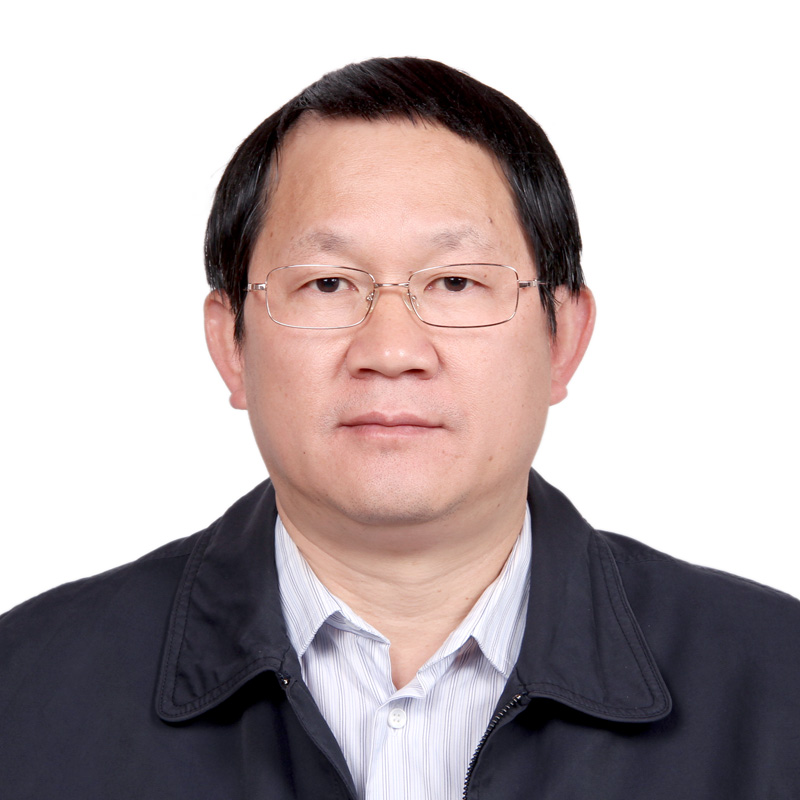 Chunlai Li (李春来)合作论文数National Astronomical Observatories, Chinese Academy of Sciences;University of Chinese Academy of Sciences56
 Jianzhong Liu (刘建忠)合作论文数Institute of Geochemistry, Chinese Academy of Sciences53
 Yong-Chun Zheng (郑永春)合作论文数National Astronomical Observatories, Chinese Academy of Sciences39
 Xiaohui Fu (付晓辉)合作论文数School of Space Science and Technology, Shandong University26
 Feng Zhang (张锋)合作论文数26
 Chi Wang (王赤)合作论文数State Key Laboratory of Solar Activity and Space Weather, National Space Science Center, Chinese Academy of Sciences;University of Chinese Academy of Sciences25
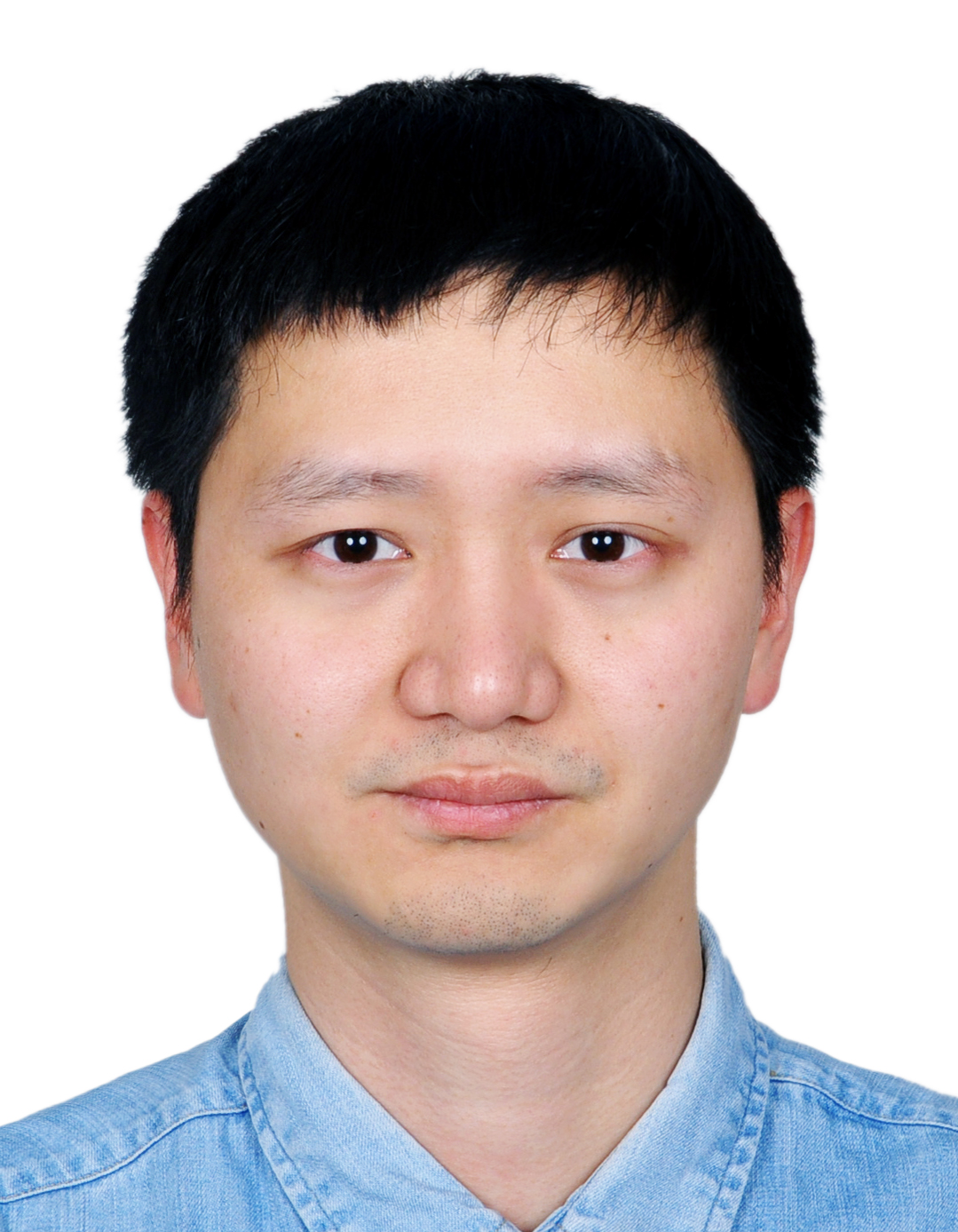 Yazhou Yang (杨亚洲)合作论文数National Space Science Center, Chinese Academy of Sciences21
 Xing Wu (吴兴)合作论文数University of Chinese Academy of Sciences;National Space Science Center, Chinese Academy of Sciences20
 JIA Yingzhuo合作论文数17
 Zhiping He (何志平)合作论文数Shanghai Institute of Technical Physics, Chinese Academy of Sciences;University of Chinese Academy of Sciences17
 JianJun Liu (刘建军)合作论文数National Astronomical Observatories, Chinese Academy of Sciences17Weibin Wen (温卫斌)合作论文数17
 Yan Su (苏彦)合作论文数中国科学院国家天文台15
 Wei Yang (杨蔚)合作论文数Institute of Geology and Geophysics, Chinese Academy of Sciences14Xin Ren (任鑫)合作论文数14
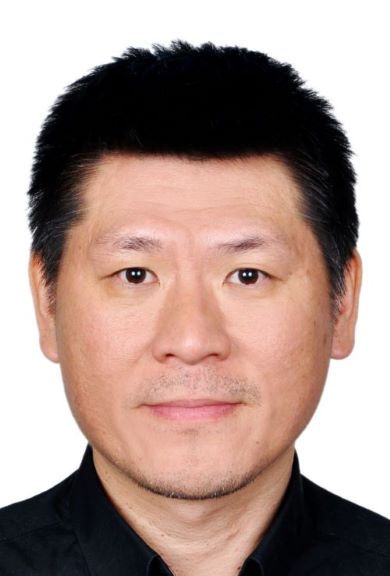 Zhangbin Xue (薛长斌)合作论文数中国科学院大学国家空间科学中心13
 Rui Xu合作论文数12
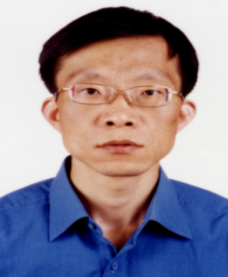 Wei Zuo (左维)合作论文数Institute of Modern Physics, Chinese Academy of Sciences;University of Chinese Academy of Sciences12
 Shijie Wang (王世杰)合作论文数中国科学院地球化学研究所11Wei Bian合作论文数11
 Sen Hu (胡森)合作论文数Institute of Geology and Geophysics, Chinese Academy of Sciences10
 Yong Wei (魏勇)合作论文数Institute of Geology and Geophysics, Chinese Academy of Sciences;College of Earth and Planetary Sciences, University of Chinese Academy of Sciences10Yuchun Wu合作论文数9ZhenXing Zhao合作论文数9CHEN Yuesong合作论文数9Wang Min合作论文数9
 Dijun Guo合作论文数9
 Hongbo Zhang (张洪波)合作论文数University of Chinese Academy of Sciences;National Astronomical Observatories, Chinese Academy of Sciences9
 Guangliang Zhang (张广良)合作论文数University of Chinese Academy of Sciences;National Astronomical Observatories, Chinese Academy of Sciences9
 Zongcheng Ling (凌宗成)合作论文数Center for Planetary Sciences, Institute of Space Sciences, Shandong University;School of Space Science and Technology, Shandong University9Lin Xu (徐琳)合作论文数National Space Science Center, Chinese Academy of Sciences;University of Chinese Academy of Sciences8
 Honglei Lin (林红磊)合作论文数Institute of Geology and Geophysics, Chinese Academy of Sciences8
 Yuchen Xu (徐奕辰)合作论文数State Key Laboratory of Space Weather, National Space Science Center, Chinese Academy of Sciences, Beijing, People's Liberation Army
8
Yuchen Xu (徐奕辰)合作论文数State Key Laboratory of Space Weather, National Space Science Center, Chinese Academy of Sciences, Beijing, People's Liberation Army
8 Chun Xu (许春)合作论文数Shanghai Astronomical Observatory, Chinese Academy of Sciences8
 Yangting Lin (林杨挺)合作论文数Key Laboratory of Earth and Planetary Physics, Institute of Geology and Geophysics, Chinese Academy of Sciences;University of Chinese Academy of Sciences8
 Xiao-Duan Zou合作论文数National Astronomical Observatories, Chinese Academy of Sciences8Liu Zhenghao合作论文数7Fang Wang合作论文数7
 Deqing Kong (孔德庆)合作论文数University of Chinese Academy of Sciences7
 Jiang Zhang (张江)合作论文数School of Space Science and Technology, Shandong University7
 Aibing Zhang (张爱兵)合作论文数National Space Science Center, Chinese Academy of Sciences7
 Shuai Li合作论文数7
 Xiaoxin Zhang (张效信)合作论文数National Satellite Meteorological Centre7Zhang ChaoLin合作论文数6




