We report the development of a novel nickel-hydride catalytic system for the reductive coupling of aryl halides with isoprene under mild conditions, allowing direct access to structurally diverse aryl isopentenyl compounds. The method requires no preformed metal reagents, exhibits excellent functional-group tolerance, overcomes regioselectivity challenges associated with isoprene, and provides a concise, efficient, and environmentally friendly route to natural and unnatural target products.
BACKGROUND:Benzoate esters possess significant potential as broad-spectrum, environmentally friendly insecticides or repellents. However, the efficacy of methyl benzoate derivatives in pest control remains underexplored. This study systematically evaluated the repellent activities of 14 benzoate compounds and the positive control, N,N-diethyl-3-methylbenzamide (DEET), against the red imported fire ant. Additionally, molecular docking was integrated to investigate potential binding modes. RESULTS:Molecular docking results indicated favorable binding affinities to GP-9, with active molecules establishing stable hydrogen bonds and hydrophobic interactions. Multiple-choice digging bioassays demonstrated that all tested compounds possessed repellent activity. Three derivatives bearing an ortho-amino substituent exhibited superior efficacy. Among these, butyl 2-aminobenzoate displayed the highest activity with a minimum effective concentration of only 0.09 mM, significantly outperforming DEET (6 mM). Structure-activity relationship analysis revealed that the presence of an ortho-amino group (hydrogen bond donor) and elongated ester side chain (increasing lipophilicity) were critical for high potency. Furthermore, butyl 2-aminobenzoate maintained persistent repellency for 60 to 70 days. CONCLUSION:Our findings demonstrate that benzoate esters are characterized by high efficiency, low toxicity, and long-lasting effects. They hold great potential as alternatives to conventional high-toxicity insecticides for quarantine interception and management of S. invicta in sensitive areas. © 2026 Society of Chemical Industry.
Stroke poses a serious threat to human health, while there are very few drugs that can directly alleviate ischemia/reperfusion injury and improve the prognosis. Studies have shown that small-molecule activators of aldehyde dehydrogenase 2 (ALDH2) have the potential to become novel therapeutic drugs for ischemic stroke. In this study, through the systematic structural optimization of novel N-benzylaniline-based ALDH2 activators obtained from our previous virtual screening, ALDH2 activators with improved water solubility and activity were obtained. Among them, compound D10 exhibits the best activity, with a maximum activation fold reaching 114% relative to Alda-1. And the water solubility of its hydrochloride salt D27 was increased by more than 200-fold. The intravenous injection of this compound can significantly reduce the infarct area in the rat model of cerebral infarction compared with the model group. This study lays a good foundation for the future research on ALDH2 activators used in the treatment of stroke.
Due to clinical demands, there remains a need for new triazole antifungal compounds to broaden the antifungal spectrum and enhance therapeutic efficacy. In this paper, we have developed an effective method for obtaining triazole compounds with 1,2,3-triazole groups introduced into their side chains via click chemistry, targeting the active site of cytochrome P450 14 alpha-demethylase (CYP51). In vitro antifungal activity tests of the title compounds against three human pathogenic fungi demonstrated that this class of compounds exhibited good antifungal activity. Notably, compound 2d exhibits superior antifungal activity compared to fluconazole against Candida albicans SC5314 (with the MIC value of <= 0.125 mu g/mL) and Cryptococcus neoformans 32609 (with the MIC value of 2 mu g/mL), meriting further investigation. Molecular docking results indicated that the introduced 1,2,3-triazole rings in the side chains formed pi-pi stacking interactions with Tyr118 of CYP51, along with additional hydrogen bonds. This paper provides a method for rapidly modifying the side chains of triazole antifungal drugs in the future to obtain compounds with further enhanced activity.
A novel series of triazole alcohols containing an indole-3-methyl(phenyl)a- mino side chain have been synthesized as derivatives of fluconazole. The title compounds were synthesized via the ring-open reaction of epoxide with various N-aryl indole-3-methylamine. Compound C04 exhibited significant inhibitory activity against fluconazole-resistant Candida albicans (ATCC-14053) with an MIC50 of 2.31 μM. Notably, compound C08 displayed potent inhibition against seven fungal pathogens including two clinically isolated fluconazole-resistant strains. The time-kill assays demonstrated that compounds C04 and C08 exhibited significant growth inhibitory effects against Candida albicans ATCC 14053. Further studies confirmed their potent inhibitory activity against C. albicans biofilm development. Cytotoxicity evaluation demonstrated that both compounds exhibited favorable safety profiles. These results indicate that C04 and C08 are promising antifungal drug candidates, providing novel therapeutic strategies to combat clinically resistant fungal infections.
Life-threatening invasive fungal infections pose a serious threat to human health. A series of novel triazole derivatives bearing a pyrazole-methoxyl moiety were designed and synthesized in an effort to obtain antifungals with potent, broad-spectrum activity that are less susceptible to resistance. Most of these compounds exhibited moderate to excellent in vitro antifungal activities against Candida albicans SC5314 and 10,231, Cryptococcus neoformans 32,609, Candida glabrata 537 and Candida parapsilosis 22,019 with minimum inhibitory concentration (MIC) values of ≤0.125 μg/mL to 0.5 μg/mL. Use of recombinant Saccharomyces cerevisiae strains showed compounds 7 and 10 overcame the overexpression and resistant-related mutations in ERG11 of S. cerevisae and several pathogenic Candida spp. Despite being substrates of the C. albicans and Candida auris Cdr1 drug efflux pumps, compounds 7 and 10 showed moderate potency against five fluconazole (FCZ)-resistant fungi with MIC values from 2.0 μg/mL to 16.0 μg/mL. Growth kinetics confirmed compounds 7 and 10 had much stronger fungistatic activity than FCZ. For C. albicans, compounds 7 and 10 inhibited the yeast-to-hyphae transition, biofilm formation and destroyed mature biofilm more effectively than FCZ. Preliminary mechanism of action studies showed compounds 7 and 10 blocked the ergosterol biosynthesis pathway at Erg11, ultimately leading to cell membrane disruption. Further investigation of these novel triazole derivatives is also warranted by their predicted ADMET properties and low cytotoxicity.
Invasive fungal infections pose a serious threat to public health and are associated with high mortality and incidence rates. The development of novel antifungal agents is urgently needed. Based on hit-to-lead optimization, a series of 2,4,6-trisubstituted triazine hydrazone compounds were designed, synthesized, and biological evaluation was performed, leading to the identification of compound 28 with excellent in vitro synergy (FICI range: 0.094-0.38) and improved monotherapy potency against fluconazole-resistant Candida albicans and Candida auris (MIC range: 1.0-16.0 mu g/mL). Moreover, 28 exhibited broad-spectrum antifungal activity against multiple pathogenic strains. Furthermore, 28 could inhibit hyphal and biofilm formation, which may be related to its ability to disrupt the fungal cell wall. Additionally, 28 significantly reduced the CFU in a mouse model of disseminated infection with candidiasis at a dose of 10 mg/kg. Overall, the triazine-based hydrazone compound 28 with low cytotoxicity, hemolysis, and favorable ADME/T characteristics represents a promising lead to further investigation.
Organic chemistry is a fundamental course for undergraduate students majoring in clinical disciplines at our university,playing a crucial"bridge"role in their subsequent professional courses.However,organic chemistry is known for its abstract theoretical concepts and numerous knowledge points,making it challenging for students to comprehend and master.In response to the teaching issues encountered in traditional classroom settings,this paper adopts the innovative O-PIRTAS flipped classroom model,integrating the characteristics of organic chemistry education.Taking the specific topic of carboxylic acids as an example,the classroom teaching is restructured with the aim of exploring the application of this model in organic chemistry courses and subsequently improving teaching effectiveness.
BOPPPS教学模式是一种逻辑清晰、教学节奏紧凑的教学模型,按照模块设置顺序,包含了导入、目标、前测、参与式学习、后测和总结六大部分.针对临床专业有机化学课时数少、知识点零碎、理论抽象等特点,教学团队运用BOPPPS教学模式,以"羧酸"章节授课为例,探讨该模式在有机化学课程中的应用.
Previous work led to the rational design, synthesis and testing of novel antifungal triazole analogues bearing alkynyl-methoxyl side chains. Tests of in vitro antifungal activity showed Candida albicans SC5314 and Candida glabrata 537 gave MIC values of ≤0.125 μg/mL for most of the compounds. Among these, compounds 16, 18, and 29 displayed broad-spectrum antifungal activity against seven human pathogenic fungal species, two fluconazole-resistant C. albicans isolates and two multi-drug resistant Candida auris isolates. Moreover, 0.5 μg/mL of 16, 18, and 29 was more effective than 2 μg/mL of fluconazole at inhibiting fungal growth of the strains tested. The most active compound (16) completely inhibited the growth of C. albicans SC5314 at 16 μg/mL for 24 h, affected biofilm formation and destroyed the mature biofilm at 64 μg/mL. Several Saccharomyces cerevisiae strains, overexpressing recombinant Cyp51s or drug efflux pumps, indicated 16, 18, and 29 targeted Cyp51 without being significantly affected by a common active site mutation, but were susceptible to target overexpression and efflux by both MFS and ABC transporters. GC-MS analysis demonstrated that 16, 18, and 29 interfered with the C. albicans ergosterol biosynthesis pathway by inhibition at Cyp51. Molecular docking studies elucidated the binding modes of 18 with Cyp51. The compounds showed low cytotoxicity, low hemolytic activity and favorable ADMT properties. Importantly, compound 16 showed potent in vivo antifungal efficacy in the G. mellonella infection model. Taken together, this study presents more effective, broad-spectrum, low toxicity triazole analogues that can contribute to the development of novel antifungal agents and help overcome antifungal resistance.
A series of novel triazole derivatives containing aryl-propanamide side chains was designed and synthesised. In vitro antifungal activity studies demonstrated that most of the compounds inhibited the growth of six human pathogenic fungi. In particular, parts of phenyl-propionamide-containing compounds had excellent, broad-spectrum antifungal activity against Candida albicans SC5314, Cryptococcus neoformans 22-21, Candida glabrata 537 and Candida parapsilosis 22-20 with MIC values in the range of & LE;0.125 & mu;g/mL-4.0 & mu;g/mL. In addition, compounds A1, A2, A6, A12 and A15 showed inhibitory activities against fluconazole-resistant Candida albicans and Candida auris. Preliminary structure-activity relationships (SARs) are also summarised. Moreover, GC-MS analysis demonstrated that A1, A3, and A9 interfered with the C. albicans ergosterol biosynthesis pathway by inhibiting Cyp51. Molecular docking studies elucidated the binding modes of A3 and A9 with Cyp51. These compounds with low haemolytic activity and favourable ADME/T properties are promising for the development of novel antifungal agents.
In order to develop new triazole derivatives, we optimized the lead compound a6 by structural modifications to obtain a series of (2R,3R)-3-((1-substituted-1H-1,2,3-triazol-4-yl) methoxy)-2-(2,4-difluorophenyl)-1-(1H-1,2,4-triazol-1-yl) butan-2-ol, compounds 5-36. Most of the target compounds exhibited excellent in vitro antifungal activity against Candida albicans 10231 and Candida glabrata 537 with MIC ≤ 0.125 µg/mL. Of particular note, compounds 6, 22, 28, 30 and 36 were highly active against Candida neoformans 32609 with MIC ≤ 0.125 µg/mL and showed broad-spectrum antifungal activity including against fluconazole-resistant Candida auris 891. In addition, compounds 6 and 22 demonstrated inhibitory effects on filamentation in the azole-resistant C. albicans isolate. Moreover, compounds 6 and 22 were minimally toxic to HUVECs and possessed weak inhibitory effects on the human CYP3A4 and CYP2D6. SARs and docking study further indicated that ortho-substituted groups in the terminal phenyl ring can promote the compounds to improve their antifungal activity.
Herein, the di- and trisaccharide mimics of the hexasaccharide antigen related to Bacillus anthracis were synthesized and covalently coupled with carrier proteins, such as keyhole limpet hemocyanin (KLH) and bovine serum albumin (BSA), to form the corresponding glycoconjugates 1-6. 2,3,4,6-Tetra-O-benzyl thioglycoside and 2-deoxyl-2-phthalylamino-3,4,6-tri-O-benzyl thioglycoside were applied as glycosyl donors to guarantee α or β-configuration of the newly formed glycosidic bonds. Glutaraldehyde was used as a homobifunctional cross-linker for high-efficiency coupling. The synthetic KLH-glycoconjugates 2, 4 and 6 were also used to vaccinate female Balb/c mice and the preliminary results of ELISA uncovered that all three KLH-conjugates could induce immune responses and generate oligosaccharide-specific total IgG antibodies. The trisaccharide 8, the glycosyl part of glycoconjugate 4, is of great immunogenicity.
A series of triazole derivatives containing phenylethynyl pyrazole moiety as side chain were designed, synthesized, and most of them exhibited good in vitro antifungal activities. Especially, compounds 5k and 6c showed excellent in vitro activities against C. albicans (MIC = 0.125, 0.0625 μg/mL), C. neoformans (MIC = 0.125, 0.0625 μg/mL), and A. fumigatus (MIC = 8.0, 4.0 μg/mL). Compound 6c also exerted superior activity to compound 5k and fluconazole in inhibiting hyphae growth of C. albicans and inhibiting drug-resistant strains of C. albicans, and it could reduce fungal burdens in mice kidney at a dosage of 1.0 mg/kg. An in vivo efficacy evaluation indicated that 6c could effectively protect mice models from C. albicans infection at doses of 0.5, 1.0, and 2.0 mg/kg. These results suggested that compound 6c deserves further investigation.
ObjectiveTo investigate the epidemiological characteristics and analyze the incidence trend of SARS-CoV-2 infection in Shanghai, China, and compare with the characteristics of the infection in Jilin Province of China during the same period in 2022 and Wuhan at the beginning of 2020.MethodsInformation of new locally-transmitted confirmed SARS-CoV-2 cases, imported confirmed COVID-19 cases, local asymptomatic SARS-CoV-2 carriers and imported asymptomatic SARS-CoV-2 carriers in Shanghai from March 1 to April 18, 2022 was collected for descriptive analysis.ResultsFrom March 1 to April 18, 2022, a total of 397 933 locally-transmitted SARS-CoV-2 cases were reported in Shanghai. Of those, 27 613 were clinically confirmed cases and 21 were severe cases. Ten deaths were related to COVID-19. The pathogen is Omicron variant BA.2 of SARS-CoV-2. The number of the infected subjects increased rapidly after March 24 and lead to a disease outbreak. Severe and deceased cases had severe comorbidity and were mostly unvaccinated with SARS-CoV-2 vaccines. Asymptomatic SARS-CoV-2 carriers accounted for 93.06%, which is significantly higher than that in Jilin Province during the same period (48.07%, P<0.001). Daily increase in the number of clinically confirmed COVID-19 cases in Shanghai in 2022 was much lower than that in Wuhan, Hubei Province, in 2020. Number of daily newly imported confirmed COVID-19 cases and imported asymptomatic SARS-CoV-2 carriers declined during this period.ConclusionThe Omicron variant in Shanghai 2022 is highly infectious and less pathogenic. Omicron variant BA.2 replicates rapidly in asymptomatic carriers, which makes the carriers the major source of infection. Full-term vaccination of inactivated SARS-CoV-2 vaccine might decrease the pathogenicity and fatality of SARS-CoV-2 variants. SARS-CoV-2 of the Omicron BA2 strain is likely transmitted through aerosols and droplets, which poses a great challenge to the control of the COVID-19 pandemic in large cities with high population density and sophisticated public transportation.
The clinical prevalence of antifungal drug resistance has been increasing over recent years, resulting in the failure of treatments. In an attempt to overcome this critical problem, we sought novel synergistic enhancers to restore the effectiveness of fluconazole against resistant Candida albicans. Based on the structural optimization of hit compound 8 from our in-house library, a series of novel 1,3,5-triazines derivatives was designed, synthesized, and biologically evaluated for synergistic activity in combination with fluconazole. Among them, compounds 10a–o, which contain thiosemicarbazides side chains, exhibited excellent in vitro synergistic antifungal potency (MIC80 = 0.125–2.0 μg/mL, FICI range from 0.127 to 0.25). Interestingly, compound 10l exhibited moderate C. albicans activity as monotherapy with an MIC80 value of 4.0 μg/mL, and also on several Cryptococcus strains (MIC80 ranging from ≤ 0.125–0.5 μg/mL) and C. glabrata (MIC80 ≤ 0.125 μg/mL). These effects were fungal-selective, with much lower levels of cytotoxicity towards human umbilical vein endothelial cells. Here, we report a series of thiosemicarbazides containing 1,3,5-triazines derivatives as potent synergists with fluconazole, and have preliminarily validated compound 10l as a promising antifungal lead for further investigation.
有机化学是高等院校医学类本科相关专业的一门重要的基础课,在教学过程中,由于重视知识的传递而忽视了思政教育.本文深入探讨了有机化学主要内容中的"课程思政"元素,并设计了课程思政的教学内容.通过将"培养学生的爱国情怀,增强民族自信,培养社会责任感"、"启发科学思维,树立严谨的科学态度"、"贯彻绿色化学思想,树立科学发展观"等思政元素与课程内容的交融,对医学类专业开展有机化学课程思政进行探索与实践,实现高等教育既"教书",又"育人"的目的.
互联网的高速发展推动了教育模式的多元化,如何更好地利用多种教学模式实现教学效果最优化成为当今教学改革与研究的热点.为提高留学生有机化学教学效果和质量,本文将线上与线下教学进行合理的整合,进行线上-线下混合式教学探索,并在临床医学专业留学生有机化学教学中探索实践.混合式教学模式考核评价机制的多样性凸显了混合式教学模式的优势,不仅能有效激发学生的学习积极性与自主性,提高课堂教学的效率和效果,而且对于学生知识结构框架的构建具有重要作用.
有机化学实验是化工类及医药卫生类专业学生必修的专业基础实验课程.有机化学广泛应用于食品行业、医药领域、工业制造业、环境保护和资源利用等方方面面,与整个社会的发展密切相关.新时代下,综合素质人才的培养也对有机化学实验教学提出了新的挑战,本文简述了目前有机化学实验课程中存在的问题并且提出了相关的几点思考,希望能够对有机化学实验课程的改革具有启发意义.
This is the first study exploring the effects of BD-AcAc2 on DCS prevention, and it was proven to be an efficient and simple method. The role of BD-AcAc2 in increasing ppO2, anti-inflammatory and antioxidant properties was thought to be the critical mechanism in DCS prevention.
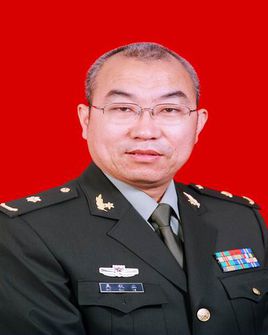 Qiuye Wu (吴秋业)合作论文数中国人民解放军第二军医大学药学院91
 CHAI Xiao-yun合作论文数62Yan Zou (邹燕)合作论文数37Dazhi Zhang (张大志)合作论文数第二军医大学药学系37
 Honggang Hu (胡红刚)合作论文数School of Science, Beijing Jiaotong University33Yong-Sheng Jin合作论文数33
 Yuanying Jiang (姜远英)合作论文数School of Medicine, Tongji University22
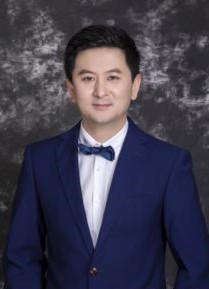 Ting Wang (汪亭)合作论文数School of Medicine, Tongji University;Shanghai Skin Disease Hospital, Tongji University;Institute of Advanced Study, Tongji University20
 Qingjie Zhao (赵清杰)合作论文数School of Computer Science & Technology, Beijing Institute of Technology20Qingyan Sun合作论文数20Yumeng Hao合作论文数18
 Tingjunhong Ni (倪廷峻弘)合作论文数School of Medicine, Tongji University;Institute of Advanced Study, Tongji University14Fei Xie (谢斐)合作论文数13Ting WANG (汪亭)合作论文数12JianMing Xu (徐建明)合作论文数12Baogang Wang合作论文数10
 Yongbing Cao (曹永兵)合作论文数Shanghai University of Traditional Chinese Medicine10Zhigang Dan合作论文数9Jun Zhang合作论文数9Qingguo Meng (孟庆国)合作论文数烟台大学药学院8Junhe Bao合作论文数7Zichao Ding合作论文数7Fei XIE (谢斐)合作论文数7Guang-ming YE合作论文数6Xiaochen Chi合作论文数6Hongli Liao合作论文数6WANG Ruina (王瑞娜)合作论文数6YaJu Pan (潘亚菊)合作论文数6
 Lan Yan (阎澜)合作论文数Second Military Medical University6Zhongjun Guan合作论文数6JunQi Wu (吴俊琪)合作论文数5Lei Huang (黄蕾)合作论文数5
 YiFeng Chai (柴逸峰)合作论文数第二军医大学药学院5Yongzheng Yan合作论文数5Nan Wang合作论文数4Guojing Bai合作论文数4Kehan Xu (许克寒)合作论文数4XiaoYan Wang (王小燕)合作论文数4Li Ran合作论文数4Zhan Cai合作论文数4Wang Yanwei合作论文数4
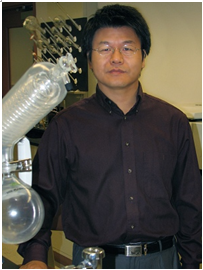 Zhongwu Guo (郭忠武)合作论文数Wayne State University;National Glycoengineering Research Center, Shandong University4Jun Liao合作论文数4Junqi Wu合作论文数3Jiacun Liu合作论文数3Lei Zhang合作论文数3Hong Cui合作论文数3
 Liping Li合作论文数3




