Background:Carotid body tumors (CBTs) are rare paragangliomas at the carotid bifurcation. Surgical resection is the primary treatment; however, internal carotid artery (ICA) resection may be required and carries high risks of cerebral ischemia and complex reconstruction. The conventional Shamblin classification, based on arterial encasement, does not reliably predict ICA resection. This study aimed to evaluate whether the tumor-ICA interface on contrast-enhanced ultrasound (CEUS) can serve as a predictor of ICA resection, and to develop a combined predictive model for risk stratification. Methods:This prospective study included 54 patients with 59 CBT lesions who underwent preoperative CEUS and subsequent surgery at a tertiary referral center between December 2022 and March 2025. The CEUS interface was qualitatively assessed as present or absent. The primary outcome was intraoperative ICA management (preservation vs. resection). Univariate analyses were performed, followed by multivariate analysis using Firth's penalized‑likelihood regression. Predictive models based on each independent predictor and their combination were constructed, and their performance was compared using the area under the curve (AUC) of the receiver operating characteristic (ROC). A risk-stratification system was then established based on the combined model. Results:ICA resection was required in 12 of the 59 lesions (20.3%). The multivariate analysis identified the CEUS interface [odds ratio (OR) 40.46, 95% confidence interval (CI): 4.55-1190.09, P<0.001] and the Shamblin grade (OR 11.92, 95% CI: 1.02-314.23, P=0.049) as independent predictors of ICA resection in CBT surgery. The combined model achieved an AUC of 0.949 (95% CI: 0.860-1.000), compared with 0.906 (95% CI: 0.794-1.000) for the CEUS interface alone and 0.843 (95% CI: 0.710-0.976) for the Shamblin grade alone. The model stratified patients into four distinct risk tiers, with the predicted probability of ICA resection ranging from 3.1% (CEUS interface present and Shamblin grade I/II) to 96.3% (CEUS interface absent and Shamblin grade III). Conclusions:The CEUS interface is a strong preoperative predictor of ICA resection in CBT surgery. When combined with the Shamblin grade, it provides a promising predictive model for risk stratification that may aid in surgical planning. However, external validation is needed before clinical implementation.
To assess whether age independently predicts renal function in Takayasu arteritis (TA) patients with abdominal aortic involvemen. This retrospective study included 149 TA patients. Renal function was assessed by estimated glomerular filtration rate (eGFR). Vascular features (severe RAS, aortic plaques) were evaluated via integrated ultrasound and CT angiography. Univariate and multivariate regression analyses identified determinants of eGFR and clinical renal impairment (eGFR < 90 mL/min/1.73m²). Mean age was 33.85 years. Age showed the strongest inverse correlation with eGFR (r = -0.538, p < 0.001). In multivariate analysis, age remained the most robust independent predictor of lower eGFR (standardized β = -0.500, p < 0.001), exceeding the effect of severe RAS (β = -0.143, p = 0.043). The association of aortic plaques with eGFR lost significance after age adjustment. Logistic regression confirmed age as an independent risk factor for renal impairment (adjusted OR = 1.078 per year, 95% CI: 1.036–1.122, p < 0.001). In TA, chronological age is the strongest independent predictor of renal function, surpassing severe RAS. These findings highlight the necessity of incorporating an age-aware perspective into the clinical assessment of renal health in TA, particularly given its typical onset in young adulthood.
Competency-based training in clinical ultrasonography requires a clear understanding of skill acquisition trajectories. However, objective data on how residents actually learn in real-time clinical environments remain scarce. This study aims to map the learning pathway of ultrasound residents by analyzing real-time consultation patterns and introducing a novel metric—the skill acquisition half-life—to quantify the rate of skill mastery. We conducted a single-center retrospective observational study in a high-volume outpatient ultrasound department. Over an eight-week period, real-time consultation requests initiated by 45 residents across three postgraduate years (PGY-1 to PGY-3) were logged. Consultations were categorized by examination type (Standard vs. Advanced assignments). Adjusted consultation rates were calculated per clinical session. A negative exponential learning curve model was fitted to derive the skill acquisition half-life (T₁/₂), defined as the time required for the consultation rate to decrease by half. A total of 529 consultations were recorded, with PGY-1 residents accounting for 88.5
Background: Subharmonic aided pressure estimation (SHAPE) is an innovative non-invasive technique that leverages ultrasound subharmonic imaging to estimate pressure. This method exploits the "negative correlation between subharmonic amplitude and ambient pressure" observed in experimental settings. Despite extensive experimental validation and some promising results in clinical studies, the underlying mechanism of SHAPE remains incompletely understood. Although some studies have attempted to provide theoretical explanations, definitive conclusions have yet to be reached. In addition, theoretical investigations have mainly focused on the steady oscillation of bubbles under long pulse excitation, which contrasts with the short pulse excitation required for clinical SHAPE applications. An understanding of the SHAPE principle under short pulse excitation is needed. Methods: The exponential elasticity model (EEM) was used to simulate Sonazoid bubbles, and a probe-to-probe acoustic propagation model was introduced to mimic a practical SHAPE scenario. The simulated acoustic signals in response to three-cycle sinusoidal pulse excitations were analyzed for spectral composition. The relationship between microbubble oscillation patterns and subharmonic characteristics was identified through detailed investigation. Results: For the excitation pulse of 2.5 MHz frequency and 350 kPa magnitude, bubbles larger than the resonance radius (2.29 mu m) exhibited significant subharmonics in the magnitude spectrum, while bubbles smaller than the subharmonic resonance radius (3.85 mu m) showed the activity of scattering subharmonic energy and the sensitivity to ambient pressure. The emergence of subharmonics when increasing excitation power was related to the increasing amplification of the bubble self-oscillation and the period-doubling features in the acoustically forced oscillation. The negative correlation between subharmonic amplitude and ambient pressure was attributed to the reduced self-oscillation caused by increasing ambient pressure and hence bubble size reduction. Microbubbles falling between 2 and 3 mu m showed the desired subharmonic sensitivity to ambient pressure under the specified excitation conditions. Conclusion: The transient oscillatory behavior of microbubbles in response to short pulse excitation, characterized by a ringing down self-oscillation after the acoustic forcing effect has ceased, is crucial for understanding the subharmonic emergence and the observed negative correlation between subharmonic amplitude and ambient pressure. The proposed concepts of subharmonic resonance radius, subharmonic-significant bubbles, and subharmonic-active bubbles provide valuable insights into the diverse subharmonic behavior of microbubbles. The theoretical explanation of this negative correlation highlights the importance of using subharmonicsignificant-and-active bubbles for SHAPE applications.
Takayasu's arteritis (TAK) is a chronic inflammatory disease that often leads to stenosis or occlusion of the common carotid artery (CCA), posing significant risks such as stroke and cognitive impairment. Despite the widespread use of ultrasound in diagnosing and monitoring TAK, the lack of standardized criteria for assessing CCA stenosis has resulted in inconsistent evaluations. This study aims to establish standardized ultrasound diagnostic criteria for CCA stenosis in TAK, focusing on residual inner diameter and wall thickness. A total of 68 TAK patients with 120 CCAs and 120 healthy CCAs controls were included. Ultrasound examinations were performed using the iU22 Philips Healthcare system, with measurements of arterial wall thickness, inner and outer diameters, and carotid blood flow velocity. Head and neck computed tomography angiography (CTA) served as the gold standard for stenosis assessment. Statistical analyses were conducted to evaluate the diagnostic performance of various ultrasound parameters. The study found that the residual inner diameter was the most reliable parameter for assessing CCA stenosis, with high diagnostic accuracy across all stenosis categories (ROC values of 0.901 for ≥ 50
Transient perivascular inflammation of the carotid artery (TIPIC) syndrome is a relatively rare disease, and ultrasound is the first screening method for initial diagnosis of the disease. Contrast-enhanced ultrasound (CEUS) has unique advantages in the follow-up of patients with TIPIC syndrome. This paper reports a patient with TIPIC syndrome who was treated with acute left neck pain. The inflammation was significantly relieved and subsided after treatment with non-steroidal anti-inflammatory drugs. The ultrasound changes of carotid artery lesions in this patient during follow-up were analyzed, and the application value of CEUS in the follow-up diagnosis of this disease was summarized, in the hope of providing clinical reference.
This study examines the reliability of subharmonic-aided pressure estimation (SHAPE) using polydisperse microbubbles. SHAPE utilizes the subharmonic response of ultrasound contrast agent microbubbles to estimate pressure non-invasively. Despite its potential, gaps in theoretical understanding and experimental inconsistencies with polydisperse microbubbles necessitate further investigation. This research explores the impact of microbubble distribution, excitation parameters, and contrast-enhanced ultrasound imaging modes on SHAPE's signal consistency, measurement linearity, and sensitivity. A one-dimensional microbubble population model was developed to simulate microbubble behavior and the Hilbert transform demodulation technique was applied for subharmonic analyses. Variability in SHAPE was further assessed through flow phantom experiments using Sonazoid agents and a commercial SHAPE scanner. Findings indicate that bubble distribution in both size and location, microbubble interactions, and CEUS imaging modes significantly influence subharmonic responses. An excitation frequency of 3.5 MHz is recommended for robust SHAPE. Monte Carlo simulations confirmed the inherent variability of subharmonic amplitude signals due to dynamic bubble distributions. Using monodisperse microbubbles enhanced SHAPE sensitivity and consistency, without markedly reducing signal variability. These results underscore the necessity of further research to optimize SHAPE for clinical applications, focusing on microbubble characteristics and excitation conditions to enhance consistency and reliability.
Venous ultrasound is the primary, widely accepted diagnostic tool to assess deep vein thrombosis (DVT) in the lower extremities. However, other focal lesions in the lower extremities can be identified on ultrasound. The sonographic appearance of these abnormalities may overlap the thrombosis, which included vascular tumors, Baker's cyst, hematoma, cancer thrombosis, and peripheral nerve tumors. This essay derives from cases diagnosed in our centers and published literature, with images available for illustrations, which may help to improve the clinical management of these findings.
Objective: This study aimed to investigate the impact of microbubble degradation and flow velocity on Sub-Harmonic Aided Pressure Estimation (SHAPE), and to explore the correlation between subharmonic amplitude and pressure as a single factor. Methods: We develop an open-loop vascular phantom platform system and utilize a commercial ultrasound machine and microbubbles for subharmonic imaging. Subharmonic amplitude was measured continuously at constant pressure and flow velocity to assess the impact of microbubble degradation. Flow velocity was varied within a range of 4-14 cm/s at constant pressure to investigate its relationship to subharmonic amplitude. Furthermore, pressure was varied within a range of 10-110 mm Hg at constant flow velocity to assess its isolated effect on subharmonic amplitude. Results: Under constant pressure and flow velocity, subharmonic amplitude exhibited a continuous decrease at an average rate of 0.221 dB/min, signifying ongoing microbubble degradation during the experimental procedures. Subharmonic amplitude demonstrated a positive correlation with flow velocity, with a variation ratio of 0.423 dB/(cm/s). Under controlled conditions of microbubble degradation and flow velocity, a strong negative linear correlation was observed between pressure and subharmonic amplitude across different Mechanical Index (MI) settings (all R-2 > 0.90). The sensitivity of SHAPE was determined to be 0.025 dB/mmHg at an MI of 0.04. Conclusion: The assessment of SHAPE sensitivity is affected by microbubble degradation and flow velocity. Excluding the aforementioned influencing factors, a strong linear negative correlation between pressure and subharmonic amplitude was still evident, albeit with a sensitivity coefficient lower than previously reported values.
Accurate selection of sampling positions is critical in renal artery ultrasound examinations, and the potential of utilizing deep learning (DL) for assisting in this selection has not been previously evaluated. This study aimed to evaluate the effectiveness of DL object detection technology applied to color Doppler sonography (CDS) images in assisting sampling position selection. A total of 2004 patients who underwent renal artery ultrasound examinations were included in the study. CDS images from these patients were categorized into four groups based on the scanning position: abdominal aorta (AO), normal renal artery (NRA), renal artery stenosis (RAS), and intrarenal interlobular artery (IRA). Seven object detection models, including three two-stage models (Faster R-CNN, Cascade R-CNN, and Double Head R-CNN) and four one-stage models (RetinaNet, YOLOv3, FoveaBox, and Deformable DETR), were trained to predict the sampling position, and their predictive accuracies were compared. The Double Head R-CNN model exhibited significantly higher average accuracies on both parameter optimization and validation datasets (89.3 ± 0.6% and 88.5 ± 0.3%, respectively) compared to other methods. On clinical validation data, the predictive accuracies of the Double Head R-CNN model for all four types of images were significantly higher than those of the other methods. The DL object detection model shows promise in assisting inexperienced physicians in improving the accuracy of sampling position selection during renal artery ultrasound examinations.
Purpose: Diagnosing Renal artery stenosis (RAS) presents challenges. This research aimed to develop a deep learning model for the computer-aided diagnosis of RAS, utilizing multimodal fusion technology based on ultrasound scanning images, spectral waveforms, and clinical information. Methods: A total of 1485 patients received renal artery ultrasonography from Peking Union Medical College Hospital were included and their color doppler sonography (CDS) images were classified according to anatomical site and left-right orientation. The RAS diagnosis was modeled as a process involving feature extraction and multimodal fusion. Three deep learning (DL) models (ResNeSt, ResNet, and XCiT) were trained on a multimodal dataset consisted of CDS images, spectrum waveform images, and individual basic information. Predicted performance of different models were compared with senior physician and evaluated on a test dataset (N = 117 patients) with renal artery angiography results. Results: Sample sizes of training and validation datasets were 3292 and 169 respectively. On test data (N = 676 samples), predicted accuracies of three DL models were more than 80% and the ResNeSt achieved the accuracy 83.49% +/- 0.45%, precision 81.89% +/- 3.00%, and recall 76.97% +/- 3.7%. There was no significant difference between the accuracy of ResNeSt and ResNet (82.84% +/- 1.52%), and the ResNeSt was higher than the XCiT (80.71% +/- 2.23%, p < 0.05). Compared to the gold standard, renal artery angiography, the accuracy of ResNest model was 78.25% +/- 1.62%, which was inferior to the senior physician (90.09%). Besides, compared to the multimodal fusion model, the performance of single-modal model on spectrum waveform images was relatively lower. Conclusion: The DL multimodal fusion model shows promising results in assisting RAS diagnosis.
Background: Diffuse sclerosing variant of papillary thyroid carcinoma (DSVPTC) is a rare but high invasive subtype of papillary thyroid carcinoma, which mandates an aggressive clinical strategy. Few studies have focused on the sonographic characteristics of DSVPTC and the role of ultrasound in diagnosis and treatment of this variant remains unknown. This study aimed to identify and understand DSVPTC more accurately under ultrasound in correlation with pathology. Methods: The ultrasound characteristics and histopathologic sections of 10 lesions in 10 DSVPTC patients who underwent thyroid surgery at our center between 2014 and 2020 were reviewed and compared with 184 lesions in 168 classic variant of papillary thyroid carcinoma (cPTC) patients. Results: 6 DSVPTC cases (60%) showed the “snowstorm” pattern on sonogram and 4 cases (40%) presented hypoechoic solid nodules only. Vague borders (100.0% vs. 18.5%, P =0.019) and abundant microcalcifications (66.7% vs. 10.9%, P =0.037) were more common in DSVPTC nodules than in cPTC nodules, corresponding to the infiltrating boundaries and numerous psammoma bodies under the microscope respectively. Most of the DSVPTC cases had a heterogeneous background (80%) and suspicious metastatic cervical lymph nodes (80%) on sonograms. All DSVPTC cases had histopathological metastatic cervical lymph nodes. Conclusion: The sonographic “snowstorm” pattern indicated DSVPTC with whole-lobe occupation. Hypoechoic solid nodules with vague borders and abundant microcalcifications on sonogram suggested DSVPTC lesion with an ongoing invasion. Regardless of which of the two sonograms was shown, the corresponding DSVPTC lesions were aggressive and required the same attention from the surgeons.
Abstract Background Appropriate sampling position selection is a key step of the renal artery ultrasound examination to obtain proper spectral waveform to evaluate the renal artery blood flow, which is a challenge for inexperience physicians. Based on deep learning (DL) technology, this study models sampling position selection as an object detection process in the color doppler sonography (CDS) images to assist renal artery ultrasound scanning.Methods 2004 patients received renal artery ultrasound examination in Peking Union Medical College Hospital from August 2017 to December 2019 were included. CDS images from these patients were classified into four categories, abdominal aorta (AO), normal renal artery (NRA), renal artery stenosis (RAS), and intrarenal interlobular artery (IRA) according to scanning position, and then randomly split into model training dataset (N = 6661 images), parameter optimizing dataset (N = 441), and clinical validation dataset (N = 1243). Seven DL object detection models, including three two-stage models (Faster R-CNN, Cascade R-CNN, and Double Head R-CNN), and four one-stage models (RetinaNet, YOLOv3, FoveaBox, and Deformable DETR), were trained and evaluated. The predictive accuracy of sampling position selection was calculated as an indicator of model’s efficiency. For each model, 10 trained results were obtained and the difference of seven models’ efficiencies were compared with independent two-sample t-test.Results The Double Head R-CNN model achieved the significantly higher average accuracies on both parameter optimizing and validation datasets (89.3 ± 0.6% and 88.5 ± 0.3%) than other methods (P-value < 0.001). Performance of three two-stage DL object detection models were better than the RetinaNet, FoveaBox, and Deformable DETR (P < 0.001). On clinical validation data, predictive accuracies of the Double Head R-CNN model on four types of images (AO, NRA, RAS, and IRA) were 86.5 ± 1.1%, 90.4 ± 0.1%, 84.7 ± 1.0%, and 88.8 ± 0.6% respectively, which were all significantly higher than the other methods (P < 0.001). Besides the predictive performance of Double Head R-CNN model on NRA and IRA images were better than that on the RAS and AO (P < 0.001).Conclusions The DL object detection model achieves well predictive validity and is promising to help physicians to improve the accuracy of sampling position selection during renal artery ultrasound examination.
目的 调研分析超声专业住院医师规范化培训(住培)所需的疾病系统及知识能力系统,为住培结业考核设计提供依据.方法 选择国家卫生健康委员会"住院医师规范化培训结业考核效度研究(超声医学专业)"专家组进行调研,组建超声住培疾病系统,共计5部位分类及34类具体疾病,评估者独立评估各疾病建议例数及重要性,得到各疾病总权重;制订知识能力系统,包含19项超声住培所需掌握的知识、技能与能力,评估各项指标权重.上述两系统各指标权重相乘,构成疾病系统-知识能力系统联表.结果 超声住培疾病系统共计34类疾病,总权重得分最高的前10位疾病为肝局灶性病变、甲状腺疾病、乳腺疾病、肝弥漫性病变、胆囊疾病、卵巢疾病、心脏瓣膜病及冠心病、颈部血管、房/室间隔缺损、心肌疾病.重要性得分最高的前5位疾病为卵巢疾病、心脏瓣膜病及冠心病、房/室间隔缺损、乳腺疾病、甲状腺疾病.知识能力系统权重得分最高的前四项为诊断及鉴别诊断技能,扫查与图像识别技能,解剖、病理及病理生理知识,报告书写技能.疾病系统-知识能力系统联表总权重得分最高的前3位疾病-知识能力项目为肝局灶性病变、甲状腺疾病、乳腺疾病的诊断及鉴别诊断技能.结论 本项目评估超声住培疾病系统及知识能力系统各指标权重,通过疾病系统-知识能力系统框架建立考题的结构模型,可为全国超声住培结业考核设计提供依据.
超声微血管成像技术包括超微血管成像技术、平面波超敏感血流显像技术及超微细血流成像技术,可较真实地反映甲状腺结节的血供情况,有助于鉴别其良恶性.本文就超声微血管成像技术鉴别甲状腺良恶性结节的应用进展进行综述.
ABSTRACT:This study aimed to determine the rates and characteristics of parathyroid disorder and thyroid cancer in patients with multiple endocrine neoplasia type 1 vs sporadic primary hyperparathyroidism (SPHP) undergoing parathyroidectomy.Patients with multiple endocrine neoplasia type 1-associated primary hyperparathyroidism (MPHP) or SPHP who underwent initial or reoperative parathyroid exploration from 1999 to 2019 were identified via a clinical database. The data for MPHP patients (n = 15) were compared to those of a selected 2:1 age- and sex-matched SPHP cohort (n = 30) who all underwent thyroidectomy for concurrent thyroid nodules.Compared with that of the SPHP group, the parathyroid hormone level of the MPHP group was much higher (470.67 ± 490.74 pg/mL vs 217.77 ± 165.60 pg/mL, P = .001). Multiglandular parathyroid disease (6/15 [40%] vs 3/30 [10%], P = .026) and more hyperplasia (7/15 [46.7%] vs 5/30 [16.7%], P = .039) were found in the MPHP group, and more parathyroid lesions presented as a round shape (long/short meridian < 2) by ultrasound (16/20 [80%] vs 8/31 [25.8%], P < .001). Regarding thyroid nodules, there was no difference in the rate of histologic thyroid cancer, but more thyroid cancer was found in the last 5 years among the MPHP cases (5/9 [55.6%] vs 3/18 [16.7%], P = .052).Multiglandular parathyroid disease and hyperplasia were more frequent in the MPHP cohort than in the SPHP cohort, and the parathyroid lesions usually presented with a round shape on ultrasonography. More concurrent thyroid cancer was found in MPHP than SPHP patients over the previous 5 years.
Objective:To make a survey of the job tasks of China's ultrasound residents, in order to provide a basis for improving the standardized training program for ultrasound residents and the design of final examination.Methods:We first established a job task list for ultrasound residents to reflect their clinical work, scientific research training, and ability training needed in their actual work. A total of 1369 residents from 11 provinces who have completed the standardized residential ultrasound training program were enrolled in the study. A stratified sampling investigation was conducted according to the proportion of residents by province. The frequency and importance of each job task in the current work and during the residence training period were investigated, and the comprehensive score of each task was calculated. Kappa consistency test was used to evaluate the consistency between the task frequency in the current work and during the training period.Results:The task list of ultrasound residents included 18 job tasks, of which the top five with the highest comprehensive score were: abdominal and pleural effusion ultrasound, standardized writing of ultrasound report, superficial organ ultrasound, peripheral blood vessel ultrasound, and obstetrics and gynecology ultrasound. The frequency of each job task in the current work and during the residence training period had a moderate consistency (Kappa=0.477~0.580, P<0.001). The top three tasks with the largest difference were emergency ultrasound (3.88 vs 3.34), obstetrics and gynecology ultrasound (4.00 vs 3.69), and peripheral vascular ultrasound (4.08 vs 3.87), which were performed more frequently in the current work than in the training period. The frequency consistency of job task assisting interventional ultrasound between actual work and residential training was poor (Kappa=0.200, P<0.001), and the current frequency was significantly lower than that during residential training (1.67 vs 2.87).Conclusion:There is a moderate consistency for the frequency of most job tasks between current work and the training period. The assessment of job tasks could provide a basis for formulating the final examination of residency training program. It is suggested that the training for emergency ultrasound, obstetrics and gynecology ultrasound, and peripheral vascular ultrasound should be enhanced during residency training period, and the proportion of interventional ultrasound be reduced in the final examination.
BackgroundAs a rare ovarian stromal tumor, the juvenile ovarian granulosa cell tumor (JGCT) is mainly seen in premenstrual and young women. It associates with high malignancy and recurrence rate, and early diagnosis and treatment could improve prognosis. Most cases are unilateral solid-cystic or solid masses, while unilocular cystic masses are rarely seen. As cystic ovarian tumors are often misdiagnosed as benign cystic lesions or functional cysts, cystic JGCT should not be overlooked.Case presentationWe report this special case of a 10-year-old female patient. It’s the first reported JGCT with completely inconsistent bilateral imaging manifestations, including an extremely rare unilocular cystic JGCT. A large solid-cystic JGCT appeared in her left ovary, and left adnexal resection was performed. A unilocular cyst occurred in the right ovary two years later. It was with a regular shape and smooth inner wall, mimicking a benign cyst. Since the patient was young and had the desire to preserve the right ovary, follow-up was initially recommended. However, the cyst size increased rapidly and exploratory laparotomy was finally performed. Pathology showed a unilocular cystic JGCT.ConclusionsAs cystic masses in young patients are easily misdiagnosed as benign or physiologic lesions, this case emphasizes the importance of postoperative follow-up for JGCTs. Exploratory laparotomy of persistent cystic lesions should be considered when necessary.
With the increase of the workload and complexity in the ultrasound department, scheduling is becoming more and more important. In order to improve the efficiency of scheduling, satisfaction of employees, and overall service satisfaction of the department, we developed the software system of integrated intelligent scheduling. Scientific, digital and intelligent scheduling can effectively optimize and integrate the human resources of the Department, reduce the cost of staff management, enhance the management of operation, and improve medical practice, teaching, research and management.
 Jianchu Li (李建初)合作论文数北京协和医院67
 Yuxin Jiang (姜玉新)合作论文数Peking Union Medical College Hospital50
 Qing Dai (戴晴)合作论文数Department of Ultrasound, Peking Union Medical College Hospital, Chinese Academy of Medical Sciences and Peking Union Medical College23
 Yahong Wang (王亚红)合作论文数Dongzhimen Hospital, Beijing University of Chinese Medicine19
 Zhenhong Qi (齐振红)合作论文数13
 Xiao Yang合作论文数11
 Ke Lv (吕珂)合作论文数1. Department of Ultrasound, 11Yixiu Zhang (张一休)合作论文数Chinese Academy of Medical Sciences & Peking Union Medical College10
 Qingli Zhu (朱庆莉)合作论文数Peking Union Medical College Hospital10Zhitong Ge合作论文数9
 Jinxi Zhang (张缙熙)合作论文数北京协和医院9Yan Yuan合作论文数8Zhonghui Xu (徐钟慧)合作论文数8Mengsu Xiao (孝梦甦)合作论文数中国医学科学院北京协和医院8
 Hongyan Wang (王红燕)合作论文数Peking Union Medical College Hospital7Li Tan合作论文数7
 Yunshu Ouyang (欧阳云淑)合作论文数Beijing Union Medical College Hospital7
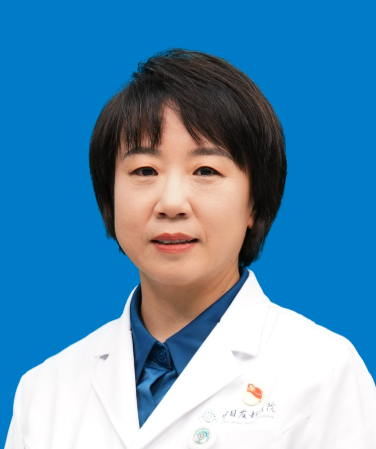 Bo Zhang (张波)合作论文数China-Japan Friendship Hospital6Yifan Dong合作论文数5Li Zhang合作论文数4Xiaoyan Zhang合作论文数4
 Ying Wang (王迎)合作论文数Chinese Academy of Medical Sciences4Ruina Zhao (赵瑞娜)合作论文数4Xinping Tian (田新平)合作论文数3Xin Wang合作论文数3Wenbo Li合作论文数3Wanying Li合作论文数3Wei Qin (秦卫)合作论文数3Lei Wang (王蕾)合作论文数3Qing Zhang (张青)合作论文数3
 Hua Meng (孟华)合作论文数1.Department of Ultrasound,3
 Jing Li (李菁)合作论文数Peking Union Medical College Hospital3
 Meng Yang (杨萌)合作论文数Peking Union Medical College Hospital3
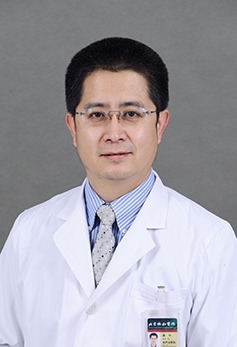 Yu Xia (夏宇)合作论文数Peking Union Medical College Hospital3
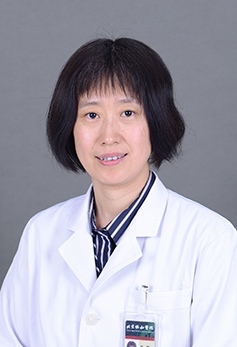 He Liu (刘赫)合作论文数Peking Union Medical College Hospital3Xingjian Lai合作论文数北京协和医学院(北京协和医院、北京协和医院、北京协和医院),中国北京3Jian-Chu Li合作论文数3
 Shuyang Zhang (张抒扬)合作论文数Peking Union Medical College Hospital;Chinese Academy of Medical Sciences & Peking Union Medical College2Li ZHANG (张莉)合作论文数2Tie-hua CHENG (程铁花)合作论文数2RUAN Qing-da (阮庆大)合作论文数2Huifang Huang (黄惠芳)合作论文数2JinWu Zhao (赵金武)合作论文数2Jian Wang (王健)合作论文数2Shenling Zhu合作论文数2Luying Gao合作论文数2




