AIMS:This study aimed to investigate the impact of the triglyceride-glucose index (TyG index) on clinical consequences in individuals with large vascular occlusion (LVO)-induced acute ischemic stroke (AIS) following endovascular treatment (EVT). METHODS:We conducted a single-center retrospective cohort study, including AIS with LVO who underwent EVT. Patients were categorized into TyG index groups, calculated as "(fasting triglyceride [mg/dL] × fasting blood glucose [mg/dL]/2)." Clinical outcomes were assessed, including poor outcome (modified Rankin Scale [mRS] > 2 [3-6]) at 90 days, early neurological deterioration (END), symptomatic intracranial hemorrhage (sICH), and 90-day mortality after EVT. Logistic regression and restricted cubic splines (RCS) were used to examine the relationship between the TyG index and clinical outcomes. Receiver operating characteristic (ROC) curve was constructed to evaluate the prognostic capacity of the TyG index. RESULTS:A total of 424 patients were included. Higher TyG levels were associated with worse functional outcome at 90 days (per unit: p = 0.006), sICH (per unit: p = 0.002, T3 versus T1: p = 0.004), and 90-day mortality (T2 versus T1: p = 0.011, T3 versus T1: p = 0.029) in logistic regression. A RCS model revealed a linear association between the TyG index and poor outcome at 90 days, sICH, and 90-day mortality (p for nonlinearity > 0.05). In ROC curve analysis, the traditional risk factors model (area under the curve [AUC]: 0.824, 95% CI: 0.784-0.859) was outperformed by the conventional risk factors + TyG index model (AUC: 0.845, 95% CI: 0.807-0.878) in predicting poor outcome (p = 0.021). CONCLUSION:A higher TyG index is associated with worse clinical outcomes in LVO-induced AIS patients after EVT. Additionally, the TyG index enhances risk prediction of traditional risk factors for poor outcome.
OBJECTIVE:Cross-sectional and cohort studies have found insufficient evidence of a causal relationship between sex hormone-binding globulin and ischemic stroke, only associations. Here, we performed a sex-stratified, bidirectional, two-sample Mendelian randomization analysis to evaluate whether a causal relationship exists between sex hormone-binding globulin and ischemic stroke.METHODS:Single-nucleotide polymorphisms associated with sex hormone-binding globulin and ischemic stroke were screened from genome-wide association studies summary data as instrumental variables to enable a bidirectional, two-sample Mendelian randomization study design. Inverse-variance weighted analysis was used as the main method to evaluate potential causality, and additional methods, including the weighted median and MR-Egger tests, were used to validate the Mendelian randomization results. Cochran's Q statistic, MR-Egger intercept test, and Mendelian Randomization-Pleiotropy Residual Sum and Outlier global test were used as sensitivity analysis techniques to assure the reliability of the results. Multivariable analysis was used to show the robustness of the results with key theorized confounders.RESULTS:Inverse-variance weighted analysis showed that genetically predicted higher serum sex hormone-binding globulin levels were associated with significantly decreased risk of ischemic stroke in males (odds radio = 0.934, 95 % confidence interval = 0.885-0.985, P = 0.012) and females (odds radio = 0.924, 95 % confidence interval = 0.868-0.983, P = 0.013). In an analysis of ischemic stroke subtypes, genetically predicted higher serum sex hormone-binding globulin levels were also associated with significantly decreased risk of small-vessel occlusion in both males (odds radio = 0.849, 95 % confidence interval = 0.759-0.949, P = 0.004) and females (odds radio = 0.829, 95 % confidence interval = 0.724-0.949, P = 0.006). The association remained in sensitivity analyses and multivariable analyses. The reverse analysis suggested an association between genetically predicted risk of cardioembolism and increased serum sex hormone-binding globulin in females (Beta = 0.029 nmol/L, Standard Error = 0.010, P = 0.003).CONCLUSION:Our findings provide new insight into the etiology of ischemic stroke and suggest that modulating serum sex hormone-binding globulin may be a therapeutic strategy to protect against ischemic stroke.
目的 探讨术前炎性反应相关指标对急性大血管闭塞性卒中患者血管内治疗(EVT)术后90d临床预后的影响.方法 回顾性连续纳入2019 年1 月至2021 年1 月在首都医科大学宣武医院急诊科和神经内科接受EVT的急性大血管闭塞性卒中患者,根据术后 90d改良Rankin量表(mRS)评分结果,将其分为预后良好组与预后不良组.以mRS评分 0~2 分为预后良好,3~6 分为预后不良,其中6 分为死亡.收集并分析两组患者的基线资料、血管危险因素、术前实验室检测指标、术前炎性反应相关指标[中性粒细胞与淋巴细胞比值(NLR)、血小板与淋巴细胞比值(PLR)、全身炎症反应指数(SIRI)和系统性免疫炎症指数(SII)]、就诊流程时间、脑梗死分型及血管病变部位等临床资料.将单因素分析中P<0.05 且临床意义较大的项目为自变量纳入多因素Logistic回归分析,探讨EVT术后 90d预后不良的独立影响因素.结果 共纳入 426 例患者,其中预后良好组152 例(35.7%),预后不良组274 例(64.3%).(1)与预后良好组相比,预后不良组患者年龄、入院收缩压、入院美国国立卫生研究院卒中量表(NIHSS)评分、术后 NIHSS评分均较高[67(58,76)岁比 62(54,70)岁,Z =-4.293;153(138,170)mmHg比143(130,160)mmHg,Z =-3.559;17(13,21)分比14(11,18)分,Z =-4.550;17(11,21)分比9(5,14)分,Z =-7.558],男性、饮酒比例均较低[60.2%(165/274)比 77.0%(117/152),χ2 =12.265;23.4%(64/274)比37.5%(57/152),χ2 =9.615],糖尿病、卒中、冠心病比例均较高[33.6%(92/274)比19.7%(30/152),χ2 =9.163;34.3%(94/274)比 20.4%(31/152),χ2 =9.126;28.1%(77/274)比 17.1%(26/152),χ2 =6.449],入院Alberta卒中项目早期CT评分(ASPECTS)较低[8(7,9)分比 9(8,10)分,Z =-9.134],组间差异均有统计学意义(均P<0.05).两组体质量指数、高血压病、高脂血症、心房颤动、吸烟、入院舒张压的差异均无统计学意义(均P>0.05).(2)与预后良好组相比,预后不良组患者急诊快测血糖、空腹血糖、中性粒细胞计数、C反应蛋白、D-二聚体、NLR、PLR、SIRI及SII水平均较高,淋巴细胞计数和单核细胞计数均较低,组间差异均有统计学意义[7.5(6.3,9.8)mmol/L比6.9(6.0,8.4)mmol/L,Z =-2.904;7.5(6.2,10.6)mmol/L比6.5(5.3,8.3)mmol/L,Z =-5.177;7.4(5.1,9.7)×109/L比6.5(5.0,8.6)×109/L,Z=-2.012;29.2(13.0,78.1)mg/L比12.6(7.1,17.7)mg/L,Z=-3.370;1.1(0.5,2.7)mg/L比0.6(0.3,1.7)mg/L,Z =-3.582;6.5(4.0,10.5)比5.1(2.9,7.7),Z=-3.614;185.2(123.1,281.6)比153.8(103.8,217.6),Z =-3.229;2.2(1.3,3.6)比1.7(1.1,3.0),Z =-2.222;1361(758,2401)比 1019(535,1746),Z =-3.265;1.1(0.8,1.6)×109/L比1.4(1.1,1.9)×109/L,Z =-3.513;0.38(0.28,0.48)×109/L比0.41(0.32,0.52)×109/L,Z =-2.334;均P<0.05];白细胞计数的组间差异无统计学意义(P>0.05).(3)与预后良好组相比,预后不良组患者血管再通达改良脑梗死溶栓(mTICI)分级2b~3 级的比例较低,发生症状性颅内出血(sICH)及肺炎比例均较高,组间差异均有统计学意义[85.8%(235/274)比 93.4%(142/152),χ2 =5.627;22.6%(62/274)比 2.6%(4/152),χ2 =29.857;54.4%(149/274)比 28.3%(43/152),χ2 =26.881;均P<0.05];两组急性卒中Org 10172 治疗试验(TOAST)分型、流程时间及闭塞血管部位的差异均无统计学意义(均P>0.05).(4)多因素Logistic回归分析显示,既往卒中(OR =2.302,95%CI:1.350~3.926,P =0.002)、冠心病史(OR =1.902,95%CI:1.072~3.372,P =0.028)、入院收缩压升高(OR =1.016,95%CI:1.006~1.026,P =0.002)、入院 NIHSS评分高(OR =1.048,95%CI:1.014~1.083,P =0.006)、术后并发肺炎(OR =2.330,95%CI:3.657~31.741,P<0.01)、术后并发sICH(OR =10.774,95%CI:1.141~5.897,P<0.01)、mTICI分级<2b级(OR =2.594,95%CI:1.014~1.083,P =0.023)、高NLR(OR =1.135,95%CI:1.056~1.219,P =0.001)是急性大血管闭塞性卒中患者EVT后 90d预后的独立危险因素,高 SIRI是 EVT后 90d预后的保护因素(OR =0.898,95%CI:0.809~0.997,P =0.045).结论 术前高NLR可能增加急性大血管闭塞卒中患者EVT后90d预后不良的风险,术前SIRI水平尚不能用于对EVT后90d预后的评价.本研究结果有待于未来扩大样本量以及行多中心前瞻性EVT的炎性反应指标研究进一步证实.
Objective To investigate the clinical characteristics of vestibular paroxysmia(VP):age distribution,triggers,accompanying symptoms,maximum frequency per day,nystagmus features during attacks,and neurovascular compression.Methods The clinical data of 70 patients with VP were collected to analyze their age distribution,triggers,accompanying symptoms,maximum frequency per day,nystagmus features during attacks,and neurovascular compres-sion by using descriptive statistical methods.Results Among the 70 patients with VP,30(42.86%)were elderly,23(32.86%)were young,and 17(24.29%)were middle-aged patients.The maximum frequency per day was 2-5 in 53 cases(75.71%),6-10 in 9 cases(12.86%),and>10 in 8 cases(11.43%).Thirty-six patients(51.43%)had triggers,including rapid walking,emotional excitement,driving,cycling,sexual intercourse,coughing or wheezing,speaking or chatting,bathing,defecation,drinking alcohol,and sound stimulation.Thirty-three patients(47.14%)had unilateral tin-nitus,bilateral tinnitus,and tinnitus with facial spasms;nystagmus during VP episodes met the characteristics of the head coordinate system,which was horizontal-torsional towards the affected side.Among 57 patients examined for the relation-ship between the vestibulocochlear nerve and vessels using magnetic resonance angiography,37 patients(64.91%)had contact between the vestibulocochlear nerve and the right anterior inferior cerebellar artery,15 patients(26.32%)had contact between the vestibulocochlear nerve and the left anterior inferior cerebellar artery,and 5 patients(8.77%)had contact between the vestibulocochlear nerve and the basilar artery.Conclusion VP is most prevalent in the elderly,then young and middle-aged people.Most patients with VP have a maximum frequency of 2-5 per day.VP can be triggered by anger,excitement,exercise,and various stimuli.VP attacks can be accompanied by tinnitus and facial spasms.Its nystag-mus is horizontal-torsional towards the affected side.The percentage of contact between the vestibulocochlear nerve and the right anterior inferior cerebellar artery is highest in patients with VP.
Background The Dural Arteriovenous Fistulas (DAVFs) secondary to cerebral venous sinus thrombosis (CVST) are rather rare. The aim of present study is to investigate the clinical and radiological features, and treatment outcome of DAVFS in patients following CVST. Methods Data about demographic information, clinical presentations, radiological findings, as well as treatment and outcome of DAVFs sequence to CVST were collected to analysis from January 2013 to September 2020 in this retrospective study. Results Fifteen patients with DAVFs after CVST were included in the study. The median age was 41 years (range17-76 years). Ten patients (66.67%) were male and 6 patients (33.33%) were female. The median duration of presenting CVST was 182 days (Range 20–365). Mean time from diagnosis of CVST to confirmation of DAVFs was 97 days (range 36–370 days). The most common manifestations of DAVFs following CVST were headache and visual disturbance seen in 7 patients respectively. Five patients had pulsatile tinnitus (%) and 2 had nausea/vomiting. The DAVFs are most frequently located at the transverse/sigmoid sinus (7/15, 46.67%), followed by the superior sagittal the sinus and confluence sinus (6/15, 40.00%) respectively. Angiography of DAVFs revealed Board type I in seven (46.7%) patients, Board type II and III in 4(26.7%) patients, respectively. The Cognard I was noted in seven (46.7%), Cognard IIa and IV in 3 patients, IIb and III in one patient, respectively. The main feeding arteries of DAVFs most commonly originate from the branches of the external carotid artery in 6 (40.0%) patients. The other DAVFs are conjointly supplied by multiple feeders from internal and external carotid artery and vertebral arteries. Fourteen (93.33%) patients were treated with endovascular embolization and none of the patients had permanent deficits during follow-up. Conclusion Intracranial DAVFs following CVST are rare presentations. Most patients have a good outcome after timely interventional therapy. Continued observation and follow-up of (DSA) are important to find DAVFs secondary to CVST.
目的 探究糖化血红蛋白(HbA1c)及随机血糖与急性大血管闭塞性缺血性卒中患者血管内治疗临床预后的关系.方法 回顾性连续纳入2019年1月至2020年12月于首都医科大学宣武医院卒中中心接受血管内治疗的急性大血管闭塞卒中患者,收集患者基线资料(年龄和性别)、血管危险因素(包括吸烟、饮酒、高血压病、高脂血症、糖尿病、心房颤动、既往卒中和冠心病)、既往降糖药物使用、入院时血压和随机血糖、术后在院期间空腹HbA1c、入院时美国国立卫生研究院卒中量表(NIHSS)评分、闭塞血管部位、脑梗死分型、血管内治疗后再灌注情况,以及术前实验室检查包括血红蛋白、纤维蛋白原、中性粒细胞与淋巴细胞比值(NLR).根据入院随机血糖7.8 mmol/L和术后在院期间空腹HbA1c 6.5%,将患者分为HbA1c及随机血糖正常组(HbA1c<6.5%且随机血糖<7.8 mmol/L)、HbA1c或随机血糖增高组(HbA1c≥6.5%、随机血糖<7.8 mmol/L或HbA1c<6.5%、随机血糖≥7.8 mmol/L)、HbA1c及随机血糖均高组(HbA1c≥6.5%且随机血糖≥7.8 mmol/L)3组,对3组患者的基本资料和治疗情况进行比较.根据术后90 d改良Rankin量表(mRS)评分将患者分为预后不良和预后良好组,mRS评分0~2分为预后良好,3~6分为预后不良,6分为死亡,并进行单因素分析和二元多因素Logistic回归分析,分析随机血糖和HbA1c对术后90 d神经功能预后的影响.对随机血糖和HbA1c联合指标进行受试者工作特征(ROC)曲线分析,得出其对术后90 d不良预后的预测效能.结果 最终纳入246例患者,其中HbA1c及随机血糖正常组77例,HbA1c或随机血糖增高组97例,HbA1c及随机血糖均高组72例.3组患者年龄、高血压病、糖尿病、既往降糖药物使用、入院随机血糖、术后在院空腹HbA1c、NLR、纤维蛋白原水平差异均有统计学意义(均P<0.05).组间两两比较结果显示,HbA1c及随机血糖均高组患者相较于其他两组高血压病、糖尿病及既往降糖药物使用患者比例均高(均P<0.05),入院随机血糖、术后在院空腹HbA1c及纤维蛋白原水平偏高(均P<0.05);HbA1c及随机血糖均高组患者相较于HbA1c及随机血糖正常组年龄偏大(P=0.018),HbA1c或随机血糖增高组相较于HbA1c及随机血糖正常组入院随机血糖及NLR偏高(均P<0.05).术后90 d预后良好者102例(41.46%),预后不良者144例(58.54%),死亡51例(20.73%).与预后良好组患者相比,预后不良组患者年龄偏大,既往患糖尿病、冠心病比例较高,入院NIHSS评分、入院收缩压、纤维蛋白原水平偏高,改良脑梗死溶栓(mTICI)分级2b~3级比例较低,症状性颅内出血比例较高,HbA1c及随机血糖正常患者比例较低,HbA1c及随机血糖均高患者比例较高(均P<0.05).矫正潜在协变量后,与HbA1c及随机血糖正常组相比,HbA1c及随机血糖均高组术后90 d预后不良风险增加(OR=2.532,95%CI:1.148~5.586,P=0.021).HbA1c联合随机血糖预测术后90 d预后不良的曲线下面积为0.649(95%CI:0.580~0.719,P<0.01).结论 糖化血红蛋白与随机血糖同时增高与急性大血管闭塞性缺血性卒中患者接受血管内治疗后的90 d预后不良相关.
BackgroundSymptomatic intracranial hemorrhage (sICH) is a devastating complication of endovascular treatment (EVT) in patients with acute ischemic stroke (AIS) and is associated with high risk of disability and mortality. This study intended to evaluate the predictors of sICH after EVT in patients with large vessel occlusion (LVO)-induced AIS.MethodsWe conducted a retrospective review on consecutive AIS patients who underwent EVT in our University hospital between January 2019 and August 2020. The patients were classified into two groups based upon the occurrence of sICH. The main outcomes were the occurrence of sICH using the Heidelberg Bleeding Classification and functional condition at 90 days. Multivariate logistic regression analysis and receiver operating characteristics (ROC) curves were used to identify independent predictors of sICH after EVT.ResultsThree hundred and 69 patients were enrolled in the study, of which 16.8% (n = 62) developed sICH. Favorable neurological outcome was lower in patients with sICH than in patients without sICH (6.5 vs. 43.3%; P < 0.001), with the overall mortality being 112 (30.4%) at 90 days post- EVT. Results from univariate analysis showed significant differences between the two groups in the prevalence of diabetes, initial Alberta Stroke Program Early CT Score (ASPECTS) score, National Institutes of Health Stroke Scale (NIHSS) score after operation, the levels of fasting blood glucose (FBG), neutrophil to lymphocyte ratio (NLR), platelets (PLT), and thrombin time (TT) at admission. Multivariate logistic regression analysis showed that FBG ≥ 7.54 mmol/L (OR: 2.765; 95% confidence interval [CI]: 1.513–5.054), NLR ≥ 5.48 (OR: 2.711; 95% CI: 1.433–5.128), TT at admission ≥ 16.25 s (OR: 2.022; 95% CI: 1.115–3.667), and NIHSS score within 24 h after the operation ≥ 10 (OR: 3.728; 95% CI: 1.516–9.170) were independent predictors of sICH. The combination of NLR ≥ 5.48, FBG ≥ 7.54 mmol/L, TT at admission ≥ 16.25 s, and NIHSS score within 24 h after the operation ≥ 10 generated an optimal prediction model (AUC: 0.723).ConclusionHigher levels of FDG, NLR, TT at admission, and NIHSS score after operation were associated with sICH after EVT in patients with LVO-induced AIS.
目的 探讨血管内治疗的急性大血管闭塞性缺血性卒中患者入院血压与术后90d神经功能预后之间的关系.方法 回顾性分析2018年1月至2019年12月于首都医科大学宣武医院神经内科接受血管内治疗的急性大血管闭塞性卒中患者的基线资料[包括年龄、性别、体质量指数、血管危险因素、入院时即刻血压情况、卒中前改良Rankin量表(mRS)评分、美国国立卫生研究院卒中量表(NIHSS)评分、Alberta卒中项目早期CT评分、实验室检查结果及梗死部位(前循环、后循环)]以及血管内治疗相关信息(发病至治疗时间和闭塞血管再通程度)以及术后90 d神经功能预后、术后症状性颅内出血等.入院时记录基线收缩压和舒张压.闭塞血管再通评估采用改良脑梗死溶栓(mTICI)分级,术后90 d神经功能预后以mRS评估(mRS评分0~2分为预后良好,>2分为预后不良,其中6分为死亡),将所有患者依据术后90 d预后情况分为预后良好组与预后不良组.采用Spearman相关性分析方法评价入院血压与术后90 d mRS评分的关系,采用Logistic回归分析方法分析术后90 d时预后不良的影响因素.采用受试者工作特征(ROC)曲线评价入院血压对术后90 d预后不良的预测价值,依据截断值,将所有患者分成较高血压组(入院收缩压高于截断值)与较低血压组(入院收缩压低于截断值),分析不同收缩压患者的术后90 d mRS评分、良好预后比例及死亡情况.结果 共入组369例患者,血管内治疗后血管再通322例(87.3%);术后症状性颅内出血62例(16.8%);术后90 d,137例(37.1%)患者预后良好,232例(62.9%)患者预后不良.入院收缩压与术后90 d神经功能预后相关(r=0.212,P<0.01).预后不良组患者入院收缩压高于预后良好组[155(139,170)mmHg比142(130,162)mmHg,Z=-3.559,P<0.01].Logistic回归分析结果显示,入院收缩压(OR=1.016,95%CI:1.005~1.028,P=0.004)、高脂血症病史(OR=0.550,95%CI:0.310~0.977,P=0.042)、卒中病史(OR=2.016,95%CI:1.125~3.613,P=0.019)、入院NIHSS评分(OR=1.063,95%CI:1.026~1.101,P=0.001)、血管再通(OR=0.387,95%CI:0.168~0.892,P=0.026)、术后症状性颅内出血(OR=11.690,95%CI:3.890~35.131,P<0.01)为急性大血管闭塞性卒中患者血管内治疗后90 d神经功能预后的独立影响因素.入院收缩压作为神经功能预后预测因子的曲线下面积为0.611(95%CI:0.552~0.669,P<0.01),入院收缩压149.5 mmHg是预测预后的最佳截断值.与入院收缩压≥149.5 mmHg(较高血压组,206例)患者比较,入院收缩压<149.5 mmHg(较低血压组,163例)患者的术后90 d mRS评分较低[中位数评分:3(1,5)分比4(2,6)分,Z=-4.022,P<0.01),术后90 d预后良好比例较高[47.9%(78/163)比28.6%(59/206),χ2=14.389,P<0.01],术后90 d病死率较低[23.3%(38/163)比35.9%(74/206),χ2=6.844,P=0.009].结论 对于接受血管内治疗的急性大血管闭塞性卒中患者,较高的入院收缩压是术后90 d不良神经功能预后的独立预测因子.
OBJECTIVE The investigators aimed to explore the clinical characteristics, immunotherapy, and outcomes of patients with antileucine-rich glioma-inactivated-1 (anti-LGI1) encephalitis. METHODS Data on participants' clinical characteristics, laboratory findings, radiological and electroencephalogram (EEG) features, treatment, and outcomes from January 2012 to December 2016 were collected. Statistical analysis was conducted to assess the factors associated with patient functional outcome. Forty-three patients were enrolled in the study, with a predominance of males (65.1%). The median age at onset was 57 years (interquartile range [IQR]: 44.0-65.0). The median time from onset to diagnosis was 60 days (IQR: 37.0-127.0). RESULTS The main clinical manifestations included epilepsy (100%), faciobrachial dystonic seizures (FBDS; 44.2%), cognitive dysfunction (95.3%), neuropsychiatric disturbances (76.7%), sleep disorders (58.1%), and disturbance of consciousness (48.8%). Twenty-two patients (51.2%) had hyponatremia, 31 (72.1%) had abnormal EEG results, and 30 (69.8%) had abnormal brain MRI scans, mainly involving the hippocampus (76.7%) or temporal lobe (40%). Twenty of 34 patients (58.8%) in a follow-up MRI examination exhibited hippocampal atrophy. Twenty-five patients (58.2%) were administered corticosteroids and intravenous immunoglobulin, whereas 17 patients were treated only with corticosteroids. Forty-one patients (95.3%) had favorable outcomes after a median of 21.5 months (IQR: 7-43) of follow-up. Serum sodium level was a factor associated with a disabled status (odds ratio=0.81, 95% CI=0.66, 0.98, p=0.03). Anti-LGI1 encephalitis patients were characterized by seizures, FBDS, cognitive deficits, neuropsychiatric disturbances, and hyponatremia. CONCLUSIONS Most patients with anti-LGI1 encephalitis are nonparaneoplastic, have low recurrence rates, and have favorable prognostic outcomes. Rapid evaluation, prompt immunotherapy, and long-term follow-up are essential in the care of anti-LGI1 encephalitis patients.
Sensorineural hearing loss (SNHL) has been reported rarely in patients with meningeal carcinomatosis (MC). We summarized the clinical data of eight MC patients with SNHL and 35 patients reported from publications. In the eight patients with SNHL, the medium onset age was 48 (range from 37 to 66) years and six (75%) were male. Seven (87.5%) suffered from headaches as the initial symptom, and they experienced SNHL during the first two months after the occurrence of headaches (0.5 to 2 months, average 1.5 months). The audiogram configuration was flat in three patients (37.5%) and showed total deafness in five patients (62.5%). The damage of cranial nerves VI (abducens) was observed in six patients (75%), and four patients (50%) had cranial nerves VII (facial) injury during the disease course. The percentage of damage of cranial nerves was higher than the patients without SNHL (VIth, 75.0% vs. 13.3%, p = 0.002 and VIIth 50.0% vs. 6.7%, p = 0.012). Four (50%) patients suffered from lung adenocarcinoma as primary tumor, two (25%) experienced stomach adenocarcinoma, one had colon cancer, and one patient was unknown. The symptom of SNHL improved after individualized therapy in four patients (focal radiotherapy and chemotherapy for three patients and whole brain radiotherapy for one patient), but all passed away from 2 to 11 months after diagnosis. Total deafness and flat hearing loss in audiogram were the common types of SNHL resulting from MC. MC patients with SNHL were more likely to suffer from the damage of other cranial nerves, especially to cranial nerves VI and VII. Treatment might improve SNHL, but not improve the case fatality rate.
目的 分析延-颈交界区硬脊膜动静脉瘘(Spinal dural arteriovenous fistulas,SDAVF)的临床、影像学特点,以提高临床医生对延-颈交界区SDAVF的认识和诊断水平.方法 回顾性分析7例表现为脑干充血的硬脊膜动静脉瘘患者的临床特点、影像学资料.结果 7例患者均为男性,平均年龄57.4岁;急性起病4例,慢性进展性2例;主要症状包括肢体无力(5例)、头晕(3例)、行走不稳(1例)、感觉障碍(3例)、构音障碍(1例)、顽固性呃逆(1例)、呼吸困难(1例)、颈部疼痛(1例)、大小便障碍(1例);核磁共振成像(Magnetic resonance imaging,M RI)显示脑干受累部位主要在延髓,可见延髓增粗和髓内异常信号灶,脊髓周围有迂曲、虫蚀样血管流空影;数字减影血管造影(Digital subtract angiography,DSA)显示脊髓引流静脉迂曲扩张,向上(4例)或向下(3例)引流,瘘口位于颅-颈交界区水平;所有患者接受手术治疗后症状改善.结论 颅-颈交界区SDAVF可表现为脑干功能障碍,临床表现无特异性,易误诊;MRI可作为初步诊断方法,选择性脊髓血管造影是确诊的金标准;及早治疗可逆转神经功能障碍.
Background and Objective Essential thrombocythemia (ET) is a rare cause of cerebral venous sinus thrombosis (CVST). Analysis of the risk factors and treatment therapies of CVST in ET has yielded controversial findings. Subjects and Methods We retrospectively investigated the clinical characteristics of CVST events in ET and compared baseline characteristics, causative factors, hematological effects, and treatments between ET patients with and without CVST. Results Overall, 91 of 115 patients who met the ET diagnosis were included in this study. Among them, 23 (25.27%) patients met the diagnostic criteria of ET with CVST for inclusion, 14 (60.87%) of whom were females, with a median age of 34 (range 25–50). CVST diagnosis was made concomitantly to ET in 19 patients (82.61%). The most common symptom and sites of thrombosis of CVST was an acute or subacute headache and sigmoid sinuses, respectively. Compared with ET patients without CVST, ET patients with CVST were significantly younger (37.65±14.45 vs 60.93±13.46, P<0.001) and had lower prevalence of hypertension (4.34 vs 32.35%, P=0.003) and coronary artery disease (0 vs 14.71%, P = 0.045). Patients with CVST presented with significant lower platelet count (510.39±176.71 vs 750.82±249.10, P< 0.001) and higher score of IPSET-thrombosis (P=0.017). Multivariate logistic regression analysis indicated that age (P=0.002, OR 1.096, 95% CI 1.035–1.161), at least one CVRF (P = 0.024, OR 0.037, 95% CI 0.002–0.649), platelet count (P=0.045, OR 0.994, 95% CI 0.989–1.001), and lower percentage of antiplatelet therapy (P=0.035, OR 0.307, 95% CI 0.001-1.280) significantly contributed to the risk of CVST in ET. Conclusion Most patients (95.65%) had a favorable outcome without recurrence after standard anticoagulant and cytoreductive treatment at last follow-up. These findings indicate that CVST may be the initial presentation of ET, with its detection crucial for early diagnosis and appropriate management. Anticoagulant and cytoreductive therapies should be recommended for preventing ET-related CVST with JAK2 V617F mutation.
Background: Secondary stroke prevention after a high-risk, non-disabling ischemic cerebrovascular event needs to be enhanced. The study was conducted to investigate whether remote ischemic conditioning (RIC) is effective in preventing recurrent ischemic events within 3 months. Methods: This was a four-center, single-arm, open-label Phase IIa futility trial (PICNIC-One Study). Adult patients (≥18 years of age) who had an acute minor ischemic stroke (AMIS) with a National Institutes of Health Stroke Scale score ≤ 3 or a transient ischemic attack (TIA) with moderate-to-high risk of stroke recurrence (ABCD score ≥ 4) within 14 days of symptom onset were recruited. Patients received RIC as adjunctive therapy to routine secondary stroke prevention regimen. RIC consisted of five cycles of 5-min inflation (200 mmHg) and 5-min deflation of cuffs (45 min) on bilateral upper limbs twice a day for 90 days. Results: A total of 285 patients met the study criteria, of which 167 provided signed informed consent and were enrolled. Data from 162 were analyzed with five subjects excluded. Recurrent AIS/TIA occurred in 6/162 (3.7%) patients within 3 months, with no occurrence of hemorrhagic stroke. The top three adverse events were upper limb pain (44/162, 27.2%), petechia (26/162, 16.0%), and heart palpitation (5/162, 3.1%). About 68 (42.0%) subjects completed ≥ 50% of 45-min RIC sessions. Conclusions: RIC is a safe add-on procedure and it has a potential benefit in reducing recurrent cerebrovascular events in patients with high-risk, non-disabling ischemic cerebrovascular events as the risk of stroke/TIA events is lower than expected; however, its compliance needs to be improved. Our study provides critical preliminary data to plan a large sample size, randomized controlled clinical study to systematically investigate the safety and efficacy of RIC in this population.
Antiphospholipid syndrome (APS) with cerebral venous sinus thrombosis (CVST) is a relatively rare phenomenon, and this observational study aimed to investigate the clinical characteristics of APS patients complicated with CVST. We retrospectively investigated the clinical characteristics of CVST events in APS and compared differential characteristics and associated factors between APS patients with and without CVST. Twenty-one CVST patients with APS were enrolled including 14 females (9.4%) and 7 males (5.8%). The median age and disease duration at onset of CVST was 33 years (IQR 28-48) old and 1.3 months (IQR 0.7-4), respectively. Among APS patients with CVST, 12 (57.1%) cases presented with neurologic symptoms of CVST as the initial manifestation. Onset of CVST was mainly chronic (52.4%). Headache (90.5%) was the most common neurological symptom. The common locations of CVST were transverse sinus (76.2%) and superior sagittal sinus (57.1%), with more frequently (76.2%) dual or multiple sinuses involved. All patients with CVST were treated with anticoagulant, and 5 (23.8%) patients received endovascular therapy. Sixteen (84.2%) patients had good outcomes and 3 (15.8%) patients died at last follow-up. There were no significant differences (P > 0.05) between two groups in the analysis of related APS indicators. There were no significant differences (P > 0.05) between two groups in the analysis of related APS indicators. Although APS complicated with CVST is rare and predominately chronic developed. The evaluation of CVST should be performed for APS patients with intracranial hypertension syndrome. The routine screening of antiphospholipid antibodies (aPLs) is highly recommended in unexplained CVST patients. Most CVST patients with APS will have a good prognosis after treatment, and endovascular therapy is an alternative treatment.
To the Editor: Polycythemia vera (PV) is a chronic progressive myeloproliferative neoplasm (MPN) characterized by clonal proliferation of myeloid cells. This condition presents with a high number of abnormal erythrocytosis, leukocytosis, and thrombocytosis, which may lead to venous thromboembolism. Cerebral venous sinus thrombosis (CVST) is a rare presentation of PV in clinical practice. Symptoms of PV are often insidious during the onset, and a lack of specific clinical manifestations of CVST may lead to delayed diagnosis. To date, diagnosis and management of CVST in PV remain a challenge due to the low incidence and limited evidence. In this study, we presented five cases of PV with JAK2V617F mutation, and CVSTwas the first manifestation of PV. The detailed characteristics are summarized in Table 1. The Institute Ethics Committee of Xuanwu Hospital, Capital Medical University approved this study (approval number 2019119). The authors certify that they have obtained all appropriate patient consent forms.
作者回顾性分析1例合并脑静脉窦血栓形成(CVST)的Evans综合征患者的临床资料.患者中年女性,因突发头痛、呕吐入诊首都医科大学宣武医院神经内科,既往Evans综合征病史9个月.患者入院即存在溶血和血小板减少,MR静脉血管成像和DSA示上矢状窦、直窦及右侧乙状窦静脉血栓形成.脑脊液压力增高,眼底示双侧视乳头水肿,确诊为Evans综合征合并CVST.给予抗凝、激素及降颅压等治疗,症状好转.Evans综合征是自身免疫性溶血性贫血和免疫性血小板减少症并发的综合征,可增加发生血栓的风险.当患者出现头痛、呕吐及视乳头水肿等症状时,需警惕合并CVST的可能.Evans综合征合并CVST的患者,需长期抗凝治疗,同时在激素治疗的减量过程中,应警惕Evans综合征的复发.
目的 探讨原发性血小板增多症(ET)合并脑静脉窦血栓形成(CVST)的临床特点及预后,以提高诊疗水平.方法 回顾性分析2016年5月至2019年6月于首都医科大学宣武医院连续住院治疗的14例ET合并CVST患者的临床资料,同时按1:2的比例纳入同一时期在本院住院治疗的28例非CVST的ET患者作为对照组.收集所有患者的一般资料、发病特点、神经系统症状和体征、脑脊液检查、实验室检验、影像学检查、治疗及预后等临床资料,应用原发性血小板增多症血栓国际预后评分(IPSET)对患者进行血栓风险分层,对两组患者的临床特点、相关危险因素及治疗情况进行对比.结果 共纳入ET合并CVST患者14例,其中男6例,女8例;年龄17~55岁,中位年龄为29.5(24.5,44.0)岁;病程中位数为150(20,565)d.慢性起病8例,亚急性起病5例,急性起病1例.CVST的主要首发症状为头痛.临床表现主要包括头痛(13/14)、恶心呕吐(8/14)及视物模糊(7/14),其中8例合并视神经乳头水肿.影像学检查显示静脉性脑梗死6例,其中4例合并出血转化.所有患者表现为2处及以上静脉窦受累,常见的血栓部位分别为横窦(12/14)、乙状窦(12/14)、上矢状窦(9/14)及颈内静脉(7/14).14例患者接受抗凝治疗,6例接受降细胞治疗.13例患者预后良好,无复发及死亡.ET合并CVST组的年龄[29.5(24.5,44.0)岁比47.0(38.8,54.8)岁,P=0.003]、血小板计数[(518±110)×109/L比(777±253)×109/L,P<0.01]明显低于未合并CVST的对照组.结论 CVST是ET的少见并发症.对于无明确诱因的CVST伴血小板计数增多患者,需考虑ET的可能;ET患者出现颅高压症状时,应尽早完善CVST的相关检查.早诊断、规范抗栓及降细胞治疗可改善ET合并CVST患者的预后.
Background: The treatment of post-stroke depression (PSD) with anti-depressant drugs is partly practical. Transcranial alternating current stimulation (tACS) offers the potential for a novel treatment modality for adult patients with PSD. In this study, we will assess the efficacy and safety of tACS for treating PSD and explore its effect on gamma and beta-oscillations involving in emotional regulation. Methods: The prospective study is an 8-week, double-blind, randomized, placebo-controlled trial. Seventy eligible participants with mild to moderate PSD aged between 18 years and 70 years will be recruited and randomly assigned to either active tACS intervention group or sham group. Daily 40-minute, 77.5-Hz, 15-mA sessions of active or sham tACS targeting the forehead and both mastoid areas on weekdays for 4 consecutive weeks (week 4), and an additional 4-week observational period (week 8) will be followed up. The primary outcome is the proportion of participants having an improvement at week 8 according to the Hamilton Depression Rating Scale 17-Item (HAMD-17) score, including the proportion of participants having a decrease of >= 50% in HAMD-17 score or clinical recovery (HAMD-17 score <= 7). Secondary outcomes include neurological function, independence level, activities of daily living, disease severity, anxiety, and cognitive function. The exploratory outcomes are gamma and beta-oscillations assessed at baseline, week 4, and week 8. Data will be analyzed by logistical regression analyses and mixed-effects models. Discussion: The study will be the first randomized controlled trial to evaluate the efficacy and safety of tACS at a 77.5-Hz frequency and 15-mA current in reducing depressive severity in patients with PSD. The results of the study will present a base for future studies on the tACS in PSD and its possible mechanism. Trial registration number: NCT03903068, pre-results.
目的 通过现场督查,发现医院脑卒中诊疗质量存在问题,提出改进意见.方法 回顾性分析2015年-2017年北京市脑卒中诊疗质量现场督查结果.结果 通过督查发现,各医院优秀率逐年上升,尤其连续3年参加督查的30家医院优秀率从2015年的36.7%上升到2017年的66.7% (P<0.05).建立脑卒中诊疗规范制度和应急预案的医院合格率逐年增加,合格率超过80%.开展脑卒中质量控制与改进的医院合格率逐年增加.但建立急诊卒中诊疗平台、脑卒中单元及诊疗团队的医院合格率低于70%;到院-给药时间<60min的医院合格率均较低.结论 通过现场督查与指导,逐步规范了脑卒中诊疗质控体系,促进了脑卒中质控管理持续改进,但仍存在卒中救治团队建立不完善、DNT合格率较低等问题,需要持续改进.
Background: Two types of alleles exist within intron 3′ and exon 8 in the presenilin 1 (PS1) gene at nucleotide 16: allele 1 (A at site 16) and allele 2 (C at site 16), and three genotypes (1/1, 1/2, and 2/2) are formed with a combination of these alleles. The present study aims to investigate the association between the intronic polymorphism of PS1 gene and the occurrence of sporadic Alzheimer’s disease in a northern Chinese population. Materials and methods: The genotype and allele frequencies of PS1 gene were compared for 90 sporadic Alzheimer’s disease patients and 90 healthy controls. The intronic polymorphism of the PS1 gene was determined by the PCR-restriction fragment length polymorphism method. Result: PS1 alleles (allele 1 [A at site 16] and allele 2 [C at site 16]) and genotypes (1/1, 1/2, and 2/2) were in Hardy-Weinberg equilibrium for both Alzheimer’s disease and control subjects. The frequencies of PS1 intronic genotype 1/1 and allele 1 in the sporadic Alzheimer’s disease group were significantly higher than those in the control group (P < 0.005). The genotype 2/2 was significantly lower among the patients with sporadic Alzheimer’s disease compared with the controls. The onset of sporadic Alzheimer’s disease was positively associated with PS1 intronic allele 1 (odds ratio = 2.14) and negatively associated with PS1 intronic allele 2 (odds ratio = 0.48). Conclusions: A polymorphism of the PS1 gene is associated with sporadic Alzheimer’s disease risk in a northern Chinese population. PS1 intronic allele 1 is a risk factor, and PS1 intronic allele 2 is a protective factor for sporadic Alzheimer’s disease.
 Haiqing Song (宋海庆)合作论文数Xuanwu Hospital, Graduate School, Capital Medical University40
 Chunqiu Fan合作论文数33
 Jianping Jia (贾建平)合作论文数Neurology of Xuanwu Hospital, Capital Medical University29Kai Dong合作论文数22
 Qingfeng Ma (马青峰)合作论文数Xuanwu Hospital Capital Medical University21Zhipeng Yu合作论文数17
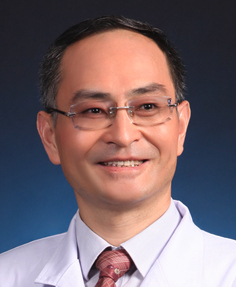 Xunming Ji (吉训明)合作论文数Department of Neurosurgery, Xuanwu Hospital, Capital Medical University;Graduate School, Capital Medical University17Huixin Shen合作论文数14Jianping Ding合作论文数12
 Jian Wu (武剑)合作论文数Beijing Tsinghua Changgung Hospital;School of Clinical Medicine, Tsinghua University11Sufang Xue合作论文数7Qian Zhang (张倩)合作论文数7Changbiao Chu合作论文数6Fang Jiang合作论文数6
 Wuwei Feng合作论文数Neuromodulation and Stroke Recovery Lab, Department of Neurology, Duke University School of Medicine6
 Erhe Xu (许二赫)合作论文数Xuanwu Hospital Capital Medical University6
 Xin Ma (马欣)合作论文数Xuanwu Hospital Capital Medical University6
 Bruce Ovbiagele合作论文数Weill Institute for Neurosciences, University of California, San Francisco;School of Medicine, University of California, San Francisco;San Francisco Veterans Health Care System6ZhangBiao Chu (楚长彪)合作论文数5
 Yi Ren (任翊)合作论文数Institute of Tropical Medicine, Beijing Friendship Hospital, Capital Medical University5
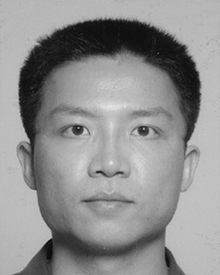 Jiangang Duan (段建刚)合作论文数5Ruiwen Che合作论文数4
 Zhang Qian (謙彰)合作论文数Department of Medicinal Chemistry and Molecular Pharmacology, Purdue University4LiDong Jiao (矫黎东)合作论文数4
 Zhen Zhang (张震)合作论文数Institute of Feed Research, Chinese Academy of Agricultural Sciences4
 Wenbo Zhao (赵文博)合作论文数Xuanwu Hospital, Capital Medical University4
 Yuan Wang (王媛)合作论文数School of Public Health, Tianjin Medical University4Ran Meng合作论文数3Aini He合作论文数3Jing Ye合作论文数3Wu Xiao (武霄)合作论文数3
 Shimeng Liu合作论文数Neurol, Univ Calif Irvine3Fei Chen合作论文数3Longfei Wu合作论文数3
 Yingying Su (宿英英)合作论文数Xuanwu Hospital Capital Medical University3Yanfang Shi (师艳芳)合作论文数3Chengbei Hou合作论文数2Tianping Tang合作论文数2L. Wang合作论文数2Bao-Quan Min合作论文数2
 Yunyan Xie合作论文数2Yueyi Yu合作论文数2Qingyu Cao (曹清禹)合作论文数2Tingting Bian合作论文数2Xiao Wu合作论文数2Hai Chen合作论文数2




