Objective The aim of the study is to investigate the clinical characteristics of AIDS-related progressive multifocal leukoencephalopathy.Methods We enrolled 15 patients in the Infection Department of Guiyang Public Health Treatment Center from May 2021 to May 2022.The patients were diagnosed as AIDS-related progressive multifocal leukoencephalopathy by metagenomic nextgeneration sequencing.Furthermore,PCR and flow cytometry were used to detect HIV RNA level and CD4 + T lymphocyte cell counts in peripheral blood,respectively.Meanwhile,metagenomic next-generation sequencing was used to detect JCV DNA in cerebrospinal fluid.Moreover,we also retrospectively analyzed the clinical symptom,magnetic resonance imaging findings,treatment,and clinical outcomes of15 individuals.Results Among the 15 AIDS-related PML patients,there were 12 males and 3 females.The age was (40.8±11.45) years.The median CD4 + T lymphocyte count was 59 (36.5,131.0)/μl,and the median CD4 + T/CD8 + T ratio was 0.14 (0.06,0.29).The minimum HIV RNA is less than the lower limit of the monitoring value,and the maximum is 1.21×10~6 copies/ml.The number of JCV DNA sequences in cerebrospinal fluid ranged from 1 to 12 950,with a median of 94.The range of glasgow coma scale:9-15;The median time from diagnosis of HIV infection to diagnosis of PML was 30 (29.5,65.0) days.Overall median survival time was 195 (59.5,330.0) days.The median survival time of patients who died was 21 (19.0,46.0) days.The median survival time was 237.5 (39.75,309.75) days for patients using DTG-based and 189.0 (120.0,387.0) days for patients using other antiretroviral therapy regimens.The clinical manifestations were contralateral limb weakness and dyskinesia in 6 cases,ataxia in 3 cases,speech ambiguity in 3 cases,blurred vision in 2 cases,and memory loss in 1 case.Nuclear magnetic resonance manifestation:Abnormal signal shadow can be found anywhere.Among the 15 patients,1 patient was lost to follow-up,5 patients died,and the remaining 9 patients survived.Among surviving patients,4 patients had improved symptoms,4 patients progressed and worsened,and 1 patient did not improve.Conclusions Based on the clinical manifestations,routine cerebrospinal fluid test results and imaging findings,the application of metagenomic next-generation sequencing of cerebrospinal fluid is helpful for the diagnosis of PML.Furthermore,the effectively,early and regular antiviral therapy can improve the prognosis of patients.
目的 研究脑血氧饱和度(rSO2)在心脏骤停后综合征(PCAS)昏迷患者的目标体温管理(TTM)期间预测神经系统预后的作用.方法 本研究根据PRISMA指南进行报告,检索了Pubmed、Embase、Cochane Library、Web of science、Google Scholar、Clinical gov、万方、维普、CNKI共9个数据库.除外研究类型为病例报告、综述和研究样本量小于5例的研究,收集所有在成人心脏骤停(CA)期间进行近红外光谱(NIRS)测量的研究.两名审稿人评估纳入文章的质量并提取数据.结果 效应使用标准化平均差(SMD)进行标准化.结果 本荟萃分析纳入11项研究,其中2项为随机对照研究,9项为观察性研究.共计681例患者.患者TTM期间NIRS测量的rSO2值在TTM 24 h(低温结束)、TTM 24~36 h(复温阶段)和TTM 36~48 h(初始常温阶段)与神经系统预后相关(TTM 24 h:SMD=0.45,95%CI 0.29~0.61;TTM 24~36 h:SMD=1.17,95%CI 0.85~1.50;TTM 36~48 h:SMD=0.26,95%CI 0.10~0.43),良好的神经系统预后(CPC 1~2)组具有较高的rSO2值.在TTM开始时、TTM期间和TTM 72 h的常温阶段,均未发现NIRS测量的rSO2值与神经系统预后的相关性.结论 对于行TTM的CA患者,在TTM 24~48 h期间良好神经系统预后患者NIRS测量的rSO2值高于神经系统预后不良的患者,其中TTM 24~36 h(复温阶段)与良好神经系统预后有较强的关联.
目的:成像式光电容积描记(IPPG)技术是一种非接触式生理参数检测技术,目前已经广泛用于常用生理参数的测量中,但准确性和稳定性不够.本研究的目的是通过探索一种新的从手掌中提取脉搏的方法,从而提高测量数据的精度.方法:本研究利用偏振多光谱成像技术,研究了脉搏波在不同波长和偏振态组合下的信噪比(SNR)变化.使用白光LED作为主动光源,并用7种波长滤光片(450、525、550、590、610、650、690nm)和4种偏光片实现生物组织的偏光多光谱成像.使用商用RGB相机作为获取人手掌偏振多光谱图像的探测器,然后结合成像光电体积描记技术,从偏振多光谱图像中提取脉搏波.结果:本研究利用普通商用RGB相机实现了高质量脉搏波的提取,提出了一种全局平均帧间差分算法(GA-IFD),将此方法结合运动跟踪算法来实现目标区域(ROI)的自适应选择,使组织的血液灌注与ROI的选择相关联.该算法能有效避免噪声干扰,提高脉搏波质量.本研究方法以非接触方式估计了 5名志愿者的心率,达到较高的测量精度(最小MAE 0.67,最大MAE 2.30).根据Bland-Altman一致性分析,该方法的心率测量值与真实值吻合度高.结论:本研究创新性提出了一种从手掌中提取心脏脉搏波的非接触方法,这对提高人体非接触式生理参数测量精度具有重要意义.
目的:评估关于近红外光谱(near-infrared spectroscopy, NIRS)的测量值(初始值、平均值和最高值)在接受心肺复苏患者中预测自主循环恢复(return of spontaneous circulation, ROSC)方面的潜在作用。方法:本研究根据PRISMA准则进行,检索Pubmed、Embase、Cochane Library、Web of science、Clinical gov、万方、维普、CNKI共8个数据库,收集所有在成人心脏骤停(cardiac arrest, CA)期间进行NIRS监测的观察性研究,并排除病例报告、综述和研究样本量小于5例的研究。两名作者评估纳入文章的质量并提取数据,结果效应使用标准化平均差(standardized mean difference, SMD)进行标准化。结果:本综述纳入22项观察性研究,共计3 578例患者(304例患者发生院内CA,3 274例患者发生院外CA)。研究发现患者的NIRS rSO 2初始值(SMD=0.72,95% CI: 0.50~0.94)、平均值(SMD=1.12,95% CI: 0.86~1.37)和最高值(SMD=1.86,95% CI: 0.77~2.96)均与患者发生ROSC相关,ROSC组具有较高的脑氧饱和度测量值。不管是院外还是院内发生CA患者,其NIRS的平均rSO 2测定值与ROSC均有关联性(SMD=0.94,95% CI: 0.68~1.19;SMD=1.65,95% CI: 0.85~2.45),院外发生CA患者与院内发生CA患者的平均rSO 2测定值与ROSC的关联差异无统计学意义( P=0.10)。 结论:不管是院内还是院外发生CA,恢复ROSC的患者在整个复苏过程中的NIRS脑血氧饱和度均显著高于非ROSC患者,其中平均NIRS rSO 2测定值与ROSC具有相对较强的关联。
Objective:To investigate the relationship between previous bleeding history and poor prognosis of patients with acute upper gastrointestinal bleeding.Methods:This study was a prospective multicentre real-world study (Acute Upper Gastrointestinal Real-word study, AUGUR study). The data of patients with UGIB who were admitted to the emergency department of 20 tertiary hospitals in China from June 30, 2020 to February 10, 2021 were collected. According to the number of previous bleeding history, the patients were divided into three groups (0 time, 1-3 times, and≥4 times). Based on the patient’s demographic data, clinical characteristics, laboratory data, treatment, and outcomes, univariate and logistic regression analysis were performed to investigate the correlation between the number of previous bleeding and the 90-day mortality and rebleeding of patients with gastrointestinal bleeding.Results:A total of 1 072 patients with acute UGIB were included in this study. The all-cause mortality and rebleeding rate of all patients were 10.9% (117/1 072) and 11.8% (129/1 072), respectively. Among them, 712 patients (66.42%) had no previous bleeding, 297 patients (27.71%) had previous bleeding 1-3 times, and 63 patients (5.88%) had previous bleeding≥4 times. In univariate analysis, age, vital signs and consciousness on admission, history of liver cirrhosis, onset with hematemesis, admission hemoglobin, varicose veins bleeding, peptic ulcer bleeding, red blood cell infusion, tracheal intubation and the use of vasopressors after admission were risk factors for the 90-day mortality and rebleeding rate. Multivariate logistic regression analysis showed that patients with previous bleeding≥4 times had a higher risk of the 90-day mortality ( OR=2.17, 95% CI: 1.04-4.57, P=0.040) and rebleeding ( OR=2.32, 95% CI: 1.19-4.53, P=0.013). Conclusions:The history of previous bleeding≥ 4 times can be used as an independent risk factor for the 90-day mortality and rebleeding in patients with acute UGIB.
目的:通过分析停乳链球菌似马亚种导致链球菌中毒性休克综合征的临床特征,提高对停乳链球菌似马亚种所致中毒性休克综合征的临床表现、诊断及治疗的认识.方法:回顾性分析北京协和医院2012-01-2019-12期间确诊的3例停乳链球菌似马亚种导致链球菌中毒性休克综合征患者的基础疾病、临床表现、实验室检查、治疗及转归.结果:3例患者均为皮肤软组织感染,其中1例患者为抽脂及填充术后起病.所有患者起病症状均为剧烈疼痛.起病时的疼痛曾被误诊为肩周炎或关节痛.所有患者病程中均出现高热伴低血压(最高体温均大于38.5℃,收缩压均低于85 mmHg).患者可出现急性肾损伤、肝功能不全、急性呼吸窘迫综合征及凝血功能异常等脏器受累.病原学培养方面,2例患者创面脓液培养出停乳链球菌,2例患者外周血培养出停乳链球菌.患者入院后的初始抗生素选择多为亚胺培南,万古霉素或利奈唑胺,血液及脓液的体外药敏显示停乳链球菌似马亚种对多种抗生素均敏感.3例患者中,有2例患者行皮肤清创及引流,均好转出院,1例患者未行手术引流,最终死亡.结论:停乳链球菌似马亚种可导致侵袭性链球菌中毒性休克综合征,患者多以局部疼痛首发,伴急性高热及低血压.在治疗方面,除积极抗休克和广谱抗生素外,对于软组织感染的及时进行清创及引流极为必要.
患者男性,64岁,退休教师.主因"肢体无力、尿便障碍1个月,突发意识障碍1.5 h"于2017年11月20日就诊于北京协和医院急诊.患者1个月前出现左侧肢体无力、麻木,可行走,伴恶心、非喷射性呕吐,间断发热,最高体温38.5℃,无头痛、视物模糊、畏寒寒战.外院检查不详,诊断"脑梗死",予阿司匹林0.1 g每日1次口服.患者左侧肢体无力加重,并出现尿潴留、便失禁,予以留置尿管,11月7日完善检查:头MRI示左侧颞极囊肿,左侧硬膜下积液(未见DWI);头MRA、胸及腰椎MRI未见明显异常.
目的:对比及评价经鼻高流量氧疗(HFNC)和无创正压通气(NPPV)对于肺源性中重度急性呼吸窘迫综合征(ARDS)患者的初始治疗效果.方法:采用回顾观察性研究,选择2016-01-01-2018-08-01期间因肺源性中重度ARDS入住我院急诊ICU的患者,且给予常规氧疗后低氧不能缓解.根据患者入院后最高的无创氧疗方案将患者分为经鼻高流量(HFNC)组及无创通气(NPPV)组,所有患者的无创氧疗方案选择为随机进行.主要观察指标为90 d病死率,次要观察指标为患者28 d气管插管率.结果:41例患者纳入分析,患者来自中国11个省,入院原因均为重症肺炎,入住ICU时氧合指数(PaO2/FiO2)均≤200 mmHg.所有患者的90 d病死率为49%(20/41),28 d气管插管率为51%(21/41).HFNC组26例患者,90 d病死率为42%(11/26),28 d气管插管率为42% (11/26);NPPV组15例患者,90 d病死率为60%(9/15),28 d气管插管率为67%(10/15).HFNC组和NPPV组90 d病死率及28 d气管插管率差异无统计学意义.根据患者基础免疫功能将所有患者分为非免疫抑制患者及免疫抑制患者,非免疫抑制患者共23例,其中HFNC组14例,NPPV组9例,HFNC非免疫抑制组患者90 d病死率及28 d插管率显著低于NPPV组患者(14% vs.67%,P=0.008;14% vs.67%,P=0.01).免疫抑制患者共18例,其中HFNC组12例,NPPV组6例,使用HFNC患者的90 d病死率及28 d插管率与NPPV组患者差异无统计学意义(75% vs.50%,P=0.46;75% vs.67%,P=0.71).结论:与NPPV比较,对于非免疫抑制肺源性中重度ARDS患者采用HFNC初始治疗可显著降低病死率及气管插管率,是一种较为理想的无创氧疗方案.
胆囊内瘘为临床罕见疾病之一,其发病率不足1%[1].根据相通的部位不同,瘘管可分为多个类型(包括胆囊-十二指肠瘘、胆总管-十二指肠瘘、胆囊-胃瘘及胆囊-结肠瘘等)[1-2].由于其发病率低,临床表现隐匿,极容易误诊及漏诊.现报道1例以上消化道出血起病,合并肝脓肿的胆囊-胃瘘患者,临床实属罕见,同时进行相关文献复习.
Castleman病和POEMS综合征属于罕见病,二者关系密切,但临床对其肾脏损伤认识不多.本例患者为44岁男性,病初表现为顽固性腹腔积液,之后出现肾功能异常及下肢水肿,查体发现颈胸部多发血管瘤,炎症指标及血清血管内皮生长因子明显升高,M蛋白阴性.皮肤活检示肾小球样血管瘤,肾活检表现为内皮细胞病及小管间质损害,淋巴结活检诊断为Castleman病.加用足量泼尼松和环磷酰胺后,病情迅速缓解,肾功能恢复正常.
Mucolipidosis II and III alpha/beta are autosomal recessive diseases caused by mutations in the GNPTAB gene which encodes the α and β subunits of the N-acetylglucosamine-1-phosphotransferase. Clinically, mucolipidosis II (MLII) is characterized by severe developmental delay, coarse facial features, skeletal deformities, and other systemic involvement. In contrast, MLIII alpha/beta is a much milder disorder, the symptoms of which include progressive joint stiffness, short stature, and scoliosis. To study the relationship between the genotypes and phenotypes of the MLII and MLIII alpha/beta patients, we analyzed the GNPTAB gene in 16 Chinese MLII and MLIII alpha/beta patients. We collected and analyzed the patients' available clinical data and all showed clinical features typical of MLII or MLIII alpha/beta. Moreover, the activity of several lysosomal enzymes was measured in the plasma and finally the GNPTAB gene was sequenced. We detected 30 mutant alleles out of 32 alleles in our patients. These include 10 new mutations (c.99delC, c.118-1G>A, c.523_524delAAinsG, c.1212C>G, c.2213C>A, c.2345C>T, c.2356C>T, c.2455G>T, c.2821dupA, and c.3136-2A>G) and 5 previously reported mutations (c.1071G>A, c.1090C>T, c.2715+1G>A, c.2550_2554delGAAA, and c.3613C>T). The most frequent mutation was the splicing mutation c.2715+1G>A, which accounted for 28% of the mutations. The majority of the mutations reported in the Chinese patients (57%) were located on exon 13 or in its intronic flanking regions.
Background: Kabuki syndrome is a rare hereditary disease affecting multiple organs. The causative genes identified to date are KMT2D and KDMA6. The aim of this study is to evaluate the clinical manifestations and the spectrum of mutations of KMT2D.Methods: We retrospectively retrieved a series of eight patients from two hospitals in China and conducted Sanger sequencing for all of the patients and their parents if available. We also reviewed the literature and plotted the mutation spectrum of KMT2D.Results: The patients generally presented with typical clinical manifestations as previously reported in other countries. Uncommon symptoms included spinal bifida and Dandy-Walker malformation. With respect to the mutations, five mutations were found in five patients, including two frameshift indels, one nonsense mutation and two missense mutations.Conclusions: This is the first case series on Kabuki syndrome in Mainland China. Unusual symptoms, such as spinal bifida and Dandy-Walker syndrome, suggested that neurological developmental defects may accompany Kabuki syndrome. This case series helps broaden the mutation spectrum of Kabuki syndrome and adds information regarding the manifestations of Kabuki syndrome.
The clinical data of three Chinese children who had been definitely diagnosed with X-link dominate hypophosphatemic rickets (XLH) by gene mutation analysis of phosphate-regulating gene with homologies to endopeptidases on the X chromosome (PHEX) were retrospectively studied and the relevant literature was reviewed. PHEX gene mutations were detected in all 3 XLH children; a nonsense mutation (c.58C>T) in one case and splicing mutations (c.1645+1G>A, c.436+1G>A) in the other two cases. Among these mutations, c.436+1G>A was novel. As of January 2014, a total of 329 PHEX gene mutations were reported, primarily within three mutation hot spots, throughout the world. Missense mutations accounted for the highest proportion (24%) among all mutations. There is literature showing geographic differences in the total number of XLH subjects and PHEX mutation types across the world. In the current literature, 89 cases of XLH with 28 types of PHEX mutations have been reported in the population of mainland China. Exon 22 is the most frequent mutation site (18%) and missense mutations are the most common type of mutations (61%). It is concluded that exon 22 is the mutation hot spot and missense mutation is the most common type of mutation in the PHEX gene in Chinese XLH patients and that c.436+1G>A detected in this study is a novel PHEX gene mutation in Chinese with XLH.
BACKGROUND:Mucolipidosis type III gamma (MLIII gamma) is an autosomal recessive disease caused by a mutation in the GNPTG gene, which encodes the γ subunit of the N-acetylglucosamine-1-phosphotransferase (GlcNAc-1-phosphotransferase). This protein plays a key role in the transport of lysosomal hydrolases to the lysosome. METHODS:Three Chinese children with typical skeletal abnormalities of MLIII were identified, who were from unrelated consanguineous families. After obtaining informed consent, genomic DNA was isolated from the patients and their parents. Direct sequencing of the GNPTG and GNPTAB genes was performed using standard PCR reactions. RESULTS:The three probands showed clinical features typical of MLIII gamma, such as joint stiffness and vertebral scoliosis without coarsened facial features. Mutation analysis of the GNPTG gene showed that three novel mutations were identified, two in exon seven [c.425G>A (p.Cys142Val)] and [c.515dupC (p.His172Profs27X)], and one in exon eight [c.609+1G>C]. Their parents were determined to be heterozygous carriers when compared to the reference sequence in GenBank on NCBI. CONCLUSIONS:Mutation of the GNPTG gene is the cause of MLIII gamma in our patients. Our findings expand the mutation spectrum of the GNPTG gene and extend the knowledge of the phenotype-genotype correlation of the disease.
Objective Primary hypertrophic osteoarthropathy associated with mutations in HPGD gene is a rare autosomal recessive disorder.The authors report the clinical characterization and the novel mutation in HPGD of a Chinese girl with PHO in order to improve the clinical recognition of this disease.Methods Total genomic DNA was extracted from peripheral blood leukocytes of the patient and her father.The HPGD exons 1-7 were amplified by polymerase chain reaction(PCR) and were analyzed by direct sequencing.Review previously published literature about HPGD mutations.Results A novel homozygous mutation c.308_309delCT(p.Thr103Thrfs4X)was identified in the patient,who is a 5 years girl with PHO manifest characteristic digital clubbing,furrowing of the skin of the face and hyperhidrosis etc.Conclusions Test for mutation of HPGD can identify the diagnosis of PHO patients.Clinical manifestation,biochemical testing and X ray may help to make a diagnosis of PHO,testing the HPGD mutation can identify it.
 Xuezhong Yu (于学忠)合作论文数Peking Union Medical College Hospital8
 Huadong Zhu (朱华栋)合作论文数Peking Union Medical College8
 Zhengqing Qiu (邱正庆)合作论文数5Chen Pei-quan (陈沛权)合作论文数3QIAO Wen-long (乔文龙)合作论文数3Zhang Xiao-ming (张小明)合作论文数3Zhao-hui LIU (刘朝晖)合作论文数3Jun Xu (徐军)合作论文数Nanjing General Hospital of Nanjing Military Command3Min Wei合作论文数2Liang ZHOU (周亮)合作论文数2JiHai Liu (刘继海)合作论文数2WeiMin Zhang (张为民)合作论文数2
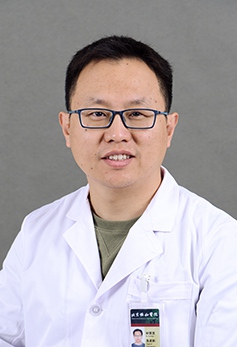 Tiekuan Du (杜铁宽)合作论文数北京协和医学院北京协和医院2
 Yi Li (李毅)合作论文数北京协和医学院北京协和医院2Huiping Shi (史慧萍)合作论文数2Shujing Ma合作论文数1HE Jinhong (何金洪)合作论文数1Yanhua Fu合作论文数1Xiangxi He合作论文数1LUO Xingxing (罗星星)合作论文数1GAN Lin (甘霖)合作论文数1Yuehui Hong合作论文数1Fengxia Yao合作论文数1Ya-ge CHAI (柴亚歌)合作论文数1CHEN Yuan-yuan (陈圆圆)合作论文数1Quan Shi合作论文数1Cheng Shen合作论文数1Shengyong Xu合作论文数1Kai-kai Zhang (张凯凯)合作论文数1Bo LI (黎波)合作论文数1Yan Liu (刘岩)合作论文数1XiaoXin Xie (谢小馨)合作论文数1DongSheng Liang (梁冬生)合作论文数1DanWen Zheng (郑丹文)合作论文数1Hai Long (龙海)合作论文数1Hong Han (韩红)合作论文数1JiaJing Chou (仇佳晶)合作论文数1Ying Su (苏颖)合作论文数1Lu Liang (梁璐)合作论文数1Yan Meng (孟岩)合作论文数1Dan Chen (陈丹)合作论文数1
 Feng Xiong (熊丰)合作论文数重庆医科大学附属儿童医院1
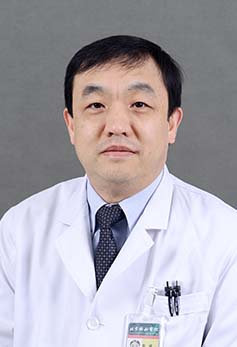 Bin Peng (彭斌)合作论文数Peking Union Medical College Hospital1Wang Changyan合作论文数1
 Jian Wang (王剑)合作论文数Shanghai Key Laboratory of Embryo Original Diseases;Shanghai Children's Medical Center, School of Medicine, Shanghai Jiao Tong University1
 Meng Xiao (肖盟)合作论文数Chinese Academy of Medical Sciences & Peking Union Medical College1
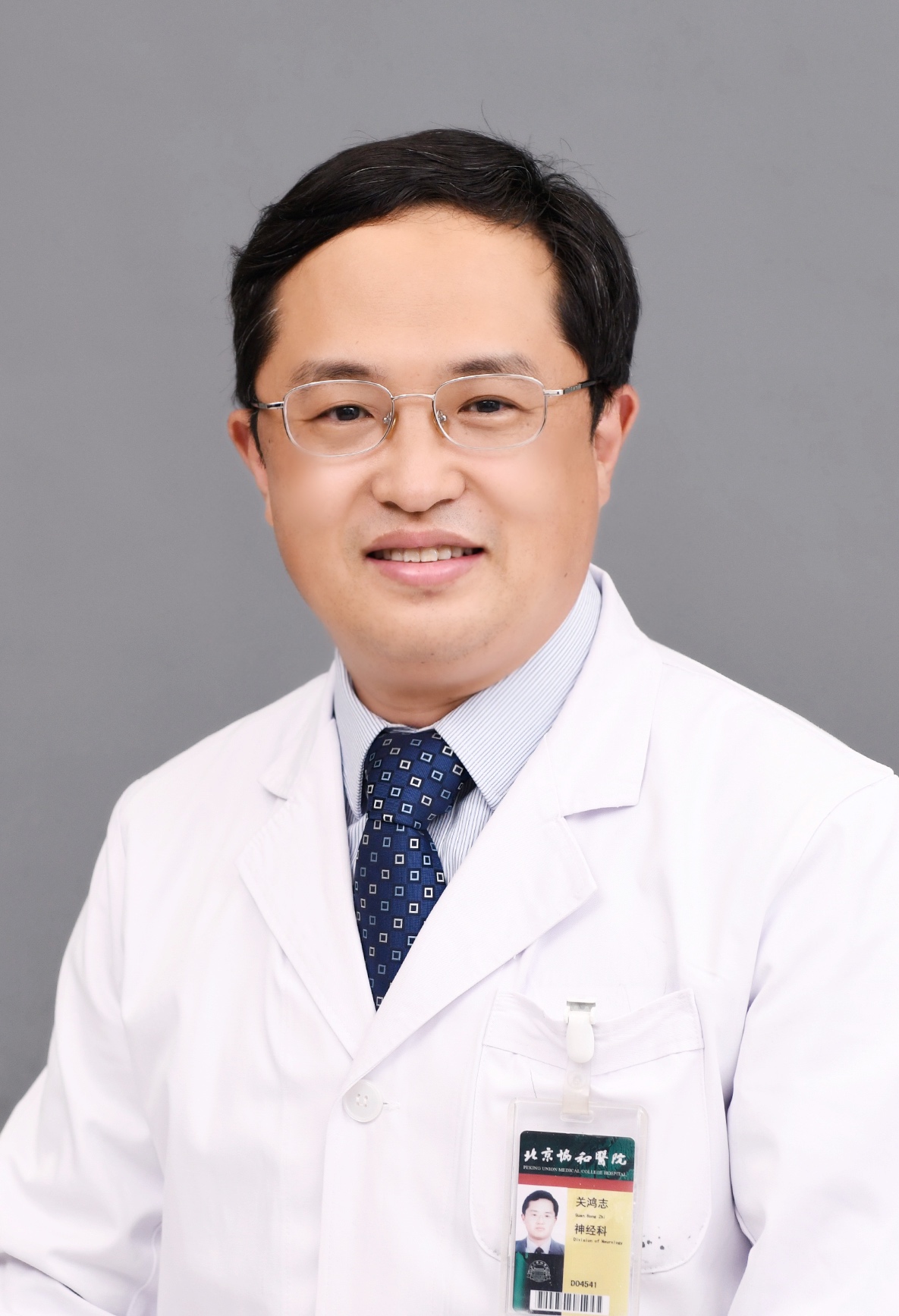 Hongzhi Guan (关鸿志)合作论文数Peking Union Medical College Hospital1
 Juan Xiao (肖娟)合作论文数Peking Union Medical College Hospital1




