Kidney transplantation is inevitably accompanied by ischemia-reperfusion injury in which oxidative stress and endoplasmic reticulum (ER) stress act as tightly interconnected drivers of mitochondrial dysfunction, inflammation, and long-term graft failure. Excessive reactive oxygen species disrupt mitochondrial homeostasis, while unresolved ER stress activates maladaptive unfolded protein response signaling, together shaping tubular cell fate. Although these processes have been extensively studied, their spatial and functional integration remains incompletely understood. Growing evidence indicates that oxidative stress and ER stress converge at mitochondria-associated membranes (MAMs), where calcium signaling, redox regulation, and stress-adaptive networks are integrated. However, the dynamic and context-dependent nature of MAM remodeling remains poorly defined and difficult to investigate using conventional experimental systems. In this review, we propose a MAM-centered framework that integrates cellular stress responses, with a particular focus on ischemia-reperfusion in kidney transplantation. We further highlight therapeutic strategies targeting MAM-associated pathways, including mitochondria-directed antioxidants, ER oxidoreductases and structural and signaling proteins of MAM. In parallel, we summarize emerging kidney organoid platforms as human-relevant translational systems for modeling MAM dynamics under controlled conditions. By integrating mechanistic insights with organoid-based investigations, this review bridges a critical gap between molecular understanding and translational application, and offers a conceptual framework for MAM-targeted strategies aimed at improving graft resilience and long-term transplant outcomes.
The longevity protein sirtuins (SIRTs) belong to a family of nicotinamide adenine dinucleotide (NAD+)-dependent deacetylases. In mammals, SIRTs comprise seven members (SIRT1-7) which are localized to different subcellular compartments. As the most prominent mitochondrial deacetylases, SIRT3 is known to be regulated by various mechanisms and participate in virtually all aspects of mitochondrial homeostasis and metabolism, exerting significant impact on multiple organs. Notably, the kidneys possess an abundance of mitochondria that provide substantial energy for filtration and reabsorption. A growing body of evidence now supports the involvement of SIRT3 in several renal diseases, including acute kidney injury, chronic kidney disease, and diabetic nephropathy; notably, these diseases are all associated with aging. In this review, we summarize the emerging role of SIRT3 in renal diseases and aging, and highlights the intricate mechanisms by which SIRT3 exerts its effects. In addition, we highlight the potential therapeutic significance of modulating SIRT3 and provide valuable insights into the therapeutic role of SIRT3 in renal diseases to facilitate clinical application.
Hepatic ischemia reperfusion (I/R) injury is a common clinical complication. X-box binding protein 1 (XBP1), as a critical regulator of the endoplasmic reticulum stress, has been implicated in a variety of diseases. In this study, we aimed to investigate the effects and the underlying mechanism of XBP1 in the progression of hepatic I/R injury. Hepatocyte-specific XBP1 knockout mice, multiple viral delivery systems and specific pharmacological inhibitors were applied in vivo in a partial hepatic I/R injury mouse model and in vitro in a cell model of hypoxia-reoxygenation (H/R) injury. Mitophagy and autophagic flux were evaluated and fluorescence resonance energy transfer (FRET) as well as immunoprecipitation were performed. The results demonstrated that reperfusion for 6 h represented a critical timepoint in hepatic I/R injury and resulted in significant intracellular mitochondrial dysfunction; led to the breakdown of hepatocytes accompanied by the highest expression levels of XBP1. Hepatocyte-specific XBP1 knockout alleviated hepatic I/R injury via enhanced mitophagy, as demonstrated by the reduction in hepatocellular damage/necrosis and increased expression of mitophagy markers. Mechanistically, XBP1 interacted with FoxO1 directly and catalyzed the ubiquitination of FoxO1 for proteasomal degradation. Targeting XBP1 by genetic or pharmacological techniques potentiated the protein levels of FoxO1, further promoting the activity of the PINK1/Parkin signaling pathway, thus augmenting mitophagy and exerting hepatoprotective effects upon I/R injury. In conclusion, the inhibition of XBP1 potentiated FoxO1-mediated mitophagy in hepatic I/R injury. Specific genetic and pharmacological treatment targeting XBP1 in the perioperative 6 h prior to reperfusion exerted beneficial effects, thus providing a novel therapeutic approach.
Background: CLEC4E has been reported to promote lung cancer progression. Tumor-associated macrophages (TAMs) play an important role in tumorigenesis. Whether the expression of CLEC4E in TAMs is associated with gastric carcinogenesis remains unclear. Methods: The TIMER, UALCAN, UCSC Xena, and KM plotter databases are used to examine the expression of CLEC4E and its prognostic significance in gastric cancer (GC). Additionally, GO, KEGG, and GSEA analysis were conducted, and single-cell RNA-seq (scRNA-seq) datasets were utilized. The Coremine medical database was used to predict therapeutic drugs, and molecular docking was performed. Human GC samples were obtained, and co-culture models were constructed to evaluate the effects of CLEC4E in TAMs on tumor growth, migration, and invasion in vitro. Results: CLEC4E was significantly upregulated in GC, and high CLEC4E expression was associated with poor prognosis. Western blotting and immunostaining showed increased protein levels of CLEC4E in GC. GO, KEGG, and GSEA results indicated that CLEC4E is involved in immune response. Immune infiltration analysis demonstrated that CLEC4E expression positively correlated with multiple immune cell types. scRNA-seq analyses revealed that CLEC4E was predominantly expressed in myeloid cells specifically TAMs, in GC. In vitro experiments confirmed that MFC induced CLEC4E expression in TAMs to mediate tumor progression. Specifically targeting CLEC4E by si-CLEC4E or stigmasterol inhibited cancer cell migration and invasion. Conclusion: CLEC4E is a potential prognostic biomarker and new therapeutic target for GC that can be specifically targeted by stigmasterol.
Disrupted redox homeostasis contributes to renal ischemia–reperfusion (IR) injury. Abundant natural products can activate nuclear factor erythroid-2-related factor 2 (Nrf2), thereby providing therapeutic benefits. Methyl eugenol (ME), an analog of the phenolic compound eugenol, has the ability to induce Nrf2 activity. In this study, we investigated the protective effects of ME against renal oxidative damage in vivo and in vitro. An IR-induced acute kidney injury (AKI) model was established in mice. ME (20 mg·kg−1·d−1, i.p.) was administered to mice on 5 consecutive days before IR surgery. We showed that ME administration significantly attenuated renal destruction, improved the survival rate, reduced excessive oxidative stress and inhibited mitochondrial lesions in AKI mice. We further demonstrated that ME administration significantly enhanced Nrf2 activity and increased the expression of downstream antioxidative molecules. Similar results were observed in vitro in hypoxia/reoxygenation (HR)-exposed proximal tubule epithelial cells following pretreatment with ME (40 μmol·L−1). In both renal oxidative damage models, ME induced Nrf2 nuclear retention in tubular cells. Using specific inhibitors (CC and DIF-3) and molecular docking, we demonstrated that ME bound to the binding pocket of AMPK with high affinity and activated the AMPK/GSK3β axis, which in turn blocked the Nrf2 nuclear export signal. In addition, ME alleviated the development of renal fibrosis induced by nonfatal IR, which is frequently encountered in the clinic. In conclusion, we demonstrate that ME modulates the AMPK/GSK3β axis to regulate the cytoplasmic–nuclear translocation of Nrf2, resulting in Nrf2 nuclear retention and thereby enhancing antioxidant target gene transcription that protects the kidney from oxidative damage.
BACKGROUND: Genetically modified dendritic cells (DCs) modulate the alloimmunity of T lymphocytes by regulating antigen presentation. METHODS: We generated mice with specific deletion of the X-box-binding protein 1 (XBP1) allele in bone marrow cells and cultured bone marrow-derived DCs (Xbp1-/- BMDCs) from these animals. We then tested the phenotype of Xbp1(-/-) BMDCs, evaluated their capability to activate allogeneic T cells and investigated their mechanistic actions. We developed a mouse model of allogeneic heart transplantation in which recipients received PBS, Xbp1(-/-) BMDCs, a suboptimal dose of cyclosporine A (CsA), or Xbp1(-/-) BMDCs combined with a suboptimal dose of CsA to evaluate the effects of Xbp1(-/-) BMDC transfusion on alloimmunity and on the survival of heart allografts. RESULTS: The deletion of XBP1 in BMDCs exploited the IRE1-dependent decay of TAPBP mRNA to reduce the expression of MHC-I on the cell surface, altered the capability of BMDCs to activate CD8+ T cells, and ultimately suppressed CD8+ T-cell-mediated allogeneic rejection. The adoptive transfer of Xbp1(-/-) BMDCs inhibited CD8+ T-cell-mediated rejection. In addition, XBP1-deficient BMDCs were weak stimulators of allogeneic CD4+ T cells despite expressing high levels of MHC-II and costimulatory molecules on their cell surface. Moreover, the adoptive transfer of Xbp1(-/-) BMDCs inhibited the production of circulating donor-specific IgG. The combination of Xbp1(-/-) BMDCs and CsA treatment significantly prolonged the survival of allografts compared to CsA alone. CONCLUSIONS: The deletion of XBP1 induces immunosuppressive BMDCs, and treatment with these immunosuppressive BMDCs prevents alloimmune rejection and improves the outcomes of heart transplantation. This finding provides a promising therapeutic target in combating transplant rejection and expands knowledge of inducing therapeutic DCs. J Heart Lung Transplant 2022;41:1660-1671 (c) 2022 International Society for Heart and Lung Transplantation. All rights reserved.
目的 总结膀胱引流式同期胰肾联合移植(simultaneous pancreas and kidney trans-plantation,SPK)术后胰漏的治疗经验.方法 SPK术后胰漏病人3例,结合文献对SPK术后胰漏的临床诊疗进行探讨.结果 3例SPK受者的移植胰腺外分泌均为膀胱引流,其中2例早期胰漏,1例远期胰漏.对3例病人予以抗生素治疗、抑制胰腺外分泌、膀胱减压、维持水电解质酸碱平衡、营养支持等治疗,根据具体情况行通畅引流或瘘口修补.所有病人胰漏均痊愈,无移植物丢失或病人死亡.结论 膀胱引流式SPK术后胰漏,可行抑制胰液外分泌、膀胱减压、通畅引流等治疗;胰漏长期不愈者,瘘口修补可作为一种有效治疗方法.
缺血再灌注损伤(IRI)是器官血流短暂减少或停止,血流再灌注引发炎症产生的结果.肾脏对IRI敏感,缺血再灌注会导致严重的急性肾损伤,增加住院患者死亡率.坏死性凋亡是一种新的程序性细胞死亡方式,在肾IRI中发挥重要作用,通过调控坏死性凋亡的关键分子——受体相互作用蛋白激1/3、混合谱系激酶结构域样假激酶改善IRI器官功能.因此,充分理解肾IRI中坏死性凋亡的发生机制,有助于开发新的、有效治疗急性肾损伤的方法.
甲基丁香酚是一种广泛存在的苯丙素类天然化合物,具有镇痛、麻醉、抗过敏、抗炎、抗氧化和抗肿瘤等多种生物学活性,可能在促进细胞再生、抗衰老和炎症、肿瘤相关性疾病的防治中具有重要研究价值.充分了解甲基丁香酚的结构和作用特点,避免不必要的毒副作用发生,对其开发利用具有重要意义.综述了甲基丁香酚的生物学活性及其作用机制,以期为甲基丁香酚的深入研究和进一步开发应用提供参考依据.
Background: Liver ischemia reperfusion injury (LIRI) often occurs during liver transplantation, resection, and various circulatory shock procedures, leading to severe metabolic disorders, inflammatory immune responses, oxidative stress injury, and cell apoptosis. Methyl eugenol (ME) is structurally similar to eugenol and has antiinflammatory and apoptotic pharmacological effects. However, whether ME protects the liver from LIRI damage requires further investigation. Methods: We established a partially warm LIRI model by subjecting C57BL/6J mice to 60 min of ischemia, followed by reperfusion for 6 h. We also established a hypoxia-reoxygenation injury (H/R) cell model by subjecting AML12 (a mouse liver cell line) cells to 24 h hypoxia, followed by 18 h normoxia. The extent of liver injury was assessed by serum transaminase concentrations, hematoxylin and eosin staining, quantitative real-time PCR, myeloperoxidase activity, and TUNEL analysis. Apoptosis was detected using flow cytometry. The protein levels of p-PI3K, PI3K, p-Akt, Akt, p-Bad, Bad, Bcl-2, Bax, and cleaved caspase-3 were detected by western blotting. LY294002, an inhibitor of PI3K/Akt signaling, was used to elucidate the relationship between ME and PI3K/Akt signaling. Results: ME successfully alleviated LIRI-induced liver injury, inflammatory response, and apoptosis induced, as well as liver cell injury induced by hypoxia reoxygenation. ME is known to activate the PI3K/Akt signaling pathway in hepatocyte injury in vivo and in vitro, and when this signaling pathway is inhibited, the protective effect of ME is abrogated. Conclusions: The use of ME is a potential therapeutic approach for regulating LIRI by activating PI3K/Akt signaling.
This study aimed to investigate the effect of methyl eugenol(ME) on hypoxia/reoxygenation(H/R)-induced injury of human renal tubular epithelial HK-2 cells and its mechanism. The viability of HK-2 cells cultured with different concentrations of ME and exposed to H/R was detected by cell counting kit-8(CCK-8) assay. The effect of ME on the morphology of HK-2 cells was observed under an inverted microscope. The content of intracellular reactive oxygen species in different groups was detected after 2',7'-dichlorodihydrofluorescein diacetate(DCFH-DA) fluorescence staining. Cell apoptosis was determined by flow cytometry. Changes in mitochondrial membrane potential were monitored by JC-1 dye. The concentrations of nuclear factor erythroid 2 related factor 2(Nrf2), heme oxygenase-1(HO-1), and nicotinamide adenine dinucleotide phosphatase oxidase 4(Nox4) were measured by Western blot, followed by the assay of Nrf2 concentration changes in cytoplasm and nucleus by confocal fluorescence staining. The results showed that when the concentration of ME was 0-40 μmol·L~(-1), the activity of HK-2 cells was not affected. Compared with the model group, ME enhanced the activity of HK-2 cells and the cell morphology was normal. As revealed by further experiments, ME inhibited the release of reactive oxygen species and the decline in mitochondrial membrane potential of HK-2 cells after H/R injury, promoted Nrf2/HO-1 expression and Nrf2 translocation to the nucleus, and down-regulated the expression of Nox4, thereby significantly reducing apoptosis. This protective effect of ME could be reversed by the specific Nrf2 inhibitor ML385. These findings have preliminarily proved that ME effectively protected HK-2 cells against H/R injury, which might be related to its promotion of Nrf2/HO-1 signaling pathway and inhibition of Nox4. Such exploration on the possible mechanism of ME in the treatment of renal ischemia-reperfusion injury(IRI) and protection of organ function from the perspective of antioxidant stress has provided reference for related research on the treatment of acute kidney injury with traditional Chinese medicine.
目的 总结颅内蛛网膜囊肿合并慢性硬膜下血肿的诊治经验.方法 回顾性分析1例右侧外侧裂池蛛网膜囊肿合并复发性慢性硬膜下血肿的临床资料,并结合相关文献进行分析.结果 首次按传统慢性硬膜下血肿治疗方式,行右侧颞部钻孔引流,术后3周血肿复发;再次行开颅血肿清除术+蛛网膜囊肿切除术,术后恢复良好,随访10个月,血肿无复发.结论 对于蛛网膜囊肿合并慢性硬膜下血肿,有明显临床症状者需手术治疗,对于单纯硬膜下血肿,可行钻孔引流术;若合并囊内出血,建议开颅手术,有利于改善病人预后.
目的 探讨同期采用腰大池-腹腔分流(LPS)联合颅骨成形术治疗去骨板减压术后交通性脑积水的临床效果.方法 回顾性分析2013年3月至2017年1月同期行LPS联合颅骨成形术治疗的30例去骨板减压术后交通性脑积水的临床资料.结果 术后3d复查头部CT,脑室缩小25例,无明显改善5例.术后随访1年,临床症状改善28例,无改善2例.术后过度分流3例,经多次重新调整分流阀压力后好转.术前有癫痫发作5例中,4例好转,1例无明显变化.术后无颅内感染、引流管堵塞、分流管外露、颅内出血.结论 去骨瓣减压术后交通性脑积水,若无明显手术禁忌,同期行LPS联合颅骨成形术效果良好.
 Nianqiao Gong (宫念樵)合作论文数Tongji Hospital, Tongji Medical College, Huazhong University of Science and Technology11
 Shuaiheng Hou (侯帅恒)合作论文数6Mengqin Wang合作论文数6Zhiheng Wang合作论文数6Kailun Sun (孙凯伦)合作论文数5Jiasi Zhang合作论文数5Ji Zhang合作论文数5Haiqiang Ni合作论文数4
 Yuanyuan Zhao合作论文数3Shiqi Gu (顾世琦)合作论文数2Peng Xuan (彭宣)合作论文数2Qingwen Li合作论文数2XinFu Cheng (程新富)合作论文数2ZongLin Liu (刘宗霖)合作论文数2ZhiQiang Zhang (张志强)合作论文数2Dan Xiao合作论文数1xintong xing (邢昕彤)合作论文数1Chanyuan Fan合作论文数1Qian Huang (黄倩)合作论文数1YeGui Jia (贾业贵)合作论文数1Cheng Qian (钱晟)合作论文数1AiLong Lin (林爱龙)合作论文数1Kun Cheng (程坤)合作论文数1
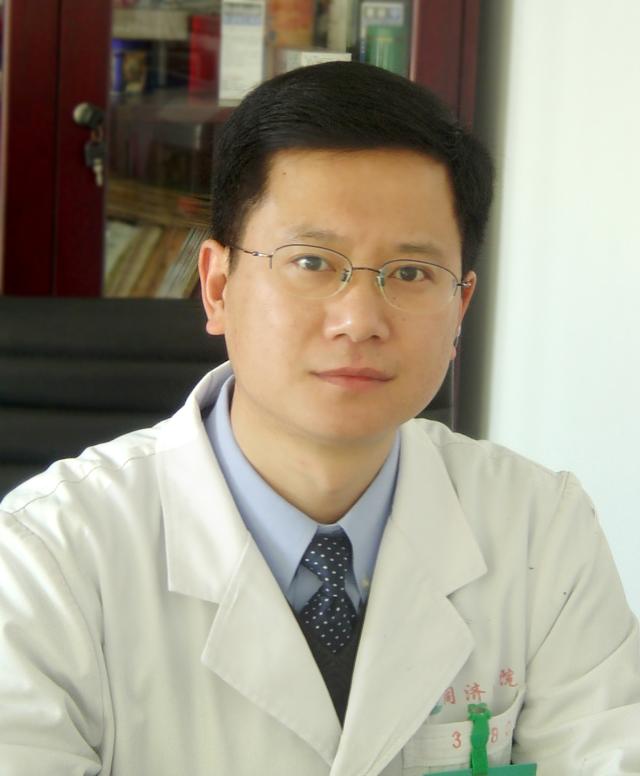 Weijie Zhang (张伟杰)合作论文数华中科技大学同济医学院附属同济医院1
 Yan Li (李燕)合作论文数The First Affiliated Hospital of Xi'an Jiaotong University;Xi'an Jiaotong University Health Science Center1
 Tongwen Ou (欧彤文)合作论文数Department of Urology,Xuanwu Hospital of Capital Medical University,Beijing ,China1Xia Lu (卢峡)合作论文数Tongji Medical College of Huazhong University of Science & Technology1
 Changsheng Ming (明长生)合作论文数Institute of Organ Transplantation, Tongji Hospital, Tongji Medical College, Huazhong University of Science and Technology1




