目的 探讨坎地沙坦改善血管紧张素Ⅱ导致的内皮损伤的机制.方法 (1)先用血管紧张素Ⅱ(AngⅡ)干预培养人脐静脉内皮细胞(HUVEC)构建氧化应激细胞株,再用氯沙坦或坎地沙坦对氧化应激的细胞株进行干预,最后用WB法检测eNOS、P-eNOS内皮功能蛋白,P38/P-P38、NF-KB/P-NF-KB炎症通路蛋白及血管紧张素转化酶2(ACE2)蛋白的表达情况.(2)先用AngⅡ和坎地沙坦干预HUVEC细胞构建模型细胞株,再用ACE2的小干扰RNA(siRNA)和ACE2激动剂(DIZE)干预模型细胞株,最后用WB法检测ACE2蛋白,P38/NF-KB通路中P-P38和P-NF-KB蛋白的表达情况.结果 (1)氯沙坦或坎地沙坦干预后,坎地沙坦组和氯沙坦组的P-eNOS蛋白较AngⅡ组的表达含量上升;坎地沙坦组和氯沙坦组P-P38及P-NF-KB的蛋白表达含量较AngⅡ干预组下降,且坎地沙坦组的下降趋势更加明显.(2)予DIZE干预后,HUVECs的ACE2蛋白表达升高,P-NF-KB蛋白的表达下降;予ACE2小干扰RNA干预后,HUVECs的ACE2表达下降;P-NF-KB蛋白的表达上升.结论 坎地沙坦除了可以通过拮抗AngⅡ的受体通路阻断P38/NF-KB炎症通路表达保护内皮细胞功能之外,还可以通过促进内皮细胞分泌ACE2抑制NF-KB炎症通路从而起到保护内皮细胞的作用.
目的 研究抗RNA多聚酶Ⅲ抗体(anti-RNA polymerase Ⅲ antibodies,ARA)相关系统性硬化(systemic sclerosis,SSc)患者的临床特点.方法 纳入2017年1月至2020年12月确诊的SSc患者56例,采用线性免疫印迹法检测ARA,分析其临床特点.结果 56例SSc患者中,ARA(+)8例(14.3%),男∶女为5∶3,中位年龄54岁,中位病程12个月,临床分型以弥漫性SSc为主(62.5%).其中雷诺现象(62.5%)、甲周毛细血管特征性改变(62.5%)、肺间质纤维化(50.0%)是ARA(+)患者最常见的三大临床表现.与ARA(-)组相比,ARA(+)组男性比例显著升高(62.5%vs.10.4%,P=0.003),病程更短(12月vs.66月,P=0.006),并发肿瘤的概率更高(37.5%vs.0%,P=0.002),而雷诺现象发生率更低(62.5%vs.97.9%,P=0.008).将患者按ARA(+)、ATA(+)、ACA(+)分为三组,并行两两组间比较发现:ARA(+)组与AT A(+)组相比,各项临床特征差异无统计学意义(P>0.017);与ACA(+)组相比,ARA(+)组男性多见,肿瘤更常见,雷诺现象较少见,差异均具有统计学意义(P<0.017).结论 ARA(+)SSc在临床上更需早期识别并积极诊治,ARA应作为SSc临床常规检测手段.
目的 探究血清Dickkopf-1 (DKK-1)水平与系统性硬化(SSc)发病及病情严重程度的相关性.方法 选取SSc患者19例及健康人18例,用酶联免疫吸附测定(ELISA)法测量DKK-1水平,并与各项临床指标进行相关性分析.结果 SSc患者血清DKK-1高于对照组(P<0.05),在亚组分析中,DKK-1水平与内脏受累无明显相关性,但与mRSS评分呈中度相关(r=0.584,P<0.05).此外,DKK-1水平与骨密度水平不相关.结论 血清DKK-1水平与SSc的发病有一定的相关性,且参与皮肤纤维化的发展过程,可作为SSc中病情评价的指标和作用靶点.
Hereditary long QT syndrome is a fatal arrhythmia with an increased risk for syncope,ventricular tachycardia and the potentially fatal tachyarrhythmia Torsades de pointes.It is characterized by an abnormally long QT interval of ≥ 450 ms on the ECG.LQTS stype 2 (LQT2) associated with hERG gene mutations is the most common type of LQTS.Most of the mutant hERG proteins in LQT2 have folding deficiency and trafficking defects so that they are retained in the endoplasmic reticulum (ER) by cellular quality control mechanisms.Therefore,stabilizing the mutant proteins by the expression of endoplasmic reticulum stress-related molecules might ameliorate trafficking defects and it has become one of the most recent research hotspots.This review focuses on the quality control mechanisms in the ER that contribute to the folding and ERAD of hERG proteins.
Diabetic cardiomyopathy (DCM) is diagnosed when patients with diabetes develop ventricular dysfunction but do not exhibit coronary atherosclerosis or hypertension. Cortex Mori (CM) Radicis,he epidermis of the root of Morus alba L, has been traditionally used for cough treatment in oriental medicine. In this study, we investigated the protection of myocardium by CM in streptozotocin (STZ)-induced diabetic rats and the underlying mechanisms. Diabetes was induced in rats by an injection of STZ at 25mg/kg. The animals were randomly divided into 4 groups: control, diabetes, diabetes with CM treatment, diabetes with CM preventative treatment. Pathological changes were examined by hematoxylin-eosin staining. Extracellular matrix content was assessed by Masson's trichrome staining and Western blot. Endoplasmic reticulum (ER) stress-associated molecules and main components of the mitogen-activated protein kinase (MAPK) pathway were also measured by Western blot. Myocardial damages were induced by the injection of STZ as evidenced by abnormal blood glucose and pathological cardiac changes. Administration of CM markedly ameliorated myocardial damages such as cardiac hypertrophy and fibrosis. ER stress was down-regulated, and p38 and ERK were suppressed by CM. Thus, CM may have therapeutic potential in the treatment of DCM by attenuating ER stress and ERK and p38 MAPK activation.
 YU Qiu-xia (俞秋霞)合作论文数2Xiaodong WANG (王晓东)合作论文数2Jian Ding (丁健)合作论文数2Jin Zhang (张瑾)合作论文数2Weili Liu (刘伟丽)合作论文数2Chunxia ZHANG (章春霞)合作论文数1Bingyang LIU (刘冰洋)合作论文数1YU Tian-hang (俞天航)合作论文数1FAN Li-yi (范丽怡)合作论文数1jialu chen (陈佳露)合作论文数1Jiayi Chen合作论文数1Aqiong CHEN (陈阿琼)合作论文数1Yanyan Yuan合作论文数1Lin Luo合作论文数1Xi YANG (杨曦)合作论文数1YinYu Mu (穆银玉)合作论文数1XiaoYan Huang (黄晓燕)合作论文数1BingBing Liu (刘冰冰)合作论文数1XiaoQun Zhang (张晓群)合作论文数1
 Song Li合作论文数Department of Pharmaceutical Sciences, School of Pharmacy, University of Pittsburgh;Center for Pharmacogenetics, School of Pharmacy, University of Pittsburgh1
 Jianqing Zhou (周建庆)合作论文数Health Science Center, Ningbo University;Ningbo Medical Center Lihuili Hospital1
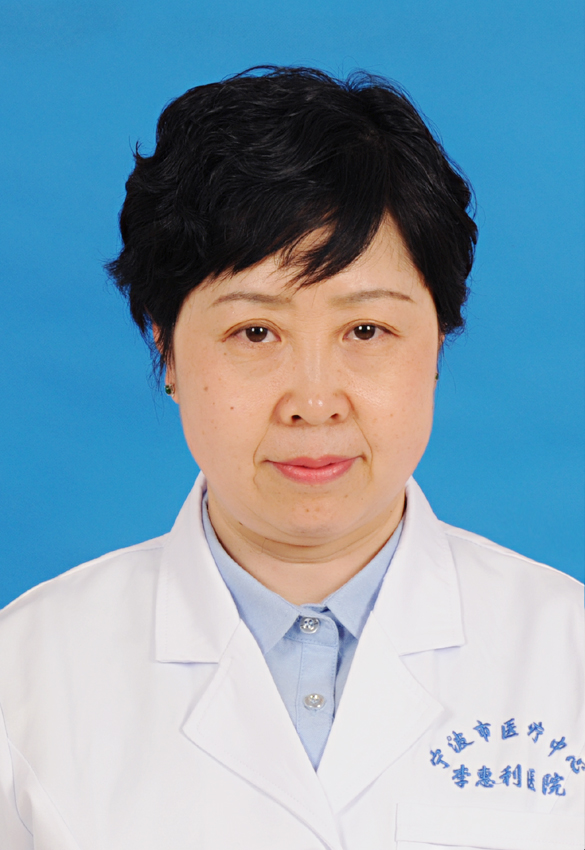 Jiangfang Lian (廉姜芳)合作论文数Center Li Huili Hospital, Ningbo Medical1
 Shizhong Bu (步世忠)合作论文数Ningbo University School of Medicine1




