本文集中探索院校支持对大学生学习与发展的影响机制,旨在通过实证研究提炼出中国特色的院校支持要素,进一步丰富院校影响理论与学生发展理论,助力我国本科教育的内涵发展与质量提升.基于中国大学生学习与发展追踪调查2018年数据分析,本研究发现:我国本科教育中的院校支持在直接正向影响学生的学习行为、学习兴趣和学生发展的同时,还通过学生学习行为与学习兴趣间接正向影响学生发展.其中,就业支持、生生互助和源自教师的教师教学、生师交流支持对学生发展的影响效应值较大.另外,根据大学教育力理论将学生进行分类发现,院校支持对高度匹配型学生的学习行为、学习兴趣和学生发展具有显著影响的路径最多,影响更为积极有效.而对非高度匹配型学生,院校支持仅能直接或通过学生学习兴趣间接影响学生发展,其学习行为对学生发展没有显著影响.
This study aimed to examine Chinese college students' engagement and satisfaction with their university learning experience. In particular, the study focused on emotional engagement and how it was associated with student satisfaction. Nationally representative data from the 2012 China College Student Survey (CCSS) which drew from 55 higher education institutions (N = 67,182; 45.6% female) indicated that Chinese students had high levels of emotional engagement. Emotional engagement positively predicted student satisfaction and also moderated the effect of cognitive engagement on satisfaction. Educational implications are discussed.
本文从理论上构建了教育财政支出形成性绩效评价体系,认为评价体系应指标简洁、灵敏度高,评价结果能反映支出成效和问题,评价数据以定量客观数据为主,以减少地方政府迎评迎检的负担,并将这一评价指标体系应用于全面改薄.评价结果显示各地在推进全面改薄工作中整体绩效良好,但部分地区项目绩效相对落后.评价结果准确地反映出全面改薄阶段成效以及政策实施和实际工作中存在的问题,表明该评价指标体系是科学、灵敏且有效和可行的.
由清华大学全球学校与学生发展评价研究中心与清华大学教育研究院共同举办的“面向新时代的高等教育评价”国际会议日前在北京召开.会议围绕大学排名、院校评估、指标构建及变革趋势等内容进行了热烈且深入的探讨,分析了未来高等教育评价可能出现的变化和发展趋势,分享了构建更为全面科学的高等教育评价指标体系的最新研究探索.
以“学”为中心的高等教育质量评价理念,推动了国内大学生学情调查的广泛开展.此类调查使用自陈式问卷进行,其数据质量可能受填答者社会称许性反应的影响.使用清华大学2014-2016年“中国大学生学习与发展追踪研究”的数据研究发现:有关学习行为和主观感受的自陈性指标存在5-10%的社会称许性反应偏误,但自我汇报的客观情况(如学习成绩)偏误较小;学生的社会称许性水平越高,自陈性指标中的偏误越大;指标内容与社会称许性反应偏误的大小有一定关系.上述发现对大学生学情调查的科学性和工具开发的有效性具有方法论的意义.
In order to increase the access opportunity for disadvantaged students,China has enacted several policies such as the "National Special Proj ect",the "Ethnic Minorities Proj ect"and the "Institu-tional Proj ect",so as to provide preferential treatments in college admission for disadvantaged students from poor families in poverty-stricken areas and rural areas.Drawing on the enrollment data and survey data of the Cohort 2014 students in a university directly affiliated to the Ministry of Education,this study found that the above preferential policies were overall effective.Government-initiated policies were more effective in reducing the opportunity gap between groups,while institutional policies were more effective in selecting qualified candidates.Additionally,the study found that urban students in-volved in the "National Special Proj ect"and the "Ethnic Minorities Proj ect"were actually not "disad-vantaged",calling for attention on whether the policies were targeted at the desired population.
 XiaoHui Ji (纪效珲)合作论文数1Lu Liu (刘路)合作论文数1Fan Yang (杨帆)合作论文数1
 Meng Xie (谢梦)合作论文数School of Education, Renmin University of China1
 Yan Luo (罗燕)合作论文数Institution of Education, Tsinghua University1
 Fei Guo (郭菲)合作论文数Institute of Education, Tsinghua University1
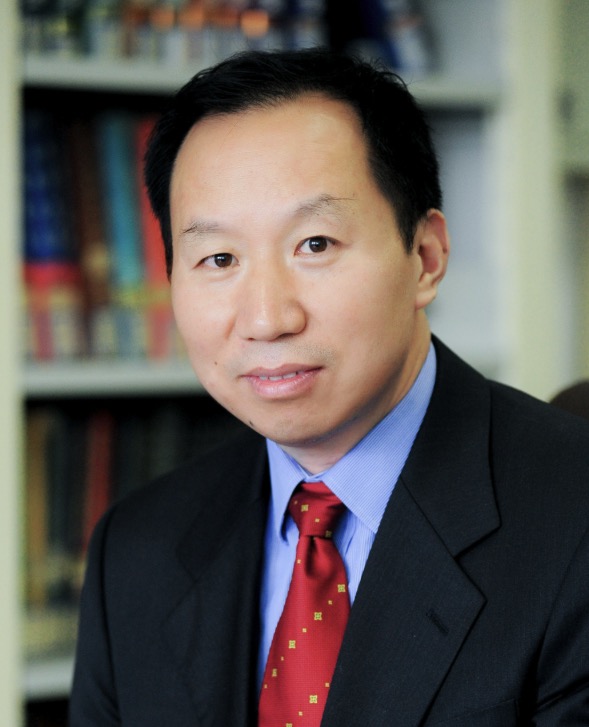 Fugui Ye (叶富贵)合作论文数School of Education, Tsinghua University1
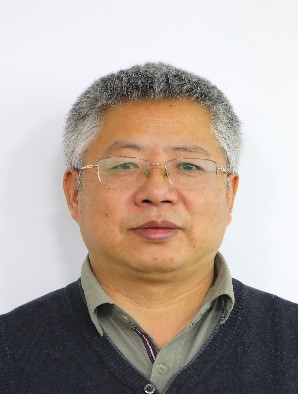 Lin Zhao (赵林)合作论文数School of Geographical Sciences, Nanjing University of Information Science & Technology1
 Wen Wen (文雯)合作论文数School of Education, Tsinghua University1
 Jinghuan Shi (史静寰)合作论文数Institute of Education, Tsinghua University;Research Center for the Assessment of College and Student, Tsinghua University1




