The increasing frequency of freshwater cyanobacterial blooms has emerged as a critical ecological and environmental concern, yet long-term time series data documenting such blooms remain scarce. This study presents a 13-year dataset (2010-2022) from two adjacent subtropical reservoirs (Shidou and Bantou) in Xiamen, Fujian Province, Southeast China. It provides a monthly and quarterly overview of 20 physicochemical parameters (348 samples), microscope-based phytoplankton (348 samples), and DNA sequence-based data for bacteria (342 samples) and microeukaryotes (348 samples). The dataset highlights recurrent cyanobacterial blooms dominated by Raphidiopsis raciborskii (basionym Cylindrospermopsis raciborskii). This long-term dataset serves as a valuable resource for investigating, predicting, and controlling cyanobacterial blooms, and will support efforts in biodiversity forecasting, ecological restoration, and targeted management of freshwater ecosystems.
Thermal stratification in inland waters creates pronounced physicochemical gradients, yet a quantitative, depthresolved understanding of how these gradients regulate nitrogen (N) dynamics remains lacking. Here, we conducted a two-year, depth-resolved study in a subtropical reservoir, quantifying uptake of ammonium (NH4+), nitrate (NO3- ), and urea using the 15N tracer labeling technique. Although NO3 - is the dominant component of the dissolved inorganic nitrogen (DIN) pool in the euphotic zone, NH4+ consistently sustained the majority of N assimilation, exceeding NO3 - and urea uptake by approximately 7- and 11-fold, respectively, resulting in rapid NH4+ turnover (median tau approximate to 4 days). Vertically, we observed a distinct three-layer structure of nitrogen assimilation along the light gradient: (1) phytoplankton preferentially utilized NH4+ and urea under high irradiance in the surface layer; (2) NO3 - uptake peaked near the base of the euphotic zone, likely associated with low-light adapted diatoms; and (3) in the aphotic layer, substantial NH4+ assimilation persisted but decoupled from carbon fixation, indicating NH4+ consumption by heterotrophs. Our results provide a quantitative framework that refines our current view of nitrogen cycling in stratified inland waters and challenges concentration-based views of nutrient limitation. We demonstrate that effective management of eutrophication in stratified systems must account for N speciation, vertical stratification, and the distinct roles of autotrophic and heterotrophic communities.
Under the background of global warming, harmful algal blooms in inland waters have become increa-singly frequent, threatening the ecological health of water sources and drinking water security. Based on seasonal observations conducted a decade scale (2011-2012 and 2022), we analyzed the spatiotemporal variations in phytoplankton community composition and resource use efficiency (RUE) in Dongzhen Reservoir, a drinking water source in Putian City, Fujian Province, and explored their responses to environmental factors. The results showed that annual mean air temperature increased by approximately 1.11 ℃ and surface water temperature rose by 0.5 ℃ over the decade. Phytoplankton communities exhibited pronounced seasonal succession, with cyanobacteria, parti-cularly Raphidiopsis raciborskii, dominating in summer and autumn, while diatoms prevailing in spring and winter. The average abundance of phytoplankton increased from 1.44×10⁷ cells·L-1 in 2011-2012 to 1.99×10⁷ cells·L-1 in 2022, with cyanobacterial abundance rising from 1.32×10⁷ to 1.84×10⁷ cells·L-1. Although surface water total nitrogen (TN) and total phosphorus (TP) concentrations decreased by 72.4% and 49.8%, respectively, overall RUE of phytoplankton increased markedly: RUETN increased from 4.33 to 9.93, and RUETP from 231.41 to 432.73, with the enhancement being particularly evident under high-temperature conditions. This trend was closely associa-ted with the strengthened dominance of cyanobacteria in summer and autumn: cyanobacterial RUETN increased from 2.17 to 5.63, and RUETP increased from 54.50 to 223.87. Under the background of climate warming, the enhanced resource use efficiency of cyanobacteria in subtropical reservoirs would facilitate their dominance and bloom formation, thereby altering phytoplankton community structure and bringing new challenges to the ecological protection of reservoir.
In freshwater ecosystems, rising salinity driven by factors such as climate change and urbanization can severely threaten ecosystem services. Eukaryotic plankton, a vital component of freshwater ecosystems, spans a size range from picoeukaryotic plankton (0.2-3 μm) to microeukaryotic plankton (3-200 μm), each exhibiting unique ecological functions and environmental response traits. Changes in the composition of eukaryotic plankton communities may have a substantial effect on material transfer and energy flow within freshwater reservoir ecosystems. However, the differential effects of salinization on timescales on the diversity, assembly, and stability of pico- and micro-eukaryotic plankton remain to be elucidated. We utilized a four-year high-frequency monitoring dataset comprising 892 samples to disentangle the responses of pico- and micro-eukaryotic plankton to salinity fluctuations. Results showed that as salinity increased, the α-diversity of microeukaryotic plankton declined more sharply than that of picoeukaryotes. The β-diversity of microeukaryotes remained consistently lower than that of picoeukaryotes. During the initial phase of salinity increase, deterministic processes became significantly more important in microeukaryotic community assembly. In contrast, picoeukaryotic community assembly was jointly influenced by stochastic and deterministic processes throughout the salinity gradient. Most notably, the stability of the microeukaryotic community decreased with rising salinity, whereas that of the picoeukaryotic community increased. These findings highlight the differential stability responses of different size fractions of eukaryotic plankton to salinity stress and offer a scientific basis for predictive modeling of ecological responses to freshwater salinization.
Understanding the large-scale distribution mechanisms of bacterial pathogens is critical for predicting their ecology and associated human health risks under climate change. Here, we investigate the biogeographical patterns and community assembly of bacterial pathogens across 59 lakes and reservoirs in eastern China. We identify the low-latitude region as a significant bacterial pathogen hotspot, primarily dominated by the genus Acinetobacter. The assembly of pathogen communities is co-driven by spatial, environmental, and climatic factors, with spatial processes exerting the strongest effects. Importantly, we reveal precipitation as a key climatic factor that simultaneously enhances pathogen diversity and promotes potential dispersal. Genera such as Acinetobacter, Sphingomonas, and Stenotrophomonas are identified as highly dispersal-prone. Generally, under future precipitation scenarios, our models project that increased precipitation will significantly enhance both the abundance and richness of pathogens. This expansion is predicted to further intensify pathogen hotspots in low-latitude regions and accelerate the spread of potential health risks. These results establish a critical link between hydrological cycles and pathogen biogeography, mediated through dispersal. Our study provides new insights for developing integrated surveillance frameworks that combine hydrological monitoring with a ‘One Health’ approach to address the escalating ecological and public health threats from climate-driven pathogen reshaping.
Phytoplankton resource use efficiency (RUE), expressed as biomass per unit nutrient (RUETN, RUETP) integrates phytoplankton productivity and nutrient exploitation in aquatic ecosystems, yet how thermal stratification affects RUETN, RUETP, and the underlying photosynthetic mechanisms remain unclear. We used five years of monitoring data (2015-2020; n = 171) from an oligotrophic subtropical reservoir and divided the data into three thermal stratification periods: non-stratified (NS, n = 66), weakly stratified (WS, n = 44), and strongly stratified (SS, n = 61). We quantified the relationship between RUETN, RUETP, and the photosynthetic capacity of phytoplankton communities. RUETN and RUETP were significantly lower during NS (deep mixing, Zmix:Zeu = 4.7) than during WS and SS, when Zmix:Zeu fell to 3.6. This transition coincided with a recovery of Chlorophyta photosynthetic capacity (Fv/Fm-Gr) from 0.09 under deep mixing to 0.20-0.30 once stratification set in, and Fv/Fm-Gr was positively correlated with both RUETN (R = 0.29) and RUETP (R = 0.37). The proportion of Chlorophyta nearly doubled across this transition (NS 25.5% to SS 47.2%). Bacillariophyta Fv/Fm (Fv/Fm-Br) showed no significant period difference, and Cyanobacteria Fv/Fm (Fv/Fm-Bl) remained near zero across NS, WS, and SS. PLS-PM revealed that stratification elevated RUE via surface TN and TP reductions during WS and through additional direct physical effects during SS. Water level decline prolonged the light-suppressed state during the NS period by reducing Zeu. Our results indicated that the onset of thermal stratification is a critical condition for the recovery of Chlorophyta photosynthetic capacity, with Zmix governing RUE transitions between stratification states and Zeu modulating RUE within each state. Overall, our study provides evidence that water level drawdown management may serve as a supplementary measure to external nutrient loading reduction for controlling algal biomass during the winter mixing period.
The genus Leptomyxa unifies two morphologically distinct groups of species: reticulate and non-reticulate. Previously, it was believed that only large reticulate species were capable of adopting a fan-shaped form. In recent years, fan-shaped cells have been discovered in four small non-reticulate species. In this study, we describe Leptomyxa echinata n. sp., isolated from a bottom sediment sample from Sobachiy Pond, Izmailovsky Park, Moscow, Russia. Amoebae of this species are non-reticulate, flattened, and branched, and can adopt a monopodial form. Interestingly, the morphology of monopodial cells differs on the surface of glass slides and in culture dishes. Leptomyxa echinata n. sp. is capable of adopting a remarkable fan-shaped form with numerous pointed outgrowths along the anterior margin. In addition, the karyoplasm of these amoebae, besides rounded nucleoli, contains tiny rounded granules. These features have not previously been described for other species of the genus Leptomyxa. The 18S rRNA gene sequence differentiates L. echinata n. sp. from all other species of this genus.
Ecological communities are normally composed of multiple interacting species. A fundamental interaction type is the trophic (feeding) interaction. As an example, bloom-forming cyanobacteria may impact the assembly and diversity of ciliate communities in waters. However, it is unclear to what extent cyanobacterial blooms-in the short and long term-affect the functional stability of ciliates and the complexity of the ciliate-cyanobacterium interdomain network. In this study, we analyzed nine years of high throughput sequence data of amplicons targeting the V9 region of the 18S rRNA gene of ciliates and the V3-V4 region of the 16S rRNA gene of cyanobacteria in two subtropical reservoirs. Our results demonstrated cyanobacterium (Raphidiopsis) bloom succession in terms of biomass-with three distinct bloom and two non-bloom periods over nine years. Similarly, the functional trait distribution of ciliate communities showed significant bloom-related variations and differences in functional composition, accounting for 43% and 52% of the total variation in the Shidou and Bantou reservoirs, respectively. The variation in functional composition of ciliate communities in the different bloom periods ranged from 15% to 96% in Shidou Reservoir and from 16% to 84% in Bantou Reservoir. Using network analyses, we found that the ciliate-cyanobacterium interdomain network exhibited a bloom-related temporal trajectory with complex modular associations. Influential analyses showed that some cyanobacterial nodes played an important role in network structure and complexity, accounting for 21.4% and 22.2% cyanobacterial influential nodes between bloom and non-bloom periods in Shidou and Bantou reservoirs, respectively. The variation in cyanobacterial nodes in the different bloom periods ranged from 14.7 to 32.6% in Shidou Reservoir and from 19.5% to 35.6% in Bantou Reservoir. Furthermore, the functional stability of ciliates and the robustness of the ciliate-cyanobacterium interdomain network were comparatively lower during bloom than non-bloom periods, indicating that cyanobacterial blooms had a significant negative impact on ciliate functional stability and ciliatecyanobacterium interdomain network complexity as well. We also found a weaker influence of environmental factors during cyanobacterial bloom periods, and bloom-induced ecological changes were critical for microbial interactions and stability, highlighting the negative and strong impact of cyanobacterial blooms in freshwater ecosystems.
The land-sea interface is a vital component of global biogeochemical cycles, where microorganisms drive the cycling of carbon, nitrogen, and sulfur. This review synthesizes the research progress from representative land-sea interfaces to elucidate how the microbial community structure and metabolic function influence the mobilization, transformation, and retention of organic carbon. Here, we also review the mechanisms underlying carbon cycle dynamics and emphasize the role of coupled biogeochemical cycles and climate change. A key focus is the synergistic interaction among the marine microbial carbon pump (MCP), the soil MCP, and the mineral-associated carbon pump, hereafter referred to as the land-sea MCP framework. We further propose an integrated study framework, based on measurable parameters such as carbon use efficiency and bacterial growth efficiency, to link microbial processes to long-term carbon sequestration at the land-sea interface.
Urbanization exerts profound impacts on freshwater ecosystems including rivers, triggering shifts in plankton communities, yet long-term data remain scarce. Therefore, we present an extensive 11-year dataset (2012-2022) spanning a distinct rural-to-urban gradient within the Houxi River watershed in subtropical China. Our systematic sampling characterized multiple plankton communities: phytoplankton were analyzed bi-annually (summer and winter) via microscopy, while bacterioplankton and eukaryotic plankton were investigated seasonally through amplicon sequencing of the 16S rRNA gene (V3-V4) and 18S rRNA gene (V9) regions, respectively. Concurrently collected water quality and nutrient data provide comprehensive environmental context. The BEPE (Bacterioplankton, Eukaryotic plankton, Phytoplankton and Environmental variables) dataset reveals distinct trends across space and time, enhancing our understanding of the impacts of urbanization and land use on river-reservoir ecosystems, particularly plankton communities and serves as a valuable foundation for future ecological conservation and restoration efforts.
Methane (CH4) emissions from reservoirs contribute significantly to global greenhouse gas budgets, yet the latitudinal patterns and drivers of methane-cycling microbial communities in reservoir ecosystems remain poorly understood. This study simultaneously investigated methanogenic and methanotrophic communities in both water and surface sediment habitats from 23 reservoirs across a latitudinal gradient (18-30 degrees N) in southeast China. We found pronounced differences in diversity and composition of methane-cycling microbial communities between water and sediment habitats. The alpha diversity of these communities decreased with increasing latitude in water, but increased in the sediment. Latitude and water depth explained differential trends in the alpha diversity of methane-cycling microbial communities in the two habitats by modulating temperature differences in water and sediments and water mixing patterns in the reservoirs. In water, the alpha diversity and composition of methane-cycling microbial communities were explained by algal biomass and dissolved oxygen, whereas in sediments, they maintained community stability and buffered environmental stresses through complex bacterial interaction networks. These findings underscore the need for habitat-specific management strategies to mitigate reservoir methane emissions in a warming climate.
Compared to methane, volatile fatty acids (VFAs) offer superior economic benefits. Therefore, the extraction of VFAs from waste activated sludge (WAS) during anaerobic digestion (AD) has garnered significant attention. This study demonstrates that the NO2--PAA combined treatment technology effectively promotes the accumulation of total volatile fatty acids (TVFAs) in the AD system, achieving a maximum VFAs accumulation of 1551.2 ± 6.6 mg COD/L and an acidification rate (ηa) of 47.8 ± 1.9 %. Mechanistic study indicates that the reactive oxygen/nitrogen species (ROS/RNS, including CH3C(O)OO·,·OH,·O2-, 1O2 and NO·) induced by the combined treatment act synergistically to damage cell membranes, augment membrane permeability, disrupt protein structures, and stimulate lipid peroxidation. This significantly weakens the attraction between microorganisms in WAS, providing the first mechanistic explanation of how it overcomes the energy barrier of WAS dispersion under NO2--PAA exposure (extended Derjaguin-Landau-Verwey-Overbeek (XDLVO) theory). 16 S rDNA and metagenomic analyses confirmed that NO2--PAA combined treatment promoted the selective enrichment of hydrolytic-acidogenic bacteria, particularly Petrimonas (27.7 %) and Macellibacteroides (17.0 %). In addition, the increased abundance of VFAs biosynthesis-related genes and decreased abundance of methanogenic genes contribute to VFAs accumulation. Enhanced regulation of Quorum Sensing (QS) and Two-Component Systems (TCS) gene clusters improved microbial adaptation to NO2--PAA stress. This study elucidated the synergistic effects of NO2--PAA combined treatment on VFAs extraction from the perspectives of interface interactions, functional potential, oxidative stress, and adaptive mechanisms, and provided promising technical solutions for optimizing WAS carbon flux and efficient VFAs recovery.
Harmful cyanobacterial blooms, including Raphidiopsis raciborskii (basionym Cylindrospermopsis raciborskii), are an increasing environmental concern in freshwater ecosystems globally. However, the ecological consequences of cyanobacterial blooms for the vertical similarity of microbial community structure have yet to be thoroughly investigated, especially in deep waters. Here, we explored the taxonomic and functional similarity of microbial communities at different depths in a subtropical reservoir over a 7-year period following multiple R. raciborskii blooms. Our results showed that vertical microbial dispersal, rather than ecological niche, is the main process determining vertical similarity. Both particle-attached (PA) and free-living (FL) bacteria from the surface water were able to reach the deep water, particle size being a contributing factor to their vertical dispersal. Cyanobacterial blooms enhanced the vertical microbial transport of PA, impacting the composition and biogeochemical processes of deep microbial communities. During the mixing period, microbial taxonomic and functional similarities between the different water layers were high whereas they were minimal across the oxycline during the stratification period, suggesting a bottleneck in microbial vertical dispersal. In the deep water layers, the abundances of specific taxa, such as those of Burkholderiales and Desulfomonilales in PA and FL fractions respectively in stratification periods, increased during blooms. Additionally, cyanobacterial blooms enhanced sulfur compound respiration in both PA and FL fractions and suppressed nitrification in PA bacteria and denitrification in FL bacteria, simultaneously reducing light-utilization capacity in PA bacteria and altering organic matter degradation. Several mechanisms are proposed to drive variations in microbial vertical connectivity by cyanobacteria, including ecological niche shifts and alterations of physicochemical properties and nutrient dynamics. Overall, our results reveal complex effects of cyanobacterial blooms on microbial taxonomic and functional vertical similarity and highlight the contribution of surface communities to the biodiversity and biogeography of deep communities.
Introduction Emerging research underscores the gut-brain axis in mental disorder pathophysiology, yet the oral microbiome's contribution to mental health remains underexplored. Elucidating oral microbial signatures in mental and neurological disorders may reveal novel pathobiological mechanisms and advance biomarker discovery for precision diagnostics and microbiota-targeted interventions.Methods This systematic review and meta-analysis investigates oral microbiota alterations across 6 different mental disorders, by synthesizing data from 20 case-control studies retrieved from PubMed, Embase, and Cochrane Library. Relative microbial abundance and beta diversity indices were extracted from between-group comparisons. Random-effects meta-analyses were conducted for alpha diversity to characterize microbiota differences between patients and controls.Results Key findings included a significantly higher Simpson Index in patients (SMD = 0.42; 95% CI, 0.25 to 0.60) compared to controls. Beta diversity varied significantly only in SZ and MDD. Condition-specific variations in microbial abundance were observed: Rothia enrichment in ASD, overrepresentation of H2S-producing genera in SZ, and reduced Solobacterium and Leptotrichia in MDD.Conclusion Collectively, the meta-analytical synthesis suggests alterations in oral microbiota diversity across mental disorders. Disease-associated microbial shifts highlight the oral microbiome as a candidate factor warranting further investigation for potential diagnostic applications and microbial-targeted therapeutic strategies.
Urban areas contribute the vast majority of greenhouse gas (GHG) emissions, and urban greenspaces, including urban parks, are being established to promote environmental health by mitigating GHG emissions. However, the diversity of CH4 and N2O cycling genes and microbiomes in urban park ecosystems remains poorly understood. Here, we sampled five types of habitats in subtropical urban parks, including moss, sediment, soil, tree hole, and water, to explore the microbial communities and microbially mediated CH4 and N2O cycling processes using metagenomic sequencing. We found strongly positive biodiversity-ecosystem-functioning (BEF) relationships in nitrogen cycling functions, as well as in CH4 cycling, except in sediment, indicating the microbial community in the sediment had reached function saturation for CH4 cycling. CH4 cycling was driven by a few specific microbial genera, whereas many microorganisms participated in the denitrification process. Microbes in sediment exhibited the highest CH4 and N2O metabolic potential among the five habitats, especially for methanogenesis and N2O production processes. Significant positive correlations were observed between the mcrA and N2O cycling genes, suggesting methanogenesis could be coupled with denitrification. Environmental factors, such as dissolved oxygen, total nitrogen, and total carbon greatly affected microbial community composition and functional gene families. These results highlight that pond sediments are an overlooked potential source of CH4 and N2O emissions, which may undermine the role of urban greenspace in reducing GHG emissions. Reducing nitrogen pollution and eutrophication is recommended to mitigate CH4 and N2O emissions from pond sediments in urban environments.
Volatile fatty acids (VFAs) extraction from waste activated sludge (WAS) during anaerobic digestion has gained prominence for its economic advantages over biogas production. Critical strategies include enhancing WAS solubilization and selectively suppressing methanogens to promote VFA accumulation. The efficacy of peracetic acid (PAA) in dissolving WAS has been demonstrated. However, its selective inhibitory effects remain largely unexplored. This work illustrated that PAA-enhanced anaerobic digestion (PAA-AD) utilising a modest dose of PAA (9 mg PAA/g TSS) within the range of 0-18 mg PAA/g TSS resulted in a 330 % increase in VFA accumulation, with VFA concentration and acetate proportion attaining 3235.5 +/- 60.7 mg COD/L and 74.6 %, respectively. The generation of CH3C(O)OO center dot, center dot OH, center dot O2-, and 1O2 impaired the integrity of cell membranes and induced lipid peroxidation. 9 mg PAA/g TSS treatment significantly reduced microbial cell attraction in WAS, overcoming WAS dispersion's energy barrier via the extended XDLVO theory. This study showed that its biological inactivation effect on VFA consumers is much stronger than VFA producers. 16S rDNA and metagenomic analyses demonstrated that PAA treatment facilitated the selective enrichment of hydrolytic acidogenic bacteria (51.2 %), including Paraclostridium, Macelliibacteroides and Clostridium_sensu_stricto_13, while significantly upregulating genes linked to VFA synthesis and downregulating genes associated with methane production. The modulation of Quorum Sensing (QS) and Two-Component Systems (TCS) gene clusters synergistically improved the chemotaxis of aerobic digesting bacteria, facilitating their adaptation to PAA stress. This study introduces a sustainable and economical approach for sludge treatment and resource recovery, designed to meet the carbon neutrality objectives of wastewater treatment plants.
Tire wear particles (TWPs), as newly emerging pollutants, frequently co-occur with potentially toxic cyanobacteria in eutrophic waters. However, it is unknown how these new pollutants affect ecology of mass bloom-forming cyanobacteria. Here, we compared single brand and mixed brand TWPs how to affect the invasive and toxic cyanobacterium Raphidiopsis raciborskii. Our results demonstrated that, in the short-term (2 days), single- and mixed-brand TWPs had no significant influence on cyanobacterial growth, whereas single-brand TWPs and large-sized mixed-brand TWPs at high doses significantly reduced photosynthetic pigments. In the long-term (30 days), mixed-brand TWPs inhibited cyanobacterial growth and photosynthetic pigments synthesis more strongly than single-brand TWPs, especially exposed to high doses of large-sized mixed-brand TWPs (growth inhibitory effect up to about 80%). In addition, prolonged exposure to high-dose single-brand TWPs resulted in a marked reduction of photosynthetic activity. Moreover, high doses of large-sized single-brand TWPs significantly promoted toxin production by R. raciborskii. In contrast, mixed-brand TWPs had no significant effect on cyanobacterial toxin production. Our findings provide novel insights into potential risks for environmental and human health via the interaction between toxigenic R. raciborskii and different types of TWPs.
The cyanobacterium Raphidiopsis raciborskii has received much attention due to its global distribution and toxin production in freshwater. However, research on understanding the potential factors facilitating its geographical spread, the pattern of increasing range, and long-distance dispersal (LDD) of this species is very limited. In this study, we investigated the role of migratory waterbirds (using domesticated ducks as a proxy) and reservoirs (lentic waterbodies) in global distribution or dispersal of R. raciborskii. First, the global distribution of R. raciborskii under different reservoir scenarios was assessed through meta-analysis. The results showed a significant positive correlation between the global occurrence of R. raciborskii and the global number of reservoirs. Second, testing the capacity of R. raciborskii to spread via endozoochory or ectozoochory with ducks as a proxy of migratory waterbirds. The results indicated that R. raciborskii could be potentially dispersed through ectozoochory but not endozoochory, with a maximum carrying time of similar to 96 hours corresponding to a maximum dispersal distance of similar to 2300 km. In addition, the duck-carried R. raciborskii survived and could establish populations under suitable conditions. This study provides experimental evidence for the R. raciborskii dispersal through waterbirds. Overall, our results highlight that artificial reservoirs promote the increase of R. raciborskii populations, which could be dispersed across long distance via waterbird ectozoochory, thereby increasing the geographical range of R. raciborskii.
Ocean deoxygenation is impacting and will also in the future impact fundamental biogeochemical cycles. This review explores the ecological functions of microbes under hypoxic and anoxic conditions, emphasizing their critical roles in carbon source-sink dynamics. We examine microbial ecosystems in both open-ocean oxygen minimum zones and China’s coastal hypoxic areas, highlighting the microbial contributions to deoxygenation driven processes. We also explore how organic carbon cycling driven by microbial heterotrophic and autotrophic metabolisms change across oxygen gradients. Furthermore, this review elucidates the interconnected cycling of carbon, nitrogen, sulfur, and phosphorus, which regulate organic matter consumption and/or storage under deoxygenation, and alters the elemental composition of organic matter. Our study highlights the importance of microbial processes in regulating carbon cycle under ocean deoxygenation, emphasizing the dual role of hypoxic zones as transient sources and long-term sinks of organic carbon. Lastly, we highlight current challenges in addressing ocean deoxygenation and provide avenues for future research.
 Huihuang Chen (陈辉煌)合作论文数University of Chinese Academy of Sciences51
 Lemian Liu (刘乐冕)合作论文数Collage of Biological Science and Engineering, Fuzhou University37
 Wenjing Zhang (张文静)合作论文数College of Ocean and Earth Sciences, Xiamen University30
 Xue Yuanyuan合作论文数21Xiao-Qing Yu合作论文数19Zheng Yu (余正)合作论文数18Jin Lei (金磊)合作论文数School of Life Sciences, Hebei University15
 Ren Kexin合作论文数14
 Gao Xiaofei合作论文数13
 David Wilkinson合作论文数Department of Life Sciences, College of Health and Science, University of Lincoln13
 Erik Jeppesen合作论文数Department of Ecoscience - Freshwater Ecology, Aarhus University;Arctic Research Centre, Aarhus University13
 Yunfen Shen (沈韫芬)合作论文数Institute of Hydrobiology, Chinese Academy of Sciences13
 Yuanyuan Mo合作论文数11
 Jean Claude Ndayishimiye合作论文数University of Chinese Academy of Sciences10
 Xue Yan (严雪)合作论文数Wuhan Botanical Garen, Chinese Academy of Science;University of Chinese Academy of Sciences10
 Yiliang He (何义亮)合作论文数School of Environmental Science and Engineering, Shanghai Jiao Tong University;China-UK Low Carbon College, Shanghai Jiao Tong University10Wenping Wang合作论文数9
 Yongyu Zhang (张永雨)合作论文数中国科学院青岛生物能源与过程研究所9Hong Lv合作论文数9Hongteng Zhang合作论文数8
 Alain Isabwe合作论文数Zhejiang Key Laboratory of Urban Environmental Processes and Pollution Control, CAS Haixi Industrial Technology Innovation Center in Beilun8
 Yuri Mazei合作论文数Department of Ecology;State Pedagogical University;Department of Ecology, State Pedagogical University8
 Pascaline Nyirabuhoro合作论文数7Abdullah Al Mamun合作论文数7
 Yongguan Zhu (朱永官)合作论文数Research Center for Eco-Environmental Sciences, Chinese Academy of Sciences7Yuanshao Lin (林元烧)合作论文数College of Ocean and Earth Sciences, Xiamen University7
 Min Liu (刘敏)合作论文数College of Ocean and Earth Sciences, Xiamen University7Anqi Luo合作论文数6Yunyan Guo合作论文数6
 Tsyganov Andrey N合作论文数Research group Polar Ecology, Limnology and Geomorphology, University of Antwerp6
 Karina Yew-Hoong Gin合作论文数Department of Civil and Environmental Engineering, College of Design and Engineering, National University of Singapore6Wang Yongming合作论文数6Feng Peng合作论文数6
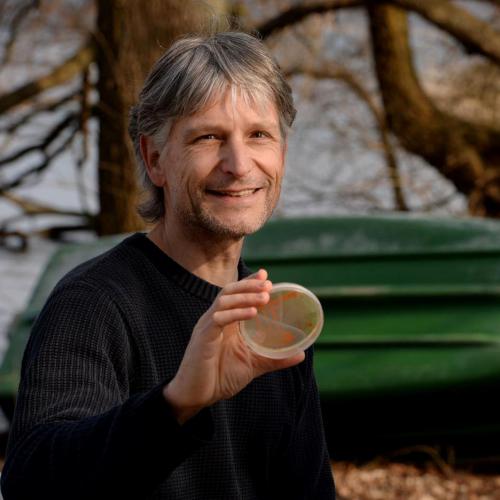 Hans Peter Grossart合作论文数Department of Plankton and Microbial Ecology, Leibniz-Institute of Freshwater Ecology and Inland Fisheries6
 Smirnov Alexey合作论文数5
 Natalia Mazei合作论文数5
 Kaifeng Yu合作论文数5Yu Xie合作论文数5
 Yingmu Wang (王颖慕)合作论文数College of Civil Engineering of Fuzhou University5
 Bo Zhang (张波)合作论文数School of Environmental Science and Engineering, Shanghai Jiao Tong University5
 Christopher Rensing合作论文数Fujian Agriculture and Forestry University5Jing Zhou (周静)合作论文数4
 Fengjiao Tan合作论文数4Jinyi Xiang合作论文数Department of Computer Science and Engineering, Shanghai Jiao Tong University4WenQing Cao (曹文清)合作论文数4
 Jian Zhou (周健)合作论文数College of Environment and Ecology, Chongqing University4Peng Xiao (肖鹏)合作论文数4




