Rheumatoid arthritis (RA) is an autoimmune disease that significantly impacts quality of life by disrupting CD4+ T cell immune homeostasis. The identification of a low-side-effect drug for RA treatment is urgently needed. Our previous study suggests that Trichinella spiralis paramyosin (Ts-Pmy) has immunomodulatory effects, but its potential effect on CD4+ T cell response in RA remains unclear. In this study, we used a murine model to investigate the role of rTs-Pmy in regulating CD4+ T cell differentiation in collagen-induced arthritis (CIA). Additionally, we assessed the impact of rTs-Pmy on CD4+ T cell differentiation towards the Th1 and Th17 phenotypes, which are associated with inflammatory responses in arthritis, using in vitro assays. The results demonstrated that rTs-Pmy administration reduced arthritis severity by inhibiting Th1 and Th17 response while enhancing Treg response. Prophylactic administration of Ts-Pmy showed superior efficacy on CIA compared to therapeutic administration. Furthermore, in vitro assays demonstrated that rTs-Pmy could inhibit the differentiation of CD4+ T cells into Th1 and Th17 while inducing the production of Tregs, suggesting a potential mechanism underlying its therapeutic effects. This study suggests that Ts-Pmy may ameliorate CIA by restoring the immune balance of CD4+ T cells and provides new insights into the mechanism through which helminth-derived proteins exert their effects on autoimmune diseases.
Blockade of programmed cell death 1 (PD-1) is considered a promising strategy for controlling pathogen infection by enhancing host immune cell function. Eosinophils, which play a crucial role in type 2 immune responses, are essential components of the host defense against helminth infection. Here, we investigate the role of PD-1 in eosinophilia during Trichinella spiralis infection in mice. PD-1-deficient (PD PD-1- '- ) mice exhibit delayed expulsion of adult worms and increased muscle larva burdens compared to wild-type mice following infection. Additionally, PD-1- '- mice display impaired recruitment of eosinophils to parasite-invaded tissues, attributed to decreased upregulation of adhesion molecules on both eosinophils and vascular endothelium after infection. The compromised Th2 cytokine response further contributes to impaired adhesion interactions, affecting eosinophil migration and cytotoxicity against larvae in vitro within T. spiralis-infected PD-1- '- mice. Our findings demonstrate a positive role for PD-1 in the recruitment of eosinophils, suggesting its involvement in host defense against helminth infection.
Helminths produce calreticulin (CRT) to immunomodulate the host immune system as a survival strategy. However, the structure of helminth-derived CRT and the structural basis of the immune evasion process remains unclarified. Previous study found that the tissue-dwelling helminth Trichinella spiralis produces calreticulin (TsCRT), which binds C1q to inhibit activation of the complement classical pathway. Here, we used x-ray crystallography to resolve the structure of truncated TsCRT (TsCRTΔ), the first structure of helminth-derived CRT. TsCRTΔ was observed to share the same binding region on C1q with IgG based on the structure and molecular docking, which explains the inhibitory effect of TsCRT on C1q-IgG–initiated classical complement activation. Based on the key residues in TsCRTΔ involved in the binding activity to C1q, a 24 amino acid peptide called PTsCRT was constructed that displayed strong C1q-binding activity and inhibited C1q-IgG–initiated classical complement activation. This study is the first to elucidate the structural basis of the role of TsCRT in immune evasion, providing an approach to develop helminth-derived bifunctional peptides as vaccine target to prevent parasite infections or as a therapeutic agent to treat complement-related autoimmune diseases.
教学评价是人才培养质量监测工作的核心.新冠疫情期间,由于线上教学成为人才培养的主要手段,首都医科大学寄生虫学教研室在建设人体寄生虫学在线课程的同时,也建立了相应的在线教学评价体系.本文通过以课堂表现、课后思考题、阶段性单元测试、形态学绘图、设计性实验报告、虚拟仿真在线实验考核等形式为主的过程性评价和以期末在线考试为主的总结性评价相结合的方式对学生进行考核评价,并通过问卷调查反馈学生在线学习效果和教学改进意见.文章就线上教学评价体系的构建和应用的体会进行了总结,以期充分发挥教学评价的评定、反馈和督导功能,提升人才培养质量.
钙网蛋白(calreticulin,CRT)结构由凝集素结构域和臂结构域两部分组成,可以通过与不同蛋白互作,如C1q、ERp57、MHCI类分子等,参与寄生虫免疫逃避、蛋白质折叠、抑制蛋白质聚集、抗原递呈以及凋亡细胞的吞噬等重要生命过程.目前,已有多种哺乳动物(人源和鼠源)和寄生虫(克氏锥虫和溶组织内阿米巴)钙网蛋白的部分结构域得到解析.本综述通过分析钙网蛋白相应功能的结构基础,为今后以钙网蛋白为靶点防治寄生虫病与蛋白质折叠相关疾病提供理论基础.
旋毛虫钙网蛋白(Trichinella spiralis calreticulin,Ts-CRT)可以通过与宿主补体C1q互作后,帮助虫体逃避宿主补体系统介导的免疫杀伤.为研究Ts-CRT与C1q相互作用的分子结构基础,本研究首先通过分子克隆和亲和层析等方法获得了高纯度的重组蛋白Ts-CRT380;其次通过微量热涌动(microscale thermophoresis,MST)实验测定Ts-CRT380与C1q相互作用能力;然后利用Discovery Studio软件模拟Ts-CRT与C1q的分子对接,分析Ts-CRT上参与互作的关键位点,并与4种蠕虫CRT相应位点进行序列比对,分析其保守性.结果显示,Ts-CRT380与C1q解离常数Kd值为149μmol/L,证明二者存在中等强度的相互作用,Ts-CRT通过K145、W323、F77和K47等17个氨基酸残基与人源C1q互作,序列比对证实这17个氨基酸位点在5种蠕虫CRT中高度保守.本研究结合MST实验与生物信息学分析,获得了Ts-CRT与人源补体组分C1q的互作位点,有助于理解旋毛虫逃避宿主补体攻击的分子结构和机制;通过序列比对发现旋毛虫CRT与C1q互作位点在其他蠕虫CRT中高度保守,可为以CRT为靶点研制抗蠕虫新药提供依据.
留学生教育是我国高等医学教育的重要组成部分.新冠肺炎疫情期间,根据教育部"停课不停教、停课不停学"的指导意见,首都医科大学寄生虫学教研室针对留学生人体寄生虫学进行了英文线上课程建设和实践.笔者通过PPT录播、微课视频,以及虚拟仿真相结合的方式开展理论课和实验课教学,以课后练习为主的过程性考核和开放性综述撰写为主的终结性考核相结合的方式完成课程考核,还通过问卷调查反馈了学生的学习效果及改进建议;并就线上教学实践的体会进行了总结,以期进一步完善课程建设,提升留学生教育质量.
1 求知求学,砥砺前行 1978年秋,诸欣平教授考入首都医科大学(原北京第二医学院,以下简称首医)临床医学专业,从此,便与首医结下了不解之缘. 高考之前,农村3年多的插队生活磨炼了她的意志,在此期间培养的不畏挫折、不断进取的精神,陪伴她不断攀登人生一座又一座山峰.重返校园后,她倍加珍惜这来之不易的求学时光.
寄生虫病在世界范围内威胁着人类健康与经济发展,人体寄生虫学是研究寄生虫病原学及与人体互作关系的专业基础课,也是医学生必修课之一.对其中涵盖的思政案例进行思政元素的发掘和升华,如爱国主义,大医精诚,坚持不懈,严谨求实,拓展国际视野等,并通过组织教学研讨会、丰富课堂教学模式、将课程思政融实践环节、优化课程考核体系以及对思政效果评价等途径,将思政教育有机融入人体寄生虫学教学中,有利于培养医学生的爱国主义情怀,完善其医德修养,拓展其国际视野,助力其全面发展.
Non-structural proteins (nsp) constitute the SARS-CoV-2 replication and transcription complex (RTC) to play a pivotal role in the virus life cycle. Here we determine the atomic structure of a SARS-CoV-2 mini RTC, assembled by viral RNA-dependent RNA polymerase (RdRp, nsp12) with a template-primer RNA, nsp7 and nsp8, and two helicase molecules (nsp13-1 and nsp13-2), by cryo-electron microscopy. Two groups of mini RTCs with different conformations of nsp13-1 are identified. In both of them, nsp13-1 stabilizes overall architecture of the mini RTC by contacting with nsp13-2, which anchors the 5′-extension of RNA template, as well as interacting with nsp7-nsp8-nsp12-RNA. Orientation shifts of nsp13-1 results in its variable interactions with other components in two forms of mini RTC. The mutations on nsp13-1:nsp12 and nsp13-1:nsp13-2 interfaces prohibit the enhancement of helicase activity achieved by mini RTCs. These results provide an insight into how helicase couples with polymerase to facilitate its function in virus replication and transcription.
Abstract To date, an effective therapeutic treatment that confers strong attenuation toward coronaviruses (CoVs) remains elusive. Of all the potential drug targets, the helicase of CoVs is considered to be one of the most important. Here, we first present the structure of the full-length Nsp13 helicase of SARS-CoV (SARS-Nsp13) and investigate the structural coordination of its five domains and how these contribute to its translocation and unwinding activity. A translocation model is proposed for the Upf1-like helicase members according to three different structural conditions in solution characterized through H/D exchange assay, including substrate state (SARS-Nsp13-dsDNA bound with AMPPNP), transition state (bound with ADP-AlF4−) and product state (bound with ADP). We observed that the β19–β20 loop on the 1A domain is involved in unwinding process directly. Furthermore, we have shown that the RNA dependent RNA polymerase (RdRp), SARS-Nsp12, can enhance the helicase activity of SARS-Nsp13 through interacting with it directly. The interacting regions were identified and can be considered common across CoVs, which provides new insights into the Replication and Transcription Complex (RTC) of CoVs.
Recent studies suggest a link between infection by Zika virus (ZIKV) and the development of neurological complications. The lack of ZIKV-specific therapeutics has alarmed healthcare professionals worldwide. Here, crystal structures of apo and AMPPNP- and Mn2+-bound forms of the essential helicase of ZIKV refined to 1.78 and 1.3 Å resolution, respectively, are reported. The structures reveal a conserved trimodular topology of the helicase. ATP and Mn2+ are tethered between two RecA-like domains by conserved hydrogen-bonding interactions. The binding of ligands induces the movement of backbone Cα and side-chain atoms. Numerous solvent molecules are observed in the vicinity of the AMPPNP, suggesting a role in catalysis. These high-resolution structures could be useful for the design of inhibitors targeting the helicase of ZIKV for the treatment of infections caused by ZIKV.
The lethally pathogenic Middle East respiratory syndrome coronavirus (MERS-CoV) and the severe acute respiratory syndrome coronavirus (SARS-CoV) pose serious threats to humans. Endoribonuclease Nsp15 encoded by coronavirus plays an important role in viral infection and pathogenesis. This study determines the structure of MERS-CoV Nsp15 and demonstrates how the catalytic activity of this protein is potentially mediated, thereby providing structural and functional evidence for developing antiviral drugs. We also hypothesize that the primase-like protein Nsp8 and the Nsp7/Nsp8 complex may interact with Nsp15 and affect enzymatic activity. This contributes to the understanding of the association of Nsp15 with the viral replication and transcription machinery.
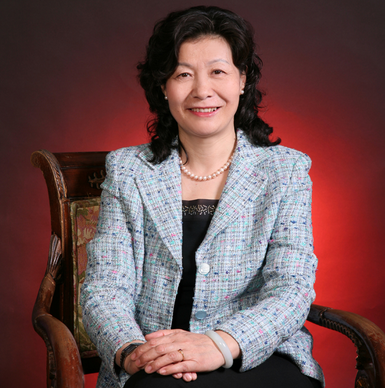 Xinping Zhu (诸欣平)合作论文数Capital Medical University School of Basic Medical Sciences8
 Yuli Cheng合作论文数7Huang Jingjing合作论文数4
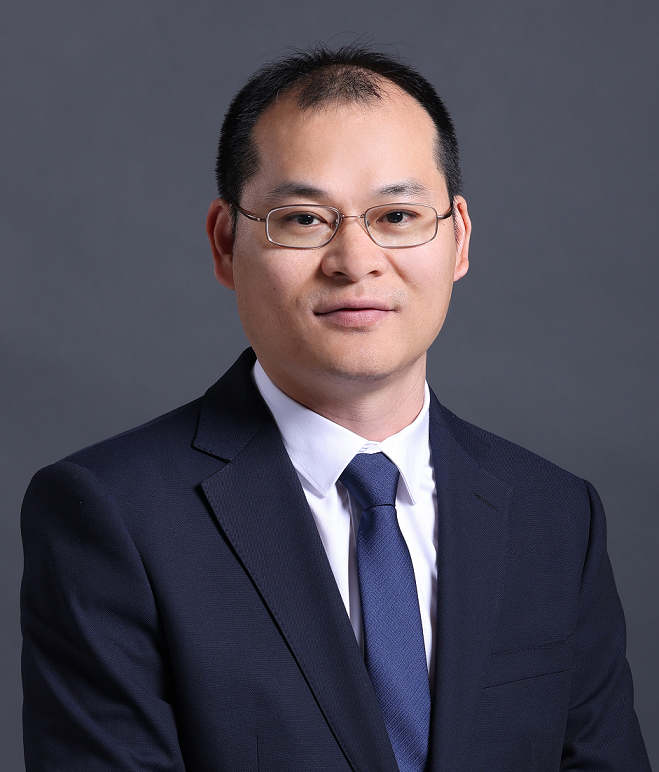 Liming Yan (闫利明)合作论文数School of Basic Medical Sciences, Tsinghua Medicine, Tsinghua University4YU WEN (余文)合作论文数3Sun Qing (孙青)合作论文数3
 Xi-Meng Sun合作论文数3
 Zhiyong Lou (娄智勇)合作论文数School of Basic Medical Sciences, Tsinghua University3
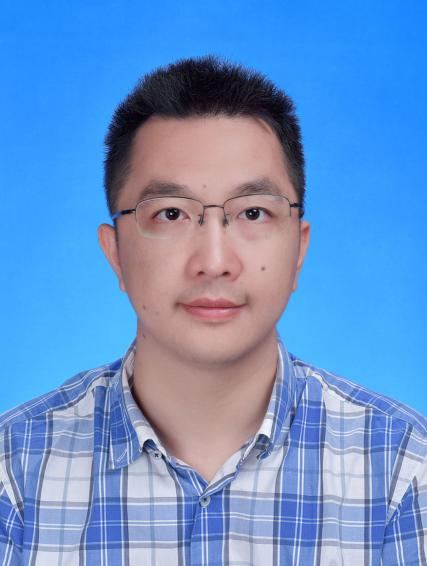 Zhenhua Ming (明振华)合作论文数College of Life Science and Technology, Guangxi University3
 Zihe Rao (饶子和)合作论文数清华大学基础医学院3ZHANG Dong-wan (张冬琬)合作论文数2Jia Yufeng (贾玉峰)合作论文数2Yan Yu合作论文数2Lianqi Zhang合作论文数2
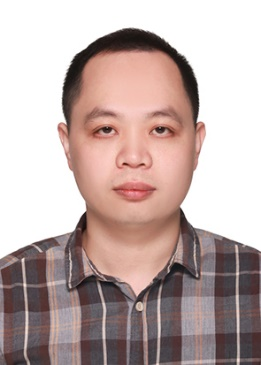 Litao Zheng (郑礼涛)合作论文数School of Medicine, Tongji University2Lei Li合作论文数2Wang Jin合作论文数2
 Bin Zhan合作论文数2
 Quan Wang (王权)合作论文数School of Life Science and Technology, ShanghaiTech University1Yiqi Liu合作论文数1Tao Wang合作论文数1Wang Jiang合作论文数1Zhilin Ren合作论文数1Yucen Huang合作论文数Tsinghua Univ, Sch Med, MOE Key Lab Prot Sci, Beijing, Peoples R China1Su-Qin DU (杜素琴)合作论文数1Xiaolin Tian合作论文数Tsinghua Univ, Ctr Synthet & Systemat Biol, Sch Life Sci, MOE Key Lab Bioinformat, Beijing 100084, Peoples R China1
 Haofeng Wang合作论文数ShanghaiTech Univ, Shanghai Inst Adv Immunochem Studies, Shanghai, Peoples R China1Yan Gao合作论文数cern1Shuai Shao合作论文数1Mingyu Li合作论文数Tsinghua Univ, Sch Med, MOE Key Lab Prot Sci, Beijing, Peoples R China1
 Wu Lijie合作论文数iHuman Institute, ShanghaiTech University, Shanghai 201210, China.1Neil Shaw合作论文数Chinese Acad Sci, Inst Biophys, Natl Lab Biomacromol, Beijing 100101, Peoples R China1
 Ying Zhang (张莹)合作论文数School of Pharmaceutical Sciences, Tsinghua University1
 Sha Liu (刘莎)合作论文数Beijing Chao-Yang Hospital, Capital Medical University;Beijing Institute of Otolaryngology1
 Junfeng Hao (郝俊峰)合作论文数Institute of Biophysics, Chinese Academy of Sciences1
 Ji Ge合作论文数1




