BACKGROUND:The accurate identification of patients with triple negative breast cancer (TNBC) likely to achieve pathological complete response (pCR) to neoadjuvant chemotherapy (NAC) holds significant clinical value. The aim of this study was to establish a prediction model that incorporate clinical data and ultrasound features to predict pCR among TNBC patients as early as possible after the initial two NAC cycles. METHODS:From January 2016 to December 2021, a total of 262 patients were recruited and divided into training and validation groups at a 7:3 ratio. Both univariate and multivariate logistic regression analyses were conducted to identify independent factors predicting pCR in the training group. Subsequently, a nomogram integrating the predictive factors was established and applied to the validation group. The performance of this model was assessed based on its discrimination, calibration and clinical utility. RESULTS:The nomogram that incorporated patient age, clinical T stage, posterior echo enhancement and tumor volume reduction showed robust performance. It achieved an area under curve (AUC) of 0.818, and recorded sensitivity, specificity, and accuracy of 65.2%, 82.5%, and 75.0% respectively in the training group. In the validation group, the model scored an AUC of 0.776, with sensitivity, specificity, and accuracy of 85.7%, 66.7%, and 73.4%, respectively. The decision curve analysis further indicated that the model provided more benefit than standard treat-all or treat-none approaches in predicting pCR. CONCLUSION:This prediction model may assist in predicting pCR to NAC among patients with TNBC, enabling an optimal treatment management in clinical practice. TRIAL REGISTRATION:Not applicable.
The management of benign thyroid nodules has evolved significantly with the advent of minimally invasive techniques, offering patients effective alternatives to traditional surgery. Among these, radiofrequency ablation (RFA) and microwave ablation (MWA) have emerged as the leading modalities. RFA, the most widely adopted method, uses high frequency alternating current to induce thermal coagulation. MWA, though less established in thyroid applications, employs electromagnetic waves to generate rapid and intense heat, making it particularly effective for larger or hypervascular nodules. These approaches are particularly advantageous for patients with symptomatic nodules or cosmetic concerns, as they preserve thyroid function while minimizing complications and recovery time. This protocol establishes a standardized approach for RFA and MWA of benign thyroid nodules. The procedure begins with cytological confirmation (Bethesda II) and ultrasound evaluation, followed by local anesthesia and protective hydrodissection with 40-80 mL of 5% dextrose or distilled water to safeguard critical structures. Under real-time ultrasound guidance, the trans-isthmic approach is employed for needle placement. Ablation is performed at 30-40 W (RFA) or 35-50 W (MWA) using the moving-shot technique. Complete nodule devascularization is confirmed by contrast-enhanced ultrasound (CEUS) during post-ablation assessment, with immediate supplementary ablation being performed if residual enhancement is identified. Clinical and sonographic follow-up is conducted at 1, 3, 6, and 12 months to assess volume reduction ratio, symptom relief, and cosmetic outcomes. The protocol also details the patient selection criteria, technical nuances for cystic/solid nodules, and management of intraoperative complications. This comprehensive guide aims to optimize the reproducibility, safety, and efficacy of thermal ablation for benign thyroid nodules, serving as a practical reference for clinicians adopting these minimally invasive techniques.
RATIONALE AND OBJECTIVES:To develop and validate a nomogram incorporating clinical and ultrasound (US) characteristics for predicting the pathological nodal negativity of unilateral clinically N1a (cN1a) papillary thyroid carcinoma (PTC) among adolescents and young adults.MATERIALS AND METHODS:From December 2016 to August 2021, 278 patients aged ≤ 30 years from two medical centers were enrolled and randomly assigned to the training and validation cohorts at a ratio of 2:1. After performing univariate and multivariate analyses, a nomogram combining all independent predictive factors was constructed and applied to the validation cohort. The performance of the nomogram was evaluated using receiver operating characteristic curves, calibration curves, and decision curve analysis .RESULTS:Multivariate logistic regression analysis showed that unilateral cN1a PTC in young patients with Hashimoto's thyroiditis, T1 stage, no intra-tumoral microcalcification, and tumors located in the upper third of the thyroid gland was more likely to be free of central lymph node metastases. The nomogram revealed good calibration and discrimination in both cohorts, with areas under the receiver operating characteristic curve of 0.764 (95% confidence interval [CI]: 0.684-0.843) and 0.728 (95% CI: 0.602-0.853) in the training and validation cohorts, respectively. The clinical application of the nomogram was further confirmed using decision curve analysis.CONCLUSION:This US-based nomogram may assist the assessment of central cervical lymph nodes in young patients with unilateral cN1a PTC, enabling improved risk stratification and optimal treatment management in clinical practice.
Rationale and Objectives Assessing the aggressiveness of papillary thyroid carcinoma (PTC) preoperatively might play an important role in guiding therapeutic strategy. This study aimed to develop and validate a nomogram that integrated ultrasound (US) features with clinical characteristics to preoperatively predict aggressiveness in adolescents and young adults with PTC. Materials and Methods In this retrospective study, a total of 2373 patients were enrolled and randomly divided into two groups with 1000 bootstrap sampling. The multivariable logistic regression (LR) analysis or least absolute shrinkage and selection operator LASSO regression was applied to select predictive US and clinical characteristics in the training cohort. By incorporating most powerful predictors, two predictive models presented as nomograms were developed, and their performance was assessed with respect to discrimination, calibration, and clinical usefulness. Results The LR_model that incorporated gender, tumor size, multifocality, US-reported cervical lymph nodes (CLN) status, and calcification demonstrated good discrimination and calibration with an area under curve (AUC), sensitivity and specificity of 0.802 (0.781-0.821), 65.58% (62.61%-68.55%), and 82.31% (79.33%-85.46%), respectively, in the training cohort; and 0.768 (0.736-0.797), 60.04% (55.62%-64.46%), and 83.62% (78.84%-87.71%), respectively, in the validation cohort. Gender, tumor size, orientation, calcification, and US-reported CLN status were combined to build LASSO_model. Compared with LR_model, the LASSO_model yielded a comparable diagnostic performance in both cohorts, the AUC, sensitivity, and specificity were 0.800 (0.780-0.820), 65.29% (62.26%-68.21%), and 81.93% (78.77%-84.91%), respectively, in the training cohort; and 0.763 (0.731-0.792), 59.43% (55.12%-63.93%), and 84.98% (80.89%-89.08%), respectively, in the validation cohort. The decision curve analysis indicated that using the two nomograms to predict the aggressiveness of PTC provided a greater benefit than either the treat-all or treat-none strategy. Conclusion Through these two easy-to-use nomograms, the possibility of the aggressiveness of PTC in adolescents and young adults can be objectively quantified preoperatively. The two nomograms may serve as a useful clinical tool to provide valuable information for clinical decision-making.
Background: The assessment of renal function is important to the prognosis of patients needing Fontan palliation due to the reconstructed compromised circulation. To know the relationship between the kidney perfusion and hemodynamic characteristics during surgical design could reduce the risk of acute kidney injury (AKI) and the postoperative complications. However, the issue is still unsolved because the current clinical evaluation methods are unable to predict the hemodynamic changes in renal artery (RA).Methods: We reconstructed a three-dimen-sional (3D) vascular model of a patient requiring Fontan palliation. The technique of computational fluid dynamics (CFD) was utilized to explore the changes of RA hemodynamics under different possible blood flow rates. The relationship between the kidney perfusion and hemodynamic characteristics was investigated.Results: The calculated results indicated the declined tendency of the pressure and pressure drop as the flow rate decreased. When the flow rate decreased to two-thirds of its baseline, both the pressure of left renal artery (LRA) and the pressure of right renal artery (RRA) dipped below 50%, and the pressure of RRA fell more quickly than that of LRA. Uneven distribution of WSS was observed on the trunk of RA, and the lowest WSS was found at the distal of RA. The average WSS in RA dropped to around 50% as the flow rate reached one-third of its baseline.Conclusions: As a promising approach, CFD can be utilized to quantitatively evaluate the hemodynamic char-acteristics of RA and contribute to offsetting the drawbacks of clinical assessments of renal function, to help rea-lize better prognosis for the patients with Fontan palliation.
OBJECTIVES:This study aimed to investigate the diagnostic and prognostic performance of superb microvascular imaging (SMI) in evaluation of synovial inflammation in patients with juvenile idiopathic arthritis (JIA) compared with power Doppler ultrasound (PDUS).METHODS:Fifty-nine patients with active disease and 62 patients with inactive disease were enrolled. The synovial inflammation was evaluated via vascularity index (VI) of SMI and PDUS. The correlations between VIs and the inflammatory biomarkers were analysed by Spearman's coefficient. Receiver operating characteristics curves were plotted to examine the prognostic value of SMI and PDUS.RESULTS:The VI of SMI was significantly higher than that of PDUS in JIA patients regardless of the disease activity. The SMI and PDUS VI were significantly correlated with levels of erythrocyte sedimentation rate (ESR), C-reactive protein (CRP), and serum amyloid A (SAA). The SMI VI was significantly higher in patients with relapse than in those with remission, and showed superior performance in predicting relapse in JIA patients with inactive disease.CONCLUSIONS:SMI may detect the synovial inflammation with greater sensitivity than PDUS in patients with JIA, and correlate well with the inflammatory biomarkers. SMI signal in the knees might play an important role in prediction of relapse in clinically inactive patients, thus allowing personalised treatment strategies for JIA patients.
目的:利用计算流体动力学探讨Fontan术后肾血流动力学变化,以辅助临床实现早期监测.方法:基于医学影像数据三维重建肾动脉分析Fontan手术前后不同时刻肾血流动力学参数差异.结果:肾动脉阻力指数及压力阶差在Fontan术后3 h较术前均增高,右肾动脉在术后3 d前均为高速流动,且术后左、右肾动脉血流动力学并未呈一致性改变.结论:计算流体动力学技术结合多普勒超声检查可为临床Fontan手术患儿早期异常肾血流动力学监测提供综合全面的评估,有助于患儿围手术期管理,改善预后.
Objective:To determine the value of contrast-enhanced voiding urosonography (CeVUS) for diagnosing vesicoureteral reflux (VUR) in children.Methods:A total of 116 cases (232 pyelo-ureter units, PUUs) of suspicious VUR and postoperative children were admitted from December 2018 to June 2020.The safety and positive rate were analyzed.Twenty-four children (48 PUUs) were compared with voiding cystourethrography (VCUG) for its sensitivity, specificity, and consistency.Results:All of them were examined successfully and no adverse reactions occurred.The diagnosis was positive for CeVUS ( n=69) with a positive rate of 59.5%.Among 232 PUUs, 103 were positive for VUR with a positive diagnostic rate of 44.4%.Moreover, among 24 patients (48 PUUs) 23 were detected by VCUG, 25 by CeVUS and 21 were all positive.As compared with VCUG, CeVUS had a sensitivity of 91.3%, a specificity of 84.0%, a positive predictive value of 84% and a negative predictive value of 91.3%.Contrast-enhanced ultrasound and VCUG had a high consistency in the examination of VUR (Kappa=0.75). Among them, VCUG diagnosed no reflux in 25 PUUs and CeVUS in 21 PUUs with 4 grade Ⅱ VUR.The overall consistency rate was 72.9%.Moreover, VCUG diagnosed 15 grade Ⅳ-Ⅴ VUR, except CeVUS Ⅲ diagnosed 1 with a consistency rate of 66.7% in grade Ⅳ-Ⅴ VUR. Conclusion:CeVUS has certain diagnostic significance in detecting and grading VUR with its safety and non-radioactive characteristics.It is considered as a first choice for suspected or post-operated VUR in children.
目的 评估超声排泄性尿路造影(CeVUS)在膀胱输尿管反流(VUR)诊断及分级评判中的准确性及超声观察者间分级的一致性.方法 纳入39例(共79个肾盂-输尿管单位)进行CeVUS及X线逆行尿路造影(VCUG)检查的患儿进行回顾性分析.以VCUG检查结果为金标准,计算CeVUS对VUR诊断的特异度、灵敏度及分级的准确率.以Kappa检验分析2名超声医师间对诊断VUR不同的超声征象及VUS分级评判的一致性.结果 79个肾盂-输尿管单位的CeVUS检查结果与VCUG比较显示,CeVUS诊断VUR的特异度为90.6%,灵敏度89.4%.42个显示反流的肾盂-输尿管单位的分级准确率为90.5%,其中Ⅱ、Ⅲ、Ⅳ及Ⅴ级的准确率分别为100%、80.0%、93.8%和90.9%.2名观察者对输尿管显影、输尿管扭曲、肾盂显影、肾盂扩张程度、肾盏显影、肾盏扩张程度、肾盏形态失常的判断的κ值分别为1.00、1.00、1.00、0.66(95%CI:0.52~0.80)、0.91(95%CI:0.82~1.00)、0.79(95%CI:0.70~0.89),0.69(95%CI:0.56~0.81).对VUS整体分级判断的一致性为0.87(95%CI:0.80~0.93).结论 CeVUS在对儿童VUR的诊断和分级上的准确率较高,且可避免辐射损害,应作为VUR诊断的首选检查和随访工具.应用CeVUS的VUR分级系统进行分级时,观察者间总体分级一致性极好,具有较好的临床应用价值.
Background Papillary thyroid carcinoma (PTC) is characterized by frequent metastases to cervical lymph nodes (CLNs), and the presence of lymph node metastasis at diagnosis has a significant impact on the surgical approach. Therefore, we established a radiomic signature to predict the CLN status of PTC patients using preoperative thyroid ultrasound, and investigated the association between the radiomic features and underlying molecular characteristics of PTC tumors. Methods In total, 270 patients were enrolled in this prospective study, and radiomic features were extracted according to multiple guidelines. A radiomic signature was built with selected features in the training cohort and validated in the validation cohort. The total protein extracted from tumor samples was analyzed with LC/MS and iTRAQ technology. Gene modules acquired by clustering were chosen for their diagnostic significance. A radiogenomic map linking radiomic features to gene modules was constructed with the Spearman correlation matrix. Genes in modules related to metastasis were extracted for Gene Ontology (GO) and Kyoto Encyclopedia of Genes and Genomes (KEGG) pathway enrichment analyses, and a protein-protein interaction (PPI) network was built to identify the hub genes in the modules. Finally, the screened hub genes were validated by immunohistochemistry analysis. Results The radiomic signature showed good performance for predicting CLN status in training and validation cohorts, with area under curve of 0.873 and 0.831 respectively. A radiogenomic map was created with nine significant correlations between radiomic features and gene modules, and two of them had higher correlation coefficient. Among these, MEmeganta representing the upregulation of telomere maintenance via telomerase and cell-cell adhesion was correlated with ‘Rectlike’ and ‘deviation ratio of tumor tissue and normal thyroid gland’ which reflect the margin and the internal echogenicity of the tumor, respectively. MEblue capturing cell-cell adhesion and glycolysis was associated with feature ‘minimum calcification area’ which measures the punctate calcification. The hub genes of the two modules were identified by protein-protein interaction network. Immunohistochemistry validated that LAMC1 and THBS1 were differently expressed in metastatic and non-metastatic tissues (p=0.003; p=0.002). And LAMC1 was associated with feature ‘Rectlike’ and ‘deviation ratio of tumor and normal thyroid gland’ (p<0.001; p<0.001); THBS1 was correlated with ‘minimum calcification area’ (p<0.001). Conclusions The radiomic signature proposed here has the potential to noninvasively predict the CLN status in PTC patients. Merging imaging phenotypes with genomic data could allow noninvasive identification of the molecular properties of PTC tumors, which might support clinical decision making and personalized management.
Objectives: Ectopic thymic tissue in the subglottis is an extremely rare disease that causes airway obstruction. Few cases reported were accurately diagnosed before surgery. Methods: A case of a 2-year-old boy with airway obstruction caused by a left subglottic mass was reported. The presentation of radiological imaging, direct laryngoscopy and bronchoscopy, pathology, and surgical management were reviewed. An extensive search in PubMed, EMBASE, Web of Science, Google Scholar, and EBSCO of English literature was performed without a limit of time. Results: Besides our case, only six cases were reported since 1987. The definitive diagnosis on these patients were made with the findings of pathology, of which, five were ectopic thymus and two were ectopic thymic cysts. Our case was the only one with a correct suspicion preoperatively. Four cases underwent open surgical resection, and two cases underwent microlaryngeal surgery, while one deceased after emergency tracheostomy. No recurrences were found by six patients during the follow-up after successful treatments. Conclusion: Ectopic thymus is a rare condition, infrequently considered in the differential diagnosis of subglottic masses. Modified laryngofissure may be an effective approach to removing the subglottic ectopic thymus and reconstructing the intact subglottic mucosa.
ObjectivesTo investigate the correlation between ultrasound (US) appearances of invasive breast cancers and tumor proliferation and invasiveness measured according to the histologic grade, Ki‐67 expression, axillary lymph node metastasis (ALNM), and lymphovascular invasion (LVI).MethodsThis study evaluated 676 patients who underwent primary surgical treatment of invasive breast cancers. The preoperative US reports and postoperative pathologic and immunohistochemical results of the patients were retrospectively reviewed. Ultrasound characteristics were evaluated according to the American College of Radiology Breast Imaging Reporting and Data System (BI‐RADS) lexicon. Logistic regression analyses were used to identify independent predictive US features that were correlated with tumor proliferation and invasiveness of breast cancers. Odds ratios (ORs) were calculated.ResultsPosterior acoustic enhancement and calcifications on US images were independent predictive factors of a higher histologic grade and a higher Ki‐67 level (OR, 1.69–6.54; P < .05). Meanwhile, a noncircumscribed margin (OR, 2.61; P < .05) and posterior acoustic shadow (OR, 1.62; P < .05) were independent predictors of ALNM. An irregular shape (OR, 2.13; P < .05) and calcifications (OR, 1.69; P < .05) were independent risk factors for LVI. Infiltrative breast cancers scored as BI‐RADS category 5 had higher probability to be associated with ALNM (OR, 3.33; P < .0005) and LVI (OR, 2.87; P < .0005).ConclusionsUltrasound features of invasieve breast cancers might have a predictive value for tumor proliferation and invasiveness. The US features correlated with a high cellular proliferation rate were different from those associated with ALNM. The tumor shape, margin, posterior acoustic pattern, and calcifications at US are suggested to be considered by clinicians when making clinical decisions.
BACKGROUND Several studies have demonstrated the feasibility and effectiveness of using ultrasound elastography to assess liver tissue stiffness. Virtual touch imaging quantification (VTIQ) based on acoustic radiation force impulse imaging has been developed as a latest and noninvasive method for assessing liver stiffness in children. AIM To determine the standard value in healthy children, and to identify possible factors that might influence the VTIQ measurement. METHODS With the ethical approval, 202 children between 1 month and 15 years old were included in this study. None of them had any liver or systematic diseases. All children had a normal ultrasound scan and normal body mass index (BMI) range. The subjects were divided into four age and BMI groups. The effects of gender, age, liver lobe, measurement depth, and BMI on liver elasticity were investigated. RESULTS A significant correlation was found between age and shear wave velocity (SWV) value. At measurement depths of 1.5 cm and 2.0 cm in the left lobe, there were significant differences among the age groups. SWV values were significantly negatively correlated with the measurement depth. Gender, liver lobe, and BMI showed no significant effect on the SWV values. Age and BMI may influence the quality of the elastogram. CONCLUSION VTIQ is a noninvasive technique that is feasible to measure liver stiffness in children. The afore-mentioned velocity value obtained utilizing VTIQ method could be used as reference value for normal liver stiffness in children.
The International Neuroblastoma Pathology Classification has a prognostic impact that distinguishes two neuroblastoma categories: favorable histology (FH) and unfavorable histology (UFH). The aim of this study was to identify the clinicopathological and ultrasound variables that were associated with the UFH. With ethic approval, the clinical, pathologic, and ultrasonographic data of the 104 patients with the pathologic diagnosis of neuroblastoma were retrospectively analyzed. Pathologic findings were ascertained by the paraffin pathologic, fluorescent in situ hybridization (FISH), and the immunohistochemical stain analysis. Tumors were assessed for the following ultrasonographic characteristics: size, boundary, shape, internal echo, acoustic pattern, posterior features, calcification, internal blood flow, and pushing peripheral organs. Univariate and multivariate logistic regression analyses were used to assess the clinicopathologic and ultrasound variables that were associated with UFH. There were 27 neuroblastoma cases (26.0%) of the UFH group. The independent clinicopathologic variables for the UFH were: older than one year (Odds ratio [OR]=32.84, p=0.003), presence of metastases (OR=4.92, p=0.032), and the MYCN amplification ratio >5 (OR=47.06, p=0.003). The independent ultrasound feature of neuroblastoma which associated with UFH was the ill-defined boundary (OR=4.64, p=0.047) and tumor size ≥50mm (OR=15.77, p=0.05). Patients older than one year, with the presence of metastases, and the MYCN amplification ratio >5 on the FISH analysis as well as the ill-defined boundary and tumor size ≥50mm on an ultrasound assessment were associated with the UFH in neuroblastoma. These characteristics of the neuroblastoma should be considered in patient stratification and prognostic evaluation. Key words: Neuroblastoma; Unfavorable histology; Ultrasound
ObjectivesTo investigate the value of ultrasound (US) feature‐based models in predicting the proliferation and invasiveness of invasive breast cancer (IBC) and to compare the performance of models based solely on US features with models that combined US features, patient age, tumor size, and axilla status from US.MethodsWith ethical approval, 746 patients with a pathologic diagnosis of IBC were reviewed for preoperative clinical, US, and postoperative pathologic data. The proliferation and invasiveness properties of the IBC included the histologic grade and Ki‐67 status and lymphovascular invasion (LVI) and axillary lymph node metastasis (ALNM), respectively. Logistic regression analyses were used to identify independent risk factors for tumor proliferation and invasiveness.ResultsPosterior echo enhancement, calcification, a tumor size larger than 2 cm, and suspicion of ALNM from axillary US were independent risk factors for a high histologic grade and high Ki‐67 expression of IBC (P < .05). A posterior echo shadow, patient age younger than 45 years, and suspicious findings on axillary US imaging were independent variables for predicting the presence of LVI and ALNM in IBC (P < .05). Calcification was the independent factor for predicting LVI (P = .013). The predictive performance of the combined models was improved compared with the US feature‐based models, with a higher accuracy rate and negative predictive value. The area under curve of the combined models was also significantly higher than that of the single models (P < .05).ConclusionsCompared with the US feature‐based models, the combined models yielded better predictive performance. This may provide a more robust model to predict the tumor biological properties of IBC before surgery.
目的:探讨超声弹性对比指数(elasticity contrast index,ECI)在甲状腺结节鉴别诊断中的应用价值.方法:选取甲状腺结节患者85例共120个结节,行高分辨率超声检查,记录结节的二维超声特征及结节距颈动脉的距离,并行弹性成像检查(记录ECI值),以手术病理结果为金标准,绘制ECI诊断甲状腺良恶性结节的受试者工作特征(receiver operating characteristic,ROC)曲线.结果:120个结节中,恶性结节65个,良性结节55个,恶性结节的ECI值(3.54±1.23)显著高于良性结节的ECI值(2.65±1.98),差异有统计学意义(P<0.01).ECI鉴别甲状腺结节良恶性的最佳临界值为2.90.钙化组结节的ECI值(3.50±1.55)显著高于无钙化组结节的ECI值(2.45±1.23),差异有统计学意义(P<0.01),但两组组内良恶性结节的ECI值差异均无统计学意义.所有结节和恶性结节的ECI值与结节距颈动脉的距离显著相关,相关系数分别为0.298和0.397,差异有统计学意义(P<0.001).ECI值对距离颈动脉≥10 mm的恶性结节的诊断效能优于距离颈动脉<10 mm的恶性结节.结论:ECI在甲状腺结节的良恶性鉴别诊断中具有一定价值,可作为常规超声的重要补充.
为获得物理特性良好、粒度分布均匀的海带粉体,采用NaOH前处理及湿法粉碎技术制备亚微米级海带粉,并通过单因素和响应面分析法优化工艺条件.结果表明:在NaOH质量分数0.19%、浸泡时间11 min、液固比20 mL·g-1的条件下,海带粉平均粒度D50为328.7 nm,D95为825.5 nm,最大粒径为1 106.2 nm.亚微米级海带粉的物理特性为:休止角为62.5±、滑角为70.6°、水溶性为20.1%、润湿时间为35.3 s、膨胀力为1 266%、持水力为3 197%.与市售超微海带粉相比,亚微米级海带粉休止角增加20.9°,滑角增加27.9°,水溶性增加50.0%,物理特性得到显著改善.本研究可为海带的精深加工提供理论依据.
鱼粉是水产动物、及畜禽动物养殖饲料中无法替代的优质动物蛋白源.然而因加工原料新鲜度不断下降、腐败等原因,鱼粉加工过程中会释放出大量的硫化氢恶臭气体,导致周边环境的严重污染.取鱼粉厂污水沉淀池中的污泥,对脱硫微生物进行富集、分离、纯化、检测脱硫效率,得到一株高效脱硫菌株XJ-2,其脱硫效率达87.1%.通过菌株形态观察、生理生化实验、API 50CHB试剂条检测及16S rDNA测序鉴定,结果确定该菌为蜡状芽孢杆菌(Bacillus cereus).研究菌株X J-2生长特性,发现菌株对环境中的pH值耐受力较强,不耐高温,正好避开鱼粉厂休业期,且经生长曲线研究发现该菌的稳定期较长,具有良好的应用前景.此研究将为生物法脱除鱼粉加工恶臭气体的应用提供一定的理论基础.
应用响应面法优化柠檬酸脱除海带中重金属的条件,使海带中重金属含量达到国家标准,为海带的安全食用提供基础.建立海带中重金属脱除的二次多项式模型,对模型分析确定海带重金属脱除的最佳条件为:脱除液pH=2,脱除时间4h,液料体积质量比125 mL/g.在此条件下海带中Cd、Cr、Pb、As(总砷)的质量分数分别为0.75、0.63、0.81、14.95 mg/kg,脱除率分别为61.14%、58.28%、70.97%、40.70%.
 Yuyang Tong合作论文数10Cai Chang (常才)合作论文数7Lefei YANG (杨乐飞)合作论文数3Juan Du (杜隽)合作论文数3
 Jing Shi合作论文数Chinese Center for Disease Control and Prevention, Chinese Center for Disease Control and Prevention3Yongjiang Lou (娄永江)合作论文数School of Marine Sciences, Ningbo University3Zhao-Ting Shi合作论文数2
 Jiawei Li合作论文数2Zhirong Tong合作论文数2LUO Weiru (罗苇如)合作论文数2Jin Zhou合作论文数Fudan Univ, Dept Ultrasonog, Shanghai Canc Ctr, Shanghai, Peoples R China2Lin FAN (樊琳)合作论文数2Xiangyu Zou (邹翔宇)合作论文数College of Chemical and Environmental Engineering, Changchun University of Science and Technology2Yi Wei合作论文数1Yusheng Tong合作论文数1Huan Zhang合作论文数1Yihang Lin合作论文数1Juanjuan Yong合作论文数1Liang Zhong合作论文数1Yunxia Huang合作论文数1Qiao He合作论文数1Junyang Li合作论文数1XiaoYing Dou (都晓英)合作论文数1LianYan Xue (薛潋滟)合作论文数1HaiTeng Zhao (赵海腾)合作论文数1RongYu Zhuang (庄荣玉)合作论文数1YiXue Sun (孙医学)合作论文数1Lei Su (苏蕾)合作论文数1Jie Sun (孙杰)合作论文数1Jie Guo (郭婕)合作论文数1
 Qian Wang (王乾)合作论文数School of Biomedical Engineering, ShanghaiTech University1
 Jinlong Liu (刘金龙)合作论文数Shanghai Children's Medical Center, School of Medicine, Shanghai Jiao Tong University1
 Yuanyuan Wang (汪源源)合作论文数School of Information Science and Technology, Fudan University1
 Youjin Li (李幼瑾)合作论文数Department of Otorhinolaryngology, Shanghai Children's Medical Center1
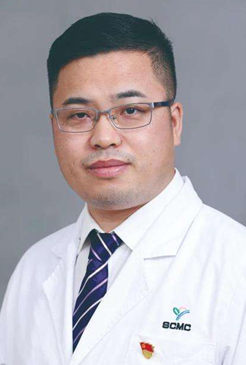 Dapeng Jiang (姜大朋)合作论文数Shanghai Children's Medical Center1
 Hongbo Zhang合作论文数Pharmaceutical Sciences Laboratory, Department of Pharmaceutical Science, Åbo Akademi University;Shanghai Jiao Tong University1
 Xiaofang Chen (陈小芳)合作论文数College of Chemistry, Chemical Engineering and Materials Science, Soochow University1
 Yunjun Wang (王云骏)合作论文数School of Government, Nanjing University;Donghua University1
 Qinghai Ji (嵇庆海)合作论文数Fudan University Shanghai Cancer Center1
 Xiaojun Yan (严小军)合作论文数Zhejiang Ocean University1
 Yu Wang (王宇)合作论文数Department of Head & Neck Surgery, Cancer Hospital,Fudan University1
 Yulong Wang (王玉龙)合作论文数Fudan University Shanghai Cancer Center1
 Shijian Liu (刘世建)合作论文数Shanghai Jiaotong University School of Medicine1Jun Du合作论文数School of Energy and Power Engineering, Jiangsu University of Science and Technology1
 Yi Guo (郭翌)合作论文数School of Information Science and Technology, Fudan University1
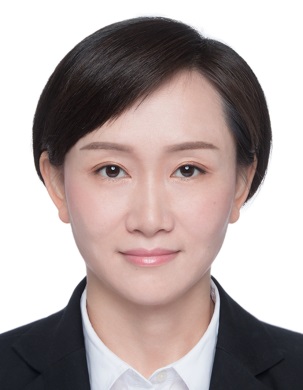 Jinhua Yu (余锦华)合作论文数School of Information Science and Technology, Fudan University1




