Abstract Prostate cancer (PCa) is the second leading cause of cancer-related death in men in the US. Epidemiology studies on primary PCa cohorts in Physicians' Health Study and Health Professionals Follow-up Study (PHS and HPFS) have shown that high levels of whole-genome aneuploidy, featured by imbalanced chromosome numbers, correlate with lethal progression in PCa. However, details of the mechanisms of how aneuploidy drives PCa aggressiveness are still unclear. Here, we used the case of chromosome 8q (chr 8q, the long arm of chr 8) gain to study aneuploidy-associated prostatic malignancies. Chr 8q gains are the most frequent gain events that occur in approximately 23% of PCa cases. By using the PHS and HPFS cohorts, we modeled the increased expression of each gene located on chr 8q, for predicting the risks for lethal progression, and obtained each corresponding gene’s odds ratio (OR). By ranking the ORs, we revealed that a cholesterol biosynthesis gene, squalene monooxygenase (SQLE), is one of the top associators with lethal progression, amongst all chr 8q genes. SQLE plays a pivotal role in cholesterol synthesis. Previous lymphoma studies have shown that loss of SQLE contributes to cholesterol auxotrophy, and squalene build-up protects against oxidative cell death. In our experimental study, we have used normal and cancerous TMPRSS2-ERG-driven organoid models and found that over-expression of SQLE promotes formation of invasive structures and proliferation in cancer organoids. Interestingly, overexpression of SQLE decreased the protein levels of TMPRSS2-ERG, which appeared to be independent of androgen receptor levels. We also utilized the TMPRSS2-ERG positive VCaP cell line, which harbors gains of SQLE gene copies. We found that knocking down SQLE expression significantly upregulated ERG protein levels. Our recent study has shown that ERG (or other ETS) positive prostate cancers have a strong correlation with downregulation of fatty acid metabolism signature. We speculate that gain of SQLE can drive aggressiveness of prostate cancer by modulating lipid metabolism for growth and migration. Inhibition of SQLE could translate to better clinical outcomes regarding prostate cancer lethality. Citation Format: Thomas Walter Janas, Xiaofeng A. Su, Konrad H. Stopsack, Daniel R. Schmidt, Duanduan Ma, Zhe Li, Kathryn L. Penny, Tamara L. Lotan, Lorelei A. Mucci, Matthew G. Vander Heiden, Elise DeArment, Angelika Amon, Paul A. Scheet. Aneuploidy-associated SQLE gain promotes prostate cancer aggressiveness by altering lipid metabolism [abstract]. In: Proceedings of the American Association for Cancer Research Annual Meeting 2024; Part 1 (Regular Abstracts); 2024 Apr 5-10; San Diego, CA. Philadelphia (PA): AACR; Cancer Res 2024;84(6_Suppl):Abstract nr 402.
Higher levels of aneuploidy, characterized by imbalanced chromosome numbers, are associated with lethal progression in prostate cancer. However, how aneuploidy contributes to prostate cancer aggressiveness remains poorly understood. In this study, we assessed in patients which genes on chromosome 8q, one of the most frequently gained chromosome arms in prostate tumors, were most strongly associated with long-term risk of cancer progression to metastases and death from prostate cancer (lethal disease) in 403 patients and found the strongest candidate was cohesin subunit gene, RAD21 , with an odds ratio of 3.7 (95% CI 1.8, 7.6) comparing the highest vs. lowest tertiles of mRNA expression and adjusting for overall aneuploidy burden and Gleason score, both strong prognostic factors in primary prostate cancer. Studying prostate cancer driven by the TMPRSS2-ERG oncogenic fusion, found in about half of all prostate tumors, we found that increased RAD21 alleviated toxic oncogenic stress and DNA damage caused by oncogene expression. Data from both organoids and patients indicate that increased RAD21 thereby enables aggressive tumors to sustain tumor proliferation, and more broadly suggests one path through which tumors benefit from aneuploidy.
In the budding yeast Saccharomyces cerevisiae, exit from mitosis is coupled to spindle position to ensure successful genome partitioning between mother and daughter cells. This coupling occurs through a GTPase signaling cascade known as the mitotic exit network (MEN). The MEN senses spindle position via a Ras- like GTPase Tem1 which localizes to the spindle pole bodies (SPBs, yeast equivalent of centrosomes) during anaphase and signals to its effector protein kinase Cdc15. How Tem1 couples the status of spindle position to MEN activation is not fully understood. Here, we show that Cdc15 has a relatively weak preference for Tem1GTP and Tem1's nucleotide state does not change upon MEN activation. Instead, we find that Tem1's nucleotide cycle establishes a localization- based concentration difference in the cell where only Tem1GTP is recruited to the SPB, and spindle position regulates the MEN by controlling Tem1 localization to the SPB. SPB localization of Tem1 primarily functions to promote Tem1- Cdc15 interaction for MEN activation by increasing the effective concentration of Tem1. Consistent with this model, we demonstrate that artificially tethering Tem1 to the SPB or concentrating Tem1 in the cytoplasm with genetically encoded multimeric nanoparticles could bypass the requirement of Tem1GTP and correct spindle position for MEN activation. This localization/concentration-based GTPase signaling mechanism for Tem1 differs from the canonical Ras- like GTPase signaling paradigm and is likely relevant to other localization- based signaling scenarios.
Table S1: Summary of compound effect in aneuploid Ts13 MEF compared to euploid wild-type MEF. Table S2: shRNA and siRNA sequences used in this study. Table S3: Primers used for quantitative Real-Time PCR.
Prostate cancer (PCa) is one of the most common cancers among men, leading to the second cause of death for men with cancers in the US. Aneuploidy, featured by imbalanced chromosome numbers, is a hallmark of cancer. Epidemiology studies on primary PCa cohorts of Physicians' Health Study and Health Professionals Follow-up Study (PHS and HPFS) have shown that high levels of whole-genome aneuploidy correlate with lethal progression in PCa. However, the detail mechanisms of how aneuploidy drives aggressiveness of PCa are still unclear. Here, we used the case of chromosome 8q (chr 8q, the long arm of chr 8) gain to study aneuploidy-associated prostatic malignancies. Chr 8q gains are the most frequently gain events that occur in around 23% of PCa cases. By using the PHS and HPFS cohorts, we modeled the increased expression of each gene located on chr 8q, for predicting the risks for lethal progression, and obtained the odds ratio (OR) for each. Then, we ranked the ORs for lethal progression and identified several important genes highly associated with lethality when overexpressed. Among them, the cohesin subunit gene, RAD21, is one of the top associators. Increased RAD21 mRNA level, per se, is highly correlated with lethality in all PCa cases, and the lethality is synergistically aggravated in the cases with both increased RAD21 expression and chr 8q gains. indicating that RAD21 cooperates with other chr 8q genes to drive cancer progression and chr 8q gains. To determine how RAD21 overexpression promotes PCa, we studied the effect of overexpression of RAD21 in early prostatic oncogenic events. We utilized the isogenic mouse prostate organoid models carrying an inducible the fusion-oncogene, TMPRSS2-ERG (T-ERG), which 50% of PCa cases harbor. We found that induction of T-ERG leads to a strong oncogenic replication stress at an early stage. Such stress results in an increase in apoptosis and growth impairment in these primary organoids. Overexpression of RAD21, mimicking the chr 8q gain situation, mitigates such replication stress and rescues the growth defect caused by T-ERG. These data suggest the role of increased RAD21 in promoting oncogenic growth of PCa cells by reducing oncogenic toxicity at an early stage. In addition, we showed that such role of RAD21 overexpression sustains in the more advanced cancerous organoid (ERG positive and PTEN loss) and promotes the growth of the cancer organoids. Consistently, increased RAD21 expression correlates with increase proliferative markers in human prostate cancer cases. In conclusion, we identified that overexpression of multiple chr 8q genes are correlated with lethal progression in primary PCa, and RAD21 is one of such genes. Increased RAD21 plays a fundamental role in reducing toxic DNA damage caused by prostatic oncogenesis. Citation Format: Xiaofeng A. Su, Konrad H. Stopsack, Daniel R. Schmidt, Duanduan Ma, Zhe Li, Matthew G. Vander Heiden, Angelika Amon, Lorelei A. Mucci. Increased RAD21 promotes prostate cancer development [abstract]. In: Proceedings of the AACR Special Conference: Advances in Prostate Cancer Research; 2023 Mar 15-18; Denver, Colorado. Philadelphia (PA): AACR; Cancer Res 2023;83(11 Suppl):Abstract nr A018.
Expression of ceramide anabolizing and catabolizing enzymes in MIN and CIN colorectal cells upon DL-PDMP treatment.
Sphingolipid composition of aneuploid and euploid cell lines upon DL-PDMP treatment.
Constitutional trisomy 21 (T21) is a state of aneuploidy associated with high incidence of childhood acute myeloid leukemia (AML). T21-associated AML is preceded by transient abnormal myelopoiesis (TAM), which is triggered by truncating mutations in GATA1 generating a short GATA1 isoform (GATA1s). T21-associated AML emerges due to secondary mutations in hematopoietic clones bearing GATA1s. Since aneuploidy generally impairs cellular fitness, the paradoxically elevated risk of myeloid malignancy in T21 is not fully understood. We hypothesized that individuals with T21 bear inherent genome instability in hematopoietic lineages that promotes leukemogenic mutations driving the genesis of TAM and AML. We found that individuals with T21 show increased chromosomal copy number variations (CNVs) compared to euploid individuals, suggesting that genome instability could be underlying predisposition to TAM and AML. Acquisition of GATA1s enforces myeloid skewing and maintenance of the hematopoietic progenitor state independently of T21; however, GATA1s in T21 hematopoietic progenitor cells (HPCs) further augments genome instability. Increased dosage of the chromosome 21 (chr21) gene DYRK1A impairs homology-directed DNA repair as a mechanism of elevated mutagenesis. These results posit a model wherein inherent genome instability in T21 drives myeloid malignancy in concert with GATA1s mutations.
Prostate cancer (PCa) is one of the most common cancers among men, leading to the second cause of death for men with cancers in the US. Aneuploidy, featured by imbalanced chromosome numbers, is a hallmark of cancer. Epidemiology studies on primary PCa cohorts of Physicians' Health Study and Health Professionals Follow-up Study (PHS and HPFS) have shown that high levels of whole-genome aneuploidy correlate with lethal progression in PCa. However, the detail mechanisms of how aneuploidy drives aggressiveness of PCa are still unclear. Here, we used the case of chromosome 8q (chr 8q, the long arm of chr 8) gain to study aneuploidy-associated prostatic malignancies. Chr 8q gains are the most frequently gain events that occur in around 23% of PCa cases. By using the PHS and HPFS cohorts, we modeled the increased expression of each gene located on chr 8q, for predicting the risks for lethal progression, and obtained the odds ratio (OR) for each. Then, we ranked the ORs for lethal progression and identified several important genes highly associated with lethality when overexpressed. Among them, the cohesin subunit gene, RAD21, is one of the top associators. Increased RAD21 mRNA level, per se, is highly correlated with lethality in all PCa cases, and the lethality is synergistically aggravated in the cases with both increased RAD21 expression and chr 8q gains. indicating that RAD21 cooperates with other chr 8q genes to drive cancer progression and chr 8q gains. To determine how RAD21 overexpression promotes PCa, we studied the effect of overexpression of RAD21 in early prostatic oncogenic events. We utilized the isogenic mouse prostate organoid models carrying an inducible the fusion-oncogene, TMPRSS2-ERG (T-ERG), which 50% of PCa cases harbor. We found that induction of T-ERG leads to a strong oncogenic replication stress at an early stage. Such stress results in an increase in apoptosis and growth impairment in these primary organoids. Overexpression of RAD21, mimicking the chr 8q gain situation, mitigates such replication stress and rescues the growth defect caused by T-ERG. These data suggest the role of increased RAD21 in promoting oncogenic growth of PCa cells by reducing oncogenic toxicity at an early stage. In addition, we showed that such role of RAD21 overexpression sustains in the more advanced cancerous organoid (ERG positive and PTEN loss) and promotes the growth of the cancer organoids. Consistently, increased RAD21 expression correlates with increase proliferative markers in human prostate cancer cases. In conclusion, we identified that overexpression of multiple chr 8q genes are correlated with lethal progression in primary PCa, and RAD21 is one of such genes. Increased RAD21 plays a fundamental role in reducing toxic DNA damage caused by prostatic oncogenesis. Citation Format: Xiaofeng A Su, Konrad H Stopsack, Daniel R Schmidt, Duanduan Ma, Zhe Li, Thomas Janas, Matthew G Vander Heiden, Kathryn L Penny, Paul A Scheet, Tamara L Lotan, Angelika Amon, Lorelei A Mucci. Identification of cohesin RAD21 as a novel aneuploidy-associated marker driving prostate cancer progression by mitigating toxic DNA damage [abstract]. In: Proceedings of the AACR-NCI-EORTC Virtual International Conference on Molecular Targets and Cancer Therapeutics; 2023 Oct 11-15; Boston, MA. Philadelphia (PA): AACR; Mol Cancer Ther 2023;22(12 Suppl):Abstract nr B059.
Prolonged cell cycle arrests occur naturally in differentiated cells and in response to various stresses such as nutrient deprivation or treatment with chemotherapeutic agents. Whether and how cells survive prolonged cell cycle arrests is not clear. Here, we used S. cerevisiae to compare physiological cell cycle arrests and genetically induced arrests in G1-, meta- and anaphase. Prolonged cell cycle arrest led to growth attenuation in all studied conditions, coincided with activation of the Environmental Stress Response (ESR) and with a reduced ribosome content as determined by whole ribosome purification and TMT mass spectrometry. Suppression of the ESR through hyperactivation of the Ras/PKA pathway reduced cell viability during prolonged arrests, demonstrating a cytoprotective role of the ESR. Attenuation of cell growth and activation of stress induced signaling pathways also occur in arrested human cell lines, raising the possibility that the response to prolonged cell cycle arrest is conserved.
Abstract Aneuploidy, a hallmark of cancer cells, poses an appealing opportunity for cancer treatment and prevention strategies. Using a cell-based screen to identify small molecules that could selectively kill aneuploid cells, we identified the compound N-[2-hydroxy-1-(4-morpholinylmethyl)-2-phenylethyl]-decanamide monohydrochloride (DL-PDMP), an antagonist of UDP-glucose ceramide glucosyltransferase. DL-PDMP selectively inhibited proliferation of aneuploid primary mouse embryonic fibroblasts and aneuploid colorectal cancer cells. Its selective cytotoxic effects were based on further accentuating the elevated levels of ceramide, which characterize aneuploid cells, leading to increased apoptosis. We observed that DL-PDMP could also enhance the cytotoxic effects of paclitaxel, a standard-of-care chemotherapeutic agent that causes aneuploidy, in human colon cancer and mouse lymphoma cells. Our results offer pharmacologic evidence that the aneuploid state in cancer cells can be targeted selectively for therapeutic purposes, or for reducing the toxicity of taxane-based drug regimens. Cancer Res; 77(19); 5272–86. ©2017 AACR.
EWS-FLI1, the fusion oncogene that drives aggressive pediatric Ewing sarcoma, is a strong inducer of replication stress. It accelerates G1/S phase transition, increases R-loop formation and increases DNA damage levels, thus leading to growth defects in normal cells. We previously demonstrated that gain of an additional copy of the cohesin subunit gene, RAD21, significantly mitigates EWS-FLI1-induced replication stress, promotes oncogenesis, and is an important contributor to chromosome 8 gain in Ewing sarcoma. In this study, we report that EWS-FLI1 expression in both normal euploid fibroblasts and Ewing sarcoma cancer cells impairs DNA replication progression and accumulates transcription-replication conflicts (TRCs). Importantly, we found that RAD21 is recruited to the stalled replication forks and enriched at the TRC regions. Moreover, overexpression of RAD21 significantly reduced stalled replication forks and the TRCs caused by EWS-FLI1 in primary euploid cells, and reduction of RAD21 levels in trisomy 8 cancer cells increases TRCs. Using a TurboID approach, we find that RAD21 has increased interactions with other cohesin subunits and several DNA damage repair initiation factors in primary cells experiencing oncogene-induced replication stress. These findings provide insights into how RAD21 promotes repair of oncogenic stress-induced DNA damage, and suggest targeting cohesin as a potential cancer treatment. Funding Information: This work was supported by NIH grant CA206157 and GM118066 to A.A., who was an investigator of the Howard Hughes Medical Institute, the Paul F. Glenn Center for the Biology of Aging Research at MIT and the Ludwig Center at MIT’s Koch Institute for Integrative Cancer Research. X.A.S. was supported through funding from the Virginia and D.K. Ludwig Fund for Cancer Research, Bridge Project and a Jane Coffin Childs Memorial Fellowship. R.W.W. was supported through Bridge Project and the Department of Biology. B.T.D. was supported by F30HL156404 from NHLBI and T32GM007753 from NIGMS. A.P. was supported by an AACR Fellowship (19-40-12-PAND). S.H. was supported by F30 CA260739 from NCI. This work was supported in part by the Koch Institute Support (core) Grant P30-CA14051 from the National Cancer Institute (NCI). We thank the Koch Institute's Robert A. Swanson (1969) Biotechnology Center for technical support, specifically IGB: Genomics and Bioinformatics, Biopolymers & Proteomics, High Throughput Sciences and Flow Cytometry core facilities. Declaration of Interests: The authors declare no conflicts of interests.
Faithful inheritance of mitochondrial DNA (mtDNA) is crucial for cellular respiration/oxidative phosphorylation and mitochondrial membrane potential. However, how mtDNA is transmitted to progeny is not fully understood. We utilized hypersuppressive mtDNA, a class of respiratory deficient Saccharomyces cerevisiae mtDNA that is preferentially inherited over wild-type mtDNA (rho+), to uncover the factors governing mtDNA inheritance. We found that some regions of rho+ mtDNA persisted while others were lost after a specific hypersuppressive takeover indicating that hypersuppressive preferential inheritance may partially be due to active destruction of rho+ mtDNA. From a multicopy suppression screen, we found that overexpression of putative mitochondrial RNA exonuclease PET127 reduced biased inheritance of a subset of hypersuppressive genomes. This suppression required PET127 binding to the mitochondrial RNA polymerase RPO41 but not PET127 exonuclease activity. A temperature-sensitive allele of RPO41 improved rho+ mtDNA inheritance over a specific hypersuppressive mtDNA at semi-permissive temperatures revealing a previously unknown role for rho+ transcription in promoting hypersuppressive mtDNA inheritance.
 Stefano Santaguida合作论文数Department of Experimental Oncology, European Institute of Oncology21
 Rosella Visintin合作论文数16Marianna Trakala合作论文数Centro Nacional de Investigaciones Oncológicas (CNIO),, Spanish National Cancer Research Centre15
 Sarah J. Pfau合作论文数David H. Koch Institute for Integrative Cancer Research and Howard Hughes Medical Institute (HHMI),, Massachusetts Institute of Technology15
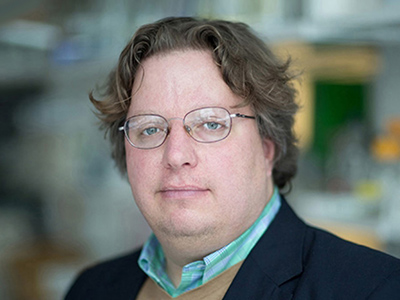 Michael T. Hemann合作论文数MIT Department of Biology14Duanduan Ma合作论文数11
 Yunqi Tang (唐芸棋)合作论文数School of Medicine, Shanghai Jiao Tong University;Shanghai Institutes for Biological Sciences, Chinese Academy of Sciences11Na Zhong合作论文数10
 Xiaofeng Allen Su合作论文数10
 Kristin A Knouse合作论文数Koch Inst Integrat Canc Res, MIT10Eduardo M. Torres合作论文数MRC Centre for Brain Repair9Hui Yuwen合作论文数8Kaiying Wang合作论文数8
 Charles Whittaker合作论文数Imperial Coll London, MRC Ctr Global Infect Dis Anal, London, England8
 Gloria Brar合作论文数Department of Molecular & Cell Biology, College of Letters & Science, University of California, Berkeley8Kevin Bullock合作论文数8
 Amy Deik合作论文数Broad Institute8
 Bruno Peter M合作论文数David H Koch Inst Integrat Canc Res, MIT8
 Clary Clish合作论文数The Broad Institute of MIT and Harvard8S Prinz合作论文数7
 R. Rahal合作论文数7
 Matthew Vander Heiden合作论文数Koch Institute for Integrative Cancer Research, Massachusetts Institute of Technology;MIT Koch Institute for Integrative Cancer Research7
 Tao Huang (黄涛)合作论文数School of Life sciences, Xiamen University7
 Adele L Marston合作论文数Adele Marston Lab, School of Biological Sciences, The University of Edinburgh;Wellcome Trust Centre for Cell Biology, The University of Edinburgh7
 Konrad Stopsack合作论文数Department of Microbiology, Tumor and Cell Biology, Karolinska Institutet7
 Lorelei Mucci合作论文数Department of Epidemiology, Harvard T.H. Chan School of Public Health, Harvard University;Dana-Farber/Harvard Cancer Center7
 Kim Nasmyth合作论文数Department of Biochemistry, University of Oxford;Trinity College, University of Oxford7Daniel R. Schmidt合作论文数6Rebecca E. Silberman合作论文数6
 Frank Stegmeier合作论文数6
 Jason M. Sheltzer合作论文数David H. Koch Institute for Integrative Cancer Research and;Howard Hughes Medical Institute, Massachusetts Institute of Technology;David H. Koch Institute for Integrative Cancer Research and;Howard Hughes Medical Institute, Massachusetts Institute of Technology6
 Tyler Jacks合作论文数Department of Biology, Massachusetts Institute of Technology;Koch Institute for Integrative Cancer Research, Massachusetts Institute of Technology6
 Folkert J. Van Werven合作论文数Department of Physiological Chemistry;Division of Biomedical Genetics;University Medical Centre Utrecht;Department of Physiological Chemistry, University Medical Centre Utrecht6Bret R. Williams合作论文数Laboratory of Genetics, University of Wisconsin Medical School6Monica Boselli合作论文数6Brian H. Lee合作论文数5Brett N Tomson合作论文数5
 Jeremy Michael Rock合作论文数Lab Host Pathogen Biol, Rockefeller Univ5
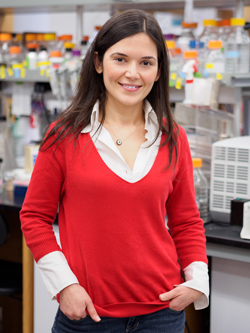 Elçin Ünal合作论文数Cell & Developmental Biology Faculty, Department of Molecular and Cell Biology, University of California, Berkeley5Luke E. Berchowitz合作论文数Vagelos College of Physicians and Surgeons, Columbia University5
 Leon Y. Chan合作论文数David H. Koch Institute for Integrative Cancer Research and Howard Hughes Medical Institute, Massachusetts Institute of Technology5Kiburz Brendan M合作论文数5
 White Forest合作论文数School of Engineering,MIT5
 Maitreya Dunham合作论文数Department of Genome Sciences, University of Washington5
 Scott Manalis合作论文数Department of Mechanical Engineering, Massachusetts Institute of Technology;Department of Biological Engineering, Massachusetts Institute of Technology5
 Steven Gygi合作论文数Blavatnik Institute Cell Biology, Harvard Medical School;The Gygi Lab, Department of Cell Biology, Harvard Medical School5Allison J. Bardin合作论文数5
 Fernando Monje-Casas合作论文数Howard Hughes Medical Institute, Massachusetts Institute of Technology5
 Mike Tyers合作论文数The Hospital for Sick Children5




