Background Middle meningeal artery embolization (MMAE) is an established treatment option for chronic subdural hematoma. The aim of this systematic review and meta-analysis was to establish estimates of the pooled incidence for complications following MMAE. Methods PubMed, Embase, and Cochrane were searched for studies reporting complications following MMAE through January 2023. A random effects model was used to calculate the pooled incidence of complications stratified based on whether studies excluded patients with comorbidities. Preferred Reporting Items for Systematic Reviews and Meta-Analyses checklist was followed. Results A final 34 studies containing 921 patients undergoing MMAE were included that reported 35 complications. Neurological complications were reported in 7 studies with an overall pooled incidence of 3.8% (95% confidence interval [CI]: 2.6%–5.5%). Across these studies, there was a pooled incidence of 4.9% (95% CI: 2.9%–8.0%), 3.0% (95% CI: 1.7%–5.3%), and 2.1% (95% CI: 0.4%–9.7%) in studies that did not exclude, did not mention, or excluded patients with comorbidities, respectively. Similarly, 7 studies reported cardiovascular complications with an overall pooled incidence of 3.6% (95% CI: 2.4%–5.4%), 4 studies reported infectious complications with an overall pooled incidence of 2.9% (95% CI: 1.9%–4.5%), and 3 studies reported for miscellaneous complications with an overall pooled incidence of 3.1% (95% CI: 2.0%–4.8%). Further subgroup analysis revealed the pooled incidence of cardiovascular complications was 3.2% (95% CI: 1.7%–6.1%) in studies that did not exclude patients with comorbidities, 4.1% (95% CI: 2.3%–7.1%) in studies that did not specify the exclusion of such patients, and 1.8% (95% CI: 0.2%–11.5%) in studies that excluded these patients. Similarly, the incidence of infectious complications was 3.3% (95% CI: 1.7%–6.2%), 2.7% (95% CI: 1.5%–5.0%), and 1.8% (95% CI: 0.2%–11.5%) across these groups, respectively. Miscellaneous complications were reported at 4.0% (95% CI: 2.2%–7.2%), 2.3% (95% CI: 1.1%–4.6%), and 3.1% (95% CI: 0.9%–10.1%), respectively. Conclusions The published literature suggests that MMAE is a generally well-tolerated procedure with a low risk of significant complications.
The modified 5-item frailty index (mFI-5), an index of reduced physiological reserve, has risen as a predictor of complications following surgical procedures. We examined the association of mFI-5 and surgical outcomes following the management of nontraumatic subarachnoid hemorrhage (nSAH). We queried the American College of Surgeons National Surgical Quality Improvement Program database for patients who received surgical management of nSAH between 2006 and 2021. We computed the mFI-5 by granting a point for each of 1) congestive heart failure, 2) hypertension requiring medications, 3) diabetes, 4) chronic obstructive pulmonary disease or pneumonia within 30 days before surgery, and 5) dependent functional status. Our 30-day endpoints were minor complications (Clavien-Dindo: 1 & 2), major complications (Clavien-Dindo: 3 & 4), and mortality. Using the Chi- squared test, we compared baseline patient demographics and comorbidities between patients with a mFI-5 >= 2, patients with a mFI-5 = 1, and non-frail patients. Then, we fitted a multivariable logistic regression adjusting for patient demographics, comorbidities, operative time, and frailty status. The cohort included 1,139 patients, of which 33.7 % were men and 2.9 % had a bleeding diathesis. After adjusting for covariates, mFI-5 >= 2 was independently associated with minor complications (1.93, 95 %CI: 1.31-2.84, p = 0.001), major complications (aOR: 1.62, 95 %CI: 1.10-2.37, p = 0.015), and mortality (aOR: 2.90, 95 %CI: 1.66-5.08, p = 0.003). The mFI-5 can be independently used by surgeons for risk stratification and postoperative planning.
BACKGROUND:CSF-venous fistulas (CVFs) are an increasingly recognized cause of spontaneous intracranial hypotension (SIH). Cases of SIH can present with symptoms ranging from orthostatic headache to severe debilitating headaches, vertigo, back pain, vision changes, and cognitive impairment. CVFs are an aberrant direct fistulous connection between a spinal nerve root sleeve and adjacent paraspinal veins. Treatment options may include blood patch, surgical ligation, or transvenous embolization. OBSERVATIONS:A 67-year-old male presented with severe positional headaches following minor head trauma. MRI of the brain demonstrated pachymeningeal enhancement, and dynamic CT myelography demonstrated a CVF at the right T4 nerve root. Transvenous CVF embolization was attempted, but there was no suitable target for embolization despite extensive exploration of the azygos, paraspinal, and vertebral veins above and below the fistula. The patient underwent percutaneous puncture of the right T4 paraspinal vein using an 18-gauge Chiba needle under fluoroscopic guidance. Onyx 34 was carefully injected into the CVF under continuous fluoroscopic guidance to embolize the fistula and associated paraspinal venous complex. LESSONS:In cases of challenging or difficult-to-access venous anatomy in which transvenous access to the fistulous site is not feasible, percutaneous needle puncture with direct transvenous embolization may be an option. https://thejns.org/doi/10.3171/CASE2558.
INTRODUCTION: Dural arteriovenous fistulae (dAVFs) are rare cerebrovascular anomalies. Tentorial dAVFs are more likely to have aggressive features, making them prone to symptomatic presentations and hemorrhage. METHODS: Patients from the Consortium for Dural Arteriovenous Fistula Outcomes Research (CONDOR) database were queried for age at treatment, sex, comorbidities, clinical presentation, arterial anatomy, venous anatomy, Borden grade, and surgical approach. The primary efficacy endpoint utilized was complete surgical resection, while the primary safety endpoint was a composite endpoint including clinical complications related to the dAVF and return to the operating room for dAVF-related etiologies. To identify factors for each endpoint, a multivariable logistic regression for each endpoint was performed using stepwise backwards selection in SAS studio. The primary efficacy endpoint in our study was defined as complete surgical resection. RESULTS: 1241 dAVFs were available for analysis in the CONDOR database (59 tentorial dAVFs). Presentation included hemorrhage in 61% (36/59), non-hemorrhagic neurologic deficit in 31% (18/59), flow-related symptoms in 19% (11/59), and incidental presentation in 5% (3/59) of cases. Preoperative embolization was utilized in 61% (36/59) and complete surgical resection was achieved in 83% (49/59) of patients. Multivariable-analysis demonstrated prior stroke (p = 0.04) and presence of venous ectasia (p = 0.04) were associated with a lower likelihood of surgical success. Older age at treatment (p = 0.04) and use of antiplatelet medications (p = 0.02) were associated with the composite safety endpoint. CONCLUSIONS: Complete resection of tentorial dAVFs can be accomplished in a high number of these lesions. Surgical success was less common in patients with previous strokes and in dAVFs with venous ectasia. Older age at treatment and the use of antiplatelet medications were associated with clinical complications or return to the operating room.
Objective We report on the uncommon association between severe erythrodermic psoriasis and moyamoya angiopathy (MMA), a progressive cerebrovascular disorder characterized by steno-occlusive changes in the circle of Willis. Concomitant moyamoya and severe erythrodermic psoriasis is a rare pathology, with unknown pathogenesis. MMA with severe erythrodermic psoriasis, even in the setting of stroke, is often managed with non-curative medical intervention alone, due to concerns for surgical instability. Here we show with appropriate surgical consideration and medical management, patients can undergo curative surgical management, and remain stroke free during follow-up. Case Report The patient, a 52-year-old female, with refractory psoriasis, presented with neurological deficits, leading to the diagnosis of bilateral moyamoya arteriopathy. Patients with these co-existing conditions have historically only been medially managed, due to concerns for surgical instability and inadequate candidacy. A comprehensive stroke workup revealed severe stenosis in the internal carotid arteries. A two-stage surgical revascularization, including right superficial temporal artery-middle cerebral artery (STA-MCA) bypass and subsequent left STA-MCA bypass, was successfully performed. Postoperatively, the patient experienced a severe psoriasis flare, requiring meticulous management to ensure post-operative surgical stability. Conclusions With appropriate medical and surgical management, the patient was amenable for curative surgical intervention. The successful surgical intervention, following medical optimization of psoriasis, demonstrated efficacy in preventing future cerebral ischemia events in this challenging patient.
OBJECTIVE: Post-traumatic hydrocephalus (PTH) is a complication following traumatic brain injury (TBI). Early diagnosis and treatment are essential to improving outcomes. We report the incidence and risk factors of PTH in a large TBI population while considering death as a competing risk. METHODS: We conducted a retrospective cohort study on consecutive TBI patients with radiographic intracranial abnormalities admitted to our academic medical center from 2009 to 2015. We assessed patient demographics, perioperative data, and in-hospital data as risk factors for PTH using survival analysis with death as a competing risk. RESULTS: Among 7,473 patients, the overall incidence of PTH requiring shunt surgery was 0.94%. The adjusted cumulative incidence was 0.99%. The all-cause cumulative hazard for death was 32.6%, which was considered a competing risk during analysis. Craniectomy (HR 11.53, P < 0.001, 95% CI 5.57-223.85), venous sinus injury (HR 4.13, P = 0.01, 95% CI 1.53-11.16), and age 5 pound ( P < 0.001) were significant risk factors for PTH. Glasgow Coma Score (GCS) > 13 was protective against shunt placement (HR 0.50, P = 0.04, 95% CI 0.26-0.97). Shunt surgery occurred after hospital discharge in 60% of patients. CONCLUSIONS: We describe the incidence and risk factors for PTH in a large traumatic brain injury (TBI) population. Most cases of PTH were diagnosed after hospital discharge, suggesting that close follow-up and multidisciplinary diagnostic vigilance for PTH are needed to prevent morbidity and disability.
High-grade gliomas (HGGs) have a poor prognosis and are difficult to treat. This review examines the evolving landscape of endovascular therapies for HGGs. Recent advances in endovascular catheter technology and delivery methods allow for super-selective intra-arterial cerebral infusion (SSIACI) with increasing precision. This treatment modality may offer the ability to deliver anti-tumoral therapies directly to tumor regions while minimizing systemic toxicity. However, challenges persist, including blood–brain barrier (BBB) penetration, hemodynamic complexities, and drug–tumor residence time. Innovative adjunct techniques, such as focused ultrasound (FUS) and hyperosmotic disruption, may facilitate BBB disruption and enhance drug penetration. However, hemodynamic factors that limit drug residence time remain a limitation. Expanding therapeutic options beyond chemotherapy, including radiotherapy and immunobiologics, may motivate future investigations. While preclinical and clinical studies demonstrate moderate efficacy, larger randomized trials are needed to validate the clinical benefits. Additionally, future directions may involve endovascular sampling for peri-tumoral surveillance; changes in drug formulations to prolong residence time; and the exploration of non-pharmaceutical therapies, like radioembolization and photodynamic therapy. Endovascular strategies hold immense potential in reshaping HGG treatment paradigms, offering targeted and minimally invasive approaches. However, overcoming technical challenges and validating clinical efficacy remain paramount for translating these advancements into clinical care.
Background:Traumatic middle cerebral artery (MCA) pseudoaneurysms following minor head trauma are rare. Case Description:We report a case of a 76-year-old man who presented with a traumatic acute subdural hematoma and subarachnoid hemorrhage (SAH) from a ruptured distal right MCA pseudoaneurysm treated with evacuation of the hematoma, resection of the pseudoaneurysm, and an MCA-to-MCA bypass. Conclusion:Although traumatic pseudoaneurysms of the distal intracranial vessels are rare, patients with traumatic SAH would benefit from vascular imaging. Treatment of pseudoaneurysms of distal intracranial vessels may be treated with vessel occlusion or trapping/excision of aneurysm with revascularization.
A 63-year-old woman presented with ruptured giant ICA terminus aneurysm, temporized with coil embolization and definitively treated with parent vessel sacrifice and high-flow bypass.
Moyamoya disease (MMD) is characterized by idiopathic, progressive stenosis of the circle of Willis and the terminal portion of the internal carotid arteries with the development of prominent small collateral vessels and a characteristic moyamoya or puff-of-smoke radiographic appearance. The incidence and prevalence of MMD varies by region, age, and sex, with higher rates in Asian and East Asian populations compared to North American or European populations. There is a bimodal distribution of patients diagnosed with MMD. Pediatric patients are more commonly diagnosed within the 1st decade of life, whereas adult patients present in the 5th or 6th decade of life. Overall, there is a nearly 2:1 female-to-male ratio. Ischemic symptoms are the most common presentation in pediatric and adult populations, but adult patients are nearly twice as likely to present with intracranial hemorrhage compared to their pediatric counterparts. Surgical revascularization is indicated in symptomatic cases, and antiplatelet therapy may be a useful adjunct to prevent recurrent symptoms. Direct and combined bypass procedures seem to be more effective in adults, whereas children respond well to indirect bypass. The identification of key genetic, molecular, and environmental factors including RNF213 and GUCY1A3 loss-of-function mutations, angiogenic growth factors, autoantibodies, CNS infections, and radiation exposure suggest multiple pathways for the development of moyamoya arteriopathy. Further research is needed to better understand the heterogeneity of pathogenetic mechanisms that lead to moyamoya and to identify novel therapeutic targets to prevent, stabilize, and treat MMD.
BACKGROUND:Surgical management of pediatric patients with nonlesional, drug-resistant epilepsy, including patients with Lennox-Gastaut syndrome (LGS), remains a challenge given the lack of resective targets in most patients and shows seizure freedom rates <50% at 5 years. The efficacy of deep brain stimulation (DBS) is less certain in children than in adults. This study examined clinical and seizure outcomes for pediatric patients with LGS undergoing DBS targeting of the centromedian thalamic nuclei (CMTN). METHODS:An institutional review board-approved retrospective analysis was performed of patients aged ≤19 years with clinical diagnosis of LGS undergoing bilateral DBS placement to the CMTN from 2020 to 2021 by a single surgeon. RESULTS:Four females and 2 males aged 6-19 years were identified. Before surgery, each child experienced at least 6 years of refractory seizures; 4 children had experienced seizures since infancy. All took antiseizure medications at the time of surgery. Five children had previous placement of a vagus nerve stimulator and 2 had a previous corpus callosotomy. The mean length of stay after DBS was 2 days. No children experienced adverse neurologic effects from implantation; the mean follow-up time was 16.3 months. Four patients had >60% reduction in seizure frequency after surgery, 1 patient experienced 10% reduction, and 1 patient showed no change. No children reported worsening seizure symptoms after surgery. CONCLUSIONS:Our study contributes to the sparse literature describing CMTN DBS for children with drug-resistant epilepsy from LGS. Our results suggest that CMTN DBS is a safe and effective therapeutic modality that should be considered as an alternative or adjuvant therapy for this challenging patient population. Further studies with larger patient populations are warranted.
A 48-year-old male with progressive congestive myelopathy had a craniocvervical DAVF treated with surgical clipping using ICG to confirm solitary inflow.
We treated a 20-year-old woman in Paraguay with a ruptured intraventricular Spetzler-Martin Grade 3 AVM, and illustrate microsurgical resection without embolization in this video.
Introduction: Obtaining adequate access to the hypoglossal canal and jugular foramen poses a challenge to the surgeon due to its location. Open surgical approaches are commonly employed to access this region; however, this involves significant bony removal, external incisions, and retraction of brain with the potential for greater morbidity. The purpose of this study is to demonstrate the role of a novel endoscopic approach to access the regions of the hypoglossal canal and jugular foramen and clearly delineate the relevant anatomy. We describe in detail an "endoscopic paramaxillary approach," which is a transoral approach that provides a direct, rapid, and safe approach through the infratemporal fossa and parapharyngeal space to access the hypoglossal canal and jugular foramen.
BACKGROUND AND IMPORTANCE: Esthesioneuroblastoma (ENB) is a rare anterior skull base tumor derived from olfactory epithelium. There are very few operative videos in the literature demonstrating the surgical resection techniques for giant ENB because of their rarity and complexity. In this technical report, we demonstrate the microsurgical resection of a very large and complex high-grade ENB, initially deemed unresectable, through a bifrontal craniotomy and extended subfrontal approach combined with an endonasal endoscopic approach. CLINICAL PRESENTATION: A 34-year-old woman presented with headaches, nasal congestion, and bloody nasal drainage. MRI showed a large nasal cavity mass with extension into the anterior cranial fossa and bifrontal lobes. There was significant bifrontal edema causing headaches and abutting the optic nerves. Initial management with surgical resection was offered to the patient for local tumor control and to preserve her vision. A combined bifrontal craniotomy and endonasal transsphenoidal approach was used for resecting this giant tumor. After achieving gross total resection, we reconstructed the anterior skull base in layers. She developed several postoperative complications which were appropriately managed. CONCLUSION: We demonstrate the surgical resection of a giant ENB through a combined transcranial and endonasal endoscopic approach. We discuss the several postoperative complications in this complex case and the lessons learned.
Complete traumatic cervical fracture-dislocation with spinal cord transection in children is a rare entity with no evidence-based guidelines on management. The authors reviewed the literature for pediatric spinal cord injury and present the case of a 3-year-old with traumatic cervical fracture-dislocation and spinal cord transection who presented as a cervical-6 complete spinal cord injury (ASIA A). His other organ systems injured included liver, spleen, bowel, and abdominal aortic injury. The patient underwent halo placement for preoperative reduction followed by open reduction and internal fixation with posterior segmental instrumented fusion. Intraoperatively, the patient had motor evoked potential signals present below the level of his injury. Early postoperative follow-up demonstrated that, although his leg function did not improve, he did demonstrate improvement in upper extremities. This is a rare case of complete cervical spinal cord transection in a pediatric patient. We elected to manage this challenging case with initial external reduction and orthosis with a halo vest followed by acute posterior cervical fusion. Despite a cervical-6 injury level on clinical exam, there was electrographic evidence of function below that level on intraoperative neuromonitoring. Postoperatively the patient has recovered some lost function.
Glioblastoma (GBM) is a heterogeneous tumor made up of cell states that evolve over time. Here, we modeled tumor evolutionary trajectories during standard-of-care treatment using multi-omic single-cell analysis of a primary tumor sample, corresponding mouse xenografts subjected to standard of care therapy, and recurrent tumor at autopsy. We mined the multi-omic data with single-cell SYstems Genetics Network AnaLysis (scSYGNAL) to identify a network of 52 regulators that mediate treatment-induced shifts in xenograft tumor-cell states that were also reflected in recurrence. By integrating scSYGNAL-derived regulatory network information with transcription factor accessibility deviations derived from single-cell ATAC-seq data, we developed consensus networks that modulate cell state transitions across subpopulations of primary and recurrent tumor cells. Finally, by matching targeted therapies to active regulatory networks underlying tumor evolutionary trajectories, we provide a framework for applying single-cell-based precision medicine approaches to an individual patient in a concurrent, adjuvant, or recurrent setting.
Clinical significance of increased clopidogrel response measured by VerifyNow P2Y12 assay is unclear; management guidelines are lacking in the context of neuroendovascular intervention. Our objective was to assess whether increased clopidogrel response predicts complications from endovascular aneurysm treatment requiring dual antiplatelet therapy. A single-institution, 9-year retrospective study of patients undergoing endovascular treatments for ruptured and unruptured aneurysms requiring aspirin and clopidogrel was conducted. Patients were grouped according to preoperative platelet inhibition in response to clopidogrel measured by the Verify-Now P2Y12 assay (VNP; P2Y12 reactivity units, PRU). Demographic and clinical features were compared across groups. Hemorrhagic complication rates (intracranial, major extracranial, minor extracranial) and thromboembolic complications (in-stent stenosis, stroke/transient ischemic attack) were compared, controlling for potential confounders and multiple comparisons. Data were collected from 284 patients across 317 procedures. Pre-operative VNP assays identified 9 % Extreme Responders (PRU <= 15), 13 % Hyper-Responders (PRU 16-60), 62 % Therapeutic Responders (PRU 61-214), 16 % Hypo-Responders (PRU = 215). Increased response to clopidogrel was associated with increased risk of any hemorrhagic complication (<= 60 PRU vs > 60 PRU; 39 % vs 24 %, P = 0.050); all intracranial hemorrhages occurred in patients with PRU > 60. Thromboembolic complications were similar between therapeutic and subtherapeutic patients (<215 PRU vs >= 215 PRU; 15 % vs 16 %, P = 0.835). Increased preoperative clopidogrel response is associated with increased rate of extracranial hemorrhagic complications in endovascular aneurysm treatments. Hyper-responders (16-60 PRU) and Extreme Responders (<= 15 PRU) were not associated with intracranial hemorrhagic or thrombotic complications. Hyporesponders who underwent adjustment of antiplatelet therapy and neurointerventions did not experience higher rates of complications.
Key Points Question What was the burden of cancer globally and across Sociodemographic Index (SDI) groupings in 2019, and how has incidence, morbidity, and mortality changed since 2010? Findings In this systematic analysis, there were 23.6 million new global cancer cases in 2019 (17.2 million when excluding those with nonmelanoma skin cancer), 10.0 million cancer deaths, and an estimated 250 million disability-adjusted life years estimated to be due to cancer; since 2010, these represent increases of 26.3%, 20.9%, and 16.0%, respectively. Absolute cancer burden increased in all SDI quintiles since 2010, but the largest percentage increases occurred in the low and low-middle SDI quintiles. Meanings The study results suggest that increased cancer prevention and control efforts are needed to equitably address the evolving and increasing burden of cancer across the SDI spectrum.
Decompressive craniectomy (DC) is a life-saving procedure in severe traumatic brain injury, but is associated with higher rates of post-traumatic hydrocephalus (PTH). The relationship between the medial craniectomy margin's proximity to midline and frequency of developing PTH is controversial. The primary study objective was to determine whether average medial craniectomy margin distance from midline was closer to midline in patients who developed PTH after DC for severe TBI compared to patients that did not. The secondary objective was to determine if a threshold distance from midline could be identified, at which the risk of developing PTH increased if the DC was performed closer to midline than this threshold. A retrospective review was performed of 380 patients undergoing DC at a single institution between March 2004 and November 2014. Clinical, operative and demographic variables were collected, including age, sex, DC parameters and occurrence of PTH. Statistical analysis compared mean axial craniectomy margin distance from midline in patients with versus without PTH. Distances from midline were tested as potential thresholds. No significant difference was identified in mean axial craniectomy margin distance from midline in patients developing PTH compared with patients with no PTH (n = 24, 12.8 mm versus n = 356, 16.6 mm respectively, p = 0.086). No significant cutoff distance from midline was identified (n = 212, p = 0.201). This study, the largest to date, was unable to identify a threshold with sufficient discrimination to support clinical recommendations in terms of DC margins with regard to midline, including thresholds reportedly significant in previously published research.
 Omar A Choudhri合作论文数Department of Neurosurgery, University of Pennsylvania18
 Samuel Cheshier合作论文数Department of Health Services, California;Human Stem Cell Research16
 Siddhartha Mitra合作论文数USGS14
 Sharareh Gholamin合作论文数Shahid Modarres Hospital, Shahid Beheshti University (MC),13
 Griffith Harsh合作论文数National Center for Interventional Biophotonic Technologies, University of California, Davis;School of Medicine, University of California, Davis12
 John Williams合作论文数11
 Achal Singh Achrol合作论文数11
 Christopher C. Young合作论文数Duke Anesthesiology, Duke University School of Medicine9
 Irving Weissman合作论文数Department of Developmental Biology, Stanford University;Department of Biology and Neurosurgery, Stanford University;Department of Pathology, Stanford University9
 Ari Kappel合作论文数8
 Steven D. Chang合作论文数Department of Neurosurgery, School of Medicine, Stanford University8
 Abdulrazag Ajlan合作论文数7McGrath Margaret合作论文数6Esparza Rogelio合作论文数6
 Michael Zhang合作论文数Stanford Artificial Intelligence Laboratory, Stanford University;Together AI6
 Gary K. Steinberg合作论文数Stanford Stroke Center, Department of Neurology and Neurological Sciences, School of Medicine, Stanford University;Moyamoya Center, School of Medicine, Stanford University6
 Huy M. Do合作论文数Center for Academic Medicine, Stanford University Medical Center6David I Bass合作论文数5Jie Liu合作论文数5
 Nirav Patel合作论文数5Jason Barber合作论文数5
 Jason S. Hauptman合作论文数5
 Suzana Assad Kahn合作论文数Instituto de Ciências Biomédicas - INNT/INCT/MCT, Universidade Federal do Rio de Janeiro (UFRJ),5Erickson Torio合作论文数4
 Yoon-Jae Cho合作论文数Dept Neurol & Neurol Sci, Stanford Univ4
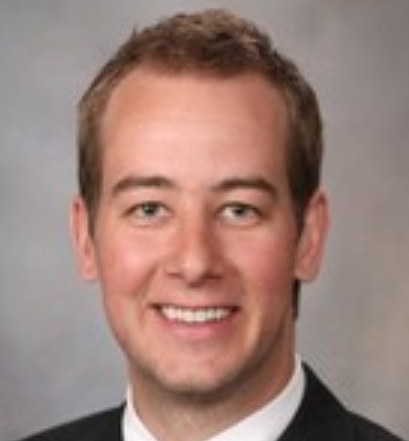 Erick Westbroek合作论文数Johns Hopkins Hospital4
 Tej D. Azad合作论文数Johns Hopkins Medicine4Volkmer Jens合作论文数4Anoop P. Patel合作论文数Department of Neurosurgery, Massachusetts General Hospital and Harvard Medical School;Department of Pathology and Center for Cancer Research, Massachusetts General Hospital and Harvard Medical School;Massachusetts Institute of Techonology, MIT),;Howard Hughes Medical Institute;Howard Hughes Medical Institute, MIT4
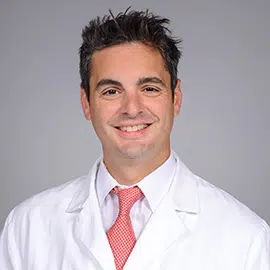 Isaac J. Abecassis合作论文数University of Louisville;Brain & Spine Institute, UofL Health;Abraham Flexner Outpatient Center, UofL Health4Mitchell Lex A合作论文数4
 Gerald Arthur Grant合作论文数Department of Neurosurgery, School of Medicine, Stanford University;Department of Neurosurgery, Duke University4
 Hannes Vogel合作论文数Department of Neurosurgery, School of Medicine, Stanford University;Department of Pathology, School of Medicine, Stanford University4
 Rose Du合作论文数4
 Jeffrey G. Ojemann合作论文数Department of Neurological Surgery, University of Washington;Seattle Children's4
 Peter H. Hwang合作论文数Otolaryngology, Head and Neck Surgery Department, Stanford University4
 Ravi Majeti合作论文数Institute for Stem Cell Biology and Regenerative Medicine, Cancer Institute, Division of Hematology, Department of Medicine, Stanford University4
 C. Dirk Keene合作论文数Department of Laboratory Medicine & Pathology, Division of Neuropathology, School of Medicine, University of Washington;Memory and Brain Wellness Center, School of Medicine, University of Washington4
 Tiffany Ting Liu合作论文数4
 Michael S. B. Edwards合作论文数Department of Neurosurgery, Lucile Packard Children’s Hospital, Stanford University Medical Center;Department of Neurosurgery, Stanford University School of Medicine4
 Patrick J Cimino合作论文数4
 Randall M. Chesnut合作论文数Department of Neurological Surgery, UW Medicine, University of Washington;Department of Orthopaedics and Sports Medicine, UW Medicine, University of Washington4Anca Mihalas合作论文数3Rajeev D Sen合作论文数3Sharon Durfy合作论文数3Jessica Eaton合作论文数3Michael R Meyer合作论文数3
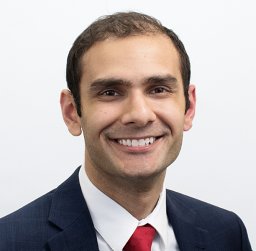 Rohaid Ali合作论文数Rhode Isl Hosp, Brown Univ3Chase Richard合作论文数3




