This study was aimed at evaluating the Iranian medical universities' rankings and altmetric indices in ResearchGate and Academia.edu. This cross-sectional analytical study was conducted using a scientometric method. Social networking measures were collected in MS Excel from January to February 2017. Data were analysed using SPSS software and the Spearman, chi-square and Kendall rank coefficient tests. Ranking information and altmetric indices of 50 Iranian medical universities were collected and analysed. All of the type-1 medical universities have been presented in the Academia.edu and ResearchGate social networks. A statistically significant relationship (P < 0.05) has been found between the ranking systems of the universities with altmetric indicators, such as the number of members in both social networks, the number of publications and the total RG score in ResearchGate. In addition, there was a significant correlation between the ranking of medical universities based on the H-index of science metrics with their presence in the ResearchGate social network (P < 0.05). The results of this study reveal a relationship between the universities' ranking systems and altmetric indicators. These findings emphasise the necessity of increasing the presence of faculty members in social network activities in disseminating and sharing knowledge.
Introduction: Information therapy is a simple solution to facilitate patients' access to health information, which can contribute to patient self-care. Considering the importance of treatment and health information, and engagement of people with different specialties in the process of information therapy, this research was conducted to identify the opportunities and challenges of establishing an information therapy center. Methods: The present study was an applied-qualitative research. The study population included patients, medical librarians, physicians, health care providers, and psychologists with experience in information therapy and health information prescription. A purposive sampling along with snowball sampling were perfomed. The data were collected via a semi-structured interview. The data were then analyzed by using MAQDA20 software. Results: By analysing the interviews, we were able to identify a main class entitled "Benefits of Information Therapy" including 4 subclasses of “patients and families”, “medical staff”, “health system”, and “medical librarians” under the main themes of "Opportunities". Under the and"Challenges", four subclasses of “barriers to information therapy”, “financial issues”, “implementation”, and “execution” were also identified. Conclusion: Despite the benefits of establishing an information therapy center for patients and their families, treatment staff, psychologists and medical librarians, there are some obstacles posed by these groups and the healthcare system, which require further consideration. Careful investigation and finding solutions to remove the obstacles as well as creating an approprite platform to adopt the center in the society and health sector. In order to establish this center, it is necessary to consider inter-group and inter-organizational cooperation with detailed planning, as well.
INTRODUCTION: Due to time constraints and a significant increase in medical information, one of the ways to keep physicians and medical teams up to date is to use evidence-based medicine. The current research focused on the effects of the educational role of clinical informationist (CI) on improving clinical education among medical students based on the Kirkpatrick (KP) model. METHODS: The method was semiexperimental research in two group designed with pretest and posttest. The research population included thirty medical students for each group that was selected by the convenience time-based sequential sampling method. The study data were collected using a researcher-made two questionnaires and a checklist. Data were analyzed by the descriptive statistics and inferential statistics using SPSS version 20 software. RESULTS: Based on the first level of the KP model, the total mean of medical students' satisfaction in the experimental group was 4.06 from 5. Based on the second, third, and fourth levels of the model, the independent t-test showed that before the intervention, the mean scores of attitude, knowledge, information-seeking skills and behaviors, and also clinical skills were not significantly different in both the intervention and control groups (P > 0.05). After the intervention, the results of covariance test showed that attitude, knowledge, information-seeking skills and behaviors, and also clinical skills of the intervention group are significantly better than that of the control group (P < 0.001). CONCLUSION: Training and the presence of the CIs in the clinical round had resulted in the improved satisfaction, attitude, knowledge, and information-seeking skills while also improving information-seeking behaviors and clinical skills of medical students.
Introduction: Clinical specialists need to develop necessary information skills to meet their research requirements. The current study focused on the effect of educational interventions by clinical informationists on medical students’ information behavior. Methods: This was a semi-experimental study in which a two group pretest–posttest design was used. The population consisted of 60 medical students (30 in the experimental and 30 in the control group at Isfahan University of Medical Sciences) who were selected through the convenience time based sequential sampling method. A researcher-made questionnaire including 19 items based on a 5-point Likert scale (very little to very high) was used to collect data which were then analyzed by SPSS using the descriptive and inferential statistics. Results: The trainings offered by the clinical informationists motivated the experimental group to focus on seeking information about clinical issues. Following the intervention, the experimental group achieved significantly higher need to search for information, during and after clinical rounds, than the control group. Moreover, the use of electronic information resources and clinical databases in the experimental group was significantly higher than the control group. Conclusions: Considering the importance of electronic information resources, universities of medical sciences are required to teach the use of databases, specifically as part of the medical students' curriculums and medical education programs.
Introduction: Determination of learners' education satisfaction is one of the most significant criteria for assessing the performance of health educational systems. The study was conducted to evaluate the medical students' satisfaction from clinical informationist educational program. Methods: To conduct this study a quasi-experimental posttest design was embraced. The sample was included 30 medical students that were selected by the Convenience time based sequential sampling method. Educational intervention of clinical informationist was done for 10 days. The Clinical Informationist along with the medical student participated in the clinical round, noted the clinical questions and teaching how to search for questions. After clinical round, the Clinical Informationist held a workshop about databases every day. Data were collected by a questionnaire and analyzed by the descriptive statistics and using Excel 2016 software. Results: The average score of medical students' satisfaction was 4.34(±0/551) for content of program, 4.32(±0/659) for educator, 3.85(±0/470) for educational methods and 3.64(±0/872) for educational facilities. The interest of medical students was 50% very high, 40% high and 10% moderate in tendency for implementing and continuing of the educational program. Conclusion: The overall medical students' satisfaction has been increased in terms of content, educator, method and facilities in the clinical informationist educational program.
INTRODUCTION: Nowadays websites are among the most important information sources used by most people. With the spread of websites, especially those related to health issues, the number of their visitors also increases, more than half of which are about nutritional information. Therefore, quality analysis of nutrition and diet therapy websites is of outmost importance. This study aims to evaluate the quality of Persian nutrition and diet therapy websites. METHODS: The current work is a survey study and uses an applied study method. The statistical population consists of 51 Persian websites about nutrition and diet therapy and census method was used in order to study them. Data gathering was done using a checklist and with direct visit to each website. Descriptive and analytical statistics were used to analyse the gathered data with the help of SPSS 21 software. RESULTS: Findings showed that content (66.7%), organization (82.4%), user friendly interfaces (52.9%) and total quality (70.6%) of most websites had a mediocre score while the design score for most of the websites (70.6%) was acceptable also organizational websites had better design, organization and quality compared to private websites. The three websites with the highest general quality score were the websites of “Novel Diet Therapy,” “Behsite” and “Dr. BehdadiPour” (jointly) and “Dr. Kermani” respectively. Also in the dimension of content the factors of goal, relevance and credibility, in the dimension of design the factors of color, text and sound, pictures and videos, in the dimension of organization the factors of stability and indexing and in the dimension of user friendliness the factors of confidentiality, credibility and personalization had the highest scores. CONCLUSION: The results showed that the design score was higher than other scores. Also the general quality score of the websites was mediocre and was not desirable. Also websites didn’t have suitable scores in every factor. Since most people search the internet for nutritional and diet therapy information, the creators of these websites should endeavor to fix the shortcomings of their websites and increase the quality of their websites in several different areas.
BACKGROUND:The study aimed to assess interdisciplinary communication among various Educational and Research Departments of Isfahan University of Medical Sciences (IUMS) in clinical medical sciences using social network analysis.MATERIALS AND METHODS:The study was carried out using scientometrics method and interdisciplinary communication network analysis. Interdisciplinary network of 1298 articles in medical sciences published in Journal of Isfahan Medical School was evaluated using macro- and micro-level criteria of network analysis. Ravar Matrix, UCINET, and VOSviewer software were used to analyze the interdisciplinary network of medical sciences articles.RESULTS:Findings showed that "Students Research Committee" and "School of Medicine," the affiliations of the medical students in general practice with scores of 272 and 197, "Epidemiology and Biostatistics," "Community Medicine," and "Internal Medicine" with 170, 101, and 99, respectively, possessed the first ranking of productivity index in scientific communication. Furthermore, in betweenness centrality index, "Epidemiology and Biostatistics" (3427.807), "Students Research Committee" (2967.180), and "Community Medicine" (1770.300) have an appropriate position in the network. Based on the centrality index, "Epidemiology and Biostatistics" (22.412), "Students Research Committee" (22.185) as well as "Community Medicine" and "School of Medicine" (both 21.554) acquired the least amount of distance with other nodes in network.CONCLUSION:Given the increased specialization in medical fields in recent years, communication between researchers with various specializations and creation of interdisciplinary or multidisciplinary departments had turned into an undeniable necessity. Therefore, communication between educational or research departments can facilitate the flow of information between researchers; and consequently, the top ranking departments in this study had more participation in scientific production of IUMS and getting more scores in annual evaluation by scientometrics department. This network analysis showed that researchers in various medical fields closely collaborate with each other and are able to connect with <2 intermediates.
BACKGROUND: Bibliotherapy is defined as using dynamic interaction along with reading a book in order to help the people to increase their cognitive understanding. This study aims to investigate the effect of bibliotherapy on the psychological capital of the employees of the Department of Management and Medical Informatics of Isfahan University of Medical Science. MATERIALS AND METHODS: This is an applied study using a semi-empirical method. The statistical population consists of all nonfaculty employees of the target department (70 people). Twenty eight people were randomly selected and divided into experiment and control groups and answered the psychological capital questionnaire. The data gathering tool was the psychological capital questionnaire of Luthans. The experiment group underwent six 2-h sessions of bibliotherapy where the control group underwent no interference. Both groups answered the questionnaire again 1-month after the final bibliotherapy session. The information was analyzed using descriptive (average and frequency distribution) and analytical (independent t-test, paired t-test, Chi-square test, and Mann–Whitney U-test) with the help of SPSS 20 software. RESULTS: The findings showed no meaningful distinction average scores of the physiological capital of both groups before interference. However, the average physiological capital score and an average score of each factor in the experiment group was meaningfully higher than that of the control group after the bibliotherapy sections. CONCLUSION: The results showed that bibliotherapy is a suitable method for increasing the psychological capital of the employees of different organizations which will in turn provide both the employees themselves and the organization with material and spiritual gains.
مقدمه: با توجه به اینکه همکاری علمی، به ویژه همتألیفی، از مباحث مهم علمسنجی و تولید علم در کلیهی جوامع علمی میباشد، پژوهش حاضر با هدف تحلیل شبکهی همتألیفی مقالات منتشر شده در مجلهی دانشکدهی پزشکی اصفهان طی سالهای 93-1389 با استفاده از شاخصهای تحلیل شبکههای اجتماعی انجام شده است. روشها: مطالعهی حاضر، از نوع کاربردی با رویکرد علمسنجی و با استفاده از روش تحلیل شبکهی همتألیفی انجام شد و به تحلیل شاخصهای خرد و کلان مؤلفههای تشکیل دهندهی شبکهی 1298 مقالهی مورد بررسی پرداخت. جهت ترسیم و تحلیل شبکهی همتألیفی این مقالات، از نرمافزارهای Ravar matrix، UCINET و VOSViewer استفاده شد. یافتهها: بررسی عملکرد نویسندگان نشان داد که نیلفروشزاده با داشتن 41 مقاله، اکبری با 37 مقاله، فرجزادگان و حقجوی جوانمرد هر دو با 24 مقاله در شاخص تولید، ردههای نخست را به خود اختصاص دادند. همچنین، بررسی شبکهی همتألیفی نویسندگان نشان داد که در شاخص بینیت، اکبری (648/66271)، صالحی (654/31756) و روزبهانی (004/22056) از موقعیت خوبی در شبکه برخوردارند. بر اساس شاخص مرکزیت نزدیکی اکبری (109/2)، صالحی (102/2) و عطایی (096/2) کمترین فاصله را با سایر گرههای شبکه دارند. نتیجهگیری: افزایش همتألیفی در تولید مقالات، میتواند باعث بالا رفتن بهرهوری و کاهش هزینههای فنآوری، استفاده از دانش و تجهیزات دیگران، افزایش رؤیت پذیری و در نهایت بالا رفتن میزان پذیرش مقالات شود.
Introduction: Today, scientific collaboration has a rising trend in scientific journals. Therefore, the aim of the current study was to analyze the co-authorship network among authors of the Journal of Health Information Management (JHIM). Methods: The present applied and descriptive study was conducted through social networks analysis approach. In the present study, 568 articles published in the JHIM from 2006 to 2014 were studied. The data were analyzed using UciNet software and SPSS software. Results: The findings revealed that a large amount of the articles were the results of the collaboration of three main authors. In addition, 25% of the authors were the most influential individuals in producing journal papers. These authors mostly collaborated with authors of lower rank. The authors were divided into 3 categories of outstanding, active, and non-active. Conclusion: It can be concluded that co-authorship has had a rising trend in the JHIM. As the results revealed, the number of articles with multiple authors has increased. It seems that the increasing of outstanding authors should be one of the policies of this journal.
BACKGROUND:Understanding of the medical society's from the types of information resources for quick and easy access to information is an imperative task in medical researches and management of the treatment. The present study was aimed to determine the level of awareness of the physicians in using various electronic information resources and the factors affecting it.MATERIALS AND METHODS:This study was a descriptive survey. The data collection tool was a researcher-made questionnaire. The study population included all the physicians and specialty physicians of the teaching hospitals affiliated to Isfahan University of Medical Sciences and numbered 350. The sample size based on Morgan's formula was set at 180. The content validity of the tool was confirmed by the library and information professionals and the reliability was 95%. Descriptive statistics were used including the SPSS software version 19.RESULTS:On reviewing the need of the physicians to obtain the information on several occasions, the need for information in conducting the researches was reported by the maximum number of physicians (91.9%) and the usage of information resources, especially the electronic resources, formed 65.4% as the highest rate with regard to meeting the information needs of the physicians. Among the electronic information databases, the maximum awareness was related to Medline with 86.5%. Among the various electronic information resources, the highest awareness (43.3%) was related to the E-journals. The highest usage (36%) was also from the same source. The studied physicians considered the most effective deterrent in the use of electronic information resources as being too busy and lack of time.CONCLUSION:Despite the importance of electronic information resources for the physician's community, there was no comprehensive knowledge of these resources. This can lead to less usage of these resources. Therefore, careful planning is necessary in the hospital libraries in order to introduce the facilities and full capabilities of the mentioned resources and methods of information retrieval.
BACKGROUND:Information literacy is the basis for lifelong learning. Information literacy skills, especially for student in an environment that is full of information from multiple technologies are being developed is equally important. Information literacy is a set of cognitive and practical skills and like any other science, proper training is needed, and standard-based education is definitely better and evaluation would be easier. This study aimed to determine the impact of information literacy training course on information literacy skills of Isfahan University of Medical Sciences students based on ACRL standard in 2012.MATERIALS AND METHODS:The study method is semi-experience with two group design (with pre-test and post-test) and applied. The data collection toll was a questionnaire assessing student's information literacy that developed by Davarpanah and Siamak and validity was confirmed by professional librarians and reliability as measured by Cronbach's alpha, was 0.83. The sample consisted of 50 undergraduate students from Isfahan University of Medical Sciences that by random sampling method was perch in both case and control groups. Before and after the training (once a week), a questionnaire was distributed between the two groups. This training was held in a classroom equipped with computers with internet access and in addition to training using brochures and librarian presentation, interactive methods such as discussion and exercises were used. The data were analyzed using SPSS version 20 software and two level of descriptive (mean and SD) and inferential statistics (t-test and t-paired).RESULTS:The results showed that the students' information literacy scores before the training was lower than average, so that in the control group was 32.96 and in the case group was 33.24; while information literacy scores in the case group significantly increased after the training (46.68). Also, the effect of education, respectively had a greater impact on the ability to access information (the second standard), ethics and legal use of information (the third standard), effective use of information (the fourth standard), critically evaluate information and its sources (the fifth standard).CONCLUSION:This study showed that the training was effective on enhancing students' information literacy skills as the greatest impact was on increasing the ability to access information. Due to low mean score information literacy in the context of object recognition, there is a need for more training in this area.
Introduction: Bibliotherapy is a supplement, simple, inexpensive and readily available method to treat the diseases that is performed with cooperation of librarians and psychologists or doctors. The aim of this study is the investigation of group bibliotherapy's effect on the self-esteem of the female students of Isfahan University of Medical Sciences Living in Dormitory in 2012. Materials and Methods: The present study is an interventional semi-experimental study with pre test and post test and control group. The statistical population of study consisted of 32 female students who reside in Isfahan University of Medical Sciences dormitories which control and case groups and the students were divided randomly between these two groups. Data was collected by Cooper Smith Self-esteem questionnaire scale (Cronbach's alpha: 0.85). Two groups were examined by the questionnaire in pre test. Case group received group bibliotherapy for 2 month (8 sessions of 2 hours), while the control group received no training at all. Then, 2 groups were assessed in post test after 1 month. Descriptive statistics (means and frequencies distribution) and inferential statistics (independent t- test, paired t- test and mann whitney) were used and data was analyzed by SPSS20 software. Results: The findings showed that group bibliotherapy had positive and significant effect on general, family, professional and total self esteem of female students living in dormitories, but it had no effect on their social self esteem. Conclusion: Group bibliotherapy can increase female students’ self-esteem levels. On the other hand, conducting these studies not only can improve mental health of people, but can also improve their reading habits.
Introduction: Performance measurement is inevitable for university libraries. Hence, planning and establishing a constant and up-to-date measurement system is required for the libraries, especially the university libraries. The primary studies and analyses reveal that the EFQM Excellence Model has been efficient, and the administrative reform program has focused on the implementation of this model. Therefore, on the basis of these facts as well as the need for a measurement system, the researchers measured the performance of libraries in schools and hospitals supported by Isfahan University of Medical Sciences, using the EFQM Organizational Excellence Model. Materials and Methods: This descriptive research study was carried out by a cross-sectional survey method in 2011. This research study included librarians and library directors of Isfahan University of Medical Sciences (70 people). The validity of the instrument was measured by the specialists in the field of Management and Library Science. To measure the reliability of the questionnaire, the Cronbach's alpha coefficient value was measured (0.93). The t-test, ANOVA, and Spearman's rank correlation coefficient were used for measurements. The data were analyzed by SPSS. Results: Data analysis revealed that the mean score of the performance measurement for the libraries under study and between nine dimensions the highest score was 65.3% for leadership dimension and the lowest scores were 55.1% for people and 55.1% for society results. Conclusion: In general, using the ninth EFQM model the average level of all dimensions, which is in good agreement with normal values, was assessed. However, compared to other results, the criterion people and society results were poor. It is Recommended by forming the expert committee on criterion people and society results by individuals concerned with the various conferences and training courses to improve the aspects.
INTRODUCTION:The efficient use of libraries can be an important factor in determining the educational quality of Universities. Therefore, investigation and identification of factors affecting library anxiety becomes increasingly necessary. The purpose of this research is to determine the factors effecting library anxiety of students in Isfahan University of Medical Sciences and Shiraz University of Medical Sciences.MATERIALS AND METHODS:This was an applied survey research using Bostick's Library Anxiety questionnaire as data gathering tool. The statistical population consisted of all students of Isfahan University of Medical Sciences and Shiraz University of Medical Sciences (15011 students) with the sample size of 375 using stratified random sampling. The validity of data gathering tool was confirmed by experts in the library and information science and its reliability was determined by Cronbach's alpha (r = 0.92). Descriptive statistics (frequency, percentage, mean and standard deviation) and inferential statistics (t-test and ANOVA) were used for data analysis using SPSS 18 software.RESULTS:Findings showed that the mean of library anxiety score was 2.68 and 2.66 for students of Isfahan University of Medical Sciences and Shiraz University of Medical Sciences respectively which is above average (2.5). Furthermore, age and gender had no meaningful effect on the library anxiety of students of Isfahan University of Medical Sciences, but gender had a meaningful effect on library anxiety of students of Shiraz University of Medical Sciences while age had no such effect.CONCLUSION:The results showed that the mean of factors effecting library anxiety in students of Isfahan University of Medical Sciences and students of Shiraz University of Medical Sciences is higher than average and therefore not satisfactory and only factors relating to feeling comfortable in the library is lower than average and somewhat satisfactory.
INTRODUCTION:Commitment to abstracting standards has a very significant role in information retrieval. The present research aimed to evaluate the rate of Commitment to ISO 214 Standard among the Persian abstracts of approved research projects at School of Health Management and Medical Informatics, Isfahan University of Medical Sciences, Isfahan, Iran. MATERIALS AND METHODS:This descriptive study used a researcher-made checklist to collect data, which was then analyzed through content analysis. The studied population consisted of 227 approved research projects in the School of Health Management and Medical Informatics, Isfahan University of Medical Sciences during 2001-2010. The validity of the checklist was measured by face and content validity. Data was collected through direct observations. Statistical analyzes including descriptive (frequency distribution and percent) and inferential statistics (Chi-square test) were performed in SPSS-16. RESULTS:The highest and lowest commitment rates to ISO 214 standard were in using third person pronouns (100%) and using active verbs (34/4%), respectively. In addition, the highest commitment rates to ISO 214 standard (100%) related to mentioning third person pronouns, starting the abstract with a sentence to explain the subject of the research, abstract placement, and including keyword in 2009. On the other hand, during 2001-2003, the lowest commitment rate was observed in reporting research findings (16/7%). Moreover, various educational groups differed significantly only in commitment to study goals, providing research findings, and abstaining from using abbreviations, signs, and acronyms. Furthermore, educational level of the corresponding author was significantly related with extracting the keywords from the text. Other factors of ISO 214 standard did not have significant relations with the educational level of the corresponding author. CONCLUSIONS:In general, a desirable rate of commitment to ISO 214 standard was observed among the Persian abstracts of approved research projects at the School of Health Management and Medical Informatics of Isfahan University of Medical Sciences. However, commitment rates differed between years. In addition, commitment to ISO 214 standard was not significantly related with educational group and level.
Introduction: Considering to needs of physicians to updated information for researching in medical science, therefore the existence of libraries with resources in different format is an essential point. On the other side, the medical community's understanding of these resources to achieve their main goal is undeniable, because the ultimate result of easy and urgent access to information is a warranty of public society health. This research aimed to determine physicians' awareness and usage of electronic resources in educational hospitals. Methods: The research method was descriptive - survey and the tools of data gathering was research made questionnaire. Validity and reliability of the study tools was confirmed by librarianship experts with 95 Percent. Statistical society was including all specialist and specialty physicians of educational hospitals of Isfahan University of medical science include 350 people and a mass of sampling with 180 members. The sampling way was random clustering. The type of statistical method was descriptive and appliqued software was 13th version of SPSS. Results: In investigation the rate of physicians needs for information in different cases, the most needs was 91.3 Percent for researching in their activity fields and to do daily schedule with 60.6 Percent is declared as minimum requirements. Physicians removal their information needs, used information resources and electronic resources in 65.4 Percent of cases as maximum option, and they have mentioned helping and conducting of foreigner specialists as minimum with 15.5 Percent. About the awareness of physicians from types of electronic information sources, the most knowledge was about Medline with 86.5 Percent and the lowest frequency was for Blackwell with 16.3 Percent. In determining the awareness of physicians of electronic information resources, most awareness was belonging E-journal with 43.3 Percent and the lowest amount was for Offline information resources with 13.8 Percent. Also in determining the use of electronic information resources with physicians, E-journal with 36 Percent as maximum and Offline Data Bank with 12.2 Percent as less option are used. The most important factor between effective factors for usage of physician from the electronic information resources, 61.5 Percent was related to lack of time and busy working, and the lowest factor which is non beneficial resource content has only been one mentioned. Conclusion: The results represented that information needs of physicians is respectively by following reasons: conducting research, preparing articles, gathering new and updated information, management of patient care, teaching, and finally for every day routines. Because of the importance of electronic information resources for physicians, it needs to introduce all aspects of this information resources and retrieval methods from related gateways to information societies of university. Key words: Information Resources; Physicians; Hospitals, Teaching; Electronic Information Resources.
BACKGROUND:Health literacy is an individual's need in each Society. Health literacy is a set of skills in reading, listening, analysis, decision making and the ability to apply these skills to health situations. The purpose of this study was to assess health literacy level in Inpatients of educational Hospitals of Isfahan University of Medical Sciences in 2012.MATERIALS AND METHODS:A navigational and analytical- applied survey of 384 Inpatients was conducted in educational hospitals of Isfahan University of Medical Sciences. Health literacy was measured by the Test of Functional Health Literacy in Adults (TOFHLA). Reliability of Questionnaire was obtained through Cronbach's alpha and it was 0/89 and its validity was confirmed by experts. The data were collected in clinical inquiry and were analyzed using SPSS (as Descriptive was Frequency distribution, mean, standard deviation and as analytical was Independent T-test, ANOVA and Pearson correlation test and Spearman correlation test).FINDINGS:Results showed that the average of Health literacy scores in Inpatients was 35/31 in Numeracy test and 31/94 in Reading Comprehension test. The mean total score of health literacy was 29/63. Thus, the Most of these Inpatients were found to have inadequate health literacy. No significant association was found between health literacy level and gender, income, Occupation and residence. Health literacy was associated with age, marriage status and education.CONCLUSION:The results showed that most of Inpatients in of educational Hospitals of Isfahan University of Medical Sciences were marginal and inadequate health literacy. Therefore, they need to more help and details to understand and use health information.
Introduction: Plagiarism damages the scientific products. Its effects on sciences producer, such as manufacturers, scientists, authors and the others is that they will not desire to write anymore. Furthermore, research result is so important in medical sciences, because they are dealing with human life. Therefore, this study aimed to identify the methods and types of crime in plagiarism. Methods: This was a qualitative study by in-depth Interview method. Statistical populations included experts of Isfahan University of Medical Sciences. Data collection method was through purposive sampling and depended upon data saturation. Data were analyzed by thematic analysis method. Results: Data analysis led to extraction of 40 subjects and 6 main subjects such as repetitive research, non-principals adoption, non-principal compliance, forged, and jobbery. Conclusion: Results showed that there were various methods of plagiarism. Therefore, universities must organize institute to education researcher and information authorities in order to decrease plagiarism and update relevant laws and rules. Keywords: Plagiarism; Fraud; Typology
 Firoozeh Zare-Farashbandi合作论文数School of Medical Management and Information Sciences, Isfahan University of Medical Sciences9
 Ashrafi-Rizi Hasan合作论文数School of Medical Management and Information Sciences, Health Information Technology Research Center5
 Akbar Hassanzadeh合作论文数Faculty of science, Urmia University5
 Mozafar Cheshmeh Sohrabi合作论文数3Peyman Adibi合作论文数3
 Alireza Rahimi合作论文数3
 Marzieh Tahmasebi合作论文数Ayatollah Kashani Hosp, Shahrekord Univ Med Sci3
 Shahrzadi Leila合作论文数School of Medical Management and Information Sciences, Health Information Technology Research Center3
 Samouei Rahele合作论文数Research Institute of Shakhespajouh, Isfahan University of Medical Sciences3
 Morteza Amraei合作论文数faculty of allied medical sciences, Lorestan university of medical sciences2
 Elaheh Mazaheri合作论文数Student Research Committee, Isfahan University of Medical Sciences2
 Roghayeh Ghazavi合作论文数Res & Technol, Isfahan Univ Med Sci2
 Mahmoud Keyvanara合作论文数Social Determinate of Health Research Center, Isfahan University of Medical Sciences2
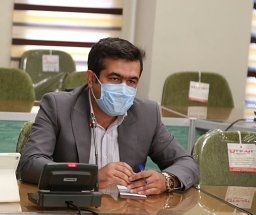 Geraei Ehsan合作论文数School of Education and Psychology, Shahid Chamran University2Bahrami Susan合作论文数Health Management and Economics Research Center, Isfahan University of Medical Sciences2Hassan Ashrafi-Rizi合作论文数1rafiee hossein合作论文数1Seyed Javad Ghazimirsaeed合作论文数1Zahra Gholizadeh合作论文数1Sepideh Salimi合作论文数1Saeed Karimi合作论文数1
 Mohammad Tavakolizadeh-Ravari合作论文数Department of Information Science and Knowledge Studies, Yazd University1
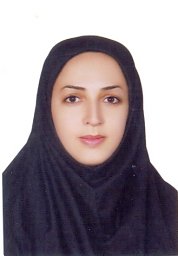 Fatemeh Ramezani-Pakpour-Langeroudi合作论文数Guilan University of Medical Sciences1
 Aboozar Ramezani合作论文数Tehran University of Medical Sciences1
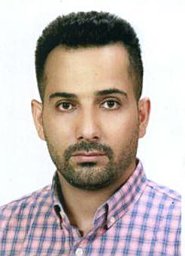 Abolfazl Taheri合作论文数Hlth Informat Technol Res Ctr, Isfahan Univ Med Sci1
 Mohammad Hossein YektaKooshali合作论文数Med Biotechnol Res Ctr, Guilan Univ Med Sci1
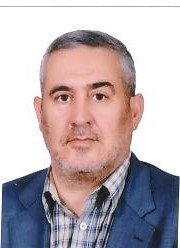 Sharifirad Gholamreza合作论文数School of Health, Isfahan University of Medical Sciences1Hasanzade Akbar合作论文数1Nouri Rasul合作论文数1Atashpour Bahareh合作论文数1
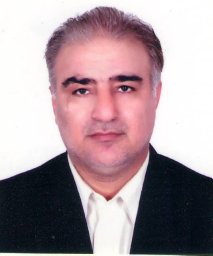 Hasan Siamian合作论文数School of Allied Medical Sciences, Mazandaran University of Medical Sciences1
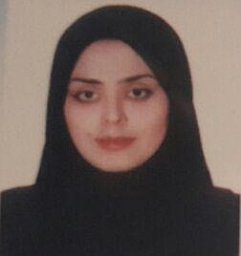 Zohreh Karimi合作论文数Department of Nursing;Midwifery School, Ahvaz Jundishapur University of Medical Sciences;Nursing & Midwifery School, Ahvaz Jundishapur University of Medical Sciences1Mollakhalili Hamideh合作论文数1
 Shabani Ahmad合作论文数School of Psychology and Educational Sciences, Isfahan University1Khalaji Davoud合作论文数1
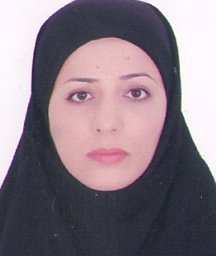 Kobra Aligolbandi合作论文数Faculty of Allied Medical Sciences, Mazandaran University of Medical Sciences1Vahabi Fataneh合作论文数Faculty of Health Services Management and Medical Information Sciences, Isfahan University of Medical Sciences1
 Kolahdouzan Akbar合作论文数Isfahan University of Medical Sciences1
 Mostafa Chadeganipour合作论文数Mycology Lab, Medical Mycology1
 Behzad Zolfaghari合作论文数Isfahan University of Medical Sciences and Health Services1
 Mojtaba Akbari合作论文数School of Medicine, Isfahan University of Medical Sciences;Isfahan Endocrine and Metabolism Research Centre, Isfahan University of Medical Sciences1




