TO THE EDITOR: Successful engraftment of hematopoietic stem cells (HSCs) involves overcoming nonimmunologic barriers that hinder access to the HSC niches in the bone marrow (BM).[1][1],[2][2] Cytotoxic chemotherapy and/or radiation are currently used to reduce these barriers in clinical
Hematopoietic stem cell (HSC) transplantation can replace diseased blood systems with a healthy one, thereby treating or curing genetic blood and immune disorders including autoimmune diseases and immunodeficiencies. However, toxic chemotherapy or radiation is necessary to ablate an animal’s existing blood system prior to HSC transplantation, leading to significant morbidity. To accomplish safer blood-system replacement we developed a combination of six monoclonal antibodies to safely and specifically deplete the HSCs, T cells and NK cells of immune-competent mice. Remarkably, immunologically-foreign (allogeneic) HSCs mismatched at half or all the MHC genes could engraft these antibody-treated mice, generating donor blood systems that stably co-existed with host blood cells. These chimeric immune systems were immunologically tolerant to heart tissue from the HSC donor, providing a safe platform for HSC transplantation as a means to solid organ transplantation. The ability to transplant MHC -mismatched HSCs without chemotherapy or radiation has significant ramifications for regenerative medicine.
Hematopoietic cell transplantation can correct hematological and immunological disorders by replacing a diseased blood system with a healthy one, but this currently requires depleting a patient's existing hematopoietic system with toxic and non-specific chemotherapy, radiation, or both. Here we report an antibody-based conditioning protocol with reduced toxicity and enhanced specificity for robust hematopoietic stem cell (HSC) transplantation and engraftment in recipient mice. Host pre-treatment with six monoclonal antibodies targeting CD47, T cells, NK cells, and HSCs followed by donor HSC transplantation enabled stable hematopoietic system reconstitution in recipients with mismatches at half (haploidentical) or all major histocompatibility complex (MHC) genes. This approach allowed tolerance to heart tissue from HSC donor strains in haploidentical recipients, showing potential applications for solid organ transplantation without immune suppression. Fully mismatched chimeric mice developed antibody responses to nominal antigens, showing preserved functional immunity. These findings suggest approaches for transplanting immunologically mismatched HSCs and solid organs with limited toxicity.
Interleukin-2 (IL-2) is a cytokine required for effector T cell expansion, survival, and function, especially for engineered T cells in adoptive cell immunotherapy, but its pleiotropy leads to simultaneous stimulation and suppression of immune responses as well as systemic toxicity, limiting its therapeutic use. We engineered IL-2 cytokine-receptor orthogonal (ortho) pairs that interact with one another, transmitting native IL-2 signals, but do not interact with their natural cytokine and receptor counterparts. Introduction of orthoIL-2Rβ into T cells enabled the selective cellular targeting of orthoIL-2 to engineered CD4+ and CD8+ T cells in vitro and in vivo, with limited off-target effects and negligible toxicity. OrthoIL-2 pairs were efficacious in a preclinical mouse cancer model of adoptive cell therapy and may therefore represent a synthetic approach to achieving selective potentiation of engineered cells.
Hematopoietic stem cell (HSC) transplantation can cure diverse diseases of the blood system, including hematologic malignancies, anemias, and autoimmune disorders. However, patients must undergo toxic conditioning regimens that use chemotherapy and/or radiation to eliminate host HSCs and enable donor HSC engraftment. Previous studies have shown that anti-c-Kit monoclonal antibodies deplete HSCs from bone marrow niches, allowing donor HSC engraftment in immunodeficient mice. We show that host HSC clearance is dependent on Fc-mediated antibody effector functions, and enhancing effector activity through blockade of CD47, a myeloid-specific immune checkpoint, extends anti-c-Kit conditioning to fully immunocompetent mice. The combined treatment leads to elimination of >99% of host HSCs and robust multilineage blood reconstitution after HSC transplantation. This targeted conditioning regimen that uses only biologic agents has the potential to transform the practice of HSC transplantation and enable its use in a wider spectrum of patients.
 Akanksha Chhabra合作论文数5
 Judith Shizuru合作论文数Pediatrics Department, Stanford University5
 Irving Weissman合作论文数Department of Developmental Biology, Stanford University;Department of Biology and Neurosurgery, Stanford University;Department of Pathology, Stanford University4Hye-Sook Kwon合作论文数3George Benson M合作论文数3Cassandra E. Burnett合作论文数2
 Angela Chen合作论文数University of California2
 Jessica Poyser合作论文数2
 Kyle Loh合作论文数Department of Developmental Biology, School of Medicine, Stanford University;Institute for Stem Cell Biology & Regenerative Medicine, Stanford University;Center for Biological Threats & Special Pathogens, Robert Koch Institute2serena tseng合作论文数1Stephanie L. Silveria合作论文数1Susan S Prohaska合作论文数1HOLLIS R P合作论文数1Brenda J Velasco合作论文数1
 Malachia Hoover合作论文数1Matthew Tiffany合作论文数1
 Po-Yi Ho (何柏毅)合作论文数Center for Interdisciplinary Studies, School of Science, Westlake University;School of Life Sciences, Westlake University1
 Sydney R. Gordon合作论文数Stanford Univ, Inst Stem Cell Biol & Regenerat Med, Sch Med, Stanford, CA 94305 USA1
 Lora K Picton合作论文数Dept Mol & Cellular Physiol, Stanford Univ1Wendy W Pang合作论文数1
 Aaron Ring合作论文数Translational Science and Therapeutics Division, Fred Hutch;Immunotherapy Integrated Research Center, Fred Hutch;Ariax Bio;Stipple Bio;Seranova Bio;Simcha Therapeutics1
 Chris Garcia合作论文数Department of Molecular and Cellular Physiology, School of Medicine, Stanford University;Howard Hughes Medical Institute1Kipp Weiskopf合作论文数Inst Stem Cell Biol & Regenerat Med, Stanford Univ1
 Jonathan T. Sockolosky合作论文数Department of Bioengineering and Therapeutic Sciences, University of California1
 Donald Kohn合作论文数Department of Microbiology, Immunology and Molecular Genetics, David Geffen School of Medicine, University of California, Los Angeles;Broad Stem Cell Research Center, University of California, Los Angeles1Volkmer Jens合作论文数1Chris King合作论文数1
 Eleonora Trotta合作论文数Diabetes Center, University of California San Francisco1
 David Baker合作论文数Institute for Protein Design, University of Washington;Department of Biochemistry, University of Washington1
 Leah V. Sibener合作论文数University of Chicago, University of Chicago1Schnorr Peter J合作论文数1
 Jeffrey Bluestone合作论文数School of Medicine, University of California, San Francisco;Helen Diller Family Comprehensive Cancer Center, University of California, San Francisco1
 Antoni Ribas合作论文数Jonsson Comprehensive Cancer Center;Parker Institute for Cancer Immunotherapy Center, University of California Los Angeles1Keri Tate合作论文数1
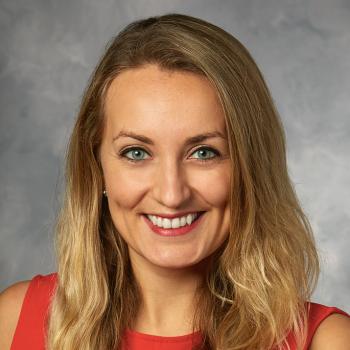 Agnieszka Czechowicz合作论文数Pediatrics Department, Stanford University School of Medicine;Division of Hematology, Oncology, Stem Cell Transplantation and Regenerative Medicine. Stanford University School of Medicine1Leon Su合作论文数1Giulia Parisi合作论文数Facoltà di Medicina e Chirurgia Papardo, Università degli studi di Messina1
 Kevin M Jude合作论文数Howard Hughes Medical Institute, Stanford University;Department of Molecular & Cellular Physiology, Stanford University1
 Aaron Logan合作论文数School of Medicine, University of California, San Francisco1




