This study aims to analyze the association of perceived benefits and perceived risks with attitude, subjective norms, perceived behavioral control, and the association of payment preference with purchase intention for arachnid-based foods. A correlational and non-experimental design was used to collect data from 331 consumers. To test the statistical significance of the associations, a multivariate technique was employed. It used the Behavioral Reasoning Theory (BRT) in the theoretical framework. Perceived benefit (0.706) and perceived risks (-0.140) have a significant association with attitude; perceived benefit (0.537) and perceived risks (-0.189) have a significant association with subjective norms. Attitude (0.319), subjective norms (0.418) and payment preference (0.171) have a significant association with purchase intention. These outcomes highlight the valuable contribution to firms that sell arachnid-based foods by explaining the factors that can be influenced to increase customer intention. The current research offers practical insights for managers and company owners to develop more effective marketing strategies and to emphasize the benefits of these products. This study is one of the few carried out in emerging countries and the first to integrate BRT as a supporting theoretical framework.
In many Western cultures, trying to make others feel better is considered critical for psychological health and social relationships. However, given that people think about emotions and relationships differently across cultures, the desirability, means, and benefits of making others feel better may also vary by culture. In two multicountry survey studies (Study 1: N = 3,154, 13 countries; Study 2: N = 3,503, 17 countries) and in a daily dairy study (Study 3: N = 243, 2 countries), we assessed motivation and strategies used for influencing others' and one's own emotions. To test whether potential cross-cultural differences in motivation and strategies in emotion regulation are unique to social interactions, we compared cultural differences in making others feel better to making oneself feel better. Across studies, cultural differences in influencing others' emotions were greater than those in influencing one's own emotions. Members of more individualist (vs. collectivist) cultures were more motivated to make others (but not themselves) feel better, were more likely to express care and less likely to encourage others to suppress their emotions or to ruminate. These patterns, in turn, were linked to an index of relationship closeness in an individualist (but not a collectivist) culture. These findings suggest that helping others feel better may not be equally desirable across cultures.
OBJECTIVES:To describe long-term trends in mortality attributed to community-acquired pneumonia (CAP) in Chile from 1990 to 2021, stratified by age group, and to evaluate associations with selected socioeconomic and demographic indicators. STUDY DESIGN:Ecological, observational, longitudinal study using national secondary data. METHODS:CAP mortality rates were analyzed for the total population and by age group. Associations with the Human Development Index (HDI), poverty rate, aging index, and life expectancy at birth were examined using a hierarchical analytical approach. This included Spearman's rank correlation for initial exploration, multivariable linear regression to assess adjusted associations, and Prais-Winsten generalized least squares regression to account for first-order autocorrelation and shared temporal trends. Stationarity was evaluated using augmented Dickey-Fuller tests, with supplementary analyses using first-differenced variables. Missing data were imputed using time-based regression or interpolation, with sensitivity analyses performed. RESULTS:CAP mortality declined substantially across all age groups over the study period. Strong bivariate correlations were observed between mortality and all socioeconomic indicators; however, these associations were attenuated after adjustment for confounding and temporal autocorrelation. In multivariable and time-series models, HDI and the aging index remained significantly associated with CAP mortality in children (0-9 years) and older adults (≥65 years), whereas associations in intermediate age groups were not robust after accounting for shared secular trends. Poverty and life expectancy did not demonstrate independent associations in adjusted models. CONCLUSIONS:CAP mortality in Chile has decreased markedly over the past three decades. Associations with socioeconomic indicators are strongest at the extremes of age and persist after accounting for temporal structure, although the ecological design precludes causal inference. These findings highlight the importance of considering demographic and socioeconomic context in population-level analyses of infectious disease outcomes.
Purpose This study aims to evaluate the effect of sensory marketing and service quality on satisfaction, loyalty and repurchase intentions in this context. Design/methodology/approach The study used a correlational, non-experimental approach and collected data from 315 consumers. To evaluate the significance of the effect, the multivariate analysis was used. It integrates the SOR model and service-dominant logic in the theoretical framework. Findings The outcomes indicate that sensory marketing, based on visual, auditory, tactile, and olfactory components, has an effect on service quality (ss = 0.786; p < 0.001). Service quality has an effect on satisfaction (ss = 0.801; p < 0.001), loyalty (ss = 0.310; p < 0.001) and repurchase intention (ss = 0.289; p < 0.001). These outcomes highlight the valuable contribution of sensory marketing in explaining the quality of service, which ultimately influences satisfaction, loyalty, and continued food purchases at convenience stores. Originality/value This research provides practical insights for food convenience store managers, highlighting the significance of sensory marketing management and its crucial role in influencing customers' likelihood to repurchase.
Background Mpox arrived in Latin America and quickly began to replicate, so it is important to measure the concern it generates among residents. The study aims to assess whether country or other factors are associated with concern about mpox infection in Latin America. Methods The study uses a cross-sectional, multicenter design. Sampling was conducted using non-random snowball sampling. From August to September 2022, concern about being infected with mpox was assessed using a previously validated questionnaire (Cronbach's Alpha: 0.85); it was divided into nine countries and other social variables. Results From 1404 respondents, the majority of respondents were female (60.3%) and young (median age 25 years); also, a few reported that it was a significant problem (6% almost all the time and 11% often) and were concerned (6% almost all the time and 11% often) about the possibility of mpox infection. In multivariate analysis, men (aPR: 0.85; 95% CI: 0.73-0.99; p-value=0.046), younger (aPR: 0.98; 95% CI: 0.97-0.99; p-value<0.001), single (aPR: 0.78; 95% CI: 0.62-0.99; p-value=0.042) and, compared to Peru, those living in Colombia (aPR: 0.75; 95% CI. 0.58-0.97; p-value=0.027) and Costa Rica (aPR: 0.65; 95% CI: 0.44-0.96; p-value=0.032) reported the lowest concern; also, Bolivia (aPR: 1.16; 95% CI: 0.94-1.43; p-value=0.176) and Honduras (aPR: 1.01; 95% CI: 0.80-1.27; p-value=0.943) reported that their concerns tend to be higher. Conclusions There were evident differences across respondents' countries; these baseline results show that the first report was made in many countries that were also significantly affected by mpox and now face a new epidemic threatening public health.
BACKGROUND:Climate change is an undeniable reality that is increasingly discussed globally. While eco-anxiety has been extensively studied in Europe and other developed countries, there is a lack of data from Latin America. AIMS:To identify and describe the factors associated with eco-anxiety in Latin America. METHOD:A cross-sectional, multicenter study used a validated scale to measure eco-anxiety, adjusted for sex, age, education level, and country of residence. Descriptive and analytical statistics were employed to interpret the data. Among 3,320 participants, a significant portion expressed eco-anxiety, particularly when it was mentioned to affect an important place, interfere with concentration, disrupt work or studies, or cause difficulty sleeping (12%, 5%, 3%, and 3% strongly agreed with these statements, respectively). RESULTS:Multivariate analysis revealed higher scores of eco-anxiety in Argentina (aRP: 2.06; 95% CI [1.45, 2.94]; p < 0.001), Colombia (aRP: 1.66; 95% CI [1.21, 2.29]; p = 0.002), and Ecuador (aRP: 1.40; 95% CI [1.01, 1.94]; p = 0.042). Conversely, eco-anxiety was lower among men (aRP: 0.88; 95% CI [0.81, 0.96]; p = 0.003) and those with postgraduate education (aRP: 0.72; 95% CI [0.59, 0.88]; p = 0.001), after adjusting for age. CONCLUSIONS:This is the first large-scale study to report significant eco-anxiety in Latin America, which is linked to factors such as country of residence, sex, and educational level.
Since the cold war, the population have not felt so much fear about the outbreak of the Third World War, sensation revived with the conflict between Russia and Ukraine. The aim is to validate a test in Latin America that measures fear perception and concern about a world war. It is an instrumental study using Google Forms. It obtained 1684 participants in eight countries in Latin America. The creation of the first instrument was based on previous questionnaires that measured fear in the face of unexpected events, and other specific questions were added in the context of the war. Subsequently, the entire validation process was carried out. It was calculated the values of skewness, kurtosis, and communalities. Exploratory factor analysis showed that two factors were generated, confirmed by the Kaiser–Meyer–Olkin test (KMO = 0,962) and Barlett’s test (19558.5; df = 78; p = 0.000). Confirmatory factor analysis yielded seven items in two factors (χ2 = 139,85, df = 13, p = 0.001; RMR = 0.050; GFI = 0.980; CFI = 0,990; TLI = 0.980; and RMSEA = 0.080). The global Cronbach’s alpha = 0.92 (for factor 1 = 0.98, and factor 2 = 0.88). The final instrument with seven questions allows to measure adequately general fear (factor 1), and physical and mental repercussions due to the possibility of the outbreak of a world war (factor 2).
Introduction:Severe anxiety, stress, and depression can cause a significant problem, which affects the response to everyday situations and has an impact on life satisfaction; however, there are no published studies that evaluate this situation in Latin America. The aim of the study was to evaluate the association between severe anxiety, stress, and depression according to life satisfaction in Latin American residents. Methods:A cross-sectional, analytical, and multicenter study was conducted in Latin American countries, analyzing a database of people surveyed virtually. Anxiety, depression, and stress were measured with the DASS-21 test (Cronbach's alpha: 0.97) and life satisfaction with the SWLS test (Cronbach's alpha: 0.89). Descriptive and analytical statistics were obtained. Results:Of 2,002 respondents, 28% presented dissatisfaction with life, of which 34%, 25%, and 19% suffered from anxiety, depression, and anxiety in severe degrees, respectively. In the multivariate analysis, greater dissatisfaction with life was found in people with severe degrees of depression (PRa: 4.22; 95% CI: 3.14-5.67; p value <0.001), anxiety (PRa: 2.25; 95% CI: 2.04-2.48; p value <0.001), and stress (PRa: 2.77; 95% CI: 2.27-3.37; p value <0.001). Conclusion:The three severe states showed significant statistical correlations with life dissatisfaction, a factor that had not been previously measured in such a large population following the pandemic a few years ago. Health institutions in each country must consider this.
New digital technologies are changing how firms conduct business, and developing digital capabilities is becoming increasingly crucial for resource-constrained firms in emerging markets to remain competitive upon digital disruption. However, despite this recognized necessity, there is still a limited understanding of the factors driving the development of digital capabilities in these firms, given the difference in the success rates of digital technology implementation. Employing a multi-study approach involving a quantitative survey, this work conceptualizes the development of digital capabilities in small and medium enterprises (SMEs). It validates and proposes a multi-item measurement scale (ORGDIGCAP) for assessing digital capabilities in SMEs. The scale proposes three dimensions: learning, adoption, and integration of digital technologies. However, the adoption dimension was not relevant in measuring digital capabilities. Using data from 137 SMEs in Mexico, we test the direct relationship between firm digital capabilities and digital agility and their indirect relationship through the mediating mechanism of digital strategy. Our findings provide insights into the role of digital capability advancement and digital strategy formulation in fostering digital agility for the competitiveness of SMEs in the digital age. This study contributes to understanding the key drivers of digital capability development in emerging market SMEs. It highlights the essential measures these businesses must take to succeed in the current unpredictable digital marketplace.
There is still much resistance, myths, beliefs, and misconceptions regarding the seeking of mental health services for diagnosis and treatment. The objective was to validate an instrument to determine why Peruvian workers would not seek mental health professionals. In an instrumental study, literature was searched, and mental health professionals were asked about the most common reasons for not attending consultations. An expert panel undertook exploratory and confirmatory factor analyses (CFA), which were applied to a large population. Descriptive and instrumental statistics were used for the data. The 20 experts gave excellent ratings to the initial questions. In the pilot (250 people), it was confirmed that all questions had saturations >0.40. The item modification technique was also performed, eliminating six questions. With the CFA in 1312 respondents, it was seen that the goodness-of-fit indices were not adequate for three questions, then the index modification technique was used, achieving a satisfactory factorial structure model (χ2 = 61.497; df = 9; p < 0.001; RMR = 0.015; TLI = 0.984; CFI = 0.990, and RMSEA = 0.067). A scale of six questions was validated to measure the most important reasons why Peruvian workers do not want to attend mental health consultations.
Purpose - This study aims to investigate the impact of service quality and customer satisfaction on loyalty and repurchase intentions in this context. Design/methodology/approach - The study employed a correlational and non-experimental approach, collecting data from 454 consumers to ensure robust insights into consumer behavior. A multivariate analysis was employed to evaluate the proposed model, revealing significant relationships between the studied variables. Findings - The results suggest that service quality shows a strong positive effect on satisfaction (beta = 0.616; p < 0.001). Furthermore, satisfaction has a significant effect on customer loyalty (beta = 0.782; p < 0.001) and repurchase intentions (beta = 0.641; p < 0.001). These results underscore the pivotal role of service quality in enhancing customer satisfaction, which, in turn, promotes loyalty and encourages repeat business. Originality/value - This research offers actionable insights for food convenience store managers, emphasizing the importance of prioritizing service quality as a strategic approach. The study contributes by providing empirical evidence of the interconnected dynamics between service quality, satisfaction, and consumer behavior, highlighting their importance in a rapidly evolving retail environment.
The footwear industry, like other industries, is focused on attracting and keeping more customers and needs to know if green efforts are useful to achieve this. For this reason, this study aims to evaluate the impact of green marketing on brand value and economic, environmental and social sustainability. Using a quantitative and correlational design approach, data was collected from 363 footwear consumers through a structured questionnaire and data was analyzed using the partial least squares structural equation modeling technique. Green product (0.157), green promotion (0.156) and green place (0.605) showed a positive and significant effect; also, brand value showed a positive and significant effect on economic sustainability (0.809), environmental sustainability (0.700) and social sustainability (0.553). These findings suggest that incorporating green practices into product offerings, promotional efforts, and distribution channels not only enhances brand value but also contributes to achieving sustainability goals. This research provides valuable insights for companies seeking to integrate sustainability into their business strategies and attract environmentally conscious consumers.
Genetically modified (GM) foods are frequently recognized as an essential source of world food supply, linked to Sustainable Development Goal (SDG) 2: Zero hunger. However, several aspects of the risks and benefits of consuming GM foods have not yet been fully clarified. It is necessary to have the most relevant information to have more accurate legislation that benefits the population. The current research aimed to develop a bibliometric analysis; it also used VOSviewer visualization software to show the evaluation of publications indexed in the Scopus database focused on GM foods and consumers between 1999 and 2023. 979 documents were evaluated. The United States was recognized as the most productive (988 articles); however, Universiteit Gent was the institution with more publications (22), and the European Commission was the funding sponsor with more publications (19). The top institutions originated are from USA, UK, China, Italy and Germany. Nature Biotechnology was the journal with more articles published (28 articles). The study allows for gathering information that helps companies to improve the supply of GM foods and help regulators to generate policies and laws according to scientific evidence.
The Sustainability Editorial Office retracts the article “Prediction of Consumption of Local Wine in Italian Consumers Based on Theory of Planned Behavior” [...]
Background: climate change is a reality, and more and more people are becoming aware of this global problem, which has generated anxiety in some populations. To validate a short survey to assess eco-anxiety in adults in South America. Methods: It is an instrumental study, and the validation was based on a previous survey, which had six questions and was generated by 217 respondents in the USA in 2021. These questions were subjected to a validation process with expert judgment, pilot and application, and then statistics were obtained. It was validated with 1907 people in six countries in South America, where the mean, standard deviation, skewness and kurtosis were adequate. Results: The initial confirmatory factorial model obtained unsatisfactory goodness-of-fit indices, so the indices were modified through a re-specification, where two items were eliminated, after which adequate values were obtained (χ2 = 22.34, df = 2, p = 0.00; RMR = 0.020; GFI = 0.990; CFI = 0.990; TLI = 0.990; and RMSEA = 0.070). Finally, the overall Cronbach’s α was calculated to be 0.88 (95% CI = 0.86–0.89). Conclusions: The test was validated in a large South American population and found that only four questions can efficiently measure anxiety about the effects of climate change. The instrument can be used with other tests to screen different age groups, ethnicities and realities.
Peru reported the second-highest COVID-19 cases in Latin America, after Brazil. The first COVID-19 wave occurred between March–December 2020, and the second occurred between January–September 2021. The differences between these waves remain largely unknown, and there is no comparison between them in Peru. We evaluated the variation in the clinical and epidemiological components of COVID-19-affected patients in both waves in northern Peru by a retrospective study using the clinical follow-up database of Lambayeque and the epidemiological notification form database of NotiWeb. The COVID-19-associated factors during the two waves were determined using simple and multiple regression analysis, and the prevalence ratio (PR) was estimated. During the second wave of COVID-19, there was an increase in cough symptoms in 12.1%, odynophagia in 5.0%, and chills in 16.0% compared with the first wave. The second wave was marked by a higher proportion of affected adolescents and children and a greater percentage of respiratory symptoms than the first wave.
Introduction Isolation of people needs significant support, potentially impacting their mental well-being for future assignments. Objective This study aimed to examine whether the military institution or other factors were associated with changes in the mental health of Peruvian navy and army personnel in Antarctica. Methods The exploratory study employed a prospective cohort design, conducting surveys at two different points during the trip. Various factors such as stress, anxiety, depression (measured using DASS-21), and post-traumatic stress (measured using SPRINT-E) were assessed, alongside other variables. Results The outcomes indicated noteworthy changes in the participants' scores. Specifically, stress scores increased among navy personnel but decreased in the army. Moreover, anxiety scores decreased among those with previous trips and increased among those without. Additionally, anxiety scores remained stable in the navy but decreased in the army. Furthermore, depression scores increased in the navy and decreased in the army. The study also found that older age was associated with higher post-traumatic stress scores. Additionally, post-traumatic stress scores decreased among those with technical studies and increased among those with university studies. Conclusion The exploratory findings suggest that the institution to which the personnel belonged and other characteristics of the delegations may be linked to changes in the scores of the evaluated mental health factors. These findings could offer valuable insights for future delegations facing similar conditions. Future studies should increase the sample size to allow for a more detailed analysis of the effects and to enhance the generalizability of the findings.
ABSTRACTThe current study evaluated factors that explain green entrepreneurship intention (GEI) among 407 university students in Chile, who were presented with an online questionnaire. Thirty-nine questions evaluated their GEI, and the data was analysed using multivariate techniques. Results showed thatconcept development support (CDS), business development support (BDS) and academic training support (ATS) had a positive effect on institutional support (IS). Country support (CS) had a positive effect on self-efficacy (SE). IS did not have a positive effect on SE. Finally, SE had a positive effect on GEI. The model explained 25.3% of GEI. Bootstrapping led support to these results. The effects of CDS, BDS, ATS, CS and SE were positive and significant. Recognizing which factors have a significant effect can be useful to devise university programs aiming to enhance GEI among university students. The results of this paper may provide useful indications about future entrepreneurship and possibly suggest ways in which students’ participation in private companies may create successful green products and services.
 Shyla Del-Aguila-Arcentales合作论文数Peru80
 Jaime A Yanez合作论文数College of Pharmacy, Washington State University77
 Maria de las Mercedes Anderson-Seminario合作论文数51
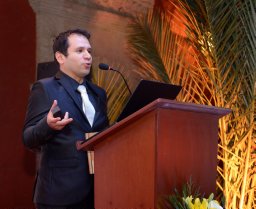 Mejia Christian R合作论文数Escuela de Medicina, Universidad Peruana de Ciencias Aplicadas25
 Marc Rosen合作论文数Department of Mechanical and Manufacturing Engineering, Faculty of Engineering and Applied Science, University of Ontario Institute of Technology18
 Berdy Cuya合作论文数13Romina Gómez-Prado合作论文数13Santiago Diaz-Risco合作论文数12
 Neal Davies合作论文数Faculty of Pharmacy & Pharmaceutical Sciences, University of Alberta12Alfredo Estrada-Merino合作论文数Fac Ciencias Empresariales & Econ, Univ Lima11Sharon Esquerre-Botton合作论文数10Luigi Leclercq-Machado合作论文数Fac Ciencias Empresariales & Econ, Univ Lima10
 Mercedes Rojas-Osorio合作论文数Escuela Posgrad, Univ San Ignacio Loyola9Jorge Sánchez-Palomino合作论文数8
 Micaela Jaramillo合作论文数8Myreya De-La-Cruz-Diaz合作论文数8Sarahit Castillo-Benancio合作论文数8
 Jaime Delgado-Zegarra合作论文数8
 Mauricio Carvache Franco合作论文数Universidad Espíritu Santo Ecuador8
 Chandra Sekar合作论文数Division of Gastroenterology, University of Alabama at Birmingham8Sabina Mlodzianowska合作论文数7
 Mario Josue Valladares Garrido合作论文数7
 Stephen X. Zhang合作论文数7Marián Arias-Meza合作论文数7
 Flavio Morales-Rios合作论文数7
 Victor Serna合作论文数Escuela Profesional de Medicina Humana, Universidad Privada Antenor Orrego7
 Asghar Afshar Jahanshahi合作论文数Graduate Business School, Pontificia Universidad Católica del Perú7Luis Juarez-Rojas合作论文数6Nilda Campos-Dávalos合作论文数6Brenda Rojas Román合作论文数6
 Veronica Garcia-Ibarra合作论文数6Corina Vera-Gonzales合作论文数6
 Orly Daniel Carvache-Franco合作论文数Facultad de Especialidades Empresariales, Universidad Católica de Santiago de Guayaquil6
 Wilmer Carvache Franco合作论文数Escuela Superior Politécnica del Litoral, ESPOL6Stephanie Moscoso合作论文数5Diego Villalobos-Alvarez合作论文数5Carlos Alberto Arenas-Chavez合作论文数Dept Acad Biol, Univ Nacl San Agustin Arequipa5Sun Ah Chung合作论文数5
 Martin Arturo Vilela合作论文数Escuela Profesional de Medicina Humana, Universidad Privada Antenor Orrego5
 Oscar Mamani-Benito合作论文数Facultad de Derecho y Humanidades, Universidad Señor de Sipán5
 Raquel Chafloque-Céspedes合作论文数Universidad de San Martin de Porres;Universidad de San Martin de Porres5
 Jizhen Li (李纪珍)合作论文数Department of Innovation, Entrepreneurship and Strategy, School of Economics and Management, Tsinghua University;Research Center of Technological Innovation, School of Economics and Management, Tsinghua University5Bianca Limpias Terceros合作论文数4Luis Mayo-Alvarez合作论文数4Camila Almanza-Cruz合作论文数4Marco Calle-Nole合作论文数4
 Jose Armada合作论文数4
 Virgilio Failoc-Rojas合作论文数4




