BACKGROUND:Conduction disturbances requiring permanent pacing frequently complicate transcatheter aortic valve replacement (TAVR). The understanding of mechanisms causing conduction block is incomplete. OBJECTIVE:This study aimed to characterize the acute and delayed electrophysiological (EP) effects of TAVR on the atrioventricular (AV) conduction system. METHODS:We conducted a single-center prospective cohort study of 409 patients undergoing TAVR. All patients underwent 12-lead electrocardiography and EP study (EPS) immediately before and after valve implantation, with continuous electrocardiography and EP monitoring during the TAVR. 7 patients with AV block underwent repeat EPS 1-12 days after TAVR. RESULTS:TAVR was associated with significant prolongation of sinus cycle length, atrio-His and His-ventricular (HV) intervals, and Wenckebach cycle length (all P < .0001). Transient AV-nodal conduction block occurred in 8% of patients with intraprocedural AV block and 12% with postprocedural block. Infranodal block occurred in 57 patients, but resolved in 41 by the end of the procedure. Marked HV interval prolongation (>100 ms) without conduction block occurred in 6.4% of patients during TAVR. Intra-His Wenckebach-type block occurred in 9 patients. In 7 patients with follow-up EPS 1-12 days after TAVR, improvement or resolution of AV-nodal and infranodal conduction abnormalities was seen in all. CONCLUSION:Peri-TAVR conduction disturbances may involve both the AV node and His bundle. The usual parameters indicating need for permanent pacing (marked HV prolongation) do not apply to TAVR patients. Distinguishing nodal from infranodal involvement can inform prognosis, anticipated recovery, and pacemaker decision making, particularly given that many conduction abnormalities resolved within 2-4 weeks, supporting a refined post-TAVR risk stratification strategy. CLINICALTRIALS: GOV IDENTIFIER:NCT04982406.
Importance:Transcatheter aortic valve replacement (TAVR) to treat aortic stenosis is complicated by heart block requiring permanent pacemaker implantation in at least 10% of cases. Objectives:To better understand mechanisms underlying heart block complicating TAVR and improve prediction of intraprocedural and delayed heart block. Design, Setting, and Participants:This cohort study was conducted at a single academic medical center in Boston, Massachusetts, from May 2021 to January 2024 among all patients undergoing TAVR, except those with preexisting pacemakers. A total of 409 consecutive patients undergoing TAVR were prospectively studied. An electrophysiologic study was performed at the beginning and end of the TAVR procedure. An electrophysiologist monitored the electrocardiogram (ECG) and His bundle recording continuously during the procedure. Patients were followed up for 1 year. Occurrence of high-grade atrioventricular (AV) block was related to ECG and electrophysiological, anatomic, and procedural variables. Data analysis was performed from March 2023 to May 2025. Exposures:An electrophysiologist monitored the ECG and intracardiac electrograms continuously during the valve implant; patients with preexisting right bundle-branch block (RBBB) or periprocedural conduction abnormalities were discharged with an ECG monitor. Main Outcome and Measures:The primary outcome was Mobitz type II or complete heart block. Results:A total of 409 consecutive patients were enrolled, among whom median (IQR) age was 78.5 (73.1-83.5) years and 182 patients (44.5%) were female. Forty patients (9.7%) developed heart block requiring permanent pacemakers: block developed during the TAVR procedure in 15 patients and after TAVR in 25. Block was persistent in all patients developing block during the TAVR but paroxysmal in 20 of 25 patients with post-TAVR block. Block localized to the AV node during TAVR in 6 cases (all resolved) and in 3 patients (7.5%) with delayed block. In the remaining 9 patients that developed intraprocedural block and 22 patients developing postprocedural block, the block was infranodal. Preexisting RBBB was the only ECG or electrophysiological predictor for intraprocedural block, but preexisting RBBB did not predict postprocedural block. The best predictors of delayed heart block were His-ventricular interval of 80 milliseconds or longer at the end of the implant procedure, PR interval longer than 300 milliseconds, and AV Wenckebach cycle length of 500 milliseconds or longer post-TAVR. Conclusions and Relevance:In this cohort study, the characteristics and mechanisms causing AV block during TAVR differed from delayed block. Both AV nodal and infranodal block contributed to heart block accompanying TAVR procedures.
Background:Differentiating chronic from acute left bundle branch block (LBBB) is useful in various cardiac disorders. Peak QRS/T ratio, a measure of cardiac memory, can differentiate chronic from acute LBBB with high sensitivity and specificity, but its utility in post-transcatheter aortic valve replacement (TAVR) patients with LBBB is unclear. Objective:This study aimed to validate the QRS/T ratio for differentiating chronic/acute LBBB in post-TAVR patients and assess whether the spatial ventricular gradient (SVG), which integrates 3-dimensional depolarization/repolarization throughout the cardiac cycle, could also distinguish chronic from acute LBBB. Methods:This was a post hoc analysis of a prospective, observational, single-center TAVR study. After TAVR, patients were classified as acute (new <24 hours) or chronic/preexisting LBBB. Electrocardiograms were transformed into vectorcardiograms, and peak QRS/T ratio and SVG were calculated. Sensitivity, specificity, and area under the receiver-operating curve (AUROC) assessed how QRS/T ratio and SVG differentiated chronic from acute LBBB. Results:Of 409 patients, 21 had preexisting, and 53 had acute/new LBBB. Patients with chronic LBBB had a higher peak QRS/T ratio than patients with acute LBBB (median 3.8 vs 2.2; P < .0001). 3-dimensional SVG vectors significantly differed between chronic and acute LBBB (joint P < .0001), due to differences in the anterior/posterior (Z) direction, (SVGz): median 43.4 vs -14.2 mV·ms, P < .0001, for chronic vs acute LBBB, respectively. A peak QRS/T ratio of ≥2.7 and an SVGz of ≥15 mV·ms had 100% sensitivity, 98.1% specificity, and an AUROC of 0.991 for chronic LBBB. Over long-term follow-up, patients transitioned from acute to chronic LBBB vectorcardiographic phenotype. Conclusion:Peak QRS/T ratio and SVG differentiate chronic from acute LBBB in post-TAVR patients with 100% sensitivity, 98% specificity, and an AUROC of 0.99.
Background:Cardiac resynchronization therapy (CRT) improves systolic heart failure (HF) outcomes, but many patients do not benefit. Improved methods for identifying patients likely to benefit from CRT are needed. The spatial ventricular gradient (SVG) is a vectorcardiographic measure of myocardial electromechanical heterogeneity that is associated with incident HF. The relationship between SVG and CRT response is unknown. Objective:This study aimed to investigate associations between SVG and CRT response. Methods:Retrospective analysis of patients presenting for clinically-indicated CRT implant in 2015-2022. Pre-CRT electrocardiograms (ECGs) were transformed into vectorcardiograms (VCGs), and SVG vector X, Y, and Z components were calculated as areas under the X, Y and Z VCG QRST complexes, respectively. SVG magnitude (SVGmag) was calculated as SVG vector length. CRT response, defined as left ventricular ejection fraction (LVEF) increase ≥10% post-CRT, was assessed using multivariable logistic regression. Results:Among 162 patients (median age 68 years, 62% male, 76% non-ischemic HF, median LVEF 26%, median QRS duration 162ms, 89% left bundle branch block), 69% had CRT response. After adjustment, larger pre-CRT SVGmag was associated with higher odds of CRT response: adjusted odds ratio (ORadj) 1.78 per 1 standard deviation increase, P = .009. Predicted probabilities of CRT response ranged between ∼50% for the lowest SVGmag values, to ∼90% for the highest SVGmag values, and patients in the highest pre-CRT SVGmag tertile had and ORadj 4.5, P = .003 for CRT response. Larger post-CRT decreases in SVGmag were also associated with increased CRT response. SVGmag performed better than QRS area for predicting CRT response. Conclusion:SVGmag is independently associated with CRT response and warrants prospective study.
Background: Postablation pericarditis (PAP) can occur after pulmonary vein isolation (PVI) using radiofrequency ablation (RFA). Pulsed-field ablation (PFA) PAP is anticipated to be lower based on its nonthermal nature and initial studies. Objective: We aimed to evaluate the incidence of PAP after PFA and compare this with rates of RFA PAP. Methods: We prospectively identified cases of PAP in 322 patients who underwent PFA PVI ablation between April 2024 and December 2024 and 1750 patients who underwent RFA PVI between January 2022 and December 2024. Logistic regression was used to assess factors associated with PAP. Results: Acute pericarditis occurred in 14 PFA patients and 60 RFA patients (4.3% vs 3.4%, P = .41). Median time to PAP presentation was 4 days for PFA and 1 day for RFA (P = .12). For PFA, symptoms were remotely managed in 50% of cases and via unplanned outpatient evaluation in 36% of cases. There was no significant difference in triage strategies or the need for a revisit owing to persistent symptoms between energy types. For treatment of PAP, colchicine alone was used more frequently, and both steroids and acetaminophen alone were used less frequently after RFA compared with PFA, although these differences were not statistically significant. After adjustment, female sex and obstructive sleep apnea were associated with an increased risk of PAP, whereas having a previous ablation and older age decreased this risk. Conclusion: Rates of PFA PAP are higher than initially estimated and similar to RFA PAP, with similar risk factors.
BACKGROUND Catheter ablation is an effective therapy for ventricular tachycardia (VT) and is increasing in use. Assessment of contemporary real-world outcomes of VT ablation requires data inclusive of both inpatient and outpatient encounters. OBJECTIVE We aimed to assess factors associated with 1-year in-hospital mortality, all-cause readmission, and recurrent readmission for VT after VT ablation along with the associated costs of care. METHODS Inpatient and outpatient VT ablations were captured in the Healthcare Cost and Utilization Project data in Florida, Maryland, and New York from 2016 to 2020 with 1-year follow-up through 2021. Cox proportional hazards regression was used to identify risk factors associated with 1-year in-hospital mortality, all-cause readmission, and recurrent VT readmission. Costs of inpatient cases and readmission were captured. RESULTS Of 3899 patients undergoing VT ablation, 2% died during the initial episode of care. The 1-year in-hospital mortality rate, all-cause readmission rate, and recurrent VT readmission rate were 6.8%, 43.4%, and 16.9%, respectively, and were broadly stable during the study period. Coronary artery disease, chronic kidney disease, and heart failure were independently associated with an increased risk of in-hospital mortality and all-cause readmission within 1 year (P < .05). Recurrent VT was the most common cause of readmission. All-cause readmissions increased costs by 55%. CONCLUSION Mortality, long-term readmission, and recurrent VT remain high after VT ablation and include measurably important costs. Strategies to improve freedom from recurrent VT while managing comorbid conditions may serve as targets for improving the efficacy and cost-effectiveness of an important procedure applied to a vulnerable population.
BACKGROUND:The boundaries of critical isthmuses for re-entrant ventricular tachycardia (VT) are formed by wavefront discontinuities (fixed lines of block, slow propagation, and rotational propagation) seen during baseline rhythm. It is unknown whether wavefront discontinuities can be automatically identified and targeted for ablation using electroanatomic mapping systems. OBJECTIVES:The purpose of this study was to assess the electrophysiologic characteristics of automatically projected wavefront discontinuity lines (WADLs) and outcomes of an ablation strategy targeting WADLs in a mixed cohort of VT patients. METHODS:Late activation substrate maps were analyzed from 1 or more baseline rhythm wavefronts. WADLs were identified using the Carto Extended Early Meets Late module. Number, total length, and distance to critical VT sites were measured. VT recurrence and VT-free survival were followed. RESULTS:In total, 49 patients underwent 52 ablations with 71 unique substrate maps analyzed (18.8% epicardial; 62.0% right ventricular paced, 28.2% sinus rhythm, 9.9% left ventricular paced). A total of 28 VT critical sites were identified in 24 patients. WADLs were present in 49 of 71 (69.0%) maps. WADLs were present regardless of cardiomyopathy etiology, mapping wavefront, or surface. At a WADL threshold of 30%, 73.9% of critical VT sites were in close proximity (≤15 mm) to a WADL. VT-free survival was 62% at 1 year, with a competing risk model estimating a 1-year risk of VT recurrence of 23%. CONCLUSIONS:WADLs can be automatically projected in a majority of patients in a mixed cohort of cardiomyopathy etiology, mapped wavefronts, and myocardial surfaces mapped. Targeting WADLs results in low rate of VT recurrence at 1 year.
BACKGROUND:Myocardial electrical heterogeneity is critical for normal cardiac electromechanical function, but abnormal or excessive electrical heterogeneity is proarrhythmic. The spatial ventricular gradient (SVG), a vectorcardiographic measure of electrical heterogeneity, has been associated with arrhythmic events during long-term follow-up, but its relationship with short-term inducibility of ventricular arrhythmias (VAs) is unclear. OBJECTIVE:This study was designed to determine associations between SVG and inducible VAs during electrophysiology study. METHODS:A retrospective study was conducted of adults without prior sustained VA, cardiac arrest, or implantable cardioverter-defibrillator who underwent ventricular stimulation for evaluation of syncope and nonsustained ventricular tachycardia or for risk stratification before primary prevention implantable cardioverter-defibrillator implantation. The 12-lead electrocardiograms were converted into vectorcardiograms, and SVG magnitude (SVGmag) and direction (azimuth and elevation) were calculated. Odds of inducible VA were regressed by logistic models. RESULTS:Of 143 patients (median age, 69 years; 80% male; median left ventricular ejection fraction [LVEF], 47%; 52% myocardial infarction), 34 (23.8%) had inducible VAs. Inducible patients had lower median LVEF (38% vs 50%; P < .0001), smaller SVGmag (29.5 vs 39.4 mV·ms; P = .0099), and smaller cosine SVG azimuth (cosSVGaz; 0.64 vs 0.89; P = .0007). When LVEF, SVGmag, and cosSVGaz were dichotomized at their medians, there was a 39-fold increase in adjusted odds (P = .002) between patients with all low LVEF, SVGmag, and cosSVGaz (65% inducible) compared with patients with all high LVEF, SVGmag, and cosSVGaz (4% [n = 1] inducible). After multivariable adjustment, SVGmag, cosSVGaz, and sex but not LVEF or other characteristics remained associated with inducible VAs. CONCLUSION:Assessment of electrical heterogeneity by SVG, which reflects abnormal electrophysiologic substrate, adds to LVEF and identifies patients at high and low risk of inducible VA at electrophysiology study.
Atrioventricular conduction abnormalities (AVCA) requiring pacemakers occur in 7-28% of patients (pts) undergoing transcatheter aortic valve replacement (TAVR). Mechanisms and prognosis of AVCA are unclear. Prior studies attribute AVCA primarily to infra-nodal block.
Introduction: Transcatheter aortic valve replacement (TAVR) is complicated by atrioventricular (AV) conduction disturbance in 8-15% of cases. Prior studies have not utilized complete electrophysiology studies (EPS) with continuous recording during TAVR. We sought to better understand the potential utility of intraprocedural electrophysiologic study to identify patients at risk for developing high-grade AV conduction disturbances after TAVR. Hypothesis: Intraprocedural EPS has the potential to identify patients at risk of developing AV conduction block after TAVR. Methods: We conducted a prospective study of TAVR patients at BIDMC between 5/2021-3/2023, excluding those with pre-existing pacemakers/defibrillators. We performed EPS in the cath lab prior to and after valve replacement: atrial pacing to AV block, recording His bundle electrogram (HBE) and RV pacing to assess VA conduction. When possible we recorded the HBE continuously during valve implant. Results: We studied 400 consecutive patients. Forty-three patients (10.8%) received permanent pacemakers (PPMs). Patients receiving PPM had significantly longer post-HV intervals, greater change in HV interval as well as longer AV Wenckebach cycle length after valve replacement. There were no differences in pre-TAVR AV Wenckebach cycle length or VA conduction. Twenty patients (46.5% of all PPMs) were implanted for AV block post discharge, and after adjustment for age, gender, and baseline HV interval, the only predictor of need for post-discharge PPM was peri-TAVR change in HV interval with an adjusted OR of 1.19 per each 10 ms increase. Conclusions: In contrast to prior studies, we have found that EPS at the time of TAVR may have utility in predicting AV conduction disturbances. Larger increases in HV interval and AV block CL were associated with need for PPM. Measuring the peri-TAVR change in HV interval may be useful in predicting late AV block.
Precise localization of the slow atrioventricular nodal pathway (SP) is crucial to safe and successful ablation of atrioventricular nodal re-entrant tachycardia (AVNRT). However, interpatient anatomic variability can limit ablation efficacy and increase risk for heart block. Activation mapping in sinus rhythm using omnipolar technology (OT) can delineate areas of abrupt change in propagation direction, which may reflect connections between fast and slow pathways of the AVN (Fig 1). As such, OT may offer a novel way to identify the SP and guide ablation of AVNRT.
Time-dependent electrical remodeling due to ventricular activation sequence changes (cardiac memory), measured as peak QRS/T ratio, has been used to differentiate acute and chronic LBBB. The association between cardiac memory and the spatial ventricular gradient (SVG), a measure of myocardial global electrical heterogeneity (GEH), is unknown.
 Mark Josephson合作论文数Harvard Medical School;Beth Israel Deaconess Medical Center88
 Waks Jonathan W合作论文数Beth Israel Deaconess Medical Center, Harvard Medical School;Bluhm Cardiovascular Institute, Northwestern University Feinberg School of Medicine;and Division of Cardiology, Hackensack University Medical Center;Northwestern University Feinberg School of Medicine, Hackensack University Medical Center44
 Francis Edward Marchlinski合作论文数Department of Medicine, Perelman School of Medicine, University of Pennsylvania43
 Kerry L. Lee合作论文数Department of Biostatistics & Bioinformatics, School of Medicine, Duke University;Duke Clinical Research Institute30
 Peter J. Zimetbaum合作论文数Beth Israel Deaconess Medical Center25
 Arthur J. Moss合作论文数University of Rochester Medical School24
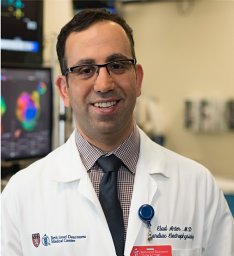 Elad Anter合作论文数Harvard-Thorndike Electrophysiology Institute, Harvard Medical School20
 Daniel B. Kramer合作论文数Beth Israel Deaconess Medical Center, Harvard Medical School, Harvard University20
 Larisa Tereshchenko合作论文数Department of Medicine, Johns Hopkins University School of Medicine20
 Sana Mustapha Al-Khatib合作论文数Department of Medicine, Duke University School of Medicine;Duke Clinical Research Institute, Duke University19
 Alan H. Kadish合作论文数Northwestern University19
 Andre d'Avila合作论文数18
 Elsayed Z Soliman合作论文数School of Medicine, Wake Forest University;Wake Forest Baptist Health17
 Wendy Post合作论文数Department of Epidemiology, Bloomberg School of Public Health, Johns Hopkins University;School of Medicine, Johns Hopkins University;Ciccarone Center for the Prevention of Cardiovascular Disease, Johns Hopkins University17
 Kabir Muammar M合作论文数Centre for Biomedical Engineering and School of Electrical and Electronic Engineering, The University of Adelaide17
 Daniel B. Mark合作论文数Division of Cardiology, Department of Medicine, Duke University School of Medicine;Duke Clinical Research Institute, Duke University School of Medicine17Gillian D. Sanders合作论文数The Duke Clinical Research Institute17Hl Waxman合作论文数16John M Miller合作论文数16Tung Patricia合作论文数16
 Scott David Solomon合作论文数Heart and Vascular Center, Brigham and Women's Hospital;Clinical Trials Outcomes Center, Brigham and Women's Hospital;Harvard Medical School16
 Paul Dorian合作论文数Li Ka Shing Knowledge Institute, St. Michael’s Hospital, University of Toronto;Division of Clinical Pharmacology, Department of Medicine, Temerty Faculty of Medicine, University of Toronto15Riccardo Cappato合作论文数14Sotoodehnia Nona合作论文数14
 Peter J. Kudenchuk合作论文数Division of Cardiology, Arrhythmia Services, Department of Medicine, University of Washington;University of Washington Medical Center14
 Tor Biering-Sørensen合作论文数Department of Biomedical Sciences, Faculty of Health and Medical Sciences, Københavns Universitet;Center for Translational Cardiology and Pragmatic Randomized Trials, University of Copenhagen;Cardiovascular Non-Invasive Imaging Research Laboratory Department of Cardiology, Herlev & Gentofte14
 Lurdes Y. T. Inoue合作论文数School of Public Health, University of Washington13Charles A. Henrikson合作论文数13Andrew H Locke合作论文数12j thomas bigger合作论文数12Richard C. Steinman合作论文数12Ju Doherty合作论文数11
 Douglas P. Zipes合作论文数School of Medicine, Indiana University11
 David S. Siscovick合作论文数Department of Epidemiology, School of Public Health, University of Washington;New York Academy of Medicine11
 Robert J. Myerburg合作论文数Division of Cardiovascular Medicine, Department of Medicine, Miller School of Medicine, University of Miami11
 Jeptha Curtis合作论文数Cardiovascular Medicine, Internal Medicine, Yale School of Medicine, Yale University10Colleen Sitlani合作论文数Division of General Internal Medicine, School of Medicine, University of Washington10
 Jason Andrew Thomas合作论文数From the School of Psychology, University of Birmingham;P1vital;Department of Psychiatry, University of Oxford;and School of Psychology and Clinical Language Sciences, University of Reading;University of Oxford, University of Reading10
 Cynthia Tracy合作论文数From the Uniformed Services University10
 Florian Michaud合作论文数10Gust H. Bardy合作论文数10Dm Cassidy合作论文数9Sroubek Jakub合作论文数9
 John Devens Fisher合作论文数Montefiore Medical Center9
 Hugh Calkins合作论文数The Johns Hopkins Hospital;Department of Medicine, Johns Hopkins University9
 Eric N. Prystowsky合作论文数Ascension St. Vincent Medical Group, Ascension St. Vincent Indianapolis Hospital9Rex Edwards合作论文数9
 Jeffrey Goldberger合作论文数Division of Cardiovascular Medicine, Department of Medicine, Miller School of Medicine, University of Miami9
 Mary Lou Biggs合作论文数School of Public Health, University of Washington9




