The microbiota-gut-brain-axis is a bidirectional communication system between the trillions of microbes in the gastrointestinal tract and the brain. This axis influences brain processes like learning and memory, but the underlying mechanisms aren't fully understood. Microbial metabolites, particularly short-chain fatty acids (SCFAs) from dietary fibre fermentation, are considered key mediators. We investigated the effects of the three most abundant SCFAs, acetate, butyrate, and propionate, on ex vivo hippocampal slice electrophysiology to explore potential sex-specific mechanisms. We used physiologically relevant concentrations to ensure translational relevance. Our findings show that a 40-min exposure to 3 μM butyrate enhanced long-term potentiation (LTP) in both male and female mice. Butyrate's effects were mediated by the free fatty acid receptor 3 (FFAR3), as its inhibition with β-Hydroxybutyrate (BHB) abolished the enhanced potentiation in slices from female mice, but not males. BHB alone had no effect on LTP in either sex. To understand this dimorphism, we examined messenger ribonucleic acid (mRNA) expression of FFARs and SCFA transporters in cornu ammonis 1 (CA1) hippocampal tissue but found no explanatory differences. Acetate and propionate had no significant effect on LTP, basic synaptic efficacy, or short-term plasticity. In conclusion, our study provides novel insights into the sex-specific modulation of hippocampal synaptic plasticity by butyrate. Our data suggest that FFAR3 activation is crucial for these effects in females, highlighting the gut microbiota's potential to shape hippocampal function. Further studies are warranted to investigate the behavioural consequences of enhanced hippocampal butyrate and to fully parse the mechanisms behind the sex differences we observed.
The mood stabilizers lithium and valproate are psychotropic medications widely used in clinical practice. Despite their proven benefits, many individuals stop their treatment due to the adverse effects. Chronic diarrhoea is a common reason for discontinuation of these drugs; however, the underlying mechanisms are unknown. Excessive loss of bile acids (BA) into the colon is a major cause of diarrhoea. Therefore, we aimed to investigate the effects of these drugs on BA metabolism. We measured BA levels in the liver, plasma and faeces of Sprague–Dawley rats treated with lithium or valproate for 4 weeks. Next, we analysed changes in the expression of genes and proteins involved in BA production and enterohepatic circulation. Lithium and valproate markedly increased BA levels across all body sites. This was accompanied by the up‐regulation of hepatic cytochrome P450 7A1 (Cyp7a1), the rate‐limiting enzyme in de novo BA synthesis. Under normal conditions, elevated levels of BAs suppress Cyp7a1 via activation of the hepatic farnesoid X receptor (Fxr)/small heterodimer partner (Shp) and intestinal Fxr/fibroblast growth factor 19 (Fgf19) pathways. This signalling was disrupted in both treatment groups. The Fxr‐mediated responses in the expression of Ntcp, Asbt, Ilbp and Ostα/β bile transporters were also affected by treatment. In conclusion, lithium and valproate disrupted farnesoid X receptor signalling at the hepatic and intestinal levels, inducing sustained overproduction of bile in rats. These findings provide novel insights into the peripheral effects of these drugs. Given that similar changes in bile circuits underlie the pathophysiology of primary BA diarrhoea in humans, this study suggests a potential mechanism behind chronic diarrhoea in patients undergoing lithium or valproate therapy.
There is considerable evidence implicating maternal immune activation (MIA) and cytokine dysregulation in the pathophysiology of Autism. However, cytokines, due to their lack of specificity are unlikely to translate clinically as prognostic biomarkers. Our aim was to explore the perinatal molecular pathways dysregulated in umbilical cord blood, which precede a diagnosis of childhood Autism, and ascertain whether these putative biomarkers persisted into pre-pubertal childhood. In a cohort of 2137 mother-infant dyads, we conducted a nested case-control study in the BASELINE Birth Cohort. Proteomic and metabolomic analysis was performed on cord blood plasma from 22 children diagnosed with Autism before age 5, and 44 neurotypical controls. In a clinical diagnostic follow-up between 7–10 years in the PiRAMiD Cohort, 24 children with Autism and 48 controls provided blood samples for molecular profiling. In cord blood, proteomics revealed altered glycolysis, selenium metabolism, oxygen transport, and complement signalling. Alterations in these protein pathways persisted into childhood, and dysregulation of GAPDH, SELENBP1, and BLVRB proteins were evident in both cord blood and in serum from pre-pubertal children with Autism. In cord blood, metabolomics analysis indicated Autism outcome was associated with reduced levels of circulating steroids and increased sulfate. We confirmed androstenedione was reduced in cord blood, in Autism cases in comparison to controls, however changes in androstenedione levels were not evident in serum from pre-pubertal children with Autism. Our findings were further corroborated using machine learning approaches, with an AUROC ranging from 0.82 to 0.85 for proteomic and metabolomic cord blood prediction models, respectively. Collectively, these findings confirm a cord blood molecular signature precedes the onset of Autism and has the potential to lead to prognostic biomarkers. Our integrative multi-omics analysis reveals materno-feto-placental molecular processes which potentially underpin Autism aetiology.
Chronic stress significantly impacts both physical and mental wellbeing, increasing risk of cardiovascular disease, immune dysregulation, and psychiatric conditions such as depression and anxiety disorders. The plasma proteome is a valuable source of biomarkers of health and disease, but the limited number of studies exploring the potential of the plasma proteome as a biomarker for stress-related disorders underscores the importance of further investigation of the effects of chronic stress on the plasma proteome. The aim of this study was to examine the effect of a 5-week chronic psychosocial stress paradigm on the plasma proteome in mice and to determine if any affected proteins correlated with stress-induced changes in behaviour and physiology, and thus might represent biomarkers of negative impacts of chronic stress. Using LC-MS/MS proteomic analysis, 38 proteins in the mouse plasma proteome were identified to be affected by chronic psychosocial stress. Functional analysis revealed that these proteins clustered into biological functions including inflammatory response, regulation of the immune response, complement and coagulation cascades, lipid metabolic process, and high-density lipoprotein particles. Correlation analyses of the identified proteins with stress-induced behavioral or physiological changes stress revealed significant correlations between stress-induced anxiety-like behaviour and Phosphatidylinositol-glycan-specific phospholipase D, Complement C2, Epidermal growth factor receptor, Prosaposin, Actin-related protein 2/3 complex subunit 1B, Maltase-glucoamylase, Mannosyl-oligosaccharide 1,2-alpha-mannosidase IA and Fibrinogen-like protein 1. Chronic psychosocial stress blunted acute stress-induced corticosterone release, and this correlated with abundance of Pyrethroid hydrolase Ces2a; N-fatty-acyl-amino acid synthase/hydrolase Pm20d1, Mannosyl-oligosaccharide 1,2-alpha-mannosidase IA, Alpha-2-macroglobulin-P and L-selectin. Finally, stress-induced reductions in both brown and epididymal fat correlated with Phosphatidylinositol-glycan-specific phospholipase D, Complement C2, Epidermal growth factor receptor, Kininogen-1, Apolipoprotein M, Angiopoietin-related protein 3, Proprotein convertase subtilisin/kexin type 9, and Lipopolysaccharide-binding protein. These findings demonstrate that chronic psychosocial stress induces alterations in plasma proteins implicated in key biological processes and pathways related to stress response, immune function, and lipid metabolic regulation. Further investigation into these proteins may provide new avenues for identification of biomarkers or mediators of stress-induced pathology.
Human aging is characterized by gut microbiome alteration and differential loss of gut commensal species associated with the onset of frailty. The administration of cultured commensal strains to replenish lost taxa could potentially promote healthy aging. To investigate the interaction of whole microbiomes and administered strains, we transplanted gut microbiota from a frail or healthy elderly subject into germ-free mice. We supplemented the frail-donor recipient group with a defined consortium of taxa (the "S7") that we identified by analyzing healthy aging subjects in our previous studies and whose abundance correlated with health-promoting dietary intervention. Inoculation with a frail or a healthy donor microbiome resulted in differential microbiota compositions in murine recipients 5 weeks post-transplantation. Fecal acetate levels were significantly higher in healthy donor recipient mice than in frail donor recipient mice after 4 weeks. However, the frailty-related phenotype was not replicated in recipient mice with single-dose microbiota transplantation from a healthy and a frail donor. Five S7 species colonized successfully in germ-free mice, with a relatively high abundance of Barnesiella intestinihominis and Eubacterium rectale. The engraftment of five S7 species in germ-free mice increased fecal acetate levels and reduced colon permeability and plasma TNF-ɑ concentration. Supplementation with the S7 in frail-microbiota recipient mice did not increase alpha-diversity but significantly increased the abundance of Barnesiella intestinihominis. S7 supplementation showed the potential for improving spatial reference memory in frail-microbiota recipient mice. Collectively, these data highlight the challenge of elderly microbiota engraftment in the germ-free mouse model but show promise for modulating the gut microbiome of frail elderly subjects by administering an artificial gut microbe consortium associated with healthy aging.
Social anxiety disorder (SAD) is a crippling psychiatric disorder characterized by intense fear or anxiety in social situations and their avoidance. However, the underlying biology of SAD is unclear and better treatments are needed. Recently, the gut microbiota has emerged as a key regulator of both brain and behaviour, especially those related to social function. Moreover, increasing data supports a role for immune function and oxytocin signalling in social responses. To investigate whether the gut microbiota plays a causal role in modulating behaviours relevant to SAD, we transplanted the microbiota from SAD patients, which was identified by 16S rRNA sequencing to be of a differential composition compared to healthy controls, to mice. Although the mice that received the SAD microbiota had normal behaviours across a battery of tests designed to assess depression and general anxiety- like behaviours, they had a specific heightened sensitivity to social fear, a model of SAD. This distinct heightened social fear response was coupled with changes in central and peripheral immune function and oxytocin expression in the bed nucleus of the stria terminalis. This work demonstrates an interkingdom basis for social fear responses and posits the microbiome as a potential therapeutic target for SAD.
Selective serotonin reuptake inhibitors (SSRIs) are the most popular antidepressant medications used to manage perinatal mood disturbances, yet our understanding of how they affect the microbiome-gut-brain axis of the mother and offspring is limited. The purpose of this study was to determine how peripartum SSRI treatment may prevent the effects of gestational stress on plasticity in the maternal hippocampus, plasticity in the neonatal brain and related changes in gut microbiota. To do this Sprague-Dawley female rats were left untreated or subjected to unpredictable stress during pregnancy. Half of the females were supplemented daily with fluoxetine. On postpartum day 2 brains were collected for measurement of plasticity (neurogenesis and microglia content) in the maternal hippocampus and in the neonatal brain. Glucocorticoid receptor density was also investigated in the maternal hippocampus. Microbiota composition was analyzed in fecal samples of dams during and after pregnancy, and colon tissue samples from offspring on postnatal day 2. Main findings show there are significant changes to the maternal microbiome-gut-brain axis that may be fundamental to mediating plasticity in the maternal hippocampus. In addition, there is significant impact of gestational stress on neonatal gut microbiota and brain microglia density, while the effects of SSRIs are limited. This is the first study to explore the impact of gestational stress and SSRIs on the microbiome-gut-brain axis in the mother and neonate. Findings from this study will help inform pathways to intervention strategies including stress reduction techniques and/or microbiota targeted nutritional approaches directed towards improving maternal gut health and outcomes for mother and neonate.
Background Polyphenols are phytochemicals that have been associated with therapeutic effects in stress-related disorders. Indeed, studies suggest that polyphenols exert significant neuroprotection against multiple neuronal injuries, including oxidative stress and neuroinflammation, but the mechanisms are unclear. Evidence indicates that polyphenol neuroprotection may be mediated by activation of Nrf2, a transcription factor associated with antioxidant and cell survival responses. On the other hand, in stress-linked disorders, Fkbp5 is a novel molecular target for treatment because of its capacity to regulate glucocorticoid receptor sensitivity. However, it is not clear the role Fkbp5 plays in polyphenol-mediated stress modulation. In this study, the neuroprotective effects and mechanisms of the naturally derived polyphenols xanthohumol and quercetin against cytotoxicity induced by corticosterone were investigated in primary cortical cells. Methods Primary cortical cells containing both neurons and astrocytes were pre-incubated with different concentrations of quercetin and xanthohumol to examine the neuroprotective effects of polyphenols on cell viability, morphology, and gene expression following corticosterone insult. Results Both polyphenols tested prevented the reduction of cell viability and alterations of neuronal/astrocytic numbers due to corticosterone exposure. Basal levels of Bdnf mRNA were also decreased after corticosterone insult; however, this was reversed by both polyphenol treatments. Interestingly, the Nrf2 inhibitor blocked xanthohumol but not quercetin-mediated neuroprotection. In contrast, we found that Fkbp5 expression is exclusively modulated by quercetin. Conclusions These results suggest that naturally derived polyphenols protect cortical cells against corticosterone-induced cytotoxicity and enhance cell survival via modulation of the Nrf2 pathway and expression of Fkbp5.
Nutritional approaches have emerged over the past number of years as suitable interventions to ameliorate the enduring effects of early life stress. Maternal separation (MS) is a rodent model of early life stress which induces widespread changes across the microbiota-gut-brain axis. Milk fat globule membrane (MFGM) is a neuroactive membrane structure that surrounds milk fat globules in breast milk and has been shown to have positive health effects in infants, yet mechanisms behind this are not fully known. Here, we investigated the effects of MFGM supplementation from birth on a variety of gut-brain signalling pathways in MS and non-separated control animals across the lifespan. Specifically, visceral sensitivity as well as spatial and recognition memory were assessed in adulthood, while gut barrier permeability, enteric nervous system (ENS) and glial network structure were evaluated in both early life and adulthood. MS resulted in visceral hypersensitivity, which was ameliorated to a greater extent by supplementation with MFGM from birth. Modest effects of both MS and dietary supplementation were noted on spatial memory. No effects of MS were observed on enteric neuronal or glial networks in early life or adulthood, however an increase in the immunoreactivity of βIII-tubulin in adult colonic myenteric ganglia was noted in the MFGM intervention non-separated group. In conclusion, dietary supplementation with MFGM from birth is sufficient to block MS-induced visceral hypersensitivity, highlighting its potential value in visceral pain-associated disorders, but future studies are required to fully elucidate the mechanistic role of this supplementation on MS-induced visceral pain.
Activated ghrelin receptor GHS-R1α triggers cell signalling pathways that modulate energy homeostasis and biosynthetic processes. However, the effects of ghrelin on mRNA translation are unknown. Using various reporter assays, here we demonstrate a rapid elevation of protein synthesis in cells within 15–30 min upon stimulation of GHS-R1α by ghrelin. We further show that ghrelin-induced activation of translation is mediated, at least in part, through the de-phosphorylation (de-suppression) of elongation factor 2 (eEF2). The levels of eEF2 phosphorylation at Thr56 decrease due to the reduced activity of eEF2 kinase, which is inhibited via Ser366 phosphorylation by rpS6 kinases. Being stress-susceptible, the ghrelin-mediated decrease in eEF2 phosphorylation can be abolished by glucose deprivation and mitochondrial uncoupling. We believe that the observed burst of translation benefits rapid restocking of neuropeptides, which are released upon GHS-R1α activation, and represents the most time- and energy-efficient way of prompt recharging the orexigenic neuronal circuitry.
Autism spectrum disorder (ASD) is a neurodevelopmental disorder characterised by deficits in social behaviour, increased repetitive behaviour, anxiety and gastrointestinal symptoms. The aetiology of ASD is complex and involves an interplay of genetic and environmental factors. Emerging pre-clinical and clinical studies have documented a potential role for the gut microbiome in ASD, and consequently, the microbiota represents a potential target in the development of novel therapeutics for this neurodevelopmental disorder. In this study, we investigate the efficacy of the live biotherapeutic strain, Blautia stercoris MRx0006, in attenuating some of the behavioural deficits in the autism-relevant, genetic mouse model, BTBR T+ Itpr3tf/J (BTBR). We demonstrate that daily oral administration with MRx0006 attenuates social deficits while also decreasing repetitive and anxiety-like behaviour. MRx0006 administration increases the gene expression of oxytocin and its receptor in hypothalamic cells in vitro and increases the expression of hypothalamic arginine vasopressin and oxytocin mRNA in BTBR mice. Additionally at the microbiome level, we observed that MRx0006 administration decreases the abundance of Alistipes putredinis, and modulates the faecal microbial metabolite profile. This alteration in the metabolite profile possibly underlies the observed increase in expression of oxytocin, arginine vasopressin and its receptors, and the consequent improvements in behavioural outcomes. Taken together, these findings suggest that the live biotherapeutic MRx0006 may represent a viable and efficacious treatment option for the management of physiological and behavioural deficits associated with ASD.
Whey protein isolate (WPI) is considered a dietary solution to obesity. However, the exact mechanism of WPI action is still poorly understood but is probably connected to its beneficial effect on energy balance, adiposity, and metabolism. More recently its ability to modulate the gut microbiota has received increasing attention. Here, we used a microbiota depletion, by antibiotic cocktail (ABX) administration, to investigate if the gut microbiota mediates the physiological and metabolic changes observed during high‐fat diet (HFD)‐WPI consumption. C57BL/6J mice received a HFD containing WPI (HFD‐WPI) or the control non‐whey milk protein casein (HFD‐CAS) for 5 or 10 weeks. HFD‐fed mice supplemented with WPI showed reduced body weight gain, adiposity, Ob gene expression level in the epidydimal adipose tissue (eWAT) and plasma leptin relative to HFD‐CAS‐fed mice, after 5‐ or 10‐weeks intervention both with or without ABX treatment. Following 10‐weeks intervention, ABX and WPI had an additive effect in lowering adiposity and leptin availability. HFD‐WPI‐fed mice showed a decrease in the expression of genes encoding pro‐inflammatory markers (MCP‐1, TNFα and CD68) within the ileum and eWAT, compared to HFD‐CAS‐fed mice, without showing alterations following microbiota depletion. Additionally, WPI supplementation decreased HFD‐induced intestinal permeability disruption in the distal ileum; an effect that was reversed by chronic ABX treatment. In summary, WPI reverses the effects of HFD on metabolic and physiological functions through mainly microbiota‐independent mechanisms. Moreover, we demonstrate a protective effect of WPI on HFD‐induced inflammation and ileal permeability disruption, with the latter being reversed by gut microbiota depletion.
BackgroundThe role of the gut microbiome in the biotransformation of drugs has recently come under scrutiny. It remains unclear whether the gut microbiome directly influences the extent of drug absorbed after oral administration and thus potentially alters clinical pharmacokinetics.MethodsIn this study, we evaluated whether changes in the gut microbiota of male Sprague Dawley rats, as a result of either antibiotic or probiotic administration, influenced the oral bioavailability of two commonly prescribed antipsychotics, olanzapine and risperidone.FindingsThe bioavailability of olanzapine, was significantly increased (1.8-fold) in rats that had undergone antibiotic-induced depletion of gut microbiota, whereas the bioavailability of risperidone was unchanged. There was no direct effect of microbiota depletion on the expression of major CYP450 enzymes involved in the metabolism of either drug. However, the expression of UGT1A3 in the duodenum was significantly downregulated. The reduction in faecal enzymatic activity, observed during and after antibiotic administration, did not alter the ex vivo metabolism of olanzapine or risperidone. The relative abundance of Alistipes significantly correlated with the AUC of olanzapine but not risperidone.InterpretationAlistipes may play a role in the observed alterations in olanzapine pharmacokinetics. The gut microbiome might be an important variable determining the systemic bioavailability of orally administered olanzapine. Additional research exploring the potential implication of the gut microbiota on the clinical pharmacokinetics of olanzapine in humans is warranted.FundingThis research is supported by APC Microbiome Ireland, a research centre funded by Science Foundation Ireland (SFI), through the Irish Government's National Development Plan (grant no. 12/RC/2273 P2) and by Nature Research-Yakult (The Global Grants for Gut Health; Ref No. 626891).
The oxytocin (OXT) system has been strongly implicated in the regulation of social behaviour and anxiety, potentially contributing to the aetiology of a wide range of neuropathologies. Birth by Caesarean-section (C-section) results in alterations in microbiota diversity in early-life, alterations in brain development and has recently been associated with long-term social and anxiety-like behaviour deficits. In this study, we assessed whether OXT intervention in the early postnatal period could reverse C-section-mediated effects on behaviour, and physiology in early life and adulthood. Following C-section or per vaginum birth, pups were administered with OXT (0.2 or 2 μg/20 μl; s.c.) or saline daily from postnatal days 1–5. We demonstrate that early postnatal OXT treatment has long-lasting effects reversing many of the effects of C-section on mouse behaviour and physiology. In early-life, high-dose OXT administration attenuated C-section-mediated maternal attachment impairments. In adulthood, low-dose OXT restored social memory deficits, some aspects of anxiety-like behaviour, and improved gastrointestinal transit. Furthermore, as a consequence of OXT intervention in early life, OXT plasma levels were increased in adulthood, and dysregulation of the immune response in C-section animals was attenuated by both doses of OXT treatment. These findings indicate that there is an early developmental window sensitive to manipulations of the OXT system that can prevent lifelong behavioural and physiological impairments associated with mode of birth.
The gut microbiota is increasingly recognized as an important regulator of host immunity and brain health. The aging process yields dramatic alterations in the microbiota, which is linked to poorer health and frailty in elderly populations. However, there is limited evidence for a mechanistic role of the gut microbiota in brain health and neuroimmunity during aging processes. Therefore, we conducted fecal microbiota transplantation from either young (3–4 months) or old (19–20 months) donor mice into aged recipient mice (19–20 months). Transplant of a microbiota from young donors reversed aging-associated differences in peripheral and brain immunity, as well as the hippocampal metabolome and transcriptome of aging recipient mice. Finally, the young donor-derived microbiota attenuated selective age-associated impairments in cognitive behavior when transplanted into an aged host. Our results reveal that the microbiome may be a suitable therapeutic target to promote healthy aging. The gut microbiome can change with age and influence aging-related diseases systemically, including in the brain. The authors show that rejuvenation of the gut microbiome by fecal microbiota transplantation from young mice reverses aging-induced deficits in the hippocampal immune system, metabolome and transcriptome, and rescues selective cognitive deficits.
The gut microbiota modulates brain physiology, development, and behavior and has been implicated as a key regulator in several central nervous system disorders. Its effect on the metabolic coupling between neurons and astrocytes has not been studied to date, even though this is an important component of brain energy metabolism and physiology and it is perturbed in neurodegenerative and cognitive disorders. In this study, we have investigated the mRNA expression of 6 genes encoding proteins implicated in the astrocyte-neuron lactate shuttle (Atp1a2, Ldha, Ldhb, Mct1, Gys1, Pfkfb3), in relation to different gut microbiota manipulations, in the mouse brain hippocampus, a region with critical functions in cognition and behavior. We have discovered that Atp1a2 and Pfkfb3, encoding the ATPase, Na+/K+ transporting, alpha 2 sub-unit, respectively and 6-phosphofructo-2-kinase/fructose-2,6-biphosphatase 3, two genes predominantly expressed in astrocytes, were upregulated in the hippocampus after microbial colonization of germ-free mice for 24 h, compared with conventionally raised mice. Pfkfb3 was also upregulated in germ-free mice compared with conventionally raised mice, while an increase in Atp1a2 expression in germ-free mice was confirmed only at the protein level by Western blot. In a separate cohort of mice, Atp1a2 and Pfkfb3 mRNA expression was upregulated in the hippocampus following 6-week dietary supplementation with prebiotics (fructo- and galacto-oligosaccharides) in an animal model of chronic psychosocial stress. To our knowledge, these findings are the first to report an influence of the gut microbiota and prebiotics on mRNA expression of genes implicated in the metabolic coupling between neurons and astrocytes.
BackgroundThe human gut microbiota has emerged as a key factor in the development of obesity. Certain probiotic strains have shown anti-obesity effects. The objective of this study was to investigate whether Bifidobacterium longum APC1472 has anti-obesity effects in high-fat diet (HFD)-induced obese mice and whether B. longum APC1472 supplementation reduces body-mass index (BMI) in healthy overweight/obese individuals as the primary outcome. B. longum APC1472 effects on waist-to-hip ratio (W/H ratio) and on obesity-associated plasma biomarkers were analysed as secondary outcomes.MethodsB. longum APC1472 was administered to HFD-fed C57BL/6 mice in drinking water for 16 weeks. In the human intervention trial, participants received B. longum APC1472 or placebo supplementation for 12 weeks, during which primary and secondary outcomes were measured at the beginning and end of the intervention.FindingsB. longum APC1472 supplementation was associated with decreased bodyweight, fat depots accumulation and increased glucose tolerance in HFD-fed mice. While, in healthy overweight/obese adults, the supplementation of B. longum APC1472 strain did not change primary outcomes of BMI (0.03, 95% CI [-0.4, 0.3]) or W/H ratio (0.003, 95% CI [-0.01, 0.01]), a positive effect on the secondary outcome of fasting blood glucose levels was found (-0.299, 95% CI [-0.44, -0.09]).InterpretationThis study shows a positive translational effect of B. longum APC1472 on fasting blood glucose from a preclinical mouse model of obesity to a human intervention study in otherwise healthy overweight and obese individuals. This highlights the promising potential of B. longum APC1472 to be developed as a valuable supplement in reducing specific markers of obesity.FundingThis research was funded in part by Science Foundation Ireland in the form of a Research Centre grant (SFI/12/RC/2273) to APC Microbiome Ireland and by a research grant from Cremo S.A.
The BTBR mouse model has been shown to be associated with deficits in social interaction and a pronounced engagement in repetitive behaviours. Autism spectrum disorder (ASD) is the most prevalent neurodevelopmental condition globally. Despite its ubiquity, most research into the disorder remains focused on childhood, with studies in adulthood and old age relatively rare. To this end, we explored the differences in behaviour and immune function in an aged BTBR T + Itpr3tf/J mouse model of the disease compared to a similarly aged C57bl/6 control. We show that while many of the alterations in behaviour that are observed in young animals are maintained (repetitive behaviours, antidepressant-sensitive behaviours, social deficits & cognition) there are more nuanced effects in terms of anxiety in older animals of the BTBR strain compared to C57bl/6 controls. Furthermore, BTBR animals also exhibit an activated T-cell system. As such, these results represent confirmation that ASD-associated behavioural deficits are maintained in ageing, and that that there may be need for differential interventional approaches to counter these impairments, potentially through targeting the immune system.
Birth by Caesarean (C)-section impacts early gut microbiota colonization and is associated with an increased risk of developing immune and metabolic disorders. Moreover, alterations of the microbiome have been shown to affect neurodevelopmental trajectories. However, the long-term effects of C-section on neurobehavioral processes remain unknown. Here, we demonstrated that birth by C-section results in marked but transient changes in microbiome composition in the mouse, in particular, the abundance of Bifidobacterium spp. was depleted in early life. Mice born by C-section had enduring social, cognitive, and anxiety deficits in early life and adulthood. Interestingly, we found that these specific behavioral alterations induced by the mode of birth were also partially corrected by co-housing with vaginally born mice. Finally, we showed that supplementation from birth with a Bifidobacterium breve strain, or with a dietary prebiotic mixture that stimulates the growth of bifidobacteria, reverses selective behavioral alterations in C-section mice. Taken together, our data link the gut microbiota to behavioral alterations in C-section-born mice and suggest the possibility of developing adjunctive microbiota-targeted therapies that may help to avert long-term negative consequences on behavior associated with C-section birth mode.
 John Cryan合作论文数Department of Anatomy and Neuroscience, University College Cork;School of Pharmacy, University College Cork46
 Timothy Dinan合作论文数Alimentary Pharmabiotic Centre, University College Cork;Department of Psychiatry, University College Cork28
 Svetlana Anatolievna Gavrilova合作论文数20
 Catherine Stanton合作论文数Food Biosciences Department, Teagasc;Moorepark Food Research Centre, Teagasc;APC Microbiome Institute, University College Cork16
 Niall P. Hyland合作论文数Institute of Infection;Immunity and Inflammation;Department of Physiology and Biophysics;University of Calgary14
 Gerard Moloney合作论文数Department of Anatomy and Neuroscience, University College Cork14
 Alexander V. Zhdanov合作论文数cork, university college14Fominykh E S合作论文数13Lipina T V合作论文数12
 Vladimir Borisovich Koshelev合作论文数12
 Gerard Clarke合作论文数Department of Psychiatry and Neurobehavioural Science, University College Cork, Ireland12
 Thomaz F S Bastiaanssen合作论文数APC Microbiome Ireland, University College Cork11
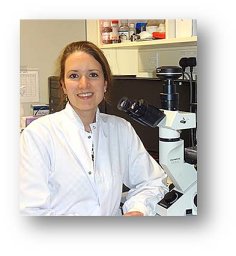 Harriet Schellekens合作论文数Food for Health Ireland, University College Cork11Moloney Rachel D合作论文数Biosciences Institute, University College Cork9Varenik E N合作论文数9
 Dmitri Papkovsky合作论文数School of Biochemistry and Cell Biology, University College Cork9M V Shornikova合作论文数8
 Kieran Rea合作论文数APC Microbiome Ireland, Univ Coll Cork8Chentsov Iu S合作论文数8
 Marcel van de Wouw合作论文数7
 Sergey V Buravkov合作论文数6Fouhy Fiona合作论文数6Arboleya Silvia合作论文数Department of Microbiology and Biochemistry of Dairy Products, Instituto de Productos Lácteos de Asturias6
 Paul D. Cotter合作论文数Food Biosciences Department, Teagasc;SeqBiome6
 Ken D O'Halloran合作论文数Dept of Physiology;Royal College of Surgeons;Dept of Physiology, Royal College of Surgeons6A B Berdalin合作论文数5
 Boehme Marcus合作论文数University Hospital Jena, Friedrich-Schiller University5Zagidullin T R合作论文数5
 Orla O’Sullivan合作论文数Department of Biochemistry, University College5E Ia Parnes合作论文数4
 Eoin Sherwin合作论文数Natl Univ Ireland Univ Coll Cork, APC Microbiome Inst, Cork, Ireland4
 Veronica L Peterson合作论文数Department of Psychology, University of New Mexico4Patterson Elaine合作论文数4
 Conall Strain合作论文数4
 Paul Ross合作论文数APC Microbiome Institute, University College Cork4
 Lívia H. Morais合作论文数Centro Politécnico, Universidade Federal do Paraná4Kh. L. Gainutdinov合作论文数4Vladimir Koshelev合作论文数4A E Hoban合作论文数3T. Dinan合作论文数3Alicia Waters合作论文数3
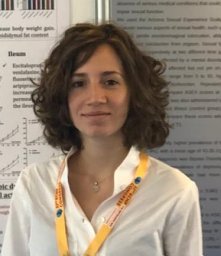 Sofia Cussotto合作论文数3
 Nathaniel Ritz合作论文数Biomedical Research Institute of New Mexico3
 Loreto Olavarria-Ramirez合作论文数APC Microbiome Institute, University College Cork3
 Kiran veer Sandhu合作论文数3
 Patrick Fitzgerald合作论文数APC Microbiome Ireland3
 Karen O'Connor合作论文数Hlth Serv Execut, Cork Univ Hosp3
 Francisco Donoso合作论文数Alimentary Pharmabiot Ctr Microbiome Ireland, Univ Coll Cork3
 Aurelijus Burokas合作论文数3




