Background Reading and spelling skills are important abilities to acquire for later success in school and therefore it is highly relevant to examine strategies of facilitating these academic skills. Physical activity integrated with the learning sessions or physical activity added but not integrated with the learning sessions has been identified as possible strategies. Objective To identify, categorize and examine the characteristics and effects of interventions investigating the effect of physical activity on children’s early reading skills. Design This systematic review follows the PRISMA guidelines. Studies were separated into two categories based on whether physical activity integrates academic content or not, i.e., 1) low integration interventions or 2) high integration interventions. Additionally, high integration interventions were further subgrouped based on the congruency of the activity (i.e., whether the movement supported the learning content). Low integration interventions were subgrouped based on the complexity of the activity (i.e., if the physical activity was cognitively/coordinatively demanding or not). Study quality was assessed, and effects were summarized narratively for each category. Furthermore, a meta-analysis was conducted to quantify both types of interventions. Only studies involving children with an intervention investigating the long-term effects of physical activity on prereading, word recognition, and spelling skills were included. Data Sources PubMed, Web of Science, PsychINFO, Linguistics and Language Behavior Abstracts, ERIC and SportDiscuss. Results Twenty-three studies were identified and categorized into two groups (thirteen high integration interventions and ten low integration interventions). Across outcome measures, eight of the thirteen high-integration intervention studies reported statistically significant effects on at least one measure of prereading, word recognition, or spelling skills favoring the intervention. In contrast, only two out of ten studies categorized as low integration interventions reported a statistically significant effect. Multilevel meta-analysis showed an insignificant average random-effects model size of Hedges’ g = 0.03 (95% CI: -0.02, 0.09) for low integration and a significant effect size of g = 0.69 (95% CI: 0.12, 1.26) for high integration interventions. The distinction between low and high complexity within the low integration group, and between levels of congruency in high integration interventions, revealed no significant differences between these subgroups. Conclusions Results from the present review and meta-analysis suggest that the integration of physical activity into the classroom, using activities with a close temporal connection to the academic task (i.e., high integration interventions), appears to be an effective strategy to improve children’s word recognition and spelling skills. Due to the limited number and heterogeneity across studies included these findings call for additional studies to clarify specific characteristics of the physical activity needed to support the process of learning to read and spell for children.
The study aimed to investigate the effect of embodied learning on children’s literacy skills and whether the activities were particularly beneficial for children at risk for reading difficulties. We conducted a randomized controlled trial during 4 weeks for grade 1 children ( n = 52, age = 7.1). Children were randomly assigned to receive regular classroom teaching (CON) or to receive teaching focusing on letter-sound couplings with the use of the body (i.e., movement-phonemes) (MOVE). Children were evaluated on letter knowledge, word reading, and spelling performance before the intervention (T1) and after the intervention (T2). A significantly improvement for MOVE compared to CON from T1 to T2 was observed in children’s ability to name letter-sounds ( p < 0.001), conditional sounds ( p < 0.001), and for spelling performance ( p = 0.002). Within CON and MOVE, children were divided into low (LP) and high performers (HP) based on word reading performance at baseline. A significantly higher improvement for LP in MOVE was observed compared to LP in CON from T1 to T2 in letter-sounds ( p < 0.0001), conditional letter-sounds ( p < 0.0001), and for spelling performance ( p = 0.037). No differences were observed between LP-MOVE and HP-MOVE. Our results demonstrate that a short intervention based on movement-phonemes increase children’s letter knowledge and spelling performance. The results also demonstrate that LP and HP have similar improvements and therefore, this type of activities are not particularly beneficial for children at risk for reading difficulties. We suggest that this teaching method could be beneficial for all school children at this age.
Reading is a complex, yet fundamental academic skill that school children are taught all over the world. Although, literacy learning relies on attentional and perceptual processing of visual and auditory inputs, it has been found to also benefit from embodied learning, e.g., motor activities as an integrated strategy to recognise and remember letters. We explored mechanisms and effects of integrated embodied activity in young school children (5-8-year-olds), in both a lab experiment (n=18) including electroencephalography and an applied setting (8-week school intervention pro-ject; n=144). The electroencephalographic experiment revealed that embodied activity stimulates attentional and perceptual processing compared to control (non-active) letter discrimination prac-tice and the school intervention study showed that early literacy educational outcomes were facilitated in children with an initial lower working memory performance. These novel results indicate that reinforcement of cognitive processing could be a candidate mechanism to explain the efficacy of embodied literacy learning.
In Denmark there is an ongoing trend towards a more ambitious literacy instruction in the first school year (Kindergarten). This calls for a clarification of present-day reading levels, and for a profile of the students who become readers while attending the semi-formal literacy program. The present study examined the extent to which a group of 209 Danish students had acquired word reading skills after 7 months of schooling, and whether reading levels in this group could be predicted from new measures of extended letter-sound knowledge and measures of memory skills. Results showed that 28% had acquired basic word reading skills. Further, measures of extended letter-sound knowledge explained significant variance above the measure of the fluency with which letters were named. Moreover, short term memory capacity was a stronger predictor of word reading compared to working memory and explained modest variance in reading after controlling for letter knowledge.
The aim of this study was to investigate the effects of embodied learning on children’s pre-reading and word reading skills. We conducted a three-armed randomized controlled trial including two intervention groups and one control group. One hundred forty-nine children from grade 0 (5–6 years old) who had just started school were recruited from 10 different classes from four elementary schools. Within each class, children were randomly assigned to receive teaching of letter-sound couplings and word decoding either with whole-body movements (WM), hand movements (HM), or no movements (CON) over an 8-week period. Children were evaluated on pre-reading, word reading, and motor skills before (T1), immediately after (T2), and after 17–22 weeks of retention period (T3) following the intervention. Between-group analysis showed a significant improvement in children’s ability to name letter-sounds correctly from T1 to T2 ( p < 0.001) and from T1 to T3 ( p < 0.05) for WM compared to CON . HM and WM improved significantly in naming conditional letter-sounds from T1 to T2 ( p < 0.01, p < 0.01) compared to CON and from T1 to T3 for the HM group compared to CON ( p < 0.05). We did not find an effect on word reading or a correlation between motor skill performance and reading. Results from the present study suggest that there are beneficial effects of using whole-body movements for children. Hand motor movements indeed also had a performance effect on letter-sound knowledge; however, the whole-body movements had longer-lasting effects. We do not see an effect on whole word reading.
BACKGROUND:Results from previous studies suggest that bodily movements, spanning from gestures to whole-body movements, integrated into academic lessons may benefit academic learning. However, only few studies have investigated the effects of movement integrated into reading practice. The PLAYMORE study aims to investigate the effects of two interventions focusing on a close and meaningful coupling between bodily movement and academic content on early pre-reading and word recognition skills in children. Further, the study aims to compare two interventions involving either hand movements (i.e. using arms and hands) or whole-body movements (i.e. using the whole body). Potential mediating factors underlying the link between bodily movement on early pre-reading and word recognition skills will be explored.METHODS/DESIGN:The PLAYMORE study will be conducted as a three-armed randomized controlled trial including children aged five to six years recruited from four schools in the Copenhagen area, Denmark. Stratified by class, children will be randomly allocated to one of three 8-week intervention/control periods: 1) teaching involving whole-body movements, 2) teaching involving hand movements (i.e. arms and hands) or 3) teaching involving minimal motor movements (i.e. seated on a chair using paper and pencil). Outcome measurements, including pre-reading and word recognition skills, will be collected before and after the intervention period to assess the intervention effects. This study protocol follows the SPIRIT guidelines.DISCUSSION:The PLAYMORE study will add to the current knowledge concerning the link between bodily movement and academic performance with important details about pre-reading and word recognition skills in preschool children. If effective, evaluation of the implementation of the PLAYMORE program should be conducted in order to investigate whether the effects can be transferred into standard school settings. The PLAYMORE study will lay the foundation for future research that have the potential to inform the political and scientific debate and importantly, to provide teachers with detailed information of how to implement movements effectively during teaching in order to support and motivate children in the process of learning to read.TRIAL REGISTRATION:The study was retrospectively registered in ClinicalTrials.gov ( NCT04618822 ) the 5th of November 2020.
Background Parkinson’s disease is characterized by motor dysfunctions including bradykinesia. In a recent study, eight weeks of daily transcranial stimulation with bipolar pulsed electromagnetic fields improved functional rate of force development and decreased inter-hand tremor coherence in patients with mild Parkinson’s disease. Objective To investigate the effect of long-term treatment with transcranial bipolar pulsed electromagnetic fields on motor performance in terms of movement speed and on neurotrophic and angiogenic factors. Methods Patients diagnosed with idiopathic Parkinson’s disease had either daily 30-min treatment with bipolar (±50 V) transcranial pulsed electromagnetic stimulation (squared pulses, 3ms duration) for three eight-week periods separated by one-week pauses (T-PEMF group) (n = 16) or were included in a PD-control group (n = 8). Movement speed was assessed in a six-cycle sit-to-stand task performed on a force plate. Cerebrospinal fluid and venous blood were collected and analyzed for erythropoietin and vascular endothelial growth factor. Results Major significant improvement of movement speed compared to the natural development of the disease was found (p = 0.001). Thus, task completion time decreased gradually during the treatment period from 10.10s to 8.23s (p<0.001). The untreated PD-control group did not change (p = 0.458). The treated group did not differ statistically from that of a healthy age matched reference group at completion of treatment. Erythropoietin concentration in the cerebrospinal fluid also increased significantly in the treated group (p = 0.012). Conclusion Long-term treatment with transcranial bipolar pulsed electromagnetic fields increased movement speed markedly and elevated erythropoietin levels. We hypothesize that treatment with transcranial bipolar pulsed electromagnetic fields improved functional performance by increasing dopamine levels in the brain, possibly through erythropoietin induced neural repair and/or protection of dopaminergic neurons.
It is not known how effective specific types of motor-enriched activities are at improving academic learning and early reading skills in children. The aim of this study was to investigate whether fine or gross motor enrichment during a single session of recognizing letters “b”/“d” can improve within-session performance or delayed retention the following day in comparison to letter recognition practice without movement. Furthermore, the aim was to investigate children’s motivation to perform the specific tasks. We used a randomized controlled intervention study-design to investigate the effect of 10-min motor-enriched “b”/“d” letter training on children’s ability to recognize the letters “b” and “d” (n = 127, mean age = 7.61 ± SD = 0.44 years) acutely, and in a delayed retention test. Three groups were included: a fine motor-enriched group (FME), a gross motor-enriched group (GME), that received 10 min of “b” and “d” training with enriched gestures (fine or gross motor movements, respectively), and a control group (CON), which received non motor-enriched “b”/“d” training. The children’s ability to recognize “b” and “d” were tested before (T0), immediately after (T1), and one day after the intervention (T2) using a “b”/“d” Recognition Test. Based on a generalized linear mixed model a significant group-time interaction was found for accuracy in the “b”/“d” Recognition Test. Specifically, FME improved their ability to recognize “b”/“d” at post intervention (T0→T1, p = 0.008) and one-day retention test (T0→T2, p < 0.001) more than CON. There was no significant difference in change between GME and CON. For reaction time there were no significant global interaction effects observed. However, planned post hoc comparisons revealed a significant difference between GME and CON immediately after the intervention (T0→T1, p = 0.03). The children’s motivation-score was higher for FME and GME compared to CON (FME-CON: p = 0.01; GME-CON: p = 0.01). The study demonstrated that fine motor-enriched training improved children’s letter recognition more than non motor activities. Both types of motor training were accompanied by higher intrinsic motivation for the children compared to the non motor training group. The study suggests a new method for motor-enriched letter learning and future research should investigate the underlying mechanisms.
Parkinson’s disease (PD) tremor comprises asymmetric rest and postural tremor with unilateral onset. Tremor intensity can be amplified by stress and reduced by attention, and the medical treatment is complex. Mirror movements and unintentional synchronization of bimanual movements, possibly caused by insufficient inhibition of inter-hemispheric crosstalk, have been reported in PD, indicating a lag of lateralization. Potential neuroprotective effects of pulsed electromagnetic fields (PEMF) have been reported in-vitro and in rodents, as have influences of PEMF on human tremor. The aim was to investigate the effect of 8 weeks daily transcranial PEMF treatment (T-PEMF) of persons with PD on rest and postural hand tremor characteristics and on inter-hand coherence. Hand accelerations of 50 PD participants with uni- or bilateral tremor participating in a clinical trial were analysed. A rest and postural tremor task performed during serial subtraction was assessed before and after 8 weeks of T-PEMF (30 min/day, 50 Hz, ±50 V, 3 ms squared pulses) or placebo treatment (sham stimulation 30 min/day). Forty matched healthy persons (no treatment) were included as reference. Intensity and inter-hand coherence related measures were extracted. The T-PEMF treatment decreased the inter-hand coherence in the PD group with unilateral postural tremor. The PD group with unilateral postural tremor was less clinically affected by the disease than the PD group with bilateral postural tremor. However, no differences between T-PEMF and placebo treatment on either intensity related or coherence related measures were found when all persons with PD were included in the analyses. The peak power decreased and the tremor intensity tended to decrease in both treatment groups. Eight weeks of T-PEMF treatment decreased inter-hand coherence in the PD group with unilateral postural tremor, while no effects of T-PEMF treatment were found for the entire PD group. The unilateral postural tremor group was less clinically affected than the bilateral postural tremor group, suggesting that early treatment initiation may be beneficial. In theory, a reduced inter-hand coherence could result from a neuronal treatment response increasing inter-hemispheric inhibition. However, this requires further studies to determine. Studies of even longer treatment periods would be of interest. ClinicalTrials.gov , NCT02125032. Registered 29 April 2014, https://clinicaltrials.gov/ct2/show/NCT02125032?term=NCT02125032&rank=1
Objectives: To investigate differences in surface electromyography (EMG) features in individuals with idiopathic Parkinson's disease (PD) and aged-matched controls. Methods: Surface EMG was recorded during isometric leg extension in PD patients prior to, and after undergoing a locomotor training programme, and in aged-matched controls. Differences in EMG structure were quantified using determinism (%DET), sample entropy (SampEn) and intermuscular coherence. Results: %DET was significantly higher, and SampEn significantly lower, in PD patients. Intermuscular coherence was also significantly higher in the PD group in theta, alpha and beta frequency bands. % DET increased and SampEn decreased with increasing Movement-Disorder-Society UPDRS scores, while theta band coherence was significantly correlated with total MDS-UPDRS scores and torque variance. Neither %DET, SampEn nor intermuscular coherence changed in response to training. Conclusions: The differences observed are consistent with increased synchrony among motor units within and across leg muscles in PD. Differences between EMG signals recorded from the PD and control groups persisted post-therapy, after improvements in walking capacity occurred. Significance: These results provide insight into changes in motoneuron activity in PD, demonstrate increased beta band intramuscular coherence in PD for the first time, and support the development of quantitative biomarkers for PD based on advanced surface EMG features. (C) 2018 International Federation of Clinical Neurophysiology. Published by Elsevier B.V. All rights reserved.
BackgroundTremor is one of the hallmarks and most bothersome symptoms in Parkinson's disease (PD). The classical PD tremor is present at rest, but postural tremor also occurs. PD tremor can be continuous or intermittently present and can have a re-emergent nature. The tremor intensity is affected by attention and stress level. Observations of PD tremor have indicated increased tremor intensity with time during 30-s tremor assessments. This phenomenon has not previously been studied systematically. Thus, in order to contribute to our understanding of the mechanisms associated with PD tremor, our aim was to investigate the influence of time during a posture holding and a resting task on hand tremor characteristics in persons with PD compared to healthy peers.MethodFifty persons with PD and at least one tremoring hand (tremor intensity exceeding mean+2SD of a healthy reference group (REF), N=40) were included from a clinical trial population. Hand accelerations in a rest and postural condition were measured in 30-s assessments while the participants performed a self-paced simple subtraction task with eyes closed to standardize attention without inducing stress. Tremor intensity, maximal power, frequency of maximal power and tremor onset time was calculated for three consecutive 10-s time intervals.ResultsTremor intensity and maximal power increased significantly during the 30-s recording in the PD-group in both conditions (1st-3rd time-interval, tremor intensity: rest +65% p<0.0001, postural +55% p<0.0001; maximal power: rest +93% p<0.0001, postural +82% p<0.001). No effect of time was found on frequency of maximal power in the PD-group or on any effect measure in the REF-group.ConclusionTremor intensity and maximal power increased with time in the PD-group during 30-s tasks, while no change with time was found in the REF-group. In contrast, frequency of maximal power remained unchanged, which may suggest that the same neural circuits were responsible for the tremor generation throughout the tasks. The increase in tremor intensity and maximal power could not solely be explained by re-emergence of tremor. This suggests an increasing or gradually more synchronized cortico-spinal drive throughout the tasks. However, this requires further studies to determine.
The authors examined the associations between the performance of upper- and lower-extremity motor tasks across task complexity and motor symptom severity, overall disease severity, and the physical aspects of quality of life in persons with Parkinson’s disease. The performance was assessed for three lower-extremity tasks and two upper-extremity tasks of different levels of complexity. The motor symptoms and overall disease severity correlated significantly with all motor tasks with higher correlation coefficients in the complex tasks. Thus, the strength of the association between disease severity or severity of motor symptoms and motor performance is task-specific, with higher values in complex motor tasks than in simpler motor tasks. Mobility-related and activity-of-daily-living-related quality of life correlated with lower-extremity tasks of low and medium complexity and with the complex upper-extremity task, respectively; this suggests that Parkinson’s Disease Questionnaire-39 is capable of differentiating between the impact of gross and fine motor function on quality of life.
Background: The Hawthorne effect on clinical studies in Parkinson's disease has not been thoroughly investigated. Evidently the Hawthorne effect may have impact on study outcomes acting as a pre-placebo' effect in the recruitment phase, hence before inclusion.Aim: The aim of this study was to discuss the Hawthorne effect in relation to clinical and self-reported outcome measures in a randomized clinical study in the recruitment phase and during the study.Methods: Data from 97 participants with Parkinson's disease treated with Transcranial Pulsed Electromagnetic Fields were applied, randomized to an active (n=49) or a placebo treated group (n=48). The participants received one home treatment session, for eight consecutive weeks. Outcome measures were the Unified Parkinson's Disease Rating Scale, The 39-item Parkinson's Disease Questionnaire and the WHO-5.Results: No difference in treatment effect between the two groups was found pertaining the Unified Parkinson's Disease Rating Scale. No difference in treatment effect between the two groups was found pertaining the 39-item Parkinson's Disease Questionnaire, apart from the dimension mobility. No difference in treatment effect between the two groups was found pertaining the WHO-5 scale.Conclusions: The Hawthorne effect may have caused a pre-placebo' effect on the outcome measures even before obtaining baseline outcomes measures. This study may have been particularly prone to a Hawthorne effect due to the intense contact with the participants before and during the study. Moreover, the Hawthorne effect should not be viewed upon as a single entity but rather as entities affecting outcome measures throughout the full study period.
BACKGROUND:Parkinson's disease is caused by dopaminergic neurodegeneration resulting in motor impairments as slow movement speed and impaired balance and coordination. Pulsed electromagnetic fields are suggested to have neuroprotective effects, and could alleviate symptoms.OBJECTIVE:To study 1) effects of 8-week daily transcranial pulsed electromagnetic field treatment on functional rate of force development and movement speed during two motor tasks with different levels of complexity, 2) if treatment effects depend on motor performance at baseline.METHODS:Ninety-seven persons with Parkinson's disease were randomized to active transcranial pulsed electromagnetic field (squared bipolar 3 ms pulses, 50 Hz) or placebo treatment with homebased treatment 30 min/day for 8 weeks. Functional rate of force development and completion time of a sit-to-stand and a dynamic postural balance task were assessed pre and post intervention. Participants were sub-grouped in high- and low-performers according to their baseline motor performance level. Repeated measure ANOVAs were used.RESULTS:Active treatment tended to improve rate of force development during chair rise more than placebo (P = 0.064). High-performers receiving active treatment improved rate of force development during chair rise more than high-performers receiving placebo treatment (P = 0.049, active/placebo: 11.9±1.1 to 12.5±1.9 BW/s ≈ 5% / 12.4±1.3 to 12.2±1.3 BW/s, no change). No other between-treatment-group or between-treatment-subgroup differences were found. Data on rate of force development of the dynamic balance task and completion times of both motor tasks improved but did not allow for between-treatment differentiation.CONCLUSION:Treatment with transcranial pulsed electromagnetic fields was superior to placebo regarding functional rate of force development during chair rise among high-performers. Active treatment tended to increase functional rate of force development while placebo did not. Our results suggest that mildly affected persons with Parkinson's disease have a larger potential for neural rehabilitation than more severely affected persons and indicate that early treatment initiation may be beneficial.
Bipolar pulsed electromagnetic stimulation applied to the brain (T-PEMF) is a non-pharmacological treatment which has been shown to stimulate nerve growth, attenuate nerve abnormalities, and improve microcirculation. We report on a 62-year-old, medically well-treated man with idiopathic Parkinson’s disease. He was treated with T-PEMF, 30 min per day for three 8-week periods separated by two 1-week breaks. The disease made his handwriting impossible to read mainly due to small letters and lack of fluency. Forearm EMG measured during standardized conditions showed an involuntary spiky EMG pattern with regular burst activity (on his left side) at baseline. The intervention normalized the handwriting and forearm EMG. The UPDRS-motor score decreased from 25 to 17, and UPDRS-II-handwriting decreased from a pre-intervention value of 3 to 0 after the intervention. Finally, the patient reported improved fine motor function, less muscle stiffness, less muscle cramps and tingling, and less fatigue during the day in response to the T-PEMF treatment. The improved handwriting lasted for approximately 3 months after the treatment. Our results should be considered as preliminary, and large-scale, controlled studies are recommended to elucidate the therapeutic potential of long-term treatment with T-PEMF.
BACKGROUND AND PURPOSE:Pulsed electromagnetic fields induce a protective and anti-inflammatory effect in the nervous system primarily due to growth factor upregulation that possibly abates neurodegeneration in Parkinson's disease (PD). This study investigated treatment effects of transcranial pulsed electromagnetic fields (T-PEMFs) on quality of life in PD and the feasibility and safety of this treatment. METHODS:In this double-blinded clinical study, 97 participants with idiopathic PD (Hoehn & Yahr stage I-IV), on optimal medical anti-parkinsonian treatment, were block randomized (3:3) to either active (n = 49) or placebo treatment (n = 48). Treatment with T-PEMFs entailed one daily 30-min home treatment for eight consecutive weeks. The 39-item Parkinson's Disease Questionnaire (PDQ-39) was assessed at baseline and endpoint. A special questionnaire was used to profile adverse events by interviewing the participants over the full treatment period. Treatment compliance was accounted for by daily treatment registration. RESULTS:The active group improved with respect to clinical effect size for the two dimensions, i.e. mobility and activities of daily living, compared with the placebo group. No between-group differences were found for the remaining PDQ-39 dimensions. There were no between-group difference in adverse events. Treatment compliance was 97.9%. CONCLUSION:Treatment with T-PEMFs improved mobility and activities of daily living scores for clinical effect size only in the active group, indicating a positive treatment response for motor symptoms. No difference was found between the two groups for the remaining PDQ-39 dimensions. The treatment had no or only mild adverse events and was performed with high compliance.
Pulsed electromagnetic fields upregulates neuronal growth factors and may be a potential treatment of neurodegeneration. Parkinson’s disease (PD) can result in lower rate-of-force development during movement [1]. This deteriorates the performance of fast, forceful movements of great importance for activities of daily living. We investigated the effect of treatment with transcranial pulsed electromagnetic fields (T-PEMF) vs. placebo treatment on functional rate-of-force development (RFD) in persons with idiopathic PD.
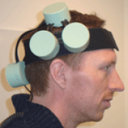
New potential nonpharmacological and noninvasive treatments for PD are seldom investigated and deserve attention. Pulsed electromagnetic fields could allay PD neurodegeneration through neurogenesis and neuroprotection via up regulation of brain-derived neurotrophic factor, neurite outgrowth, and neural anti-inflammatory effects. In this study, the treatment modality transcranial pulsed electromagnetic fields (T-PEMF) was assessed for the effect on PD symptoms using the UPDRS. The study was designed as a double-blinded, randomized controlled trial with one group receiving active T-PEMF treatment and the other receiving sham T-PEMF treatment. T-PEMF was applied 30 minutes once daily for 8 consecutive weeks. Electric pulses were applied to the brain tissue through 7 electromagnetic coils distributed over the frontal-, parietal-, temporal-, and occipital lobes. Squared bipolar pulses of 650 mV and 2.25 ms duration at a frequency of 50 Hz generated pulsed electromagnetic fields of 5 to 8 mT 1 cm from the coils. T-PEMF differs from transcranial magnetic stimulation by not inducing an action potential in excitable cells. UPDRS data from 92 participants with idiopathic PD were analyzed. All participants were in stable and optimal medical treatment regarding PD before inclusion. The participants in the active group had a mean age of 66.7 years, mean Hoehn & Yahr score of 2.4, and mean disease duration of 6.3 years. Those in the placebo group had a mean age of 64.9 years, mean Hoehn & Yahr score of 2.2, and mean disease duration of 5.1 years. Treatment compliance was 97.9%. The active group and the placebo group improved in UPDRS total score and part scores I to IV from baseline to endpoint with no between-group difference. The placebo group improved in subscores IVa and IVc, but not in subscore IVb; in the active group, no improvement was seen for subscores IVa-c (Table 1). The development of dyskinesias in the active group could be a result of the upregulation of dopamine levels resulting from T-PEMF treatment combined with well-medicated participants. For the differences between groups in subscore IVc, no obvious explanations were found. However, comparing subscores can lead to false positive conclusions. Moreover, the UPDRS is a subjective and somewhat insensitive scale that may not collect discrete changes in symptoms. Thus, the present results do not *Corresponding author: Dr. Bo Mohr Morberg, Department of Neurology, Odense University Hospital, Sdr. Boulevard 29, 5000 Odense C, Denmark; bo.mohr.morberg@rsyd.dk
In the nervous system pulsed electromagnetic fields induce a protective and anti-inflammatory effect primarily due to up-regulation of growth factors. The neurodegeneration in Parkinson’s disease might therefore be abated by this treatment. This trial investigated treatment effects of transcranial pulsed electromagnetic fields (T-PEMF) on Parkinson’s disease symptoms using the Parkinson’s Disease questionnaire 39 (PDQ-39).
The objective was to examine associations between motor and executive function across the adult lifespan and to investigate the role of motor complexity in these associations. Young, middle-aged and older adults (n = 82; 19-83y) performed two gross-motor tasks with different levels of complexity and a Stroop-like computer task. Performance was decreased in older adults. The association between motor and cognitive performance was significant for older adults in the complex motor task (p = 0.03, rs = -0.41), whereas no significant associations were found for young or middle-aged groups, suggesting that the link between gross-motor and executive function emerges with age and depends on motor complexity.
 Bente Rona Jensen合作论文数16
 Bo Mohr Morberg合作论文数13
 Lene Wermuth合作论文数13
 Per Bech合作论文数10O Gredal合作论文数9Jacob Wienecke合作论文数7Linn Damsgaard合作论文数University of Copenhagen7
 Anne Kær Gejl合作论文数Department of Nutrition, Exercise and Sports, University of Copenhagen7Anne-Mette Veber Nielsen合作论文数6O. Gredal合作论文数3Rasmus Ahmt Hansen合作论文数2Søren Kildahl Jensen合作论文数2
 Mads Poulsen合作论文数Department of Nordic Studies and Linguistics, Faculty of Humanities, University of Copenhagen2
 Marta Topor合作论文数Sch Psychol, Univ Surrey2
 Anna Bugge合作论文数Institute of Sport Science and Clinical Biomechanics, University of Southern Denmark2
 Glen Nielsen合作论文数Department of Nutrition, Exercise and Sports, Faculty of Science, University of Copenhagen1
 Jesper Lundbye Jensen合作论文数Department of Nutrition, Exercise and Sports, Faculty of Science, University of Copenhagen1
 Holger Juul合作论文数Department of Nordic Studies and Linguistics, Faculty of Humanities, University of Copenhagen1
 Matthew W Flood合作论文数School of Electrical and Electronic Engineering, University College Dublin1
 Meaghan Elizabeth Spedden合作论文数Department of Nutrition, Exercise & Sports, University of Copenhagen1Schmidt Sissel Ida合作论文数1
 Morten Meyer合作论文数Institute of Medical Biology, University of Southern Denmark1
 Madeleine M. Lowery合作论文数School of Electrical, Electronic and Mechanical Engineering, University College Dublin1




