ABSTRACT Purpose The neutrophil‐to‐lymphocyte ratio (NLR) is a prognostic marker in cancers treated with immune checkpoint inhibitors (ICI), reflecting the link between inflammation and cancer immune response. This study examines NLR's prognostic value in head and neck squamous cell carcinoma (HNSCC) patients receiving neoadjuvant ICI therapy, focusing on its potential as an independent predictor of overall survival (OS) and disease‐free survival (DFS). Methods We conducted a retrospective cohort study including three neoadjuvant trials: durvalumab ± metformin, nivolumab ± tadalafil, or nivolumab ± BMS‐986205 from 2017 to 2022. Pre‐treatment NLR was calculated using absolute neutrophil and absolute lymphocyte counts obtained before neoadjuvant ICI initiation. The optimal pre‐treatment NLR cut‐off was identified using receiver operating characteristic (ROC) curve analysis. OS and DFS were assessed using Kaplan–Meier and multivariable Cox proportional hazards regression models. Results A total of 97 patients met inclusion criteria. NLR < 4.14 was associated with improved overall survival (HR 0.07, 95% CI 0.01–0.30, p < 0.001) and DFS (HR 0.21, 95% CI 0.08–0.54, p = 0.001) compared to NLR ≥ 4.14. NLR < 4.14 remained independently associated with improved OS (HR 0.14, 95% CI 0.02–0.78, p = 0.025) and DFS (HR 0.25, 95% CI 0.07–0.87, p = 0.030) on multivariable Cox regression. The survival benefit of NLR < 4.14 persisted after sub‐stratification for p16 status, ICI pathologic response status, and ICI trial. Conclusion Low NLR was independently associated with improved OS and DFS among patients with HNSCC who received neoadjuvant ICI. These findings suggest the potential utility of the NLR in improving patient selection.
OBJECTIVE:To assess whether the Thyroid Informed Surgical Consent Augmenting Video (TISCAV) improves knowledge retention, reduces decisional conflict, alleviates anxiety, and enhances satisfaction in thyroidectomy decision-making compared to standard verbal consent. STUDY DESIGN:Randomized controlled trial. SETTING:Academic tertiary care center with urban outpatient and community-based clinics. METHODS:Forty-nine English-speaking adults scheduled for thyroid surgery were randomized to receive either standard verbal consent alone (control) or TISCAV followed by standard consent (intervention). Forty-three completed preoperative assessments and were included in the analysis. Knowledge was assessed before and after consent. Visual Analog Scale for Anxiety (VAS-A), Decisional Conflict Scale (DCS), and Satisfaction with Decision Scale (SDS) were measured preoperatively; SDS, Decision Regret Scale (DRS), and anxiety were reassessed at 22 and 100 days postoperatively. RESULTS:Both groups demonstrated significant knowledge gains post-consent (P < .0001), with no significant difference between groups (P = .1812). Patients with malignant/suspicious cytopathology had lower decisional conflict than those with benign findings (P = .03); scores in indeterminate cases trended similarly (P = .11). Among patients with indeterminate cytopathology, decisional conflict did not differ significantly (P = .06), while preoperative satisfaction was lower in the video group (P = .02); group differences resolved postoperatively (P ≥ .55). CONCLUSION:TISCAV and standard consent both improved knowledge acquisition. While video-based consent may transiently increase decisional conflict and reduce satisfaction among patients with indeterminate pathology, these effects did not persist postoperatively. Video tools may serve as a safe and accessible adjunct to verbal consent.
Importance:Neoadjuvant immunotherapy shows promise in the treatment of head and neck squamous cell carcinoma (HNSCC). Pathologic treatment effect (pTE) is one way to assess response to treatment; however, the association of this response with survival outcomes is not yet clear. The current study sought to determine whether treatment response to neoadjuvant nivolumab, as measured by pTE, correlates with survival outcomes. Objective:To determine whether patients with HNSCC with pathologic response to neoadjuvant nivolumab have improved survival outcomes. Design, Setting, and Participants:A cohort study performing a pooled analysis of 2 multi-institutional neoadjuvant clinical trials (NCT03238365, NCT03854032) enrolling patients from July 2017 to January 2022, was performed. Patients with resectable HNSCC enrolled in 1 of 2 clinical trials and treated with neoadjuvant immunotherapy and surgical resection were included in the analysis. Patients were followed up for a median (range) of 36 (4-72) months. Analysis took place on April 15, 2024. Intervention:Patients were treated with neoadjuvant nivolumab with or without the addition of immunomodulating medications (tadalafil or indoleamine 2,3 dioxygenase inhibitor). Main Outcome and Measure:Pooled analysis was performed to plot Kaplan-Meier 3-year survival outcomes for pTE responders and low or nonresponders. A pTE response threshold was determined using recursive partitioning analysis. Results:Seventy-nine patients were included in the analysis, of whom 40 (51%) had human papillomavirus (HPV)-negative disease. Recursive partitioning analysis identified a pTE threshold of 57%, which was used to define pathologic responders vs low or nonresponders. Pathologic responders with HPV-negative disease had significantly improved disease-free survival (100% for responders vs 66.8% for low or nonresponders; 95% CI, 46.1%-80.6%) and overall survival (100% for responders vs 73.3% for low or nonresponders; 95% CI, 53.4%-85.7%). In patients with HPV-positive disease, disease-free survival was high for both responders (90%; 95% CI, 47.3%-98.5%) and low or nonresponders (92.4%; 95% CI, 72.8%-98.1%). Conclusion and Relevance:This cohort study found that patients with HPV-negative disease who are deemed pathologic responders (pTE >57%) to neoadjuvant nivolumab may have improved survival outcomes compared with those who are low or nonresponders. Not only does this suggest a role for using pathologic response as a surrogate marker, but it further highlights the neoadjuvant strategy in HNSCC as associated with improved survival.
Hypoglossal nerve stimulation (HGNS) has been widely used to treat obstructive sleep apnea in selected patients. Here we evaluate rates of revision and explant related to HGNS implantation and assess types of adverse events contributing to revision and explant. Postmarket surveillance data for HGNS implanted between January 1, 2018 and March 31, 2022, were collected. Event rates and risk were calculated using the postmarket surveillance event counts and sales volume over the same period. Indications were categorized for analysis. Descriptive statistics were reported and freedom from explant or revision curves were grouped by year of implantation. Of the 20,881 HGNS implants assessed, rates of explant and revision within the first year were 0.723
SUMMARY:Virtual surgical planning (VSP) has been applied to many aspects of head and neck reconstruction. The authors describe the use of VSP to create auricular templates in addition to cartilage cutting and suturing guides for microtia repair in 2 patients with unilateral and bilateral grade 3 microtia. Both patients had satisfactory aesthetic results. This technique allows for increased precision, may decrease operative time, and has good cosmetic outcomes.
OBJECTIVES:Certain low-level immune-related adverse events (irAEs) have been associated with survival benefits in patients with various solid tumors on immune checkpoint inhibitors (ICIs). We aimed to investigate the association between irAEs and response to neoadjuvant ICIs in patients with head and neck squamous cell carcinoma (HNSCC) and to identify differences in circulating cytokine levels based on irAE status. METHODS:This was a retrospective cohort study including three neoadjuvant clinical trials from July 2017 to January 2022: NCT03238365 (nivolumab ± tadalafil), NCT03854032 (nivolumab ± BMS986205), NCT03618654 (durvalumab ± metformin). The presence and type of irAEs, pathologic treatment response, and survival were compared. Canonical linear discriminant analysis (LDA) was performed to identify combinations of circulating cytokines predictive of irAEs using plasma sample multiplex assay. RESULTS:Of 113 participants meeting inclusion criteria, 32 (28.3%) developed irAEs during treatment or follow-up. Positive p16 status was associated with irAEs (odds ratio [OR] 2.489; 95% CI 1.069-6.119; p = 0.043). irAEs were associated with pathologic treatment response (OR 3.73; 95% CI 1.34-10.35; p = 0.011) and with higher OS in the combined cohort (HR 0.319; 95% CI 0.113-0.906; p = 0.032). Patients with irAEs within the nivolumab cohort had significant elevations of select cytokines pre-treatment. Canonical LDA identified key drivers of irAEs among all trials, which were highly predictive of future irAE status. CONCLUSIONS:irAEs are associated with response to neoadjuvant ICI therapy in HNSCC and can serve as clinical indicators for improved clinical outcomes. irAEs can be predicted by concentrations of several circulating cytokines prior to treatment.
Background: ChatGPT and Google Bard (TM) are popular artificial intelligence chatbots with utility for patients, including those undergoing aesthetic facial plastic surgery. Objective: To compare the accuracy and readability of chatbot-generated responses to patient education questions regarding aesthetic facial plastic surgery using a response accuracy scale and readability testing. Method: ChatGPT and Google Bard (TM) were asked 28 identical questions using four prompts: none, patient friendly, eighth-grade level, and references. Accuracy was assessed using Global Quality Scale (range: 1-5). Flesch-Kincaid grade level was calculated, and chatbot-provided references were analyzed for veracity. Results: Although 59.8% of responses were good quality (Global Quality Scale >= 4), ChatGPT generated more accurate responses than Google Bard (TM) on patient-friendly prompting (p < 0.001). Google Bard (TM) responses were of a significantly lower grade level than ChatGPT for all prompts (p < 0.05). Despite eighth-grade prompting, response grade level for both chatbots was high: ChatGPT (10.5 +/- 1.8) and Google Bard (TM) (9.6 +/- 1.3). Prompting for references yielded 108/108 of chatbot-generated references. Forty-one (38.0%) citations were legitimate. Twenty (18.5%) provided accurately reported information from the reference. Conclusion: Although ChatGPT produced more accurate responses and at a higher education level than Google Bard (TM), both chatbots provided responses above recommended grade levels for patients and failed to provide accurate references.
The American Academy of Pediatrics has previously expressed concerns about the thematic content of television (TV) and the amount of time children spend viewing TV. The objective of this study was to determine the positive and negative themes depicted in a select number of TV shows targeted toward adolescents. We analyzed the thematic content depicted in the first season of 26 Netflix TV shows. The mean occurrences/h for positive and negative themes were 39.53 and 47.20, respectively. The most common positive themes were "encouragement from a friend/peer," "demonstrating honesty," and "staying true to oneself" (5.98, 5.38, and 3.72 mean occurrences/h, respectively). The most common negative themes were "dishonesty," "cursing," and "selfishness," (5.30, 4.96, and 4.85 mean occurrences/h, respectively). We suggest that health care providers become aware of TV thematic content and promote media education, and we encourage co-viewing and active mediation by parents/guardians with their children.
Objective. To better understand the long-term health implications of obstructive sleep apnea (OSA) on patients with Trisomy 21 (T21) and the role of sleep surgery as a therapeutic intervention.Study Design. Retrospective large database review.Setting. The prevalence of OSA is as high as 75% in patients with T21. We sought to examine the cardiovascular, neurological, and endocrinological outcomes of patients with T21 10 years after their diagnosis of OSA.Methods. TriNetX, an electronic medical record database, was queried for health outcomes in patients with T21 after diagnosis of OSA. The group was further analyzed to identify those who underwent sleep surgery, including hypoglossal nerve stimulation, palatopharyngoplasty, or adenotonsillectomy.Results. Ten years after diagnosis, patients with OSA and T21 had a significantly higher incidence of death, myocardial infarction, cerebral infarction, heart failure, cardiac arrhythmia, ischemic heart disease, atrial fibrillation, essential hypertension, pulmonary hypertension, diabetes mellitus, and Alzheimer's disease compared to patients with T21 alone. Patients with OSA and T21 who underwent sleep surgery had significantly reduced incidence of adverse health outcomes compared to patients using continuous positive airway pressure.Conclusion. Our findings suggest that patients with T21 and OSA are at higher risk of poor health outcomes, which may require closer monitoring for earlier diagnosis and management of comorbid conditions. Sleep surgery is a suitable treatment modality for mitigating the risk of adverse outcomes in this population and should be considered in patients who are eligible surgical candidates.
IMPORTANCE:Pediatric adenotonsillectomy is a frequently performed procedure. Few studies have examined perioperative practice patterns for children undergoing adenotonsillectomy. OBJECTIVE:To assess current group practice patterns associated with the perioperative care of children undergoing adenotonsillectomy for sleep-disordered breathing at tertiary care children's hospitals following the release of the 2011 American Academy of Otolaryngology-Head and Neck Surgery (AAO-HNS) clinical practice guidelines. DESIGN, SETTING, AND PARTICIPANTS:A cross-sectional survey was distributed to the chiefs of 72 pediatric otolaryngology divisions at tertiary care children's hospitals in the United States and Canada from March 25 to April 16, 2014. MAIN OUTCOMES AND MEASURES:Internet-based survey responses from the chiefs of pediatric otolaryngology at tertiary care children's hospitals in the United States and Canada, who responded regarding group, rather than individual, practices. RESULTS:Of the 72 surveys sent, 48 responses (67%) were received. Twenty-one respondents (44%) reported that their group has no official admission policy for children with sleep-disordered breathing. Seventy-three percent (29 of 40) reported using some measure of obesity as a criterion for postoperative admission. The AAO-HNS polysomnography criteria for severe obstructive sleep apnea were used by 40% of respondents (16 of 40) as admission criteria, whereas 15% (6 of 40) used the American Academy of Pediatrics criteria for severe obstructive sleep apnea. Seventy-three percent (29 of 40) reported requiring a child to be asleep while breathing room air without oxygen desaturation before discharge to home. An established minimum time for observation was reported by 43 of the respondents (90%). Institution size or volume of adenotonsillectomies performed did not affect the results. CONCLUSIONS AND RELEVANCE:Many tertiary care children's hospitals in the United States do not have an official admission policy to guide adenotonsillectomy care. Even for institutions that do have an official admission policy, the policies are not universally aligned with the AAO-HNS clinical practice guidelines. These survey results demonstrate an opportunity to improve quality and safety regarding admission policy practice patterns after pediatric adenotonsillectomy.
Objective: The purpose of this study is to evaluate the postoperative urinary complications and the optimal timing of foley catheter removal in patients who underwent free flap reconstructive surgery for head and neck pathology.Methods: A retrospective case-control study of head and neck patients who underwent free flap reconstructive surgery at a single institution between January 2009 and December 2021 was conducted. Patient risk factors for postoperative urinary retention (POUR) were analyzed. Fisher Exact and Wilcoxon Rank Sum tests were used to evaluate rates of foley replacement, straight catheterization, and catheter-associated urinary tract infection (CAUTI) and associated risk factors.Results: Two hundred and eleven patients were included in this study. Older age, lower BMI, lower intraoperative fluid volumes, and need for straight catheterization were statistically significant for POUR requiring foley replacement. Shorter total (P = .04) and postoperative (P = .01) foley duration showed statistical significance for POUR requiring straight catheterization. About 60% of patients who had straight catheterization required a foley replacement (P < .001). Only one patient (0.5%) developed a urinary tract infection (UTI).Conclusion: Foley catheter duration impacts the risk of POUR requiring straight catheterization and subsequently, foley replacement. Optimal timing for foley catheter removal in the postoperative period remains to be elucidated. Removal of catheters between 21 and 48 hours after surgery may decrease the risk of POUR without increasing the rate of CAUTI in patients with head and neck pathology undergoing free flap reconstructive surgery.
Study Design:Systematic review of the literature. Objective:The goal of this study is to review the current literature on the trends in management of laryngeal fractures following trauma. Methods:Independent searches of the PubMed and MEDLINE databases were performed. Articles from the period of 1963 to 2020 were collected. All studies which described laryngeal fractures using the Boolean method and relevant search term combinations, including "Laryngeal", "Fracture", "Operative", and "Management" were collected. Results:A total of 588 relevant unique articles were identified for analysis. Of these, 24 articles were deemed appropriate for inclusion in the literature review. Due to variability in study design and outcome measures, formal synthesis of data in the form of a meta-analysis was not possible. Conclusions:Laryngeal fractures are rare traumatic injuries that require early identification and evaluation with complex management options. This comprehensive review aims to highlight the breadth of the topic with regard to presentation and clinical management. Though there remains no clear best practice for laryngeal fracture management, we review trends in clinical practice throughout the literature.
Objective: Identify risk factors and perioperative morbidity for pediatric patients undergoing septoplasty. Methods: The American College of Surgeons National Surgical Quality Improvement Program Pediatric (NSQIP-P) database was retrospectively queried to identify patients who underwent septoplasty (CPT 30520) for a diagnosis of deviated nasal septum (ICD J34.2) from 2018 to 2019. Outcomes analyzed include patient demographics, medical comorbidities, surgical setting, operative characteristics, length of stay, and postoperative outcomes. Results: A total of 729 children were identified. Median age at time of surgery was 15.8 years, with most patients (82.8%) >12 years of age; no significant association was identified between age at time of surgery and adverse surgical outcomes. Overall, postoperative complications were uncommon (0.6%), including readmission (0.4%), septic shock (0.1%), and surgical site infection (0.1%). A history of asthma was found to be a significant risk factor for postoperative complications (P = .035) as well as BMI (P = .028). Conclusion: The 30-day postoperative complications following pediatric septoplasty in children reported in the NSQIP-P database are infrequent. Special considerations regarding young age, complex sinonasal anatomy, and surgical technique remain important features in considering corrective surgery for the pediatric nose and certainly warrant further investigation in subsequent studies.
E. coli phagocytosis by medfly hemocytes, in contrast to mammalian macrophages, associates with E. coli-challenged hemocyte secretion by mitogen activating protein (MAP) kinases. In the present work, we examined whether this system links with the proteolytic activation of prophenoloxidase (proPO). ProPO and prophenoloxidase-activating proteinases (PAPs) were initially identified within freshly isolated medfly hemocytes. Moreover, flow cytometry and immunocytochemical analysis revealed the constitutive expression of proPO and its stable association with hemocyte surface. The expression level of hemocyte surface proPO is not affected by E. coli infection. In addition, flow cytometry analysis in freshly isolated hemocytes showed that E. coli phagocytosis is markedly blocked by antibodies against proPO or PAPs, as well as by several serine protease inhibitors, strongly supporting the involvement of proPO cascade in the phagocytosis process. Similarly, it was shown that melanization process depends on proPO activation. MAP kinases appeared to control both phagocytosis and melanization, since they regulate PAPs secretion, a prerequisite for the conversion of proPO to active PO. From this and previous studies, hemocytes appear to be central to immune response in medfly.
Feeding difficulty is common in the pediatric population, particularly in at-risk infants, such as those born prematurely. Appropriate work-up should involve a multidisciplinary team and may commonly use modified barium swallow and flexible endoscopic evaluation of swallow, in addition to history and physical examination. Structural causes of dysphagia may involve surgical management, whereas nonstructural causes may invoke medical therapies. If symptoms do not resolve following intervention, it is important to revisit the interdisciplinary team, because dysphagia is commonly multifactorial in origin. Appropriate identification and early intervention are necessary for successful outcomes in growth and development for children.
Purpose Lymphatic malformations (LMs) are congenital abnormalities which result from disturbances in the embryologic development of the lymphatic system. We sought to determine the characteristics and treatment patterns for LMs in a rural setting, and the effect of a specialized vascular malformations clinic on triage and follow-up. Methods This is a retrospective cohort study at a single tertiary care institution. Sixty-two patients were identified; chart review was completed to obtain demographic, surgery/sclerotherapy session and follow-up information. Results The head/neck region was the most predominant LM location (N = 26, 41.9%), followed by trunk (N = 16, 25.8%), extremity (N = 11, 17.7%), and intraabdominal/retroperitoneal (N = 7, 11.3%). Twenty-eight patients were managed non-surgically, while 21, 7 and 6 patients required surgery, sclerotherapy, or both. Head/neck LMs were the most likely to recur (73%, p = 0.028). Patients seen in specialty clinic had similar duration of follow-up and time to intervention, but were more often below 1 year of age (p = 0.030). Average LM volume among patients with available imaging was much larger in those referred to specialty clinic (73.2 cm(3) versus 14.8 cm(3), p = 0.022). Conclusion Our experience reiterates not only the wide variety of clinical presentations of lymphatic malformations, but also demonstrates the necessity of multiple subspecialties and their collaboration to achieve prompt and efficacious treatment.
Objective To compare the effect of patient factors, including age, on 30-day postoperative outcomes and complications for patients undergoing transcervical Zenker's diverticulectomy. Study Design Retrospective cross-sectional analysis. Setting American College of Surgeons National Surgical Quality Improvement Program (NSQIP) Database. Methods Patients who underwent open Zenker's diverticulectomy (Current Procedural Terminology code 43130) were queried via the NSQIP (2006-2018). Outcomes analyzed include patient demographics, medical comorbidities, admission type, operative characteristics, length of admission, postoperative complication, readmission, and reoperation. Results A total of 614 patients were identified. Mean age at time of surgery was 71.1 years, with 13.4% older than 85 years. Outpatient procedures were performed in 29.8%. Postoperative complications occurred in 6.7%, with reoperation and readmission rates of 6.4% and 7.2%, respectively. A mortality rate of 0.3% was observed. Only smoking status (odds ratio, 2.94; P = .008) and history of congestive heart failure (odds ratio, 10.00; P = .014) were shown to have a significant effect on postoperative complications. Conclusion Smoking status confers a high risk for postoperative complication. Age was not an independent risk factor associated with adverse outcomes following open diverticulectomy, suggesting this procedure can be safely performed in patients with advanced age.
Objective:To evaluate the current trends and usage patterns of radiographic imaging for otologic disease by specialty, length of practice, practice setting, geographic region, and pediatric volume.Study Design:Cross-sectional study.Setting:Survey of physicians.Subjects:General Otolaryngologists and Otologists/Neurotologists (O/N) of the American Academy of Otolaryngology - Head and Neck Surgery (AAO-HNS).Methods and Outcome Measures:An electronic questionnaire was distributed to AAO-HNS members. Respondents were separated into groups by specialty, length of practice, practice setting, region, and pediatric exposure. Chi-square tests were performed for the determination of significance.Results:The survey was sent to 5,168 members of AAO-HNS. The response rate was 10.6% (n = 546) and 18.1% for only O/N (n = 143). Most respondents were generalists (74%), in practice >20 years (51%), with a primarily adult practice (95%). O/N were more often academics (44 versus 17% combined, 40% private; p < 0.001) and saw fewer children (80 fewer than 25%; p < 0.001). Compared with generalists, O/N were more likely to respond with more frequent and earlier magnetic resonance imaging (MRI) utilization in the workup of the majority of otologic diseases. Significant differences in usage patterns for various conditions were demonstrated across all categories, but specialty training was the most common. Generalists (34 versus 12% of O/N; p < 0.001), physicians practicing >20 years (32 versus 18% of < 5 yrs; p = 0.006), and private practice physicians (34 versus 14-20% of others; p < 0.001) relied more heavily on the radiology report to interpret MRI scans.Conclusion:Subspecialty training seems to be the main variable correlating with significant differences in the use of MRI and computed tomography imaging in patients with otologic disease.
Background With recent technological advances reducing the demand for emergent surgical airway placement, surgeons are less often performing this life-saving procedure. We sought to assess the characteristics and outcomes surrounding patients undergoing modern emergent cricothyrotomy. Methods A retrospective case series was performed between January 2010 and January 2020 at a single tertiary academic level 1 trauma center. Patients who underwent tracheostomy (CPT 31600, 31601) within 48 hours of admission or listed in the trauma registry were queried. Charts were individually reviewed to identify patients with cricothyrotomy. Demographic, operative and relevant hospital course data were collected. Results A total of 1642 patients were identified with 12 of those found to have met inclusion criteria. The population was mostly male (91.7%) with an average age of 43 years and average body mass index of 30. Survival rate of patients was 75%. A total of 7 patients (58%) had appropriate anatomical placement of cricothyrotomy. Of those patients, 75% were performed by Trauma Surgery. Of the 5 patients with misplaced cricothyrotomy, all were male, with an average age and body mass index of 36 years and 25, respectively. Procedures were performed by prehospital personnel (20%), referring hospital (20%), and Trauma Surgery (60%). Discussion Cricothyrotomy remains a vital tool in the successful management of emergent airway access. The most common complication observed was improper anatomical placement, which occurred in nearly half of patients. Trauma surgeons perform 75% of cricothyrotomies, with an anatomical accuracy rate of 66.7%.
The objective of this study was to describe and quantify acts of violence depicted in a select number of superhero-based films, further stratified by protagonist/antagonist characters and gender.A total of 10 superhero-based films released in 2015-2016 were analyzed by five independent reviewers.The average number of acts of violence associated with protagonist and antagonist characters for all included films was 22.7 and 17.5 mean events per hour, respectively (p=0.019).The average number of acts of violence associated with male and female characters for all included films was 33.4 and 6.5 mean events per hour, respectively (p<0.001).The most common acts of violence for all major characters were "fighting", "use of a lethal weapon", "bullying/intimidation/torture", "destruction of property", and "murder" (14.9, 11.4, 3.5, 3.4, and 2.4 mean events per hour, respectively).Based on our sample of superhero-based films, acts of violence were associated more with protagonist characters and male characters.
 Saadi Robert A合作论文数6
 Patel Vijay A合作论文数Penn State Hershey Medical Center4
 Joseph M. Curry合作论文数Thomas Jefferson University;Thomas Jefferson University Hospital4Kaitlyn M Roman合作论文数3Lighthall Jessyka G合作论文数3Edelson Jessica R合作论文数3
 David A Lewis合作论文数Department of Psychiatry, University of Pittsburgh3
 David M Cognetti合作论文数3Meghan N. Wilson合作论文数3David W. Volk合作论文数2Stacey Gargano合作论文数2Tonya S. King合作论文数2Tuluc Madalina合作论文数2
 Maurits Boon合作论文数Department of Otolaryngology-Head &Neck Surgery, Thomas Jefferson University2Huntley Colin合作论文数2Zhan Tingting合作论文数Department of Pharmacology and Experimental Therapeutics, Thomas Jefferson University2John P. Gniady合作论文数2Tonya Sharp King合作论文数Division of Biostatistics & Bioinformatics, Department of Public Health Sciences, College of Medicine, The Pennsylvania State University;Research Institute, Sarasota Memorial Hospital2Erik Lehman合作论文数Penn State University2Robert P. Olympia合作论文数2
 Larry A. Harshyne合作论文数2Neha Garg合作论文数1David Goldenberg合作论文数1Amalia Brawley合作论文数1Somya Shankar合作论文数1Kimberly Chan合作论文数1Aaron R Baker合作论文数1Ghazal S Daher合作论文数1Bryan H Wakefield合作论文数1Alban Linnenbach合作论文数1Andrew Groff合作论文数1Daniel J Campbell合作论文数1Sruti Tekumalla合作论文数1Sandeep Pradhan合作论文数1
 John N Muller合作论文数12297NYU Langone Health1
 Angela Alnemri合作论文数Dept Otolaryngol Head & Neck Surg, Thomas Jefferson Univ Hosp1Sarah Benyo合作论文数1Adam McCann合作论文数Dept Otolaryngol Head & Neck Surg, Univ Kansas Hlth Syst1
 Justin Loloi合作论文数Department of Urology, Montefiore Medical Center1Christopher J McLaughlin合作论文数1
 Ioannis Vathiotis合作论文数School of Medicine, National and Kapodistrian University of Athens1Christy Lucas合作论文数1
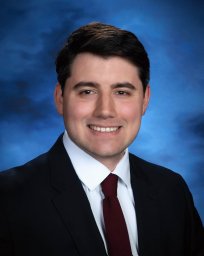 Leonard Estephan合作论文数Department of Otolaryngology-Head and Neck Surgery, Thomas Jefferson University Hospital1Karen Y Choi合作论文数1
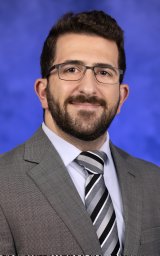 Anthony Kronfli合作论文数College of Medicine, Pennsylvania State University1Ashley P O'Connell Ferster合作论文数1Chio Eugene G合作论文数1
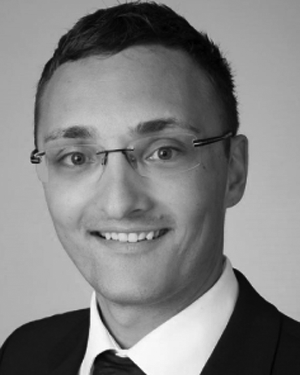 Heiser Clemens合作论文数1Ryan N Heffelfinger合作论文数Department of Otolaryngology-Head and Neck Surgery, Thomas Jefferson University Hospital1




