Relationship between inflection point and IC50. (A) As the steepness parameter, n, increases the true inflection point (x*; blue) approaches the IC50 value (red). (B) The relation between inflection and IC50 is shown here as a function of n.
T cell receptor (TCR) signaling is precisely tuned to prevent self-reactivity while allowing protective immunity. Here we found that acetylation modulated TCR signaling. The loss of SIRT2 deacetylase activity in T cells led to amplified calcium mobilization and phosphorylation of key proximal TCR molecules in naive T cells and reversed dampened TCR signaling in anergic T cells. During thymic selection, SIRT2 deficiency lowered the TCR signaling threshold and resulted in a broader TCR repertoire diversity. Mechanistically, we identified acetyl-lysine K228 on the linker region of LCK as a substrate specific for SIRT2 that governed LCK conformation and activity. SIRT2 inhibition in exhausted mouse and human tumor-infiltrating T cells restored TCR responsiveness and antitumor immunity. These findings highlighted SIRT2-modulated protein acetylation as a regulatory mechanism that set the TCR threshold in T cells.
Tumor ploidy is increasingly recognized as a determinant of therapeutic response, but the mechanisms by which ploidy shapes sensitivity to specific cytotoxic agents remain unclear. Here, we investigated the relationship between ploidy and gemcitabine response using pharmacogenomic reanalysis, isogenic cancer cell systems, live-cell imaging, intracellular pharmacokinetic/pharmacodynamic (PKPD) measurements, and mathematical modeling. Across public pharmacogenomic datasets, gemcitabine emerged as a low-ploidy-selective cytotoxic agent. In matched isogenic low- and high-ploidy cell systems, higher-ploidy cells were consistently less sensitive to gemcitabine across multiple lineages. Focused live-cell imaging and PKPD measurements in near-diploid and near-tetraploid SUM-159 cells showed that both states formed intracellular dFdCTP, but high-ploidy cells exhibited weaker and slower treatment responses, with delayed accumulation of cell death. To quantify these differences, we developed a delay-aware live/dead model driven by intracellular dFdCTP exposure. The best-fit model identified both reduced effective gemcitabine potency and a substantially longer delay from intracellular drug action to observed death in high-ploidy cells. Specifically, the inferred mean delay was approximately 17.5 hours in near-diploid cells versus 42.5 hours in near-tetraploid cells. The model also supported a thresholded, nonlinear, and ploidy-dependent mapping from administered gemcitabine dose to effective intracellular drug action. Together, these results establish ploidy as a determinant of both the magnitude and timing of gemcitabine response and provide a quantitative framework for linking intracellular drug exposure to delayed cytotoxic outcomes across ploidy states.
Acquiring drug resistance is a major problem in cancer treatment. As cancers adapt to chemotherapy, chromatin landscape becomes altered in subpopulations of persister cells to acquire gene expression patterns that provide drug resistance. The increased level of stress-induced random mutagenesis in cancer has also been linked to acquisition of drug resistance. Here we show that during adaptation to conventional cytotoxic chemotherapies or targeted therapies, tens of thousands of mutations are generated, and the probability of acquisition of these mutations at specific positions can reach 50% and even higher. A large fraction of these mutations is highly recurrent and non-random. The patterns of the recurrent mutations are specific to the drug target and are unrelated to the chemical nature of the drug. Surprisingly, these mutations are progressively generated at the non-dividing pseudo-senescence stage following drug exposure, and at this stage, selection is not involved in their accumulation. Notably, these mutations are highly enriched within or near binding motifs of certain transcription factors, like KLF9, IRF1 and others. Therefore, a mechanism for precise generation of mutations at specific positions with extremely high rates appears to be triggered upon drug adaptation, and these precise mutations may affect activities of a set of transcription factors.
As tissues age, mutant clones carrying driver mutations expand, yet the abundance of these variants in normal tissues suggests that fitness-based selection is often uncoupled from malignancy. Cheek et al. introduce a framework that disentangles clonal success from true carcinogenic potential, showing that fitness and fate are not synonymous.
Background:KRASG12C inhibitors such as adagrasib and sotorasib have shown promise in treating KRASG12C- mutant non-small cell lung cancer (NSCLC), but treatment resistance remains a major challenge. In this study, we investigated the therapeutic potential of combining trastuzumab deruxtecan (T-DXd), an anti-human epidermal growth factor receptor 2 (HER2) antibody-drug conjugate (ADC), with sotorasib in KRASG12C -mutant NSCLC xenografts and evaluated HER2 expression in NSCLC patient samples. Methods:HER2 expression in 11 xenograft models and in 191 clinical and autopsy samples from 31 patients with advanced-stage NSCLC was assessed using breast cancer (BC) and gastroesophageal adenocarcinoma (GEA) HER2 immunohistochemistry (IHC) interpretation guidelines. Responses to sotorasib, T-DXd, and their combination were evaluated in therapy-naïve and sotorasib-relapsed (SR) xenografts. Results:The sotorasib-T-DXd combination induced deeper and more durable tumor regressions than either monotherapy, including in SR xenograft models. Enhanced activity was associated with sotorasib-induced adaptive HER2 upregulation, with stronger HER2 expression in SR tumors correlating with greater responses. In patient samples, HER2 expression was more frequent in KRAS-mutant NSCLC compared with tumors harboring other oncogenic drivers although the difference was not statistically significant. Discordance in HER2 IHC scoring was observed between BC and GEA interpretation guidelines. Conclusions:Sotorasib plus T-DXd produced durable regressions in KRAS G12C-mutant NSCLC xenografts, including SR tumors. Given the observed HER2 expression in a subset of patient tumors, this combination is promising and it is currently under investigation (NCT07012031). Our findings also highlight the limitations of applying current HER2 IHC interpretation guidelines to NSCLC, underscoring the need for optimized assays to guide patient treatment selection.
Acquired resistance to targeted therapies is the primary barrier to durable cancer remission. Therapy resistance is often associated with stemness and intermediate EMT programs, which are often viewed as proximal resistance mechanisms. On the other hand, a growing body of evidence suggests that these programs facilitate resistance through plasticity-mediated adaptations. Integrating computational modeling, functional experimental assays, and lineage tracing, we investigated the relationship between EMT and therapy resistance in experimental models of acquired resistance to ALK+ lung cancer. Our results support a model where phenotypic plasticity, associated with intermediate EMT, is a selectable trait, and selection for subpopulations with higher phenotypic plasticity is amplified under a multifactorial resistance scenario. Consequently, resistance to targeted therapy is associated with higher ability to adapt to orthogonal therapeutic and environmental stressors, as well as higher metastatic potential. These findings identify cellular plasticity as the fundamental substrate from which multifactorial resistance and metastatic competence evolve, indicating that targeting phenotypic plasticity can suppress the acquisition of resistance and prolong therapeutic responses. ### Competing Interest Statement The authors have declared no competing interest.
Abstract A population of cells within a tumor can be described as antifragile (the opposite of fragile) if they derive a benefit from fluctuations or perturbations in environmental conditions induced by treatment. Treatment fluctuations could either promote (antifragile tumor) or inhibit (fragile tumor) the evolution of treatment resistance to targeted therapies. In this study, we showed that analysis of the convexity of dose–response curves provided a direct prediction of response to prescribed fluctuations in treatment. Convexity predicted that continuous treatment protocols (i.e., zero prescribed fluctuations in treatment) would outperform uneven protocols when dose response is convex. This theory was applied to predict in vivo response to targeted therapy, and the predictions were validated by experimentally testing high/low intermittent dosing (uneven dosing) and continuous dosing (even dosing) schedules. Convexity (and its inverse, concavity) explained 2 phenomena: Dose response is a convex (fragile) function, but the resistance onset rate is a concave (antifragile) function. Thus, design and validation of alternative treatment schedules maximized response while maintaining prolonged sensitivity to treatment. Together, these analyses provide supporting evidence that fluctuations alter the evolutionary trajectory of tumors in response to targeted therapy, even without altering the cumulative dose. By using this insight to design alternative treatment protocols to limit the evolution of resistance by careful analysis of the dose–response curvature, the study supports the potential of “evolutionary antifragile therapy” as a subtype in the broad class of evolution-based treatment strategies. Significance: The mathematical method using dose response curvature to determine appropriate treatment dosing that limits the evolution of resistance could facilitate designing dose schedules that optimize tumor response. See related commentary by Pomeroy and Palmer, p. 4195
Targeted therapies induce strong clinical responses but fail to eliminate advanced cancers, as a subset of tumor cells survives within residual disease and eventually develops resistance. While numerous cell-intrinsic and microenvironmental mechanisms have been implicated in this survival, their relative contributions remain poorly defined. Using spatial histological inferences from ALK + NSCLC models, we show that peristromal niches protect tumor cells from elimination, enabling in vivo persistence. This spatially restricted sheltering provides an ecological rescue mechanism that sustains residual populations, enabling their eventual evolutionary escape. Mechanistically, this protective effect reflects an integrated action of multiple juxtacrine and paracrine signals. This complexity limits the utility of targeting individual mechanisms of protection, favoring a shift towards exploiting orthogonal collateral sensitivities of residual disease. We find that adaptive HER2 upregulation, associated with both cell-intrinsic and stroma-mediated persistence, can be exploited by the antibody-drug conjugate T-DXd to dramatically enhance therapeutic responses and suppress tumor relapse.
The second-derivative is an approximation for fragility for low values of h. (A) Hill function, H (x) shown for n = 10, E0 = 100, E1 = 20, C = 10. Analytically derived second-derivative is shown in the bottom panel. (B) Difference between fragility and second-derivative at various dose values (red to blue) corresponding to panel A. As h→0, the error approaches zero: F(x, h) - h2 d2H/dx2 → 0.
Many cancer therapies achieve durable control without complete tumor eradication, suggesting that disrupting tumor organization may be more critical than killing cells. We propose that effective treatments converge by destabilizing the tumor's Group Phenotypic Composition (GPC), the functional and spatial organization of interacting cell populations. When this organization collapses, tumors lose coherence. This perspective provides a unifying framework for designing therapies targeting tumor-level dynamics rather than cell number alone.
Small-molecule KRASG12C(OFF) inhibitors that bind to the inactive GDP-bound state of KRAS have demonstrated efficacy in patients with KRASG12C-mutant tumors, yet responses tend to be transient because of emergence of on-treatment resistance. Recently, RAS(ON) G12C-selective inhibitors, which bind to the active GTP-bound state of RAS, were described, and elironrasib is undergoing evaluation in multiple clinical trials. In this study, we generated resistant cell lines and patient-derived xenograft models to KRASG12C(OFF) and RAS(ON) G12C-selective inhibitors and interrogated resistance mechanisms using a multiomics strategy consisting of phosphoproteomics, whole-exome sequencing, and RNA sequencing combined with functional testing using small-molecule and CRISPR screens and RAS(ON) inhibitors being evaluated in clinical trials. Two models reactivated RAS signaling, either via KRASG12C gene amplification or NRASG13R mutation, and were vulnerable to dual inhibition by RAS(ON) G12C-selective and RAS(ON) multiselective inhibitors, RMC-4998 and RMC-7977. Two models, which lacked any discernable genomic alteration, acquired resistance associated with increased receptor tyrosine kinase activity and downstream persistent RAS activity and were sensitive to RAS-GTP inhibition by RMC-7977. Finally, one model displayed epithelial-mesenchymal transition, loss of RAS dependence, and acquired reliance on cell-cycle kinases and proteins associated with DNA damage response. This work highlights KRASG12C-selective inhibitor resistant states that parallel and complement clinical findings and demonstrate that a large subset could be overcome with a RAS(ON) multi-selective inhibitor as a stand-alone agent or in combination with other therapies. SIGNIFICANCE:Multi-omic characterization of resistance mechanisms to KRASG12C-selective inhibitors in non-small cell lung cancer provides insights that could inform precision medicine-based therapeutic approaches for improving the treatment of KRASG12C mutant tumors. See related article by Stern et al., p. 485.
Abstract BACKGROUND: Tumor-specific T cells are often characterized by reduced TCR signaling due to central and peripheral tolerance pathways that limit their responsiveness. These signals are further weakened by insufficient co-stimulation and active co-inhibitory pathways, collectively establishing a high threshold for activation. The integration of antigen recognition with co-stimulatory and inhibitory cues ultimately determines whether a T cell becomes activated or remains tolerant. Early TCR signaling must therefore be precisely regulated to prevent autoreactivity while still supporting protective immunity. Although phosphorylation and ubiquitination are well-established regulators of proximal TCR signaling, additional post-translational mechanisms remain less defined. SIRT2, a cytosolic NAD+-dependent deacetylase with emerging roles in immune regulation, has not been examined in the context of TCR signaling. METHODS: We evaluated proximal TCR signaling events in wild-type and SIRT2-deficient T cells using flow cytometry, immunoblotting, calcium flux assays, and RNA-sequencing. SIRT2-associated pathways were defined by mapping its interactome and acetylated substrates through mass spectrometry and immunoprecipitation. We screened LCK post-translational modifications by mass spectrometry and assessed SIRT2 enzymatic activity using an HPLC-based deacetylase assay. Conformational effects of LCK modification were examined using fluorescence-polarization binding assays and AlphaFold structural modeling. SIRT2 was deleted in human tumor infiltrating lymphocytes (TILs) via CRISPR/Cas9, and the impact of SIRT2 targeting was tested in lung cancer patient-derived xenograft models reconstituted with autologous TILs. RESULTS: SIRT2 deficiency amplified proximal TCR signaling, leading to elevated phosphorylation of early signaling mediators and increased calcium flux in both naïve and anergic T cells. Loss of SIRT2 also altered thymic selection dynamics and expanded TCR repertoire diversity. Mechanistically, SIRT2 interacted with and deacetylated LCK, the initiating kinase of proximal TCR signaling. Mass spectrometry identified lysine K228 in the LCK linker region as a SIRT2-regulated deacetylation site that governs LCK conformation and kinase activity. Functionally, SIRT2 inhibition in exhausted mouse and human TILs restored TCR signaling capacity and improved anti-tumor responses. CONCLUSION: Here we identify SIRT2-regulated deacetylation of LCK as a previously unrecognized mechanism that sets the strength and threshold of proximal TCR signaling. Accordingly, SIRT2 targeting reverses the exhausted phenotype of tumor-reactive T cells. Citation Format: Imene Hamaidi, Pingyan Cheng, Soo Young Jun, Min-Hsuan Wang, Min Zhang, Odesha Taylor, Luis Lopez-bailon, Ismail Can, Bin Fang, Anders Berglund, Bradford Perez, Ben Creelan, Andriy Marusyk, Virginia Shapiro, Haitao Ji, Jose R. Conejo-Garcia, Sungjune Kim. Sirt2 dictates TCR activation thresholds through post-translational control of LCK conformational state [abstract]. In: Proceedings of the American Association for Cancer Research Annual Meeting 2026; Part 1 (Regular Abstracts); 2026 Apr 17-22; San Diego, CA. Philadelphia (PA): AACR; Cancer Res 2026;86(7 Suppl):Abstract nr 4250.
Resistance of cancers to targeted therapies is traditionally framed as a tumor-intrinsic phenomenon, mediated by tumor cell-intrinsic or microenvironmental mechanisms. Here, we identify a tumor-extrinsic, systemic resistance mechanism resulting from hyperactivation of the hepatic cytochrome P450 enzyme, CYP3A4. This tumor-extrinsic resistance mechanism can function independently of, or in tandem with, tumor-intrinsic resistance. Focusing on experimental mouse models of targetable lung cancer, we find that xenobiotic-mediated induction of CYP3A4 results in accelerated drug metabolism and a drastic reduction in systemic and tumor-drug exposure in vivo . CYP3A4 activation can be triggered by chemically unrelated xenobiotics, leading to resistance to a wide range of targeted therapies, including ALK, EGFR, and KRASG12C inhibitors. Retrospective analysis of clinical cohorts suggests that variability in CYP3A4 activity might be a major contributor to variability in clinical outcomes. While higher CYP3A4 activity leads to sub-therapeutic tumor drug exposure and shorter progression-free survival, reduced drug metabolism is expected to result in supratherapeutic exposure and increased systemic toxicity. To address the consequences of abnormal CYP3A4 activity, we utilized mathematical modeling to demonstrate that drug concentrations can be restored through the optimization of dosing amounts and intervals. Further, we show that tumor sensitivity to targeted therapies can be rescued through pharmacological inhibition of CYP3A4. Our findings establish systemic metabolic variability as a bona fide resistance and toxicity driver, providing a translational framework for personalized dosing to maximize both safety and efficacy.
Extending fragility to a continuous measure (A) Three example functions: convex function where f(x) = x2 (blue), concave function f(x) = x1/2 (red) and a linear function where f(x) = x (black). (B) Example input distribution, p(x) that is normally distributed with mean μ = 0.4 and standard deviation σ = 0.12. (C) Probability density function, q(y), of outcomes, y = f(x) for the corresponding convex (blue), concave (red), and linear (black) in A. Convex functions expand the right tail, driving the mean of the outcome distribution up so that E(f(x)) > f(E(x)). Concave functions expand the left tail, driving the mean down, so that E(f(x)) < f(E(x)). For linear functions, the outcome distribution is symmetric without any tail in either direction.
Reductionistic molecular oncology approaches enabled the development of highly effective targeted therapies capable of inducing strong and durable responses in susceptible cancers. However, these therapies are not curative against metastatic cancers, as some of the tumour cells persist within residual tumours, and the residual tumours eventually acquire resistance and relapse. Current efforts to advance clinical outcomes are grounded in an implicit assumption that persistence and resistance can be reduced to a single cause, at least at the level of individual cells. Despite the high prevalence of this implicit assumption, it is not grounded in strong theoretical and empirical evidence instead represents a case of causal reductionism. Ignoring the multiplicity of causation stalls the development of cancer research and limits clinical advances. Understanding the impact of multiple interconnected causes within complex dynamic systems of evolving tumours and using this understanding to guide therapies require new theoretical and methodological developments, as well as wider adoption of tools and concepts from systems biology and mathematical oncology.
Darwinian evolution results from an interplay between stochastic diversification of heritable phenotypes, impacting the chance of survival and reproduction, and fitness-based selection. The ability of populations to evolve and adapt to environmental changes depends on rates of mutational diversification and the distribution of fitness effects of random mutations. In turn, the distribution of fitness effects of stochastic mutations can be expected to depend on the adaptive state of a population. To systematically study the impact of the interplay between the adaptive state of a population on the ability of asexual populations to adapt, we used a spatial agent-based model of a neoplastic population adapting to a selection pressure of continuous exposure to targeted therapy. We found favorable mutations were overrepresented at the extinction bottleneck but depleted at the adaptive peak. The model-based predictions were tested using an experimental cancer model of an evolution of resistance to a targeted therapy. Consistent with the model's prediction, we found that enhancement of the mutation rate was highly beneficial under therapy but moderately detrimental under the baseline conditions. Our results highlight the importance of considering population fitness in evaluating the fitness distribution of random mutations and support the potential therapeutic utility of restricting mutational variability.
AbstractPurpose: Therapeutic efficacy of KRASG12C(OFF) inhibitors (KRASG12Ci) in KRASG12C-mutant non–small cell lung cancer (NSCLC) varies widely. The activation status of RAS signaling in tumors with KRASG12C mutation remains unclear, as its ability to cycle between the active GTP-bound and inactive GDP-bound states may influence downstream pathway activation and therapeutic responses. We hypothesized that the interaction between RAS and its downstream effector RAF in tumors may serve as indicators of RAS activity, rendering NSCLC tumors with a high degree of RAS engagement and downstream effects more responsive to KRASG12Ci compared with tumors with lower RAS–RAF interactions. Experimental Design: We developed a method for measuring in situ RAS binding to RAF in cancer samples using proximity ligation assays (PLA) designed to detect panRAS–CRAF interactions. Results: The panRAS–CRAF PLA signal correlated with levels of both RAS-GTP and phosphorylated ERK protein, suggesting that this assay can effectively assess active RAS signaling. We found that elevated panRAS–CRAF PLA signals were associated with increased sensitivity to KRASG12Ci in KRASG12C-mutant NSCLC cell lines, xenograft models, and patient samples. Applying a similar PLA approach to measure the interactions between EGFR and its adapter protein growth factor receptor–bound protein 2 as a surrogate for EGFR activity, we found no relationship between EGFR activity and response to KRASG12Ci in the same samples. Conclusions: Our study highlights the importance of evaluating in situ RAS–RAF interactions as a potential predictive biomarker for identifying patients with NSCLC most likely to benefit from KRASG12Ci. The PLA developed for quantifying these interactions represents a valuable tool for guiding treatment strategies.
 Bina Desai合作论文数Division of Pharmaceutical Sciences, Arnold and Marie Schwartz College of Pharmacy and Health Sciences, Long Island University, HS-608, 75 Dekalb Avenue, Brooklyn, NY, 11201, USA.39
 Kornelia Polyak合作论文数Dana-Farber Cancer Institute;Harvard Medical School30
 Anderson Alexander R A合作论文数28
 David Basanta合作论文数Zentrum für Informationsdienste;Technische Universität Dresden;Zentrum für Informationsdienste, Technische Universität Dresden26
 Eric Haura合作论文数Department of Thoracic Oncology & Drug Discovery, Moffitt Cancer Center25
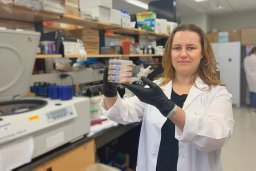 Daria Miroshnychenko合作论文数Institute of Molecular Biology and Genetics NAS of Ukraine, Zabolotnogo str, 150 Kyiv 03143, Ukraine24James DeGregori合作论文数Department of Biochemistry and Molecular Genetics, School of Medicine, University of Colorado Anschutz Medical Campus22
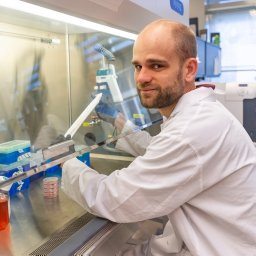 Robert Vander Velde合作论文数Moffitt Cancer Center;17
 Mark Robertson-Tessi合作论文数RUMMBA (Research Unit in Mathematics, Mechanics, Biology, and Applications),, University of Arizona17
 Jacob Scott合作论文数Cleveland Clinic Lerner Research Institute;Case Comprehensive Cancer Center, Case Western Reserve University16
 Bin Fang合作论文数Proteomics, H. Lee Moffitt Cancer Center & Research Institute13
 Jeffrey West合作论文数H Lee Moffitt Canc Ctr & Res Inst, Integrated Math Oncol, Tampa, FL 33612 USA12
 Philipp Altrock合作论文数ether Group for Evolutionary Dynamics, No;Department of Evolutionary Ecology;Max-Planck-Institute for Evolutionary Biology;Noether Group for Evolutionary Dynamics, Max-Planck-Institute for Evolutionary Biology12
 Miti Tatiana合作论文数Department of Physics, University of South Florida11
 John Koomen合作论文数Moffitt Cancer Center;Department of Chemistry, College of Arts and Sciences, University of South Florida11Pragya Kumar合作论文数10
 Robert Gatenby合作论文数Center of Excellence for Evolutionary Therapy, Moffitt Cancer Center10
 Solanki Hitendra Singh合作论文数Institute of Bioinformatics, International Technology Park10Viktoriya Marusyk合作论文数9Anne Trinh合作论文数9
 Andrew Beck合作论文数Beck Lab, Department of Pathology, Harvard Medical School;Beth Israel Deaconess Medical Center;PathAI9Aurora M. Nedelcu合作论文数Department of Biology;Dalhousie University;Department of Biology, Dalhousie University9Uwe Rix合作论文数9
 Jean Pascal Capp合作论文数Institut National des Sciences Appliquées de Toulouse9Doris P. Tabassum合作论文数8Denis Imbody合作论文数8Beata Ujvari合作论文数8
 Jill Gallaher合作论文数East Carolina University8Chandler Gatenbee合作论文数Department of Integrated Mathematical Oncology, H. Lee Moffitt Cancer Center and Research Institute7Nicholas W Harper合作论文数7
 Michalina Janiszewska合作论文数Dana-Farber Cancer Institute and Department of Medicine, Harvard Medical School7Ashim Subedee合作论文数7Felipe Flores合作论文数6Guillermo Peluffo合作论文数6vanessa almendro合作论文数6
 Curtis Henry合作论文数6Natalie L Kingston合作论文数6Bojana Jovanović合作论文数6
 Chandra Sekhar Reddy Chilamakuri合作论文数Univ Cambridge, CRUK Cambridge Inst, Cambridge, England6
 Clive D'Santos合作论文数Univ Cambridge, Canc Res UK Cambridge Inst, Cambridge, England6
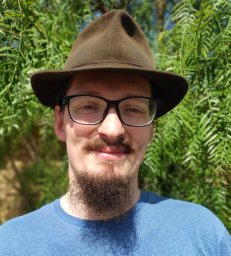 Antoine Dujon合作论文数Unité Mixte de Recherches, IRD 224-CNRS 5290-Université de Montpellier6
 Katherine R. Murphy合作论文数Donald Danforth Plant Sci Ctr6Eric A. Welsh合作论文数Moffitt Cancer Center6Majumder Anurima合作论文数Department of Molecular Physiology and Biophysics, University of Iowa6
 Noemi Andor合作论文数6
 Stewart Paul A合作论文数6
 Oscar M Rueda合作论文数MRC Biostatistics Unit, University of Cambridge;Cambridge Centre, Cancer Research UK Cambridge Institute, University of Cambridge6
 Francisco Beca合作论文数IPATIMUP - Institute of Molecular Pathology and Immunology, the University of Porto6
 Carlos Caldas合作论文数Weizmann Institute of Science;Department of Oncology, University of Cambridge;Cambridge University Hospitals6




