Alzheimer's disease (AD) remains a major unmet medical need characterized by progressive cognitive decline and multifactorial pathology. Induced pluripotent stem cell (iPSC) technology provides an invaluable platform to model patient-specific and late-onset disease mechanisms. Advances in reprogramming strategies and neuronal differentiation protocols have improved the fidelity of human-derived neuronal models by preserving age-related and epigenetic features relevant to AD. Cortical organoids generated from iPSCs have further enabled the reconstruction of three-dimensional brain-like structures, facilitating the study of amyloid and tau pathology, synaptic dysfunction, and neuroinflammatory interactions in a physiologically relevant context. Ongoing innovations, such as microglial integration, vascularization, and induction of cellular aging, continue to enhance the translational accuracy of these models. iPSC and organoid systems are increasingly used for mechanistic dissection of AD-related pathways, genotype-phenotype correlations, and high-throughput therapeutic screening. Nevertheless, challenges related to reproducibility, maturation, and scalability remain barriers to clinical translation. The review also highlights ethical, regulatory, and societal considerations inherent to human stem cell-based disease modeling. Together, these developments underscore the transformative potential of iPSC-derived models in advancing mechanistic understanding and therapeutic discovery for Alzheimer's disease.
INTRODUCTION:Vanillin, a phenolic aldehyde, is the primary component of the vanilla bean's ethanolic extract. Synthetic vanillin is now more commonly used as a flavoring in foods, beverages, and pharmaceuticals. Natural vanilla extract consists of several hundred derivatives, while artificial vanilla flavoring is often a synthetic ethanol solution of pure vanillin. The first commercial synthesis of vanillin began with eugenol, and today, it is made from guaiacol or lignin. METHODS:This narrative review aggregates and critically assesses available literature on vanillin and its synthetic derivatives. A thorough literature review was conducted using prominent scientific databases, including PubMed, Scopus, Web of Science, and Google Scholar, covering papers from 2000 to 2024, with a specific focus on recent research. Experimental and review studies concerning the synthesis, structural changes, pharmacological activities, toxicological features, and structure- activity connections of vanillin and its derivatives were systematically examined and analyzed. The review emphasizes the biological evaluations, modes of action, and therapeutic potential of vanillinderived drugs in various illness types. RESULTS:Comprehensive evaluation of vanillin and its derivatives revealed their broad pharmacological spectrum, including significant neuroprotective effects against neurodegenerative disorders such as Alzheimer's disease and potent anti-diabetic properties. In addition, Several vanillin derivatives demonstrated promising antimicrobial and anticancer activities, emphasizing their therapeutic potential. The review highlights that diverse synthetic strategies such as Schiff base formation, Azo-Schiff base reactions, Williamson ether synthesis, Steglich esterification, Claisen-Schmidt condensation, and Mannich or reductive amination reactions are effectively employed to design and modify vanillin structures. These synthetic methods target functional groups like hydroxyl, methoxy, and aldehyde moieties, enabling the generation of novel bioactive derivatives with improved pharmacological profiles. Aldehyde (CHO) groups in vanillin are more susceptible to substitution than other functional groups. DISCUSSION:Vanillin is a structurally versatile phenolic aldehyde with broad pharmacological potential. Structural modifications of its hydroxyl, methoxy, and aldehyde groups significantly enhance biological activities, including neuroprotective effects against Alzheimer's disease, anti-diabetic, antimicrobial, and anticancer properties. The aldehyde moiety plays a key role in synthetic diversification through reactions such as Schiff base formation, Mannich reaction, and Claisen-Schmidt condensation, enabling the development of potent bioactive derivatives. Although promising preclinical results highlight the therapeutic potential of vanillin-based compounds, further pharmacokinetic and clinical investigations are required to advance them toward drug development. CONCLUSION:Vanillin and its derivatives represent a versatile class of compounds with multifaceted biological activities and vast potential in drug discovery. Their structural modifiability through various synthetic approaches allows the development of new therapeutic agents with enhanced efficacy and specificity. Continued exploration of their chemistry and pharmacology could pave the way for innovative treatments in neurodegenerative, metabolic, microbial, and cancer-related diseases.
The present study reports the computational design, synthesis, characterization, and pharmacological evaluation of ten novel Schiff base-linked 1,3-oxazine derivatives (E-1 to E-10) as potential cyclooxygenase-2 (COX-2) inhibitors. Molecular docking studies against COX-2 (PDB ID: 4M11) revealed strong binding affinities, with compound E-2 exhibiting the highest binding energy of -10.8 kcal/mol. All compounds were synthesized via a two-step protocol and characterized by FT-IR, NMR, mass spectrometry, and elemental analysis. In vitro COX-2 inhibition assay identified E-2 as the most potent derivative (IC₅₀ = 2.76 µM, SI = 11.65). In vivo studies demonstrated that E-2 exhibited significant dose-dependent analgesic activity in tail flick and acetic acid writhing models, and potent anti-inflammatory effects in carrageenan-induced paw edema and xylene-induced ear edema tests, comparable to standard drugs. Biochemical analysis confirmed substantial reduction in PGE₂, TNF-α, IL-6, and IL-1β levels. The compounds were found safe up to 2000 mg/kg. These findings highlight the therapeutic potential of 1,3-oxazine derivatives as safer anti-inflammatory and analgesic agents
Abstract: Thiazolidinediones (TZDs) are a group of insulin-sensitizing drugs that have primary application in the treatment of Type 2 Diabetes Mellitus (T2DM). By activating peroxisome proliferator-activated receptor gamma (PPARγ), TZDs increase insulin sensitivity in adipose tissue, skeletal muscle, and the liver, thereby optimizing glucose metabolism and lipid homeostasis. Their effectiveness in blood glucose control, however, is tempered by concerns about side effects such as weight gain, edema, cardiovascular risks, and increased bone fracture risk, and thus their sub-universal use. More recent studies on TZDs include the synthesis of novel derivatives with enhanced safety profiles, multi- or dual-targeting agents, and PPAR-γ- independent effects, aimed at minimizing side effects and preserving insulin-sensitizing activity. Additionally, personalized medicine strategies using genetic and biomarker-based approaches aim to optimize TZD therapy by aligning treatment with a patient's unique metabolic profile. TZDs outside diabetes also hold potential for the treatment of other diseases, such as nonalcoholic fatty liver disease (NAFLD) and metabolic syndrome. This review generally discusses the mechanisms, clinical uses, safety issues, and future perspectives on TZD research, explaining their evolving role in metabolic disease management. Future progress is destined to enhance their therapeutic utility through novel drug design and precision medicine strategies.
Recent Advances in Pharmaceutical Sciences and Drug Development provides an integrative survey of recent and important developments in the main avenues in pharmaceutical research. The book is written to depict the dynamic feature of drug discovery and development with a combination of unveiled scientific innovations along the basic principles. Pharmaceutical Chemistry has discussed such important points as the design and synthesis of heterocyclic compounds, studies of structure-activity relationship (SAR), and recent developments in indole-based therapeutic agents. It is also focusing on environmentally friendly procedures by implementing green chemistry policies, as well as the implementation of state-of-the-art analysis tools like HPLC, NMR, and spectroscopy. Moreover, the increasing importance of computational techniques and molecular docking in rational drug design is delicately discussed. In chapters on pharmacology, one can gain an understanding of pharmacodynamics and pharmacokinetics, molecular targets, and drug action, as well as more recent developments in pharmacological therapy of diabetes. Those subjects are due to the growing necessity of specific and successful therapy. Other key inputts of Pharmaceutics and Pharmacognosy, such as breaking new delivery systems into pharmaceuticals, the creation and assessment of solid dosage forms, and standardization and the quality control of herbal medicines have also been included in the book. Combination of these areas guarantees safety, efficacy, and reliability of pharmaceutical products. This book written to be read by students, researchers and other professionals is a important guide to comprehend the latest trends and future perspectives in pharmaceutical sciences in order to promote innovation and highest standards in healthcare research and practice.
Cancer continues to pose a significant global health concern, requiring creative strategies to improve treatment results and diagnostic methods. Smart nanostructures represent a paradigm shift in cancer management, offering precision, efficiency, and multifunctionality. This review delves into the transformative role of smart nanostructures in oncology, emphasizing their potential to address critical limitations of conventional therapies, like systemic toxicity, drug toxicity, suboptimal targeting, and drug resistance. The diversity of smart nanostructures, including polymeric nanoparticles, liposomes, dendrimers, metal-based nanostructures, and carbon-based materials, is explored, highlighting their unique properties and applications. Stimuli- responsive nanostructures capable of modulating drug release under specific pH, temperature, redox, or enzymatic conditions are discussed as pivotal innovations for precise cancer therapy. Strategies for enhanced targeting, encompassing passive mechanisms such as the Enhanced Permeability and Retention (EPR) effect and active targeting through ligand-receptor interactions, highlight the significance of tumor specificity. In addition to medication delivery, the utilization of nanostructures in cancer diagnosis, such as imaging modalities, biomarker detection, and real-time observation, is examined. The advent of multifunctional theranostic platforms, integrating diagnostics and therapy, exemplifies the convergence of nanotechnology and oncology. Additionally, the review addresses the role of personalized medicine, leveraging patient-specific genomic and proteomic data to tailor nanostructure design. Emerging trends in fabrication techniques and the translation of nanostructures from laboratory research to clinical practice are critically assessed, offering insights into future opportunities and challenges. This comprehensive review seeks to offer a comprehensive knowledge of smart nanostructures that could transform cancer management.
Ethnopharmacology is the study of traditional medicinal knowledge and its application in modern drug discovery. It combines ethnobotanical insights with scientific research to identify bioactive compounds with therapeutic potential. Sustainable agriculture refers to farming practices that maintain ecological balance, support biodiversity, and ensure the long-term availability of resources. Integrating these fields can enhance drug discovery while preserving medicinal plants and promoting environmental sustainability. This review examines the collaboration between ethnopharmacology and sustainable agriculture in advancing drug discovery, conservation, and global food security. This review examines the role of ethnopharmacology in drug discovery, analyzing traditional medicinal practices, bioactivity-guided fractionation, and metabolomic profiling. It also investigates sustainable agriculture techniques, including organic farming, controlled cultivation, and conservation strategies for medicinal plants. Data were collected from peer-reviewed literature using sources such as Google Scholar, PubMed, Scopus, and journal databases like ScienceDirect. Ethnopharmacology has contributed to the discovery of key drugs with anticancer, anti-inflammatory, and antimicrobial properties. Sustainable agriculture ensures a steady supply of medicinal plants while optimizing their bioactive compound production through improved cultivation techniques. The combination of these approaches strengthens drug discovery efforts and supports ecological conservation. Integrating ethnopharmacology with sustainable agriculture is a promising strategy for developing new drugs while protecting natural resources. Future research should focus on innovative cultivation techniques, community- led conservation efforts, and advanced analytical methods to enhance the discovery of new drugs. The adoption of agroecological practices, technological advancements, and policy support will be crucial in ensuring sustainable and equitable benefits for healthcare and agriculture. Bridging traditional knowledge with scientific research will foster new therapeutic discoveries while promoting environmental sustainability.
Type 2 diabetes mellitus (T2DM) is increasingly recognized as a major risk factor for Alzheimer's disease (AD), with mounting evidence highlighting shared pathophysiological mechanisms. This review explores the intricate biological and molecular links between these two chronic disorders. Key overlapping pathways include impaired insulin signaling, chronic inflammation, oxidative stress, mitochondrial dysfunction, amyloid-beta (Aβ) accumulation, tau hyperphosphorylation, and the formation of advanced glycation end-products (AGEs). Disruption of insulin signaling in the brain contributes to synaptic loss and neurodegeneration, while systemic metabolic disturbances aggravate blood-brain barrier dysfunction and neurovascular damage. Emerging studies also underscore the role of antidiabetic treatments, especially newer agents targeting the gut-brain axis, in modulating AD progression. The review further examines preclinical models, clinical observations, and the development of biomarkers to improve early detection and intervention. Despite growing insights, challenges remain in translating mechanistic knowledge into effective therapies. A multidisciplinary approach integrating metabolic control and neuroprotective strategies is essential for addressing the comorbid burden of T2DM and AD. See also the graphical abstract(Fig. 1).
Apigenin, a dietary flavonoid that occurs naturally in parsley, chamomile, and a variety of other plant foods, has attracted increasing scientific interest for its broad spectrum of pharmacological effects, such as antioxidant, anti-inflammatory, anticancer, antimicrobial, neuroprotective, and cardioprotective activities. Being structurally related to quercetin, apigenin exhibits significant therapeutic potential; however, its clinical application is limited by poor aqueous solubility and low bioavailability. Recent studies have investigated the synergistic ability of apigenin when it is used in combination with a variety of small-molecule agents to overcome these challenges and improve therapeutic efficacy. Such combinations have been shown to be effective in the management of cancer, neurodegenerative disorders, and metabolic syndromes through mechanisms that include modulation of oxidative stress, cell cycle arrest, induction of apoptosis, and interference with major signaling pathways like PI3K/Akt, NF-κB, and MAPK. This review uniquely focuses on drug-specific synergistic interactions between apigenin and conventional small-molecule therapeutics, highlighting mechanistic pathways such as PI3K/Akt, NF-κB, MAPK, and drug transporter modulation. By critically analyzing these interactions, the study provides insights into combination-based therapeutic strategies and identifies key gaps for clinical translation. The inclusion criteria comprised studies published between 2000 and 2025, written in English, focusing on the pharmacological activity of apigenin. Electronic academic databases like PubMed, IEEE Xplore, Scopus, and ScienceDirect that provide extensive access to peer-reviewed medical and technological studies were the primary source of literature reviewed in this study. Keywords like “pharmacological evaluation,” “synergistic effects,” and “apigenin” were used to choose articles. This search strategy enables the identification of relevant original studies and review articles addressing the therapeutic potential of apigenin.
Drug that interact with various targets of either of single disease or numerous disease pathways are referred to as polypharmacology. This idea has been highly valued in the context of complicated disorders; including cancer, anti-Alzheimer, antiepileptic and anti-infective. Research on polypharmacological drug discovery is started by combining several substances that are accessible through public databases. Patient having impaired immune system suffered from complicated disease. Drug formulations have multiple compositions which may cause resistance problem and adverse effect because of unintentional drug-target intentions. Polypharmacology is still a new approach to aim for less harmful and more productive outcomes. Phthalic anhydride scaffold has emerged as a crucial novel medication to combat infectious disease including Alzheimer, Epilepsy, cancer and other disorder of life style. The present study is an attempt to explore the polypharmacological effects of phthalic anhydride compounds on to combat microbial infection, inflammation, Alzheimer, Epilepsy and cancer. Also provide systematically compile and present all available information in a manner that will be beneficial for future research.
A number of anti-inflammatory drugs with an aryl-ether part, such as Nimesulide and Rofecoxibs, have been shown to damage cells and kill liver cells. Keeping in view this rationale, the present work was aimed at synthesising new indole-substituted aryl ethers and evaluating their anti-inflammatory effects, which have minimal side effects. New indole substituted aryl ethers were synthesised. Spectral characterisation of these newly synthesised compounds was done using infrared (IR), proton nuclear magnetic resonance (1H NMR), and carbon-13 nuclear magnetic resonance (13C NMR) spectroscopy techniques. Further, In-silico studies were performed with an aim to evaluate the suitability of synthesised compounds as potential bioactive candidates for anti-inflammatory activity. The synthesised compounds were subjected to anti-inflammatory activity evaluation using the carrageenan-induced rat paw edema model. Primarily, the chemical reaction completion was ensured using TLC and M.P. Further, the structures of all synthesised compounds were confirmed by the results of spectra characterization. Results of in-silico study exhibited the docking of compounds on target proteins. On the basis of experimental findings, it was concluded that compound AG-1 (N-(1H-indol-3yl) methylene)-4-phenoxyaniline) is the most potent anti-inflammatory compound amongst all the newly synthesised compounds. Findings of the present study concluded that AG-1 could be used as a viable new lead bioactive compound to serve as a potent candidate for a new anti-inflammatory drug. The novelty of the present work resides in the simplest way of synthesis, a good docking score, and excellent anti-inflammatory potential when evaluated in vivo.
INTRODUCTION:The zebrafish (Danio rerio), which lives in tropical freshwater, is thought to be one of the best animal models for studying drugs and their effects. This model is unique for its fast growth, clear embryos, genetic similarity to humans, and low cost for experiments. Literature-based data were gathered and shared so that future researchers in the field of pharmacology could get an idea of what kind of work could be done. METHODS:Journal sources like Scopus, Springer, MDPI, and PubMed were used. Seventy-four research papers from 2000 to 2025 were reviewed, but some from before 2020 were added because they were more scientifically sound. Articles about fish that aren't zebrafish were left out. RESULTS:In order to perform preclinical investigations of several ailments, including diabetes, cancer, cardiovascular disease, and neurological disorders, researchers are using zebrafish as an animal model. The reason behind its use is its similar genetic pattern, similar physiology, rapid development, and optical transparency. DISCUSSION:Researchers have found heart-healthy phospholipids, antitumor peptides, and anti-diabetic chemicals in zebrafish models, which makes them a great way to study human pathophysiology. In vivo studies using zebrafish are also easy to expand and cost-effective. CONCLUSION:The emerging zebrafish model is indispensable for translational investigation. This model works as a bridge connecting in vitro assays to mammalian models. The present article is an attempt to showcase the current perspective on the pharmacological model in view of drug discovery involving zebrafish.
Alzheimer's Disease (AD) is a progressive neurodegenerative disorder with a complex genetic basis involving both rare mutations and common variants. This review provides a comprehensive synthesis of established and emerging genetic risk factors implicated in AD pathogenesis. Mendelian forms are strongly associated with mutations in APP, PSEN1, and PSEN2, whereas the APOE ε4 allele remains the most robust genetic risk factor for late-onset AD. Recent Genome- Wide Association Studies (GWAS) have uncovered additional susceptibility loci, including TREM2, CLU, ABCA7, and SORL1, which reflect diverse biological pathways such as amyloid metabolism, lipid regulation, and immune response. The review also highlights the roles of epigenetic mechanisms such as DNA methylation and histone modifications, as well as geneenvironment interactions in modulating disease risk and progression. Although substantial progress has been made in identifying genetic contributors, translating these findings into clinical applications remains challenging. This article underscores the need for integrative, multi-omic approaches and population-diverse studies to enhance risk prediction and enable personalized interventions for prevention and therapy in AD.
Alzheimer's disease (AD), the most prevalent form of dementia, is pathologically defined by amyloid-β (Aβ) plaques, neurofibrillary tangles, synaptic loss, and progressive neuronal degeneration. Increasing evidence highlights neuroinflammation as a central and modifiable factor in AD pathogenesis. This review critically explores the roles of microglia and astrocytes in mediating neuroinflammatory cascades, emphasizing their dual protective and detrimental functions. Microglial activation and astrocytic polarization into A1 (neurotoxic) and A2 (neuroprotective) subtypes are discussed alongside their contributions to Aβ clearance, tau pathology propagation, and synaptic dysfunction. The disruption of the blood-brain barrier, activation of inflammasome pathways such as NLRP3, and release of cytokines and chemokines exacerbate chronic inflammation and neurodegeneration. Advances in single-cell transcriptomics and lipidomics have revealed glial heterogeneity and novel molecular targets, including disease-associated microglia. Genetic risk factors like apolipoprotein E (APOE) and TREM2 variants further modulate inflammatory responses. Emerging therapeutic strategies, including non-steroidal anti-inflammatory drugs, monoclonal antibodies, and targeted immunomodulators, hold promise for modifying disease progression. Overall, precise targeting of neuroinflammatory pathways offers a compelling avenue for future AD therapies.
Alzheimer disease is the most prevalent neurodegenerative disorder, affects a significant portion of the elderly population, with current treatments primarily focusing on symptom relief rather than disease progression. This review paper explores the role of dietary phytopharmaceuticals in alleviating Alzheimer's Disease (AD) through a mechanism-based approach. The paper emphasizes the importance of diet in influencing brain health and the potential of phytochemicals, the bioactive compounds derived from plants to provide neuroprotective, anti-inflammatory, and antioxidant benefits. Key phytochemicals such as curcumin, resveratrol, and apigenin are highlighted for their roles in reducing amyloid plaque formation, enhancing neuronal survival, and modulating inflammatory responses. The paper also discusses the complex interplay between diet, gut microbiota, and neurodegenerative processes, suggesting that a balanced diet rich in antioxidants and healthy fats may mitigate AD risk. Furthermore, it addresses the challenges of bioavailability and pharmacokinetics of phytopharmaceuticals, proposing that future researchers work to enhance therapeutic efficacy. The review concludes that integrating dietary phytopharmaceuticals with conventional treatments could offer a comprehensive strategy for AD management, paving the way for future research to elucidate molecular mechanisms and develop targeted interventions.
 Mishra Arun K合作论文数30
 Harpreet Singh合作论文数IFTM University23
 Amrita Mishra合作论文数Delhi Pharmaceutical Sciences and Research University12
 Porwal Mayur合作论文数8
 Singh Mhaveer合作论文数Department of Pharmacognosy &Faculty of Pharmacy, Hamdard University (Jamia Hamdard),;Faculty of Pharmacy, Hamdard University (Jamia Hamdard),7
 Kamal Yt合作论文数6
 Hitesh Chopra合作论文数Chitkara College of Pharmacy, Chitkara University5
 Rastogi Vaibhav合作论文数School of Pharmaceutical Sciences, IFTM University5
 Gyas Khan合作论文数4
 Himanshu Gupta合作论文数3
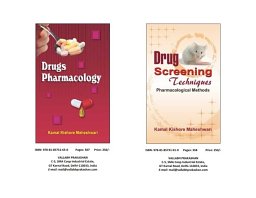 Kamal Kishore合作论文数3
 Girendra Kumar Gautam合作论文数2
 Sourav Mohanto合作论文数Dept Pharmaceut, Yenepoya Deemed Univ2
 Alankar Shrivastav合作论文数Faculty of Pharmacy, IFTM University2
 Anurag Verma合作论文数School of Pharmaceutical Sciences, IFTM University2
 Najam Ali Khan合作论文数2
 Mohammed Gulzar Ahmed合作论文数2
 Sarvesh Paliwal合作论文数Department of Pharmacy, Banasthali University2
 Surya Prakash Dwivedi合作论文数2
 Tulika Prasad合作论文数School of Life Sciences, Jawaharlal Nehru University2
 Baby Rabiya Parveen合作论文数1tanmoy de合作论文数1Rajib Kumar Singh合作论文数1Shahana Salam合作论文数1saurabh sharma合作论文数1Harshita Dhall合作论文数1Amitava Ghosh合作论文数1Vaibhav Trivedi合作论文数Dept Mech Engn, IFTM Univ1
 Prashant Jivaji Bhide合作论文数1
 Aditya Sharma合作论文数School of Pharmaceutical Sciences, IFTM University1
 Sagnik Nag合作论文数School of Biosciences & Technology, Vellore Institute of Technology (VIT),1Chandana Majee合作论文数Department of Pharmaceutical Chemistry, Noida Institute of Engineering and Technology1Soniya Dhiman合作论文数Analyt Lab A 214, Indian Inst Technol Roorkee1
 Neelkant Prasad合作论文数SGT Coll Pharm, SGT Univ1
 Saumya Das合作论文数Noida Institute of Engineering and Technology, Pharmacy Institute1
 Anurag Agrawal合作论文数Department of Pharmacology, Ram-Eesh Institute of Vocational and Technical Education1
 Punet Kumar合作论文数Dept Phytochem, Shri Gopichand Coll Pharm1
 M. V. N. L. Chaitanya合作论文数School of Pharmaceutical Sciences, Lovely Professional University1
 Inderbir Singh合作论文数Chitkara College of Pharmacy, Chitkara University1Keny R V合作论文数1
 Prithviraj Chakraborty合作论文数1
 Basant Kumar合作论文数Department of Electronics & Communication Engineering, Motilal Nehru National Institute of Technology1
 Kalicharan Sharma合作论文数1Sangeetha Jeyabalan合作论文数1
 Rahul Rama Hegde合作论文数School of Pharmaceutical Sciences, IFTM University1
 Jagdish Sahu合作论文数Department of Pharmaceutical Chemistry, Institute of Professional Studies College of Pharmacy, Gwalior, Madhya Pradesh, India.1
 Lohani Alka合作论文数School of Pharmaceutical Sciences, IFTM University1
 Yadav Pragya合作论文数School of Pharmaceutical Sciences, IFTM University1




