6007 Background: We previously reported that surgery to the primary site with hypoxia-directed de-escalated radiation to the neck for human papillomavirus associated oropharyngeal carcinoma (HPV+ OPC) can lead to excellent oncologic outcomes. We now report the results of a successor multi-center phase II trial of hypoxia-directed de-escalated chemoradiotherapy without surgery for HPV+OPC. Methods: HPV+ OPC (T0-2/N1-N2c/AJCC 7th) patients were eligible for enrollment. Tumors without evidence of hypoxia on 18F-FMISO (fluoromisonidazole) PET received de-escalated chemoradiation to 30Gy while those with hypoxia received chemoradiation to 70Gy. The primary objective was achieving a 2-year locoregional control (LRC) of 95% (failure was locoregional recurrence where surgical salvage was unfeasible) with a 7% non-inferiority margin. We enrolled a total of 158 subjects upfront to account for a 5% loss due to death (of reasons other than cancer) or follow-up. Secondary objectives were local failure (LF), regional failure (RF), distant metastasis (DM), overall survival (OS), toxicities, and patient-reported MD Anderson Dysphagia Inventory (MDADI) scores. LF, RF, and DM were estimated using the Cumulative Incidence Function, and OS was estimated using the Kaplan-Meier method. Results were reported up to 1/31/2024. Results: From 4/28/20-4/17/23, 158 HPV+ OPC patients were enrolled where150 patients were eligible for analyses. Patient characteristics: Tonsil (43%); Base of Tongue (47%); unknown primary (10%); >/=10 pack years (22%); T0 (9%), T1 (44%), T2 (47%); N1 (14%), N2a (11%), N2b (59%), N2c (16%). 111 (74%) received 30Gy; 95% cisplatin. With 24 months (8-43) of median follow-up, the 2-year LF, RF, DM rates were 4.2%, 6.9%, 2.0%, respectively. The 2-year overall survival probability was 99%. Only 2 patients could not undergo salvage surgery [one 30Gy (second recurrence); one 70Gy (M1)], both received systemic therapy with durable response. Acute grade 3-4 toxicities were 32% (67% neutropenia). Mean MDADI scores: 92.93 (baseline); 68.24 (3 weeks), 91.45 (4 months) after chemoradiation. Conclusions: These early data indicate that major de-escalation to 30Gy based on hypoxia status achieved significant toxicity reduction without compromise in survival for HPV+ OPC treated with chemoradiation without surgery. Clinical trial information: NCT03323463 .
Purpose/Objective(s)Human papilloma virus cell-free tumor DNA (HPV ctDNA) may be able to detect minimal residual disease prior to clinically apparent recurrence. We hypothesized that undetectable post-operative HPV ctDNA can be used to select patients for active surveillance and conducted a pilot study (NCT05307939) omitting or delaying adjuvant radiation until patients develop detectable HPV ctDNA (cohort A).Materials/MethodsHPV ctDNA was assessed using a liquid biopsy assay which quantifies circulating tumor tissue modified viral (TTMV)-HPV DNA. Eligible subjects had a preoperative TTMV-HPV DNA Score of ≥50 fragments/mL, underwent surgical resection of all gross disease confirmed by post-operative MRI, had a minimum of one pathologic risk factor for adjuvant therapy, and negative post-operative HPV ctDNA at two draws 2-6 weeks after surgery. During active surveillance, patients were monitored with TTMV-HPV DNA testing, imaging, and exam every 3 months (mo). Patients were only treated with delayed adjuvant radiation on study if they develop detectable TTMV-HPV DNA without evidence of gross disease. Our primary endpoint declares this approach worthy of further study if ≥ 85% of evaluable patients (n=15 in each cohort) are gross disease progression-free at one year.ResultsFrom 3/23/22-8/25/23, 53 patients were screened and 12 patients enrolled on Cohort A before early enrollment closure. Patients were excluded due to TTMV-HPV DNA Score <50 frag/mL (n=21) and positive margin or extracapsular extension (n=11) inclusive of n=2 patients with a positive post-operative TTMV-HPV DNA score. Among patients enrolled in Cohort A, the median pre-treatment TTMV-HPV DNA Score was 448 (Range: 59-2135 frag/mL). Median follow-up was 12.5 mo (Range: 3.7-21 mo). TTMV-HPV DNA was detected during surveillance in 1 of 12 initially enrolled patients 6 mo after surgery without evidence of gross disease, and the patient was treated with 60 Gy of adjuvant radiotherapy on study. 3 additional patients developed radiographic detected disease progression at the 6-mo surveillance time point, and recurrence occurred either synchronously (n=2) with or before TTMV-HPV DNA was detected (n=1). As 3 of 12 patients developed gross recurrent disease, Cohort A closed due to failure to meet our primary endpoint. Cohort B (de-escalated post-operative therapy) remains open and will be reported separately.ConclusionOur pilot study approach of using HPV ctDNA based selection of patients for post-operative active surveillance resulted in a high rate of gross disease recurrence and failed to meet our primary endpoint. Radiographic recurrence was not preceded by detectable TTMV-HPV DNA during 3 mo interval surveillance, and additional clinical factors are needed to select patients for active surveillance and initiation of delayed adjuvant therapy prior to recurrence.
Purpose/Objective(s)Human papilloma virus (HPV)-associated oropharynx squamous cell carcinoma (OPC) is associated with excellent outcomes and has led to de-escalation efforts to reduce treatment toxicity. In the post-operative setting, adjuvant therapy is recommended based on traditional pathologic factors and additional biomarkers are needed to select optimal candidates for therapy de-escalation. Cell-free tumor DNA (ctDNA) is an emerging method of cancer surveillance and detecting minimal residual disease. HPV ctDNA can be detected prior to clinically apparent recurrence. In our pilot study we hypothesize that undetectable post-operative HPV ctDNA can be used to select patients for active surveillance, in which adjuvant radiation is omitted or delayed until patients develop detectable HPV ctDNA (cohort A). We also hypothesize that undetectable HPV ctDNA can be used to select for post-operative chemoradiation de-escalation to 30 Gy with concurrent chemotherapy (cohort B) in patients with positive margins or extracapsular extension (NCT05307939).Materials/MethodsSubjects are eligible for trial enrollment if they have: detectable pre-operative HPV-16 ctDNA (min 50 copies/mL), undergone surgical resection of all gross disease, and undetectable post-operative HPV ctDNA. All patients must also have a minimum of one of the following pathologic criteria: AJCC 7 pT1N1/pT2N1/pT3 disease, N2 disease, unknown primary (pT0N1-2b) status post neck dissection, lympho-vascular invasion (LVI), peri-neural invasion (PNI), or close margin (<3 mm), microscopic positive margin, or extracapsular extension (ECE). Patients who meet the aforementioned criteria who do not have positive margins or ECE are eligible for active surveillance (Cohort A) without immediate adjuvant therapy. Patients with microscopic positive margins or extracapsular extension are eligible for immediate de-escalated adjuvant chemoradiation (Cohort B). During active surveillance, Cohort A patients are observed and are treated with delayed adjuvant radiation if they develop detectable HPV ctDNA without radiographic evidence of disease. Patients with microscopic positive margins or extracapsular extension are treated with de-escalated post-operative chemoradiation: 30 Gy in15 fractions with concurrent chemotherapy (bolus cisplatin or carboplatin/5-fluorouracil). The primary objective is to evaluate the one year pathologically confirmed PFS (n=30). For each cohort, if at least eighty-five percent of evaluable patients are disease progression-free and alive at the end of one year of follow-up, the cohort will be declared promising and worthy of further investigation. Secondary objectives include evaluating one and two year locoregional PFS, one and two year overall survival, HPV ctDNA PFS patient report quality of life, and patient reported financial toxicity.ResultsTBDConclusionTBD
IMPORTANCE Use of proton therapy reirradiation (PT-ReRT) for head and neck cancer is increasing; however, reports are heterogenous and outcomes can be difficult to interpret. OBJECTIVE To evaluate outcomes and toxic effects following PT-ReRT in a uniform and consecutive cohort of patients with head and neck squamous cell carcinoma. DESIGN, SETTING, AND PARTICIPANTS This retrospective cohort study included patients with recurrent primary head and neck squamous cell carcinoma who were treated with PT-ReRT from January 1, 2013, to December 31, 2020, at a single institution. Patient, clinical, and treatment characteristics were obtained, and multidisciplinary review was performed to record and grade early and late toxic effects. EXPOSURES Proton therapy reirradiation. MAIN OUTCOMES AND MEASURES Follow-up was defined from the start of PT-ReRT. The Kaplan-Meier method was used for outcomes of interest, including local control (LC), locoregional control, distant metastatic control, progression-free survival, and overall survival (OS). Cox proportional hazards regression modeling was used to assess associations of covariates with OS. RESULTS A total of 242 patients (median [range] age, 63 [21-96] years; 183 [75.6%] male) were included. Of these patients, 231 (95.9%) had a Karnofsky performance status score of 70 or higher, and 145 (59.9%) had at least a 10-pack-year smoking history. Median (range) follow-up was 12.0 (5.8-26.0) months for all patients and 24.5 (13.8-37.8) months for living patients. A total of 206 patients (85.1%) had recurrent disease vs second primary or residual disease. The median (range) interval between radiation courses was 22 (1-669) months. Median PT-ReRT dose was 70 cobalt gray equivalents (CGE) for the fractionated cohort and 44.4 CGE for the quad shot cohort. For the fractionated cohort, the 1-year LC was 71.8%(95% CI, 62.8%-79.0%) and the 1-year OS was 66.6% (95% CI, 58.1%-73.8%). For the quad shot cohort, the 1-year LC was 61.6%(95% CI, 46.4%-73.6%) and the 1-year OS was 28.5%(95% CI, 19.4%-38.3%). Higher Karnofsky performance status scores (hazard ratio [HR], 0.50; 95% CI, 0.25-0.99; P =.046) and receipt of salvage surgery prior to PT-ReRT (HR, 0.57; 95% CI, 0.39-0.84; P =.005) were associated with improved OS, whereas receipt of quad shot (HR, 1.97; 95% CI, 1.36-2.86; P <.001) was associated with worse OS. There were a total of 73 grade 3 and 6 grade 4 early toxic effects. There were 79 potential grade 3, 4 grade 4, and 5 grade 5 late toxic effects. CONCLUSIONS AND RELEVANCE The findings of this cohort study suggest that, compared with previous reports with photon-based reirradiation, patients are living longer with aggressive PT-ReRT; however, surviving patients remain at risk of early and late complications.
PDF file - 56K, Correlation between SCCRO5 copy number alterations and mRNA expression measured by RNA seq (deep sequencing for RNA), in head and neck squamous cell carcinomas from The Cancer Genome Atlas, normalized by z-score transformation. Het, heterozygous; Hom, homologous; RPKM, reads per kilobase for million mapped reads.
PDF file - 113K, Supplementary Table S1. Oral squamous cell carcinoma- patient and tumor characteristics. Supplementary Table S2. Lung squamous cell carcinoma -patient and tumor characteristics. Supplementary Table S3. Thyroid Carcinoma -patient and tumor characteristics. Supplementary Table S4. Lung neuroendocrine carcinoma -patient and tumor characteristics. Supplementary Table S5. Sequences of the real-time PCR primers for SCCRO5 and housekeeping gene GAPDH (in 5'-3' direction) Supplementary Table S6. Sequences of the DNA mutation analysis primers for SCCRO5 Supplementary Table S7. Sequences of the primers used for SCCRO5 PCR for deletion and mutagenesis.
PDF file - 76K, Kaplan-Meier survival curves from post-hoc analysis showing recurrence-free survival based on SCCRO5 mRNA expression status in primary lung neuroendocrine carcinomas.
Supplementary Figure and Table from Gene Expression Profiling Allows Distinction between Primary and Metastatic Squamous Cell Carcinomas in the Lung
Supplementary Figures 1-7 from <i>Squamous Cell Carcinoma Related Oncogene</i>/DCUN1D1 Is Highly Conserved and Activated by Amplification in Squamous Cell Carcinomas
Background: We evaluate the impact of post-operative 18-fluorodeoxyglucose positron emission tomography with computed tomography (PET/CT) for radiation planning on the detection of early recurrence (ER) and treatment outcomes in oral squamous cell carcinoma (OSCC).Methods: We retrospectively reviewed the records of patients treated with post-operative radiation between 2005 and 2019 for OSCC at our institution. Extracapsular extension and positive surgical margins were classified as high risk features; pT3-4, node positivity, lymphovascular invasion, perineural invasion, tumor thickness >5 mm, and close surgical margins were considered intermediate risk features. Patients with ER were identified. Inverse probability of treatment weighting (IPTW) was used to adjust for imbalances between baseline characteristics.Results: 391 patients with OSCC were treated with post-operative radiation. 237 (60.6%) patients underwent post-operative PET/CT planning vs. 154 (39.4%) who were planned with CT only. Patients screened with post-operative PET/CT were more likely to be diagnosed with ER than those planned with CT only (16.5 vs. 3.3%, p < 0.0001). Among patients with ER, those with intermediate features were more likely than those high risk features to undergo major treatment intensification, including re-operation, the addition of chemotherapy, or intensifi-cation of radiation by >= 10 Gy (91% vs. 9%, p < 0.0001). Post-operative PET/CT was associated with improved disease-free and overall survival for patients with intermediate risk features (IPTW log-rank p = 0.026 and p = 0.047, respectively) but not high risk features (IPTW log-rank p = 0.44 and p = 0.96).Conclusions: Use of post-operative PET/CT is associated with increased detection of early recurrence. Among patients with intermediate risk features, this may translate to improved disease-free survival.
PDF file - 918K, A, Schematic representation of domain structures of SCCRO and its paralogues. B, Alignment of PONY domain of SCCRO and its paralogues. SCCRO5 residues critical for binding to neddylation components are shown.
Supplementary Tables 1-3 from <i>Squamous Cell Carcinoma Related Oncogene</i>/DCUN1D1 Is Highly Conserved and Activated by Amplification in Squamous Cell Carcinomas
Supplementary Methods from <i>Squamous Cell Carcinoma Related Oncogene</i>/DCUN1D1 Is Highly Conserved and Activated by Amplification in Squamous Cell Carcinomas
PDF file - 840K, A, Western blot analysis of lysates of NIH-3T3 cells stably transfected with vector alone, SCCRO5, SCCRO5_∆1-10 or SCCRO5_D195N/A219R/D225N and probed with antibody against SCCRO5 or tubulin as a loading control. SCCRO5_∆1-10 is not detected as the antibody recognizes an epitope that included this region. B, Bar graph depicting results of qRT-PCR on the same cells as in A showing expression of transgenes.
Background: Primary laryngeal chondrosarcomas are rare entities whose excellent survival rates following resection promote conservative surgical approaches to maintain quality of life without compromising outcomes. There are excellent outcomes in skull base chondrosarcomas treated with maximal safe resection and post-operative proton therapy. Extrapolating from these findings, we report our institutional experience treating symptomatic or growing laryngeal chondrosarcomas using proton beam therapy. Cases: Demographic information, clinical characteristics, treatment details, and follow-up data were collected and summarized. Patients were monitored with serial imaging and examination. Stable disease was defined as no progression of disease on imaging. Two patients underwent subtotal resections followed by post-operative radiotherapy, while two patients received definitive radiotherapy. All patients are currently alive with stable disease at their last follow-up. Conclusion: This case series provides initial evidence for excellent outcomes with maximal safe surgical resection followed by proton beam therapy for patients with symptomatic or growing laryngeal chondrosarcomas. Larger studies are warranted to determine the optimal therapeutic approach.
This cohort study compares the toxic effects and oncologic outcomes associated with intensity-modulated radiation therapy (IMRT) vs intensity-modulated proton therapy (IMPT) among adult patients with oropharyngeal carcinoma.
The most common cancer caused by human papillomavirus (HPV) infection in the United States is oropharyngeal cancer (OPC), and its incidence has been rising since the turn of the century. Because of substantial long-term morbidities with chemoradiation and the favorable prognosis of HPV-positive OPC, identifying the optimal deintensification strategy for this group has been a keystone of academic head-and-neck surgery, radiation oncology, and medical oncology for over the past decade. However, the first generation of randomized chemotherapy deintensification trials failed to change the standard of care, triggering concern over the feasibility of de-escalation. National database studies estimate that up to one third of patients receive nonstandard de-escalated treatments, which have subspecialty-specific nuances. A synthesis of the multidisciplinary deintensification data and current treatment standards is important for the oncology community to reinforce best practices and ensure optimal patient outcomes. In this review, the authors present a summary and comparison of prospective HPV-positive OPC de-escalation trials. Chemotherapy attenuation compromises outcomes without reducing toxicity. Limited data comparing transoral robotic surgery (TORS) with radiation raise concern over toxicity and outcomes with TORS. There are promising data to support de-escalating adjuvant therapy after TORS, but consensus on treatment indications is needed. Encouraging radiation deintensification strategies have been reported (upfront dose reduction and induction chemotherapy-based patient selection), but level I evidence is years away. Ultimately, stage and HPV status may be insufficient to guide de-escalation. The future of deintensification may lie in incorporating intratreatment response assessments to harness the powers of personalized medicine and integrate real-time surveillance.
Fanconi anaemia (FA), a model syndrome of genome instability, is caused by a deficiency in DNA interstrand crosslink repair resulting in chromosome breakage1-3. The FA repair pathway protects against endogenous and exogenous carcinogenic aldehydes4-7. Individuals with FA are hundreds to thousands fold more likely to develop head and neck (HNSCC), oesophageal and anogenital squamous cell carcinomas8 (SCCs). Molecular studies of SCCs from individuals with FA (FA SCCs) are limited, and it is unclear how FA SCCs relate to sporadic HNSCCs primarily driven by tobacco and alcohol exposure or infection with human papillomavirus9 (HPV). Here, by sequencing genomes and exomes of FA SCCs, we demonstrate that the primary genomic signature of FA repair deficiency is the presence of high numbers of structural variants. Structural variants are enriched for small deletions, unbalanced translocations and fold-back inversions, and are often connected, thereby forming complex rearrangements. They arise in the context of TP53 loss, but not in the context of HPV infection, and lead to somatic copy-number alterations of HNSCC driver genes. We further show that FA pathway deficiency may lead to epithelial-to-mesenchymal transition and enhanced keratinocyte-intrinsic inflammatory signalling, which would contribute to the aggressive nature of FA SCCs. We propose that the genomic instability in sporadic HPV-negative HNSCC may arise as a result of the FA repair pathway being overwhelmed by DNA interstrand crosslink damage caused by alcohol and tobacco-derived aldehydes, making FA SCC a powerful model to study tumorigenesis resulting from DNA-crosslinking damage.
 Jatin P. Shah合作论文数David H. Koch Center for Cancer Care, Memorial Sloan Kettering Cancer Center91
 Snehal G. Patel合作论文数David H. Koch Center for Cancer Care, Memorial Sloan Kettering Cancer Center55
 Dennis H. Kraus合作论文数52
 Ashok R. Shaha合作论文数David H. Koch Center for Cancer Care, Memorial Sloan Kettering Cancer Center50
 Richard J. Wong合作论文数Department of Head and Neck Surgery, Cancer Center47Ian Ganly合作论文数Department of Head and Neck Surgery, Memorial Sloan Kettering Cancer Center42
 Ronald A. Ghossein合作论文数Memorial Sloan Kettering Cancer Center36
 David G Pfister合作论文数Memorial Sloan-Kettering Cancer Center34Jay O. Boyle合作论文数29
 Nancy Y. Lee合作论文数Department of Radiation Oncology, Memorial Sloan-Kettering Cancer Center26
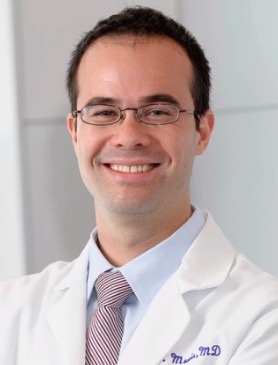 Luc G. T. Morris合作论文数Laboratory of Experimental Cancer Immunogenomics, Memorial Sloan Kettering Cancer Center22
 Eric J. Sherman合作论文数David H. Koch Center for Cancer Care, Memorial Sloan Kettering Cancer Center21
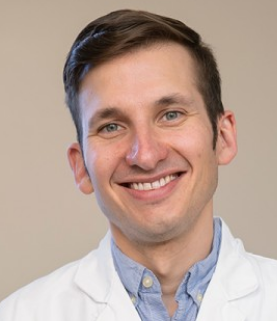 Sean McBride合作论文数Department of Radiation Oncology, Memorial Sloan Kettering Cancer Center;Northwestern University Pritzker School of Law19
 Nadeem Riaz合作论文数Memorial Sloan Kettering Cancer Center19Ramanathan Yegnanarayana合作论文数18
 Valerie W. Rusch合作论文数Department of Surgery, Memorial Sloan-Kettering Cancer Center;Weill Cornell Medical College18Huang Guochang合作论文数17
 Pulivarthi H Rao合作论文数17Simon G. Talbot合作论文数Plastic and Reconstructive Surgical Service, Memorial Sloan-Kettering Cancer Center17C Jillian Tsai合作论文数16
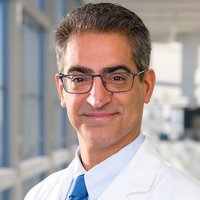 Inderpal S. Sarkaria合作论文数Harold C. Simmons Comprehensive Cancer Center, The University of Texas Southwestern Medical Center;Department of Cardiovascular and Thoracic Surgery, The University of Texas Southwestern Medical Center16Volkert B. Wreesmann合作论文数16Andrew J Kaufman合作论文数15
 Yao Yu合作论文数13Dunn Lara合作论文数13
 Daphna Y. Gelblum合作论文数Memorial Sloan-Kettering Cancer Center13Diane L. Carlson合作论文数13
 Pornchai O-Charoenrat合作论文数Department of Head and Neck Surgery, Royal Marsden Hospital13Sarina Bains合作论文数13
 Linda Chen合作论文数Dept Radiat Oncol, Mem Sloan Kettering Canc Ctr12
 Mark G. Kris合作论文数David H. Koch Center for Cancer Care, Memorial Sloan Kettering Cancer Center12Ivan Ngai合作论文数12Ellie Maghami合作论文数11Marc Cohen合作论文数11A R Shaha合作论文数10Jung Julie Kang合作论文数10Michel Loren合作论文数10Bommeljé Claire C合作论文数10Zakeri Kaveh合作论文数10
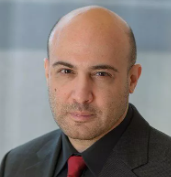 Nicholas D. Socci合作论文数Sloan Kettering Institute, Memorial Sloan Kettering Cancer Center10
 R Michael Tuttle合作论文数David H. Koch Center for Cancer Care at Memorial Sloan Kettering Cancer Center9
 Yuman Fong合作论文数Department of Surgery, City of Hope;Center for International Medicine, City of Hope;Center for Surgical Innovation, City of Hope9
 Luiz Paulo Kowalski合作论文数Head and Neck Surgery and Otorhinolaryngology Department, A.C.Camargo Cancer Center9
 Maureen F Zakowski合作论文数Icahn School of Medicine, Mount Sinai;Mount Sinai Hospital9
 Mithat Gönen合作论文数Memorial Sloan Kettering Cancer Center9Gady Har-El合作论文数9
 Carl H. Snyderman合作论文数Departments of Otolaryngology-Head and Neck Surgery, School of Medicine, University of Pittsburgh;McGowan Institute for Regenerative Medicine, University of Pittsburgh9Kepal N. Patel合作论文数9




