Introduction:Cerebral small vessel disease (CSVD) is increasingly recognized as an important determinant of outcome after acute ischemic stroke (AIS). However, the contribution of global CSVD burden, individual imaging markers, and systemic clinical phenotypes to early neurological recovery remains incompletely understood. Methods:We conducted a retrospective cohort study of consecutive AIS patients admitted to Dongzhimen Hospital, Beijing University of Chinese Medicine between January and December 2024. CSVD markers were assessed using MRI according to STRIVE criteria, and a total CSVD burden score (0-4) was calculated. Systemic clinical phenotypes were defined based on standardized admission assessments. The primary outcome was unfavorable neurological status at discharge (NIHSS >8). Multivariable logistic regression with collinearity diagnostics was performed. Distributions of NIHSS scores across CSVD features were visualized using violin plots. Results:A total of 474 patients were included (median age 67 years; 71% male), of whom 31 (6.5%) had unfavorable outcomes. Higher total CSVD burden (adjusted OR 1.57, 95% CI 1.13-2.17), hyperhomocysteinemia (adjusted OR 2.76, 95% CI 1.21-6.31), and a Traditional Chinese Medicine (TCM)-defined Phlegm-Heat Fu-Excess phenotype (adjusted OR 5.28, 95% CI 1.85-15.04) were independently associated with unfavorable outcomes. Among individual CSVD markers, lacunar infarction showed the strongest association. White matter hyperintensities, cerebral atrophy, and basal ganglia enlarged perivascular spaces were associated with higher discharge NIHSS scores in exploratory analyses. Given the limited number of outcome events, the stability of the regression model may be limited, and these findings should be interpreted with caution. Discussion:Global CSVD burden and selected systemic clinical phenotypes are associated with poor short-term neurological outcomes after AIS. These findings should be considered exploratory and hypothesis-generating, and may provide supplementary information for early risk stratification. Further validation in larger, prospective multicenter studies is required.
罕见疾病中医教学培养包括中医临床和中医科研2部分的内容,是医学生能力培养的关键.中医治疗罕见疾病具有诸多优势,在整体观念与辨证论治指导下,能够充分发挥中医诊治疾病的动态特点,运用多种中医手段治疗罕见疾病可以取得较好效果,因此重视对医学生中医临床和科研培养至关重要.首先中医临床培养应当从强化专业知识的掌握程度、提升多学科交叉诊治疾病能力和注重临床实践能力培养等方面展开;其次中医科研培养应从科研能力创新、科研临床的结合及科研团队的建立3个方面出发,来增强医学生研究罕见疾病的科研能力.文中并提出罕见疾病临床及科研能力培养中的诸多难点,以期为医学生中医教学培养提供新思路.通过罕见疾病中医教学培养,来提高医学生解决罕见疾病能力,为中医药人才培养,薪火相传做出贡献.
肌萎缩侧索硬化症(amyotrophic lateral sclerosis,ALS)病情重笃、病机复杂,本病发生的重要发病原因是"毒邪",关键病机是毒损脑络、脑窍闭阻,邪气蕴结在本病发生发展过程中占据着重要的地位.本病"毒邪"既有外来毒邪也有内生之毒,以内生毒邪为主,为专病专毒,多种邪气胶结,成因复杂,所致病位在至高至深之脑,沉疴痼疾须以效专力宏之药救之,芳香开窍药物借助辛香走窜通络之性,开通窍闭,以促毒邪消解;引药上行,直达病所,以达"毒"侵袭之位,并助药效,故在治疗上须重视芳香开窍之法,芳香开窍法的运用宜早不宜迟.本文结合现代医学研究,从"毒邪"在ALS发生发展中的重要作用出发,探讨芳香开窍解毒法用于治疗ALS的理论基础,期望能为目前ALS的治疗困境提供不同的角度和思路.
肌萎缩侧索硬化(ALS)是一种致命性的神经系统变性疾病,其病因及发病机制尚不明晰.伏毒是指潜伏于体内、不被察觉、待发作时才显现出来的毒邪,致病表现为毒性猛、病情重或反复迁延难祛.从伏毒角度探讨ALS,ALS隐匿性起病、病情进展迅速、病变受累区域广泛、临床症状典型等特点与伏毒隐伏、暗耗、暴戾、杂合、多变特点类似,提出先天、外感和内生之伏毒为ALS的病因,阐述伏毒蛰伏于肝脾肾,损伤脑髓,脑络闭阻,并以督脉和络脉为主要传递渠道的病机,以益精填髓、解毒通络为基本治则治法,为ALS中医诊治提供一定的思路.
玄府是络脉系统的门户,协调气机升降出入、气液流通.五脏六腑皆有玄府,脑亦然.玄府通畅则气血周流,玄府郁闭则诸病内生.基于脑玄府理论,肌萎缩侧索硬化症的病机关键为玄府开阖失司,脑络闭阻.在强调玄府理论以通为贵的基础上,本团队提出以通字立法,复玄府之开阖,使脑络通畅.临床施治运用芳香开窍药辛香通利,引药上行,直接开通玄府;使用补益药物,健脾补肾,益髓开玄;辅以祛湿、化痰、活血、解毒等方法间接开通玄府;结合病症复杂特点,多种治法结合运用.总结经验,以求为中医药治疗肌萎缩侧索硬化症提供新思路.
ETHNOPHARMACOLOGICAL RELEVANCE:Traditional Chinese medicine (TCM) has become popular interventional treatment for amyotrophic lateral sclerosis (ALS). However, lack of knowledge about the general characteristics and long-term clinical outcomes hampers the development of herbal drugs for ALS.AIM OF THE STUDY:The China Amyotrophic Lateral Sclerosis Registry of Patients with Traditional Chinese Medicine (CARE-TCM) provides an opportunity to better understand which TCM interventions patients with ALS are receiving, what the characteristics of patients with ALS are, and how these interventions impact clinical measures.MATERIALS AND METHODS:This study includes a voluntary nationwide registry, and data will be collected prospectively using an electronic data system. Detailed data collection will be performed every 3 months for 5 years. Baseline characteristics and 5-year survival will be collected. This registry was initiated in March 2021. The number of participating medical centers will be about 30 hospitals, and the target procedure number will be 2000. We will also compare the results with those of other registries in China and other countries.DISCUSSION:The CARE-TCM registry will first provide real-world data regarding TCM and ALS in China, focusing on the clinical characteristics of ALS patients with TCM, disease phenotypes that respond best to TCM, and correlating clinical response with other parameters. The CARE-TCM can be very helpful to improve the efficiency and quality of TCM clinical trial design.TRIAL REGISTRATION:ClinicalTrials.gov identifier: NCT04885374 (registered on May 8, 2021).
目的 探讨性别因素对缺血性中风后认知功能的影响,挖掘与中风后认知功能下降相关的危险因素,为缺血性中风后认知功能下降提供可能的防治方向.方法 纳入158例(男性80例,女性78例)脑梗死急性期患者,同时纳入35 例非卒中患者作为对照组,检测生物标志物,使用简短精神状态量表(Mini-Mental State Ex-amination,MMSE)评价发病后患者认知功能.分析MMSE评分、生物标志物的性别差异,并使用逻辑回归分析方法 挖掘与MMSE评分相关的危险因素.结果 MMSE评分比较:急性脑梗死患者的MMSE评分低于对照组.女性患者的MMSE评分在中风后第1 、2、3个月均低于男性患者.生物标志物的性别差异:女性患者总胆固醇(TC)、高密度脂蛋白(HDL)血清浓度均高于男性患者(P<0.05 ).与发病第1 个月认知功能下降相关的潜在危险因素的二元逻辑回归分析:年龄、性别(女)是全部患者发病后第1 个月出现认知功能下降的危险因素.与女性出现认知功能下降关系密切的危险因素是年龄、舒张压;未发现与男性出现认知功能下降相关的危险因素(P>0.05 ).结论 缺血性中风后人群存在认知功能下降现象;女性患者中风后认知功能受损重于男性;造成中风后认知功能性别差异的主要因素是年龄及高舒张压.
目的 运用系统评价的方法 ,评价以问题为基础教学法联合以病例为基础教学法在国内神经内科医学生临床带教中的应用效果.方法通过计算机检索中国知网、万方、维普和中国生物医学文献服务系统自建库至2019年4月,国内期刊发表的PBL+CBL联合法对比常规授课为主的教学模式在神经内科医学生临床带教中应用效果的研究.采用Cochrane协作网RevMan 5.3软件进行分析,进行文献质量方法学评价,基于纳入研究的异质性特点选择随机效应模型,从理论学习、临床操作、临床思维、总成绩和教学满意度的比较及学生主观能力变化进行系统评价和荟萃分析,并以森林图形式展示合并后的相对危险度或标准化均数差.结果 共纳入12项研究,总计970例研究对象,包括PBL+CBL联合教学组484例和传统教学组486例.荟萃分析发现,相对于传统教学,采用PBL+CBL联合教学能提高国内神经内科医学生理论学习(SMD=1.34,95%CI[0.89,1.79],Z=5.85,P<0.01)、临床操作(SMD=1.50,95%CI[0.72,2.28],Z=3.76,P<0.01)、临床思维(SMD=2.08,95%CI[1.24,2.93],Z=4.83,P<0.01)的成绩及总成绩(SMD=1.80,95%CI[0.97,2.64],Z=4.24,P<0.01),提高教学满意度(RR=1.22,95%CI[1.11,1.35],Z=3.95,P<0.01;SMD=6.51,95%CI[5.80,7.21],Z=18.01,P<0.01).结论 在国内的神经内科临床带教中,运用PBL+CBL联合教学相对传统教学方法,对不同类别的神经内科轮转学生均能提升对理论知识的理解掌握,锻炼临床思维和神经科定性定位诊断能力,提高临床实践能力,避免学生畏难情绪的产生,提升教学满意度,更好地实现教学目标.
目的 探讨运动神经元病证候要素分布及组合规律.方法 检索中国知网、万方数据库、维普数据库全部期刊,共纳入64篇文献,1353例运动神经元病文献病例,对符合要求的运动神经元病中医证候名称进行规范,提取证候要素,对原始数据建立Excel数据库,运用SPSS25.0统计文献中运动神经元病中医证型、证候要素及证候靶位的频次及频率,并运用系统聚类的方法分析运动神经元病证候要素分布及组合的规律.结果 经得规范的运动神经元病证候名称43个,提取证候要素14个,频率最高的依次为气虚(64.52%)、血虚(23.06%)、精亏(18.33%);证候靶位8个,频率最高的依次为脾(67.18%)、肾(54.69%)、胃(28.6%)、肝(25.28%).证候要素组合形式归为三类,单一证候要素最多见,气虚所占比率最高;其次为两证候要素组合,具体组合形式以精亏+血虚出现的频次最高;三种及以上证候要素组合中以精亏+血虚+湿+热与气虚+痰+瘀最为多见.证候要素和证候靶位系统聚类可判别为3类:(1)气虚、脾、肾;(2)血虚、肝、胃;(3)精亏、湿、痰、血瘀、热、阴虚、阳虚、内风、气郁、肺、经络等.结论 运动神经元病证候要素以气虚、精亏、血虚等虚证为主,兼有湿、热、痰、瘀等实证,多呈虚实夹杂之象,为进一步研究运动神经元病的中医病机、规范辨证诊断及临床治疗提供参考和依据.
根据肌萎缩侧索硬化症的临床症状,中医将其归为"痿证"范畴.起病方式隐匿,人群特点突出、受累部位广泛,病机复杂、破坏力极强,预后极差为其临床特征,与"毒"邪致病的隐匿性、选择性、广泛性、从化性、酷烈性等特点极为相似,考虑毒邪为肌萎缩侧索硬化症发病的重要病因.中医传统的脏腑、六经、三焦等辨治方法,临床疗效并不显著,ALS病情得不到有效控制,提示肌萎缩侧索硬化症有其特有的、隶属于难治病的辨证论治体系.
肌萎缩侧索硬化症为罕见病、难治病,与中医"痿证""喑痱"相似,多从"虚"论治.然此病临床症状复杂,病机多变,故应补虚不忘泄实,标本兼顾.结合本团队经验,笔者认为该病病位在脑、髓,累及肝、脾、肾,核心病机本虚标实,在虚责之于肝脾肾日久亏虚、髓海空虚;在实多因痰瘀邪毒胶着、神窍闭阻.其中毒损脑窍是病情发展迅速,症状骤然加重的关键.治疗应以填精益髓、解毒开窍为主要原则,补虚注重大补元气,辅以补脾养肝,共奏速生精髓之效;然补虚不失开窍,开窍当重祛毒.根据患者发病阶段的差异,运用中医理论分期论治,早期宜豁痰解毒宣窍、活血解毒通窍,中后期宜数毒同治,全程辅以芳香开窍.从而达到治疗肌萎缩侧索硬化症的目的,为临床治疗肌萎缩侧索硬化症提供新的思路.
目的 研究瘤段切除肿瘤假体置换术联合人工补片技术治疗胫骨近端骨肉瘤对膝关节功能及预后的影响.方法 将80例胫骨近端骨肉瘤患者按手术方式不同分为对照组(n=38)和观察组(n=42),对照组接受瘤段切除肿瘤假体置换术,观察组接受瘤段切除肿瘤假体置换术联合人工补片技术.观察两组患者膝关节功能评分及主动背伸角度,比较两组术后复发率、生存率、并发症发生率及患者满意度.结果 治疗前两组患者疼痛评分、活动范围评分、步行能力评分、日常功能评分及膝关节主动背伸角度比较,差异均无统计学意义(P﹥0.05);治疗后观察组患者疼痛评分、活动范围评分、步行能力评分、日常功能评分及膝关节主动背伸角度均明显优于对照组,差异均有统计学意义(P﹤0.01).术后6个月,两组患者局部复发率及生存率比较,差异均无统计学意义(P﹥0.05).观察组患者并发症总发生率为26.19%,低于对照组的57.89%,差异有统计学意义(P﹤0.05).观察组患者总满意度为83.33%(35/42),高于对照组的57.89%(22/38),差异有统计学意义(P﹤0.05).结论 瘤段切除肿瘤假体置换术联合人工补片技术治疗胫骨近端骨肉瘤优于单纯瘤段切除肿瘤假体置换术,能够有效改善膝关节功能,降低并发症发生率,提高患者满意度,是一种安全有效的治疗方式,值得临床推广.
目的 研究以证候表型差异明显的气虚证及痰热证为切入点探讨生物学指标PARK7在缺血性中风病急性期的证候差异及其在缺血性中风病证候诊断中的作用.方法 研究纳入93例正常人,33例气虚证患者,87例痰热证患者,测定其多时点PARK7血清水平.结果 痰热组的PARK7的血清水平高于气虚组(P<0.01).PARK7血清水平对脑梗死急性期痰热证具有一定的诊断价值,其AUC为0.615,特异性为98.6%,敏感性为39.5%,cut off值为:69.76 ng/ml,而对气虚证基本无诊断价值(AUC:0.261).结论 该研究发现缺血性中风病急性期气虚证与痰热证之间PARK7血清水平存在明显差异,PARK7血清水平对急性期痰热证有一定诊断价值,提示PARK7可能作为缺血性中风急性期证候诊断潜在指标.
目的 探讨股骨近端防旋转髓内钉联合鲑鱼降钙素治疗老年股骨粗隆间骨折的疗效及对骨密度的影响.方法选取我院骨科自2013年7月-2014年5月收治的老年股骨粗隆间骨折患者78例,随机分为观察组和对照组,两组患者均接受股骨近端旋转髓内钉内固定手术;且术后两组患者均给予相同的钙剂治疗,观察组在钙剂治疗的基础上再给予鲑鱼降钙素治疗.比较两组患者术中、术后情况、骨密度情况和髋关节功能恢复情况.结果观察组患者住院时间(t=4.313,P﹤0.001)、骨折愈合时间(t=3.510,P﹤0.001)明显低于对照组,且差异均有统计学意义(P﹤0.05);手术后1年,观察组患者股骨颈、股骨大粗隆、Ward三角的骨密度均明显高于对照组,并均明显高于治疗前,且差异具有统计学意义(P﹤0.05);观察组患者术后Harris评分总优良率明显高于对照组(χ2=4.647,P=0.031﹤0.05),且差异具有统计学意义(P﹤0.05).结论股骨近端防旋转髓内钉联合鲑鱼降钙素治疗对老年股骨粗隆间骨折患者的疗效较为显著,且对其骨密度的提高有明显作用,值得在临床上推广应用.
Migraine is a highly disabling primary headache associated with a high socioeconomic burden and a generally high prevalence. The clinical management of migraine remains a challenge. This study was undertaken to identify potential serum biomarkers of migraine. Using Liquid Chromatography coupled to Mass Spectrometry (LC-MS), the metabolomic profile of migraine was compared with healthy individuals. Principal component analysis (PCA) and Orthogonal partial least squares-discriminant analysis (orthoPLS-DA) showed the metabolomic profile of migraine is distinguishable from controls. Volcano plot analysis identified 10 serum metabolites significantly decreased during migraine. One of these was serotonin, and the other 9 were amino acids. Pathway analysis and enrichment analysis showed tryptophan metabolism (serotonin metabolism), arginine and proline metabolism, and aminoacyl-tRNA biosynthesis are the three most prominently altered pathways in migraine. ROC curve analysis indicated Glycyl-l-proline, N-Methyl-dl-Alanine and l-Methionine are potential sensitive and specific biomarkers for migraine. Our results show Glycyl-l-proline, N-Methyl-dl-Alanine and l-Methionine may be as specific or more specific for migraine than serotonin which is the traditional biomarker of migraine. We propose that therapeutic manipulation of these metabolites or metabolic pathways may be helpful in the prevention and treatment of migraine.
目的 比较个体化导航模板辅助颈椎椎弓根螺钉置入与徒手螺钉置入的准确性.方法 选取自2010年1月至2017年12月期间收治的71例颈椎(C1、C2)椎弓螺钉内固定患者为研究对象,采用随机数字表法分为A组(n=35)与B组(n=36).A组采用徒手置入螺钉,B组采用个体化导航模板辅助置钉,比较两组患者手术时间、术中出血量及置钉准确性.结果 两组患者手术时间、术中出血量比较,差异无统计学意义(P>0.05).A组置入螺钉71枚(C1置入34枚,C2置入37枚),其中,置入螺钉准确性优30枚,良34枚,差7枚,准确性优良率为90.1%(64/71).B组置入螺钉69枚(C1置入31枚,C2置入38枚),其中,置入螺钉准确性优42枚,良25枚,差2枚,准确性优良率为97.1%(67/69).B组螺钉置入准确性优良率高于A组,差异有统计学意义(P<0.05).结论 个体化导航模板辅助颈椎椎弓根螺钉置入的准确性要优于徒手螺钉置入,且操作简便,掌握难度低,可提高螺钉置入的准确性.
Background: Migraine is a prevalent, disabling type of primary headache disorder associated with a high socioeconomic burden. The clinical management of migraine is challenging. This study was to identify potential serum lipidomic biomarkers of migraine. Methods: The serum lipidomic profile of migraine sufferers was compared with healthy individuals using Liquid Chromatography coupled to Mass Spectrometry (LC-MS). Volcano plot analysis by Student's t-test was performed to identify the differential metabolites. Receiver operating characteristic (ROC) curves were constructed and the area under ROC curves (AUC) was calculated to evaluate whether the metabolites could be efficiently exploited for constructing a sensitive biomarker of migraine. Results: A total of 29 serum metabolites from 4 classes of lipids including acylcarnitines, non-alpha-hydroxy-sphingosine ceramides (Cer_NSs), lysophosphatidylcholines (lysoPCs) and lysophosphatidylethanolamines (lysoPEs) were significantly different in migraine patients and controls. Of note, Cer_NSs were significantly elevated and lysoPEs were significantly decreased in migraine patients. LysoPE 18:1, lysoPE 18:2 and lysoPE 22:5 were found to be decreased in both positive and negative ion mode. Moreover, except for lysoPC 20:0, other lysoPCs were decreased in migraine patients. ROC curve analysis indicated that lysoPC 16:0 and lysoPC 20:0 are potential sensitive and specific biomarkers for migraine. Conclusion: LysoPC 16:0 and lysoPC 20:0 may be potential biomarkers for migraine. We suggest therapeutic management of these metabolites may be helpful in the prevention and treatment of migraine.
目的 本文采用调查问卷的方法,拟从老师和学生两个角度,旨在探讨中医眼科住院医师规范化培训教学过程中存在的问题,并试图提出解决问题的方案.方法 选择2016年1月—2017年1月首都医科大学附属北京中医医院和北京中医药大学东方医院眼科轮转的规培生98人,规培带教老师111人.采用微信问卷星APP问卷进行调查,调查了6个问题,每个问题分为3个选项.结果 1.学生组与老师组在专业分布上具有可比性.2.在讲课方式方面,老师组51人(54%)和学生组为54人(65%)认为以科室小讲课为主;在讲课内容上,54位(69%)老师和40位(60%)学生建议中西医并重;在讲课重点上,58位(77%)老师和42位(66%)学生认为以轮转科室相关的知识为主;在教学时间安排方面,40位(44%)老师建议每周固定半天,32位(35%)老师建议随时讲,而不同的是,36位(43%)学生建议每天固定1 h;在提高教师带教主动性方面,60位(57%)老师和36位(40%)学生建议增加教师绩效;在提高学生学习主动性方面,45位(50%)老师认为需要提高老师教学水平,42位(46%)学生希望安排专门学习时间.结论 从老师和学生两个角度考虑,合理安排中医眼科学生的教学工作,有助于提高学生和教师的积极性和主动性,进而提高教学质量.
Objective To evaluate the efficacy and safety of Xuesaitong Injection (lyophilization) in treatment of cerebral infarction recovery period (blood stasis syndrome). Methods The study was a block randomized, blinded, positive medicine/placebo parallel control, multi-center clinical research, controlled with Dengzhan Xixin Injection, placebo and low dosage of Xuesaitong Injection (lyophilization). The study was divided into four groups: there were 105 patients in high dosage of Xuesaitong Injection (lyophilization), and they were iv administered with Xuesaitong Injection (lyophilization), 400 mg/d. There were 36 patients in Dengzhan Xixin group, and they were iv administered with Dengzhan Xixin Injection, 40 mL/d. There were 70 patients in placebo control group, and they were iv administered with 0.9% sodium chloride injection, 250 mL/d. There were 71 patients in low dosage of Xuesaitong Injection (lyophilization), and they were iv administered with Xuesaitong Injection (lyophilization), 200 mg/d. The course of treatment was 15 d. The changes of NIHSS score, modified Rankin score, TCM syndrome integration, and Barthel index in four groups were compared. Results The high dosage of Xuesaitong Injection (lyophilization) group has advantages in Chinese medicine syndrome, found in the lower limb, askew mouth, tongue Jian strong words or not language, partial body numbness, dizziness, oral dark purple, limb pain than Dengzhan Xixin Injection, and there were differences between two groups (P < 0.008 3). The high dosage of Xuesaitong Injection (lyophilization) group has advantages in NIHSS score improvement, Chinese medicine syndrome, found in the lower limb, tongue Jian strong words or not language, partial body numbness, oral dark purple than the low dosage Xuesaitong Injection (lyophilization), and and there were differences between two groups (P < 0.008 3). Conclusion Xuesaitong Injection (lyophilization) shows defined efficacy and safety for the treatment of cerebral infarction recovery period (blood stasis syndrome) with clinical safety.
Objective:To research the relationships between the serum NDKA and PARK7 levels and acute ischemic stroke with qi deficiency syndrome as well as the NIHSS score by determining the serum NDKA and PARK7 levels and the scores of NIHSS and qi deficiency syndrome of acute ischemic stroke patients.Methods:A total of 33 cases of acute ischemic stroke patients and 49 volunteers were included into this study.The serum PARK7 and NDKA levels and the scores of NIHSS and qi deficiency syndrome of acute ischemic stroke patients were individually detected at 72h of onset and day 7 and day 14 after acute ischemic stroke.Results:①There were statistically differences in the NDKA levels between the acute ischemic stroke patients and the control group at 3 different points after acute ischemic stroke (P<0.01).There were statistically differences in the PARK7 levels between the acute ischemic stroke patients and the control group at 72h of onset and day 7 after acute ischemic stroke (P<0.05).②The NDKA showed a gradually declined trend at the 3 different points,NIHSS score and qi-deficiency score showed a gradually downward trend.③The serum NDKA and PARK7 levels had no correlation with NIHSS scores at the 3 different points.The serum NDKA levels had a high negative correlation with the qi deficiency syndrome scores on day 14 after acute ischemic stroke.Conclusion:NDKA may be a potential factor for acute ischemic stroke.
 Ying Gao (高颖)合作论文数Dongzhimen Hospital, Beijing University of Chinese Medicine;International Education College, Beijing University of Chinese Medicine31
 Pengfei HE (贺鹏飞)合作论文数7Ru Jiang (姜如)合作论文数7Guang-shu FENG (冯广树)合作论文数6Yayun Wang (王亚云)合作论文数6Xiuxiu HAN (韩秀秀)合作论文数6HaiZhen Zhong (钟海珍)合作论文数6HUANG Xianghong (黄向鸿)合作论文数5YANG Qingbo (杨清波)合作论文数5RuiHua Feng (冯瑞华)合作论文数5
 Kegang Cao (曹克刚)合作论文数Dongzhimen Hospital, Beijing University of Chinese Medicine5YinPing Sun (孙银屏)合作论文数4
 Fangyuan Cui (崔方圆)合作论文数Dongzhimen Hospital, Beijing University of Chinese Medicine4Zhi-min WANG (王志敏)合作论文数3Jinshan SUN (孙金山)合作论文数3XingLu Dong (董兴鲁)合作论文数3XingHui Gao (高兴慧)合作论文数3ZhiXin Zheng (郑志新)合作论文数3Yulai Wang (王玉来)合作论文数Dongfang Hospital Beijing University of Chinese Medicine3
 Li Zhou (周莉)合作论文数Dongzhimen Hospital, Beijing University of Chinese Medicine3
 Yue Huang (黄粤)合作论文数Beijing Chaoyang Hospital, Capital Medical University3
 Ying Chen (陈颖)合作论文数Dongzhimen Hospital, Beijing University of Chinese Medicine3
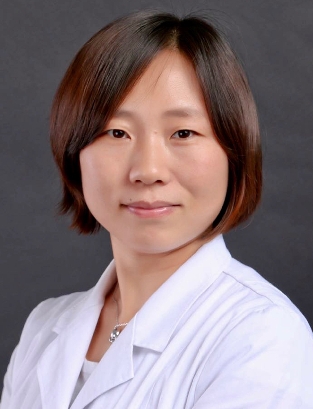 Xiyan Xin (辛喜艳)合作论文数Traditional Chinese Medicine Department, Peking University Third Hospital3Yinping Sun合作论文数2Qiang Liu (刘强)合作论文数2Caixia Ren合作论文数2Xinying YAO (姚新颖)合作论文数2Minmin WEI (韦敏敏)合作论文数2
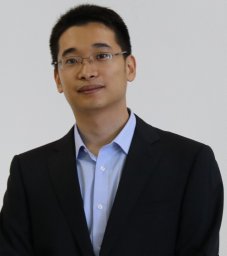 Juntuo Zhou合作论文数Dept Urol, Peking Univ Third Hosp2Jinfeng CHEN (陈锦峰)合作论文数2
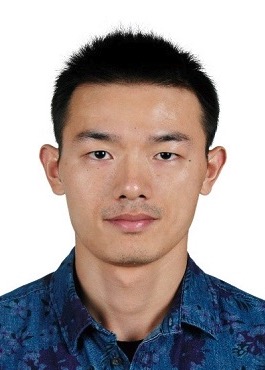 Hui Liang (梁会)合作论文数School of Basic Medical Sciences, Peking University Health Science Center2QingWen Geng (耿庆文)合作论文数2BaoCi Dan (单保慈)合作论文数2Yang Zhang (张杨)合作论文数2Qi Wang (王琪)合作论文数2Tao Jiang (江涛)合作论文数2XueFei Wang (王雪飞)合作论文数2
 Yingzhen Xie (谢颖桢)合作论文数Dongzhimen Hospital, Beijing University of Chinese Medicine2
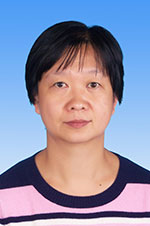 Yonghong Gao (高永红)合作论文数Key Laboratory of Chinese Internal Medicine of Ministry of Education, Dongzhimen Hospital, Beijing University of Chinese Medicine2
 Gendi Jiang (蒋根娣)合作论文数Dongzhimen Hospital, Beijing University of Chinese Medicine2Tan Zhongjian合作论文数2
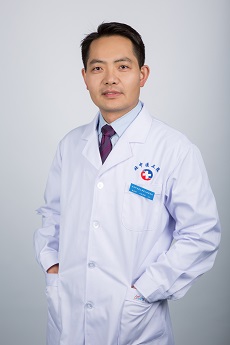 Yonglie Zhao (赵永烈)合作论文数The Third Affiliated Hospital, Beijing University of Chinese Medicine2Pingping Wang (王平平)合作论文数2
 Bai Li (李柏)合作论文数Dongzhimen Hospital, Beijing University of Chinese Medicine2
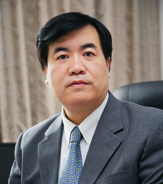 Yuxin Yin (尹玉新)合作论文数Institute of Systems Biomedicine, School of Basic Medical Sciences, Peking University Health Science Center2
 Yikun Sun (孙毅坤)合作论文数School of Chinese Materia Medica, Beijing University of Chinese Medicine2
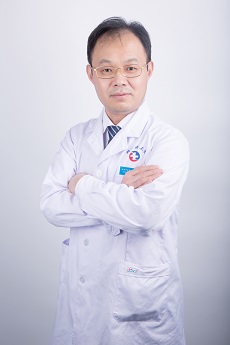 Aicheng Wang (王爱成)合作论文数Third Affiliated Hospital, Beijing University of Chinese Medicine2




