Sous vide is becoming increasingly popular in the food industry because it results in flavorful, evenly cooked products. This study aimed to better understand the effects of sous vide on physicochemical properties and consumer acceptance of lobster. Shucked lobster tails were sous vide-cooked to internal temperatures of 55, 60, and 65 degrees C for 208, 45, and 10 minutes, respectively, and compared to boiled controls. Samples were evaluated for shear-force, color (L*,a*,b*), salt soluble protein content, moisture content, water holding capacity, weight loss, sarcomere length, and thermal stability. Sous vide-cooked samples were more tender, with greater protein solubility and shorter sarcomere length than the controls. Despite some differences in physicochemical characteristics among the sous vide-cooked samples, hedonic testing confirmed that there were no significant differences in consumer acceptability response to the sous vide cooking parameters. These results help clarify the effects of sous vide cooking on the preparation of consistently high-quality lobster products.
Mixed microorganism cultures are prevalent in the food industry. A variety of microbiological mixtures have been used in these unique fermenting processes to create distinctive flavor profiles and potential health benefits. Mixed cultures are typically not well characterized, which may be due to the lack of simple measurement tools. Image-based cytometry systems have been employed to automatically count bacteria or yeast cells. In this work, we aim to develop a novel image cytometry method to distinguish and enumerate mixed cultures of yeast and bacteria in beer products. Cellometer X2 from Nexcelom was used to count of Lactobacillus plantarum and Saccharomyces cerevisiae in mixed cultures using fluorescent dyes and size exclusion image analysis algorithm. Three experiments were performed for validation. (1) Yeast and bacteria monoculture titration, (2) mixed culture with various ratios, and (3) monitoring a Berliner Weisse mixed culture fermentation. All experiments were validated by comparing to manual counting of yeast and bacteria colony formation. They were highly comparable with ANOVA analysis showing p-value > 0.05. Overall, the novel image cytometry method was able to distinguish and count mixed cultures consistently and accurately, which may provide better characterization of mixed culture brewing applications and produce higher quality products.
Social values are key to the sustainability of organizations. Drawing on value-based research, stakeholder theory, and corporate social responsibility research, this paper builds a case study of the interplay between social values, innovation, and economic growth. The craft beer industry is a fast-growing industry with a potential emphasis on social values built on small-scale production and localism. We examine how craft breweries attempt to resolve tensions derived from pursuing economic and social values simultaneously. As breweries continue to grow, owners face decisions of scale and growth, which may undermine a value-driven industry with close ties to the local community. Findings from six craft breweries, operating in Northern New England, USA, suggest a complex managerial dilemma involving (a) small-batch innovation for niche and mass production for growth, (b) responsible innovation for balancing local authenticity and geographical expansion, and (c) independent and business partnering. We further unpacked the tensions that operated at local and non-local levels.
EDITORIAL article Front. Sustain. Food Syst., 30 March 2022Sec. Sustainable Food Processing https://doi.org/10.3389/fsufs.2022.885250
ABSTRACT High pressure processing (HPP) and sous vide may increase the shelf-life of high value seafood products without the use of additives. This study investigated the effects of 150MPa or 350MPa for 10min on microbial, sensory, and physicochemical qualities of raw and subsequently sous vide cooked (65°C) lobster tails during 28 days of refrigerated storage. Raw lobster pressurized at 350MPa or sous vide cooked maintained significantly lower microbial counts, total volatile base nitrogen, and biogenic amine levels. Due to off-odors, 90% and 60% of sensory respondents rejected the control and 150MPa raw samples, respectively, by day 7, while 70% rated the 350MPa samples as still acceptable on day 28. For cooked lobster, only 20% of the respondents rejected any samples by day 28. Moderate HPP conditions were effective in extending refrigerated shelf-life of vacuum-packaged raw lobster tails. However, HPP pretreatment did not contribute to additional shelf-life extension for sous vide cooked products.
We introduce Stanza, an open-source Python natural language processing toolkit supporting 66 human languages. Compared to existing widely used toolkits, Stanza features a language-agnostic fully neural pipeline for text analysis, including tokenization, multi-word token expansion, lemmatization, part-of-speech and morphological feature tagging, dependency parsing, and named entity recognition. We have trained Stanza on a total of 112 datasets, including the Universal Dependencies treebanks and other multilingual corpora, and show that the same neural architecture generalizes well and achieves competitive performance on all languages tested. Additionally, Stanza includes a native Python interface to the widely used Java Stanford CoreNLP software, which further extends its functionality to cover other tasks such as coreference resolution and relation extraction. Source code, documentation, and pretrained models for 66 languages are available at https://stanfordnlp.github.io/stanza/.
The demands for a variety of craft beer flavors have been increasing in the United States. To meet this rising demand, breweries have been experimenting with kettle sour beer that utilizes lactic acid-producing bacteria for fermentation. The current standard bacterial quantification method is insufficient for rigorous quality control, thus there is a need for a better method to monitor lactobacilli concentration in a kettle sour environment. In this work, an automated Lactobacillus counting method was developed using fluorescence-based image cytometry. Three commonly used species were cultured, the concentrations were measured using image cytometry and evaluated against the standard spread-plating method. This procedure was undertaken in vitro at different dilutions and the method was repeated with two species in a kettle sour environment at different time points. Both the in vitro and fermentation experiments were repeated three times. Results demonstrated that the new method was not significantly different when compared to the standard plating method in either controlled settings or within the kettle sour fermentation. The proposed method provides a rapid tool to monitor and control lactobacilli growth in kettle sour beer production, and allows for standardization of the products due to the availability of near instantaneous information for quality control.
Sous vide (SV) and high-pressure processing (HPP) are promising techniques in the development of high-quality seafood products. The objectives of this study were to evaluate the impacts of HPP on the physicochemical quality and consumer acceptance of subsequently SV-cooked lobster tails. Raw shucked lobster tails were processed at 150 or 350 MPa for 5 or 10 min. Subsequently, half were SV cooked to a core temperature of 65 degrees C/10 min. Texture profile analysis, shear force, color, salt soluble protein content, water-holding capacity (WHC), moisture content, and weight loss were analyzed. Pressurization at 150 MPa/10 min decreased (P < 0.05) the hardness of raw lobsters compared to non-HPP-treated controls. However, 350 MPa for 5 or 10 min increased (P < 0.05) the shear force in raw and SV-cooked samples. HPP increased (P < 0.05) the L* values but did not affect moisture content, WHC, or weight loss of raw or SV-cooked lobsters. Lobsters were subjected to consumer acceptability testing using a 9-point hedonic scale. Although panelists rated the flavor, texture, and overall liking of the 350 MPa/10 min samples higher than the control and 150 MPa/10 min samples, there were no significant differences among treatment means, indicating that physicochemical changes induced by HPP did not affect consumer acceptance. In addition, approximately 84% of panelists reported that the 350 MPa product met their expectations compared to approximately 75% for the control and 150 MPa treatments. These results suggest that HPP has the potential to be applied in combination with SV cooking to produce consumer-acceptable, value-added lobster products.
We investigated effects of nutrition education provided to food pantry clients by trained volunteers. Specifically, we assessed effects on food security, nutrition practices, and food safety by examining the food pantry clients' intent to use beneficial kitchen practices and self-reported behavior following the education. Participants who engaged in at least one educational lesson completed an intent survey after the education. After the 4-month period during which the lessons were provided, participants and members of a comparison group completed retrospective questionnaires. Participants reported both high intent to use resources and behavior change (p ≤ .05). Offering nutrition education in food pantries is useful for participants and constitutes worthwhile Extension programming.
In this paper we present TinkerBell, a state-of-the-art end-to-end cold-start knowledge base construction system that extracts entity, relation, event and sentiment knowledge from three languages (English, Chinese and Spanish).
We describe Stanford’s entries in the TAC KBP 2016 Cold Start Slot Filling and Knowledge Base Population challenge. Our biggest contribution is an entirely new Chinese entity detection and relation extraction system for the new Chinese and cross-lingual relation extraction tracks. This new system consists of several ruled-based relation extractors and a distantly supervised extractor. We also analyze errors produced by our existing mature English KBP system, which leads to several fixes, notably improvements to our patterns-based extractor and neural network model, support for nested mentions and inferred relations. Stanford’s 2016 English, Chinese and cross-lingual submissions achieved an over-all (macro-averaged LDC-MEAN) F1 of 22.0, 14.2, and 11.2 respectively on the 2016 evaluation data, performing well above the median entries, at 7.5, 13.2 and 8.3 respectively.
Enabling a computer to understand a document so that it can answer comprehension questions is a central, yet unsolved goal of NLP. A key factor impeding its solution by machine learned systems is the limited availability of human-annotated data. Hermann et al. (2015) seek to solve this problem by creating over a million training examples by pairing CNN and Daily Mail news articles with their summarized bullet points, and show that a neural network can then be trained to give good performance on this task. In this paper, we conduct a thorough examination of this new reading comprehension task. Our primary aim is to understand what depth of language understanding is required to do well on this task. We approach this from one side by doing a careful hand-analysis of a small subset of the problems and from the other by showing that simple, carefully designed systems can obtain accuracies of 73.6% and 76.6% on these two datasets, exceeding current state-of-the-art results by 7-10% and approaching what we believe is the ceiling for performance on this task.
Brettanomyces spp. can present unique cell morphologies comprised of excessive pseudohyphae and budding, leading to difficulties in enumerating cells. The current cell counting methods include manual counting of methylene blue-stained yeasts or measuring optical densities using a spectrophotometer. However, manual counting can be time-consuming and has high operator-dependent variations due to subjectivity. Optical density measurement can also introduce uncertainties where instead of individual cells counted, an average of a cell population is measured. In contrast, by utilizing the fluorescence capability of an image cytometer to detect acridine orange and propidium iodide viability dyes, individual cell nuclei can be counted directly in the pseudohyphae chains, which can improve the accuracy and efficiency of cell counting, as well as eliminating the subjectivity from manual counting. In this work, two experiments were performed to demonstrate the capability of Cellometer image cytometer to monitor Brettanomyces concentrations, viabilities, and budding/pseudohyphae percentages. First, a yeast propagation experiment was conducted to optimize software counting parameters for monitoring the growth of Brettanomyces clausenii, Brettanomyces bruxellensis, and Brettanomyces lambicus, which showed increasing cell concentrations, and varying pseudohyphae percentages. The pseudohyphae formed during propagation were counted either as multiple nuclei or a single multi-nuclei organism, where the results of counting the yeast as a single multi-nuclei organism were directly compared to manual counting. Second, a yeast fermentation experiment was conducted to demonstrate that the proposed image cytometric analysis method can monitor the growth pattern of B. lambicus and B. clausenii during beer fermentation. The results from both experiments displayed different growth patterns, viability, and budding/pseudohyphae percentages for each Brettanomyces species. The proposed Cellometer image cytometry method can improve efficiency and eliminate operator-dependent variations of cell counting compared with the traditional methods, which can potentially improve the quality of beverage products employing Brettanomyces yeasts.
A central challenge in relation extraction is the lack of supervised training data. Pattern-based relation extractors suffer from low recall, whereas distant supervision yields noisy data which hurts precision. We propose bootstrapped self-training to capture the benefits of both systems: the precision of patterns and the generalizability of trained models. We show that training on the output of patterns drastically improves performance over the patterns. We propose self-training for further improvement: recall can be improved by incorporating the predictions from previous iterations; precision by filtering the assumed negatives based previous predictions. We show that even our pattern-based model achieves good performance on the task, and the self-trained models rank among the top systems.
Germplasm release 509-45-1 is a smallfruited Capsicum annuum L. pepper released in 2013 by the Agricultural Research Service (ARS) of the U.S. Department of Agriculture (USDA). Fruit of 509-45-1 contain high concentrations of capsiate [(4-hydroxy-3methoxybenzyl (E)-8-methyl-6-nonenoate/ CAS No. 205687-01-0] and dihydrocapsiate (4hydroxy-3-methoxybenzyl 8-methylnonanoate/ CAS No. 205687-03-2) in both immature and mature fruit. Concentrations of total capsinoids in immature fruit of 509-45-1 exceeded 1000 ug·g fresh weight (FW), in the absence of capsaicinoids, in 2011. The release of 509-45-1 will provide researchers and plant breeders with a new source of capsinoids, thus facilitating the production of and further research on these non-pungent biologically active compounds.
ADVERTISEMENT RETURN TO ISSUEPREVBook and Media Revie...Book and Media ReviewNEXTReview of The Chemistry of BeerRobert E. Buntrock*† and Jason Bolton‡View Author Information† Buntrock Associates, Orono, Maine 04473, United States‡ University of Maine Cooperative Extension, University of Maine, Orono, Maine 04469, United States*E-mail: [email protected]Cite this: J. Chem. Educ. 2014, 91, 10, 1511–1512Publication Date (Web):August 15, 2014Publication History Published online15 August 2014Published inissue 14 October 2014https://pubs.acs.org/doi/10.1021/ed500582xhttps://doi.org/10.1021/ed500582xbook-reviewACS PublicationsCopyright © 2014 The American Chemical Society and Division of Chemical Education, Inc. This publication is available under these Terms of Use. Request reuse permissions This publication is free to access through this site. Learn MoreArticle Views3238Altmetric-Citations-LEARN ABOUT THESE METRICSArticle Views are the COUNTER-compliant sum of full text article downloads since November 2008 (both PDF and HTML) across all institutions and individuals. These metrics are regularly updated to reflect usage leading up to the last few days.Citations are the number of other articles citing this article, calculated by Crossref and updated daily. Find more information about Crossref citation counts.The Altmetric Attention Score is a quantitative measure of the attention that a research article has received online. Clicking on the donut icon will load a page at altmetric.com with additional details about the score and the social media presence for the given article. Find more information on the Altmetric Attention Score and how the score is calculated. Share Add toView InAdd Full Text with ReferenceAdd Description ExportRISCitationCitation and abstractCitation and referencesMore Options Share onFacebookTwitterWechatLinked InRedditEmail PDF (859 KB) Get e-AlertscloseSUBJECTS:Aroma,Beverages,Carbohydrates,Materials,Plant derived food Get e-Alerts
 Christopher Manning合作论文数Department of Linguistics, Stanford University;Department of Computer Science, Stanford University;AIX Ventures6
 Peng Qi (齐鹏)合作论文数5
 Arun Tejasvi Chaganty合作论文数Dept Comp Sci, Stanford Univ5
 Ashwin Paranjape合作论文数Samaya AI4
 Sami Humaid合作论文数3
 Dhriti Nayyar合作论文数3
 Leo L. Chan合作论文数3
 Kevin Clark合作论文数Google3Jinhao Lei合作论文数3
 Matthew Lamm合作论文数Google3
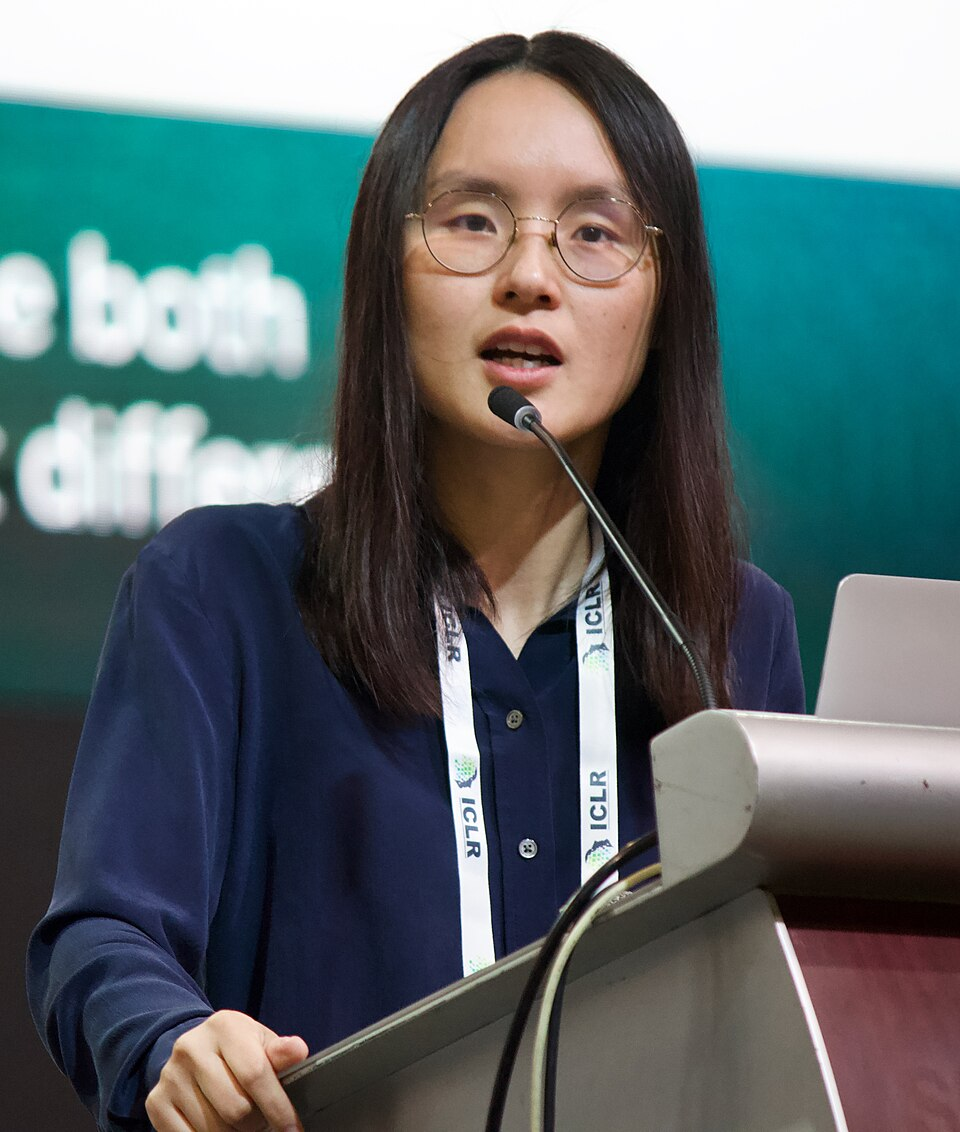 Danqi Chen (陈丹琦)合作论文数3Yuhao Zhang (张宇浩)合作论文数3
 Denise I. Skonberg合作论文数School of Fisheries, University of Washington3
 Brian Perkins合作论文数Department of Food Science, University of Maine3
 Abigail See合作论文数Google DeepMind3
 Carlos Martin-Rios合作论文数School of Management, Madrid3
 Niclas L Erhardt合作论文数3
 Jennifer Perry合作论文数Sports Medicine Research Institute, The Ohio State University Wexner Medical Center2Max Thomas合作论文数2
 Boliang Zhang (张伯良)合作论文数Appel AI2
 Kai Sun (孙锴)合作论文数Meta2Craig Harman合作论文数2
 Hao Wu (吴昊)合作论文数School of Computer Science & Technology, Beijing Institute of Technology2
 Owen Rambow合作论文数Department of Linguistics, College of Arts and Sciences, Stony Brook University2
 Chris Callison-Burch合作论文数Department of Computer and Information Science, School of Engineering and Applied Science, University of Pennsylvania2
 Di Lu (卢迪)合作论文数Dataminr Inc.2
 Heng Ji (季姮)合作论文数Siebel School of Computing and Data Science, The Grainger College of Engineering, University of Illinois at Urbana-Champaign2
 Dan Roth合作论文数Department of Computer and Information Science, University of Pennsylvania;University of Illinois at Urbana-Champaign;Oracle2
 Claire Cardie合作论文数Department of Computer Science, Cornell University;Department of Information Science, Cornell University;Ann S. Bowers College of Computing and Information Science, Cornell University2
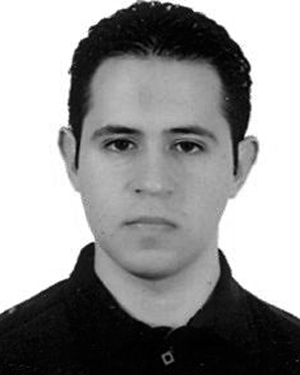 Mohamed Al-Badrashiny合作论文数The Engineering Company for the Development of Computer Systems;RDI 171st Al-Haram Av. 12111 Giza Egypt;The Engineering Company for the Development of Computer Systems2
 Smaranda Muresan合作论文数Department of Computer Science, Barnard College, Columbia University;Data Science Institute, Columbia University2Chen-Tse Tsai合作论文数University of Illinois at Urbana-Champaign2
 Benjamin Van Durme合作论文数Department of Computer Science, Whiting School of Engineering, Johns Hopkins University;Department of Cognitive Science, Krieger School of Arts & Sciences, Johns Hopkins University2
 Haoruo Peng合作论文数Youlify2
 Pushpendre Rastogi合作论文数Johns Hopkins University2
 Ellie Pavlick合作论文数Google Deepmind;Language Understanding and Representation Lab, Brown University;Department of Computer Science, Brown University2
 Mark Sammons合作论文数Department of Computer Science University of Illinois at Urbana-Champaign2
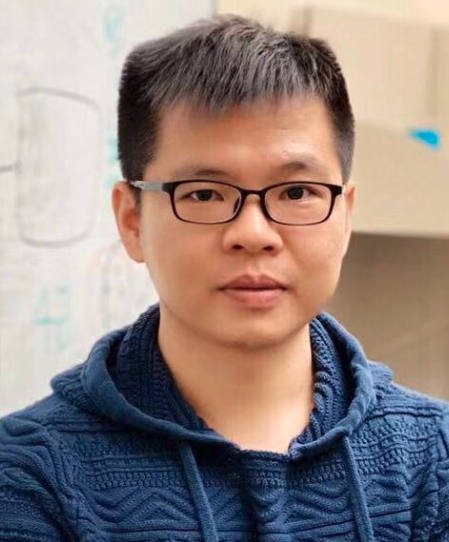 Lifu Huang合作论文数Department of Computer Science, College of Engineering, University of California, Davis2Cecelia Williamson合作论文数1Kathy Savoie合作论文数1Kevin Kennedy合作论文数1Samir Patel合作论文数1Suzanne M Purseglove合作论文数1marissa e rublee合作论文数1
 Yuhui Zhang合作论文数Stanford University1
 Wim Hollander合作论文数University of Johannesburg1Kathryn Yerxa合作论文数Cooperative Extension, University of Maine1
 Xiaoman Pan (潘小满)合作论文数Blender Lab,Rensselaer Polytechnic Institute1
 Sonal Gupta合作论文数Microsoft AI1




