BACKGROUND:There are limited data to guide oral antibiotic dosing in neonates and young infants, particularly for intravenous (IV) to oral transition. Cephalexin is a promising oral treatment for neonatal pathogens, including Enterobacterales and methicillin-susceptible Staphylococcus aureus (MSSA). However, maturational changes in gastrointestinal absorption and kidney function during early infancy complicate extrapolation of dosing from older populations. We evaluated cephalexin pharmacokinetics and simulated dosing strategies to achieve pharmacodynamic targets in infants ≤60 days old. METHODS:This prospective, single-center study enrolled infants 0-60 days receiving cephalexin either as part of routine clinical care or as a single 25 mg/kg study dose. Plasma concentrations were analyzed using non-linear mixed-effects modeling. Simulations assessed the probability of target attainment for free time above minimum inhibitory concentration (MIC) (fT > MIC) for ≥ 50% and ≥ 70% of the dosing interval across MICs 1-16 mg/L, assuming 10% protein binding. We also simulated the cumulative fractional response using typical MIC distributions for Enterobacterales and MSSA. RESULTS:The analysis included 144 samples from 33 infants with median post-natal age 31 days (range 9-56) and median gestational age 37 weeks (range 29-41). A one-compartment model with first-order absorption and lag time best described the data. Weight influenced apparent volume of distribution and apparent clearance. Additionally, we identified a maturational effect on absorption rate using post-natal age and on apparent clearance using post-menstrual age. For Enterobacterales, 25 mg/kg/dose every 6 h achieved >90% cumulative fractional response for a 50% fT > MIC target. For MSSA, 25 mg/kg/dose every 8 h was sufficient. Higher or more frequent dosing was required to meet the more stringent 70% fT > MIC target. CONCLUSIONS:Oral cephalexin can achieve necessary pharmacodynamic targets in infants 7-60 days old. These findings support the use of model-informed dosing strategies to guide safe and effective oral antibiotic use in early infancy, including for IV-to-oral transition.
Background: Evaluation of optimal dosing has generally been inadequate during TB drug development. Fluoroquinolones are central to TB treatment. We aimed to determine the dose of levofloxacin needed to achieve maximal efficacy and acceptable safety and tolerability as part of a multidrug TB regimen. Methods: Opti-Q was an international, multi-center, randomized, placebo-controlled, phase II trial. Eligible participants with TB resistant to isoniazid and rifampicin but susceptible to fluoroquinolones (MDR-TB) were randomized to receive one of four weight-adjusted once-daily doses of levofloxacin given for 24 weeks(168 doses): 11mg/kg(750mg), 14mg/kg(750mg/1000mg), 17 mg/kg(1000mg/1250mg) or 20mg/kg(1250mg/1500mg) alongside a multidrug regimen. The primary efficacy outcome was time to sputum culture conversion and the primary safety outcome was grade 3 or higher adverse events. Findings: 111 participants were randomized from three sites in South Africa and Peru. 83(75%) had cavities on chest x-ray, 55(50%) had a smear grading of 3+, median BMI was 20.4 kg/m2. Median levofloxacin AUC/MIC was 573, 633, 918 and 1343 across the four treatment arms. There was no difference in time to culture conversion on solid or liquid media by treatment arm (stratified log-rank p=0.282), by tertile of AUC/MIC (p=0.350), or by dose received (p=0.723); 69.3%, 74.8%, 70.6% and 78.3% achieved culture conversion after 8 weeks on solid media respectively across the treatment arms; 64.6%, 69.5%, 52.6% and 69.6% in liquid culture. More participants experienced a grade 3-5 adverse event by dose (37.0% and 16.0% in the highest and lowest dose groups respectively, p=0.042, Cochran-Armitage test for trend) and by tertile of AUC (p=0.011). Interpretation: As part of a multidrug regimen, doses of levofloxacin above 1000mg resulted in greater exposures and increased frequency of adverse events but did not result in faster time to sputum culture conversion. A dose of 1000mg daily can achieve the target exposure in nearly all adults and was well tolerated. Clinical trial registration available at www.clinicaltrials.gov, ID: NCT01918397
BACKGROUND:Linezolid is recommended in treatment regimens for rifampin- or multidrug-resistant tuberculosis (TB). However, considerable pharmacokinetic variability exists, and long-term use is limited by adverse effects. This study evaluates the pharmacokinetics of linezolid in patients with TB from an international therapeutic drug monitoring (TDM) service. METHODS:Linezolid trough, 2-hour, and 6-hour postdose clinical samples from across North America were tested by the University of Florida Infectious Disease Pharmacokinetics Laboratory. Total serum concentrations were measured using liquid chromatography-tandem mass spectrometry. TDM was performed, and measurements were compared to typical linezolid concentrations including a trough value of <2 μg/mL and peak value between 12 and 26 μg/mL. RESULTS:From January 2019 to December 2023, 1604 linezolid samples from 500 patients and 817 unique TDM occasions were analyzed. Trough concentrations were measured on 670 samples (median, 1.19 [range, 0.00-20.06] μg/mL), and 232 troughs (34.6%) were >2 μg/mL. Among trough samples from linezolid dosing of 600 mg daily, 43.2% were >2 μg/mL. Of 600 peak samples, 264 (44%) were outside the typical range, most (89%) being subtherapeutic at <12 μg/mL. CONCLUSIONS:High serum linezolid trough concentrations were measured in approximately one-third of samples and in >40% of those taking the recommended dose. More than 40% of peak concentrations were outside typical range, of which 89% were <12 μg/mL. This study demonstrates that TDM can be used to identify patients with serum linezolid concentrations outside of targeted ranges, allowing clinicians to make appropriate dose adjustments to improve outcomes.
BACKGROUND:Data on the effect of extracorporeal membrane oxygenation (ECMO) on cefepime concentration and protein binding are limited. This study aimed to describe the pharmacokinetics of cefepime in patients receiving ECMO, with or without renal replacement therapy. METHODS:Participants receiving ECMO were prospectively enrolled in the thoracic and lung transplant intensive care unit at the University of Florida Health-Shands Hospital in Gainesville, FL. Serum samples for drug quantification were collected at 1, 2, 4, 6, and 8 hours after the completion of cefepime infusion, pre- and post-ECMO oxygenator. The total and free drug concentrations in the ultrafiltrate were measured using liquid chromatography-tandem mass spectrometry at the University of Florida Infectious Disease Pharmacokinetics Laboratory. RESULTS:Six patients who underwent venovenous ECMO were enrolled in the study. The median [interquartile range (IQR)] age and weight were 56.5 years (48-61.8) and 80.6 kg (75.4-90.6), respectively, and 67% were female. All patients received 2 g of cefepime infused over 30 minutes, with dosing intervals per renal function. The median (IQR) time between ECMO initiation and pharmacokinetic sampling was 3.5 days (2.5-24.7). None of the patients underwent renal replacement therapy during sampling. Minimal differences in cefepime concentrations pre- and postoxygenator were observed (<20% difference for all paired samples; median 3.5%). The median (IQR) protein-binding rates for cefepime both pre- [6.2% (2.6-10.8)] and post- [8.7% (2.5-13.4)] oxygenator were lower than previously published estimates of 20%. CONCLUSIONS:No differences in pre- or post-ECMO oxygenator cefepime concentrations were observed. The median protein-binding values were less than previously published values.
Purpose: To assess the impact of beta-lactam therapeutic drug monitoring (TDM) timing and therapy adjustment on clinical cure and 30-day mortality. Methods: This was a prospective study of critically ill patients admitted to the University of Florida Health Shands Hospital intensive care unit (ICU) between 2021 and 2022, ≥18 years old, and requiring beta-lactam therapy for a suspected or confirmed infection. Beta-lactam concentrations were measured per standard of care, pharmacokinetic/dynamic (PK/PD) target attainment was calculated, and therapy was adjusted if needed. Multiple regression and time-to-event (TTE) analyses were performed. Results: A total of 297 infection episodes from 268 patients were included. The mean (SD) age was 56 years (17), weight was 82 kg (32), and 14% received renal replacement therapy. The most common infection source was the lung, and the most common beta-lactam was cefepime. The most common infusion duration was 30 min. The median (IQR) time to first TDM was 2.7 days (1.7–4.7). Fifty-seven percent of patients required therapy adjustment. Increases in beta-lactam dose, frequency, or infusion duration were associated with lower 30-day mortality compared to continuing the same regimen (aOR 0.30, p = 0.015). Delay in performing TDM was associated with lower probability of clinical cure (aOR 0.92, p = 0.0023). Patients who had the regimen increased had shorter hospital stay compared to those who had it decreased. Timing of beta-lactam TDM in ICU patients was a significant predictor of clinical cure, while adjusting beta-lactam therapy to achieve higher exposure was a significant predictor of 30-day mortality.
Rationale: Evaluation of optimal dosing has generally been inadequate during tuberculosis (TB) drug development. Fluoroquinolones are central to TB treatment. Objective: To determine the dose of levofloxacin needed to achieve maximal efficacy and acceptable safety and tolerability as part of a multidrug TB regimen. Methods: Opti-Q was an international, multicenter, randomized, placebo-controlled phase II trial. Eligible participants with TB resistant to isoniazid and rifampicin but susceptible to fluoroquinolones were randomized to receive one of four weight-adjusted once-daily doses of levofloxacin for 24 weeks (168 doses) alongside a multidrug regimen: 11 mg/kg (750 mg), 14 mg/kg (750 mg/1,000 mg), 17 mg/kg (1,000 mg/1,250 mg) or 20 mg/kg (1,250 mg/1,500 mg). The primary efficacy outcome was time to sputum culture conversion, and the primary safety outcome was grade ≥3 adverse events (AEs). Measurements and Main Results: A total of 111 participants were randomized from three sites in South Africa and Peru. Eighty-three (75%) had cavities on chest X-ray, 55 (50%) had a smear grading of 3+, and the median body mass index was 20.4 kg/m2. Median levofloxacin areas under the curve (AUCs)/minimum inhibitory concentrations were 573, 633, 918, and 1,343 across the four treatment arms. There was no difference in time to culture conversion on solid or liquid media by treatment arm (stratified log-rank P = 0.282), by tertile of AUC/minimum inhibitory concentration (P = 0.350), or by dose received (P = 0.723); 69.3%, 74.8%, 70.6%, and 78.3% exhibited culture conversion after 8 weeks on solid media, respectively, across the treatment arms; along with 64.6%, 69.5%, 52.6%, and 69.6% on liquid culture. More participants experienced a grade 3-5 AE at higher doses (37.0% and 16.0% in the highest and lowest dose groups, respectively; P = 0.042, Cochran-Armitage test for trend) and higher tertiles of AUC (P = 0.011). Conclusions: As part of a multidrug regimen, doses of levofloxacin >1,000 mg/d resulted in greater exposures and increased frequency of AEs but did not result in faster time to sputum culture conversion. A dose of 1,000 mg/d can achieve the target exposure in nearly all adults and was well tolerated. Clinical trial registered with www.clinicaltrials.gov (NCT01918397).
BACKGROUND:Variability in the pharmacokinetics (PK) of first-line antituberculosis drugs (rifampicin [RIF], isoniazid [INH], and pyrazinamide [PZA]) is high and may be influenced by pharmacogenetic polymorphism. We performed a pharmacogenetic substudy in 90 participants with PK data from the HIRIF trial in Peru. METHODS:Relevant single-nucleotide polymorphisms (SNPs) in the NAT2, SLCO1B1, AADAC, and AOX1 loci were genotyped using real-time polymerase chain reaction (PCR). RESULTS:The proportions of slow, intermediate, and fast acetylators predicted by a conventional 6-SNP NAT2 panel were 32.5%, 48.2%, and 19.2%, respectively. A single NAT2 tag SNP (rs1495741) agreed with the panel-predicted phenotype in 91% and was a better predictor of INH area under the curve (AUC). Accounting for discrepancies possibly caused by rare alleles not represented in the panel or that could be unequivocally resolved using observed AUC, sensitivity of the tag SNP was 97.7%. A previously described SNP in SLCO1B1 (rs4149032) was present at an allele frequency of 0.31 and appeared to influence RIF AUC and maximum concentration (Cmax) at a dose of 20 mg/kg, despite an extreme distribution of alleles across the randomized arms. The AADAC SNP (rs1803155) predominated in the study population and was not linked to RIF PK, although an effect could have been missed due to sample size and allele frequency. There was no association between PZA PK and a common SNP in AOX1 (rs55754655). CONCLUSIONS:A tag SNP approach may offer simpler and cheaper prediction of INH PK. Further exploration of the impact of SLCO1B1 SNPs on RIF PK is required in this and other populations. Clinical Trials Registration. NCT01408914.
Tuberculous meningitis (TB meningitis) is the most devastating form of tuberculosis (TB) and there is a critical need to optimize treatment. Linezolid is approved for multidrug resistant TB and has shown en-couraging results in retrospective TB meningitis studies, with several clinical trials underway assessing its additive effects on high-dose (35 mg/kg/day) or standard-dose (10 mg/kg/day) rifampin-containing reg-imens. However, the efficacy of adjunctive linezolid to rifampin-containing first-line TB meningitis reg-imens and the tissue pharmacokinetics (PK) in the central nervous system (CNS) are not known. We therefore conducted cross-species studies in two mammalian (rabbits and mice) models of TB meningitis to test the efficacy of linezolid when added to the first-line TB regimen and measure detailed tissue PK (multicompartmental positron emission tomography [PET] imaging and mass spectrometry). Addition of linezolid did not improve the bactericidal activity of the high-dose rifampin-containing regimen in either animal model. Moreover, the addition of linezolid to standard-dose rifampin in mice also did not improve its efficacy. Linezolid penetration (tissue/plasma) into the CNS was compartmentalized with lower than previously reported brain and cerebrospinal fluid (CSF) penetration, which decreased further two weeks after initiation of treatment. These results provide important data regarding the addition of linezolid for the treatment of TB meningitis. (c) 2023 The Author(s). Published by Elsevier Ltd.
INTRODUCTION:Tuberculosis (TB) is a leading infectious disease cause of mortality worldwide, especially for people living with human immunodeficiency virus (PLWH). Treating TB in PLWH can be challenging due to numerous drug interactions. AREAS COVERED:This review discusses drug interactions between antitubercular and antiretroviral drugs. Due to its clinical importance, initiation of antiretroviral therapy in patients requiring TB treatment is discussed. Special focus is placed on the rifamycin class, as it accounts for the majority of interactions. Clinically relevant guidance is provided on how to manage these interactions. An additional section on utilizing therapeutic drug monitoring (TDM) to optimize drug exposure and minimize toxicities is included. EXPERT OPINION:Antitubercular and antiretroviral coadministration can be successfully managed. TDM can be used to optimize drug exposure and minimize toxicity risk. As new TB and HIV drugs are discovered, additional research will be needed to assess for clinically relevant drug interactions.
Tuberculosis (TB) is a leading cause of mortality worldwide, and resistance to anti-tuberculosis drugs is a challenge to effective treatment. Multi-drug resistant TB (MDR-TB) can be difficult to treat, requiring long durations of therapy and the use of second line drugs, increasing a patient’s risk for toxicities and treatment failure. Given the challenges treating MDR-TB, clinicians can improve the likelihood of successful outcomes by utilizing therapeutic drug monitoring (TDM). TDM is a clinical technique that utilizes measured drug concentrations from the patient to adjust therapy, increasing likelihood of therapeutic drug concentrations while minimizing the risk of toxic drug concentrations. This review paper provides an overview of the TDM process, pharmacokinetic parameters for MDR-TB drugs, and recommendations for dose adjustments following TDM.
The outcomes of patients who experience status epilepticus during the post-cardiac arrest period, or post-anoxic status epilepticus (PASE), remain dismal despite advances in resuscitation. The combination of therapeutic nihilism and the refractoriness of seizures in a setting where pessimistic prognostic impressions prevail is likely the main driver of such poor outcomes. The resulting pervasive vicious cycle perpetuates this knowledge gap, whereby hypoxic-ischemic insults as the etiology for seizures remain a ubiquitous exclusion criterion for clinal trials in status epilepticus. Effective therapies targeting hyperexcitability resulting from hypoxic-ischemic brain injury are urgently needed. Early inhibition of gamma-aminobutyric acid (GABA) transaminase with vigabatrin holds potential as an effective adjunctive therapy for PASE. This scientific premise is based on the resulting halted GABA catabolism thereby promoting synergistic augmentation of GABAergic pathway when used in combination with positive GABAergic allosteric modulators. This paper is based on a lecture presented at the 9th London-Innsbruck Colloquium on Status Epilepticus and Acute Seizures, in London 8-10 April 2024.
INTRODUCTION:Cefepime is a fourth-generation cephalosporin and is a workhorse for the empiric treatment of febrile neutropenia (FN). Beta-lactam therapeutic drug monitoring (TDM) has emerged as a dose optimization strategy in patient populations with altered kinetics. Prior literature has demonstrated that patients with FN exhibit augmented renal clearance which may lead to subtherapeutic drug concentrations with standard dosing regimens. The aim of this study was to evaluate pharmacokinetic/pharmacodynamic (PK/PD) target attainment and clinical outcomes in patients with hematologic malignancies and FN who were treated empirically with cefepime. METHODS:This was a prospective, single-center study of adults with hematologic malignancies and FN admitted to the inpatient unit. The primary outcome was PK/PD target attainment (defined as 100% free time greater than minimum inhibitory concentration (100% fT > MIC)). Secondary clinical outcomes were time to defervescence, time to ANC recovery, in-hospital mortality, and cefepime failure. RESULTS:There were 55 patients in our study. Forty-three (78%) patients achieved the primary outcome of PK/PD target attainment. The mean time to defervescence was similar between those that achieved PK/PD target attainment and those that did not (95% CI -0.75 to 1.25, p = 0.62). CONCLUSIONS:This study showed that standard cefepime dosing in patients with hematologic malignancies and FN does not result in achievement of 100% fT > MIC in all patients. Patients in the group that did not achieve PK/PD target attainment were younger with increased creatinine clearance, indicating that cefepime TDM may be especially beneficial in these patients.
Tuberculosis (TB) remains a leading cause of death, but antibiotic treatments for tuberculous meningitis, the deadliest form of TB, are based on those developed for pulmonary TB and not optimized for brain penetration. Here, we perform first-in-human dynamic 18F-pretomanid positron emission tomography (PET) in eight human subjects to visualize 18F-pretomanid biodistribution as concentration-time exposures in multiple compartments (NCT05609552), demonstrating preferential brain versus lung tissue partitioning. Preferential, antibiotic-specific partitioning into brain or lung tissues of several antibiotics, active against multidrug resistant (MDR) Mycobacterium tuberculosis strains, are confirmed in experimentally-infected mice and rabbits, using dynamic PET with chemically identical antibiotic radioanalogs, and postmortem mass spectrometry measurements. PET-facilitated pharmacokinetic modeling predicts human dosing necessary to attain therapeutic brain exposures. These data are used to design optimized, pretomanid-based regimens which are evaluated at human equipotent dosing in a mouse model of TB meningitis, demonstrating excellent bactericidal activity without an increase in intracerebral inflammation or brain injury. Importantly, several antibiotic regimens demonstrate discordant activities in brain and lung tissues in the same animal, correlating with tissue antibiotic exposures. These data provide a mechanistic basis for the compartmentalized activities of antibiotic regimens, with important implications for developing treatments for meningitis and other infections in compartments with unique antibiotic penetration. Antibiotic treatments for tuberculous meningitis, the deadliest form of tuberculosis, are not optimized. Here, PET in human and animal studies is used to measure the biodistribution of several antibiotics to develop optimized regimens for drug-resistant tuberculous meningitis.
The dosing of voriconazole is challenging in pediatrics. One approach to improve the dosing is through the use of Bayesian concentration-guided dosing software. Our study assessed the predictive performance of a freely available online voriconazole dose calculator in pediatric patients “NextDose” ( https://www.nextdose.org/ ). Per each dose calculator, we predicted voriconazole concentrations. We did both a priori and a posteriori Bayesian predictions. A total of 51 patients were included in this study. For a priori predictions, bias was + 26
Isoniazid (INH) is an important drug in many TB regimens, and unfavorable treatment outcomes can be caused by suboptimal pharmacokinetics. Dose adjustment can be personalized by measuring peak serum concentrations; however, the process involves cold-chain preservation and laboratory techniques such as liquid chromatography (LC)/mass spectrometry (MS), which are unavailable in many high-burden settings. Urine spectrophotometry could provide a low-cost alternative with simple sampling and quantification methods.We enrolled 56 adult patients on treatment for active TB. Serum was collected at 0, 1, 2, 4, 6, and 8 h for measurement of INH concentrations using validated LC-MS/MS methods. Urine was collected at 0–4, 4–8, and 8–24 h intervals, with INH concentrations measured using colorimetric methods.The median peak serum concentration and total serum exposure over 24 h were 4.8 mg/L and 16.4 mg*hour/L, respectively. Area under the receiver operator characteristic curves for urine values predicting a subtherapeutic serum concentration (peak <3.0 mg/L) were as follows: 0–4 h interval (AUC 0.85, 95% CI 0.7–0.96), 0–8 h interval (AUC 0.85, 95% CI 0.71–0.96), and 0–24 h urine collection interval (AUC 0.84, 95% CI 0.68–0.96).Urine spectrophotometry may improve feasibility of personalized dosing in high TB burden regions but requires further study of target attainment following dose adjustment based on a urine threshold.
Background: Cystic fibrosis transmembrane conductance regulator (CFTR) modulator therapy have resulted in longer life expectancies, yet pulmonary exacerbations remain a leading cause of morbidity. Intravenous antibiotics is the mainstay treatment, however achieving adequate concentrations remains challenging. The effect of therapeutic drug monitoring (TDM) of beta-lactams on exacerbations and lung function has not been studied.Methods: Patient demographics, antibiotic regimens, forced expiratory volume 1 s (FEV1), and exacerbation history was obtained from 32 patients with cystic fibrosis admitted for exacerbations. All patients were colonized with Pseudomonas aeruginosa, received CFTR therapy for at least one year, and had 3-month interval follow ups. Plasma concentrations, FEV1, and exacerbation history was obtained before and after therapeutic drug monitoring. This included peak and trough plasma concentrations of piperacillin-tazobactam and cefepime using liquid chromatography with mass spectrometry. T-test and Mann-Whitney U test were used to compare medians/ means of FEV1 and pulmonary exacerbations pre and post-TDM as well as free trough-to-minimum inhibitory concentration ratio (fCmin/MIC) >= 1 and >= 4.Results: TDM was associated with decreased exacerbations/year from 1.91 to 1.31 (p = 0.04) and among the cohort with >/ = 2 exacerbations per year, there was a longer exacerbation free interval after TDM (196.2 vs 103.7 days, p = 0.02). The decline in FEV1% predicted after therapeutic drug monitoring to the first exacerbation was -4.9 compared to -9.7 prior (p = 0.03).Conclusions: TDM for cystic fibrosis pulmonary exacerbations results in decreased pulmonary exacerbations, longer intervals to pulmonary exacerbation, and lower decline in FEV1% predicted.
BACKGROUND:Implementation of newer anti-tuberculosis (TB) drugs may prolong the QT interval, increasing the risk of arrythmias and sudden cardiac death. The potential for cardiac adverse events has prompted recommendations for frequent cardiac monitoring during treatment. However, unknowns remain, including the association between drug concentrations and QT interval. METHODS:An observational prospective cohort study design was used. Patients undergoing treatment for drug-resistant TB in Georgia were assessed. Serial blood samples were collected at 4-6 weeks for pharmacokinetics. Electrocardiograms were recommended to be performed monthly. A generalized estimating equation spline model was used to investigate (1) the effect difference between bedaquiline and delamanid, (2) the cumulative effect of number of anti-TB drugs, and (3) the relationship between serum drug concentrations on QTc interval. RESULTS:Among 94 patients receiving either bedaquiline (n = 64) or delamanid (n = 30)-based treatment, most were male (82%), and the mean age was 39 years. The mean maximum QTc increase during the first six months was 37.5 ms (IQR: 17.8-56.8). Bedaquiline- and delamanid-based regimens displayed similar increased mean QTc change from baseline during drug administration (P = 0.12). Increasing number of anti-TB drugs was associated with an increased QTc (P = 0.01), but participants trended back towards baseline after drug discontinuation (P = 0.25). A significant association between AUC, Cmin, Cmax, and increased QTc interval was found for bedaquiline (months 1-6) and levofloxacin (months 1-12). CONCLUSION:Bedaquiline- and delamanid-based regimens and increasing number of QT prolonging agents led to modest increases in the QTc interval with minimal clinical effect.
Background: Effective therapeutic interventions for post-anoxic status epilepticus (PASE) are lacking. Vigabatrin (VGB) could be an attractive adjunct drug in PASE by increasing GABA availability in inhibitory synapses; however, enteral malabsorption in the post-cardiac arrest (CA) period and difficulty enrolling in the FDA mandatory registry could hinder its use in this setting. We hypothesize that CA survivors absorb VGB despite vasopressor use, concurrent enteral feeding, and regardless of gastric or post-pyloric drug delivery. Goals: Prove feasibility and study pharmacokinetics of a single enteric VGB load within 48 hours of PASE onset. Methods: We administered a single load 1125-4500 mg VGB (based on creatinine clearance; CrCl) in adults with non-traumatic CA, with electrographic SE and gastric or duodenal access. Plasma samples were collected at 0, 0.5, 1, 2, 3, 6, 12, 24, 48, 72 and 168 hours. Results: Interim results from a cohort of 6 subjects comprised of 67% male (4 of 6), 83% White (5 of 6), with a median age 62 years 22-68), median BMI 30 Kg/m 2 (20-53), and median CrCl 44cc/min (22-186) are presented. All subjects received VGB within 48h window; median VGB dose was 2250 mg (1125-4500). The median time to peak (Tmax) was 2 h (1-3); median peak concentration (Cmax) was 38.1 mcg/ml (16.7 -91.8). Median 24h VGB concentration (C24) was 9.4 mcg/ml (3.4-14.2) and half-life (T1/2) was 16 h (10-24). The AUC 0-24 value was 318 mcg*h/ml (262-1012). No significant association was found between sex or BMI and Cmax. Three out of six patients achieved EEG response following VGB load; no association with dose or concentration was noted. Conclusions: All patients achieved detectable VGB levels with peak occurring between 1-3 hours post-administration. Enteric administration of VGB does not preclude phase IIb clinical trials of VGB in PASE. Registration: URL: http://www.clinicaltrials.gov ; Unique identifier: NCT04772547
 Mohammad H. Alshaer合作论文数Department of Pharmacy, King Hussein Cancer Center57
 Eric Lee Nuermberger合作论文数School of Medicine, Johns Hopkins University25
 Scott K Heysell合作论文数Div Infect Dis & Int Hlth, Univ Virginia24
 Eric F Egelund合作论文数College of Pharmacy, and Emerging Pathogens Institute, University of Florida24
 SE BERNING合作论文数21
 Awewura Kwara合作论文数The Miriam Hospital21William J. Burman合作论文数20Marc H. Weiner合作论文数From the Audie L. Murphy Memorial Veterans Administration Hospital20Wael A Alghamdi合作论文数19Kempker Russell R合作论文数19
 Abdullah Alsultan合作论文数and the Emerging Pathogens Institute, University of Florida19Veena Venugopalan合作论文数18
 Jacques Grosset合作论文数Center for Tuberculosis Research, Johns Hopkins University18Nicole Maranchick合作论文数17
 Antwi Sampson合作论文数17
 David Ashkin合作论文数16
 Andrew Vernon合作论文数National Institute of Allergy and Infectious Diseases;Centers for Disease Control and Prevention15DE NIX合作论文数14
 Michael Neely合作论文数Dept Infect Dis, Childrens Hosp Los Angeles14
 Stephan Schmidt合作论文数College of Pharmacy, University of Florida14
 George L. Drusano合作论文数Institute for Therapeutic Innovation, Department of Medicine in the College of Meddicine, University of Florida13Arnold Louie合作论文数13
 Eric R Houpt合作论文数Division of Infectious Diseases and International Health, School of Medicine, University of Virginia13
 Jan Willem Alffenaar合作论文数School of Pharmacy, Faculty of Medicine and Health, The University of Sydney12
 Carole Diane Mitnick合作论文数The Department of Global Health and Social Medicine, Blavatnik Institute, Harvard Medical School12
 Henry M. Blumberg合作论文数School of Medicine, Emory University;Atlanta Clinical and Translational Science Institute, Woodruff Health Sciences Center, Emory University12Johnson John L合作论文数12
 Sanjay Jain合作论文数12Hongmei Yang合作论文数12
 Giovanni Battista Migliori合作论文数Maugeri11Min Zhu合作论文数11
 Petros Constantine Karakousis合作论文数Department of Otolaryngology-Head and Neck Surgery, School of Medicine, Johns Hopkins University11
 Michael D. Iseman合作论文数Divisions of Pulmonary Medicine and Infectious Disease, School of Medicine, University of Colorado;Division of Mycobacterial and Respiratory Infections, Department of Medicine, National Jewish Medical and Research Center11
 Kipiani Maia合作论文数11
 Charles L. Daley合作论文数Department of Medicine, National Jewish Health11Thomas Tania A合作论文数11
 Albert Dompreh合作论文数11
 Lubbe Wiesner合作论文数Clinical Pharmacokinetics Laboratory, University of Cape Town;Division of Clinical Pharmacology, University of Cape Town11
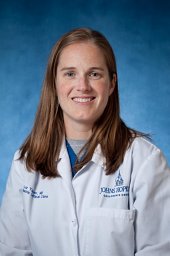 Elizabeth W Tucker合作论文数Sch Med, Johns Hopkins Univ10
 Kelly E Dooley合作论文数Division of Infectious Diseases, Department of Medicine, Vanderbilt University Medical Center10
 Andreas Henri Diacon合作论文数TASK;Stellenbosch University10
 R.E. Aarnoutse (Rob)合作论文数Faculty of Medical Sciences, Radboud University;Radboud University Medical Centre10Engle Melissa合作论文数10
 Kartikeya Cherabuddi合作论文数10
 Hartmut Derendorf合作论文数Department of Pharmaceutics, College of Pharmacy, University of Florida10
 Alvaro Ordonez合作论文数Department of Radiology, University of Pennsylvania;Department of Pediatrics, Division of Infectious Diseases, Johns Hopkins Medicine9Mpagama Stellah G合作论文数9Klinker Kenneth P合作论文数Department of Pharmacy, UF Health Shands Hospital9Sandeep Tyagi合作论文数9




