ABSTRACT:The benefit of rituximab maintenance after first-line (1L) bendamustine-rituximab (BR) in patients with mantle cell lymphoma (MCL) remains uncertain, with inconsistent results from the phase 2 MAINTAIN trial and several retrospective studies. We conducted a large retrospective study at 27 US and Canadian academic centers to examine the benefit of rituximab maintenance after BR. A total of 911 patients received 1L BR between 2010 and 2020, and 703 had an objective response and no evidence of disease progression at the 3-month post-BR landmark. Among those, 394 (56%) received rituximab maintenance and 309 (44%) did not, with largely similar baseline patient and disease characteristics. In the landmark analysis, rituximab maintenance was associated with improved event-free survival (EFS; median, 49.9 vs 29.7 months; P< .001) as well as overall survival (OS; median, 109.5 vs 74.2 months; P< .001). The EFS and OS benefits were observed across most of the subgroups. EFS and OS differences were statistically significant in those who achieved a complete response to 1L BR (n = 590; median EFS, 62.7 vs 31.1 months [P< .001]; median OS, 136.1 vs 75.3 months [P< .001]), but the analysis among those who achieved a partial response to 1L BR was limited by the small sample size. These results provide additional evidence for the survival benefit of rituximab maintenance after BR in MCL and support its use in clinical trial design and routine practice.
Protein arginine methyltransferase 5 (PRMT5), a type II arginine methyltransferase, is overexpressed in several aggressive B-cell malignancies and facilitates cancer cell proliferation. JNJ-64619178, a selective small-molecule inhibitor targeting PRMT5, has previously shown promising preclinical activity across a range of hematological malignancies; however, the clinical activity of JNJ-64619178 monotherapy is limited despite strong target engagement. Therefore, we sought to identify rational combination partners for JNJ-64619178 to achieve improved activity in B-cell malignancies. Using dynamic Bcl-2 homology 3 (BH3) profiling, a functional assay to evaluate the net increase in proapoptotic signaling in response to drugs, we found that JNJ-64619178 increased overall proximity to apoptotic cell death (mitochondrial apoptotic priming) and dependence on B-cell leukemia/lymphoma (BCL)-2 for survival (BCL-2 dependence), particularly in diffuse large B cell lymphoma (DLBCL) and mantle cell lymphoma (MCL) cell lines. In other B-cell non-Hodgkin lymphoma (B-NHL) cell lines that are primarily MCL-1 dependent and less BCL-2 dependent, JNJ-64619178 increased mitochondrial apoptotic priming without shifting anti-apoptotic dependence from MCL-1 to BCL-2. Co-targeting PRMT5 and BCL-2 synergistically induced apoptosis in DLBCL and MCL cell lines that displayed at least partial BCL-2 dependence at baseline, but not in less BCL-2-dependent B-NHL cell lines. Interestingly, JNJ-64619178 upregulated death receptor 4 (DR4) and death receptor 5 (DR5) expression on the cell membrane of B-NHL cell lines, thereby sensitizing them, including the less BCL-2-dependent cell lines, to recombinant TRAIL-induced extrinsic apoptotic cell death. These findings highlight a role of PRMT5 in regulating both intrinsic and extrinsic apoptosis and suggest potential combination partners with PRMT5 inhibitors for potential clinical application in B-NHL.
Addition of Bruton's tyrosine kinase inhibitor (BTKi) to first-line (1 L) bendamustine-rituximab (BR) improved progression-free survival (PFS) in patients with mantle cell lymphoma (MCL) in the SHINE and ECHO trials. We investigated whether sequential treatment with 1 L BR and second-line (2 L) BTKi can result in similar cumulative PFS compared to BR-BTKi combination therapy, using a multicenter cohort of 755 patients treated with 1 L BR between 2014 and 2020. Event-free survival (EFS), EFS2, and overall survival (OS) were analyzed. By intention-to-treat (ITT), EFS2 was defined as time from 1 L BR start to progression/relapse or retreatment following 2 L BTKi or death. After a median follow-up of 61.4 (95% CI 56.4-65.9) months, the median EFS after 1 L BR was 34.2 (95% CI 31.5-38.4) months. The median EFS2 following 1 L BR and 2 L BTKi by ITT analysis was 64.8 (95% CI 56.7-82.8) months, and the 5-year OS rate after 1 L BR was 57.9% (95% CI 54.1-62.0%), close to SHINE and ECHO results. Patients without high-risk features (high simplified MIPI, high Ki-67, blastoid/pleomorphic morphology, TP53 mutation, or complex karyotype) had more favorable survival outcomes. These results suggest that sequential treatment with 1 L BR and 2 L BTKi remains reasonable for select patients with MCL, particularly those without high-risk features.
Abstract Background: Mantle cell lymphoma (MCL) exhibits heterogeneous responses to targeted therapy, which are incompletely explained by genomic and immunophenotypic markers. Building on our prior work linking single-cell mass to BCR signaling activity and Bruton's tyrosine kinase inhibitors (BTKi) sensitivity, we hypothesized that baseline biophysical mass distributions may integrate proliferative, metabolic, and signaling states and predict clinical responses to BTKi-based therapy. Methods: Baseline tumor cells from treatment-naïve MCL patients in a phase 1/2 trial of Acalabrutinib, Venetoclax, and Obinutuzumab (NCT04855695) were enriched by fluorescence-activated cell sorting and analyzed via suspended microchannel resonators (SMR) without drug exposure to measure distributions of single-cell buoyant mass. Durable response (DR) was defined as achieving complete metabolic remission ≥12 months; non-durable response (NDR) as refractory disease or relapse within 12 months. Of the nine cases analyzed by SMR, seven also underwent parallel CyTOF profiling. Results: Baseline median mass of MCL cells was higher in NDR (n = 3; mean of patient medians 13.1 pg) than in DR (n = 6; mean of patient medians 13.1 pg; p = 0.02). The fraction of cells >15 pg—a threshold previously linked to BTK inhibitor response—was elevated in NDR (p=0.02) and correlated with clinical Ki-67 index (available in 6/9, r2=0.87). Eight of nine cases exhibited classic MCL morphology; the single blastoid case (NDR) had a median mass of 14.6 pg. In CyTOF-profiled samples, the >15 pg tumor cell fraction correlated with B-cell expression of Ki-67 (r2 = 0.99), the glucose transporter GLUT1 (r2 = 0.55), and the immune checkpoint ligand PD-L1 (r2 = 0.99), but not with the amino acid transporter CD98 or fatty acid transporter CD36. These associations are consistent with sequelae of heightened BCR. Across the cohort, an increased proportion of tumor cells >15 pg correlated with increased PD-1 expression on CD4+ T cells (r2 = 0.66) and expansion of T follicular helper (Tfh) cells (r2 = 0.74). Increased tumor cell mass distributions also positively correlated with Tfh activation markers, including ICOS, Ki-67, and checkpoint molecules TIGIT (r2 = 0.56-0.69). Taken together, these features raise the possibility of chronic B-cell antigen stimulation driving both Tfh activation and immune-regulatory feedback. Conclusions: Baseline MCL cell biophysical mass distributions correlate with tumor-intrinsic proliferation and metabolic activity as well as systemic Tfh activation and immune checkpoint expression. These results suggest that tumor biophysical properties ex vivo may capture in vivo BTKi sensitivity through tumor-intrinsic and immunologic mechanisms. Evaluation in larger cohorts and deeper mechanistic analyses are required to clarify its potential as a predictive biomarker. Citation Format: Mingzeng Zhang, Ye Zhang, Lydie Debaize, Grace Chen, Sona Baghiyan, Shogo Miura, Nezha Senhaji, Juniper Mai, Clare Phinney, Alexa Batingana, Jenalyn Weekes, Salah Abdulkarim, Haocheng Wang, Svitlana Tyekucheva, Jerome Ritz, Christine E. Ryan, Austin I. Kim, Scott R. Manalis, Mark A. Murakami. Baseline single-cell mass distributions correlate with clinical response to acalabrutinib, venetoclax, and obinutuzumab in mantle cell lymphoma [abstract]. In: Proceedings of the American Association for Cancer Research Annual Meeting 2026; Part 1 (Regular Abstracts); 2026 Apr 17-22; San Diego, CA. Philadelphia (PA): AACR; Cancer Res 2026;86(7 Suppl):Abstract nr 2442.
Abstract: In this phase 1/2 study we evaluated duvelisib plus venetoclax in patients with relapsed/refractory (R/R) chronic lymphocytic leukemia/small lymphocytic lymphoma (CLL/SLL) and Richter transformation (RT). Venetoclax was added after 1 week of duvelisib. After 1 year of therapy, patients with a complete response (CR) and undetectable minimal residual disease (uMRD) could discontinue therapy; patients with detectable MRD continued venetoclax monotherapy until 2 separate occasions of uMRD. Thirty five patients with CLL/SLL and 9 with RT enrolled. Among patients with CLL, 77% had unmutated immunoglobulin heavy chain variable region, 46% had TP53 aberrancy, and patients had a median of 2 prior therapies, including 60% with prior Bruton tyrosine kinase inhibitor. In phase 1 the maximum tolerated dose was not reached, and the recommended phase 2 dose was 25mg twice daily duvelisib plus 400mg daily venetoclax. 91% of patients experienced ≥grade 3 neutropenia, with febrile neutropenia in 6%. Common nonhematologic toxicities were diarrhea (63%, 14% ≥grade 3) and elevated aspartate aminotransferase (51%, 9% ≥grade 3). The best CR and overall response rates were 60% and 91%, respectively. At cycle 13, peripheral blood and bone marrow uMRD at 10−4 were 43% and 40%, respectively. The median progression-free survival (PFS) for patients with CLL/SLL was 46 months, and the 3-year PFS was 67% (95% confidence interval, 0.51-0.86). Four patients with RS achieved a response (3 CRs). Overall, duvelisib plus venetoclax was active in R/R CLL/SLL and RT, although serious adverse events occurred, including immune-mediated toxicities. This trial was registered at www.clinicaltrials.gov as NCT03534323.
In March 2023 and 2024, a panel of international experts convened at the first and second Intercepting Blood Cancers (IBC) Workshops, with the aim of better appreciating the diagnostic challenges, pathophysiology, and potential therapeutic interventions for precursor malignant hematology conditions. Here, we report a summary of the proceedings from the sessions focused on monoclonal B-cell lymphocytosis (MBL)/chronic lymphocytic leukemia (CLL). We highlight four main content areas: biology of MBL, clinical implications of MBL, progression of MBL and transformation from indolent CLL to aggressive disease, and opportunities for therapeutic intervention in early CLL. We additionally outline key consensus management recommendations and research goals.
ABSTRACT:The treatment patterns and clinical outcomes for patients experiencing progression of disease (POD) following CD19-directed chimeric antigen receptor (CAR) T-cell therapy for relapsed or refractory (R/R) mantle cell lymphoma (MCL) are undefined. We identified all patients who received CD19-directed CAR T-cell therapy for R/R MCL therapy across 15 international centers, and studied those experiencing POD post-CAR T-cell therapy in detail. We extracted clinical/treatment/pathologic variables, and associated these features with survival outcomes. In total, 384 patients received CAR T-cell therapy, and 135 (35%) experienced POD. POD occurred at a median of 6 months following CAR T-cell therapy infusion, and most (64%) patients with POD had complete response as best response to CAR T-cell therapy. Tumor features at POD included blastoid/pleomorphic morphology in 29 of 78 (37%) patients, and TP53 mutation in 21 of 41 (51%) patients. Following POD, 17 patients received no further therapy, 13 underwent local therapy, and 105 received systemic therapy. The most common first-line systemic therapies were chemo(immuno)therapy (22 patients; overall response rate [ORR], 40%), pirtobrutinib (17 patients; ORR, 36%), and bispecific antibodies (13 patients; ORR, 67%). Among patients experiencing POD, the median progression-free survival and overall survival (OS) were 2.5 months and 5.4 months, respectively, from POD. Lack of response to CAR T-cell therapy and short time from CAR T-cell therapy infusion to POD (<3 vs 3-6 vs >6 months), among other factors, were associated with inferior OS after POD. In conclusion, we confirm the challenging prognosis for patients experiencing POD following CD19 CAR T-cell therapy for R/R MCL, and establish a benchmark for future investigations in this patient population.
Background: CTLA-4 and its ligand, CD86, are expressed within the classic Hodgkin Lymphoma (cHL) tumor microenvironment (TME) at even higher frequency than PD-1 and its ligands, suggesting that the CTLA-4 pathway plays a key role in immune evasion. Monotherapy with the CTLA-4 monoclonal antibody (mAb), ipilimumab (ipi), yielded responses in patients (pts) with cHL relapsing after allogeneic stem cell transplantation; however, trials combining ipi with a PD-1 mAb (+/- brentuximab vedotin) in earlier lines of therapy failed to demonstrate a clear benefit with the addition of ipi. These results suggest that ipi has therapeutic potential in cHL, but that combination treatment in unselected pts may not be a successful strategy. To further investigate the role of ipi in cHL, we conducted a phase II clinical trial testing ipi with or without nivolumab (nivo) among pts with R/R cHL who progressed after PD-1 blockade. Methods: Adult pts with R/R cHL who had received ≥ 2 prior therapies including a PD-1 mAb were eligible. The trial was initially designed with 2 cohorts - Cohort 1 for pts with a best response of stable disease (SD) or partial response (PR) after at least 18 weeks of PD-1 mAb monotherapy and Cohort 2 for pts with progressive disease (PD) on PD-1 based treatment. Cohort 1 was closed for slow accrual (no pts enrolled). In cohort 2, pts received ipi 3 mg/kg every 3 weeks for 4 doses and then underwent restaging with positron emission tomography. Ipi responders (complete response [CR] or PR) continued ipi maintenance (3 mg/kg every 12 weeks for up to 8 doses). Ipi non-responders (SD or PD) who were clinically stable received 4 cycles of ipi (1 mg/kg) and nivo (3 mg/kg) dosed every 3 weeks followed by ipi maintenance, as above. The primary endpoint was objective response rate (ORR) to ipi monotherapy, assessed using 2014 Lugano criteria. Results: 13 pts were enrolled to Cohort 2 at 3 centers. The median age was 39 (23-76) and pts had received a median of 4 (3-17) prior therapies, including a PD-1 mAb-based regimen for all pts (median 1, range 1-3). 6 pts received PD-1 monotherapy only, 2 received PD-1-based combinations, and 5 received both PD-1 monotherapy plus 1 or more PD-1 combinations. The best ORR for PD-1 monotherapy was 27% (3/11) and for PD-1 combinations 50% (5/10). A PD-1 based regimen directly preceded study treatment for 9 pts. Pts received a median of 2 cycles of ipi monotherapy (range 1-4). 3 pts achieved a PR (ORR 23%) with no CRs observed. 3 of 10 ipi non-responders received combination treatment with nivo and ipi and none experienced an objective response. The most common reasons for treatment discontinuation were PD (n=8), toxicity (n=4), and pt decision (n=1). With a median follow-up of 11.5 months, the median progression-free survival for ipi monotherapy was 3.3 months. The duration of response for individual responders was 27.8, 3.2, and 1.5 months. The 1-year overall survival was 59%. The most common treatment-related adverse events (TRAE) with ipi monotherapy were fever (n=6) (including 3 cases in the absence of an identifiable infection), ALT elevation (n=5), cough (n=4), diarrhea (n=4), anorexia (n=3), dyspnea (n=3), fatigue (n=3), headache (n=3), nausea (n=3), pneumonitis (n=3), and maculopapular rash (n=3). Grade 3+ TRAEs occurred in 6 pts and included ALT/AST elevation in 1 pt; abdominal pain, cytokine release syndrome, dyspnea, lung infection, and thrombocytopenia in 1 pt; urinary tract infection in 1 pt; colitis in 1 pt; diarrhea and hyponatremia in 1 pt; and anorexia in 1 pt. TRAEs for the 3 pts who received ipi + nivo included 1 case each of hypothyroidism, bilateral hand rash, infusion-related reaction, and peripheral sensory neuropathy (all grade 1-2). Pre-treatment biopsy samples from all pts were analyzed using multiplex immunofluorescence (to define TME features among PD-1 relapsed cHL and to describe features associated with response) and will be presented at the meeting. Conclusions: Despite strong preclinical data supporting a key role for the CTLA-4 axis in cHL, we observed limited clinical activity with ipi monotherapy in this high-risk cohort of pts with multiply relapsed cHL. The toxicity profile in this heavily pre-treated population was notable for frequent immune-related AEs and higher rates of treatment discontinuation due to toxicity than seen with ipi in other clinical settings. Correlatives studies are ongoing which may shed further light on predictors of response.
Intratumor heterogeneity impacts disease progression and therapeutic resistance but remains poorly characterized by conventional histologic, immunophenotypic, and molecular approaches. Single-cell biophysical properties distinguish functional phenotypes complementary to these approaches, providing additional insight into cellular diversity. Here, we link both buoyant mass and stiffness to gene expression to identify clinically relevant phenotypes within primary mantle cell lymphoma (MCL) cells, using MCL as a model of biological and clinical diversity in human cancer. Linked measurements reveal that buoyant mass and stiffness characterize B cell development states from naïve to plasma cell and correlate with expression of oncogenic B cell receptor signaling genes such as BLK and CD79A . In addition, changes in cell buoyant mass within primary patient specimens ex vivo correlate with sensitivity to Bruton’s tyrosine kinase inhibitors in vivo in MCL and chronic lymphocytic leukemia, another B cell malignancy. These findings highlight the value of biophysical properties as biomarkers of response in pursuit of future precision therapeutic strategies.
ABSTRACT:We analyzed the characteristics and outcomes of 95 patients with chronic lymphocytic leukemia (CLL) after Bruton tyrosine kinase inhibitor (BTKi) and B-cell lymphoma 2 inhibitor (BCL2i) failure. To clearly distinguish sensitivity and resistance to the targeted treatment classes, we defined double refractory (DR) CLL when progressive disease occurred during active treatment with a BTKi and a BCL2i, given sequentially or in combination, and double exposed (DE) disease when treatment with either or both of these agents was discontinued due to reasons other than progression. Thirty patients (31.6%) had DR CLL, and 65 (63.2%) had DE CLL. The DR group more frequently had unmutated immunoglobulin gene heavy chain variable (97%), TP53 aberration (73%), and BTK mutations (59%) than the DE group (75%, 46%, and 27%, respectively). The median number of total lines of therapy was 6 for DR and 3 for DE. Nearly all DR patients (97%) required subsequent therapy after developing DR CLL. The most commonly used treatment was noncovalent BTKis (34%), followed by concurrent covalent BTKi and BCL2i (28%) and CD19 chimeric antigen receptor-modified T cells (24%). Treatment for DE CLL was less frequently observed (26%). The median overall survival (OS) was 2.2 years once DR developed, despite the frequent initial responses to noncovalent BTKis or cellular therapy in the cohort. Patients with DE CLL demonstrated favorable survival (median OS not reached) and durable response to subsequent therapy.
PURPOSE The AMPLIFY trial recently established fixed-duration acalabrutinib, venetoclax, and obinutuzumab (AVO) as a new standard-of-care option for patients with previously untreated chronic lymphocytic leukemia (CLL) with wild-type TP53 ; however, due to the chemoimmunotherapy control arm, AMPLIFY excluded patients with high-risk TP53 aberration, for whom current standards of care are continuous Bruton tyrosine kinase inhibitor therapy or alternatively fixed-duration venetoclax-based doublets. AVO has not previously been evaluated in patients with CLL with TP53 aberration. METHODS This investigator-sponsored, multicenter, phase II study enrolled patients with treatment-naïve CLL enriched for high-risk CLL, defined by TP53 aberration (ClinicalTrials.gov identifier: NCT03580928 ). Patients received acalabrutinib, obinutuzumab, and then venetoclax, with each treatment introduced sequentially and in combination, with the duration guided by measurable residual disease (MRD). Patients who achieved undetectable MRD (uMRD) after either 15 or 24 cycles could discontinue treatment. The primary end point was complete remission (CR) with bone marrow uMRD (BM-uMRD) at the start of cycle 16. RESULTS Seventy-two patients were accrued, including 45 patients with TP53 aberration. The CR with BM-uMRD rates at the start of cycle 16 were 42% in patients with TP53 aberration and 42% in all-comers, and the BM-uMRD rates were 71% and 78%, respectively. Hematologic toxicities were mainly low grade, and cardiovascular toxicities and bleeding complications were infrequent. After a median follow-up of 55.2 months, 10 patients had progressed, including four with transformation, and three patients died. Four-year progression-free survival and overall survival for patients with or without TP53 aberration were 70%/96% and 88%/100%, respectively. CONCLUSION AVO was highly active and well tolerated in patients with previously untreated high-risk CLL, supporting its use as a new standard-of-care treatment option.
Introduction Treatment resistance and toxicity are leading clinical challenges in CLL. Limited data exist on outcomes for patients exposed to both Bruton tyrosine kinase inhibitors (BTKis) and B-cell lymphoma 2 inhibitors (BCL2is). DR CLL is defined as having progressive disease (PD) on both continuous BTKi- and continuous BCL2i-containing therapy. DE CLL refers to the discontinuation of BTKi and/or BCL2i due to reasons other than PD. In studies including both DR and DE patients, the reported median progression-free survival has been consistently below 2 years for non-covalent BTKi (ncBTKi) pirtobrutinib (Woyach et al, 2023 ASH Meeting) and CD19 chimeric antigen receptor-modified T (CAR T) liso cel (Siddiqi et al, 2023 ASH Meeting), which are the approved third-line treatments for CLL in the United States. We hypothesized that outcomes are worse for DR patients than for DE patients. Here, we report a large cohort of patients with DR or DE CLL, their molecular characteristics, and outcomes. Methods We conducted a retrospective review of data from the Dana-Farber Cancer Institute CLL database. Patients who progressed on sequential or combination therapy with BTKis and BCL2is were included in the DR group. Patients who progressed on only one of these treatment classes were included in the DE group provided that they had been exposed to the second class. Patients who developed histologic transformation before the landmark timepoint (when each patient met the definition of DR or DE) were excluded from the analysis. PD with CLL (PD-CLL) and histologic transformation (PD-T) were considered PD events if they occurred on or after the landmark timepoint. We applied 90-gene NGS, IGHV sequencing, and FISH and cytogenetics to available blood and/or bone marrow samples. The Kaplan-Meier method was used to estimate time to first treatment (TTFT), time to next treatment (TTNT), and overall survival (OS) (R version 4.4.1). Results Of 1,024 CLL patients in the database, 483 patients received at least one line of CLL therapy. Chart review of all treated patients identified 30 DR and 65 DE patients. Median age was similar for both groups (57 years for DR, 58 years for DE). Both groups had a male predominance (73% of DR, 65% of DE). The DR group had a higher proportion of patients with unmutated IGHV (97% of DR, 75% of DE), TP53 mutation and/or deletion 17p (73% of DR, 46% of DE), and BTK mutations (59% of DR, 27% of DE). Complex karyotype (≥3 abnormalities) did not differ significantly between DR (77%) and DE (56%, p=0.07). Median number of total lines of therapy (LOT) was 6 for DR and 3 for DE. Median number of LOT before the landmark timepoint was 4 for DR and 3 for DE. In the DR group, 29 of 30 patients were treated after the landmark timepoint. The most commonly used treatment after the landmark timepoint was ncBTKi (34%, median TTNT 16 months), followed by concurrent covalent BTKi(cBTKi)/BCL2i (28%, median TTNT 12 months). CAR T and allogeneic stem cell transplant (alloSCT) were used in 24% and 10%, respectively. In the DE group, 17 of 65 patients received treatment after the landmark timepoint, most commonly with alloSCT (29%, median TTNT not reached) followed by cBTKi (18%, median TTNT not reached). At a median follow-up of 15 years since CLL diagnosis, deaths occurred in 63% of the DR group and 25% of the DE group. PD-T was more frequently observed in DR (30%) than in DE (6%). The leading cause of death differed between DR (42% PD-CLL) and DE (25% infection). Median TTFT and median OS since CLL diagnosis were significantly shorter for DR (1.1 and 11.6 years, respectively) than DE (2.2 and 21.4 years, both p<0.05), reflecting the more aggressive disease biology of DR CLL. Patients developed DR CLL at a median of 7.3 years after the first CLL therapy and received a median of 2 LOT thereafter. Median OS was 2.2 years once DR developed, which contrasted with the DE group whose median OS was not reached. The estimated 3-year OS after the landmark timepoint was 29% for DR and 64% for DE. Conclusions DR and DE CLL, defined by resistance vs. exposure to BTK and BCL2 inhibition, substantially differed in terms of patient characteristics and outcomes. Median survival of patients with DR CLL was 2.2 years in our dataset despite frequent utilization of ncBTKis and cellular therapy. DE CLL represented a less aggressive disease state with preserved sensitivity to targeted and cellular therapies. Given these differences, DR and DE CLL should be clearly distinguished in clinical trials.
Introduction: PRMT5, a type II arginine methyltransferase, is overexpressed in several aggressive B cell malignancies and facilitates cancer cell growth. Small molecule inhibitors targeting PRMT5 show promising pre-clinical activity, particularly in mantle cell lymphoma (MCL) and diffuse large B cell lymphoma (DLBCL). There have been a number of clinical trials evaluating PRMT5 inhibitors in patients with advanced solid tumors or non-Hodgkin lymphoma (NHL), revealing manageable dose-dependent toxicity and initial signs of anti-tumor activity in various tumor types [NCT06137144, NCT05528055, and NCT03573310]. The BCL-2 inhibitor venetoclax demonstrates promising monotherapy activity in NHL. Here, we explore the mechanisms underlying the therapeutic potential of PRMT5i-1 (P1), a SAM and ATP competitive PRMT5 inhibitor, in combination with venetoclax in B cell malignancies. Methods: Dynamic BH3 profiling (DBP) was employed to quantify the net pro-apoptotic signaling triggered by ex vivo drug treatments. Other standard techniques include RNA sequencing, gene knockdown via shRNA, immunoprecipitation (IP), Western blotting, PI/Annexin V and CellTiter-Glo. DLBCL (TMD8, RI-1, OCI-Ly1, SUDHL4), double-hit lymphoma (DHL) patient-derived xenograft (PDX) cell line (DW19), MCL (Mino, Jeko-1), and Burkitt lymphoma (Raji) cell lines were utilized to investigate the in vitro anti-cancer properties of P1 and BH3 mimetics (venetoclax [BCL2i], S63845 [S63, MCL-1i], A1331852 [A133, BCL-xLi], Selleckchem). Drug synergism was calculated using SynergyFinder, and a OCI-Ly1 cell line-derived xenograft (CDX) mouse model was employed for in vivo drug evaluation. Results: By utilizing a synergy score of 10 as a threshold, combining P1 with venetoclax synergistically increased apoptosis in all 8 cell lines tested with the exception of Raji cells. Interestingly, Raji cells were resistant to P1, venetoclax, and A133, but sensitive to S63. In contrast, the combination of P1 with S63 or A133 each led to synergistic apoptosis in only 4 of the cell lines tested (S63: DW19, TMD8, OCI-Ly1, Mino; A133: DW19, OCI-Ly1, Jeko, Mino). Therefore, venetoclax appears to be a more effective partner for P1 compared to S63 and A133. Knockdown of PRMT5 also increased the sensitivity of cells to venetoclax. In a CDX mouse model, combining P1 with venetoclax significantly delayed tumor growth and prolonged mouse survival compared to single-drug treatment. Through DBP analysis, P1 was found to enhance the overall mitochondrial apoptotic priming of DLBCL and MCL cell lines (>15% increase in cytochrome c loss). Notably, Raji cells exhibited lower basal levels of apoptosis priming, and P1 had minimal impact on apoptotic priming in this particular cell line. To elucidate the mechanism behind the synergy between P1 and venetoclax, we performed RNA sequencing analysis on P1 treated OCI-Ly1 and SUDHL4 cell lines and found a significant (Q value< 0.001) enrichment of genes in several pathways, including alternative splicing and apoptosis. However, the protein expression of BCL-2 family members had minimal alterations upon P1 treatment. Subsequently, through IP we observed an enhanced interaction between BCL-2 and BIM following P1 treatment, potentially contributing to the heightened sensitivity to venetoclax. To determine if the combination of P1 and venetoclax activates cell death other than mitochondrial apoptosis, BAX and BAK double knockdown (DKD) cell lines were created and tested for their sensitivities to the two drugs. DKD cells were partially protected from venetoclax and P1 induced cell apoptosis. Furthermore, the pan-caspase inhibitor Z-VAD-FMK rescued the drug combination-induced cell death, indicating the involvement of caspases. The caspase 8 inhibitor Z-IETD-FMK also rescued drug-induced cell death, but not as much as Z-VAD-FMK, suggesting potential activation of the extrinsic apoptosis pathway by the combined use of P1 and venetoclax. Conclusions: Our study suggests that the combination of a PRMT5 inhibitor P1 with venetoclax potently induces both intrinsic and extrinsic apoptotic cell death and may serve as a potential therapeutic strategy to explore further for DLBCL and MCL.
Despite many recent therapeutic advances, mantle cell lymphoma (MCL) remains a largely incurable disease. Treatments for patients with relapsed/refractory (R/R) disease are limited in number and in response durability. Therefore, improving the efficacy of frontline (1L) treatment, and specifically maximizing the duration of first remission, remains of critical importance to obtain favorable long-term outcomes. As 1L treatments become more effective, improving tolerability is also becoming an increasingly realistic goal. Targeted agents, which are now mainstays of treatment in R/R MCL, are establishing new, paradigm-changing roles in frontline treatment. Here, we review data supporting current standard-of-care (SOC) approaches and explore six main areas of possible focus for advancement of 1L management: optimizing the chemoimmunotherapy (CIT) backbone, adding targeted agents to CIT, redefining the role of autologous stem cell transplantation (ASCT), improving maintenance therapy, using targeted agent combinations with omission of CIT, and employing MRD-guided therapy. We highlight several ongoing phase 3 trials that may soon impact frontline MCL management and outline some areas of necessary investigation as the field continues to strive towards a cure for this disease.
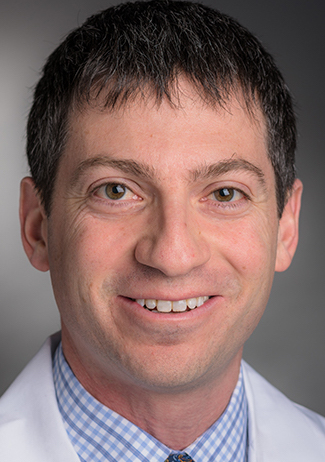 Matthew S. Davids合作论文数Division of Lymphoma, Dana-Farber Cancer Institute;Harvard Medical School;Brigham and Women's Hospital35
 Jennifer R. Brown合作论文数CLL Center, Division of Hematologic Malignancies, Dana-Farber Cancer Institute;Harvard Medical School24
 Caron A. Jacobson合作论文数Dana-Farber Cancer Institute;Harvard Medical School19
 Crombie Jennifer合作论文数18
 Philippe Armand合作论文数Dana-Farber Cancer Institute18
 David C Fisher合作论文数18
 Ann S. Lacasce合作论文数Department of Medical Oncology, Dana-Farber Cancer Institute;Harvard Medical School17Merryman Reid合作论文数14
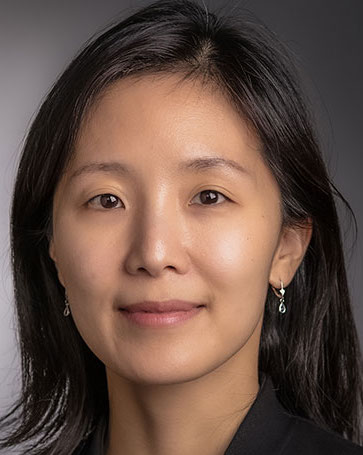 Inhye Ahn合作论文数Chronic Lymphocytic Leukemia Center, Dana-Farber Cancer Institute;Faculty of Medicine, Dana-Farber Cancer Institute;Medicine Department, Harvard Medical School14
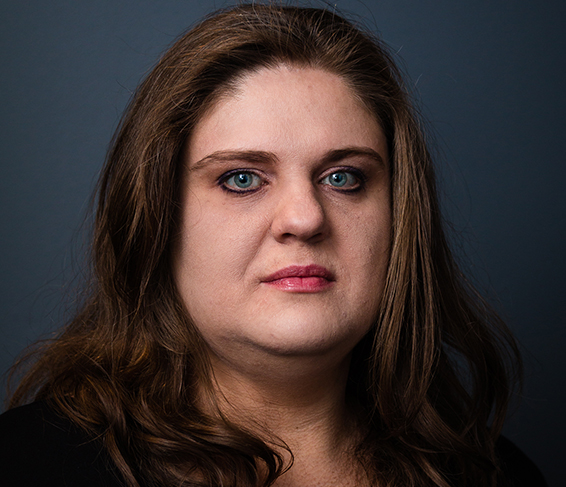 Svitlana Tyekucheva合作论文数Harvard T.H. Chan School of Public Health, Harvard University13Erin M Parry合作论文数Harvard Med Sch, Boston, MA USA11Austin I Kim合作论文数9Liam Hackett合作论文数9
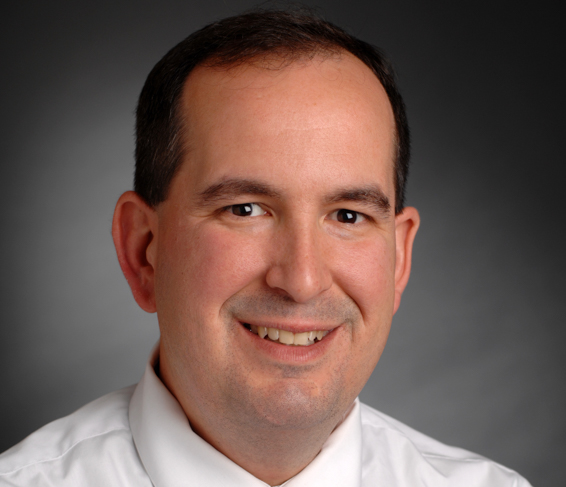 Eric D. Jacobsen合作论文数Division of Hematologic Malignancies, Dana-Farber Cancer Institute;Histiocyte Disorders Center, Dana-Farber Cancer Institute;Harvard Medical School9Josie Montegaard合作论文数8
 Anita Kumar合作论文数8Odejide Oreofe O合作论文数8Robert Redd合作论文数Dana-Farber Cancer Institute8Manali Kamdar合作论文数Division of Hematology, Hematologic Malignancies and Stem Cell Transplantation, University of Colorado Cancer Center7
 Reem Karmali合作论文数Hematology and Oncologys, Department of Medicine, Feinberg School of Medicine, Northwestern University7
 David Miklos合作论文数Blood and Marrow Transplantation & Cellular Therapy Division, School of Medicine, Stanford University;Stanford Cancer Institute, School of Medicine, Stanford University7
 Yucai Wang (王育才)合作论文数School of Life Sciences, University of Science and Technology of China;The CAS Key Laboratory of Innate Immunity and chronic Disease7
 Fernandes Stacey M合作论文数6Yue Ren合作论文数5Ashlee Joseph合作论文数5
 Firas Baidoun合作论文数Department of Hospital Medicine, Cleveland Clinic5
 Craig A Portell合作论文数5
 Jain Preetesh合作论文数Dept Leukemia, Univ Texas MD Anderson Canc Ctr5Munoz Javier合作论文数5
 Moustafa Muhamad Alhaj合作论文数Department of Internal Medicine, Mayo Clinic5
 Bita Sahaf合作论文数Bone Marrow Transplantation5Jacob D. Soumerai合作论文数5Victoria Patterson合作论文数4Mary C Collins合作论文数4Mikaela McDonough合作论文数4Zachary D Epstein-Peterson合作论文数4Natalie Grover合作论文数4
 Elise A. Chong合作论文数Division of Hematology and Oncology, Department of Medicine, Perelman School of Medicine, University of Pennsylvania4
 Peter Riedell合作论文数Department of Medicine, The University of Chicago4
 Andrew D. Zelenetz合作论文数Memorial Sloan Kettering Cancer Center4
 Kami J Maddocks合作论文数Division of Hematology, Department of Internal Medicine, The Ohio State University Comprehensive Cancer Center;College of Medicine, The Ohio State University4
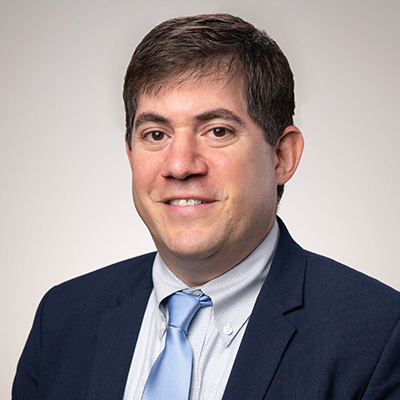 Jonathon B. Cohen合作论文数Winship Cancer Institute, Emory University;Department of Hematology and Medical Oncology, School of Medicine, Emory University4
 Alencar Alvaro合作论文数4
 Mark Murakami合作论文数Dept Med Oncol, Dana Farber Canc Inst4
 Jia Ruan合作论文数Joan and Sanford I. Weill Department of Medicine, Weill Cornell Medicine, Cornell University4Zhu Fen合作论文数Department of Cell and Regenerative Biology, University of Wisconsin4
 Mato Anthony合作论文数John Theurer Cancer Center, Hackensack University Medical Center4Shukla Navika D合作论文数College of Medicine, University of Illinois at Chicago4
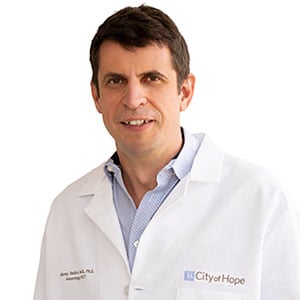 Alexey Danilov合作论文数City of Hope National Medical Center;Toni Stephenson Lymphoma Center, City of Hope4




