Snoring is the most common symptom in patients experiencing obstructive sleep apnea (OSA) and is reported by up to 94
Background: Hypoglossal nerve stimulation (HNS) is an established surgical therapy for adults with moderate-to-severe obstructive sleep apnea (OSA) who are intolerant to positive airway pressure. Although aggregate response rates of ~70-80% have been reported, substantial variability across clinical settings remains poorly understood. Prior meta-analyses have largely emphasized pooled continuous outcomes, limiting interpretation of responder-based endpoints and drivers of between-study heterogeneity. Methods: A PRISMA-compliant systematic review and meta-analysis was performed. MEDLINE, Embase, and Cochrane CENTRAL were searched from inception through 31 December 2025. Eligible studies enrolled adults with OSA treated with implantable HNS, reported Sher-defined response (≥50% AHI reduction and residual AHI < 20 events/hour), and/or continuous outcomes, and included ≥20 patients. Random-effects models (REML) were applied. Heterogeneity was quantified using I2 and τ2, with prediction intervals. Meta-regression assessed baseline AHI, BMI, and follow-up duration. Subgroup analyses examined device laterality, stimulation modality, sleep assessment method, and follow-up. Results: Thirty-eight studies (39 cohorts; n = 3220) were included. The pooled Sher response rate was 74.0% (95% CI 67.6-79.5%). Heterogeneity was substantial. HNS significantly improved all continuous outcomes (AHI -23.3 events/hour; ESS -4.5 points; ODI -14.5 events/hour). Comparative analyses favored HNS over surgical comparators, inactive stimulation, and delayed treatment. Revision and explantation rates were 5% and 4%, respectively. Meta-regression showed no significant effects of baseline AHI, BMI, or follow-up, explaining negligible variance. Subgroups suggested numerically higher response with breathing-synchronized stimulation, but heterogeneity remained high. Conclusions: HNS achieves Sher response in approximately three-quarters of appropriately selected CPAP-intolerant OSA patients, with durable clinical benefits and a favorable safety profile. Persistent unexplained heterogeneity highlights limitations of conventional predictors and underscores the need for more granular response determinants.
To evaluate the safety and efficacy of a novel bilateral hypoglossal nerve stimulation (HNSBL) device for the treatment of obstructive sleep apnea. Adult patients with moderate-to-severe obstructive sleep apnea who refused, failed, or did not tolerate positive airway pressure therapy underwent implantation and nightly use of HNSBL. The coprimary endpoints at 12 months were (1) a minimum of 50 Clinical Trial Registration: Registry: ClinicalTrials.gov; Name: Dual-sided Hypoglossal NeRvE StimulAtion for the TreatMent of Obstructive Sleep Apnea (DREAM); URL: https://clinicaltrials.gov/study/NCT03868618 ; Identifier: NCT03868618. Woodson BT, Kent DT, Huntley C, et al. Bilateral hypoglossal nerve stimulation for obstructive sleep apnea: a nonrandomized clinical trial. J Clin Sleep Med. 2025;21(11):1883–1891.
While Positive Airway Pressure (PAP) therapy remains the gold standard for treating Obstructive Sleep Apnea (OSA), 30-50% of patients cannot maintain consistent usage. This pilot study investigated the residual disease burden and sleep impairments in patients who discontinued PAP therapy, utilizing self-applied home polysomnography. This exploratory cross-sectional study included 50 adults (61% male, mean age 57.4±9.9 years) with confirmed OSA diagnosis who previously attempted PAP therapy. Polysomnography was performed using a self-applied patch-based system (Onera STS), enabling assessment of sleep staging and respiratory events in the patient’s natural sleep environment. Data collection included standardized questionnaires (ESS, FOSQ) and structured medical history. Primary endpoint was the prevalence of residual OSA after PAP termination. Secondary endpoints included objective parameters like Oxygen Desaturation Index and sleep architecture, as well as subjective measures such as daytime functioning. Polysomnographic findings showed a mean AHI of 22.7±23.5/h, with questionnaire data indicating significant daytime sleepiness (ESS 12.3±4.5). Sleep architecture analysis revealed increased N1 (12.1%), reduced N3 (12.9%) and REM sleep (15.6%), and prolonged REM latency (120.3±87.3 min). Respiratory parameters showed significant nocturnal hypoxemia (ODI 23.5±18.6/h, time < 90% O2 saturation 9.9±16.8% TST, O2 nadir 81.6±6.8%). FOSQ scores (82.4±23.8) indicated marked functional impairment. Despite an average disease duration of 86.9±65.8 months, 75.7% of patients received no alternative therapy after PAP discontinuation. This pilot study demonstrates substantial residual disease burden in PAP-intolerant OSA patients, characterized by altered sleep architecture, moderate OSA, significant nocturnal hypoxemia, and impaired daytime functioning. The findings suggest an urgent need for structured therapeutic alternatives in PAP-intolerant individuals and validate the feasibility of comprehensive sleep assessment in the home environment. This study was supported by a research grant from Nyxoah SA
Introduction: The tongue base, hypopharynx, and supraglottis (TngHpxSgl) play distinct roles in snoring and obstructive sleep apnea (OSA). Aim of the Study: To assess the level of consensus on the assessment and decision-making for the management of snoring and OSA associated with TngHpxSgl. Methods: A set of statements on the assessment and decision-making for the management of snoring and OSA associated with TngHpxSgl was developed based on the literature and circulated among 12-panel members of European experts on sleep surgery, using the modified Delphi method, seeking at least 80% consensus. Responses were categorized as agree or disagree for each statement, and the comments from the panelists were used to assess the level of consensus. Statements containing aggregated anonymized responses and comments were sent to each panel member in the second and final rounds of the survey. Results: The final set included 147 statements. Of these, 52.6%, 14.7%, and 5.8% achieved consensus among all 12, 11, and 10 panelists, respectively. Conclusions: There was a high level of consensus (73.2%) among European sleep surgery experts on the statements. This consensus will help establish standards and guide further research on snoring and OSA related to TngHpxSgl.
Background/Objectives: Hypoglossal nerve stimulation (HNS) emerged as an alternative treatment for patients with obstructive sleep apnea (OSA) a decade ago. Long-term clinical trials and real-world data show that HNS treatment provides significant and sustained improvements in both OSA disease control and quality-of-life measures over time. Given the nature of HNS treatment, with the requirement of using an implantable neurostimulation system, patient safety is a critical domain in the assessment of this technology. The objective of this review was to evaluate adverse events (AEs) and complications with HNS therapy in a systematic review of published evidence. Methods: Medline, Cochrane, and Web of Science were systematically searched to identify randomized controlled and real-world observational studies reporting relevant outcomes with HNS therapy for treatment of OSA that included procedure-, device-, and treatment-related AEs. Results: Out of 418 articles screened, 27 were reviewed for eligibility, and 17 studies, the majority found to have low-to-moderate risk of bias, with data on 1962 patients were included for further analysis. Across included studies, reporting of AEs was heterogeneous with regard to the classifications used and the extent of reporting. Over an average follow-up duration of 17.5 ± 16.9 months, the pooled mortality rate was 0.01% (95% CI = 0.0 to 0.2%), with all reported deaths being unrelated to HNS treatment. The HNS system survival probability over the follow-up time of 60 months was 0.9834 (95% CI = 0.9768 to 0.9882), with infections and request for removal by patients being the most common indications. The pooled surgical revision rate was 0.08% (95% CI 0.0 to 0.2%). Most reported treatment-related side effects were transient stimulation-related discomfort (0.08%, 95% CI = 0.0 to 0.2%) and tongue abrasions (0.07%, 95% CI = 0.0 to 0.2%). Based on the systematic review, a standardized set of endpoints was defined, aiming to harmonize safety data relevant to HNS therapy. Conclusions: In this systematic review, HNS therapy for treatment of OSA is associated with a positive patient safety profile. AEs occur mainly at device implantation and during the treatment acclimatization period. Due to a lack of available evidence, partially implantable HNS systems are underrepresented in this review, which limits the generalizability of the results. Significant heterogeneity was found for adverse event reporting. A framework for reporting HNS outcomes that includes AEs and side effects is proposed to facilitate comparability of the reported data.
Einführung Die Neurostimulation des Nervus hypoglossus ist eine etablierte Therapie bei Patienten mit obstruktiver Schlafapnoe (OSA). Kürzlich wurde gezeigt, dass ein kompletter oropharyngealer lateraler Kollaps in der medikamentös induzierten Schlafvideoendoskopie ein möglicher negativer Prädiktor bzgl. des Therapieansprechens ein kann.Nachdem die bilaterale Stimulation positive Effekte auch bei Patienten mit einem komplett konzentrischen Kollaps auf Velumebene gezeigt hatte, wurde nun die Frage untersucht, ob auch Patienten mit komplettem lateralen Oropharynxkollaps von der Therapie profitieren können.
Abstract Introduction The diagnostic workup for assessment of sleep disorders commonly involves an overnight test to assess sleep patterns and identify pathological events. So far, little is known about preferences for the provision of home sleep tests to patients with disturbed sleep. This study aims to close this gap by eliciting preferences and relative importance of attributes of home sleep testing using a discrete choice experiment (DCE). Methods A DCE with seven attributes of at-home overnight sleep testing and three levels per attribute, which were selected based on previous qualitative research, was developed using a fractional factorial design. Patients with and without previous sleep testing experience were recruited from two large third-level sleep centers in Germany. The DCE was administered to patients with paper-based forms during their visits to the outpatient clinics. Coefficients for attribute levels were calculated using a conditional logit model with effects coding to estimate their influence on choice decisions and calculate the relative importance of each attribute. Results 305 patients (age 54.5 ± 13,1 years, male gender 65.3% were enrolled), and 288 surveys with complete data were included for analysis, which resulted in 1,152 choice decisions available for analysis. All of the attributes, except "Diagnostic accuracy" of sleep study had statistically significant influence on choice decisions. Attributes with the greatest relevance were "Waiting time to discuss sleep study results"; "Waiting time to conduct sleep study", and "Sleep quality during measurement". Of lowest importance was "Diagnostic accuracy" of sleep study, followed by "Effort to apply sleep study device", and "Device logistics". Significant heterogeneity in choice behavior was found, including differences by gender, willingness-to-pay for sleep studies, preferred sleep study location, and previous experience with sleep studies. Preferred location for conducting the sleep test was at-home in 50.7% and in-lab in 46.9%. Conclusion Preferences and relative importance of home sleep test attributes vary among different subgroups. Considering those preferences and their relevance is important for clinicians and policy-makers when designing individual patient-centric care pathways and high-level planning of diagnostic testing policies for sleep disorders. Support (if any)
Hypoglossal nerve stimulation (HGNS) has been widely used to treat obstructive sleep apnea in selected patients. Here we evaluate rates of revision and explant related to HGNS implantation and assess types of adverse events contributing to revision and explant. Postmarket surveillance data for HGNS implanted between January 1, 2018 and March 31, 2022, were collected. Event rates and risk were calculated using the postmarket surveillance event counts and sales volume over the same period. Indications were categorized for analysis. Descriptive statistics were reported and freedom from explant or revision curves were grouped by year of implantation. Of the 20,881 HGNS implants assessed, rates of explant and revision within the first year were 0.723
Introduction Hypoglossal nerve stimulation (HNS) effectively treats obstructive sleep apnea (OSA), but nonresponders (NR) occur at 28-34% (1). NR have not been well characterized so far. The aim of this study was to identify significant differences between therapy responders (R) to find potential predictors for a good therapy outcome.
Introduction Hypoglossal nerve stimulation is an established treatment for obstructive sleep apnea with CPAP incompliance. Women show a better response to therapy, but specific reasons for this are still unclear. We investigated whether there are gender-specific differences in the change of electrode configuration during follow-up.
Obstructive sleep apnea (OSA) is a chronic disorder characterized by recurrent episodes of upper airway collapse during sleep, which can lead to serious health issues like cardiovascular disease and neurocognitive impairments. While positive airway pressure serves as the standard treatment, intolerance in some individuals necessitates exploration of alternative therapies. Hypoglossal nerve stimulation (HGNS) promises to mitigate OSA morbidity by stimulating the tongue muscles to maintain airway patency. However, its effectiveness varies, prompting research for optimization. This review summarizes the effects of HGNS on upper airway obstruction from human and animal studies. It examines physiological responses including critical closing pressure, maximal airflow, nasal and upper airway resistance, compliance, stiffness, and geometry. Interactions among these parameters and discrepant findings in animal and human studies are explored. Additionally, the review summarizes the impact of HGNS on established OSA metrics, such as the apnea-hypopnea index, oxygen desaturation index, and sleep arousals. Various therapeutic modalities, including selective unilateral or bilateral HGNS, targeted unilateral HGNS, and whole unilateral or bilateral HGNS, are discussed. This review consolidates our understanding of HGNS mechanisms, fostering exploration of under-investigated outcomes and approaches to drive advancements in HGNS therapy.
Background/Objectives: Exploring and establishing a consensus on palatal surgery, the outcomes and follow-up after the palatal surgery, the complications of palatal surgery, and the post-operative management after palatal surgery for snoring and obstructive sleep apnea (OSA) among sleep surgeons is critical in the surgical management of patients with such conditions. Methods: Using the Delphi method, a set of statements was developed based on the literature and circulated among a panel of eight European experts. Responses included agreeing and disagreeing with each statement, and the comments were used to assess the level of consensus and to develop a revised version. The new version with the level of consensus and anonymized comments was sent to each panel member as the second round. This was repeated over a total of five rounds. Results: The final set included a total of 111 statements, 27 of which were stand-alone questions and 21 of which contained 84 sub-statements. Of the 34 statements regarding palatal surgery, consensus was achieved among all eight, seven, and six panelists for 50%, 35.3%, and 5.9% of the questions, respectively. Of the 43 statements regarding the outcomes and follow-up after the palatal surgery, consensus was achieved among all eight, seven, and six panelists for 53.5%, 23.3%, and 4.7% of the questions, respectively. Of the 24 statements regarding complications after the palatal surgery, consensus was achieved among all eight, seven, and six panelists for 91.7%, 0%, and 4.2% of the questions, respectively. Of the 10 statements regarding post-operative management after palatal surgery, consensus was achieved among all eight, seven, and six panelists for 10%, 30%, and 30% of the papers, respectively. Conclusions: This consensus provides an overview of the work of European sleep surgeons to develop a set of statements on palatal surgery for the treatment of snoring and OSA, the outcomes and follow-up, the complications, and the post-operative management of palatal surgery. We believe that this will be helpful in everyday practice. It also indicates key areas for further studies in sleep surgery.
Background: Reaching consensus on decision-making in surgical management and peri-operative considerations regarding snoring and obstructive sleep apnea (OSA) among sleep surgeons is critical in the management of patients with such conditions, where there is a large degree of variability. Methods: A set of statements was developed based on the literature and circulated among eight panel members of European experts, utilizing the Delphi method. Responses were provided as agree and disagree on each statement, and the comments were used to assess the level of consensus and develop a revised version. The new version, with the level of consensus and anonymized comments, was sent to each panel member as the second round. This was repeated for a total of five rounds. Results: The final set included a total of 71 statements: 29 stand-alone and 11 with 42 sub-statements. On the 33 statements regarding decision-making in surgical management, there was 60.6%, 27.3%, and 6.1% consensus among all eight, seven, and six panelists, respectively. On the 38 statements regarding the peri-operative considerations, there was 55.3%, 18.4%, and 15.8% consensus among all eight, seven, and six panelists, respectively. Conclusions: These results indicate the need for an expanded review of the literature and discussion to enhance consensus among the sleep surgeons that consider surgical management in patients with snoring and OSA.
Background: Obstructive Sleep apnea (OSA) is a prevalent sleep disorder, risk factor for cardiovascular disease and imposes a substantial global socioeconomic and health burden. OSA is insufficiently diagnosed as it often presents with unspecific or no symptoms. This study compares the effectiveness of a smartphone-based screening method to polysomnography (PSG) in a general, non-symptomatic population sample. Methods: Adult subjects were recruited from the general population. Subjects reporting OSA-related symptoms suggesting an increased OSA risk were excluded. Included subjects underwent Type-II PSG and a parallel breathing sound analysis using the Snorefox M smartphone app. The PSG scores were compared with the results of the Snorefox M app for its ability to detect moderate to severe OSA (AHI ≥ 15). Results: 150 subjects were included. All subjects completed the diagnostic night, no adverse events occurred. A valid analysis result was obtained for 142 subjects. A total of 24% of subjects had moderate to severe OSA based on the PSG results. The Snorefox M software app showed a sensitivity of 0.91 (0.76, 0.98), specificity of 0.83, PPV of 0.63 (0.48, 0.77), and NPV of 0.97 (0.91, 0.99) to detect AHI ≥ 15 compared with the reference PSG (95% CI). Conclusions: This study compares for the first time, the performance of an app-based OSA screening tool with PSG in a non-symptomatic population sample. Easily accessible screening tools can play a role in complementing existing diagnostic possibilities, helping to increase the diagnosis rate, with a positive effect on cardiovascular health in a relevant population share.
Einleitung Die Hypoglossusnervstimulation ist eine etablierte Behandlungsmethode der obstruktiven Schlafapnoe bei CPAP-Incompliance. Frauen zeigen ein besseres Therapieansprechen, spezifische Gründe dafür sind bisher unklar. Es wurde untersucht, ob es in der Nachsorge geschlechtsspezifische Unterschiede in der Änderung der Elektrodenkonfiguration gibt. Material und Methode: Es erfolgte die retrospektive Analyse von 237 PatientInnen (32 Frauen, 205 Männer) über einen Nachsorgezeitraum von bis zu 6 Jahren nach Implantation, die mit einem System zur selektiven unilateralen Hypoglossusnervstimulation (Inspire Medical Systems, USA) versorgt wurden. Eine Anpassung der Stimulationsparameter, insbesondere der Elektrodenkonfiguration, erfolgte in der Nachsorge bei subjektivem Unbehagen der PatientInnen oder insuffizienten Zungenbewegungen.
 Benedikt Hofauer合作论文数Klinikum rechts der Isar, Hals-Nasen-Ohrenklinik und Poliklinik121
 Armin Steffen合作论文数Department of Otorhinolaryngology, University of Schleswig-Holstein65
 Joachim T. Maurer合作论文数54
 Boris A. Stuck合作论文数36
 Ulrich Sommer合作论文数GEOMAR Helmholtz-Zentrum fur Ozeanforschung Kiel32
 J. Ulrich Sommer合作论文数Department of Otorhinolaryngology Head and Neck Surgery, University Hospital Mannheim23
 Maurits Boon合作论文数Department of Otolaryngology-Head &Neck Surgery, Thomas Jefferson University20Daniel Jira合作论文数19
 Ryan J. Soose合作论文数19
 Andreas Knopf合作论文数19Zhaojun Zhu合作论文数16
 Christoph Janott合作论文数Tech Univ Munich, Zent Inst Med Tech IMETUM, Boltzmannstr 11, D-85748 Garching, Germany16Huntley Colin合作论文数16
 M. Wirth合作论文数14
 Thomas Verse合作论文数14Manfred P. Wirth合作论文数Dresden13Franziska von Meyer合作论文数12
 Michael Herzog合作论文数12
 Erica R. Thaler合作论文数Division of Sleep Medicine, Department of Medicine, Perelman School of Medicine, University of Pennsylvania11Strassen Ulrich合作论文数11Karl Doghramji合作论文数11
 Olivier Vanderveken合作论文数UZA;University of Antwerp;Antwerp University Hospital11
 Winfried Hohenhorst合作论文数10
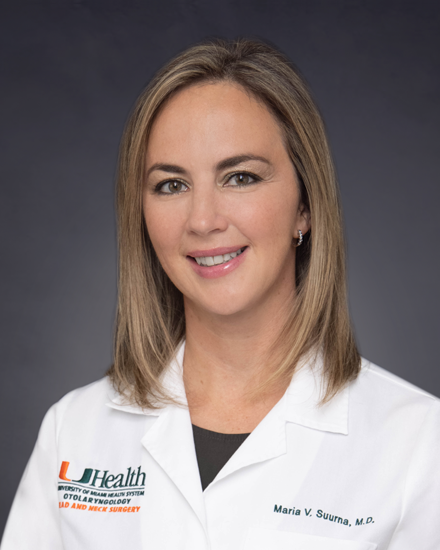 Maria V Suurna合作论文数Department of Otolaryngology-Head and Neck Surgery, Miller School of Medicine, University of Miami9
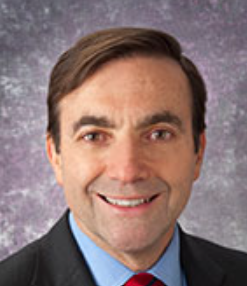 Patrick J. Strollo Jr.合作论文数Division of Pulmonary, Allergy, Critical Care, and Sleep Medicine, Department of Medicine, School of Medicine, University of Pittsburgh9Herzog Michael合作论文数9A. Knopf合作论文数9
 Kun Qian (钱昆)合作论文数School of Medical Technology, Beijing Institute of Technology;Institute of Engineering Medicine, Beijing Institute of Technology9
 Marcel Braun合作论文数8Hasselbacher Katrin合作论文数8Kominsky Alan合作论文数8Mansour N合作论文数8Murat Bas合作论文数Department of Otorhinolaryngology, Technical University of Munich8
 Kai Hormann合作论文数Faculty of Informatics, Università Della Svizzera Italiana8A. Sauter合作论文数7
 Werner Hemmert合作论文数Department of Electrical and Computer Engineering, School of Computation, Information and Technology, Technical University of Munich7
 Eric James Kezirian合作论文数Department of Otolaryngology - Head & Neck Surgery, Keck School of Medicine of USC7Chio Eugene G合作论文数7
 Kingman Strohl合作论文数The Department of Physiology and Biophysics, School of Medicine, Case Western Reserve University;VA Medical Center;Ionsleep7Karl Hoermann合作论文数7Kirk P. Withrow合作论文数7Z Zhu合作论文数6Anne Ruck合作论文数6
 Tucker Woodson合作论文数6Constanze Gahleitner合作论文数6Tina Waters合作论文数Cleveland Clin, Cleveland, OH 44106 USA6
 Maximilian Schmitt合作论文数AudEERING GmbH6Kent David T合作论文数6Wolfgang Pirsig合作论文数6




