OBJECTIVE The objective of this study was to evaluate the long-term surgical outcomes and recurrence rates of three surgical techniques that are commonly used for cholesteatoma. PATIENTS AND METHODS The hospital records of 132 patients with primary cholesteatoma who underwent surgery between January 1996 and December 2006 were evaluated retrospectively. Twelve cases had bilateral disease, and a total of 144 ears were treated. The patients were divided into three groups according to surgical technique: modified radical mastoidectomy (MRM) (n = 48 ears), radical mastoidectomy (RM) (n = 42 ears), and intact canal wall mastoidectomy (ICWM) (n = 54 ears). MRM and RM procedures are canal wall down (CWD) techniques, whereas the ICWM procedure is a canal wall up (CWU) technique. Postoperatively, all patients were followed up yearly for at least 6 years. The otomicroscopic features, cholesteatoma extension, surgical findings, and recurrence rates were compared in the groups. RESULTS Preoperative otomicroscopic examination showed attic retraction or perforation in 32% of the cases and central perforation in 11%. There was a higher cholesteatoma recurrence rate in the ICWM group than in the MRM and RM groups (p < 0.05), but there was also better hearing gain in the ICWM group (p < 0.05). CONCLUSION There are several surgical techniques for eradicating cholesteatoma. Our study found that CWD procedures (RM, MRM) were more effective for the eradication of cholesteatoma, but hearing gain was better when a CWU technique was used. The choice of surgical technique should be individually tailored based on the pre-operative imaging and hearing examination findings.
Objectives: Preoperative, intraoperative, and postoperative stagings of larynx cancer are compared to contribute optimum management of disease for individual patients who had larynx cancer.Methods: This study designed with retrospective review of 48 patients, 5 female (10.4%), and 43 male (89.6%), who had surgical management for larynx cancer without prior radiotherapy, at Haydarpasa Numune Education and Research Hospital, Otorhinolaryngology Department I.Results: The mean age of patients was 58.2 +/- 19.3, and 56.25% of them had transglottic, 27.08% had supraglottic, and 16.66% had glottic tumor. The rates of stage I tumors were 4.16% preoperatively, 8.33% postoperatively, while intraoperative none of them had stage I. The rates of stage II were 25, 27.03, 22.91%, stage III were 58.14, 39.58, 43.75%, and stage IV were 12.5, 33.33, 25% respectively. The mean inaccuracy rate was 40.4%. The stages of disease increased intraoperatively compared to preoperative results, and this was statistically significant (p<0.05). But there was not statistically significiance between preoperative with postoperative, and intraoperaive with postoperative staging when compared each other (p>0.05).Conclusion: The extension of lesion is evaluated beter during surgery. Therefore intraoperative evaluation should be consider important to decision extension of surgery.
Our objective is to compare hearing and graft take results of temporal muscle fascia tympanoplasty and cartilage reinforcement tympanoplasty. Seventy seven patients are classified into two groups: Group 1 included 37 patients for whom cartilage graft, harvested from symba concha, is used as reinforcement under temporalis muscle fascia anteriorly and Group 2 included 40 patients for whom only temporalis muscle fascia is used in type 1 tympanoplasty. A pure-tone audiometry is done within 1 week prior to surgery and at 6 months postoperatively. There is statistically significant difference between postoperative graft take results among groups. In both groups postoperative anterior TM perforation is encountered most commonly. Success rate of cartilage reinforcement tympanoplasty in revision patients is 100% but temporal muscle fascia tympanoplasty's is 66%. There is no statistically significant difference between preoperative and postoperative air conduction gain of TM intact patients. The results indicated that Cartilage reinforcement myringoplasty technique under anterior of the temporal muscle fascia significantly increases the graft take ratios in high-risk perforations and it also does not affect hearing levels. Therefore, the authors suggest usage of cartilage reinforcement tympanoplasty technique under anterior of the temporal muscle fascia which is an easy and applicable technique to increase graft take ratios, particularly in patients with preoperative anterior and subtotal TM perforations.
Metastases from the tracheobronchial tree and the genitourinary and gastrointestinal systems are the most common malignant lesions of the supraclavicular fossa. Liposarcomas in this region, as primary tumors, are rarely encountered. In this article, we report a case of myxoid liposarcoma of the supraclavicular fossa with a fulminant course.
This study aimed at evaluating the results of emergent endoscopic permanent vocal cord lateralization instead of tracheotomy in patients with bilateral vocal cord paralysis who were admitted to the emergency service. Retrospective analysis was done of 13 patients with bilateral vocal cord paralysis admitted to emergency service with severe dyspnea. Patient information, paralysis etiology, operation times and follow-up data were reviewed. All 13 patients who underwent this procedure were females and the ages were ranging from 38 to 69 (average 52). Bilateral vocal cord paralysis was a result of thyroid surgery in all. Thyroid surgery was performed 8 months to 10 years (mean 41 months) before being admitted to the emergency service. The duration of procedure from intubation to closing skin incision ranged from 20 to 50 min (average 34 min). Patients were followed for a duration of 3 months to 10 years (average 24 months). In 12 of the patients adequate glottis chink was obtained and recovery from general anesthesia was uneventful without a need for tracheotomy. In one case, catheter placement was done with difficulty and a tracheotomy was performed as a temporary measure. Endoscopic vocal cord lateralization with submucosal cordectomy is a reliable alternative to tracheotomy even in emergency conditions for bilateral abductor vocal cord paralysis. Adequate air can be obtained in majority of cases and long term patency is satisfactory.
The purpose of this study was to determine the role of high-definition computed tomography (CT) in chronic otitis media (COM) patients and to present which parameters were useful or misleading for preoperative evaluation for management. Fifty cases of COM that underwent preoperative CT scanning at a tertiary referral center were retrospectively analyzed. Their CT scan reports were compared with the operative findings. The patients had undergone tympanoplasty with or without mastoidectomy for COM between April 2008 and January 2010. Patient charts were used to obtain the necessary data. In 62% (31/50) of cases, the CT scan showed the presence of cholesteatoma. Operative findings revealed cholesteatoma in 61.8% (19/31) of these cases. However, when a bone eroding soft tissue mass involved the epitympanum on CT, the presence of cholesteatoma was observed in 83.3% (15/18) of cases intraoperatively. Cholesteatoma was present in the mastoid or middle ear intraoperatively in 77.7% (7/9) of patients with an external ear bony canal defect found on CT. Despite 89.7, 85.29, and 90% agreement ratios for dehiscence of facial canal, lateral semicircular canal, and tegmen, respectively, CT could not detect dehiscence of these anatomic structures successfully. Based on these results, CT scanning has limitations but is a useful adjunct for the surgical management of COM patients.
Obstructive sleep apnea syndrome (OSAS) due to adenotonsillar hypertrophy (ATH) is a common and important problem in children. OSAS can lead to significant cardiopulmonary complications, poor growth and problems with learning and behavior. Many studies in the literature show that OSAS due to ATH causes pulmonary hypertension, ventricular hypertrophy and systemic hypertension in the pediatric population. In this review, we discuss the effects of ATH on cardiac function. It is well known that as a child grows, the nasopharyngeal passage becomes enlarged, helping to improve OSAS. Based on this, we discuss the possible positive effect of this age-related improvement on the obstruction of cardiovascular disturbances. Finally, the possible relationship between the duration of OSAS and the timing of surgery with the permanency of cardiovascular disturbances is discussed.
Conclusion: High risk perforations including total, subtotal, atelectatic perforations, those with cholesteatoma and revision cases can be treated efficiently with cartilage reinforcement tympanoplasty. Objective: The purpose of this study was to describe the perforation closure rates and hearing results of cartilage reinforcement tympanoplasty. Methods: This was a retrospective chart review and included 60 patients who underwent surgery with the cartilage reinforcement technique between November 2006 and October 2008 at the Department of Otorhinolaryngology of Haydarpasa Numune Research and Training Hospital, Istanbul, Turkey. The male to female ratio was 28 (46.7%)/32 (53.3%). The mean age of the patients was 30.10 +/- 11.50 years (range 13-55). Results: Preoperatively, only one patient had a retraction pocket but not a perforation, 12 (20%) patients had perforation of < 25% of the total tympanic membrane diameter, 12 patients had perforation between 25% and 50% of the total membrane diameter, 18 patients had a perforation between 50% and 75% of total membrane diameter and 17 patients had a perforation of > 75% of the total membrane diameter. Postoperatively we achieved total closure of tympanic membrane perforations for 47 patients but the perforations of 13 patients remained in various sizes (7 patients had tympanic membrane perforation < 25% of the total membrane diameter, 3 between 25% and 50%, 2 between 50% and 75% and 1 patient had a perforation > 75% of the total membrane diameter). There was a statistically significant difference between percentages of preoperative perforation and postoperative perforations (p = 0.001). Only 1.7% of patients had no perforation preoperatively and this ratio increased to 78.3% postoperatively. Also, 30% of patients had a perforation between 50% and 75% of the total membrane diameter, 28.3% of the patients had a perforation > 75% of the total membrane diameter preoperatively and this ratio decreased to 3.3% and 1.7%, respectively. Concerning the audiological parameters, the difference between preoperative and postoperative hearing levels was statistically significant (p = 0.001).
OBJECTIVES:To make a contribution to the treatment modality of larynx cancer, we evaluated our surgical outcomes of the patients with larynx cancer and their quality of life in the postoperative period. PATIENTS AND METHODS:Forty-three patients (38 males, 5 females; mean age 57.6 years; range 34 to 84 years) with larynx cancer were included in this retrospective clinical study. Total laryngectomy/near total laryngectomy (TL/NTL) was performed in 29 patients, supracricoid laryngectomy in 13 patients and supraglottic laryngectomy in one patient. Neck dissection performed in 39 patients. Two patients had preoperative and eleven patients had postoperative radiotherapy (RT). The patients were evaluated with respect to age, sex, smoking, alcohol consumption, localization-differentiation-stage of the tumor, surgery and RT, postoperative complications and survival. QLQ-C30 and QLQ-H and N35 questionnaires were used and the results of 26 patients who were alive and filled in the questionnaires themselves were evaluated. RESULTS:The most frequent postoperative complication was pharyngocutaneous fistula (41.3%), which occurred only in TL/NTL patients. Mean postoperative hospitalization time was 21.2 days. Laryngeal preservation, peristomal recurrence and locoregional recurrence rates were 64.3%, 6.9% and 9.3% respectively. Overall survival rate was 88.8%. Mean survival time was 62.4 months. In quality of life assessment, speech problem (p<0.01) and cough index (p<0.05) were significantly higher in TL/NTL group than SCL group (p<0.05). There were no significant difference in both groups with respect to RT (p>0.05). CONCLUSION:Our surgical outcomes are compatible with the previous studies. Although the larynx preservation had a positive effect on the speech, it did not affect other quality of life parameters. In addition, having a permanent tracheostomy increased cough index markedly. We emphasize that multi-institutional prospective quality of life studies comparing different treatment methods for similar stage tumors are essential in defining the optimal management strategy in patients with larynx cancer.
Conclusions. We encountered shoulder syndrome after functional neck dissection (FND) less frequently than reported in the literature. This technique is a favorable treatment choice for appropriately selected patients with head and neck cancer with cervical metastasis. It depends on careful dissection of neurovascular tissues during surgery and preserved shoulder function due to chronic neurological degeneration caused by surgery. Also, radiotherapy has an evident negative effect on the accessory nerve. Objectives. To perform postoperative electrophysiological tests on the spinal accessory nerve (SAN) after FND and postoperative radiotherapy. Subjects and methods. A study group of 16patients with head and neck cancer who underwent 22FNDs and 10volunteers in the control group were evaluated. The SAN latency and amplitude were measured and then upper trapezius muscle electromyography (EMG) was performed on all the patients and the volunteers. Results. The EMG results of the study group revealed 19cases with normal findings, 1 with total and 2 with partial axonal degeneration. The amplitude levels of the SAN in the study group showed statistically significant decrease when compared with the control group. The latency levels of the SAN in the four patients who received postoperative radiotherapy were significantly longer than those in cases who did not receive this therapy.
Comparing preoperative, intraoperative and postoperative staging of larynx cancer Objectives: To contribute to perform the optimum treatment for individual patients by comparing the preoperative, intraoperative, and postoperative stagings of larynx cancer Material and Methods: This study designed with retrospective review of 48 patients, 5 female (10.4%), and 43 male (89.6%), who had surgical management for larynx cancer without prior radiotherapy, at Haydarpasa Numune Education and Research Hospital, Otorhinolaryngology Department I. Results: The mean age of patients was 58.2±19.3. 56.25% of the patients had transglottic, 27.08% of them had supraglottic and 16.66% of them had glottic tumor. The rates of stage I tumors were 4.16% preoperatively, 8.33% postoperatively, while intraoperative none of them had stage I. The preoperative, intraoperative and postoperative rates of stage II tumors were 25%, 27.03%, 22.91% respectively; the preoperative, intraoperative and postoperative rates of stage III tumors were 58.14%, 39.58%, 43.75% respectively and the preoperative, intraoperative and postoperative rates of stage IV tumors were 12.5%, 33.33%, 25% respectively. The mean inaccuracy rate was determined as 40.4% for all stages.
Objectives: Surgery is the first choice at the surgical treatment of laryngeal carcinoma. It is advised in the literature to perform thyroidectomy in addition to laryngectomy if the primary tumor advances to subglottic region or invades extralaryngeal tissues. But, hypothyroidism may be established especially after radiotheraphy. We aimed to evaluate thyroidectomy indications during laryngeal surgery under the guidance of literature.Methods: Invasion of thyroid gland from the primary tumor has been examined from the medical records of 44 patients who had been operated because of laryngeal carcinoma at Haydarpafla Numune Education and Training Hospital between February 2002 and February 2007.Results: Only, 1 patient had thyroid gland invasion. The TNM status of the patient was T4aN3, stage 4b with a 10 mm subglottic extension.Conclusion: Thyroidectomy must be performed during laryngeal surgery only at the specific cases carrying the criteria of having subglottic and transglottic extension of the primary tumor, having thyroid gland mass with the palpation, and the tumors invading thyroid cartilage.
OBJECTIVES:We investigated the incidence and etiologic factors of pharyngocutaneous fistulas occurring after total laryngectomy.PATIENTS AND METHODS:The study included 53 patients (46 males, 7 females; mean age 59 years; range 34 to 84 years) who underwent total laryngectomy for epidermoid carcinoma. Risk factors for pharyngocutaneous fistula, its incidence and time of occurrence, treatment approaches, and length of hospital stay were evaluated.RESULTS:Pharyngocutaneous fistula developed in 19 patients (35.9%) within a mean of 7.4 days postoperatively. Age, smoking, the presence of chronic systemic disease; T1-T2 stage, localization, and differentiation of tumor, concomitant bilateral neck dissection, T/Y shaped pharyngeal closure, and high fever in the first postoperative 48 hours did not show any significant relationship with the formation of fistula. Factors significantly associated with fistula formation were T4 stage, alcohol consumption, postoperative anemia, and hypoproteinemia. The mean hospital stay was 40.5 days in patients with pharyngocutaneous fistula compared with 15.3 days in patients without fistula.CONCLUSION:Postoperative anemia, hypoproteinemia, alcohol consumption, and T4 stage are significant risk factors for pharyngocutaneous fistula formation.
Actinomycosis of the submandibular gland is unusual. A 55-year-old male presented with a right, painless submandibular mass of four-year duration. Physical examination revealed a 4 x 3-cm mass in the submandibular region. Ultrasonography-guided fine needle aspiration from the lesion showed microorganisms compatible with actinomyces colonies in the glandular tissue. The diagnosis was made as actinomycosis of the right submandibular gland accompanied by sialolithiasis. The patient was treated with penicillin G (10 million U/day) for three months, followed by 3 g/day oral penicillin for six months. After this medication, physical examination showed no decrease in the size of the mass and the clinical features remained unchanged. Submandibular gland excision under general anesthesia was performed.
We present a 40-year-old woman with pulmonary tuberculosis and epiglottic involvement that was initially misdiagnosed as laryngeal carcinoma. The differential diagnosis and management of epiglottic tuberculosis is reviewed and discussed. Although epiglottic tuberculosis is rare, otorhinolaryngologists should keep in mind the possibility of tuberculosis in the differential diagnosis of laryngeal tumors. Constitutional symptoms and mild chest symptoms should not always be attributed to carcinoma and smoking.
This study was designated to investigate anti-inflammatory effect of aqueous extract of Ecballium elaterium, which is topically applied for treatment of rhinosinusitis as a traditional folk medicine in Turkey. Therapeutic potential of E. elaterium as an anti-inflammatory agent was examined by measurement of NO metabolites in a rabbit model of rhinosinusitis. The results showed that both activity of NOS enzyme and concentration of NO metabolites were significantly reduced by topical administration of E. elaterium extract in therapy group as compared to the control. Thus, the data suggest E. elaterium extract may have the potential to be used as anti-inflammation agent, and can be used in the treatment of rhinosinusitis diseases.
We measured the nasal mucociliary activity in total laryngectomy patients, and to compare among themselves, smokers, diabetics and normal population besides that to investigate the short and long term effects of total laryngectomy on nasal mucosa. The study includes 39 patients who had total laryngectomy between the January 1998–August 2005 and 36 volunteer healthy individuals. To examine the early and late changes on nasal mucosa the patients that had total laryngectomy separated into two groups as operated before August 2003 (> 2 years), as operated after August 2003 (< 2 years). Moreover diabetic patients and smokers are differently grouped. This study is performed in Haydarpasa Numune Hospital for Research and Education, Department of Otorhinolaryngology, between May 2005–September 2005. Mucociliary clearance measurement is performed by saccharin test for all patients and control group. The mucociliary clearance of the patients (diabetics–nondiabetics, smokers–non smokers) are measured and examined if they show any difference among themselves. For the patients operated between the dates August 2003–2005 (< 2 years group) the nasal mucociliary clearance time average is found 8,15 ± 2.06 min., for the patients operated before August 2003 (> 2 years group) the mean time is found 23.79 ± 5.58 min., for the control group the mean time is found 14.5 ± 3.55 min In operated group the patients who are diabetics has longer mucociliary clearance time than nondiabetics, and the difference is statistically significant. Similarly in control group diabetics has longer mucociliary clearance time than nondiabetics. As another parameter smoking, comparing the groups among themselves, smokers have longer mucocilliary clearance time than nonsmokers. In total laryngectomy patients hypersecratory phase is produced in early period and nasal mucosal clearance is increased. On the other hand, dependent on chronic infections nasal mucosa is atrophied and nasal mucosal clearance is disrupted. However smoking and diabetes mellitus also damage the mucocilliary clearance.
Free radicals have been implicated in the pathogenesis of an increasing number of disease and inflammatory states. They may cause cell and tissue damage by chemical modification of proteins, carbohydrates, nucleotides and lipids. Under physiological conditions free radicals are parts of normal regulatory circuits and are neutralized by antioxidants. Infections are one cause of increased free radicals production. The aim of our study was to assess whether increased oxidative stress is reflected by erythrocyte nitric oxide synthase activity and nitric oxide levels in guinea pigs with experimental otitis media with effusion (n = 6) and in a control group (n = 6). Erythrocyte nitric oxide synthase activity and nitric oxide levels were measured in both groups. The nitric oxide synthase activity and nitric oxide level in the experimental otitis media with effusion were significantly higher than those of the control group. There was a significant positive correlation between the nitric oxide synthase activity and nitric oxide in the experimental otitis media with effusion group. Thus, increased nitric oxide levels may play an important role in cell and tissue damage due to experimental otitis media with effusion. Copyright (c) 2005 John Wiley & Sons, Ltd.
Bilateral choanal atresia is a rare congenital anomaly that may cause severe neonatal respiratory distress. The clinical presentation varies from immediate postnatal cyanosis and respiratory distress to nasal obstruction with an associated persistent mucoid discharge. The aim of this study was to evaluate the effect of bilateral choanal atresia preoperatively and postoperatively on nasal mucociliary clearance with the radioisotope method (using technetium-99m macroaggregated albumin). We present a 17-year-old girl with bilateral choanal atresia treated by transnasal endoscopic surgery. The patient was free of symptoms for three years postoperatively. Mucociliary activity was returned to normal images.
 Cagatay Oysu合作论文数10
 Seyithan Taysi合作论文数Departman of Medical Biochemistry, Faculty of Medicine, Gaziantep University9
 Davut Akduman合作论文数Department of Otorhinolaryngology, Haydarpasa Numune Hospital for Research and Education8
 Murat Karaman合作论文数8
 Fatih Akcay合作论文数Faculty of Medicine, Ataturk University7
 R. Murat Karasen合作论文数School of Medicine, Ataturk University6Baris Naiboglu合作论文数4Evren Ay Oğredik合作论文数4Arman Tek合作论文数4
 Ruhi Durmus合作论文数3Yasin Kilicarslan合作论文数3
 Kenan Gumustekin合作论文数Dept Physiol, Ala Too Int Univ3Deniz Mahmut合作论文数3
 Hatice Uslu合作论文数Department of Nuclear Medicine3Arzu Tatlipinar合作论文数3Erhan Varoglu合作论文数3
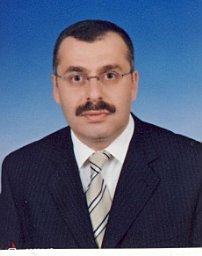 Yilmaz Adnan合作论文数2
 Fikrettin Sahin合作论文数Bolum Genetik Ve Biyomuhendisligi, Yeditepe University2Abdulgani Tatar合作论文数Faculty of Medicine, Ataturk University2Erol Egeli合作论文数Department of Otorhinolaryngology/Head and Neck Surgery, Haydarpaşa Numune Educational and Research Hospital2Serkan Toros合作论文数2Yavuz Sütbeyaz合作论文数2
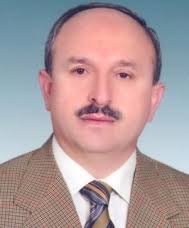 Nuri Bakan合作论文数Medical School, Atatürk University2Bedri Seven合作论文数Faculty of Medicine Department of Nuclear Medicine, Atatiirk University2Sitki Oztas合作论文数2A. Tek合作论文数2S Dane合作论文数1Ali Daştan合作论文数1Yusuf Ziya Dogru合作论文数1
 Umran Yildirim合作论文数1Aslihan Semiz-Oysu合作论文数Istanbul Umraniye Training & Res Hosp, Hlth Sci Univ1
 Senol Dane合作论文数Coll Hlth Sci, Nile Univ Nigeria1
 Gundogdu Cemal合作论文数Faculty of Medicine, Firat University1Habeşoğlu Tülay合作论文数1
 Kantarci Mecit合作论文数akkanrad@hotmail.com1Gökçeer Tanju合作论文数1Tuncel Arzu合作论文数1Esen Senem合作论文数1
 Asli Sahin-Yilmaz合作论文数1Yanilmaz Muhammed合作论文数1
 Demirci Mustafa合作论文数Faculty of Dentistry, Istanbul University1
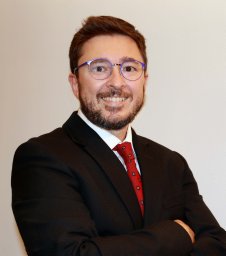 Burak Ulkumen合作论文数Department of Otorhinolaryngology, Ozel Batman Dunya Hospital1Güçlü Oğuz合作论文数Medical Faculty, Çanakkale Onsekiz Mart University1Sedat Akar合作论文数1
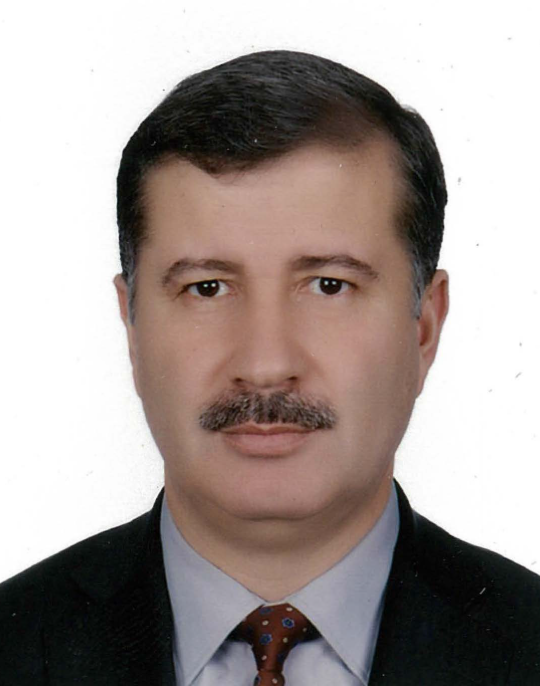 İlhami Gülçin合作论文数Biyokimya Anabilim Dalı, Atatürk Üniversitesi;Ağrı İbrahim Çeçen University1
 Mustafa Yıldırım合作论文数Graduate School of Natural and Applied Sciences, Erciyes University1Aslihan Semiz Oysu合作论文数1Mehmet Akyuz合作论文数School of Medicine, Ataturk University1
 Mehmet Oguz Yenidunya合作论文数Department of Plastic Reconstructive and Aesthetic Surgery, Ataturk Training and Research Hospital1




