O142* Aims: We have suggested that the heavy conventional immunosuppression used for organ transplantation subverts the seminal tolerogenic mechanism of clonal exhaustion-deletion and thereby contributes to long-term drug dependence. Methods: This self-defeating effect was avoided in 175 adult kidney recipients (mean 49.9 ± 14.3 years) treated between July 2001 and September 2003; 43 (24.6%) had adjunct donor bone marrow cell infusion. Two therapeutic principles were applied: (1.) recipient pretreatment (with 5 mgm/kg Thymoglobulin); (2.) minimal post-transplant immunosuppression (with tacrolimus monotherapy, initial target trough 10 ng/ml). Twenty-five (14.2%) patients were undergoing retransplantation, and 34 (19.4%) had a PRA >20%. Mean HLA mismatches were 3.1 ± 1.7. One hundred kidneys (57%) were cadaveric (mean cold ischemia 25.6 ± .7 hours) and 75 (43%) were live donated. Mean donor age was 39.9 ± 6.3 years (range 1-66). Post-transplant doses of tacrolimus were spaced to every other day or longer at various times after four months. Results: With a mean follow up of 16.9 ± 7.1 months, the actuarial one and two patient survival is 97% and 95% with graft survival of 91% and 84%. Mean current serum creatinine is 1.95 ± 1.14 mg/dl. The incidence of preweaning acute clinical rejection was 34.9% (6.3% steroid resistant). Weaning was attempted in 149 cases (85.1%) and interrupted by rejection in 45 (30.2%). Currently, 111 (63.4%) patients are at various stages of weaning: 25 (14.2%) every other day, 44 (25.1%) three times a week, 28 (16%) two times a week, and 14 (8%) once a week. Ten percent of patients had asymptomatic CMV infection and there was one BK infection, but the incidence of CMV disease, diabetes, and PTLD was 0%. Conclusions: With significant numbers of highly weaned patients beyond the two-year mark, we continue to apply this strategy of immunosuppression, which is neither drug nor organ specific.
Risk for prostate cancer is high among African Americans. We hypothesized that risk for prostate cancer is also high in other populations of African descent. Our objective was to determine the screening-detected prevalence of prostate cancer in the predominantly Afro-Caribbean population on the island of Tobago. Male residents, ages 40-79 years, were invited to participate in a population-based screening for prostate cancer using serum prostate-specific antigen (PSA) and digital rectal exam (DRE). Men with elevated PSA (>or=4 ng/ml) or abnormal DRE were offered an ultrasound-guided sextant biopsy of the prostate gland. Men (2484), ages 40-79 years, underwent prostate cancer screening between September 1997 and June 2001. Mean age was 55.9, SD was 10.6 years, and median was 54 years. Mean serum PSA was 14.8 ng/ml, SD was 376 [excluding 4 values >or= 2 SD above the mean (1,112, 1,317, 1,818, and 18,330 ng/ml) mean PSA was 5.5 ng/ml and SD was 29.6], and median PSA was 1.2 ng/ml. Elevated PSA and/or abnormal DRE were observed in 31% (759 of 2484) overall, and in age groups 40-49 (87 of 843, 10%), 50-59 (201 of 729, 28%), 60-69 (262 of 584, 45%), and 70-79 (209 of 328, 64%). Of 681 men biopsied, 259 (38%, or 10% of the 2484 screened) were diagnosed with prostate cancer. Age-specific rates of screening detected prostate cancer were: 1%, ages 40-79 years; 7%, ages 50-59 years; 18%, ages 60-69 years; and 28%, ages 70-79 years. These screening results indicate a very high screening-detected prevalence of prostate cancer in this population of West African descent. These data support the hypothesis that populations of African descent share genetic and/or lifestyle factors that contribute to their elevated risk for prostate cancer.
Limited data exist regarding the safety and efficacy of sirolimus in combination with a calcineurin inhibitor in heart transplant recipients.From January 2001 to June 2002, 31 de novo heart transplant recipients (treatment group) received a combination of sirolimus, tacrolimus, low-dose rabbit antithymocyte globulin, and glucocorticoids. Outcomes, such as actuarial survival, rate of rejection, incidence of infection, probability of developing diabetes mellitus, renal function, platelet and white blood cell counts, and incidence of coronary artery disease at 1 year, were compared with a cohort of 25 patients (control group) who underwent transplantation primarily in 2000 and in early 2002 treated with cyclosporine, mycophenolate mofetil, and glucocorticoids. All patients were followed up for at least 12 months.Kaplan-Meier actuarial 1-year survival rates were equivalent between groups (97% for the treatment group and 88% for the control group), as was freedom from allograft rejection (48% and 42% for treatment and control groups, respectively). No cases of transplant arteriopathy were noted within the first posttransplantation year. Renal function was not significantly affected in either group. There was a striking increased incidence of mediastinitis in the treatment group (19%) versus 0% in the control group (P = .02). Tacrolimus-sirolimus therapy was associated with a nearly 11-fold increased incidence of new-onset diabetes mellitus as well (P = .004).Tacrolimus, sirolimus, and steroids (following low-dose rabbit antithymocyte globulin) were associated with an increased incidence of mediastinitis and posttransplantation diabetes mellitus. No obvious long-term benefit on survival, arteriopathy, or renal function was noted.
Frezza, Eldo E.1; Chakrabarti, Pradip; Shapiro, Ron; Jordan, Mark L.; Scantlebury, Velma P.; Vivas, Carlos A.; Corry, Robert J.2 Author Information
We report a case of acute rejection of a liver graft, together with the occurrence of de novo donor-specific antibodies (DSAs), in a 53-year-old Japanese man who had undergone deceased-donor liver transplantation.The graft rejection was triggered by low cyclosporine levels and pegylated interferon treatment for the recurrence of hepatitis C virus (HCV) infection 18 months after transplantation. Although the graft was ABO-compatible, pre-formed DSA B51 was detected; therefore, total plasma exchange was performed and intravenous rituximab (500 mg/body) was administered before transplantation.DSA was absent 6 months after transplantation. HCV recurrence was treated with pegylated interferon-α-2a. Renal function deteriorated with this anti-HCV therapy, with serum cyclosporine levels decreasing to 50 ng/mL. A rapid virologic response was achieved, but liver function deteriorated after 3 months of anti-HCV therapy, with histologic evidence of acute cellular rejection and formation of de novo DSAs. Anti-thymocyte globulin was administered for 5 days, which led to immediate improvement in liver function. However, renal function declined, warranting hemodialysis. The patient recovered 2 months after acute rejection, although de novo DSAs persisted.Careful immunologic monitoring may be required for patients receiving interferon therapy for HCV infection to maintain sufficient blood levels of immunosuppressive agents and to prevent acute liver graft rejection.
Background. Despite the recent advances in immunosuppression, steroid-resistant rejection remains a difficult problem in renal transplant recipients. Methods. We reviewed our experience with i.v. immunoglobulin (IVIG) in the treatment of steroid- and antilymphocyte antibody-resistant rejection in renal transplant patients. Between September 1996 and March 1999, 17 patients were treated with IVIG to reverse steroid- or antilymphocyte antibody-resistant rejection. A total of 2 g/kg of IVIG was administered to patients during each treatment course. Results. With a mean follow-up of 21.5±9.5 months from the time of IVIG administration, patient and graft survival rates were 94% (16/17) and 71% (12/17), respectively. The baseline mean serum creatinine level prior to rejection was 2.2±0.7 mg/dl and peaked at 3.3±1.1 mg/dl at the time of the diagnosis of refractory rejection. IVIG therapy was associated with a fall in the mean creatinine to 2.8±1.1 mg/dl. The most recent serum creatinine in patients with functioning grafts was 2.8±1.6 mg/dl. In 82% of allograft biopsies after IVIG, reversal or reduction in the severity of rejection was demonstrated. In addition, IVIG therapy rescued three of four patients with antilymphocyte antibody-resistant rejection. Conclusions. IVIG rescue therapy for steroid- or antilymphocyte antibody-resistant rejection is associated with resolution or improvement of rejection severity, stable renal function, and reasonable graft survival.
PURPOSE The results of steroid withdrawal in pancreas transplant recipients under tacrolimus immunosuppression were analyzed. METHODS From July 4, 1994 until April 30, 1998, 147 pancreas transplantations were performed in 141 patients, including 126 simultaneous pancreas-kidney transplantations, 13 pancreas after kidney transplantation, and 8 pancreas transplantations alone. Baseline immunosuppression consisted of tacrolimus and steroids without antilymphocyte induction. Twenty-three patients were excluded from analysis because of early graft loss in 17 cases, retransplantation in 5 cases, and simultaneous pancreas-kidney transplantation after heart transplantation in 1 patient. RESULTS With a mean follow-up of 2.8+/-1.1 years (range 1.0 to 4.8 years), complete steroid withdrawal was achieved in 58 (47%) patients with a mean time to steroid withdrawal of 15.2+/-8 months (range 4 to 40 months after transplantation). Of the entire cohort of 141 patients, overall 1-, 2-, and 4-year patient survival rates were 98%, 95.5%, and 86%, respectively. Overall 1-, 2-, and 4-year graft survival rates were 83%, 80%, and 71% (pancreas) and 95%, 91%, and 84% (kidney), respectively. Of the 124 patients analyzed for steroid withdrawal, 1-, 2-, and 4-year patient survival rates were 98%, 97%, and 92%, respectively. Overall 1-, 2-, and 4-year graft survival rates were 98%, 91.5%, 83% (pancreas) and 97%, 95%, and 91% (kidney). Patient, pancreas, and kidney survival rates at 1 year were 100%, 100%, and 98% (off steroids) versus 97%, 91%, and 96% (on steroids, all NS) and at 4 years were 100%, 94%, and 95% (off steroids) versus 78%, 68%, and 85% (on steroids, P = 0.01, 0.002, and NS, respectively). The cumulative risk of rejection at the time of follow-up was 76% for patients on steroids versus 74% for patients off steroids (P = NS). Seven patients originally tapered off steroids were treated for subsequent rejection episodes, which were all steroid sensitive, and two of these seven patients are currently off steroids. Thirteen patients received antilymphocyte therapy for steroid-resistant rejection, five of whom are now off steroids. Tacrolimus trough levels were 9.3+/-2.4 ng/ml (off steroids) and 9.7+/-4.3 (on steroids, P = NS). Mean fasting glucose levels were 98+/-34 mg/dl (off steroids) and 110+/-41 mg/dl (on steroids, P = NS). Mean glycosylated hemoglobin levels were 5.2+/-0.9% (off steroids) and 6.2+/-2.1% (on steroids, P = 0.02), and mean serum creatinine levels were 1.4+/-0.8 mg/dl (off steroids) and 1.7+/-1.0 mg/dl (on steroids, P = 0.02). CONCLUSION These data show for the first time that steroid withdrawal can be safely accomplished in pancreas transplant recipients maintained on tacrolimus-based immunosuppression. Steroid withdrawal is associated with excellent patient and graft survival with no increase in the cumulative risk of rejection.
BACKGROUND:Between July 1, 1994 and December 1, 1998, 147 simultaneous kidney/pancreas transplantations were performed at our center. Of 95 patients who experienced at least one acute renal allograft rejection episode after transplantation, 7 (7.4%) developed rejection in the presence of stable and normal or near-normal renal function.METHODS:The indication for renal allograft biopsy was a rising serum lipase, i.e., suspected pancreatic rejection. All seven patients were treated with steroids and augmentation of the tacrolimus dose, with a fall in the serum lipase and no change in the serum creatinine.RESULTS:The serum creatinine levels just before, at the time of, 1 week after the biopsy, and at most recent follow-up were 1.4+/-0.4, 1.3+/-0.3, 1.2+/-0.2, and 1.2+/-0.2 mg/dl. The serum lipase levels just before, at the time of, 1 week after the biopsy, and at most recent follow-up were 1022+/-1157 mg/dl, 874+/-996 mg/dl, 243+/-260 mg/dl, and 94+/-75 mg/dl. The tacrolimus dosages and levels at the time of the biopsy and 1 week later were 14.9+/-5.0 mg/day and 15.0+/-4.0 ng/ml, and 16.4+/-6.3 mg/day and 15.1+/-6.8 ng/ml.CONCLUSIONS:These findings suggest that, in patients undergoing simultaneous kidney/pancreas transplantation, the entity of dissynchronous pancreatic allograft rejection without renal allograft rejection may not really exist. These data also make an additional fundamental point that acute rejection may occur in patients with normal and stable renal function.
BACKGROUND:The authors reviewed their long-term experience with pediatric renal transplantation into a dysfunctional lower urinary tract to evaluate the results of contemporary lower urinary tract evaluation and management on graft survival and function.METHODS:Between 1990 and 1996, 21 renal transplants were performed in 20 children with dysfunctional lower urinary tracts and 61 transplants were performed in 61 patients with normal lower urinary tracts. The minimum follow-up was 36 months (mean, 62.0 +/- 19.6 months). The cause of lower urinary tract dysfunction included posterior urethral valves (n=13), prune belly syndrome (n=4), meningomyelocele (n=2), and urogenital sinus abnormality (n=1). Urodynamics were performed on all children with dysfunctional lower urinary tracts. Using these perioperative assessments, lower tract management strategies were devised, including timed voiding alone (n=6), clean intermittent catheterization (n=8), bladder augmentation (n=4), and supravesical urinary diversion (n=2).RESULTS:Overall 5-year actuarial patient and graft survival rates were 100% versus 95% (P=not significant [NS]) and 83% versus 69% in the dysfunctional and normal urinary tract groups (P=NS), respectively. Mean serum creatinine levels in dysfunctional and normal urinary tract patients with functioning grafts at 3 years were 1.3 +/- 0.5 and 1.3 +/- 0.7 mg/dL, respectively (P=NS). However, 35% of patients with a dysfunctional lower urinary tract experienced urologic complications.CONCLUSIONS:Pediatric renal transplantation into a dysfunctional lower urinary tract yields outcomes comparable to transplantation into the normal lower urinary tract. Because of the high urologic complication rates, careful surveillance of lower urinary tract function by urodynamic evaluation is essential to optimize these outcomes.
Analysis of the SPK program at the University of Pittsburgh has led to a number of observations: 1. Under tacrolimus-based immunosuppression, without antibody induction, it has been possible to achieve (a) One- and 3-year actuarial patient survival rates of 98% and 95% (b) One- and 3-year actuarial kidney survival rates of 95% and 87% (c) One- and 3-year actuarial pancreas survival rates of 86% and 80% 2. Steroid withdrawal has been achieved in over half of the successfully transplanted recipients, with excellent outcomes and a low rate (4.7%) of subsequent rejection. 3. Bone marrow augmentation has been associated with (a) less rejection (b) less pancreatic graft loss to rejection (c) an increased ability to withdraw steroids 4. Rejection has been associated with a rising serum lipase. 5. Renal allograft rejection in SPK patients with elevated serum lipase levels has been seen in the setting of normal renal function. 6. Enteric drainage has been associated with a reasonably low complication rate. 7. SPK transplantation is a successful therapeutic option in selected type I diabetics with end-stage renal disease.
OBJECTIVE:The effect of donor bone marrow was evaluated for its potentially favorable effect in the authors' simultaneous pancreas/kidney transplant program. METHODS:From July 1994 to January 1999, 177 pancreas transplants were performed, 151 of which were simultaneous pancreas/kidney transplants. All patients received tacrolimus, mycophenolate mofetil, and steroids for immunosuppression (azathioprine was used in the first year of the program). Fifty-three simultaneous pancreas/kidney transplant recipients received perioperative unmodified donor bone marrow, 3 to 6 x 10(8) cells/kg. RESULTS:Overall actuarial survival rates at 1 and 3 years were 98% and 95% (patient), 95% and 87% (kidney), and 86% and 80% (pancreas), respectively. In the adjuvant bone marrow group, 1- and 3-year survival rates were 96% and 91 % (patient), 95% and 87% (kidney), and 83% and 83% (pancreas), respectively. For 98 recipients who did not receive bone marrow, survival rates at 1 and 3 years were 100% and 98% (patient), 96% and 86% (kidney), and 87% and 79% (pancreas), respectively. No pancreas allografts were lost after 3 months in bone marrow recipients, and seven in the non-bone marrow recipients were lost to rejection at 0.7, 6.7, 8.8, 14.6, 24.1, 24.3, and 25.5 months. Twenty-two percent of bone marrow patients were steroid-free at 1 year, 45% at 2 years, and 67% at 3 years. Nineteen percent of the non-bone marrow recipients were steroid-free at 1 year, 38% at 2 years, and 45% (p = 0.02) at 3 years. The mean acute cellular rejection rate was 0.94+/-1.1 in the bone marrow group and 1.57+/-1.3 (p = 0.003) in the non-bone marrow group (includes borderline rejection and multiple rejections). The level of donor cell chimerism in the peripheral blood of bone marrow patients was at least two logs higher than in controls. CONCLUSION:In this series, which represents the largest experience with adjuvant bone marrow infusion in pancreas recipients, there was a higher steroid withdrawal rate (p = 0.02), fewer rejection episodes, and no pancreas graft loss after 3 months in bone marrow recipients compared with contemporaneous controls. All pancreas allografts lost to chronic rejection (n = 6) were in the non-bone marrow group. Donor bone marrow administered around the time of surgery may have a protective effect in pancreas transplantation.
BACKGROUND:The long-term safety and efficacy of tacrolimus in pancreas transplantation has not yet been demonstrated. The observation of prolonged pancreatic graft function under tacrolimus would indicate that any potential islet toxicity is short-lived and clinically insignificant. We report herein the results of pancreas transplantation in patients receiving primary tacrolimus immunosuppression for a minimum of 2 years. METHODS:From July 4, 1994 until April 18, 1996, 60 patients received either simultaneous pancreas-kidney transplant (n=55), pancreas transplant only (n=4), or pancreas after kidney transplantation (n=1). Baseline immunosuppression consisted of tacrolimus and steroids without antilymphocyte induction. Azathioprine was used as a third agent in 51 patients and mycophenolate mofetil in 9. Rejection episodes within the first 6 months occurred in 48 (80%) patients and were treated with high-dose corticosteroids. Antilymphocyte antibody was required in eight (13%) patients with steroid-resistant rejection. RESULTS:With a mean follow-up of 35.1+/-5.9 months (range: 24.3-45.7 months), 6-month and 1-, 2-, and 33-year graft survival is 88%, 82%, 80%, and 80% (pancreas) and 98%, 96%, 93%, and 91% (kidney), respectively. Six-month and 1-, 2-, and 3-year patient survival is 100%, 98%, 98%, and 96.5%. Mean fasting glucose is 91.6+/-13.8 mg/dl, and mean glycosylated hemoglobin is 5.1+/-0.7% (normal range: 4.3-6.1%). Mean tacrolimus dose is 6.5+/-2.6 mg/day and mean prednisone dose 2.0+/-2.9 mg/day at follow-up. Complete steroid withdrawal was possible in 31 (65%) of the 48 patients with functioning pancreases. CONCLUSIONS:These data show for the first time that tacrolimus is a safe and effective long-term primary agent in pancreas transplantation and provides excellent long-term islet function without evidence of toxicity while permitting steroid withdrawal in the majority of patients.
Advances in the surgical techniques, preservation solutions, and methods for predicting eventual long-term renal function from expanded donors will be critical in allowing precise selection criteria for kidneys for transplantation, resulting in the optimum use of a scarce and precious resource. Until other options such as xenotransplantation or tissue engineering become realistic, the challenge for the millennium will be to identify which donor organs previously considered suboptimal can be safely used to expand the organ donor pool.
This chapter reviews tacrolimus and other immunosuppressive macrolides in clinical practice. Tacrolimus and rapamycin are classified as immunosuppressant drugs that are essentially macrolide derivatives. Tacrolimus inhibits T-cell activation at an early stage of the cell cycle through a calcium-mediated signal. It impedes the early phases of the immune signal transduction pathway in the cell by inactivating the dephosphatase activity of calcineurin. Tacrolimus is regarded as a significant agent in the treatment of a large number of immunologically mediated diseases. The role of tacrolimus-based primary immunosuppression in the prevention of rejection following solid organ transplants, especially liver and kidney transplants is well established. Its unique properties have led to its ability to rescue patients who have experienced rejection while on conventional cyclosporin-based immunosuppressive regimens. On the other hand, rapamycin (sirolimus) is another macrolide antibiotic that possesses potent immunosuppressant activity. Its chemical structure is partially similar to that of tacrolimus. The immunosuppressive effects of rapamycin result from its inhibition of T-cell and B-cell proliferation. The key effect on those cells results from the blocking of the signals of several cytokines, thus leading to interruption of the cell cycle from the G1 to the S phase. Rapamycin is investigated as an adjunctive immunosuppressant agent for prevention of rejection after organ transplantation in combination with cyclosporin and tacrolimus.
 ML JORDAN合作论文数30
 Velma P. Scantlebury合作论文数22R Shapiro合作论文数21
 Thomas E. Starzl合作论文数University of Pittsburgh21
 Parmjeet S. Randhawa合作论文数Division of Transplantation Pathology, Department of Pathology, University of Pittsburgh;Thomas E. Starzl Transplantation Institute, University of Pittsburgh15TR HAKALA合作论文数14RJ Corry合作论文数11Joeph l. Mccauley合作论文数10
 Hans A. Gritsch合作论文数UCLA Health9
 John Fung合作论文数Transplant Institute, The University of Chicago Medicine7David P. Hickey合作论文数6
 Anthony J. Demetris合作论文数McGowan Institute for Regenerative Medicine, University of Pittsburgh;Department of Pathology, University of Pittsburgh6
 Ashokkumar Jain合作论文数Department of Surgery, Penn State Hershey Medical Center;Department of Surgery, Penn State College of Medicine6
 Abdul Rao合作论文数5MF Egidi合作论文数4
 Pradip Chakrabarti合作论文数4J.J Fung合作论文数4S Fedorek合作论文数4
 Ron Shapiro合作论文数Mount Sinai’s Recanati/Miller Transplantation Institute4V Scantlebury合作论文数3E Gray合作论文数3
 Igor Dvorchik合作论文数3
 Adriana Zeevi合作论文数Department of Pathology, University of Pittsburgh;Tissue Typing Laboratory, University of Pittsburgh3John Mcmichael合作论文数3William B. Lopatin合作论文数2D Smith合作论文数2PPW Luke合作论文数2A. Somani合作论文数2G Carrieri合作论文数2
 Janet M. Johnston合作论文数Liver Dis & Hepatitis Program, Anchorage, AK USA2Sugitani A合作论文数2
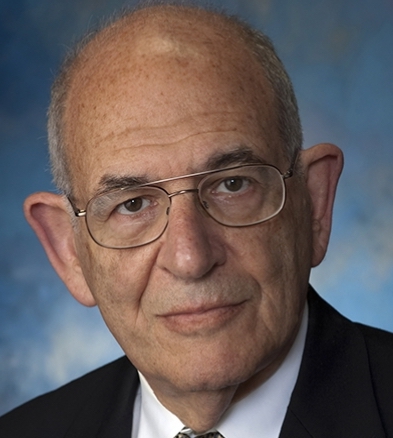 Richard L. Simmons合作论文数Department of Surgery, School of Medicine, University of Pittsburgh2Ronald L. Hrebinko合作论文数2William Irish合作论文数Pittsburgh Transplantation Institute, University of Pittsburgh Health Science Center of Pittsburgh2P Fontes合作论文数1
 Daniel Herz合作论文数1JS DUMMER合作论文数1HP Tan合作论文数1AL Patrick合作论文数1TE STARZL合作论文数1C JENSEN合作论文数1J. Donaldson合作论文数1S Potdar合作论文数1CH Bunker合作论文数1Sf Dodson合作论文数1F EGIDI合作论文数1PP Luke合作论文数1D. Smith合作论文数1




