BACKGROUND:Modification of the originally described multivisceral transplant operation was introduced at our institution 17 years ago. Donor liver was spared, and native spleen along with pancreaticoduodenal complex was preserved.METHODS:Thirty-six modified multivisceral grafts that include stomach, duodenum, pancreas, and intestine were given to 30 adults and six children. Leading causes of intestinal failure were pseudo-obstruction and Gardner's syndrome. Native spleen was preserved in 24 (67%) recipients along with pancreaticoduodenal complex in 18 (50%). Immunosuppression was tacrolimus-based, and recipient preconditioning was utilized in 80% of patients.RESULTS:Patient survival was 94% at 1 year and 75% at 5 years with graft survival of 91% and 51%; respectively. With mean follow-up of 51 ± 35 months, full nutritional autonomy was achieved in 89% of current survivors with no single example of disease recurrence. Preservation of native spleen was associated with increased survival and reduced risk of PTLD, life-threatening infections, and GVHD with no significant impact on graft loss due to rejection. Concomitant preservation of pancreaticoduodenal complex eliminated risks of biliary complications and glucose intolerance.CONCLUSION:Modified multivisceral transplantation with and without preservation of native spleen, pancreas, and duodenum is a valid therapeutic option for patients with diffuse gastrointestinal disorders and preserved hepatic functions.
Mazariegos, George V.1; Reyes, Jorge1; Flynn, Bridget1; McMichael, John1; Fung, John J.1 Author Information
Tacrolimus has been shown to be an effective and well tolerated agent in primary solid organ transplantation.1–3 We have previously reported that an additional important feature of this drug is its ability to salvage renal allografts in patients experiencing ongoing acute rejection resistant to conventional antirejection therapy.4,5 Salvage can be defined as a return to a defined percentage of baseline renal function or histologic reversal of acute rejection, or both. In our initial experience with 77 patients who developed ongoing rejection while receiving cyclosporine-based immunosuppression, 57 (74%) had a successful outcome after conversion to tacrolimus after a follow-up of 13.9 ± 9.1 months.4 A total of 169 patients (median age 33 years; range 2 to 75 years; 98 males, 71 females) with ongoing rejection after failing baseline cyclosporine therapy have now been converted to tacrolimus in an attempt to reverse rejection.6,7 We herein report the long-term follow-up in this group of patients.
Background. Tacrolimus (Tac) and mycophenolate mofetil (MMF) are newly approved immunosuppressive agents. However, the safety and efficacy of the combination of MMF and Tac in primary liver transplantation has not been determined.Methods. An Institutional Review Board-approved, open-label prospective randomized protocol was initiated to study the efficacy and toxicity of Tac and steroids (double-drug therapy) versus Tac, steroids, and MMF (triple-drug therapy) in primary adult liver transplant recipients. Both groups of patients began on the same doses of Tac and steroids. Patients randomized to triple-drug therapy also received 1 g of MMF twice a day.Results. Between August 1995 and January 1997, 200 patients were enrolled, 99 in double-drug therapy and 101 in triple-drug therapy. All patients were followed until May 1997, with a mean follow-up of 12.7 months. During the study period, 28 of 99 patients in double-drug therapy received MMF to control ongoing acute rejection, nephrotoxicity, and/or neurotoxicity. On the other hand, 61 patients in triple-drug therapy discontinued MMF for infection, myelosuppression, and/or gastrointestinal disturbances. By an "intention-to-treat analysis," the actuarial 1-year patient survival rate was 85.1% in double-drug therapy and. 83.1% in triple-drug therapy (P=0.77). The actuarial 1-year graft survival rate was 80.2% for double-drug therapy and 79.2% for triple-drug therapy (P=0.77). Forty-one patients (41.4%) in double-drug therapy and 32 (31.7%) in triple-drug therapy had at least one episode of rejection, but this was not statistically significant (P=0.15). The mean maintenance dose of corticosteroids was slightly lower in triple-drug compared with double-drug therapy.Conclusion. Patient and graft survival rates were similar in both groups. There was a trend to a lower incidence of rejection, reduced nephrotoxicity, and a lesser amount of maintenance corticosteroids in triple-drug therapy compared with double-drug therapy.
The outcome of hepatitis C virus (HCV) infection on patient and graft survival after orthotopic liver transplantation (OLT) has been controversial. An earlier experience with a higher dose of tacrolimus (greater than or equal to 0.1 mg/kg/d intravenously and greater than or equal to 0.2 mg/kg/d orally) was associated with a worse clinical outcome in patients infected with HCV. The clinical outcome of 183 liver transplant recipients with end-stage river disease (ESLD) secondary to HCV infection (HCV group) was compared with a contemporary cohort of 556 patients with HCV infection who underwent transplantation for nonviral, nonmalignant ESLD (control group). Art patients were prospectively screened for anti-HCV antibodies and HCV RNA by reverse-transcriptase polymerase chain reaction. All OLT patients were receiving low-dose tacrolimus immunosuppression. Cumulative patient survival rates for the HCV group were 80% after 1 year and 75% after 3 years compared with rates of 84% and 78%, respectively, in the control group (P = .452), Primary graft survival rates at the same time intervals for the HCV group and the control group were 72% and 77.5% at 1 year and 67% and 72% at 3 years, respectively (P = .144), The incidence of re-transplantation (re-OLT) in the HCV group and the control group was 12.6% and 10.4%, respectively (P = .42), Chronic HCV infection as an indication for OLT with a lower dose of tacrolimus immunosuppression (less than or equal to 0.05 mg/kg/d intravenously and less than or equal to 0.1 mg/kg/d orally) is associated with a similar patient and graft survival as those without HCV infection. (C) 1998 by the American Association for the Study of Liver Diseases.
The benefits of tacrolimus in solid organ transplantation are well recognized.1–6 The aim of the present study is to examine the outcome of primary liver transplantation (LTx) under tacrolimus for various age groups over a long-term in 1000 consecutive patients from a single center.
This chapter reviews tacrolimus and other immunosuppressive macrolides in clinical practice. Tacrolimus and rapamycin are classified as immunosuppressant drugs that are essentially macrolide derivatives. Tacrolimus inhibits T-cell activation at an early stage of the cell cycle through a calcium-mediated signal. It impedes the early phases of the immune signal transduction pathway in the cell by inactivating the dephosphatase activity of calcineurin. Tacrolimus is regarded as a significant agent in the treatment of a large number of immunologically mediated diseases. The role of tacrolimus-based primary immunosuppression in the prevention of rejection following solid organ transplants, especially liver and kidney transplants is well established. Its unique properties have led to its ability to rescue patients who have experienced rejection while on conventional cyclosporin-based immunosuppressive regimens. On the other hand, rapamycin (sirolimus) is another macrolide antibiotic that possesses potent immunosuppressant activity. Its chemical structure is partially similar to that of tacrolimus. The immunosuppressive effects of rapamycin result from its inhibition of T-cell and B-cell proliferation. The key effect on those cells results from the blocking of the signals of several cytokines, thus leading to interruption of the cell cycle from the G1 to the S phase. Rapamycin is investigated as an adjunctive immunosuppressant agent for prevention of rejection after organ transplantation in combination with cyclosporin and tacrolimus.
BACKGROUNDAllocation of cadaver kidneys by graded human leukocyte antigen (HLA) compatibility scoring arguably has had little effect on overall survival while prejudicing the transplant candidacy of African-American and other hard to match populations. Consequently, matching has been proposed of deduced amino acid residues of the individual HLA molecules shared by cross-reactive antigen groups (CREGs). We have examined the circumstances under which compatibility with either method impacted graft survival.METHODSUsing Cox proportional hazards regression modeling, we studied the relationship between levels of conventional HLA mismatch and other donor and recipient factors on primary cadaver kidney survival between 1981 and 1995 at the University of Pittsburgh (n=1,780) and in the United Network for Organ Sharing (UNOS) Scientific Registry during 1991-1995 (n=31,291). The results were compared with those obtained by the matching of amino acid residues that identified CREG-compatible cases with as many as four (but not five and six) HLA mismatches.RESULTSWith more than one HLA mismatch (> 85% of patients in both series), most of the survival advantage of a zero mismatch was lost. None of the HLA loci were "weak." In the UNOS (but not Pittsburgh) category of one-HLA mismatch (n=1334), a subgroup of CREG-matched recipients (35.3%) had better graft survival than the remaining 64.7%, who were CREG-mismatched. There was no advantage of a CREG match in the two- to four-HLA incompatibility tiers. Better graft survival with tacrolimus was observed in both the Pittsburgh and UNOS series.CONCLUSIONSObligatory national sharing of cadaver kidneys is justifiable only for zero-HLA-mismatched kidneys. The potential value of CREG matching observed in the one-HLA-mismatched recipients of the UNOS (but not the Pittsburgh) experience deserves further study.
THE EFFICACY of tacrolimus in primary renal transplantation! led us to evaluate this agent for rescue of resistant allograft rejection in 77 patients under primary cyclosporine (CyA)-based immunosuppression, in whom we reported a 74% salvage rate with a l3.9-month followup.2 To evaluate the longevity of the observed effects of tacrolimus rescue, we herein present a report and the long-term follow-up of this group of patients. Between July 14, 1989 and April 16. 1993. 77 patients (44 male, 33 female) with a mean age of 33.3 ± 12.4 years (range 2 to 59 years) failing CyA-based immunosuppression were converted to tacrolimus. Fifty-nine patients (77%) were primary transplant recipients and 18 (23%) had been retransplanted. Fifty-two patients (68%) were recipients of cadaveric grafts and 25 (32%) live donor grafts. All patients considered for tacrolimus conversion had uncontrolled biopsy-proven rejection. Previous antirejection therapy had been administered to all 77 patients in the form of bolus high-dose corticosteroids and 61 (79%) had also received at least one course of an antilymphocyte preparation. Tacrolimus was given at a standard daily dose of 0.3 mglkgld in divided doses every 12 hours starting 12 hours after the last CvA dose. Statistical significance was calculated by Studenfs'{ test or chi-square analysis as appropriate. Successful tacrolimus conversion was defined as a return to baseline serum creatinine (sCr), and/or improvement on postconversion renal allograft biopsy, and/or freedom from dialysis if the patient wa; dialysis dependent at the time of conversion. In our initial report on these 77 patients. we reported successful allograft salvage with tacrolimus conversion in 57 of 77 patients (74%) with a follow-up of 13.9 ± 9.1 months (range 2 to 34 months).2 Of the 57 patients whose grafts were successfully rescued initially. 41'1 (84%) continue to have functioning grafts with a mean sCr of 2.1 ± 0.85 mgldL at a mean follow-up of 41. 9 ± 12.1 months (range 16 to 62 months). There have heen nine late graft losses due to patient death (n = 3; two patients with functioning grafts and I with unknown allograft function). chronic rejection (n = 5). and patient noncompliance (n = I). Of the 18 patients on dialysis at the time of conversion. 9 (50ey). continue to have functioning grafts with a mean sCr of 2.1 mgldL (mean follOW-lip 45.1 ;: 11.9 months). In 61 patients who had received antilymphocytc preparations .. .19 (04r:r) continue to have functioning
A novel multisolutional clustering and quantization (MCQ) algorithm has been developed that provides a flexible way to preprocess data. It was tested whether it would impact the neural network's performance favorably and whether the employment of the proposed algorithm would enable neural networks to handle missing data. This was assessed by comparing the performance of neural networks using a well-documented data set to predict outcome following liver transplantation. This new approach to data preprocessing leads to a statistically significant improvement in network performance when compared to simple linear scaling. The obtained results also showed that coding missing data as zeroes in combination with the MCQ algorithm, leads to a significant improvement in neural network performance on a data set containing missing values in 59.4% of cases when compared to replacement of missing values with either series means or medians.
An important goal of drug development is to define dose and concentration-response relationships for new drugs and biologics. Such critical information from controlled clinical trials can provide primary evidence of efficacy and safety and an informative database for devising dosing instructions for clinical use. This article describes applications of pharmacologic principles [pharmacokinetic-pharmacodynamic (PK-PD)] and modeling methods for drugs in which the evaluation process is guided by and/or identifies significant PK and/or PD variability in drug response. In the case of the recently registered immunosuppressive agent, tacrolimus, preclinical PK-PD in model systems can be used to rationally design safe and effective immunomodulatory dosing regimens for phase 1 clinical studies. Furthermore, a study design based on concentration control guided by a novel artificial intelligence modeling system (AIMS) can be efficiently applied to conduct randomized clinical trials in auto-immunity and to implement cost-effective therapeutic drug monitoring of tacrolimus and cyclosporine in clinical transplantation. In the case of a cardioselective beta-adrenergic blocking agent, betaxolol, marketed for essential hypertension, population PD modeling can be shown to be a more efficient method for estimating dose response compared with standard statistical tests. Using a sigmoid Emax PD model, only a fraction (40 of 300) of the randomized patients was needed to demonstrate dose response. Therefore, two methods, i.e., PD modeling of dose response and AIMS-guided dosing, can achieve significant cost benefits for drug developers, patient care, and the health care system.
A randomized concentration-controlled clinical trial (RCCCT) is a trial design in which patients are randomized to predefined blood drug concentrations (low, medium, high). If the concentration ranges are sufficiently separated, this study design can reveal important blood concentration-response relations. Tacrolimus is a potent yet "infant" immunosuppressant for the treatment and prevention of graft rejection and has been shown to exhibit significant clinical activity in some immune-mediated disorders. A tacrolimus artificial intelligence modeling system (AIMS) was used to guide patient dosing to achieve target concentrations specified by the study protocols. In the Multiple Sclerosis study group, we were able to define a concentration range (0.3-0.7 ng/ml) that appeared to show efficacy and minimal tacrolimus toxicity. Patients randomized to the high zone (0.6-1.2 ng/ml) in the Primary Biliary Cirrhosis study group showed significant reduction (approximately 50%) in surrogate efficacy markers [aspartate aminotransferase (SGOT), alanine aminotransferase (SGPT)] compared with patients in the low zone (0.1-0.6 ng/ml). Therefore the RCCCT allowed the detection and delineation of clinically significant concentration-response relations in an ethical and efficient manner.
Clinical Pharmacology & Therapeutics (1996) 59, 213–213; doi: 10.1038/sj.clpt.1996.350
OBJECTIVE The authors determined the impact of a positive cytotoxic crossmatch on the outcome of liver transplantation. SUMMARY BACKGROUND DATA Liver allografts rarely undergo hyperacute rejection, but transplants performed across a positive cytotoxic crossmatch tend to follow a different clinical course, with higher intraoperative blood use, postoperative graft dysfunction, and, in some cases, graft loss. How this affects overall graft survival has not been determined. METHODS The authors provide a retrospective analysis of 1520 liver transplants performed between November 1989 and December 1993, with a minimum follow-up of 1 year. All cases had a cytotoxic crossmatch using serum pretreated with dithiothreitol. RESULTS There were 1390 negative crossmatch and 130 positive crossmatch cases. There was no difference in overall graft survival, although early survival rates were lower in the positive crossmatch group, with the maximum difference at 6 months: 0.76 (95% confidence interval, 0.74-0.78) for a negative crossmatch versus 0.68 (95% confidence interval, 0.61-0.77) for a positive crossmatch. These differences become negligible by the 2-year mark. Using stepwise logistic regression, the authors identified seven variables independently associated with outcome: 1) donor age, 2) donor gender, 3) prior liver transplant, 4) medical urgency status, 5) ischemia time, 6) indication for transplantation, and 7) primary immunosuppressant. CONCLUSIONS The cytotoxic crossmatch is not statistically associated with overall graft survival after liver transplantation. However, early failure rates are higher in the positive crossmatch cases, a difference that disappears by the second year.
Autoimmune chronic active hepatitis (CAH-A) is a chronic liver disease of unknown etiology that is believed to have an autoimmune pathogenesis. The disease is slowly progressive until hepatic failure and portal hypertension develop and either death or liver transplantation occur. Currently, the only widely recognized therapy is the administration of glucocorticoids, which have both anti-inflammatory and immunosuppressive actions. Many patients cannot tolerate such therapy because of the psychiatric, osteoporotic, and weight-enhancing actions of steroids. Tacrolimus (FK 506) is a new macrolide antibiotic that has an immunosuppressive activity that is estimated to be 10-200 times greater than that of cyclosporine. Because of its greater immunosuppressive activity, we have used it in the treatment of 21 patients with autoimmune chronic active hepatitis. Before each subject was treated, a liver biopsy and a panel of hematological, serological, and biochemical parameters were assessed. The Tacrolimus was administered orally at 12-h intervals, and the dose was controlled by monitoring plasma FK trough levels. After 3 months of therapy at an oral dose of 3 mg twice a day, having achieved a median blood level of 0.5 ng/ml, the serum ALT level was reduced by 80%, and the AST level was reduced by 70%. Modest change in the white blood cell count and platelet count were noted. The median BUN level increased from a level of 12 to 18 mg/dl, and the serum creatinine increased from 0.9 to 1.3 mg/dl. These preliminary data demonstrate that: 1) Tacrolimus can be used to successfully treat CAH-A; 2) the response of CAH-A to Tacrolimus treatment is rapid and sustained; and 3) a minor increase in the serum BUN and creatinine levels occurs as a consequence of Tacrolimus treatment. It is anticipated that with continued treatment for periods of 1-2 yr, the natural history of CAH-A will be changed such that hepatic failure and the requirement for liver transplantation may be averted.
Seventy-two long-surviving liver transplant recipients were evaluated prospectively, including a baseline allograft biopsy for weaning off of immunosuppression. Thirteen were removed from candidacy because of chronic rejection (n = 4), hepatitis (n = 2), patient anxiety (n = 5), or lack of cooperation by the local physician (n = 2). The other 59, aged 12-68 years, had stepwise drug weaning with weekly or biweekly monitoring of liver function tests. Their original diagnoses were PBC (n = 9), HCC (n = 1), Wilson's disease (n = 4), hepatitides (n = 15), Laennec's cirrhosis (n = 1), biliary atresia (n = 16), cystic fibrosis (n = 1), hemochromatosis (n = 1), hepatic trauma (n = 1), alpha-1-antitrypsin deficiency (n = 9), and secondary biliary cirrhosis (n = 1). Most of the patients had complications of long-term immunosuppression, of which the most significant were renal dysfunction (n = 8), squamous cell carcinoma (n = 2) or verruca vulgaris of skin (n = 9), osteoporosis and/or arthritis (n = 12), obesity (n = 3), hypertension (n = 11), and opportunistic infections (n = 2). When azathioprine was a third drug, it was stopped first. Otherwise, weaning began with prednisone, using the results of corticotropin stimulation testing as a guide. If adrenal insufficiency was diagnosed, patients reduced to < 5 mg/day prednisone were considered off of steroids. The baseline agents (azathioprine, cyclosporine, or FK506) were then gradually reduced in monthly decrements. Complete weaning was accomplished in 16 patients (27.1%) with 3-19 months drug-free follow-up, is progressing in 28 (47.4%), and failed in 15 (25.4%) without graft losses or demonstrable loss of graft function from the rejections. This and our previous experience with self-weaned and other patients off of immunosuppression indicate that a significant percentage of appropriately selected long-surviving liver recipients can unknowingly achieve drug-free graft acceptance. Such attempts should not be contemplated until 5-10 years posttransplantation and then only with careful case selection, close monitoring, and prompt reinstitution of immunosuppression when necessary.
 Thomas E. Starzl合作论文数University of Pittsburgh24
 Joeph l. Mccauley合作论文数14William Irish合作论文数Pittsburgh Transplantation Institute, University of Pittsburgh Health Science Center of Pittsburgh12
 John Fung合作论文数Transplant Institute, The University of Chicago Medicine11J.J Fung合作论文数11R Shapiro合作论文数8H Doyle合作论文数8K Abu-Elmagd合作论文数6R Lieberman合作论文数6V Scantlebury合作论文数5
 Jorge Rakela合作论文数Mayo Clinic Arizona5
 Anthony J. Demetris合作论文数McGowan Institute for Regenerative Medicine, University of Pittsburgh;Department of Pathology, University of Pittsburgh5
 Parmjeet S. Randhawa合作论文数Division of Transplantation Pathology, Department of Pathology, University of Pittsburgh;Thomas E. Starzl Transplantation Institute, University of Pittsburgh5
 Luca Antonio Aldrighetti合作论文数4Hr Doyle合作论文数4J Reyes合作论文数4ML JORDAN合作论文数4C Vivas合作论文数4Cataldo Doria合作论文数4Dh Vanthiel合作论文数3M Jordan合作论文数3CA Vivas合作论文数3
 Velma P. Scantlebury合作论文数3H Woods合作论文数3
 Igor Dvorchik合作论文数3Marino I R合作论文数3
 Ashokkumar Jain合作论文数Department of Surgery, Penn State Hershey Medical Center;Department of Surgery, Penn State College of Medicine3George Mazariegos合作论文数3
 Timothy Gayowski合作论文数3R Vinayek合作论文数2V Balan合作论文数2D Smith合作论文数2V Warty合作论文数2D VANTHIEL合作论文数2P Carroll合作论文数2
 Raman Venkataramanan合作论文数Department of Pharmaceutical Sciences, School of Pharmacy, University of Pittsburgh2B Flynn合作论文数2Massimo Trucco合作论文数2
 Adriana Zeevi合作论文数Department of Pathology, University of Pittsburgh;Tissue Typing Laboratory, University of Pittsburgh2
 Andreas Tzakis合作论文数Transplant Center, Department of Surgery, Cleveland Clinic2J Martell合作论文数2
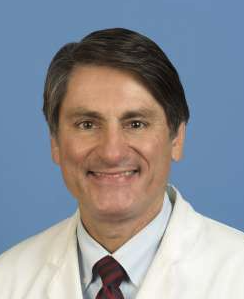 Hans A. Gritsch合作论文数UCLA Health2
 Bambang Parmanto合作论文数Health and Rehabilitation Informatics Research Group, Department of Health Information Management, School of Health and Rehabilitation Sciences, University of Pittsburgh;Department of Biomedical Informatics, School of Medicine, University of Pittsburgh2F Dodson合作论文数2M Subotin合作论文数1A Casavilla合作论文数1J Demetris合作论文数1




