Root exudates play a central role in rhizosphere processes, many of which support plant growth. While increased exudation under abiotic stresses has been frequently linked to enhanced plant resilience, crop- and genotype- and soil-specific exudation patterns under non-stress conditions remain poorly understood. This study aimed to assess how soil type and genotype influence root exudation in major and emerging European crops and to explore how root morphology and plant growth are related to exudation. Four genotypes each of barley (Hordeum vulgare), faba bean (Vicia faba), potato (Solanum tuberosum), and sweet potato (Ipomoea batatas (L.) Lam.) were grown in three distinct European soils under non-stress conditions. Exudates were collected using a soil-hydroponic-hybrid approach and analysed for dissolved organic carbon and nitrogen, as well as total carbohydrates, amino acids, and phenolic compounds. Biomass and root morphology were assessed to examine correlations with exudation patterns. Results showed that soil type and genotype affected exudation patterns, but their influence varied by crop. Plant growth was negatively correlated with exudation rates across most crops, likely reflecting a trade-off in carbon and nitrogen allocation between biomass accumulation and rhizodeposition. Root morphological traits partly correlated with root exudation rates, but no universal relationships were detected across crops. Our results provide novel insights into belowground resource partitioning and broaden the understanding of exudation patterns to previously underexplored crops, highlighting resource allocation trade-offs shaped by genotype and soil as important drivers of exudation dynamics.
Abstract Heavy metals act as essential metalloprotein cofactors in numerous physiological processes but can become toxic when non-essential metals accumulate or when essential metals are in excess. As plants continuously encounter heavy metals through their roots, they have evolved complex homeostatic mechanisms to regulate metal uptake and distribution. The Heavy Metal ATPase ( HMA ) gene family encodes a group of heavy metal transporting P-type ATPases that have been linked to stress resistance and nutrient supply. Here, we used a bioinformatics approach to identify and characterise 13 HMA genes containing characteristic P 1B -type ATPase domains and motifs in the barley Morex V3 reference genome. The genes are located on five of the seven barley chromosomes. Phylogenetic analysis revealed that they cluster into five sub-clades, including one clade unique to barley. Expression profiling across multiple datasets showed distinct temporal and tissue-specific expression patterns among HvHMA s, with several members exhibiting significant transcriptional responses to specific biotic and abiotic stresses. By utilising recently available pan-transcriptomic and pan-genomic resources, we have identified substantial allelic diversity and inter-accession variation in HvHMA s. Our findings suggest that HvHMA s have functions extending beyond canonical heavy metal homeostasis and warrant further investigation for their potential roles in broader physiological and stress-related processes.
There is a need for ground-breaking technologies to boost crop yield, both grains and biomass, and their processing into economically competitive materials. Novel cereals with enhanced photosynthesis and assimilation of greenhouse gasses, such as carbon dioxide and ozone, and tailored straw suitable for industrial manufacturing, open a new perspective for the circular economy. Here we describe the vision, strategies, and objectives of BEST-CROP, a Horizon-Europe and United Kingdom Research and Innovation (UKRI) funded project that relies on an alliance of academic plant scientists teaming up with plant breeding companies and straw processing companies to use the major advances in photosynthetic knowledge to improve barley biomass and to exploit the variability of barley straw quality and composition. We adopt the most promising strategies to improve the photosynthetic properties and ozone assimilation capacity of barley: (i) tuning leaf chlorophyll content and modifying canopy architecture; (ii) increasing the kinetics of photosynthetic responses to changes in irradiance; (iii) introducing photorespiration bypasses; (iv) modulating stomatal opening, thus increasing the rate of carbon dioxide fixation and ozone assimilation. We expect that by improving our targeted traits we will achieve increases in aboveground total biomass production without modification of the harvest index, with added benefits in sustainability via better resource-use efficiency of water and nitrogen. In parallel, the resulting barley straw is tailored to: (i) increase straw protein content to make it suitable for the development of alternative biolubricants and feed sources; (ii) control cellulose/lignin contents and lignin properties to develop straw-based construction panels and polymer composites. Overall, by exploiting natural- and induced-genetic variability as well as gene editing and transgenic engineering, BEST-CROP will lead to multi-purpose next generation barley cultivars supporting sustainable agriculture and capable of straw-based applications.
Use of fertiliser is essential for global crop productivity; however, their use is unsustainable through high energy costs from sourcing, nitrous oxide emissions during application, and the potential to cause eutrophication if used in excess. An alternative proposition is use of microalgal biomass for fertilisation, which adds carbon to the soil, is as effective as mineral fertiliser when comparing the vegetative grown of wheat and barley, and has the advantage of accumulating nutrients present in wastewater if used as a growth media, with 80-90% removal efficiencies for N and P. This means algae can both be used as a fertiliser and wastewater treatment, which supports the possibility of recycling nutrients within the barley to malt to whisky value chain, as nutrients from pot ale and spent lees could be reclaimed and used on the subsequent barley crop. This study is the first step in realising that circular economy. We sought to quantify the phenology, reflectance indices, yield components (including yield itself) and malt quality of barley cv. Laureate grown with either Chlorella vulgaris powder or mineral fertiliser, with both treatments providing equal amounts of nitrogen at the appropriate level for malting spring barley, 118kg(N)/ha accounting for soil mineral nitrogen. We performed three glasshouse experiments to assess the repeatability of our findings and performed a field trial from which we malted the grain. Both lines of inquiry showed that plants grown with algae and mineral fertiliser do not significantly differ in any yield component, yield or malt quality, with the exception of total malt nitrogen. This study is an important proof of concept for enabling further, larger algal fertiliser trials, such as increasing the number of field sites under different environmental conditions to assess the widespread viability. ### Competing Interest Statement During the period in which this work was conducted, Stefan Masson and Tom Mulholland (until end 2023) were employed by Chivas Brothers Pernod Ricard. Chivas Brothers were an industrial partner on this project through the BARIToNE CTP (Collaborative Training Partnership) as part of their commitment to reducing scope 3 emissions. Chivas Brothers was kept informed of the progress of the work and their lab space and equipment was used for malt analysis, but they exerted no control over what data was produced, how it was produced or whether it could be reported. BBSRC, BB/X511687/1 Rural and Environmental Science and Analytical Services division of the Scottish Government
The female germline of flowering plants develops within a niche of sporophytic (somatic) ovule cells, also referred to as the nucellus. How niche cells maintain their own somatic developmental programme, yet support the development of adjoining germline cells, remains largely unknown. Here we report that MADS31, a conserved MADS-box transcription factor from the B-sister subclass, is a potent regulator of niche cell identity. In barley, MADS31 is preferentially expressed in nucellar cells directly adjoining the germline, and loss-of-function mads31 mutants exhibit deformed and disorganized nucellar cells, leading to impaired germline development and partial female sterility. Remarkably similar phenotypes are observed in mads31 mutants in wheat, suggesting functional conservation within the Triticeae tribe. Molecular assays indicate that MADS31 encodes a potent transcriptional repressor, targeting genes in the ovule that are normally active in the seed. One prominent target of MADS31 is NRPD4b, a seed-expressed component of RNA polymerase IV/V that is involved in epigenetic regulation. NRPD4b is directly repressed by MADS31 in vivo and is derepressed in mads31 ovules, while overexpression of NRPD4b recapitulates the mads31 ovule phenotype. Thus, repression of NRPD4b by MADS31 is required to maintain ovule niche functionality. Our findings reveal a new mechanism by which somatic ovule tissues maintain their identity and support germline development before transitioning to the post-fertilization programme.
SUMMARYBarley produces several specialized metabolites, including five α‐, β‐, and γ‐hydroxynitrile glucosides (HNGs). In malting barley, presence of the α‐HNG epiheterodendrin gives rise to undesired formation of ethyl carbamate in the beverage production, especially after distilling. Metabolite‐GWAS identified QTLs and underlying gene candidates possibly involved in the control of the relative and absolute content of HNGs, including an undescribed MATE transporter. By screening 325 genetically diverse barley accessions, we discovered three H. vulgare ssp. spontaneum (wild barley) lines with drastic changes in the relative ratios of the five HNGs. Knock‐out (KO)‐lines, isolated from the barley FIND‐IT resource and each lacking one of the functional HNG biosynthetic genes (CYP79A12, CYP71C103, CYP71C113, CYP71U5, UGT85F22 and UGT85F23) showed unprecedented changes in HNG ratios enabling assignment of specific and mutually dependent catalytic functions to the biosynthetic enzymes involved. The highly similar relative ratios between the five HNGs found across wild and domesticated barley accessions indicate assembly of the HNG biosynthetic enzymes in a metabolon, the functional output of which was reconfigured in the absence of a single protein component. The absence or altered ratios of the five HNGs in the KO‐lines did not change susceptibility to the fungal phytopathogen Pyrenophora teres causing net blotch. The study provides a deeper understanding of the organization of HNG biosynthesis in barley and identifies a novel, single gene HNG‐0 line in an elite spring barley background for direct use in breeding of malting barley, eliminating HNGs as a source of ethyl carbamate formation in whisky production.
In the last century, breeding programs have traditionally favoured yield-related traits, grown under high-input conditions, resulting in a loss of genetic diversity and an increased susceptibility to stresses in crops. Thus, exploiting understudied genetic resources, that potentially harbour tolerance genes, is vital for sustainable agriculture. Northern European barley germplasm has been relatively understudied despite its key role within the malting industry. The European Heritage Barley collection (ExHIBiT) was assembled to explore the genetic diversity in European barley focusing on Northern European accessions and further address environmental pressures. ExHIBiT consists of 363 spring-barley accessions, focusing on two-row type. The collection consists of landraces (~14%), old cultivars (~18%), elite cultivars (~67%) and accessions with unknown breeding history (~1%), with 70% of the collection from Northern Europe. The population structure of the ExHIBiT collection was subdivided into three main clusters primarily based on the accession’s year of release using 26,585 informative SNPs based on 50k iSelect single nucleotide polymorphism (SNP) array data. Power analysis established a representative core collection of 230 genotypically and phenotypically diverse accessions. The effectiveness of this core collection for conducting statistical and association analysis was explored by undertaking genome-wide association studies (GWAS) using 24,876 SNPs for nine phenotypic traits, four of which were associated with SNPs. Genomic regions overlapping with previously characterised flowering genes (HvZTLb) were identified, demonstrating the utility of the ExHIBiT core collection for locating genetic regions that determine important traits. Overall, the ExHIBiT core collection represents the high level of untapped diversity within Northern European barley, providing a powerful resource for researchers and breeders to address future climate scenarios.
The phenolic acids, ferulic acid and p-coumaric acid, are components of plant cell walls in grasses, including many of our major food crops. They have important health-promoting properties in grain, and influence the digestibility of biomass for industrial processing and livestock feed. Both phenolic acids are assumed to be critical to cell wall integrity and ferulic acid, at least, is important for cross-linking cell wall components, but the role of p-coumaric acid is unclear. Here we identify alleles of a BAHD p-coumaroyl arabinoxylan transferase, HvAT10, as responsible for the natural variation in cell wall-esterified phenolic acids in whole grain within a cultivated two-row spring barley panel. We show that HvAT10 is rendered non-functional by a premature stop codon mutation in half of the genotypes in our mapping panel. This results in a dramatic reduction in grain cell wall-esterifed p-coumaric acid, a moderate rise in ferulic acid, and a clear increase in the ferulic acid to p-coumaric acid ratio. The mutation is virtually absent in wild and landrace germplasm suggesting an important function for grain arabinoxylan p-coumaroylation pre-domestication that is dispensable in modern agriculture. Intriguingly, we detected detrimental impacts of the mutated locus on grain quality traits where it was associated with smaller grain and poorer malting properties. HvAT10 could be a focus for improving grain quality for malting or phenolic acid content in wholegrain foods.
In cereal species, grain size is influenced by growth of the ovule integuments (seed coat), the spikelet hull (lemma and palea) and the filial endosperm. Whether a highly conserved ovule tissue, the nucellus, has any impact on grain size has remained unclear. Immunolabelling revealed that the barley nucellus comprises two distinct cell types that differ in terms of cell wall homogalacturonan (HG) accumulation. Transcriptional profiling of the nucellus identified two pectin methylesterase (PME) genes, OVULE PECTIN MODIFIER 1 (OPM1) and OPM2, which are expressed in the unfertilized ovule but absent from the seed. Ovules from an opm1 opm2 mutant and plants expressing an ovule-specific pectin methylesterase inhibitor (PMEI), exhibit reduced HG accumulation. This results in changes to ovule cell size and shape and ovules that are longer than wild-type (WT) controls. At grain maturity, this is manifested as significantly longer grain. These findings indicate that cell wall composition during ovule development acts to limit ovule and seed growth. The investigation of ovule PME and PMEI activity reveals an unexpected role of maternal tissues in controlling grain growth before fertilization, one that has been lacking from models exploring improvements in grain size.
(1,3;1,4)-β-Glucan is a non-cellulosic polysaccharide required for correct barley grain fill and plant development, with industrial relevance in the brewing and the functional food sector. Barley grains contain higher levels of (1,3;1,4)-β-glucan compared to other small grain cereals and this influences their end use, having undesirable effects on brewing and distilling and beneficial effects linked to human health. HvCslF6 is the main gene contributing to (1,3;1,4)-β-glucan biosynthesis in the grain. Here, the transcriptional regulation of HvCslF6 was investigated using an in-silico analysis of transcription factor binding sites (TFBS) in its putative promoter, and functional characterization in a barley protoplast transient expression system. Based on TFBS predictions, TF classes AP2/ERF, MYB, and basic helix-loop-helix (bHLH) were over-represented within a 1,000 bp proximal HvCslF6 promoter region. Dual luciferase assays based on multiple HvCslF6 deletion constructs revealed the promoter fragment driving HvCslF6 expression. Highest HvCslF6 promoter activity was narrowed down to a 51 bp region located −331 bp to −382 bp upstream of the start codon. We combined this with TFBS predictions to identify two MYB TFs: HvMYB61 and HvMYB46/83 as putative activators of HvCslF6 expression. Gene network analyses assigned HvMYB61 to the same co-expression module as HvCslF6 and other primary cellulose synthases (HvCesA1, HvCesA2, and HvCesA6), whereas HvMYB46/83 was assigned to a different module. Based on RNA-seq expression during grain development, HvMYB61 was cloned and tested in the protoplast system. The transient over-expression of HvMYB61 in barley protoplasts suggested a positive regulatory effect on HvCslF6 expression.
We profiled the grain oligosaccharide content of 154 two-row spring barley genotypes and quantified 27 compounds, mainly inulin- and neoseries-type fructans, showing differential abundance. Clustering revealed two profile groups where the 'high' set contained greater amounts of sugar monomers, sucrose, and overall fructans, but lower fructosylraffinose. A genome-wide association study (GWAS) identified a significant association for the variability of two fructan types: neoseries-DP7 and inulin-DP9, which showed increased strength when applying a novel compound ratio-GWAS approach. Gene models within this region included three known fructan biosynthesis genes (fructan:fructan 1-fructosyltransferase, sucrose:sucrose 1-fructosyltransferase, and sucrose:fructan 6-fructosyltransferase). Two other genes in this region, 6(G)-fructosyltransferase and vacuolar invertase1, have not previously been linked to fructan biosynthesis and showed expression patterns distinct from those of the other three genes, including exclusive expression of 6(G)-fructosyltransferase in outer grain tissues at the storage phase. From exome capture data, several single nucleotide polymorphisms related to inulin- and neoseries-type fructan variability were identified in fructan:fructan 1-fructosyltransferase and 6(G)-fructosyltransferase genes. Co-expression analyses uncovered potential regulators of fructan biosynthesis including transcription factors. Our results provide the first scientific evidence for the distinct biosynthesis of neoseries-type fructans during barley grain maturation and reveal novel gene candidates likely to be involved in the differential biosynthesis of various types of fructan in barley.
Leaf Na+ exclusion, mediated by plasma membrane-localised Class 1 High-affinity potassium (K+) Transporters (HKTs), is a key mechanism contributing to salinity tolerance of several major crop plants. We determined previously that the leucine to proline residue substitution at position 189 (L189P) in barley HvHKT1;5 disrupts its characteristic plasma membrane localisation and Na+ conductance. Here, we focus on a surprising observation that a single residue deletion of methionine at position 372 (M372del) within the conserved VMMYL motif in plant HKTs, restores plasma membrane localisation but not Na+ conductance in HvHKT1;5 P189. To clarify why the singular M372 deletion regains plasma membrane localisation, we built 3D models and defined α-helical assembly pathways of the P189 M372del mutant, and compared these findings to the wild-type protein, and the HvHKT1;5 L189 variant and its M372del mutant. We find that α-helical association and assembly pathways in HvHKT1;5 proteins fall in two contrasting categories. Inspections of structural flexibility through molecular dynamics simulations revealed that the conformational states of HvHKT1;5 P189 diverge from those of the L189 variant and M372del mutants. We propose that M372del in HvHKT1;5 P189 instigates structural rearrangements allowing routing to the plasma membrane, while the restoration of conductance would require further interventions. We integrate the microscopy, electrophysiology, and biocomputational data and discuss how a profound structural change in HvHKT1;5 P189 M372del impacts its α-helical protein association pathway and flexibility, and how these features underlie a delicate balance leading to restoring plasma membrane localisation but not Na+ conductance.
Transition to the reproductive phase, inflorescence formation and flower development are crucial elements that ensure maximum reproductive success in a plant's life cycle. To understand the regulatory mechanisms underlying correct flower development in barley (Hordeum vulgare), we characterized the multiovary 5 (mov5.o) mutant. This mutant develops abnormal flowers that exhibit mosaic floral organs typified by multiple carpels at the total or partial expense of stamens. Genetic mapping positioned mov5 on the long arm of chromosome 2H, incorporating a region that encodes HvLFY, the barley orthologue of LEAFY from Arabidopsis. Sequencing revealed that, in mov5.o plants, HvLFY contains a single amino acid substitution in a highly conserved proline residue. CRISPR-mediated knockout of HvLFY replicated the mov5.o phenotype, suggesting that HvLFY(mov5) represents a loss of function allele. In heterologous assays, the HvLFY(mov5) polymorphism influenced protein-protein interactions and affinity for a putative binding site in the promoter of HvMADS58, a C-class MADS-box gene. Moreover, molecular analysis indicated that HvLFY interacts with HvUFO and regulates the expression of floral homeotic genes including HvMADS2, HvMADS4 and HvMADS16. Other distinct changes in expression differ from those reported in the rice LFY mutants apo2/rfl, suggesting that LFY function in the grasses is modulated in a species-specific manner. This pathway provides a key entry point for the study of LFY function and multiple ovary formation in barley, as well as cereal species in general.
Cereal grain develops from fertilised florets. Alterations in floret and grain development greatly influence grain yield and quality. Despite this, little is known about the underlying genetic control of these processes, especially in key temperate cereals such as barley and wheat. Using a combination of near-isogenic mutant comparisons, gene editing and genetic analyses, we reveal that HvAPETALA2 (HvAP2) controls floret organ identity, floret boundaries, and maternal tissue differentiation and elimination during grain development. These new roles of HvAP2 correlate with changes in grain size and HvAP2-dependent expression of specific HvMADS-box genes, including the B-sister gene, HvMADS29. Consistent with this, gene editing demonstrates that HvMADS29 shares roles with HvAP2 in maternal tissue differentiation. We also discovered that a gain-offunction HvAP2 allele masks changes in floret organ identity and grain size due to loss of barley LAXATUM.A/BLADE-ON-PETIOLE2 (HvBOP2) gene function. Taken together, we reveal novel pleiotropic roles and regulatory interactions for an AP2-like gene controlling floret and grain development in a temperate cereal.
ABSTRACT We quantified grain sodium (Na + ) content across a barley GWAS panel grown under optimal conditions. We identified a strong association with a region containing two low and one high Na + accumulating haplotypes of a Class 1 HIGH-AFFINITY POTASSIUM TRANSPORTER (HKT1;5) known to be involved in regulating plant Na + homeostasis. The haplotypes exhibited an average 1.8-fold difference in grain Na + content. We show that an L189P substitution disrupts Na + transport in the high Na + lines, disturbs the plasma membrane localisation typical of HKT1;5 and induces a conformational change in the protein predicted to compromise function. Under NaCl stress, lines containing P189 accumulate high levels of Na + , but show no significant difference in biomass. P189 increases in frequency from wild-species to elite cultivars leading us to speculate that the compromised haplotype is undergoing directional selection possibly due to the value of Na + as a functional nutrient in non-saline environments.
Barley (Hordeum vulgare L) grain is comparatively rich in (1,3;1,4)-β-glucan, a source of fermentable dietary fibre that protects against various human health conditions. However, low grain (1,3;1,4)-β-glucan content is preferred for brewing and distilling. We took a reverse genetics approach, using CRISPR/Cas9 to generate mutations in members of the Cellulose synthase-like (Csl) gene superfamily that encode known (HvCslF6 and HvCslH1) and putative (HvCslF3 and HvCslF9) (1,3;1,4)-β-glucan synthases. Resultant mutations ranged from single amino acid (aa) substitutions to frameshift mutations causing premature stop codons, and led to specific differences in grain morphology, composition and (1,3;1,4)-β-glucan content. (1,3;1,4)-β-Glucan was absent in the grain of cslf6 knockout lines, whereas cslf9 knockout lines had similar (1,3;1,4)-β-glucan content to wild-type (WT). However, cslf9 mutants showed changes in the abundance of other cell-wall-related monosaccharides compared with WT. Thousand grain weight (TGW), grain length, width and surface area were altered in cslf6 knockouts, and to a lesser extent TGW in cslf9 knockouts. cslf3 and cslh1 mutants had no effect on grain (1,3;1,4)-β-glucan content. Our data indicate that multiple members of the CslF/H family fulfil important functions during grain development but, with the exception of HvCslF6, do not impact the abundance of (1,3;1,4)-β-glucan in mature grain.
During plant growth, sodium (Na + ) in the soil is transported via the xylem from the root to the shoot. While excess Na + is toxic to most plants, non-toxic concentrations have been shown to improve crop yields under certain conditions, such as when soil K + is low. We quantified grain Na + across a barley genome-wide association study panel grown under non-saline conditions and identified variants of a Class 1 HIGH-AFFINITY-POTASSIUM-TRANSPORTER ( HvHKT1;5 )-encoding gene responsible for Na + content variation under these conditions. A leucine to proline substitution at position 189 (L189P) in HvHKT1;5 disturbs its characteristic plasma membrane localisation and disrupts Na + transport. Under low and moderate soil Na + , genotypes containing HvHKT1:5 P189 accumulate high concentrations of Na + but exhibit no evidence of toxicity. As the frequency of HvHKT1:5 P189 increases significantly in cultivated European germplasm, we cautiously speculate that this non-functional variant may enhance yield potential in non-saline environments, possibly by offsetting limitations of low available K + .
Phenolic acids in cereal grains have important health-promoting properties and influence digestibility for industrial or agricultural uses. Here we identify alleles of a single BAHD p- coumaroyl arabinoxylan transferase gene, HvAT10 , as responsible for the natural variation in cell wall-esterified p -coumaric and ferulic acid in whole grain of a collection of cultivated two-row spring barley genotypes. We show that HvAT10 is rendered non-functional by a premature stop codon mutation in approximately half of the genotypes in our mapping panel. The causal mutation is virtually absent in wild and landrace germplasm suggesting an important function for grain arabinoxylan p -coumaroylation pre-domestication that is dispensable in modern agriculture. Intriguingly, we detected detrimental impacts of the mutated locus on barley grain quality traits. We propose that HvAT10 could be a focus for future grain quality improvement or for manipulating phenolic acid content of wholegrain food products.
The composition of plant cell walls is important in determining cereal end uses. Unlike other widely consumed cereal grains barley is comparatively rich in (1,3;1,4)-β-glucan, a source of dietary fibre. Previous work showed Cellulose synthase-like genes synthesise (1,3;1,4)-β-glucan in several tissues. HvCslF6 encodes a grain (1,3;1,4)-β-glucan synthase, whereas the function of HvCslF9 is unknown. Here, the relationship between mRNA levels of HvCslF6 , HvCslF9 , HvGlbI (1,3;1,4)-β-glucan endohydrolase, and (1,3;1,4)-β-glucan content was studied in developing grains of four barley cultivars. HvCslF6 was differentially expressed during mid (8–15 DPA) and late (38 DPA) grain development stages while HvCslF9 transcript was only clearly detected at 8–10 DPA. A peak of HvGlbI expression was detected at 15 DPA. Differences in transcript abundance across the three genes could partially explain variation in grain (1,3;1,4)-β-glucan content in these genotypes. Remarkably narrow sequence variation was found within the HvCslF6 promoter and coding sequence and does not explain variation in (1,3;1,4)-β-glucan content. Our data emphasise the genotype-dependent accumulation of (1,3;1,4)-β-glucan during barley grain development and a role for the balance between hydrolysis and synthesis in determining (1,3;1,4)-β-glucan content, and suggests that other regulatory sequences or proteins are likely to be involved in this trait in developing grain.
 Robbie Waugh合作论文数School of Life Sciences, University of Dundee;James Hutton Institute24
 Rachel Burton合作论文数Department of Plant Science;University of Adelaide;Department of Plant Science, University of Adelaide12
 Matthew R Tucker合作论文数Plant Industry Commonwealth Scientific and Industrial Research Organization11
 Geoff Fincher合作论文数School of Agriculture, Food and Wine, WT, The University of Adelaide8
 Neil J. Shirley合作论文数8
 Alan Little合作论文数Adelaide Laboratory, CSIRO Plant Industry and Cooperative Research Centre for Viticulture7
 Claire Halpin合作论文数Department of Biological Sciences,University of Dundee6
 A. Joanne F. Russell合作论文数The James Hutton Institute6
 Matthew K. Aubert合作论文数5
 Laura Wilkinson合作论文数5
 Malcolm Macaulay合作论文数Scottish Crop Research Institute5Pauline Smith合作论文数4Miriam Schreiber合作论文数4Arnis Druka合作论文数Scottish Crop Research Institute4Udda Lundqvist合作论文数4Ali Saleh Hassan合作论文数3Jerome D. Franckowiak合作论文数3
 Jiaen Qiu合作论文数3Guillermo Garcia-Gimenez合作论文数3
 Xiujuan Yang合作论文数School of Agriculture, Food and Wine, The University of Adelaide3
 Antonio Blanco合作论文数3
 Nils Stein合作论文数Leibniz Institute of Plant Genetics and Crop Plant Research;School of Agriculture and Environment, The University of Western Australia;University of Gottingen3
 Michele Morgante合作论文数Dipartimento di Scienze AgroAlimentari, Ambientali ed Animali, Università di Udine;Istituto di Genomica Applicata, Parco Scientifico Luigi Danieli3
 Ilaria Marcotuli合作论文数3Luke Ramsay合作论文数3
 Maria Hrmova合作论文数Department of Plant Science;University of Adelaide;Department of Plant Science, University of Adelaide3
 Helena Oakey合作论文数BiometricsSA, University of Adelaide/SARDI3Jelle Lahnstein合作论文数3
 Matthew Gilliham合作论文数Division of Research and Innovation, Waite Research Institute, The University of Adelaide3
 Agata Gadaleta合作论文数Department of Agro-Forestry and Environmental Biology and Chemistry, University of Bari3
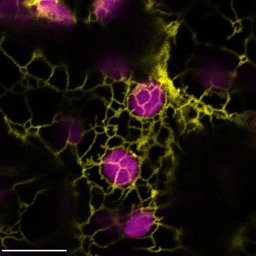 Stefanie Wege合作论文数3
 Caitlin S. Byrt合作论文数Commonwealth Scientific and Industrial Research Organization;Centre for Plant Functional Genomics;Centre for Plant Functional Genomics, Commonwealth Scientific and Industrial Research Organization3Nicola Bonar合作论文数3Paul Shaw合作论文数2
 Villo Bernad合作论文数2Patrick Langan合作论文数2
 Yue Qu合作论文数2
 Jennifer Stephens合作论文数2Christoph Dockter合作论文数2
 Nadia Al-Tamimi合作论文数2
 Paulina Flis合作论文数Future Food Beacon of Excellence and the School of Biosciences, University of Nottingham2Apriadi Situmorang合作论文数2
 Mark E Looseley合作论文数2
 Kirsten Wolff合作论文数Corresponding author.2Raubach, S.合作论文数2McKim Sarah M合作论文数2
 Gang Li合作论文数2Schwerdt Julian G合作论文数Australian Research Council Centre of Excellence in Plant Cell Walls, University of Adelaide;Biomathematics and Statistics Scotland, Invergowrie, Dundee DD2 5DA United Kingdom (K.M., F.W);IBM Research Collaboratory for Life Sciences, University of Melbourne;Department of Genetics and Bioengineering, Yeditepe University;Division of Plant Sciences, University of Dundee at the James Hutton Institute;School of Medicine, University of Virginia;andJames Hutton Institute;University of Melbourne, University of Adelaide2
 David Salt合作论文数School of Biosciences, University of Nottingham2




