Electrodeionization (EDI) is a transformative 21st-century technology for sustainable water purification. It integrates electric field-driven ion migration with ion exchange, enabling continuous deionization without chemical consumables. Performance optimization, achieved through tuning current density and resin bed structure-activity relationships, reveals EDI’s exceptional capabilities in heavy metal removal (e.g., >99.8 % efficiency for Cr (III), Ni (II), Cd (II)), ultrapure water production (resistivity up to 18 MΩ·cm), and radioactive wastewater treatment. Despite challenges in membrane degradation and industrial-scale capital intensity, recent innovations such as resin-wafer EDI (RW-EDI) and membrane-free EDI (MF-EDI) significantly enhance adaptability through modular design and process intensification. Furthermore, the integration of AI-driven parameter optimization and advanced electroactive membranes is accelerating EDI’s evolution toward intelligent, low-energy (0.1–0.3 kWh/m³) systems that holistically address the water-resource-energy nexus. Collectively, these advances position EDI as a cornerstone technology for next-generation sustainable water management.
Polyimide (PI) foam combines the advantages of both resin and porous material, but its thermal insulation and sound absorption capabilities at low- and medium-frequencies are limited. To address these limitations, composite materials with superior multifunctional performance were developed by in-situ filling a PI foam matrix with high-surface-area, low-thermal-conductivity polymethylsilsesquioxane (PMSQ) aerogels. These hierarchical composites exhibit significant potential for thermal insulation and noise reduction. In this study, PMSQ aerogel/PI foam composites with hierarchical pore structure were prepared by using methyl triethoxysilane (MTES) as the silicon source, deionized water as the solvent, and PI foam as the matrix through a two-step acid-base catalyzed process, vacuum impregnation, and CO2 supercritical drying method. Thanks to the meso-macroporous structure, the composites demonstrated excellent thermal insulation (thermal conductivity as low as 22 mW/(mK)) and sound absorption performance. Notably, the sound absorption band shifted to the low-frequency direction compared with pure PI foam, achieving a peak absorption coefficient of 0.86 at low- and medium-frequencies for 10 mm-thick samples, coupled with an average sound transmission loss of 12 dB. The sound absorption performance of composites was simulated and verified based on the Johnson-Champoux-Allard (JCA) model, and the numerical simulation results showed good agreement with the actual experimental results. This work provides useful guidance for the microstructural design of advanced materials with integrated thermal insulation and noise reduction functions.
Cyclic peptides have emerged as powerful modulators of biomolecular interactions, driving the need for efficient macrocyclization strategies to construct diverse libraries from unprotected peptides. Herein, we present an efficient method for the macrocyclization of unprotected peptides, utilizing a cycloaddition reaction between 9,10-phenanthrenequinones and furan-2(3H)-one derivatives. This method proceeds under mild, neutral aqueous conditions with fast kinetics and demonstrates broad compatibility with peptides containing functional amino acids by generating cyclic peptides with PD-L1 targeting and cell-penetrating activities.
Intelligent and diversified development of modern detection technology greatly affects the battlefield survivability of military targets, especially infrared, acoustic wave, and radar detection expose targets by capturing their unavoidable infrared radiation, acoustic wave, and electromagnetic wave information, greatly affecting their battlefield survival and penetration capabilities. Therefore, there is an urgent need to develop stealth-protective materials that can suppress infrared radiation, reduce acoustic characteristics, and weaken electromagnetic signals. Fibrous three-dimensional porous materials, with their high porosity, excellent structural adjustability, and superior mechanical properties, possess strong potential for development in the field of stealth protection. This article introduced and reviewed the characteristics and development process of fibrous three-dimensional porous materials at both the micrometer and nanometer scales. Then, the process and characteristics of preparing fibrous three-dimensional porous materials through vacuum forming, gel solidification, freeze-casting, and impregnation stacking methods were analyzed and discussed. Meanwhile, their current application status in infrared, acoustic wave, and radar stealth fields was summarized and their existing problems and development trends in these areas from the perspectives of preparation processes and applicability were analyzed. Finally, several prospects for the current challenges faced by fibrous three-dimensional porous materials were proposed as follows: functionally modifying fibers to enhance their applicability through self-cross-linking; establishing theoretical models for the transmission of thermal energy, acoustic waves, and electromagnetic waves within fibrous porous materials; constructing fibrous porous materials resistant to impact, shear, and fracture to meet the needs of practical applications; developing multifunctional stealth fibrous porous materials to confer full-spectrum broadband stealth capability; and exploring the relationship between material size and mechanical properties as a basis for preparing large-scale samples that meet the application’s requirement. This review is very timely and aims to focus researchers’ attention on the importance and research progress of fibrous porous materials in the field of stealth protection, so as to solve the problems and challenges of fibrous porous materials in the field of stealth protection and to promote the further innovation of fibrous porous materials in terms of structure and function.
Lithium mining is energy intensive and environmentally costly. This is because lithium ions are typically present in brines as a minor component mixed with physiochemically similar cations that are difficult to separate. Inspired by nature's ability to selectively extract species in transpiration, we report a solar transpiration-powered lithium extraction and storage (STLES) device that can extract and store lithium from brines using natural sunlight. Specifically, the device uses a hierarchically structured solar transpirational evaporator to create a pressure gradient, which allows for the extraction of lithium from brines through a membrane and its storage in a vascular storage layer. Long-term experiments, various membrane tests, and different size assessments demonstrate the stability, compatibility, and scalability of STLES. This solar-powered mining technology provides an alternative developing pathway toward the sustainable extraction of critical resources.
Silica aerogels have already been recognized as potential candidates in the fields of thermal insulation, sorption, and separation, but the intrinsic brittleness and cumbersome preparation process limit their broad applications. In this work, a simple self-catalyzed gelling strategy was applied to prepare organic-inorganic in situ hybrid aerogels (OIHAs) derived from bis[3-(triethoxysilyl)propyl]amine (BTPA) and methyltrime-thoxysilane (MTES). The Si-CH3 groups from MTES make it possible for OIHAs to be prepared through ambient drying and exhibit good hydrophobicity. Owing to the alkalinity of the amine groups from BTPA, self-catalyed hydrolyzation and condensation reactions occur between two silicon precursors to build a uniform pearl-chain nanoporous structure. The high specific surface area and amine groups existing on the nanoskeleton surface of the obtained OIHAs endow them with fascinating CO2 capture ability up to 5.89 mmol/g at 298 K and 100 kPa, which are significantly higher than the values of other aerogels reported under the similar conditions. Furthermore, ultralow thermal conductivity (as low as 20.1 mW/(m center dot K) at 25 degrees C), high strength (up to 2.38 MPa), and great elasticity (fully recoverable elastic strain of 14%) are achieved together for the OIHAs due to the organic-inorganic in situ cross-linked architecture. The as-prepared OIHAs with versatile properties have great application prospects in the fields of building thermal insulation and CO2 capture. The self-catalyzed gelling strategy provides an alternative routine for the simple preparation of silica-based aerogels.
Poly(ethylene oxide) (PEO) or poly(ethylene glycol) (PEG) based electrolytes for lithium batteries have arouse great interest, however their application is still hindered by low ion conductivity (σ) at room temperature, narrow electrochemical stability window (ESW) and low lithium ion transference number (LTN). Herein, we report the synthesis and comparative investigation of four kinds of methoxy poly(ethylene glycol) (MPEG) based electrolytes with different terminals, including MPEG with a hydroxyl terminal (MPEG-OH), a propyl carbonate terminal (MPEG-PC), a methoxy terminal (MPEG–OCH3) and a trifluoroethoxy terminal (MPEG-3F). It is found that the terminals in MPEG electrolytes exert great influences on the physical and electrochemical properties, e.g., crystallization, viscosity, dissociation capacity of Li salts, chemical environment of fluorine, σ, ESW, LTN and the cycling performance of lithium metal batteries. The -OH terminal is reactive with less stability, while -PC and –OCH3 result in moderate ionic transport. In comparison, MPEG-3F containing a trifluoroethoxy terminal affords high σ because of the good dissociation of LiTFSI, high LTN because of encapsulating the TFSI anions, and wide ESW due to high-voltage-resistant fluorocarbon.
In order to meet the demand for thermal insulation and sound absorption, fibrous porous mullite ceramics (FPMC) with high porosity and an interconnected pore structure were prepared, followed by a pore structure modification with in situ grown mullite whiskers on the three-dimensional framework of the FPMC. The resultant hierarchical material exhibited superior sound absorption performance in the low-to-medium frequency to most reported sound-absorbing materials, as well as a sufficient compressive strength of 1.26 MPa with low thermal conductivity of 0.117 W.m(-1).K-1. Moreover, the effects of solid content and mullite whiskers on the microstructure and physical properties of the material were analyzed. The increase of solid content led to increased compressive strength and thermal conductivity and decreased frequency corresponding to the first sound absorption peak. The thermal conductivity and compressive strength of the material increased as the mullite whiskers grew, while the median pore size decreased.
Continuous silicon carbide fiber reinforced silicon carbide matrix composites (SiC/SiC) are promising candidate materials for nuclear applications. Herein, SiC ceramics and SiC/SiC composite were prepared by a polymer deriving method, and irradiated using a 1.8 MeV electron beam. The microstructural evolution and radioluminescence performance were investigated, and the results showed that the SiC ceramics and the SiC/SiC composite all exhibited evident amorphization after the electron irradiation. In addition, the radioluminescence intensity of the SiC ceramics and the SiC/SiC composite was too low owing to the self-absorption of the free carbon in the polymer derived SiC ceramics.
Silica aerogels have been attractive candidates for thermal insulation in many scenes, but they still suffer from high costs and especially brittle nature. In this work, a novel self-catalyzed gelling strategy was proposed to prepare resilient hybrid aerogels (HAs) with an organic-inorganic in-situ hybrid structure at the molecular level. Bis(trimethoxysilylpropy)amine is chosen as the single silicon source because it has alkalinity from the amine groups, high six functionality and molecular organic-inorganic hybrid nature, which help to achieve self -catalyzed gelling, high strength, and great resilience, respectively. For the as-prepared HAs, a 20 % fully recoverable strain, high Young's modulus up to 10.40 MPa, high ultimate stress as high as 2.41 MPa and large ultimate deformation of 52 % are achieved together. Interestingly, HAs exhibit an improved modulus and strength after multiple compression, and this can increase the servicing safety in practical application. Benefiting from the synthetic effects of low density, high specific surface area and small pore size, the thermal conductivity of our aerogels is down to 18.8 mW center dot m- 1 center dot K-1 at ambient condition. Furthermore, the hydrophobic aerogels prepared through chlorotrimethylsilane modification also display a low thermal conductivity of 18.9 mW center dot m- 1 center dot K-1 at-50 degrees C and desirable mechanical properties at low temperatures. Unexpectedly, the rich amine groups and large specific surface area endow the fabricated aerogels with a remarkably high CO2 adsorption capacity up to 5.21 mmol/g at 273 K and excellent cyclic reusability. Considering these excellent functionalities, HAs have great prospects to serve as ideal thermal insulators, cold insulators and CO2 sorbents. The self-catalyzed gelling strategy provides an alternative route for the simple preparation of silica-based aerogels.
It is of great significance to develop integrated thermal insulation and noise reduction materials for energy saving and pollution control. As a nanoporous material, aerogels have excellent thermal and acoustic properties, however, the thermal stability of organic aerogels is insufficient, and the mechanical properties of inorganic aerogels limit their practical application. Herein, we designed a confined reinforcing strategy for organic-inorganic composite aerogels with high strength and excellent acoustic insulation properties. A directional freezing technology was utilized to control the pore structure of a polyimide (PI) aerogel, and then a continuous SiO2 aerogel was filled in the unidirectional pore channels, forming a double-network structure consisting of both PI and SiO2 aerogels. The results showed that the compressive strength of the composites was 1.83 MPa at 10% strain, the initial thermal decomposition temperature was about 530 degrees C, and the lowest thermal conductivity was 22.37 mW m(-1).k(-1) at radial direction. Moreover, the average sound transmission loss (STL) of the composites with an 18 mm thickness was 30-33 dB in the range of 500-6300 Hz. This confined reinforcing strategy can safeguard fragile aerogels while maximize their inherent characteristics, which offers a novel approach to the creation of multi-functional aerogel composites.
?-Si3N4 nanowires with diameters of 100-180 nm (Si3N4-W1) and 420-510 nm (Si3N4-W2) were synthesized by a modified chemical vapour deposition (CVD) method and their microstructure changes after high-temperature oxidation were studied. The results showed that both Si3N4 nanowires were not significantly oxidized when the temperature was lower than 900?C. However, the Si3N4-W1 microstructure began to change significantly after oxidation at 1200?C, while the Si3N4-W2 microstructure remained almost unchanged. Moreover, the Si3N4- W1 and Si3N4-W2 nanowires oxidized significantly after treatment at 1400?C, with weight gain of 26.4% and 13.7%, respectively.
Transition metal-catalyzed C-H activation is a step-economical strategy for peptide functionalization. Herein, we report the method of late-stage peptide ligation and macrocyclization through rhodium-catalyzed alkylation of tryptophan residues at the C7 position. This method utilizes a N-Pt Bu2 directing group and tolerates various peptide and alkene substrates. Utilizing internal olefins, this study represents the first example of site-selective peptide C-H alkylation through deconjugative isomerization. Furthermore, our method provides access to peptide macrocycles with unique Trp(C7)-alkyl crosslinks and potent cytotoxicity towards cancer cells.
A hierarchically porous aerogel with an ultrahigh specific surface area, high visible light transmittance, excellent mechanical properties, and cubic shell-shaped pores was obtained using a supercritical drying process. Ethanol and methyltriethoxysilane (MTES) were used as a solvent and silicon source, respectively, whereas tetrame-thylammonium hydroxide (TMAOH) acted as a basic catalyst, surfactant, and template. The phase separation during gelation was finely adjusted by changing the ethanol-to-water ratio to control the gel skeleton structure, the number of crystallization templates, and the light transmittance of the aerogel. The hierarchical porous aerogels exhibited a uniform three-dimensional network. Notably, the specific surface area of the aerogels was 909 m2/g, the visible light transmittance was 58.1%, the hydrophobic angle was 166.5, the thermal conduc-tivity was 18.2 mW/(m.K), and the stress was 0.301 MPa at 50% compressive strain. The unique structure and excellent performance of the hierarchical porous aerogels make them promising for thermal and sound insulation applications. Moreover, the innovative use of TMAOH as a surfactant and template can be inspiring for the preparation of polymer-reinforced or highly crosslinked aerogels.
Hazard installation identification was the key and difficult point for ship power equipment safety management. According to the characteristics of ship power equipments, this article analyzed the characteristic of hazard installations, given the range and classification of hazard installation identification. Combining hazard installation checklist and routing inspection, the method and process of hazards installation identification was proposed for ship power equipment, which laid a foundation for its risk assessment and control.
Peptides containing thiazole fragments represent a large group of bioactive compounds with potential medicinal applications. However, methods for efficient synthesis of these compounds with structural diversity are limited. Herein, we report a method for modification and macrocyclization of thiazole-containing peptides through palladium-catalyzed δ-C(sp2)-H olefination. In this protocol, the thiazole and neighboring amide bonds act as directing groups, which allows site-specific olefination of phenylalanine, tryptophan and tyrosine residues. This chemistry exhibits broad substrate scope and provides facile access to peptide-peptide conjugates and peptide macrocycles. Our results highlight the potency and applicability of thiazole motifs in promoting Pd-catalyzed functionalization of peptides.
Traditional structural safety criteria are difficult to apply in assessing the structural safety of refractory ceramics. Herein, a three-factor comprehensive criterion for structural safety assessment of high-temperature refractory ceramics is proposed based on the failure mechanism of refractory ceramics. For the critical temperature difference criterion, the temperature of refractory ceramics changes sharply (530 °C) after the boiler stop for 120 s. Correspondingly, the left critical crack length is found to be 21 μm and the crack finally propagates to 10.87 cm (with a crack density of N = 1 cm−3) under thermal shock. For strength attenuation criterion, the cracks initiate when the compressive and tensile stress values caused by thermal shock exceed the inherent strength of refractory ceramics. Hence, the average stress of 20 MPa can be selected as the applied stress level, where the calculated life of refractory ceramics is comparable to the actual life. For the stress intensity factor criterion, the stress intensity factor (K I ) increases with the increase of crack depth (a) and crack length (c) during crack propagation, but it decreases when a and c increase to certain values. These results reveal that the three-factor comprehensive criterion is highly applicable in analyzing the failure of refractory ceramics, providing support for the maintenance decisions during practical applications.
Herein, for the first time, macro-porous hydrophobic cryogels of poly(iso-decyl acrylate-co-ethylene glycol dimethacrylate) P(IDA-co-EGDMA) have been successfully fabricated through y-ray radiation-induced cryopolymerization. This synthesis route is highly advantageous over the reported redox and UV-radiation routes for the synthesis of hydrophobic cryogels considering the high energy and the penetrating depth of y-ray, which favours the fabrication of larger cryogels within shorter duration. The effects of radiation time, dose rate, amount of cross-linker, solvent type and solvent amount on the cryo-polymerization were studied in detail, which were based on the measurements of gel fraction and contact angle as well as the characterizations of Fourier transform infrared spectroscopy, thermal gravimetric analysis and scanning electron microscopic examination. The fabricated macro-porous cryogels were used as a sorbent for different organic solvents and oils. Using benzene as a common organic solvent, the absorption equilibrium was reached within only 60 s and the absorption capacity varied in the range of 16-20 g/g depending on the cryogel morphology and crosslinking density. As for the halogenated solvents, P(IDA-co-EGDMA) cryogels absorbed 25-29 g/g of chlorobenzene, bromobenzene, iodobenzene and tetrachloromethane. Those cryogels withstood high temperature (150 degrees C) deprived of any alteration in absorption capability and pore morphology. The cryogels reusability was also confirmed with keeping absorption capacity and cryogel mass up to 10 cycles.
Porous mullite ceramics with high strength were successfully prepared by protein foaming method with fly ash hollow spheres as raw materials. When sintering temperature was increased from 1450 degrees C to 1550 degrees C, short rodlike mullite crystals in three-dimensional skeleton grew into interlocking microstructure, effectively enhancing compressive strength and flexural strength of mullite ceramic samples. Using hollow spheres with smaller particle sizes decreased open porosity of samples. However, the effect on total porosity was negligible. Moreover, smaller hollow spheres promoted a shift in median pore size of samples to smaller diameters (87.01 mu m.61.66 mu m.54.61 mu m.36.81 mu m). Both compressive strength and flexural strength of samples were significantly improved by reducing particle size of fly ash hollow spheres. Samples produced with the smallest hollow spheres (S4) exhibited low thermal conductivity of 0.401 W m (1) K (1) as well as high compressive strength of 18.10 MPa and flexural strength of 8.69 MPa. These characteristics are significantly superior to those of traditional mullitebased porous ceramics, indicating the effectiveness of the proposed preparation method.
Multi-walled carbon nanotubes (CNTs)@TiO2 composites with different contents of CNTs were prepared by employing solvothermal process using ethanol-glycerol mixture as solvent and subsequent calcination. The role of glycerol during solvothermal process was discussed and the microstructures of the as-prepared CNTs@TiO2 composites were characterized by scanning electron microscopy, high-resolution transmission electron microscopy and X-ray diffraction. The results indicate glycerol is one of the solvothermal reactants and also play an important role for the coating of TiO2 particles on the surface of CNTs because of its high viscosity. Moreover, with the increasing of the content of CNTs in composites, the surface areas of composites increase and TiO2 layer becomes more uniform. Notably, CNTs@TiO2 composites with 42 wt% CNTs have a specific surface area of 265.7 m(2) g(-1), and exhibit excellent high-rate performance and cyclic stability. Their specific capacities at 1C, 2C, 5C, 10C, 20C, 30C and 40C are 248, 228, 225, 212, 200, 194 and 191 mAh.g(-1), respectively. Even at 50C and 60C, their specific capacities are still as high as 187 and 184 mAh.g(-1), respectively. Moreover, 90.1% of the reversible capacity is retained after 1000 cycles at 10C. The excellent performance can be ascribed to the electronic and ionic rapid conductive network formed by CNTs in composites and the synergistic contribution from pseudocapacitance.
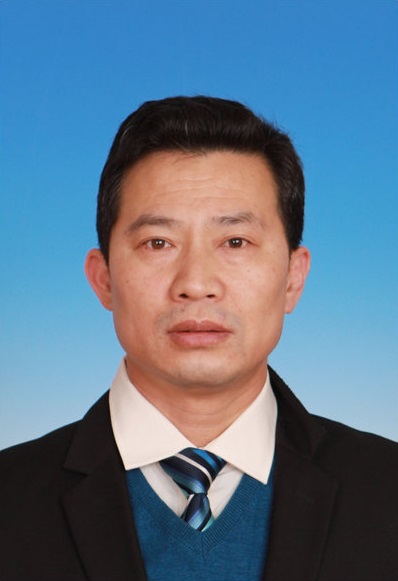 Zhanliang Tao (陶占良)合作论文数College of Chemistry, Nankai University19
 Fangyi Cheng (程方益)合作论文数Applied Chemistry and Engineering Research Institute, College of Chemistry, Nankai University15
 Shuang Zhao合作论文数10
 Kunfeng Li合作论文数9Zhifang Fei合作论文数9Zichun Yang合作论文数8
 Haixia Li (李海霞)合作论文数College of Chemistry, Nankai University7Guobing Chen合作论文数7Zhen Zhang合作论文数6Yong Lu合作论文数Nankai Univ, Coll Chem, Renewable Energy Convers & Storage Ctr RECAST, Key Lab Adv Energy Mat Chem,Minist Educ, Tianjin 300071, Peoples R China6
 Kai Zhang (张凯)合作论文数Applied Chemistry and Engineering Research Institute, College of Chemistry, Nankai University5
 Qing Zhao (赵庆)合作论文数College of Chemistry, Nankai University5
 Youxuan Ni (倪优璇)合作论文数College of Chemistry, Nankai University4
 Tianran Zhang (张天然)合作论文数College of Materials Science and Opto-Electronic Techonolgy, University of Chinese Academy of Science4Feiyue Yang合作论文数4
 Huakun Liu (刘化鹍)合作论文数Institute for Superconducting and Electronic Materials, Australian Institute of Innovative Materials, University of Wollongong;Institute of Energy Materials Science, University of Shanghai for Science and Technology4
 Xiangqin Lin (林祥钦)合作论文数Laboratory of Xiang-qin Lin, Department of Chemistry, School of Chemistry and Materials Science, University of Science and Technology of China4
 Yongchang Liu (刘永畅)合作论文数Institute for Advanced Materials and Technology, University of Science and Technology Beijing4
 Zhiqiang Niu (牛志强)合作论文数College of Chemistry, Nankai University4Shaoyan Zhang合作论文数School of Informatics, University of Bradford4Ruimin Sun合作论文数4Huanju Meng合作论文数3Xiaohua Li合作论文数3
 Zhenhua Yan合作论文数Key Laboratory of Advanced Energy Materials Chemistry (Ministry of Education),, Nankai University3Jie Zheng合作论文数3
 Zhenghua Yan (严振华)合作论文数College of Chemistry, Nankai University3Kaixiang Lei (雷凯翔)合作论文数School of Materials Science and Engineering, Hebei University of Technology3
 Xiaopeng Han (韩晓鹏)合作论文数School of Materials Science and Engineering, Tianjin University3
 Lifang Jiao (焦丽芳)合作论文数Applied Chemistry and Engineering Research Institute, College of Chemistry, Nankai University3Nobuhiro Kuriyama合作论文数National Institute of Advanced Industrial Science and Technology3
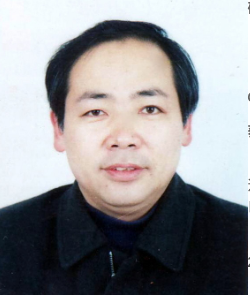 Zhi-Lin Wang (王志林)合作论文数School of Chemistry and Chemical Engineering, Nanjing University3
 Fujun Li (李福军)合作论文数College of Chemistry, Nankai University3Shuqing Wang合作论文数3
 Huan Wang (王欢)合作论文数Department of Chemistry and Chemical Engineering, School of Chemistry and Chemical Engineering, Nanjing University3Tetsuo Sakai合作论文数3Yunshi Zhang合作论文数3Hiroyuki T. Takeshita合作论文数3
 Yuxiang Hu (胡宇翔)合作论文数Beijing University of Technology3Huilong Shao合作论文数2Haoxiang Sun合作论文数2Xinlong Fan合作论文数2Long Shang合作论文数2Tianhang Wang合作论文数2Boning Wang合作论文数2Zhou Pengfei合作论文数2Lichun Wang合作论文数2Faxing Shi合作论文数2




