In T-cell acute lymphoblastic leukemia (T-ALL), Notch variants are the most common oncogenic mutations, but clinical trials showed excessive toxicity of pan-Notch inhibitors. In response, we refocused to ETS1, which we and others previously showed is the top transcription factor that most frequently co-binds Notch-occupied elements in T-ALL. Here, we performed an unbiased genome-wide CRISPR-interference screen of the strongest ETS1-dependent enhancers. The #2 ranked element was the Notch-MYC enhancer (N-Me). The #1 ranked element was a +140kb Notch-bound enhancer interacting with the MYB promoter that we named the “ETS-MYB enhancer” or E-Me. MYB is an oncogene across all T-ALL subgroups. Chromatin profiling showed that the E-Me is highly active and accessible in hematopoietic stem cells (HSCs) and then silenced during differentiation. In contrast, the E-Me is highly active in Notch-type T-ALL. Therefore, we hypothesized that the E-Me is a HSC enhancer that is reactivated in T-ALL cells to drive MYB expression and promote population cell growth. To test this, we first determined the physiological role of the E-Me in hematopoietic cells using a novel E-Me conditional knockout mouse. E-Me deletion reduced Myb expression in HSCs 2-fold and increased absolute numbers 2.1-fold, whereas other hematopoietic populations were minimally affected. E-Me-deficient HSCs were defective as they reconstituted poorly in serial competitive bone marrow transplants and were depleted 6.2-fold in aged mice. Lastly, germline E-Me inactivation had no long-term effects on mouse weight or survival. These data suggest that the E-Me has limited function in committed T-cell progenitors and normal physiology but is important for HSC long-term self-renewal. We next wanted to examine E-Me function in murine and human T-ALL leukemogenesis. To do this, we first generated Notch-induced and Lmo2-induced T-ALL mouse models. E-Me deletion during initiation or maintenance reduced blast counts 38-to-105 fold and significantly prolonged survival. Next, we transduced E-Me sgRNAs into human T-ALL cell lines, which suppressed MYB expression 3.3-to-5.3-fold and inhibited cell proliferation 17-to-113-fold. These results indicate that the E-Me has major importance in murine and human leukemic cell growth and MYB induction. Following this, we wanted to understand how ETS1 induces E-Me activity. We first performed HOMER analysis of the E-Me and identified a single conserved ETS1-binding motif. Mutating this site decreased pulldown of ETS1 but no other transcription factor in reverse ChIP mass spectrometry and abrogated E-Me activity in reporter assays. In contrast, Notch inhibitors had no effect. Next, we generated a mouse model with mutation of the ETS1 site. Sequencing of ETS1 ChIP pulldowns confirmed the inability of ETS1 to bind the mutated motif. These mutant mice showed no significant alterations during steady state thymopoiesis but had impaired T-cell regeneration after sublethal irradiation. Dual reverse ChIP and co-IP mass spectrometry screens in a T-ALL cell line identified cBAF, a chromatin remodeling complex, as a top ranked ETS1 cofactor that is recruited to the E-Me. To confirm this, we genetically degraded ETS1 and found 2.5-fold reduced cBAF occupancy, 3.2-fold reduced H3K27ac signals, and 4.9-fold reduced ATAC-seq signals at the E-Me. ETS1 deprivation also reduced occupancy of Notch-associated transcriptional regulators. Lastly, AU-15330, a PROTAC degrader of cBAF, impaired E-Me H3K27ac signals 2.1-11.1-fold and reduced MYB protein levels 2.3-9.7-fold. These data suggest that ETS1 recruits cBAF after transformation to promote chromatin accessibility at the E-Me. There is an unmet need to identify the most important oncogenic enhancers and find ways to safely eject transcription factors bound to these elements as potential therapies. In addressing this, our unbiased screen revealed the top importance of a stem cell enhancer, the E-Me, which was ranked higher than the N-Me. We also suggest ways to inactivate the E-Me with cBAF and ETS1 degraders, which mouse studies predict would be safer than pan-Notch or pan-MYB inhibition. Finally, the literature provides ample examples of Notch having a central role in T-ALL. In contrast, we identify a top-ranked oncogenic enhancer that is independent of Notch but requires ETS1 to remodel chromatin to enable transcription factor complex assembly and function.
Regulatory T (T-reg) cells play crucial roles in suppressing deleterious immune response. Here, we investigate how T-reg cells are mechanistically induced in vitro (iT(reg)) and stabilized via transcriptional regulation of T-reg lineage-specifying factor Foxp3. We find that acetylation of histone tails at the Foxp3 promoter is required for inducing Foxp3 transcription. Upon induction, histone acetylation signals via bromodomain-containing proteins, particularly targets of inhibitor JQ1, and sustains Foxp3 transcription via a global or trans effect. Subsequently, Tet-mediated DNA demethylation of Foxp3 cis-regulatory elements, mainly enhancer CNS2, increases chromatin accessibility and protein binding, stabilizing Foxp3 transcription and obviating the need for the histone acetylation signal. These processes transform stochastic iT(reg) induction into a stable cell fate, with the former sensitive and the latter resistant to genetic and environmental perturbations. Thus, sequential histone acetylation and DNA demethylation in Foxp3 induction and maintenance reflect stepwise mechanical switches governing iT(reg) cell lineage specification.
Notch activation is highly prevalent among cancers, in particular T-cell acute lymphoblastic leukemia (T-ALL). However, the use of pan-Notch inhibitors to treat cancers has been hampered by adverse effects, particularly intestinal toxicities. To circumvent this barrier in T-ALL, we aimed to inhibit ETS1, a developmentally important T-cell transcription factor previously shown to cobind Notch response elements. Using complementary genetic approaches in mouse models, we show that ablation of Etsl leads to strong Notch-mediated suppressive effects on T-cell development and leukemogenesis but milder intestinal effects than pan-Notch inhibitors. Mechanistically, genome-wide chromatin profiling studies demonstrate that Etsl inactivation impairs recruitment of multiple Notch-associated factors and Notch-dependent activation of transcriptional elements controlling major Notch-driven oncogenic effector pathways. These results uncover previously unrecognized hierarchical heterogeneity of Notch-controlled genes and point to Etsl-mediated enucleation of Notch-Rbpj transcriptional complexes as a target for developing specific anti-Notch therapies in T-ALL that circumvent the barriers of pan-Notch inhibition. SIGNIFICANCE: Notch signaling controls developmentally important and tissue-specific activities, raising barriers for developing anti-Notch therapies. Pivoting away from pan-Notch inhibitors, we show antileukemic but less toxic effects of targeting ETS1, a T-cell NOTCH1 cofactor. These results demonstrate the feasibility of context-dependent suppression of NOTCH1 programs for the treatment of T-ALL.
Notch1 signaling must elevate to high levels in order to drive the proliferation of CD4-CD8- double-negative (DN) thymocytes and progression to the CD4+CD8+ double-positive (DP) stage through β-selection. During this critical phase of pre-T-cell development, which is also known as the DN-DP transition, it is unclear whether the Notch1 transcriptional complex strengthens its signal output as a discrete unit or through cofactors. We previously showed that the protein inhibitor of activated STAT-like coactivator Zmiz1 is a context-dependent cofactor of Notch1 in T-cell leukemia. We also showed that withdrawal of Zmiz1 generated an early T-lineage progenitor (ETP) defect. Here, we show that this early defect seems inconsistent with loss-of-Notch1 function. In contrast, at the later pre-T-cell stage, withdrawal of Zmiz1 impaired the DN-DP transition by inhibiting proliferation, like withdrawal of Notch. In pre-T cells, but not ETPs, Zmiz1 cooperatively regulated Notch1 target genes Hes1, Lef1, and Myc. Enforced expression of either activated Notch1 or Myc partially rescued the Zmiz1-deficient DN-DP defect. We identified residues in the tetratricopeptide repeat (TPR) domain of Zmiz1 that bind Notch1. Mutating only a single residue impaired the Zmiz1-Notch1 interaction, Myc induction, the DN-DP transition, and leukemic proliferation. Similar effects were seen using a dominant-negative TPR protein. Our studies identify stage-specific roles of Zmiz1. Zmiz1 is a context-specific cofactor for Notch1 during Notch/Myc-dependent thymocyte proliferation, whether normal or malignant. Finally, we highlight a vulnerability in leukemic cells that originated from a developmentally important Zmiz1-Notch1 interaction that is hijacked during transformation from normal pre-T cells.
The discovery of NOTCH1 as the most frequently mutated oncogene in T-ALL patients raised hopes for targeted therapy in this cancer. Unfortunately, in clinical trials, the pan-Notch inhibitor GSI caused excessive GI toxicity. Mice treated continuously with GSI die from intestinal stem cell loss and severe intestinal secretory cell metaplasia. Intermittent dosing of GSI is tolerable, but has weak anti-cancer effects. Thus, the challenge has been to find ways to selectively disable Notch in T-ALL. Our idea to meet this challenge stems from work by others showing that Notch cannot activate enhancers by itself. Notch requires a favorable "chromatin context" at its enhancers that is created by cooperating transcription factors. In theory, one could target cell-specific factors at these enhancers in order to avoid the intolerable effects of pan-Notch inhibition. In support of this, others showed that ubiquitous deletion of the T-cell specific Notch-dependent Myc enhancer in mice impairs T-ALL proliferation and thymopoiesis, but has no effect on other tissues. We previously showed that the transcriptional coactivator Zmiz1 is a direct cofactor of Notch1 that selectively promotes Notch activity at the T-cell Myc enhancer. However, it was unclear what other factors promote context-dependent Notch activity. Ets1 is an attractive candidate. It can bind nucleosome-occupied regions in T-cell precursors and most Notch response elements in T-ALL cells, including the T-cell MYC enhancer. To investigate its importance, we generated conditional Ets1 knockout mice. Deletion of Ets1 in hematopoietic cells using the VavCre transgene caused a 21-fold loss of thymocytes starting at the earliest stage. This was 4-fold more severe than the loss of thymocytes in Notch-deficient mice. Deletion of Ets1 using a ubiquitous tamoxifen-inducible Cre caused a Notch loss-of-function phenotype in the intestine with a 1.4 to 2.3-fold increase in goblet cells. This was milder than the effects of GSI (3.3 to 4.2-fold increase). ~64% of the Ets1-deleted mice died from unclear causes. In vivo deletion of Ets1 in Notch1-induced murine T-ALLs reduced blast counts by 30-fold and prolonged survival. In a panel of human T-ALL cell lines, on average, knockdown with two different shEts1 reduced proliferation by 2 and 9-fold respectively over ~1.5 weeks of culture. This was superior to the effects of GSI (up to 2-fold inhibition). A small molecule inhibitor of Usp9x, the deubiquitinase of Ets1, induced Ets1 protein degradation and impaired T-ALL cell proliferation with submicromolar GI50. In PDX models, shEts1 reduced circulating blasts by 44-fold and prolonged survival. To identify the mechanism by which Ets1 promotes T-ALL, we performed endogenous co-IP assays, which showed that Ets1 interacts with Notch1 and its cofactor Zmiz1. Further, Ets1 binding by ChIP correlated with Zmiz1 binding (R2=0.93). Knockdown of Ets1 reduced Zmiz1, Ets1, and Notch1 binding to enhancers of major T-ALL oncogenes, MYC and IL7R. RNA-Seq showed that Ets1 co-regulates the expression of ~30% of Notch1 target genes. Multiple MSigDB enrichment analyses of both Ets1 and Notch-regulated genes showed that the MYC and MTORC pathways were the #1 or #2 most enriched list. Enforced expression of Myc partially rescued the proliferation of human T-ALL cell lines deprived of Ets1. Based on these data, we predicted that Ets1 inhibition would sensitize enhancers to Notch inhibition. Accordingly, Ets1 withdrawal promoted the effects of GSI in repressing Myc expression and cell proliferation. Further, in our mouse model of Notch-induced T-ALL, Ets1 deletion in combination with intermittent doses of GSI reduced blast counts and prolonged survival more effectively than either treatment alone. Our data support an emerging model in which cofactors like Ets1 create a favorable chromatin context for Notch1 to activate a subset of response elements. The context dependence of Ets1 action, which promotes certain oncogenic signals of Notch1 in T cells, might be clinically relevant. Ets1 deprivation inhibited thymopoiesis and leukemic proliferation more effectively and with less intestinal toxicity than Notch deprivation. Our data suggest that inhibiting Ets1, possibly through targeted protein degradation, would combat important drivers of the Notch pathway with reduced adverse effects linked to pan-Notch inhibition. No relevant conflicts of interest to declare.
 R Kuick合作论文数3Anna C McCarter合作论文数3Qing Wang合作论文数Department of Internal Medicine, University of Michigan School of Medicine3Yiran Liu合作论文数3
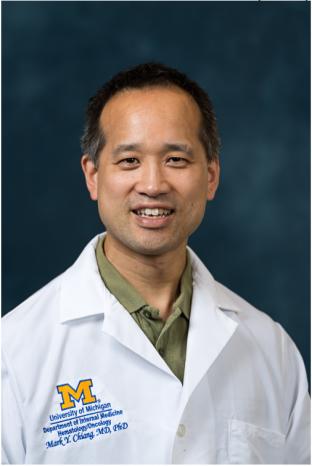 Mark Chiang合作论文数University of Michigan Cancer Center;Hematology/Oncology Division, Medical School, University of Michigan3
 Yan Ran合作论文数Departments of Biological Sciences, Wright State University3Amparo Serna Alarcon合作论文数2Erin Kim合作论文数2
 Russell JH. Ryan合作论文数Department of Pathology, Medical School, University of Michigan2
 Linda C. Samuelson合作论文数Division of Gastroenterology, Medical School, University of Michigan;Center for Cell Plasticity and Organ Design, Medical School, University of Michigan;Department of Molecular & Integrative Physiology, Medical School, University of Michigan2
 Michael Ostrowski合作论文数Biochemistry & Molecular Biology Department, College of Medicine, Medical University of South Carolina2Ashley Melnick合作论文数1Trevor Cunningham合作论文数1Ivy Tran合作论文数1Nancy Pinnell合作论文数1Richard Cross合作论文数1Nicholas Kunnath合作论文数1
 Rohan Kodgule合作论文数Sch Med, Washington Univ1
 Yiping Fan合作论文数Center for Applied Bioinformatics, St. Jude Children’s Research Hospital1
 Yitong Chen合作论文数1
 Yongqiang Feng合作论文数Howard Hughes Medical Institute, Chevy Chase, MD, USA1
 Tomasz Cierpicki合作论文数Biophysics, College of Literature, Science, and the Arts, University of Michigan-Ann Arbor1
 Arvind Rao合作论文数Department of Biomedical Engineering, College of Engineering, University of Michigan-Ann Arbor1
 Ivan P. Maillard合作论文数Division of Hematology and Oncology, Department of Medicine, Perelman School of Medicine, University of Pennsylvania1
 Adolfo Ferrando合作论文数Irving Cancer Research Center, Columbia University1
 Beisi Xu合作论文数1Zong Xinying合作论文数Department of Cell and Developmental Biology, University of Illinois at Urbana-Champaign1
 Qingqing Wu (武庆庆)合作论文数School of Integrated Circuits, Shanghai Jiao Tong University1
 Barbara Lynne Kee合作论文数University of Chicago Biosciences1Sun Mengxi合作论文数School of Pharmacy, University of Kansas1
 Jun Li (李军)合作论文数School of Medicine(Shenzhen), Sun Yat-sen University1
 Minghong He (何鸣鸿)合作论文数National Natural Science Foundation of China1
 Catherine Chang合作论文数University of California San Francisco San Francisco1
 Moshe Talpaz合作论文数Division of Hematology Oncology, Department of Internal Medicine, University of Michigan1Luke F. Peterson合作论文数1Giusy Della Gatta合作论文数Telethon Institute of Genetics and Medicine1Theresa M. Keeley合作论文数1
 Alberto Ambesi-Impiombato合作论文数PsychoGenics1
 Doug Engel合作论文数Medical School, University of Michigan1
 Jacob H. Hanna合作论文数Jacob Hanna Lab, Department of Molecular Genetics, Weizmann Institute of Science;Renewal Bio1Chia-Jui Ku合作论文数1




