Patients with chronic lymphocytic leukemia (CLL) experience variable clinical course and duration of therapeutic response. While prior studies have shown that specific genetic drivers can shape leukemia growth kinetics and influence the natural course of CLL, the longitudinal patterns and genetic determinants of clonal evolution underlying response and resistance to time-limited therapies are not fully defined. To address this, we performed longitudinal analyses of 107 patients treated with time-limited frontline CLL therapies, either chemotherapy or chemoimmunotherapy (CIT, n=62), or fixed-duration venetoclax-obinutuzumab (VO, n=30) or ibrutinib-venetoclax (IV, n=15). We combined quarterly monitoring of measurable residual disease (MRD) levels with genetic characterization of CLL from blood samples collected serially before and during therapy, at MRD sampling time points after therapy, and at clinical relapse. A median of 6 samples were genetically characterized per patient (range 4 to 15), including a median of 4 post-therapy MRD samples (range 2-11). Genetic analysis of MRD samples was carried out using ultra-deep, patient-specific targeted sequencing focusing on mutations representing distinct subclones of each CLL. Subclones were defined based on branches of the phylogenetic tree inferred using PhylogicNDT from paired pretreatment and relapse whole-exome sequencing data. Altogether, 3058 baits capturing subclone-specific mutations (median 6 baits/subclone) were deployed to track 561 subclones (median 5 subclones/CLL) across intervening MRD time points. We used duplex sequencing to reduce sequencing errors at MRD time points and obtained an average duplex depth of 2870x (range 156-5181x) (~110,000x raw depth) per sample, with individual variants reaching duplex depths >10,000x allowing detection of subclones with cancer cell fractions (CCF) of ≥10% at MRD ≥4 x 10⁻³. We integrated serial white blood cell counts, MRD and clone-specific CCF data and applied the Markov Chain Monte Carlo method to model decay and repopulation rates of each subclone during and after therapy, respectively. Overall, we discerned 4 archetypes of clonal dynamics present across the CIT and VO cohorts. Archetypes 1-3 were eachmarkedby the outgrowth of a particular subclone while on therapy, consistent with their relative insensitivity to treatment, but differed with respect to the post-therapy repopulation kinetics of the therapy-insensitive subclone relative to other subclones. For Archetype 1 (26% CIT; 33% VO), the therapy-insensitive subclone remained stably dominant after therapy and was the sole basis of CLL relapse. While chemoresistant subclones typically harbored mutations in canonical CLL driver genes (primarily TP53, ATM, SF3B1, POT1, CHEK2, SAMHD1, IKZF3 and DIS3), therapy-insensitive subclones in VO-treated cases exhibited greater genetic heterogeneity, encompassing mutations in CLL drivers such as SPEN and ARID1A,mutations in cancer drivers not recurrently seen in CLL, and copy-number events. Archetype 2 (35% CIT; 48% VO) was marked by the continued expansion of the therapy-insensitive subclone, reflecting its accelerated regrowth kinetics relative to other subclones. After CIT, these subclones typically harbored chemoresistance-conferring mutations, while after VO, repopulating subclones were genetically diverse and carried mutations in such genes as NFKBIE, SPEN, NOTCH1, BIRC3, MGA, DYRK1A and RFX7. In contrast, Archetype 3 (21% CIT; 14% VO) was typified by the initial therapy-insensitive subclone being outcompeted by more therapy-sensitive ones that rapidly regrew, driving relapse. For example, in 3 of 5 patients where TP53-, ATM-, or SF3B1-mutant subclones were relatively sensitive to VO, CLL relapse coincided with preferential post-therapy expansion of these subclones, in line with their fitness advantage during disease progression. Finally, Archetype 4, observed predominantly in CIT-treated patients (18% CIT; 5% VO), featured emergence and expansion of novel subclones post-therapy, presumably induced by new mutation events, that were undetectable at the time of treatment initiation. Analysis of the IV cohort is in progress. Collectively, these archetypes delineate the diverse evolutionary trajectories that CLL subclones can follow post-therapy, providing a framework for understanding CLL relapse and guide strategies to anticipate clonal evolution, counteract subclonal selection, and ultimately prevent relapse.
Immune checkpoint blockade (ICB) therapy has shown promising activity in Richter Transformation (RT), yet the tumor microenvironmental (TME) determinants of response and resistance to this therapy remain incompletely defined. Our previous single-cell RNA sequencing (scRNA-seq)-based analysis of splenocytes from CLL and RT mouse models identified enrichment in CD8+ effector/exhausted and CD4+ cytotoxic T cells, together with CXCL9/10+ pro-inflammatory macrophages, as a characteristic of most RT cases. The deeper characterization and the functional activities of these candidate cell populations, however, have not yet been elucidated. Consistent with human disease, we identified overall higher tumor mutational burden (measured by whole-genome sequencing of sorted B-cell splenocytes) from our mouse models of RT (n=11) compared to CLL (n=4) (p=0.04, Wilcoxon rank sum test), accompanied by computational prediction of neoantigens. To investigate the potential of CD8+ and CD4+ PD1+ T cells to become activated, we measured ex vivo intracellular staining of effector molecules by flow cytometry after PMA/Ionomycin stimulation. This revealed an increase in granzyme B (GZMB)+, tumor necrosis factor alpha (TNFα)+, interferon gamma (IFNγ)+, GZMB+IFNγ+, and triple positive (GZMB+ TNFα+IFNγ+) CD8+ and CD4+ PD1+ T cells in RT compared to CLL (CD8+: padj<0.024, Wilcoxon rank-sum test + FDR), indicating a higher cytotoxic potential of RT-T cells. To more directly assess T-cell cytotoxic capacity, we performed co-culture assays using flow-cytometrically sorted CLL (n=4) and RT (n=4) tumor cells with autologous CD4+ or CD8+ T cells, and measured tumor cell viability following 24 hours of in vitro co-culture in presence of IL-2. Of note, RT tumor cells displayed reduced viability when co-cultured with their corresponding CD4+ and CD8+ T cells (p<0.007, t-test), while CLL instead showed increased viability in the presence of T cells (p<0.016, t-test). To further identify determinants of response to ICB, we exposed 4 genetically distinct RT mouse models to anti-PD-1 monotherapy (or isotype control treatment, n=5-6 mice/group) for 3 weeks, yielding 2 responders (R), one mixed responder (MR) and one non-responder (NR). scRNA-seq combined with non-negative matrix factorization revealed reduced T-cell exhaustion in R mouse models after treatment, manifesting as reduced expression of Ifng (p<0.004, t-test) and signatures of exhaustion and inflammatory signaling (p<0.014, t-test) compared to baseline. These results were validated by flow cytometry, in which a reduction of CD8+ and exhausted T cells after ICB treatment (p<0.015, t-test) were detected compared to isotype-treated groups. Notably, ex vivo killing assays showed an improved capacity of CD4+ and CD8+ T cells from both R lines to kill tumor cells in vitro compared to T cells from NR or MR models (p<0.0001, ANOVA). Immunofluorescence staining of the spleens from the R vs. NR mouse models revealed the former had a more conserved spleen structure with separated red and white pulp, while the latter had intermixed red and white pulp and only weak remnants of T-cell zones visible. Consistently, we observed an enrichment of migratory cell markers in cytotoxic T cells (p<0.046, t-test), and a more diverse T-cell clonal repertoire in R compared to NR (padj = 0.025, ANOVA), suggesting preserved migratory T-cell capacity in R models. To confirm the relevance of our results to human RT, we examined pre-treatment lymph node (LN) biopsies from 4 patients [2R, 1 partial responder (PR), and 1 NR] enrolled in the phase II RT1 clinical trial using the anti-PD-1 agent tislelizumab combined with the BTK inhibitor zanubrutinib by spatial transcriptomics (Visium HD, 10X genomics). This analysis revealed a relatively lower ratio of tumor cell burden to aggregates of immune cells (primarily T cells and macrophages) in R compared to NR cases.Overall, these findings indicate that preserved spleen structure and residual nodal immune aggregates along with more functional cytotoxic T cells are important for response to ICB in RT. We are currently validating this effect in additional human samples from the RT1 clinical trial using multiplex immunofluorescence staining, and investigating molecular pathways associated with these differences between responders and non-responders. We foresee that these insights into determinants of response in RT may also be relevant for other lymphomas and for other RT immunotherapies.
Neuroimmune interactions play a significant role in regulating synaptic plasticity in both the healthy and diseased brain. The complement pathway, an extracellular proteolytic cascade, exemplifies these interactions. Its activation triggers microglia-dependent synaptic elimination via the complement receptor 3 (CR3). Current models of pathological complement activity in the brain propose that accelerated synaptic loss resulting from overexpression of C4 (C4-OE), a gene associated with schizophrenia, follows this pathway. Here, we report that C4-mediated cortical hypoconnectivity is CR3-independent. Instead, C4-OE triggers impaired GluR1 trafficking through an intracellular mechanism involving the endosomal protein SNX27, resulting in pathological synaptic loss. Moreover, C4 circuit alterations in the prefrontal cortex, a brain region associated with neuropsychiatric disorders, were rescued by increasing neuronal levels of SNX27, which we identify as an interacting partner of this neuroimmune protein. Our results link excessive complement activity to an intracellular endo-lysosomal trafficking pathway altering synaptic plasticity.
Richter syndrome (RS) displays dismal prognosis and remains largely refractory to most existing therapies. Immune checkpoint blockade (ICB) and bi-specific antibodies have shown promising activity, yet determinants of response and resistance to these immunotherapies remain incompletely understood. We leveraged our previously developed mouse models of RS, achieved via CRISPR-Cas9 gene editing of combinatorial loss-of-function drivers in immune competent mice, to interrogate microenvironmental determinants of disease transformation and response to therapy. We profiled immune cells from the spleen of 18 primary murine tumors displaying either CLL (n=4), CLL/RS (n=3) or RS (n=11) histology by sc-RNAseq. Analysis of a total of 104,731 T/NK cells revealed pronounced changes in the CD4+ and CD8+ T cell compartment, with CD8+ effector/exhausted T cells and CD4+ cytotoxic cells as the predominant subsets in RS compared to CLL (pAdj<0.038). Flow cytometric analysis of an independent set of 17 cases (5 CLL, 3 CLL/RS, 9 RS) confirmed increased CD8/CD4 T cell ratio as typical of RS (p=0.008), together with abundant effector/memory CD8+ T cell subsets expressing high PD-1 and TOX levels (p=0.001). Enrichment in cytotoxic/exhausted CD8+ T cells in RS was validated in bulk external RNA-seq data from 34 human RS lymph node (LN) samples and 34 CLL-LNs using a gene score based on human orthologs of 13 genes derived from the mouse data (p=0.0023). Importantly, ex vivo stimulation of murine splenocytes (5 CLL, 6 RS) with PMA/ionomycin showed marked secretion of IFNg, TNFa and Granzyme B in PD-1+ CD8+ T cells from RS cases (p<0.02 for all combinations). In contrast, CLL CD8+ PD-1+ T cells only showed induction of TNFa. TCR-seq revealed pronounced clonal expansion in RS compared to CLL (Shannon index p=0.008), indicative of chronic antigenic stimulation in RS. The myeloid/monocytic compartment (41,956 cells) displayed more stability at transformation, aside from new enrichment of CXCL9+/CXCL10+ macrophages in RS compared to CLL (pAdj=0.093). This population displayed features of inflammatory M1 cells, including high expression of H2-Ab1 (class II), Cd274 (PD-L1), Cd40, Stat1, and Cd86. Flow cytometric analysis confirmed increased abundance of CXCL9+ macrophages in splenic preparations from RS compared to CLL mice (p= 0.007), and signatures extracted from CXCL9+ macrophages were validated as enriched in bulk RNA-seq from human RS cohorts (p<0.0001). Importantly, proportional levels of CXCL9+ macrophages correlated with those of CD8+ exhausted T cells (Pearson r= 0.69, p<0.0001). Numerous related ligand-receptor pairs, including PD-1/PD-L1, were significantly enriched in RS compared to CLL per the Liana algorithm. Physical proximity of IFNG, GZMB, and CD3D expressing cells, representing cytotoxic T cells, to CXCL9 and CD68 expressing cells, representing CXCL9/10+ macrophages (Moran's R > 0.1), was evident in one RS-LN analyzed by 10X Visium. To interrogate determinants of response/resistance to ICB therapy, we treated 4 different RS tumor models (achieved by transplantation of RS primary tumors into syngeneic immune competent recipients) and one CLL for 3 weeks with an anti-PD-1 monoclonal antibody (or isotype control) and analyzed changes in immune microenvironmental features at the end of treatment by combined scRNA-seq and flow cytometry. While CLL transplants remained insensitive to therapy, we observed a range of responses in the RS models, from non-response (1 line) to partial response (1 line) to marked response to treatment (2 lines). Importantly, responding cases showed lower tumor burden in spleen at euthanasia, higher PD-1 or PD-L1 tumor expression before treatment (p<0.001), and increased baseline (or post-treatment) polyfunctionality of CD8+ PD-1+ T cells. Complete tumor regression in one of the RS lines was accompanied by loss of CXCL9+ macrophages (p=0.001) and CD8+ PD-1+ T cells (p=0.0002), suggesting that tumor-intrinsic features favor retention of these subpopulations prior to therapy. Overall, these data suggest key changes in immune microenvironmental features of RS compared to CLL, which associate to response to ICB in mice. Analysis of spatial datasets from LN of RS patients treated with ICB is ongoing to evaluate whether these features associate to response in humans, together with further investigation of their relevance to outcome through in vivo depletion experiments.
Successful muscle regeneration relies on the interplay of multiple cell populations. However, the signals required for this coordinated intercellular crosstalk remain largely unknown. Here, we describe how the Hedgehog (Hh) signaling pathway controls the fate of fibro/adipogenic progenitors (FAPs), the cellular origin of intramuscular fat (IMAT) and fibrotic scar tissue. Using conditional mutagenesis and pharmacological Hh modulators in vivo and in vitro, we identify DHH as the key ligand that acts as a potent adipogenic brake by preventing the adipogenic differentiation of FAPs. Hh signaling also impacts muscle regeneration, albeit indirectly through induction of myogenic factors in FAPs. Our results also indicate that ectopic and sustained Hh activation forces FAPs to adopt a fibrogenic fate resulting in widespread fibrosis. In this work, we reveal crucial post-developmental functions of Hh signaling in balancing tissue regeneration and fatty fibrosis. Moreover, they provide the exciting possibility that mis-regulation of the Hh pathway with age and disease could be a major driver of pathological IMAT formation.
Richter syndrome (RS) arising from chronic lymphocytic leukemia (CLL) exemplifies an aggressive malignancy that develops from an indolent neoplasm. To decipher the genetics underlying this transformation, we computationally deconvoluted admixtures of CLL and RS cells from 52 patients with RS, evaluating paired CLL-RS whole-exome sequencing data. We discovered RS-specific somatic driver mutations (including IRF2BP2, SRSF1, B2M, DNMT3A and CCND3), recurrent copy-number alterations beyond del(9p21)(CDKN2A/B), whole-genome duplication and chromothripsis, which were confirmed in 45 independent RS cases and in an external set of RS whole genomes. Through unsupervised clustering, clonally related RS was largely distinct from diffuse large B cell lymphoma. We distinguished pathways that were dysregulated in RS versus CLL, and detected clonal evolution of transformation at single-cell resolution, identifying intermediate cell states. Our study defines distinct molecular subtypes of RS and highlights cell-free DNA analysis as a potential tool for early diagnosis and monitoring.
Background: Intestinal nutrient sensing regulates food intake and energy metabolism by acting locally and relaying nutritional status to the brain. It is unclear whether these mechanisms are altered in obese humans. Objectives: We aimed to investigate differences in duodenal nutrient sensing in humans with or without obesity and the effects of transiently blocking vagal transmission on nutrient sensing, hunger, and appetite.Methods: In a single-blinded, randomized, cross-over design, subjects with or without obesity (n = 14 and n = 11, respectively) were infused intraduodenally with saline or a combination of glucose and oleic acid for 90 min (glucose load: 22.5 g, 1 kcal/min; oleic acid load: 10 g, 1 kcal/min) in the presence or absence of local anesthetic (benzocaine). Blood was sampled at 10-min intervals (120-240 min) and 15-min intervals until termination of the study for measurements of gut hormones, insulin, leptin, and C-peptide. Hunger and satiety sensations were scored using the visual analog scale, and hepatic glucose production and glucose oxidation rates were measured. Results: Duodenal nutrient infusion in lean subjects led to a 65% drop in acyl ghrelin release and robustly increased cholecystokinin 8 (CCK-8) release (65%; P = 0.023); benzocaine infusion delayed this response (2-factor repeated-measures analysis of variance, P = 0.0065). In contrast, subjects with obesity had significantly blunted response to nutrient infusion, and no further effects were observed with benzocaine. Additionally, significant delays were observed in peptide YY (3-36), pancreatic polypeptide, glucose inhibitory peptide, and glucagon-like peptide 1 (7-36) response. No significant interactions were found between body mass index (BMI) or baseline hormone levels and areas under the curve for hormones except CCK-8 (BMI, P = 0.018; baseline CCK, P = 0.013). Nutrient-induced hunger and satiety sensations were impeded by benzocaine only in the lean cohort. Hunger and satiety sensations in subjects with obesity were not responsive to nutrient entry into the duodenum, and no additional effects were observed by blocking neural signaling. Conclusion: Nutrient-induced gut hormone release and response to transient vagal blockade are significantly blunted in subjects with obesity. This trial was registered at clinicaltrials.org as NCT02537314.
Unlike many other hematologic malignancies, Richter syndrome (RS), an aggressive B cell lymphoma originating from indolent chronic lymphocytic leukemia, is responsive to PD-1 blockade. To discover the determinants of response, we analyze single-cell transcriptome data generated from 17 bone marrow samples longitudinally collected from 6 patients with RS. Response is associated with intermediate exhausted CD8 effector/effector memory T cells marked by high expression of the transcription factor ZNF683, determined to be evolving from stem-like memory cells and divergent from terminally exhausted cells. This signature overlaps with that of tumor-infiltrating populations from anti-PD-1 responsive solid tumors. ZNF683 is found to directly target key T cell genes (TCF7, LMO2, CD69) and impact pathways of T cell cytotoxicity and activation. Analysis of pre-treatment peripheral blood from 10 independent patients with RS treated with anti-PD-1, as well as patients with solid tumors treated with anti-PD-1, supports an association of ZNF683high T cells with response.
Richter syndrome (RS), an aggressive lymphoma that develops in patients with chronic lymphocytic leukemia (CLL), is a striking example of histologic transformation. While recent therapeutic advances have transformed the treatment landscape of CLL and lymphoma, RS remains associated with dismal overall survival. Despite an advanced genomic and molecular characterization of CLL over the past decade, the current understanding of the genetic factors driving evolution of CLL to RS is limited. To decipher the genetics underlying this transformation, we have performed an integrative analysis of exome, genome and transcriptome data generated from matched RS and CLL samples from a discovery cohort of 53 patients with newly diagnosed RS of DLBCL histology. Through computational deconvolution of CLL and RS clones, we constructed phylogenetic relationships and traced evolution of CLL to RS, confirming both clonal related (87%) and unrelated cases (13%). In addition to identifying recognized RS-risk genetic lesions, we discovered novel RS-specific alterations, including 5 putative somatic driver genes (IRF2BP2, SRSF1, B2M, DNMT3A and EZH2), frequent copy number alterations beyond del(9p21)(CDKN2A/B), (including amp(7q21.2) (CDK6), amp(9p24) (PDL1/L2), and amp(1q23)(MCL1)), and recurrent whole genome duplication and chromothripsis. Integration of exome and genome sequencing data led to the identification of distinct molecular subtypes of RS with prognostic importance. To confirm these molecular subtypes, a validation cohort of 47 RS cases has been assembled with paired exome and transcriptome data. To further investigate the stepwise clonal evolution of CLL to RS, we performed single-cell RNA-sequencing on biopsy samples obtained at diagnosis from 5 individuals with clonally related transformation. Using a novel tool, CNVSingle, we inferred allele specific single-cell copy number alterations that enabled identification of the single-cell clusters representing distinct CLL and RS genetic subclones as well as intermediate, or transitional, evolutionary states. RS cells displayed gene expression enriched in pathways of MYC targets and cell cycle, in line with similar analysis on bulk transcriptomes. Finally, by ultra-low pass (ULP)-WGS sequencing of plasma samples from RS patients, we demonstrate detection of RS tumor DNA in plasma months prior to initial clinical diagnosis (n=3 of 6) or post-allogeneic stem cell transplant relapse (n=2 of 2). cfDNA is thus a promising tool for early detection of emerging RS and RS relapse as well as for non-invasive detection surrounding diagnosis. Altogether, our study defines RS-specific alterations and provides a molecular definition of RS, identifies distinct genetic subtypes of RS with prognostic significance, traces the evolutionary path to RS and suggests future strategies for improved detection. Citation Format: Erin M Parry, Ignaty Leshchiner, Romain Guieze, Connor Johnson, Eugen Tausch, Sameer A Parikh, Camilla K Lemvigh, Conor Messer, Filippo Utro, Chaya Levovitz, Kahn Rhrissorrakrai, Matthew S Davids, Julien Broseus, Shuqiang Li, Ziao Lin, Binyamin A Knisbacher, Christof Schneider, Laura Z Rassenti, Thomas J Kipps, Nitin Jain, William Wierda, Florence Cymbalista, Neil E Kay, Kenneth J Livak, Brian P Danysh, Chip Stewart, Donna Neuberg, Jennifer R Brown, Laxmi Paridi, Stephan Stilgenbauer, Gaddy Getz, Catherine Wu. Evolutionary history of transformation from chronic lymphocytic leukemia to Richter syndrome [abstract]. In: Proceedings of the Third AACR International Meeting: Advances in Malignant Lymphoma: Maximizing the Basic-Translational Interface for Clinical Application; 2022 Jun 23-26; Boston, MA. Philadelphia (PA): AACR; Blood Cancer Discov 2022;3(5_Suppl):Abstract nr A13.
A hallmark of the anterior cingulate cortex (ACC) is its functional heterogeneity. Functional and imaging studies revealed its importance in the encoding of anxiety-related and social stimuli, but it is unknown how microcircuits within the ACC encode these distinct stimuli. One type of inhibitory interneuron, which is positive for vasoactive intestinal peptide (VIP), is known to modulate the activity of pyramidal cells in local microcircuits, but it is unknown whether VIP cells in the ACC (VIPACC) are engaged by particular contexts or stimuli. Additionally, recent studies demonstrated that neuronal representations in other cortical areas can change over time at the level of the individual neuron. However, it is not known whether stimulus representations in the ACC remain stable over time. Using in vivo Ca2+ imaging and miniscopes in freely behaving mice to monitor neuronal activity with cellular resolution, we identified individual VIPACC that preferentially activated to distinct stimuli across diverse tasks. Importantly, although the population-level activity of the VIPACC remained stable across trials, the stimulus-selectivity of individual interneurons changed rapidly. These findings demonstrate marked functional heterogeneity and instability within interneuron populations in the ACC. This work contributes to our understanding of how the cortex encodes information across diverse contexts and provides insight into the complexity of neural processes involved in anxiety and social behavior.
Richter’s syndrome (RS) arising from chronic lymphocytic leukemia (CLL) is a striking example of an aggressive malignant histology that emerges from indolent cancer. RS is a major barrier to disease control in CLL and is associated with poor clinical outcomes and limited survival. The genetic basis of RS is poorly understood, and its relationship to the antecedent CLL remains incompletely characterized. To study RS, we performed whole-exome sequencing (WES) on samples collected from 52 patients with RS of diffuse large B cell lymphoma (DLBCL) histology. For this genomic characterization, samples from 42 patients were analyzed as ‘trios’ (matched germline, CLL and RS tissue DNA) and those from 10 as ‘duos’ (matched CLL and RS DNA). Beyond addressing contamination of CLL DNA in the germline sample, we developed methods for discriminating between the RS and CLL clones which often coexist in the same samples. The discovery cohort revealed that RS and CLL were clonally-related in 45/52 (87%) cases based on WES analysis, with a distinct RS clone emerging from a CLL subclone. The remaining 13% were determined to be clonally unrelated. RS clones presented ~3x higher rates of additional mutations than the ancestral CLL clones from which they developed. We identified novel RS somatic driver mutations (in IRF2BP2, SRSF1, B2M, DNMT3A and others), a high rate of copy number variations with recurrent deletions (e.g., del(17p) [TP53], del(13q14.3), del(7q36), and del(15q13.11) [MGA], del(9p21.3) [CDKN2A/B], del(16q12.2)), focal amplifications (amp(7q21.2) [CDK6], amp(8q24.2) [RECQL4, MYC], amp(13q31.2) [ERCC5], and frequent whole genome duplication. To further investigate RS and CLL clonal evolution, we performed single-cell RNA-sequencing on biopsies at the time of RS diagnosis in 5 individuals with clonally related transformation. Using our novel tool, CNVSingle, we inferred allele specific single-cell copy number alterations, yielding cluster-specific copy number profiles that matched the WES results of individual subclones of the RS and CLL populations. This enabled mapping genetic clones to specific expression patterns. Finally, we devised and tested a methodology that uses cfDNA for early detection of emerging Richter’s disease and have successfully identified Richter‘s tumor DNA in the blood several months prior to the clinical diagnosis. Our study thus defines drivers, distinct molecular subtypes and evolutionary path to RS and suggests strategies for its improved detection. Citation Format: Erin M. Parry, Ignaty Leshchiner, Romain Guièze, Connor Johnson, Eugen Tausch, Sameer Parikh, Camilla Lemvigh, Conor Messer, Daniel Rosebrock, Filippo Utro, Chaya Levovitz, Kahn Rhrissorrakrai, Matthew Davids, Raquel A. Jacobs, Kara Slowik, Julien Broseus, Shanye Yin, Shuqiang Li, Geoff Fell, Ziao Lin, Binyamin A. Knisbacher, Neil Ruthen, Dimitri Livitz, Christof Schneider, Jialin Ma, Julian Hess, Laura Z. Rassenti, Thomas J. Kipps, Nitin Jain, William Wierda, Florence Cymbalista, Neil E. Kay, Kenneth J. Livak, Brian P. Danysh, Chip Stewart, Donna Neuberg, Jennifer R. Brown, Laxmi Parida, Stephan Stilgenbauer, Gad Getz, Catherine J. Wu. Evolutionary history of transformation from chronic lymphocytic leukemia to Richter’s syndrome [abstract]. In: Proceedings of the American Association for Cancer Research Annual Meeting 2022; 2022 Apr 8-13. Philadelphia (PA): AACR; Cancer Res 2022;82(12_Suppl):Abstract nr 4007.
Botulinum neurotoxin (available commercially as BOTOX®) has been used successfully for treatment of several neuromuscular disorders including blepharospasm, dystonia, spasticity, and cerebral palsy in children. Our data demonstrate that injection of BOTOX® into the proximal intestinal wall of diet-induced obese (DIO) mice induces weight loss and reduces food intake. This was associated with amelioration of hyperglycemia, hyperlipidemia, and significant improvement of glucose tolerance without alteration of energy expenditure. We also observed accelerated gastrointestinal transit and significant reductions in glucose and lipid absorption which may account at least, in part to the observed weight loss and robust metabolic benefits, although possible systemic effects occurring as a consequence of central and/or peripheral signaling cannot be ignored. The observed metabolic benefits were found to be largely independent of weight loss as demonstrated by pair-feeding experiments. Effects lasted until about 8 weeks, for as long as the half-life of Botox as reported in prior rodent studies. These results have valuable clinical implications. If the observed effects are translatable in humans this approach could lay the foundation for therapeutic approaches geared toward robust and sustained weight loss, mimicking some of the benefits of bariatric surgeries without its cost and complications.
Many fields of study have grappled with the challenge of decelerating the effects of aging. Physical exercise plays a vital role in attenuating the impact of the aging process. While many exercise-induced chemical signaling pathways are not fully understood, AMP-activated protein kinase mediates many beneficial adaptations to exercise training. AMPK is activated by the accumulation of AMP (and ADP) during muscle contraction-induced ATP breakdown. The prodrug AICAR mimics AMP accumulation and leads to AMPK activation by increasing the concentration of the AMP analog, ZMP. The primary purpose of the present study is to determine the effect of chronic (31 days) AICAR treatment on muscle anabolic signaling in old (24 mo.) mice. AICAR improved treadmill running performance and attenuated muscle atrophy in the aged mice. Surprisingly, given AICAR's known acute effects on anabolic signaling, AICAR treatment increased the skeletal muscle concentrations of insulin-like growth factor-1 and apelin, both of which are known to activate anabolic signaling through the mechanistic target of rapamycin complex 1 (mTORC1). Accordingly, ribosomal protein S6 phosphorylation was also elevated in AICAR-treated muscles. Our results suggest that in addition to its other well-established metabolic effects, chronic AICAR treatment may enhance anabolism in sarcopenic muscle and potentially in other muscle-wasting conditions.
ABSTRACT A hallmark of higher-order cortical regions is their functional heterogeneity, but it is not well understood how these areas encode such diverse information. The anterior cingulate cortex (ACC), for example, is important in both emotional regulation and social cognition. Previous work shows activation of the ACC to anxiety-related and social stimuli, but it is unknown how subpopulations or microcircuits within the ACC simultaneously encode these distinct stimuli. One type of inhibitory interneuron, which is positive for vasoactive intestinal peptide (VIP), is known to alter the activity of many cells in local cortical microcircuits, but it is unknown whether the activity of VIP cells in the ACC (VIP ACC ) encodes anxiety-related or social information. Using in vivo calcium imaging and miniscopes in freely behaving mice to monitor VIP ACC activity, we identified distinct, non-overlapping subpopulations of VIP ACC that preferentially activated to either anxiogenic, anxiolytic, social, or non-social stimuli. We determined that stimulus-selective cells encode the animal’s behavioral states and VIP interneuron clusters may co-activate, improving this encoding. Finally, we used trans-synaptic tracing to show that VIP ACC receive widespread inputs from regions implicated in emotional regulation and social cognition. These findings demonstrate not only that the ACC is not homogeneous in its function, but also that there is marked functional heterogeneity even within disinhibitory interneuron populations. This work contributes to our understanding of how the cortex encodes information across diverse contexts and provides insight into the complexity of neural processes involved in anxiety and social behavior.
Objective To increase medical students’ knowledge, attitudes and skills in nutrition medicine through the creation of a student partnership and inter‐professional activities across universities. Methods The Boston Medical Student Committee on Nutrition (BMSCoN) is a partnership between nutrition student leaders of 3 Boston medical schools. Its mission is to increase student awareness of nutrition's impact on health and of the roles all health care professionals play in promoting healthy lifestyles. Each school's student nutrition group elects a representative to the BMSCoN committee. The group is led by a chair elected by school representatives and members. Results BMSCoN created a yearly lecture series highlighting nutrition topics in medicine with open attendance to all students. Themes included “Eating by Example – Empowering Future Doctors to be Healthy Role Models” and “Socioeconomic Issues in Nutrition”. Participation in nutrition interest groups is rising from 78 (2011) to 86 (2012). Lecture attendance increased from 28 (Jan 2012) to 38 (Oct 2012). An average of 35 students from all 3 schools attend each lecture. Conclusion Student interest in nutrition medicine is increasing. By forming an intercollegiate alliance of students, a network to further enhance nutrition medicine education now exists. We will continue our lecture series and create more opportunities for student nutrition involvement.
 Catherine J. Wu合作论文数Department of Medical Oncology, Dana-Farber Cancer Institute;Division of Stem Cell Transplantation and Cellular Therapies, Dana-Farber Cancer Institute;Harvard Medical School7
 Shuqiang Li合作论文数6Erin M Parry合作论文数Harvard Med Sch, Boston, MA USA5
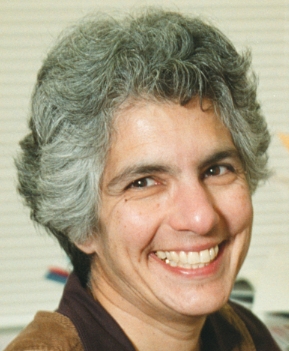 Donna Neuberg合作论文数Department of Biostatistics, Harvard T.H. Chan School of Public Health;Dana-Farber Cancer Institute5Julien Broséus合作论文数4Kenneth J Livak合作论文数4Camilla K Lemvigh合作论文数Sect Bioinformat, Tech Univ Denmark4
 Ignaty Leshchiner合作论文数Broad Institute of MIT and Harvard;Department of Medicine, Boston University4
 William G. Wierda合作论文数Department of Leukemia, Division of Cancer Medicine, The University of Texas MD Anderson Cancer Center4
 Gad A. Getz合作论文数Harvard Medical School;Department of Pathology, Massachusetts General Hospital;Broad Institute of Harvard and MIT4
 Knisbacher Binyamin A合作论文数The Mina and Everard Goodman Faculty of Life Sciences, Bar-Ilan University4
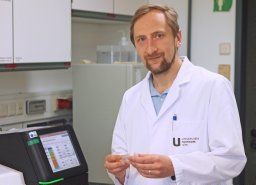 Tausch Eugen合作论文数Department of Internal Medicine, Ulm University4
 Nitin Jain合作论文数Qorvo, Inc.4
 Thomas Kipps合作论文数Moores Cancer Center, University of California San Diego4
 Stephan Stilgenbauer合作论文数Department of Internal Medicine III, Ulm University4
 Romain Guièze合作论文数CHU Clermont-Ferrand;Université Clermont Auvergne4
 Laura Rassenti合作论文数Cancer Center, University of California, San Diego4
 Chip Stewart合作论文数Broad Inst4Berta Escude Velasco合作论文数3
 Neil Ruthen合作论文数3
 Stephanie Deng合作论文数3Ziao Lin合作论文数Harvard University3
 Conor Messer合作论文数Khalifa University of Science and Technology3Shanye Yin合作论文数Harvard Medical School, Harvard Medical School3Christof Schneider合作论文数Univ Ulm, Dept Internal Med 3, Ulm, Germany3
 Barbara Eichhorst合作论文数CLL Study Group, Department I for Internal Medicine, Center for lntegrated Oncology ABCD, University Hospital of Cologne;Division of Haematology, Immunology, Infectiology, Intensive Care and Oncology, University of Cologne3
 Sameer Parikh合作论文数3
 Jennifer R. Brown合作论文数CLL Center, Division of Hematologic Malignancies, Dana-Farber Cancer Institute;Harvard Medical School3
 Al-Sawaf Othman合作论文数University Hospital, RWTH Aachen University3
 Cruz-Martín Alberto合作论文数University of California, University of California3
 Neil E. Kay合作论文数Division of Hematology, Department of Internal Medicine, Mayo Clinic;Department of Immunology, Mayo Clinic3
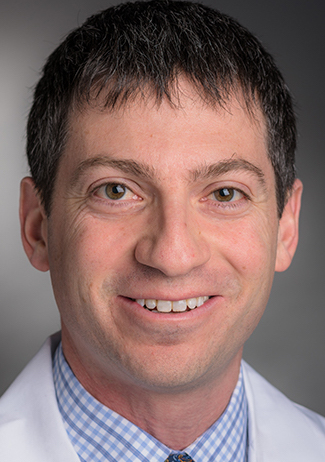 Matthew S. Davids合作论文数Division of Lymphoma, Dana-Farber Cancer Institute;Harvard Medical School;Brigham and Women's Hospital3
 Brian P. Danysh合作论文数Department of Biological Sciences, University of Delaware3Chaya Levovitz合作论文数Department of Genetics and Genomic Sciences, Mount Sinai School of Medicine3Florence Cymbalista合作论文数3Kahn Rhrissorrakrai合作论文数Center for Genomics and Systems Biology, New York University3
 Filippo Utro合作论文数Dipartimento di Matematica ed Applicazioni, Universitá di Palermo3
 Balaji Sriram合作论文数2Pierre Feugier合作论文数2Ruichen Sky Liu合作论文数2Luke A Fournier合作论文数2Noelia Purroy合作论文数2Teddy Huang合作论文数2Raquel A. Jacobs合作论文数2Sinju Sundaresan合作论文数2Kara Slowik合作论文数2Charlotte Yeung合作论文数2Kala B Dixon合作论文数2Erelle Fuchs合作论文数2




