Assessment of deconvolution performance of synthetic chimeric cell populations in in-silico mixing experiments.
Longitudinal changes of somatic nuclear and mitochondrial DNA mutations in genetically stable CLL.
Identification of cell types and tracking of mitochondrial DNA mutations in immunosuppression tapering (IST) cohort using ASAP-seq.
Identification of high-confidence mitochondrial DNA mutations for Tapestri analysis.
Blood and bone marrow counts of immunosuppression tapering (IST) cohort from routine clinical measurements.
Mitochondrial and somatic nuclear DNA mutations identified in CLL using single cell DNA sequencing.
Differential phenotypes of physiologic (donor-) and malignant hematopoietic (recipient-derived) cells.
Longitudinal changes of somatic nuclear and mitochondrial DNA mutations in naturally progressing CLL.
Longitudinal changes of somatic nuclear and mitochondrial DNA mutations in evolving CLL.
Tracking co-evolution of somatic nuclear and mitochondrial DNA mutations in CLL and AML using single cell DNA and protein sequencing (Tapestri).
Ribosomal protein mutations are increasingly associated with cancer risk and thought to perturb ribosome function. At the same time, they reportedly activate p53, a critical anti-cancer barrier. To determine how these mutations overcome this protective block to enable tumorigenesis, we generate an in vivo model of the hotspot ribosomal protein RPS15-S138F mutation identified as a putative driver of chronic lymphocytic leukemia. Under pre-leukemic conditions, this mutation induces ribosome biogenesis defects and altered translation resulting in oxidative stress, DNA damage and induction of a p53-dependent response that promote initial cellular hypo-proliferation. However, a subset of aged mice with mutated Rps15 eventually develop B-cell leukemia (37% penetrance), which exhibits increased Myc activity with strong pro-survival and proliferation signatures. Mutant RPS15 thus induces both hypo- and hyper-proliferative signals, initially weighted towards cell cycle arrest; and that through translational rewiring, oxidative stress, DNA damage response defects and genomic instability set the stage for the acquisition of additional driving mutations, such as TP53 deletion, that can overcome this cell cycle block to trigger tumorigenesis.
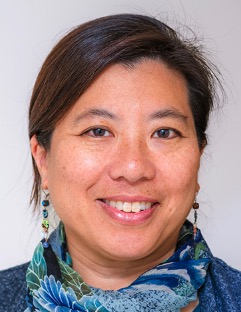 Catherine J. Wu合作论文数Department of Medical Oncology, Dana-Farber Cancer Institute;Division of Stem Cell Transplantation and Cellular Therapies, Dana-Farber Cancer Institute;Harvard Medical School36
 Shuqiang Li合作论文数33
 Ignaty Leshchiner合作论文数Broad Institute of MIT and Harvard;Department of Medicine, Boston University32Haoxiang Lyu合作论文数31Satyen Gohil合作论文数31Garcia Jacqueline S合作论文数Department of Medicine, The University of Chicago31Cieri Nicoletta合作论文数31Oliveira Giacomo合作论文数IRCCS, San Raffaele Scientific Institute31
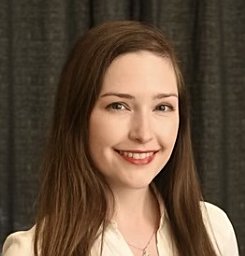 Maurer Katie合作论文数Kimmel Center for Biology and Medicine at the Skirball Institute, New York University School of Medicine;Sackler Institute of Graduate Biomedical Sciences, New York University School of Medicine;New York University School of Medicine, New York University School of Medicine31
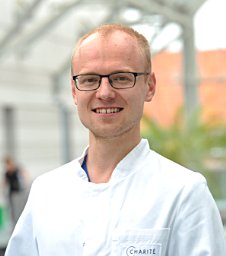 Livius Penter合作论文数Labor für Pädiatrische Molekularbiologie, Charité - Universitätsmedizin Berlin31
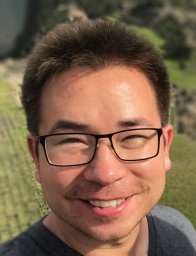 Ludwig Leif S合作论文数Charité-Universitätsmedizin Berlin, MIT and Harvard31
 Robert J. Soiffer合作论文数Department of Medical Oncology, Dana-Farber Cancer Institute;Division of Hematologic Malignancies, Dana-Farber Cancer Institute;Harvard Medical School31
 Jerome Ritz合作论文数Connell and O'Reilly Families Cell Manipulation Core Facility, Dana-Farber Cancer Institute;Harvard Medical School31
 Donna Neuberg合作论文数Department of Biostatistics, Harvard T.H. Chan School of Public Health;Dana-Farber Cancer Institute31
 Haesook T. Kim合作论文数Department of Data Science, Dana-Farber Cancer Institute;Harvard School of Public Health;Department of Biostatistics and Computational Biology, Dana-Farber Cancer Institute31
 Caleb Lareau合作论文数School of Humanities and Sciences, Stanford University;School of Medicine, Stanford University;Sloan Kettering Institute, Memorial Sloan Kettering Cancer Center30
 Gad A. Getz合作论文数Harvard Medical School;Department of Pathology, Massachusetts General Hospital;Broad Institute of Harvard and MIT29Wesley Lu合作论文数27
 Tatjana Stankovic合作论文数Institute of Cancer and Genomic Sciences, College of Medical and Dental Sciences, University of Birmingham26Kenneth J. Livak合作论文数20
 Nicholas J Davies合作论文数School of Biosciences, University of Birmingham17Angelo Agathanggelou合作论文数Institute of Cancer and Genomic Sciences, College of Medical and Dental Sciences, University of Birmingham16Kenneth J Livak合作论文数13Edward Smith合作论文数12
 Peter Hillmen合作论文数Faculty of Medicine and Health, School of Medicine, University of Leeds;Apellis Pharmaceuticals12Oldreive Ceri E合作论文数School of Cancer Sciences, University of Birmingham;School of Cancer Sciences, University of Birmingham10
 Paul Moss合作论文数Institute of Immunology and Immunotherapy, University of Birmingham;Department of Immunology and Immunotherapy, University of Birmingham;College of Medicine and Health, University of Birmingham10
 Guy Pratt合作论文数Cancer Research UK Clinical Trials Unit, University of Birmingham10
 Malcolm Taylor合作论文数Department of Cancer and Genomic Sciences, University of Birmingham8
 Helen Parry合作论文数Institute of Immunology and Immunotherapy, College of Medical and Dental Sciences, University of Birmingham8Andy C. Rawstron合作论文数7Jingwen Mao合作论文数6Paul Moreton合作论文数5
 E J Yates合作论文数Foundation Doctor, West Midlands, England, UK5Skowronska Anna合作论文数5Paneesha Shankara合作论文数5
 Grant Stewart合作论文数Institute of Cancer and Genomic Sciences, College of Medical and Dental Sciences, University of Birmingham5
 Paul Evans合作论文数School of Education, Faculty of Arts, Design & Architecture, The University of New South Wales4Abraham M. Varghese合作论文数4
 Lars Bullinger合作论文数Department of Hematology, Oncology and Tumorimmunology, Charité University Medicine Berlin4
 Archana Sharma-Oates合作论文数School of Biosciences, College of Life and Environmental Sciences, University of Birmingham4
 Alan F Lau合作论文数4Sheila J. M. O'Connor合作论文数4Mayumi Hamada合作论文数3Jones Rhiannon E合作论文数3
 Talha Munir合作论文数3Perry Tracey合作论文数School of Cancer Sciences, University of Birmingham;School of Cancer Sciences, University of Birmingham3Naheema Gordon合作论文数School of Cancer Sciences, University of Birmingham;Bladder Cancer Research Centre, University of Birmingham3




