BACKGROUND The Riata lead advisory was announced in 2011 and has posed unique management challenges because of cable externalization and insulation abrasion, in some cases leading to sudden loss of defibrillation. OBJECTIVE The purpose of this study was to provide further data on the rate of electrical failure in a population of patients with a Riata lead under advisory. METHODS Using the Canadian Registry of Electronic Device Outcomes, prospective follow-up data were collected on 1352 Riata leads under advisory in 17 implantable cardioverter-defibrillator (ICD) implantation centers in Canada. Data on electrical and structural failure were collected, as well as periprocedural complications related to lead revision (abandonment or extraction). RESULTS Of the 1352 leads included in this 12-month follow-up cohort, 110 leads were revised. Mean follow-up time was 10.4 +/- 1.5 years. The 12-year rate of electrical failure for the 8Fr lead was 9.45%, whereas the 10-year failure rate for the 7Fr lead was 7.25% and was not found to be accelerating. Of the leads revised because of advisory only (patient preference, advisory related, electrical or structural failure), the majority were abandoned (n = 54 [76.0%]), whereas 17 (24.0%) were extracted using power tools. The rate of major complications in each group was 5.6% and 5.9%, respectively. CONCLUSION This report provides further data on the risk of electrical lead failure over a long lead dwell time. The risk of failure exceeds the risk of periprocedural major complications, indicating that the risk-to-benefit ratio is favorable to revise the lead in appropriate clinical scenarios.
BackgroundNonsustained ventricular tachycardia (NSVT) detected by ambulatory Holter (Holter NSVT) is a major risk factor for sudden cardiac death in hypertrophic cardiomyopathy (HCM). We hypothesized that the prognostic utility of Holter NSVT in HCM would improve with prolonged monitoring and a higher heart rate cut‐off for detection.MethodsWe enrolled 60 patients (44 ± 14 years) with HCM, who had a prophylactic implantable cardioverter defibrillator (ICD). Positive Holter NSVT (prior to implant) was defined as ≥3 beats at ≥120 beats per minute (bpm). We assessed the prevalence of rapid NSVT (RNSVT) detected by their ICD within 12 months of its implant, defined as 4–16 beats at ≥150–200 bpm. The primary outcome was appropriate ICD therapy (antitachycardia pacing and shocks) for sustained ventricular arrhythmia (VA).ResultsHolter NSVT was detected in 34 patients. RNSVT occurred in 21 (35%) patients of whom five did not have Holter NSVT. Over a median follow‐up of 61 (interquartile range 29, 129) months after ICD implant, nine patients had VA. RNSVT, but not Holter NSVT, was significantly associated with VA (hazard ratio 6.2, 95% confidence interval [1.3–30], P = 0.01) by multivariable Cox regression analysis that included conventional risk factors. Receiver operating characteristic analysis for RNSVT (area under curve 0.80, P = 0.005) showed that the occurrence of ≥2 episodes of RNSVT discriminated patients for VA optimally (sensitivity 78%, specificity 84%, positive predictive value 47%, negative predictive value 96%).ConclusionsIn this pilot study, RNSVT detected by continuous monitoring independently predicted VA in HCM and offered superior discrimination of VA risk compared to conventional risk factors, including Holter NSVT. Future studies are needed to validate these findings in a larger, unselected HCM cohort.
Background— The Riata lead under advisory has posed a unique clinical scenario where inside-out abrasion results in externalization of conductor cables, with a higher risk of electrical failure. We developed a comprehensive registry to assist with clinical management of this lead. Methods and Results— This Canadian registry reports the findings of 3763 (74.2% of all Riata leads in Canada) Riata leads under advisory, with a mean follow-up time of 8.9±1.5 years. The overall electrical failure rate was 5.2% at 8 years, with no difference between 7-French and 8-French lead models. Cable externalization was found to be more common in the 8-French model (12.3% versus 5.2%, P <0.0001) and was associated with a higher risk of electrical failure. Predictors of electrical lead failure included cable externalization, higher left ventricular ejection fraction, younger age, higher body mass index, and a passive fixation lead. One patient died due to electrical failure, a further 2 patients survived an event where the device failed to deliver high-voltage therapy. Major complications because of lead extraction were higher when compared with lead abandonment, no difference among lead model observed. Two deaths occurred as a consequence of lead extraction, in the context of an underlying infection. Conclusions— The Riata lead under advisory has a steady electrical failure rate over time. There are identifiable predictors of lead failure that can assist with clinical decisions as to whether lead revision should be performed prophylactically.
BACKGROUND Cable externalization and insulation abrasion are known to occur with the St Jude Medical Riata leads under advisory. The distribution of these abnormalities and how they relate to clinical presentation have not been well described.OBJECTIVE In this study, we sought to determine the relationship between structural lead failure and clinical presentation by using the analysis of returned Riata products in Canada.METHODS The analyses of returned Riata products in Canada were obtained from St Jude Medical, Sylmar, CA. These data were correlated with the clinical presentation of patients just before lead removal from service.RESULTS As of May 1, 2013, there were 263 returned Riata leads in Canada. Of these, 43 (16.8%) were found to have insulation abrasion that was due to either lead-can or lead-other device interaction (70%) or inside-out abrasion (27.9%). The predilection of lead-to-can abrasion was seen in the Riata 7-F leads (84.2% vs 58.4%; P = .07), while inside-out abrasion was more common in the Riata 8-F leads (37.5% vs 15.8%; P = .12). Electrical abnormalities were frequent (20 of 31 [65.4%]) and most often due to electrical noise (45.2%), although inappropriate shocks were present (25.8%). Death occurred in 1 of 43 (2.3%) of those patients with an insulation defect in the lead-can abrasion group.CONCLUSION Lead-can abrasion is the most common form of insulation defect in the Riata group of leads under advisory. Management of this group of leads under advisory should not neglect the issue of lead-can abrasion, in addition to detection of cable externalization.
Implantable cardioverter-defibrillators (ICDs) have a proven role in primary and secondary prevention of sudden death from ventricular arrhythmias. Transvenous ICD systems despite this proven benefit, have been plagued by lead problems including fracture, insulation breaks and recalls; and issues with transvenous access including pneumothorax and venous obstruction. Infected or fractured leads require full extraction which may require laser-assisted removal which carry a mortality and morbidity risk. Subcutaneous ICDs (S-ICD) are an exciting recently approved technology providing the advantages of effective shock rescue without need for transvenous leads. They function as essentially shock boxes without pacing capability except for a short period of post shock transcutaneous pacing. This technology provides an emerging option especially in patient groups who do not have a pacing indication, have no venous access, patients at high infection risk, patients with no structural heart disease and hereditary arrhythmias; and patients with congenital heart disease that precludes transvenous leads. Patients with slow monomorphic ventricular tachycardia consistently terminated by antitachycardia pacing are also not candidates for this therapy in evolution. In addition, S-ICDs do not have remote monitoring capability.
We thank Barra and Agarwal for their interest in our examination of implantable cardioverter-defibrillator (ICD) outcomes and therapies in different age groups, focusing on the elderly.1 We agree that rates of device therapies with conventional programming may overestimate the potential benefit of ICD implantation. Barra and Agarwal suggest that device programming approaches that were used in the Primary Prevention Parameters Evaluation (PREPARE),2 Multicenter Automatic Defibrillator Implantation Trial - Reduce Inappropriate Therapy (MADIT-RIT),3 and Avoid Delivering Therapies for Non-sustained Arrhythmias in ICD Patients III (ADVANCE III)4 trials would lead to rates of appropriate shock and therapy that better reflect the occurrence of ventricular tachyarrhythmia episodes that would more likely have been associated with an arrhythmic death. Early after the initiation of the Ontario ICD Database, the PREPARE study was published, the potential benefits of delaying ICD-delivered therapies were recognized, and participating sites adapted …
Introduction: Nonsustained VT (NSVT) detected by Holter (Holter +NSVT) is a major risk factor (RF) for sudden cardiac death (SCD) in hypertrophic cardiomyopathy (HCM). We hypothesized that using a higher heart rate cut-off and prolonged monitoring for detecting NSVT would improve its accuracy in predicting sustained ventricular arrhythmias (VA). Methods: We prospectively enrolled 56 patients (mean 44±14 yrs) with HCM, who had a preexisting prophylactic ICD. We assessed the prevalence of rapid NSVT (+RNSVT, ≥4 beats at 167-200 bpm) detected by their ICD within the first 12 months of implant. The primary outcome was appropriate ICD therapy after implant. Results: The prevalence of RF at ICD implant was 50% for syncope, 57% for Holter +NSVT, 45% for +family history SCD, and 25% for septum ≥ 30mm. The prevalence of 0, 1, 2 and ≥3 RF was 2, 32, 54 and 13%, respectively. +RNSVT occurred in 19 patients (34%) of whom 4 were Holter -NSVT. When compared to -RNSVT, those with +RNSVT had less syncope (21 vs 65%, p=0.004) but more Holter +NSVT (79 vs 46%, p=0.02). Over a median follow-up of 59 (25, 123) months after ICD implant, 8 patients had ≥1 appropriate ICD therapy from VA. According to the number of RF, the proportion of patients with VA was 0=0%, 1=6%, 2=13%, ≥3=43% (p=0.11). +RNSVT was associated with higher VA compared to Holter +NSVT (Figure 1A). +RNSVT predicted VA by Cox regression analysis, both univariate [odds ratio 10, 95% CI 1-84, p=0.03] and adjusted for differences in RF [adjusted odds ratio 11, 95% CI 1-114, p=0.046]. ROC analysis for +RNSVT (area under curve 0.78, p=0.02) showed the optimal cut-point to be RNSVT ≥2 episodes (Figure 1B) for discriminating patients with and without VA (Sensitivity 71%, Specificity 83%, PPV 38%, NPV 95%). Conclusions: RNSVT detected from continuous device monitoring is an independent predictor of VA in HCM patients and a better risk stratifier than Holter +NSVT. The role of implantable loop monitoring to detect RNSVT and evaluate VA risk in HCM warrants study
Purpose Cardiac resynchronization therapy (CRT) improves outcomes in ambulatory heart failure (HF) patients with New York Heart Association (NYHA) class II-IV symptoms. However, its role in stage D patients, particularly those eligible for heart transplant (HTx) or ventricular assist device (VAD), has not been well characterized. This study investigates the clinical outcomes of patients who were stage D at time of CRT implant, and the potential factors associated with CRT response. Methods and Materials In this retrospective study, medical records of patients referred to the CRT clinic from Jan 2010 to Dec 2011 were reviewed. Patients were included if they met criteria for stage D HF: 1) inotrope-dependent, and/or listed for HTx, 2) peak oxygen consumption (VO2max) 35% or QRS duration Results Fifty-five patients (mean age 63±11yrs, 75% male) met stage D criteria, of whom 50 had successful CRT implant and were followed for an average of 12±8 months. At last follow-up, 42% (21/50) improved by one NYHA class, or had 10% increase in VO2max or absolute EF; 36% (18/50) were unchanged; 22% (11/50) worsened by one NYHA class or died. CRT response was established by 6 months and did not change over time. Left bundle-branch block and paced QRS morphology at baseline were associated with clinical improvement (91vs.61%, p Conclusions Stage D patients appear to have a lower response rate to CRT than the general HF population. QRS morphology may predict CRT response in these patients. The decision to implant CRT in HTx/VAD eligible stage D patients should include careful consideration of the potential limited benefits.
Background— The benefit of implantable cardioverter-defibrillators (ICDs) among elderly patients is controversial and may be attenuated by nonarrhythmic death. We examined the impact of age on device-delivered therapies and outcomes after primary or secondary prevention ICD. Methods and Results— In a prospective, inclusive registry of 5399 ICD recipients in Ontario, Canada (February 2007 to September 2010), device-delivered therapies and complications were determined at routine clinic visits. Among primary prevention ICD recipients aged 18 to 49 (n=317), 50 to 59 (n=769), 60 to 69 (n=1336), 70 to 79 (n=1242), and ≥80 (n=275) years, mortality increased with age, as follows: 2.1, 3.0, 5.4, 6.9, and 10.2 deaths per 100 person-years, respectively ( P <0.001). Secondary prevention ICD recipients aged 18 to 49 (n=114), 50 to 59 (n=244), 60 to 69 (n=481), 70 to 79 (n=462), and ≥80 (n=159) years also exhibited increasing mortality, as follows: 2.2, 3.8, 6.1, 8.7, and 15.5 deaths per 100 person-years, respectively ( P <0.001). However, rates of appropriate shock were similar across age groups: from 6.7 (18–49 years) to 4.2 (≥80 years) per 100 person-years after primary prevention ICDs ( P =0.139) and from 11.4 (18–49 years) to 11.9 (≥80 years) per 100 person-years after secondary prevention ICDs ( P =0.993). Covariate-adjusted competing risk analysis demonstrated higher risk of death ( P trend <0.001 for both primary and secondary prevention) but no significant decline in appropriate shocks with older age after primary ( P =0.130) or secondary ( P =0.810) prevention ICD implantation. Conclusions— Whereas elderly patients exhibited increased mortality after ICD implantation, rates of appropriate device shocks were similar across age groups. Decisions regarding ICD candidacy should not be based on age alone but should consider factors that predispose to mortality despite defibrillator implantation.
Background: Ventricular tachycardia mapping in the sequential era is dependent on determining the exit site using entrainment mapping and or activation mapping. During entrainment mapping, VT has the potential of degenerating into ventricular fibrillation, requiring cardioversion that may distort the electroanatomic map. In addition entrainment may change the activation sequences and initiate another VT. Thus it is of importance to identify the exit site based on temporal characteristics of the activation map and characterize the exit site. In the era of point by point sequential mapping it is unclear how much time ahead of surface activation is the activation at the exit site. We sought to determine the temporal characteristics of the exit site where successful ablation was performed in relation to the surface activation. Methods and Results: Twelve patients with ischemic VT who had multi-electrode simultaneous endocardial mapping during ventricular tachycardia were retrospectively reviewed. 16 VTs induced in these twelve patients were analyzed and the activation sequence in systole, diastole, and the presystolic period was annotated. Activation time in relation to surface activation was characterized at the exit site where ablation was performed. Mapping was performed with a custom-made system consisting of a 112 electrode endocardial array with simultaneous uni and bipolar recording. Filter settings for uni was 0.1 - 200 Hz, bipolar 28 - 700Hz, sampling rate was 1 kHz for uni and 2 kHz for bipolar electrograms.The mean activation time at the exit site was 60 +/- 24 msec ahead of surface VT activation. The range of the timing of the activation at the exit site preceding surface activation was was 18 - 114 ms. The unipolar characteristic at the site was not useful in identifying timing on a consistent basis. Conclusion: The exit site of an ischemic ventricular tachycardia is on average 60 ms ahead of surface activation. This presytolic timing is earlier than what is generally believed in the current sequential mapping era of VT ablation. Our analysis suggests that catheter position at shorter activation times would indicate a location in the post exit site and unlikely to produce a useful outcome.
Abrupt changes in heart rate, particularly short-long-short sequences in the ventricular cycle length (CL), might precede initiation of ventricular tachycardia/fibrillation (VT/VF). These changes may be facilitated or caused by pacing activity in patients with pacemakers or implantable-cardioverter defibrillators (ICDs). We describe a patient with two episodes of acquired VT precipitated by short-long-short sequences and diagnosed from the ICD recordings. In such cases, the knowledge of the device parameters is extremely important for a correct diagnosis and management.
BACKGROUND:Complications after implantable cardioverter-defibrillator (ICD) replacement are often clinically devastating, particularly when infection or reoperation occurs. Identifying factors contributing to complications may permit identification of high-risk individuals that warrant incremental monitoring and therapy to attenuate risk. In addition, replacement may be a discretionary decision in the context of an advisory or borderline device performance and patient, device, and implanter factors that predict adverse outcome may assist in clinical decision-making. METHODS AND RESULTS:In a prospective, multicenter, population-based registry of all ICD patients at 18 centers in Ontario, Canada, we examined 45-day complication and all-cause mortality rates from February 2007 to August 2009 in patients undergoing ICD generator replacement. Complications were determined longitudinally and were categorized as major or minor. ICD replacement was performed in 1081 of 5176 patients (20.8%) undergoing ICD implantation (age, 64.3±12.7 years; 78.5% men). In patients undergoing ICD replacement, 47 patients (4.3%) had a complication within 45 days, with 47 major complications in 28 patients (2.6%), most commonly infection (n=23), lead revision (n=35), electrical storm (n=14), and pulmonary edema (n=13). Minor complications occurred in 2.3% of patients, most commonly incisional infection (n=10) and pocket hematoma (n=10). On multivariable analysis, risk factors associated with major complications were Canadian Cardiovascular Society angina class (adjusted hazard ratio [HR], 3.70 for class 2 to 4 versus 0 to 1; P=0.027) and multiple previous procedures on the pocket (adjusted HR, 3.35 for >1 versus 1; P=0.058). Risk factors associated with any complication were the use of antiarrhythmic therapy (adjusted HR, 6.29; P=0.001), implanter volume (adjusted HR 10.4 for <60/y versus >120/y, P=0.026), and Canadian Cardiovascular Society angina class (adjusted HR, 3.00 for class 2 to 4 versus 0 to 1; P=0.031). In a Cox model with a time-dependent variable of major complication within 45 days after replacement, major complications after ICD replacement were associated with an increased risk of mortality at 45, 90, and 180 days (adjusted HR, 9.61, 12.69, and 6.41, respectively; P=0.002 to 0.039). CONCLUSIONS:Risk factors associated with complications after ICD replacement include the presence of angina, antiarrhythmic therapy, increased number of previous procedures, and low implanter volume. Major complications may be associated with increased risk of subsequent mortality.
Two cases of "locked-in"sensitivity in the managed ventricular pacing mode are reported. Patient A was a 22-year-old man with a history of hypertrophic obstructive cardiomyopathy and a prophylactic dual-chamber automatic implantable cardioverter-defibrillator who manifested paradoxic T-wave oversensing on the ventricular lead at a sensitivity setting of 1.2 mV but not earlier when the sensitivity had been set to 0.9 mV. Patient B was a 74-year-old patient with ischemic cardiomyopathy and a dual-chamber defibrillator who presented with persistent paradoxic undersensing of the P wave on the atrial lead even at the maximal sensitivity of 0.15 mV, although P-wave sensing was normal earlier when sensitivity was set to 0.3 mV. The phenomenon and the mechanism for its behavior are described.
Background: Cardiac Resynchronization Therapy (CRT) can improve outcomes in heart failure patients with prolonged QRS duration. Accumulating data suggests that patients with LBBB are most likely to...
OBJECTIVES:This study examined the predictors of early complications after defibrillator implantation. BACKGROUND:Although implantable cardioverter-defibrillators are widely used, predictors of procedural complications and the consequences of these events have not been determined. METHODS:In a prospective, multicenter, population-based clinical outcomes registry of all newly implanted defibrillator patients at 18 centers in Ontario, Canada, we examined 45-day complications and all-cause mortality from February 2007 to May 2009. Complications were determined longitudinally and were categorized as direct implant-related or indirect events. RESULTS:Among 3,340 patients (mean age 63.8 +/- 12.5 years, 78.5% men), major complications occurred in 4.1% of de novo procedures. Compared with those undergoing a single-chamber device, implantation of a cardiac resynchronization defibrillator (adjusted hazard ratio [HR]: 2.17, 95% confidence interval [CI]: 1.38 to 3.43, p < 0.001) or dual-chamber device (adjusted HR: 1.82, 95% CI: 1.19 to 2.79, p = 0.006) was associated with increased risk of major complications. Major complications were increased in women (adjusted HR: 1.49, 95% CI: 1.02 to 2.16, p = 0.037) and when left ventricular end-systolic dimension exceeded 45 mm (adjusted HR: 1.54, 95% CI: 1.08 to 2.20, p = 0.018). Major complications (excluding death) occurring early after defibrillator implantation were associated with increased adjusted risk of subsequent death up to 180 days after defibrillator implant (adjusted HR: 3.70, 95% CI: 1.64 to 8.33, p = 0.002). Direct implant-related complications were associated with increased risk of early death (adjusted HR: 24.89, p = 0.01), whereas indirect clinical complications conferred increased risk of near-term death (adjusted HR: 12.35, p < 0.001) after defibrillator implantation. CONCLUSIONS:Complications after de novo defibrillator implantation were strongly associated with device type. Major complications were associated with increased risk of mortality.
 Jeffrey Sean Healey合作论文数Department of Health Research Methods, Evidence, and Impact, Faculty of Health Sciences, McMaster University;Department of Medicine, Faculty of Health Sciences, McMaster University;Population Health Research Institute12
 Eugene Crystal合作论文数University of Toronto;Lawrence Park Cardiology;International Winter Arrhythmia School10
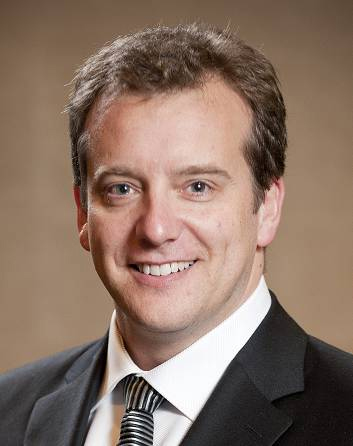 Chris Simpson合作论文数Department of Medicine, Faculty of Health Sciences, Queen's University;Ontario Health;Institute for Clinical Evaluative Sciences10
 David Birnie合作论文数University of Ottawa Heart Institute;School of Epidemiology and Public Health, Faculty of Medicine, University of Ottawa;Division of Cardiology, Department of Medicine, University of Ottawa10
 Yaariv Khaykin合作论文数Faculty of Medicine, University of Toronto;Pace Cardiology;Southlake Regional Health Centre9
 Paul Dorian合作论文数Li Ka Shing Knowledge Institute, St. Michael’s Hospital, University of Toronto;Division of Clinical Pharmacology, Department of Medicine, Temerty Faculty of Medicine, University of Toronto9
 Andrew Krahn合作论文数Department of Medicine, Faculty of Medicine, University of British Columbia8
 Jack V. Tu合作论文数Institute for Clinical Evaluative Sciences, Sunnybrook Health Sciences Centre, University of Toronto6
 Raymond Yee合作论文数6Zhongliang Chen合作论文数6Amir Janmohamed合作论文数5
 Vijay Chauhan合作论文数Department of Physiology, Temerty Faculty of Medicine, University of Toronto;Toronto General Hospital Research Institute5
 Kumaraswamy Nanthakumar合作论文数Toronto General Hospital Research Institute, University Health Network5
 Douglas S. Lee合作论文数Institute of Health Policy, Management and Evaluation, University of Toronto;Peter Munk Cardiac Centre, University Health Network5Sheila Watkins合作论文数4
 Krishnakumar Nair合作论文数Department of Medicine, University of Toronto;University Health Network4Eugene Downar合作论文数Department of Cardiology, University Health Network4Lee Douglas S合作论文数4Hardy Judy合作论文数4Anandaraja Subramanian合作论文数4Satish Toal合作论文数3
 Iqwal Mangat合作论文数Temerty Faculty of Medicine, University of Toronto;St. Michael’s Hospital in Toronto3
 Louise Harris合作论文数University of Toronto;Peter Munk Cardiac Centre3
 Selvaraj Raja J合作论文数Department of Cardiology, Jawaharlal Institute of Postgraduate Medical Education and Research3
 Diego Chemello合作论文数3
 Derek Yung合作论文数Scarborough Heart Health Institute3Bernard Thibault合作论文数3Nery Pablo B合作论文数3
 Prasad Shah合作论文数3
 Peter Austin合作论文数Institute of Health Policy, Management and Evaluation, University of Toronto;Sunnybrook Research Institute;Institute for Clinical Evaluative Sciences3
 Francois Philippon合作论文数3
 Stephane Masse合作论文数3Ratika Parkash合作论文数3
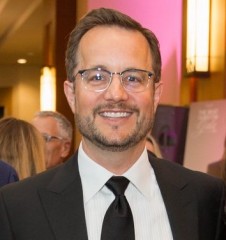 Derek Vincent Exner合作论文数Department of Cardiac Sciences and Community Health Sciences, Faculty of Medicine, University of Calgary3Ann Hill合作论文数2Nicholas Jackson合作论文数2
 Karthik Viswanathan合作论文数Calderdale and Huddersfield NHS Foundation Trust2
 Laurence Sterns合作论文数2
 Atul Verma合作论文数Institute of Medical Science, Temerty Faculty of Medicine, University of Toronto;McGill University Health Centre;Southlake Regional Health Care Centre2
 Danna Spears合作论文数Division of Cardiology Electrophysiology, University Health Network Toronto General Hospital2
 Heather Ross合作论文数Institute of Medical Science, Temerty Faculty of Medicine, University of Toronto2
 Vidal Essebag合作论文数Division of Cardiology, Department of Medicine, Faculty of Medicine and Health Sciences, McGill University2Sandhu Roopinder K合作论文数2
 Vivek Rao合作论文数Department of Surgery, Temerty Faculty of Medicine, University of Toronto;Peter Munk Cardiac Center, Toronto General Hospital, University Health Network;Division of Experimental Therapeutics, Toronto General Research Institute2
 George A. Wells合作论文数School of Epidemiology and Public Health, Faculty of Medicine, University of Ottawa;Department of Medicine, University of Ottawa;Ottawa Hospital Research Institute, The Ottawa Hospital;Cardiovascular Research Methods Centre, Heart Institute, University of Ottawa2
 Harry Rakowski合作论文数University Health Network2Felix Ayala Paredes合作论文数2
 Adrian M. Suszko合作论文数Division of Cardiology, University Health Network2Benoit Coutu合作论文数2




