BACKGROUND:Valve-sparing operations for aortic root aneurysms are increasing in frequency, but techniques and results are still in evolution. We reviewed our experience with 65 patients (adults and children) who had this operation at our institution to determine early and late outcomes.METHODS:A retrospective clinical review was undertaken using hospital records, clinical and echocardiographic, computed tomography, magnetic resonance imaging data, and telephone interviews with patients and their physicians.RESULTS:Between July 1994 and December 2002, 65 patients (46 adults and 19 children) underwent a valve-sparing operation for aortic root aneurysm. Forty-four of the patients had the Marfan syndrome; the remaining 21 had either a nonspecific connective tissue disorder (14 patients) or a miscellaneous disease process such as Ehlers-Danlos syndrome (7 patients). Fifty-eight (89%) had a David II (remodeling) procedure and 7 had a David I (reimplantation) procedure. The DePaulis "Valsalva graft" was used in six of the David I patients. There were no operative or hospital deaths; only one late death occurred in an adult due to salmonella meningitis. Overall, survival was 100% at one year and 98% at 3 and 5 years. Ten patients (7 adults and 3 children) developed significant late aortic insufficiency (AI). Nine of these patients had a David II procedure and in 8 of these cases, AI was secondary to significant late annular dilatation. One of the 10 patients developed late AI 8.2 years after a David I procedure; his AI was secondary to aortic leaflet extension and prolapse. Six of the 10 patients who developed significant late AI required aortic valve replacement (4 adults and 2 children). Freedom from late aortic valve replacement (AVR) in this series of 65 patients was 91% at 3 and 84% at 5 years. At the close of this study, 58 patients were New York Heart Association (NYHA) class I and 6 were NYHA class II; no patients were class III or IV. There were no episodes of endocarditis or clinically significant thromboembolism.CONCLUSIONS:Valve-sparing operations provide satisfactory results for many patients with an aortic root aneurysm, but the David II remodeling procedure has a greater risk of late annular dilatation and AI. The David I reimplantation procedure utilizing the DePaulis Valsalva graft may obviate this problem.
The past 50 years have witnessed remarkable progress in the development of safe, hemodynamically favorable mechanical heart valves. Starr-Edwards aortic and mitral ball valves introduced in the mid-1960s, continue to be used successfully worldwide. More than 100,000 Omniscience and Omnicarbon tilting-disc valves have been implanted since 1978 with essentially no mechanical failure; similar results have been obtained with more than 300,000 Hall-Kaster and Medtronic-Hall tilting-disc valves over the past 25 years. Pyrolytic carbon, originally used to encapsulate nuclear fuel rods, has been adapted for the fabrication of discs, leaflets and the housings for more than 2 million mechanical valves. The St. Jude bileaflet valves, totally fabricated from pyrolytic carbon, have remained virtually unchanged in design since their introduction in 1977. More than 1.3 million of these valves have been implanted worldwide with virtually no reported failures of the carbon leaflets or housings. Similarly, pyrolytic carbon bileaflet Carbomedics valves have been implanted in more than 500,000 patients since 1986. Now, 50 years after Dr Gibbon's seminal achievement, patients with debilitating valve disease can have elective valve replacement (mechanical or tissue) with an operative mortality approaching 1% to 2% and a low lifetime complication rate.
Background: Expansion of traditional donor criteria has become standard in most centers. To determine how this has affected donor profiles, at our institution, we reviewed all adult (age greater than or equal to 16) cardiac donors of the past 15 years.Methods: We separated 261 cardiac donors into 2 groups based on time periods: Group I, 1983 to 1991 (n = 131), and Group II, 1991 to 1998 (n = 130).Results: The groups differed significantly in mean donor age (26.2 years vs 30.9; p < 0.001), percent older than 40 years (6% vs 27%; p < 0.001), percent female (23% vs 35%; p = 0.04), percent distant procurement (54% vs 22%; p < 0.001), and percent minority donors (14% vs 29%; p < 0.001). We found an increase in non-traumatic deaths (24% vs 40%; p = 0.008). Older donors had significantly more non-traumatic deaths than younger donors (79% vs 13%; p < 0.001). Overall 5-year survival of recipients was 64% and was not significantly different between our early and late experiences (60% vs 68%; p = not significant [NS]). Recipients with hearts from older donors had a 5-year survival similar to recipients with younger donor hearts (61% vs 64%; p = NS). Traumatic and non-traumatic donors had similar 5-year survivals (64% vs 63%, p = NS). A stepwise multivariate analysis of the entire cohort identified donor age, donor weight, recipient United Network for Organ Sharing status, and cardiopulmonary bypass time as significant independent risk factors for recipient survival. Recipients of hearts from donors < 90 kg had significantly better 5-year survivals than recipients from donors : 90 kg (66% vs 48%; p = 0.01).Conclusions: Our evolving cardiac donor pool now has more minorities, women, and older donors whose deaths are often non-traumatic. At our institution, donor pool expansion has had no adverse effect on the long-term survival of recipients.
The goals of this study were to (1) determine the utility of quantification of ethane as a marker of ischemia-reperfusion during human cardiopulmonary bypass (CPB); and (2) determine, using an animal model for this surgical procedure, whether the mode of surgical approach produced increases the quantity of exhaled ethane. Human CPB was initiated following standard anesthetic and monitoring regimens. Samples of gas were collected at baseline and at multiple defined time points throughout the studies. Ethane was determined using cryogenic concentration and gas chromatography. Sternotomy increased exhaled ethane compared to baseline (p < .007; 5.8 +/- 1.7 vs. 3.0 +/- 0.7 nmol/m2 x min); ethane returned to baseline levels prior to the initiation of CPB. Aortic unclamping produced ethane elevation (p < .05; 2.3 +/- 0.8 vs. 1.5 +/- 0.4 nmol/m2 x min) with the levels being related to a lower cardiac index and a higher systemic vascular resistance post aortic unclamping. Termination of CPB significantly increased ethane levels compared to baseline (p < .002; 4.8 +/- 1.7 vs. 3.0 +/- 0.7 nmol/m2 x min). Independent variables that correlated with increased ethane measurements included a higher arterial blood pH on bypass and the change in hemoglobin pre- and post-CPB. Electrocautery, but not scalpel, incision of the porcine abdominal wall increased ethane levels significantly (p < .02). These results indicate that exhaled ethane may be a valuable marker of lipid peroxidation during and following CPB.
BACKGROUND Replacement of the aortic root with a prosthetic graft and valve in patients with Marfan's syndrome may prevent premature death from rupture of an aneurysm or aortic dissection. We reviewed the results of this surgical procedure at 10 experienced surgical centers. METHODS A total of 675 patients with Marfan's syndrome underwent replacement of the aortic root. Survival and morbidity-free survival curves were calculated, and risk factors were determined from a multivariable regression analysis. RESULTS The 30-day mortality rate was 1.5 percent among the 455 patients who underwent elective repair, 2.6 percent among the 117 patients who underwent urgent repair (within 7 days after a surgical consultation), and 11.7 percent among the 103 patients who underwent emergency repair (within 24 hours after a surgical consultation). Of the 675 patients, 202 (30 percent) had aortic dissection involving the ascending aorta. Forty-six percent of the 158 adult patients with aortic dissection and a documented aortic diameter had an aneurysm with a diameter of 6.5 cm or less. There were 114 late deaths (more than 30 days after surgery); dissection or rupture of the residual aorta (22 patients) and arrhythmia (21 patients) were the principal causes of late death. The risk of death was greatest within the first 60 days after surgery, then rapidly decreased to a constant level by the end of the first year. CONCLUSIONS Elective aortic-root replacement has a low operative mortality. In contrast, emergency repair, usually for acute aortic dissection, is associated with a much higher early mortality. Because nearly half the adult patients with aortic dissection had an aortic-root diameter of 6.5 cm or less at the time of operation, it may be prudent to undertake prophylactic repair of aortic aneurysms in patients with Marfan's syndrome when the diameter of the aorta is well below that size.
STUDY DESIGN:A retrospective review of clinical data was conducted. OBJECTIVES:To determine the characteristics of infantile scoliosis in Marfan syndrome and the response to treatment of patients with this condition. SUMMARY OF BACKGROUND DATA:No previous study has reported the features of this condition nor the effect of treatment on patients with this syndrome. METHODS:The data on all patients seen at one institution who had Marfan syndrome and scoliosis by age three were reviewed. Fourteen of the 600 patients from the group examined who had Marfan syndrome fit the above criteria. Skeletal and general features were studied. RESULTS:Thirteen of the 14 patients had no family history of Marfan syndrome, a finding which does not fit the usual autosomal dominant inheritance pattern. All 14 patients had exaggeration of the Marfan. All but one patient had cardiac valvular insufficiency that required repair by age 11. Thirteen patients had thoracic aortic aneurysm, 10 had lens dislocation, and eight had sternal deformity. Three patients had hip dislocations, two had pyloric stenosis, and two had dural ectasia. Motor delay was evidenced by onset of walking past 18 months in nine patients; three of these patients were never able to walk independently. One patient each died at ages 1, 3, 4, and 8 years; all others have survived to present (mean age, 13 years). The mean curve of the patients' spines at presentation was 38 degrees. Eleven curves were double major, two were thoracolumbar, and one was double thoracic. Brace wear did not halt curve progression in any of the nine patients for whom it was used. Instrumentation without fusion was used in three patients for a mean of 3 years, with best results in one nonkyphotic curve. Nine patients underwent instrumented fusion at a mean age of 6.6 years (range, 3-13 years). Mean curve correction was 51% (from 72 degrees to 34 degrees). Final mean curve was 54 degrees for a mean correction of 20% at the 5-year (average, 5.4 years) follow-up examination. Acute complications occurred in three patients, and five patients needed a second surgery for late complications. Causes for curve increase after surgery included growth and loss of fixation. CONCLUSIONS:In this most severe form of Marfan syndrome, bracing has a limited role and is only to be used if the curve is less than 40 degrees. Surgery should not be performed on a patient younger than four years of age because many patients with large curves before this age will succumb spontaneously to cardiac complications. Instrumentation without fusion should be considered only for patients with no significant kyphosis. Results of fusion are better for patients who are older than five years of age.
BACKGROUND:Stroke occurs after coronary artery bypass grafting with an incidence ranging between 0.8% and 5.2%. To identify factors associated with stroke, we prospectively examined a study cohort and tested findings in an independent validation sample. METHODS:The study cohort comprised 456 patients undergoing coronary artery bypass grafting only, and the validation sample comprised 1,298 patients. Stroke was detected postoperatively by the study team and confirmed by neurologic consultation and computed tomographic scanning. RESULTS:Five factors taken together were correlated with stroke: previous stroke, presence of carotid bruit, history of hypertension, increasing age, and history of diabetes mellitus. The only significant intraoperative factor was cardiopulmonary bypass time. Probabilities were calculated, and patients were placed into low, medium, and high stroke-risk groups. In the validation sample, this model was able to rank the majority of patients with stroke into the high-risk group. CONCLUSIONS:These five factors taken together can identify the risk of stroke in patients having coronary artery bypass grafting. Recognition of the high-risk group will aid studies on the mechanism and prevention of stroke by modification of surgical procedures or pharmacologic intervention.
Background. The development of new screening techniques for the early detection of Marfan's syndrome has prompted evaluation of the results of cardiac operations in children with this syndrome. The purpose of this study was to determine the surgical indications, operative results, and need for reoperation in children with Marfan's syndrome.Methods. From 1980 to 1996, 245 patients underwent cardiac operations for complications of Marfan's syndrome; 26 (11%) were less than 18 years of age. The mean age at the time of operation was 10.3 +/- 1 years (range, 8 months to 17 years); 18 of the patients were male. Indications for operation were aortic root dilatation (15 patients), mitral regurgitation (4 patients), aortic root dilatation and mitral regurgitation (6 patients), and aortic arch aneurysm (1 patient). Operations included aortic root replacement (15 patients), aortic root replacement and mitral repair (5 patients), aortic root replacement and mitral replacement (1 patient), mitral repair (3 patients), mitral replacement (1 patient), and arch aneurysm repair (1 patient). The mean aortic root diameter in patients undergoing aortic root replacement was 6.2 +/- 0.2 cm. Only 1 patient underwent ascending aortic dissection.Results. There were no operative deaths. At a mean follow-up of 67.1 +/- 10.2 months, 8 patients required a second cardiac procedure (41% +/- 17% 10-year freedom from reoperation). Indications for further operations were distal aortic pathology (3 patients), aortic root dilatation after initial mitral operation (3 patients), failed mitral repair (1 patient), and homograft degeneration (1 patient). Risk factors for a second cardiac procedure were age less than 10 years at the time of the first operation (p < 0.003) and mitral regurgitation (p < 0.04). Overall, 25 (96%) of 26 patients have undergone aortic root replacement and 11 (42%) patients have undergone a mitral procedure. There have been 4 late deaths, all of presumed cardiac origin. The 10-year survival rate is 79% +/- 10%. All surviving patients are in New York Heart Association functional class I or II.Conclusions. We conclude that (1) aortic root dilatation is the most common surgical indication in children with Marfan's syndrome, (2) mitral regurgitation is the second most common indication, (3) aortic dissection is unusual in children with Marfan's syndrome, and (4) careful follow-up is necessary, particularly in younger children, because more than half of all children with Marfan's syndrome require repeated cardiac operations within 10 years. (C) 1997 by The Society of Thoracic Surgeons.
Mitral valve disease is a common feature of the Marfan syndrome, seen in approximately 80% and 60% of adult and pediatric cases, respectively. Progressive mitral valve dysfunction with secondary left ventricular failure is the most common cause of cardiovascular morbidity and mortality in affected infants. The characteristic pathologic changes include annular dilatation, fibromyxomatous and nodular thickening of the leaflets, leaflet fenestration, and elongation and rupture of the chordae tendinae. Indications for surgical intervention include congestive heart failure, progressive chamber dilatation, atrial fibrillation, pulmonary hypertension, moderate mitral regurgitation, or, rarely, endocarditis. In addition to valve replacement, standard surgical repair techniques are effective in the management of the Marfan mitral valve. Mitral valve repair can often be performed coincident with aortic root replacement. Operative and mid-term follow-up results strongly suggest that current surgical techniques provide a safe and effective means to manage mitral valve dysfunction in pediatric patients with the Marfan syndrome.
BACKGROUNDMany centers advocate bioprosthetic valves in the elderly to avoid anticoagulation, in particular when patient survival is less than the expected valve durability. Because expected survival in the elderly is increasing and age-specific risk of anticoagulation in the elderly is not known, we examined valve- and anticoagulation-related morbidity in elderly patients after aortic valve replacement (AVR) with bioprostheses or mechanical prostheses.METHODS AND RESULTSBetween January 1980 and June 1994, 211 patients age > or = 70 years underwent isolated AVR; there were 109 men (52%) and 102 women (48%). Mean age was 75.9 +/- 4.8 years. Aortic stenosis was present in 194 (92%) patients. Bioprostheses were used in 145 (69%) and mechanical prostheses were used in 66 (31%). Chronic anticoagulation was maintained in all patients with a mechanical valve and in 18 patients (12%) with a bioprosthetic valve. Follow-up data were obtained for 98% (194 of 197) of hospital survivors at a mean follow-up of 3.8 years. Operative mortality was 6.6%; survival at 3 and 5 years was 75.3 +/- 3% and 64.6 +/- 4%, respectively. There was no significant difference in operative or late mortality between patient groups. Rates of freedom from thromboembolic events, endocarditis and anticoagulant-related hemorrhage for bioprosthetic and mechanical valve patients were similar. Prosthetic failure was identified in three bioprosthetic valves (2%); furthermore, the 4 patients in the series who required reoperation had received bioprostheses at the first operation.CONCLUSIONSIn conclusion, (1) elderly patients undergoing isolated AVR can be managed with either mechanical or bioprosthetic valves with similar early and late risk, as long as there are no specific contraindications to anticoagulation; (2) anticoagulation-related risk of hemorrhage is low in this group of elderly patients; and (3) the low but significant risk of reoperation following the use of bioprostheses suggests that mechanical valves may be underused in the elderly.
The authors present the current status of surgery for the cardiovascular manifestations of the Marfan syndrome. In addition, a brief review of current Marfan genetic research is presented. Data on all Marfan patients undergoing aortic root replacement at the Johns Hopkins Hospital (September 1976-June 1995) were analyzed. Survival and event-free curves were calculated and risk factors for early and late death were determined by univariate and multivariate analysis. Two hundred twelve Marfan patients underwent aortic root replacement using composite graft (202), homograft (8) or valve-sparing procedures (2). One hundred eighty-five patients underwent elective repair with no 30-day mortality. Twenty-seven patients underwent urgent surgery, primarily for acute dissection; two patients with aortic rupture died in the operating room. Actuarial survival of the 212 patients was 88% at 5 years, 78% at 10 years and 71% at 14 years. By multivariate analysis, only poor NYHA class, male gender and urgent surgery emerged as significant independent predictors of early or late mortality. Histologic examination of excised Marfan aortic leaflets by immunofluorescent staining for fibrillin showed fragmentation of elastin-associated microfibrils. These studies suggest cautious use of valve-sparing procedures in Marfan patients. Over the last 5 years significant progress has been made in identifying mutant genes that code for defective fibrillin microfibrils in Marfan patients. Attempts are underway to develop animal models of Marfan disease for study of possible gene therapy. Aortic root replacement can be performed in Marfan patients with operative risk under 5%. Long-term results are gratifying. At present, valve-sparing procedures should be used cautiously in Marfan patients because of fibrillin abnormalities in the preserved aortic valve leaflets.
BACKGROUND:Tissue culture, animal model, and epidemiologic studies suggest that dehydroepiandrosterone may inhibit atherosclerosis through its potent antiproliferative effects. Because cardiac allograft vasculopathy is predominantly a proliferative abnormality of intimal and medial smooth muscle cells, plasma levels of dehydroepiandrosterone may play an important role in the development of this disease.METHODS:Sixty-one cardiac allograft recipients who survived for 1 year or more and had at least one annual follow-up cardiac catheterization were included in the study. Plasma levels of dehydroepiandrosterone, dehydroepiandrosterone sulfate, and free dehydroepiandrosterone (dehydroepiandrosterone not bound to sex hormone-binding globulin) were measured in all 61 subjects and compared with the presence or absence of cardiac allograft vasculopathy as defined by angiography.RESULTS:Plasma levels of total and free dehydroepiandrosterone were lower in subjects in whom cardiac allograft vasculopathy developed (p = 0.005 and 0.003, respectively). Furthermore, the time to development of cardiac allograft vasculopathy was shorter in subjects with low levels of total and free dehydroepiandrosterone (p = 0.062 and 0.046, respectively). This relationship was maintained after adjusting for age, gender, cholesterol, prednisone use, and blood pressure.CONCLUSIONS:Low plasma levels of dehydroepiandrosterone may facilitate and high levels may retard the development of cardiac allograft vasculopathy.
Between September 1976 and September 1993, 270 patients underwent aortic root replacement at our institution. Two hundred fifty-two patients underwent a Bentall composite graft repair and 18 patients received a cryopreserved homograft aortic root. One hundred eighty-seven patients had a Marfan aneurysm of the ascending aorta (41 with dissection) and 53 patients had an aneurysm resulting from nonspecific medial degeneration (17 with dissection). These 240 patients were considered to have annuloaortic ectasia. Thirty patients were operated on for miscellaneous lesions of the aortic root. Thirty-day mortality for the overall series of 270 patients was 4.8% (13/270). There was no 30-day mortality among 182 patients undergoing elective root replacement for annuloaortic ectasia without dissection. Thirty-six of the 270 patients having root replacement also had mitral valve operations. There was no hospital mortality for aortic root replacement in these 36 patients, but there were seven late deaths. Twenty-two patients received a cryopreserved homograft aortic root; 18 of these were primary root replacements and four were repeat root replacements for late endocarditis. One early death and two late deaths occurred in this group. Actuarial survival for the overall group of 270 patients was 73% at 10 years. In a multivariate analysis, only poor New Year Heart Association class (III and IV), non-Marfan status, preoperative dissection, and male gender emerged as significant predictors of early or late death. Endocarditis was the most common late complication (14 of 256 hospital survivors) and was optimally treated by root replacement with a cryopreserved aortic homograft, Late problems with the part of the aorta not operated on occur with moderate frequency; careful follow-up of the distal aorta is critical to long-term survival.
Neutrophils are important mediators of reperfusion injury, and suppression of neutrophil function or numbers can reduce reperfusion injury and improve long-term organ preservation in transplantation. NPC 15669, a leumedin, is a novel compound that prevents recruitment of neutrophils at inflammatory foci by inhibiting CD11b/CD18 adhesion molecule expression. NPC 15669 was used to inhibit neutrophil adhesion during reperfusion of isolated rabbit lungs after 12 and 24 hours of cold storage. Lungs (New Zealand White male rabbits, 2 to 3 kg) were flushed with 4 degrees C Euro-Collins (EC) solution, harvested en bloc, stored under various study conditions, and reperfused for 3 hours with fresh whole blood at 37 degrees C in an isolated perfusion system at constant flow and an inspired oxygen fraction of 1. Four groups (n = 6 each) were studied. Group I underwent immediate whole blood reperfusion. Group II were stored for 12 hours in 4 degrees C EC solution before reperfusion. Group III were stored for 12 hours in 4 degrees C EC solution and reperfused with whole blood containing NPC 15669 (10 mg/kg whole body weight). Group IV were stored for 24 hours in 4 degrees C EC solution and reperfused with whole blood containing NPC 15669 (10 mg/kg). Pulmonary artery and peak airway pressures were significantly lower and compliance higher in groups III and IV lungs after 3 hours of reperfusion (p < 0.05) compared with group I. Group I and III lungs had significantly less edema than group II (p < 0.05). The arterial partial pressure of oxygen was similar in all stored groups (II to IV).(ABSTRACT TRUNCATED AT 250 WORDS)
Gangliosides, principally GM1 ganglioside, and noncompetitive N-methyl-D-aspartate glutamate blockers have been reported to protect the brain from ischemic brain injury. We examined GM1 ganglioside and diazocilpine (MK-801) in a new model of hypothermic circulatory arrest with closed chest cardiopulmonary bypass. The model produces a global insult with selective neuronal necrosis in the hippocampus, striatum, cerebral cortex, and cerebellum, after three day's survival. When administered preoperatively and in the survival period, both compounds offered substantial protection measured using neurologic examination, histopathology, and glutamate receptor autoradiography. Careful physiologic control of the preparation prevented differences in brain temperature between control and experimental animals. Experimental evidence suggests that these compounds may act by distinct mechanisms to reduce excitotoxic injury. This approach holds promise for reducing brain injury in clinical cardiopulmonary bypass and hypothermic circulatory arrest procedures.
Between January 1962 and December 1991, 179 children less than 1 year of age underwent repair of coarctation of the aorta. Group I (1962 to 1971) consisted of 19 patients, group II (1972 to 1981) of 57 patients, group III (1982 to 1991) of 103 patients. Neonates (< 30 days old) made up 60% of group I, 57% of group II, and 70% of group III. The proportion of infants with associated complex cardiac abnormalities was 7% in group I, 25% in group II, and 39% in group III. Techniques of repair included resection with end-to-end anastomosis (n = 65), subclavian flap repair (n = 85), patch aortoplasty (n = 18), and other procedures (n = 11). The early mortality (< 30 days) was lowest in group III (group I, 21%; group II, 21%; and group III, 7%; p < 0.05), but the late mortality was similar in all groups (group I, 11%; group II, 13%; and group III, 15%). The overall actuarial survival was 57.7% +/- 0.15% at 27.1 years in group I, 65.7% +/- 0.07% at 19.7 years in group II, and 77.5% +/- 0.04% at 9.3 years in group III (p = not significant). Twenty-five restenoses requiring intervention occurred in 23 patients, for an overall restenosis rate of 16.4%. The incidence of restenosis was 23% for the patients who underwent end-to-end anastomosis, 11% for those who underwent subclavian flap repair (p < 0.1), and 27% for those who underwent patch aortoplasty (p < 0.01). Balloon angioplasty was successful in relieving 11 of the 12 restenoses in groups II and III.(ABSTRACT TRUNCATED AT 250 WORDS)
 WA BAUMGARTNER合作论文数26
 A. Marc Gillinov合作论文数Department of Thoracic and Cardiovascular Surgery, Sydell and Arnold Miller Family Heart, Vascular & Thoracic Institute, Cleveland Clinic24
 Kenton J Zehr合作论文数Division of Cardiovascular Surgery;Mayo Clinic and Foundation;Thoracic Surgery;Mayo Clinic and Foundation, Thoracic Surgery22
 Bruce A Reitz合作论文数Department of Cardiothoracic Surgery, Stanford University19JM REDMOND合作论文数14
 Peter Greene合作论文数11RS STUART合作论文数10
 Timothy J. Gardner合作论文数Department of Surgery, Perelman School of Medicine, University of Pennsylvania10Vincent L. Gott合作论文数9IC WILSON合作论文数5We Curtis合作论文数5Davis E A合作论文数5
 Juan C. Troncoso合作论文数School of Medicine, Johns Hopkins University;Brain Resource Center, Johns Hopkins University5
 Jerry A Winkelstein合作论文数Department of Pediatrics, School of Medicine, Johns Hopkins University5Ronald M. Burch合作论文数Nova Pharmaceutical Corporation5Pc Lee合作论文数4Ma Goldsborough合作论文数4Gm Hutchins合作论文数4LM Borowicz合作论文数3JM BATOR合作论文数3KL Baughman合作论文数3Ed Mellits合作论文数3SA QUASKY合作论文数3
 Mary E. Blue合作论文数Department of Neurology and Neuroscience, School of Medicine, Johns Hopkins University/Kennedy Krieger Institute3Poston R S合作论文数3Uthoff K合作论文数3Bando K合作论文数3Laschinger John合作论文数Center for Devices and Radiological Health, U.S. Food and Drug Administration3
 Reed E. Pyeritz合作论文数Department of Genetics, School of Medicine, University of Pennsylvania;Leonard David Institute for Health Economics, School of Medicine, University of Pennsylvania3Ahvie Herskowitz合作论文数3
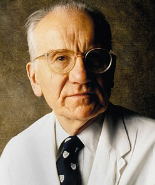 Victor A. McKusick合作论文数The Johns Hopkins Hospital3
 Michael V. Johnston合作论文数Neuroscience Laboratory, Kennedy Krieger Institute;School of Medicine, Johns Hopkins University3Marc S. Sussman合作论文数3Jm Dinatale合作论文数2A Herskowitz合作论文数2CD STONE合作论文数2Sc Achuff合作论文数2Jorge D. Salazar合作论文数2M Hatanaka合作论文数2Ee Tseng合作论文数2Ma Gillinov合作论文数2
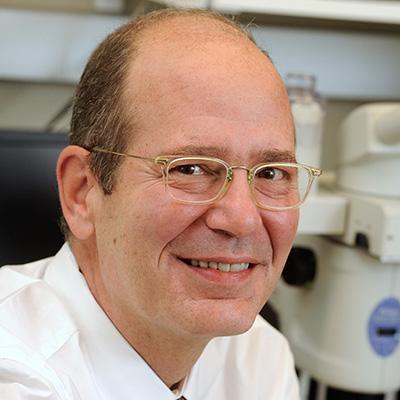 Harry (Hal) Dietz合作论文数Department of Molecular Biology and Genetics, School of Medicine, Johns Hopkins University;Howard Hughes Medical Institute2Cho P W合作论文数2
 Guy M. McKhann II合作论文数Department of Neurosurgery, Columbia University;Columbia University Irving Medical Center2Schueler S合作论文数2
 Ronald P. Lesser合作论文数Department of Neurology, School of Medicine, Johns Hopkins University2
 Ralph Hruban合作论文数Department of Oncology, Johns Hopkins University School of Medicine;The Sol Goldman Pancreatic Cancer Research Center, Johns Hopkins University2
 Charles D. Fraser合作论文数Dell Children 's Medical Center, Ascension;Department of Surgery & Perioperative Care, Dell Medical School, The University of Texas at Austin;Department of Pediatrics, Dell Medical School, The University of Texas at Austin;University of Texas Health Science Center Houston;The Texas Heart Institute2




